Garden Bed Edging Using Natural Stone, Wood, and Plants
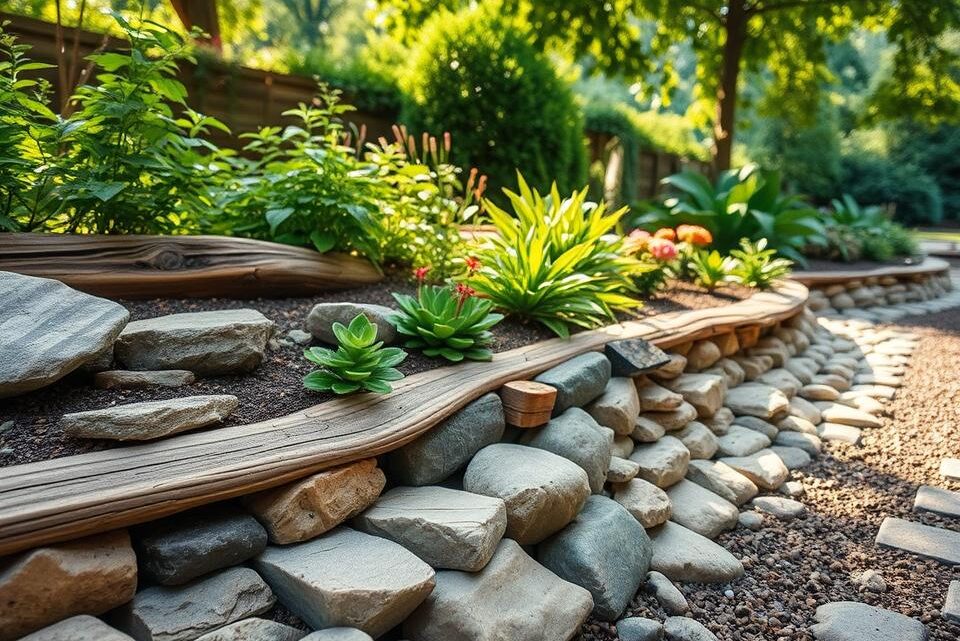
Creating beautiful garden bed edging transforms outdoor spaces across British landscapes. Your garden’s boundaries define its character, blending functionality with aesthetic appeal. Whether you’re designing a compact urban garden or a sprawling countryside retreat, selecting the right garden bed edging material can elevate your landscape design.
Gardeners throughout the United Kingdom have three primary options for defining garden borders: natural stone edging, wooden garden edging, and living plant borders. Each approach offers unique benefits, allowing you to personalise your outdoor space while addressing practical landscaping challenges.
Understanding the nuances of these edging techniques empowers you to make informed decisions. Your garden’s style, maintenance requirements, and budget will guide your choice of garden bed edging, ensuring a result that reflects your personal aesthetic and practical needs.
Inhaltsverzeichnis
Key Takeaways
- Natural stone, wood, and plants provide distinctive garden edging solutions
- Choose edging materials based on garden style and maintenance capabilities
- Consider local landscape characteristics when selecting borders
- Edging materials impact both visual appeal and garden functionality
- British gardens benefit from thoughtful, well-designed boundaries
Understanding the Importance of Garden Bed Edging in British Gardens
Garden bed edging transforms ordinary landscapes into extraordinary outdoor spaces. In the realm of garden design UK, these carefully crafted boundaries are more than simple decorative elements – they’re strategic landscaping materials that define your property’s visual narrative.
Your garden represents an extension of your home, and professional property landscaping begins with understanding how strategic edging can revolutionise your outdoor environment.
Defining Garden Boundaries and Structure
Crisp garden edges create a visual framework that organises your landscape. They establish clear zones between different planting areas, lawns, and garden features. By implementing thoughtful edging, you:
- Create clean, geometric lines
- Separate lawn from flower beds
- Provide visual structure to your garden design
Preventing Soil Erosion and Lawn Encroachment
British gardens face unique challenges with rainfall and soil movement. Professional edging acts as a protective barrier, preventing:
- Soil displacement during heavy rainstorms
- Grass roots spreading into flower beds
- Mulch and compost from washing away
Enhancing Visual Appeal and Property Value
Well-designed garden edges aren’t just functional – they’re an investment. Sophisticated landscaping materials can significantly boost your property’s kerb appeal and potentially increase its market value.
By integrating strategic edging, you’re not just maintaining a garden – you’re crafting an outdoor masterpiece that reflects your personal style and enhances your property’s overall aesthetic.
Natural Stone Edging: Timeless Elegance for Your Garden Beds
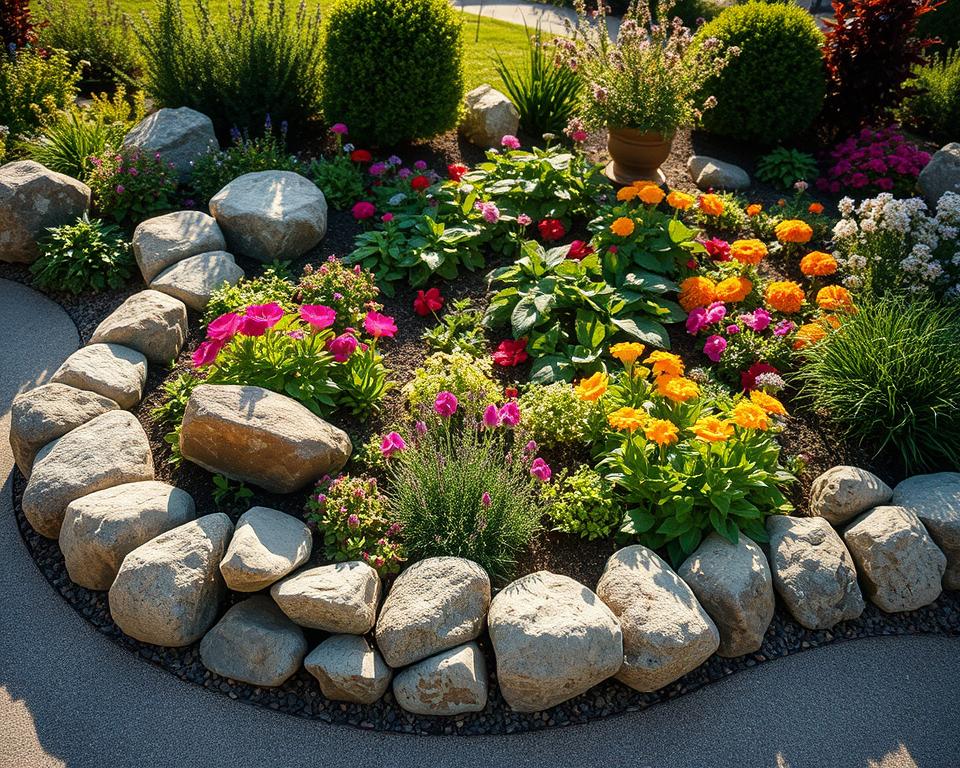
Natural stone garden borders represent the pinnacle of garden edging ideas, offering unparalleled sophistication to your outdoor spaces. These stone garden borders have been a staple in British landscaping for centuries, providing both structural integrity and aesthetic beauty to gardens across the United Kingdom.
When considering formal garden borders, stone emerges as the ultimate material. Its inherent durability and classic appearance make it a preferred choice for gardeners seeking long-lasting elegance. The weight and permanence of stone create a robust boundary that withstands the test of time.
- Exceptional durability spanning generations
- Versatile design options for various garden styles
- Minimal maintenance requirements
- Increases property aesthetic value
Stone edging offers remarkable versatility across different garden design philosophies. From meticulously planned Georgian formal gardens to contemporary naturalistic landscapes, these borders adapt seamlessly to your vision.
| Stone Type | Aesthetic Quality | Durability Rating |
|---|---|---|
| Limestone | Soft, neutral tones | High |
| Sandstone | Warm, rustic appearance | Moderate to High |
| Slate | Modern, sleek look | Very High |
While stone garden borders represent a higher initial investment, their lifetime value cannot be understated. You’ll benefit from a premium solution that requires minimal replacement and maintenance, ultimately proving cost-effective in the long term.
Selecting the Right Stone Materials for Your Garden Design
Choosing the perfect stone for your garden edging is a crucial decision that impacts both garden aesthetics and sustainable gardening practices. Your selection goes beyond mere appearance, reflecting the character of your outdoor space and local landscape.

When exploring cottage garden edging options, three primary stone types stand out for British gardens:
- Limestone: Offers warm honey tones perfect for traditional properties
- Sandstone: Provides subtle colour variations and excellent weather resistance
- Slate: Delivers contemporary elegance with smooth, dark surfaces
Comparing Stone Characteristics
Each stone type brings unique qualities to your garden design. Limestone presents a soft, aged appearance that blends seamlessly with historic landscapes. Sandstone offers rich, natural textures that complement various architectural styles. Slate provides crisp, modern lines ideal for contemporary garden spaces.
Local Sourcing: A Sustainable Approach
Selecting locally quarried British stone delivers multiple benefits. You’ll reduce transportation emissions, support regional quarrying communities, and create an authentic connection with your local landscape. Local stones typically prove more cost-effective and align perfectly with sustainable gardening principles.
Your stone selection is more than a design choice—it’s a commitment to environmental responsibility and regional character.
Wooden Edging Solutions: Rustic Charm and Natural Beauty
Wooden garden borders offer a warm and inviting approach to DIY garden edging that can transform your outdoor space with minimal effort. These natural boundaries bring rustic character to garden renovation projects, providing a versatile solution for defining garden bed edges.

Selecting the right timber for your garden border ideas requires careful consideration of wood types and their unique characteristics. You’ll want to weigh the pros and cons of different wood varieties to create a lasting and attractive garden edge.
Hardwood vs Softwood: Making the Right Choice
When exploring wooden garden edging, you’ll encounter two primary wood categories:
- Hardwoods: Oak and sweet chestnut offer exceptional durability
- Softwoods: Pine and larch provide more budget-friendly options
“The right wood can transform your garden from ordinary to extraordinary” – Garden Design Expert
Timber Treatment Considerations
Your wooden garden edging strategy should account for wood preservation. Consider these key points:
- Pressure-treated timber extends wood life but may contain chemicals
- Naturally rot-resistant woods offer organic alternatives
- Proper sealing can significantly increase timber longevity
DIY garden edging with wood requires minimal tools and skills, making it an accessible project for gardeners of all experience levels. Your choice of wood will ultimately depend on budget, aesthetic preferences, and long-term maintenance commitment.
Garden Bed Edging Using Natural Stone, Wood, and Plants

Selecting the right landscaping materials for your garden design UK can transform your outdoor space. Each garden edging idea brings unique characteristics that impact aesthetics, durability, and maintenance requirements.
When exploring garden edging ideas, you’ll encounter three primary materials: natural stone, wood, and living plants. Each option offers distinct advantages for different garden styles and practical needs.
- Natural Stone: Provides permanent, elegant boundaries with exceptional durability
- Wooden Edging: Offers rustic charm and versatile design potential
- Plant Borders: Creates soft, organic transitions between garden spaces
Comparing these materials requires careful consideration of several key factors:
| Material | Lifespan | Cost Range | Maintenance Level |
|---|---|---|---|
| Natural Stone | 50+ years | £30-80 per linear metre | Low |
| Wooden Edging | 10-25 years | £8-35 per linear metre | Moderate |
| Living Plants | Ongoing | £5-20 per metre | High |
Your choice depends on your garden’s specific context, budget, and desired aesthetic. Formal front gardens might benefit from stone’s permanence, while cottage-style landscapes could shine with wooden or plant-based edges.
Remember: The best garden edging solution balances visual appeal with practical considerations.
Living Plant Edging: Creating Soft, Organic Borders
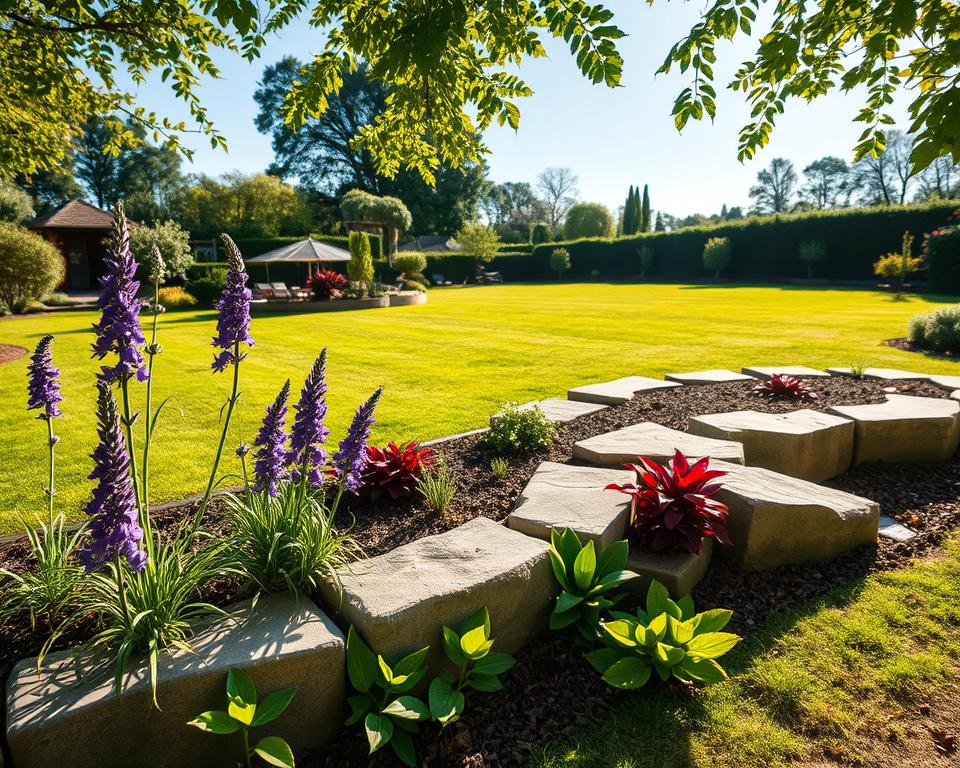
Living plant borders offer a dynamic and enchanting approach to defining your garden spaces. Unlike rigid stone or wooden edgings, plant borders in the UK bring movement, texture, and ecological benefits to your landscape design. These organic edges transform garden maintenance into an artistic expression.
When selecting border plants UK gardeners prefer, consider these key characteristics:
- Low-growing perennial options
- Compact root systems
- Consistent growth patterns
- Seasonal visual interest
Your plant borders can serve multiple purposes beyond aesthetic appeal. They create natural habitats for beneficial insects, provide gentle transitions between different garden zones, and offer year-round visual interest through carefully selected species.
Native UK plants work exceptionally well for creating living garden edges. Consider options like:
- Lavender
- Boxwood
- Thyme
- Sedges
Garden maintenance for plant borders requires regular attention. Pruning, dividing, and occasional replanting will keep your living edges looking crisp and healthy. Strategic plant selection minimises intensive care while maximising visual impact.
The beauty of plant borders lies in their ability to evolve and change with the seasons.
Installation Techniques for Stone Garden Edging
Creating professional landscape edging requires careful planning and precise execution. Your garden renovation project demands attention to detail, especially when installing stone borders that will define and enhance your outdoor space.

DIY garden edging with stone involves several critical steps to ensure long-lasting results. Understanding the proper installation techniques will help you create a stunning garden boundary that stands the test of time.
Preparing the Ground and Creating Level Foundations
Successful stone edging begins with meticulous ground preparation. Follow these essential steps:
- Excavate the area to a depth of 15-20 centimetres
- Remove all grass, roots, and existing vegetation
- Compact the ground using a hand tamper or mechanical compactor
- Create a level base using a spirit level and string lines
- Add a layer of hardcore or compacted sand for drainage
Securing Stones with Mortar or Dry-Laying Methods
Two primary techniques exist for installing stone garden edging:
- Dry-Laying Method
- Ideal for curved or informal garden designs
- Allows easier future modifications
- Provides better natural drainage
- Mortar-Setting Method
- Perfect for formal, straight-line edges
- Offers maximum stability
- Creates a permanent, precise installation
Your choice depends on your garden’s style, budget, and personal skill level. Professional landscapers recommend assessing your capabilities before undertaking this physically demanding project.
Constructing Durable Wooden Garden Borders

Creating wooden garden edging is an accessible DIY project that transforms your garden’s aesthetic with minimal effort. Wooden garden edging provides a practical solution for defining garden borders while adding natural charm to your outdoor space.
When selecting materials for DIY garden border ideas, consider these wooden options:
- Timber boards (15-22cm height)
- Pre-formed edging rolls
- Sawn log sections
- Railway sleepers
Your garden border ideas can come to life with a few essential tools: a spade, club hammer, handsaw, and spirit level. The installation process involves several key steps:
- Mark the edge line using string or garden hose
- Excavate a shallow trench
- Bury 5-8cm of edging for stability
- Secure boards with treated wooden stakes
Professional tip: Always position stakes on the bed side of boards, hidden by plants. Slightly overlap boards in curved sections to prevent unsightly gaps. Apply additional wood preservative to cut ends for enhanced durability.
Wooden garden edging offers flexibility for gardeners of all skill levels, transforming garden boundaries with rustic elegance and practical functionality.
Establishing Plant-Based Edging for Year-Round Interest
Creating living edges in your garden offers a dynamic alternative to traditional border plants UK. These natural boundaries transform garden maintenance into an artistic expression, blending functionality with aesthetic charm for cottage garden edging.
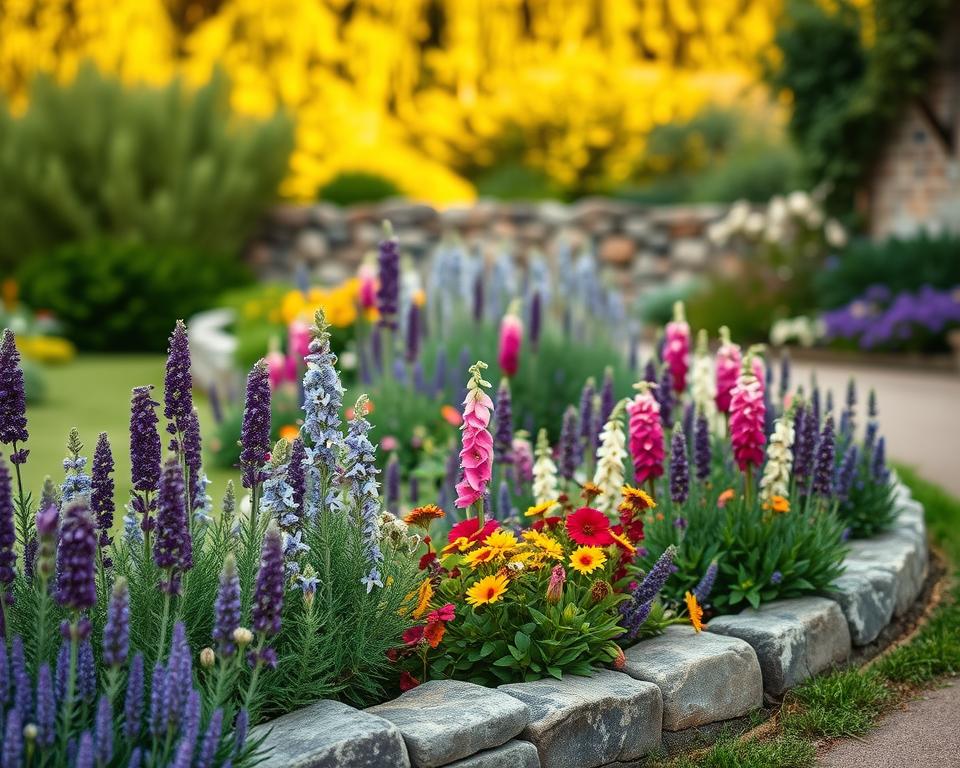
Plant-based garden edges provide a soft, organic approach to defining garden spaces. They breathe life into landscape design, offering texture, colour, and seasonal variation that static materials cannot match.
Selecting Low-Growing Perennials and Evergreens
When choosing plants for garden borders, consider these exceptional options:
- Lavandula angustifolia (Lavender): Compact, fragrant, and drought-tolerant
- Box (Buxus sempervirens): Classic evergreen for structured edges
- Hardy geraniums: Providing extended flowering periods
- Nepeta (Catmint): Low-maintenance with delicate purple blooms
Maintenance Requirements for Living Edges
Successful plant edging demands consistent care. Your living borders will require:
- Regular trimming (twice annually)
- Periodic division of congested plants
- Monitoring for disease and pest issues
- Seasonal fertilisation
Select plants matching your specific garden conditions—considering sunlight, soil type, and moisture levels. Embrace the natural imperfections that make plant edges uniquely charming.
Combining Materials: Creating Unique Mixed-Media Garden Edges
In garden design UK, landscape edging becomes an art form when you blend different materials creatively. Your garden edging ideas can transform ordinary borders into stunning visual narratives that capture the essence of sophisticated British landscaping.

Mixed-media garden edges offer multiple benefits for discerning gardeners. By combining structural elements like stone and wood with living plant materials, you create dynamic boundaries that evolve through seasons.
- Stone as primary structural foundation
- Wooden elements providing warmth and texture
- Plants softening hard edges
Consider these strategic approaches to mixed-media landscape edging:
| Material Combination | Design Impact | Best Used In |
|---|---|---|
| Limestone + Lavender | Elegant transition | Formal garden areas |
| Railway Sleepers + Ornamental Grasses | Rustic contemporary | Informal garden zones |
| Slate Chips + Low-Growing Sedums | Modern minimalist | Contemporary landscapes |
Your goal is achieving a harmonious balance where constructed materials provide structure while plants introduce organic movement and softness. This approach ensures your garden edges feel both intentional and naturally evolved.
Conclusion
Selecting the right garden bed edging is a nuanced decision that blends practicality with aesthetic vision. Your property landscaping reflects personal style and environmental considerations. Whether you choose natural stone, wooden borders, or living plant edges, each material offers unique benefits for sustainable gardening approaches.
The key to successful garden bed edging lies in understanding your specific garden context. Stone provides exceptional durability and prestige, wooden borders offer flexibility and warmth, while plant-based edges bring ecological richness. Your ultimate choice should harmonise with your home’s architectural style, existing landscape features, and long-term maintenance capabilities.
Quality installation trumps material selection every time. A meticulously constructed wooden edge can outperform poorly implemented stone borders. Consider your garden as an investment that enhances property value, reduces maintenance challenges, and creates a visually compelling outdoor space that brings you joy for years to come.
Your garden bed edging journey is about creating a personal landscape that speaks to your unique aesthetic and practical needs. By carefully weighing material characteristics, installation techniques, and long-term performance, you’ll transform your garden into a stunning, functional outdoor environment that reflects your individual style and commitment to beautiful, sustainable landscaping.
FAQ
What are the most durable garden bed edging materials for British gardens?
In British gardens, natural stone offers the most durable edging solution, with a potential lifespan of 50+ years. Hardwood options like oak can last 15-25 years, while softwood requires more frequent replacement. Stone edging provides exceptional longevity, particularly when sourced from local British quarries such as Cotswold limestone or Welsh slate.
How much does garden bed edging typically cost?
Edging costs vary significantly: stone edging ranges from £30-80 per linear metre, wooden edging costs £8-35 per linear metre, and plant-based edging is the most economical at £5-20 per metre. Your choice should balance initial investment with long-term maintenance requirements and aesthetic goals.
Can I install garden bed edging myself?
Wooden edging offers the most accessible DIY installation, requiring only basic tools like a spade, hammer, and saw. Stone edging is more complex and often requires professional installation. Plant-based edging is relatively simple but demands ongoing maintenance and horticultural knowledge.
Which edging material works best in wet British conditions?
Natural stone performs best in wet British weather, being completely impervious to moisture and frost. Wooden edging requires careful treatment to prevent rot, while plant-based edges can struggle during prolonged wet periods. Choose materials with proven resistance to the UK’s challenging climate.
How do I choose the right edging for my garden style?
Consider your garden’s character: stone suits formal Georgian gardens, wood complements cottage and kitchen gardens, and living plant edges work beautifully in naturalistic or wildlife-focused designs. Match your edging to your home’s architectural style and the overall landscape aesthetic.
What are the environmental considerations for garden edging?
Plant-based edging offers the most ecological benefits, providing habitats for pollinators and creating soft garden transitions. Locally sourced stone reduces transportation emissions, while sustainably harvested or naturally rot-resistant wood minimises environmental impact. Consider the lifecycle and origin of your chosen material.
How often does garden bed edging require maintenance?
Maintenance varies significantly: stone edging requires minimal upkeep, wooden edges need periodic preservative treatment every 3-5 years, and plant-based edges demand annual trimming, division, and occasional replanting. Your maintenance capacity should influence your material selection.
Can I mix different edging materials?
Absolutely! Mixed-media edges can create sophisticated garden designs. Consider combining stone foundations with plant softening, or wooden borders with trailing perennials. This approach allows you to leverage the strengths of multiple materials while creating visual interest and functional boundaries.