Garden design with mosaic – How to do it yourself and tips for installation
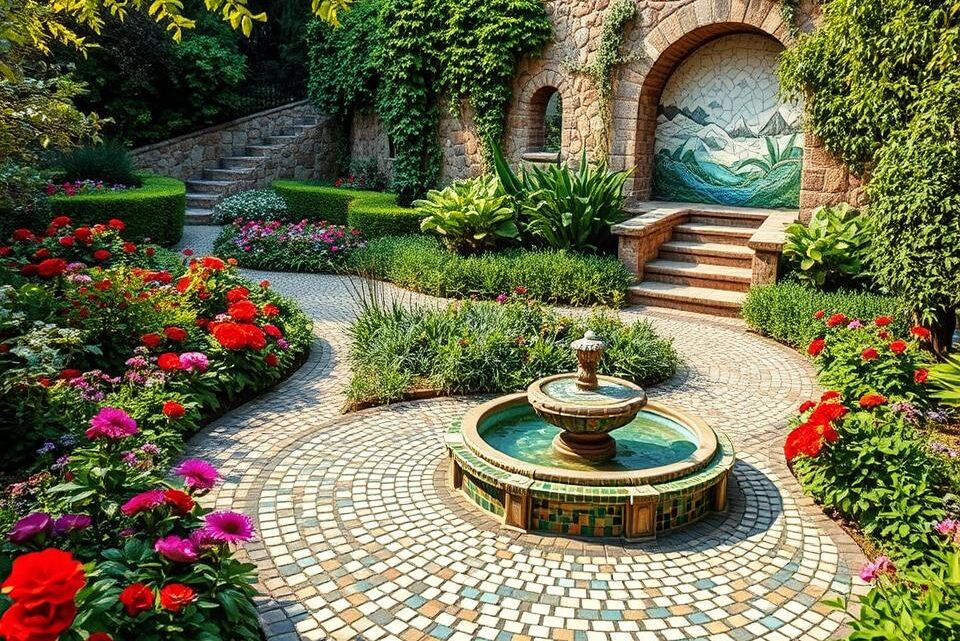
Mosaic tiles, with their vibrant and eclectic charm, are a fascinating element in the world of design and artistry. These small, coloured pieces, crafted from materials like glass, ceramic, or stone, are arranged to form captivating patterns and images, adding a personal touch to your garden.
Incorporating mosaics into your outdoor space allows you to create personalised focal points that reflect your individual style. From pathways and stepping stones to decorative wall features, mosaic art provides versatile design options for every garden size and style.
By learning the art of mosaic creation, you can transform your outdoor space into a unique visual experience, combining functionality with artistic expression.
Inhaltsverzeichnis
Key Takeaways
- Create personalised focal points in your garden with mosaic art.
- Use mosaic tiles to add colour and vibrancy to pathways and stepping stones.
- Incorporate mosaic designs into decorative wall features and garden furniture.
- Transform your outdoor space into a unique visual experience.
- Combine functionality with artistic expression using mosaic art.
Understanding the Art of Garden Mosaics
Mosaic designs are revolutionising garden aesthetics, offering a unique blend of artistry and functionality. The incorporation of mosaics into garden spaces has been a longstanding practice, with a rich history that spans centuries.
The History and Appeal of Mosaic in Gardens
The use of mosaics in gardens dates back to ancient civilizations, where they were used to adorn public spaces and private villas. The appeal of mosaics lies in their ability to add colour, texture, and artistry to otherwise mundane surfaces. By transforming these surfaces into vibrant works of art, mosaics create focal points that draw the eye and add character to the garden.
Benefits of Incorporating Mosaic into Your Garden Design
Incorporating mosaics into your garden design offers numerous benefits, including the addition of year-round visual interest. Mosaics complement seasonal plantings and provide structure during winter months when other garden elements may be dormant. The durability of properly installed mosaic pieces means they require minimal maintenance while withstanding outdoor conditions, making them a practical long-term investment for your garden.
- Mosaic garden features create focal points that help define different areas within your garden landscape.
- Garden mosaics offer unlimited creative possibilities through various materials, colours, and designs.
- Using glass mosaic elements adds reflective qualities that capture and play with light, creating dynamic visual effects.
By incorporating mosaics into your garden, you can personalise your outdoor space in ways that reflect your unique aesthetic preferences. Whether you’re looking to create a statement piece or add decorative accents, mosaics can be scaled to suit any garden size or budget.
Planning Your Garden Mosaic Project
When embarking on a garden mosaic project, careful planning is crucial to achieving a beautiful and lasting result. A well-planned project not only enhances the aesthetic appeal of your garden but also ensures that the mosaic withstands various weather conditions.
Choosing the Right Location and Design
Selecting the right location for your garden mosaic is vital. Consider areas that are visible and can be appreciated from different angles. The design should complement the existing garden decor and architecture.
Selecting Materials for Your Mosaic
The choice of materials for your mosaic significantly impacts its durability and appearance. Common materials include glass tiles, ceramic pieces, and natural stone. Each material has its unique characteristics and advantages.
For a garden mosaic, it’s essential to choose materials that are weather-resistant. You may also consider the colour palette and texture to ensure they blend well with your garden’s surroundings.
Essential Tools and Equipment
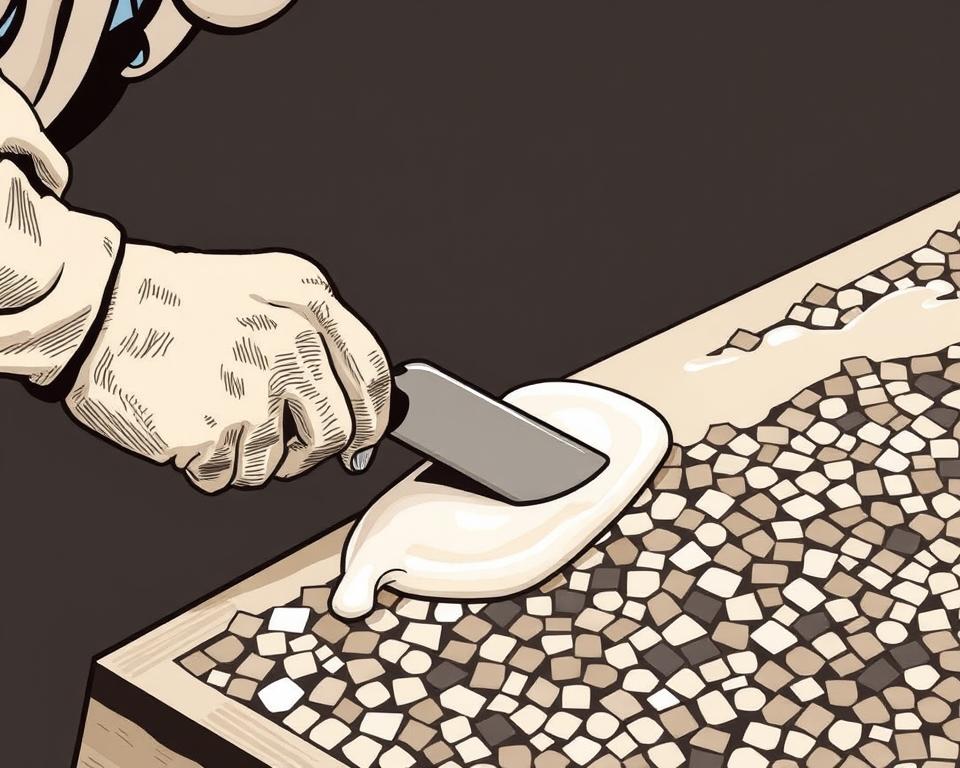
Gathering the right tools and equipment is necessary for a successful mosaic project. Basic tools include a trowel for applying adhesive, nippers or tile cutters for shaping materials, and rubber gloves for protection.
For larger projects, additional equipment such as a contractor’s wheelbarrow and garden hoe may be required. Safety equipment like dust masks and sturdy gloves are also essential.
Garden Design with Mosaic – How to Do It Yourself
Designing a mosaic garden is a rewarding DIY project that can enhance your outdoor space. With a little creativity and some basic materials, you can create a beautiful and unique garden feature.
Preparing the Site and Creating a Solid Base
Before you start creating your mosaic, it’s essential to prepare the site. This involves clearing the area of any debris and creating a solid base. You can use a mixture of sand and cement to create a stable surface. Ensure the base is level and dry before proceeding.Paying attention to the base is crucial for a long-lasting mosaic design.
Step-by-Step Mosaic Installation Process
The installation process involves several steps:
- Prepare your design and materials.
- Apply a layer of mortar to the prepared base.
- Begin placing your mosaic pieces, starting from the center and working your way outwards.
- Use a mixture of pebbles, stones, and glass to create your design, ensuring they are closely spaced for a cohesive look.
- Leave a margin of mortar along the edges to prevent the pieces from slumping.
Working with Different Mosaic Materials
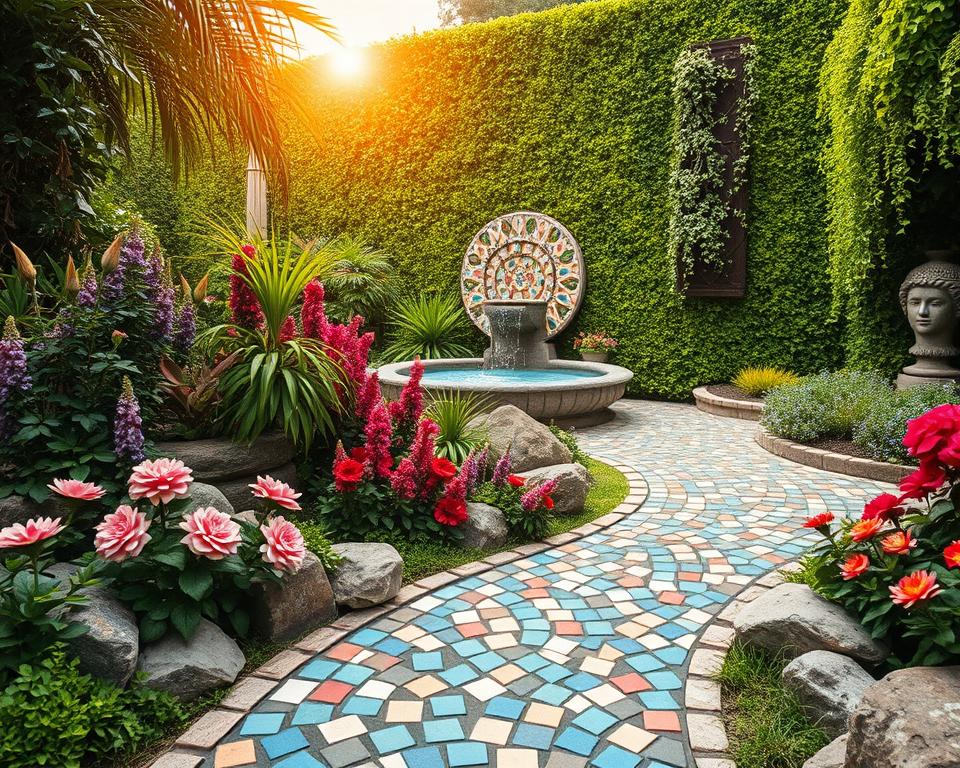
Different materials require specific handling techniques. For instance,ceramic tilescan be cut precisely with nippers, whileglassrequires special cutters. When working withpebbles and stones, select pieces with at least one flat side for stability. Wetting the stones before placement helps the mortar adhere to them. Consider creating a template for complex designs to ensure a proper fit.
By following these steps and tips, you can create a stunning mosaic garden design that adds beauty and character to your outdoor space.
Creative Ideas and Techniques for Garden Mosaics
Incorporating mosaics into your garden design can elevate its visual impact and create a unique ambiance. You can use mosaic art to add a personal touch to various elements of your garden, from pathways to water features.
Pathways and Stepping Stones
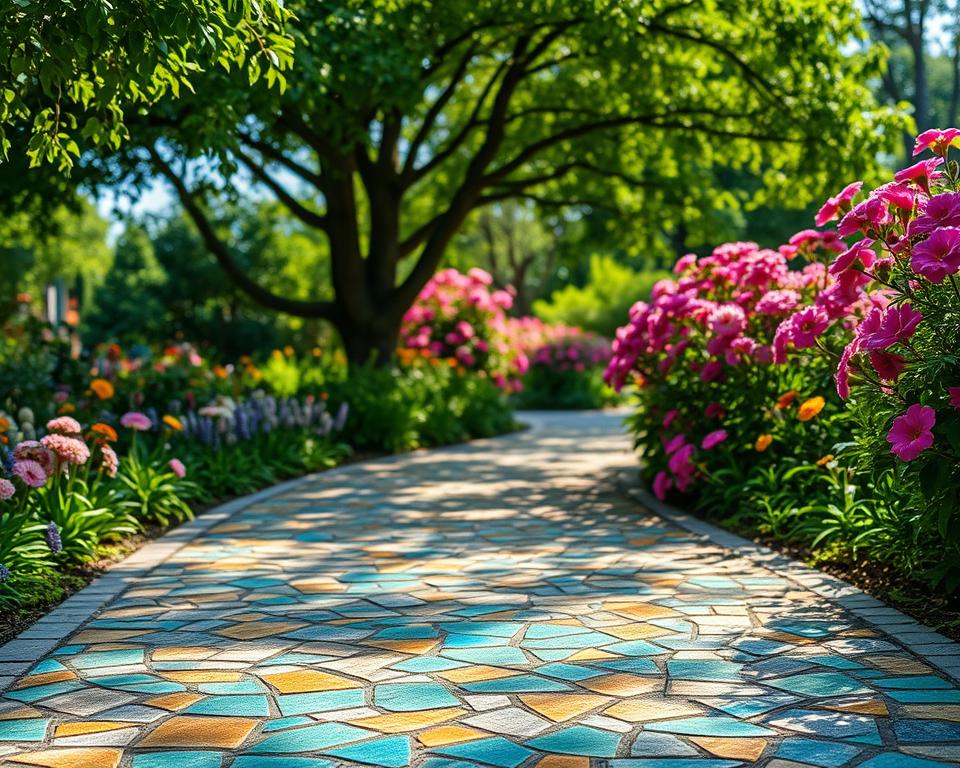
Using mosaics on pathways and stepping stones can add visual interest and guide visitors through your garden. You can create intricate designs or patterns that complement the surrounding landscape. For a durable finish, ensure that the mosaic surface is properly sealed.
Wall Features and Vertical Designs
Mosaic wall features can become a focal point in your garden, adding depth and visual appeal. You can create a mosaic mural or pattern on a wall or use mosaic tiles to decorate a vertical garden. Consider the viewing angle and ensure the design is visible from different perspectives.
Decorative Elements for Garden Furniture
Adding mosaic elements to garden furniture can enhance its aesthetic appeal. You can decorate tabletops, chair seats, or other furniture pieces with mosaic tiles, creating a unique and personalized look. Ensure that the mosaic design is durable and weather-resistant.
Water Features with Mosaic Accents
Water features enhanced with mosaic accents can create mesmerizing focal points in your garden. When designing mosaic elements for water features, select materials that are rated for submerged applications. Use waterproof grout and consider the viewing angles to maximize the visual impact.
| Mosaic Application | Key Considerations |
|---|---|
| Pathways and Stepping Stones | Durable finish, visual interest |
| Wall Features and Vertical Designs | Viewing angle, depth |
| Decorative Elements for Garden Furniture | Durability, weather resistance |
| Water Features with Mosaic Accents | Submerged materials, waterproof grout |
Conclusion
As you complete your garden mosaic project, you’ll find that the end result is well worth the time and effort invested. Creating a beautiful garden design with mosaics is a rewarding process that combines artistic expression with practical elements, resulting in unique features that enhance your outdoor space.
Mosaic art allows for endless creative possibilities, from simple stepping stones to elaborate pathways and wall features. To ensure durability, make sure to select weather-resistant stones, tiles, and grout for your outdoor installations. With the right materials and tools, your mosaic project will be a lasting addition to your garden.
The joy of creating something both beautiful and functional with your own hands makes all the planning and work worthwhile. As you develop your mosaic skills, you’ll find new ways to transform your garden into a stunning outdoor space using pebbles, stones, and other mosaic materials.
FAQ
What materials are best suited for creating a garden mosaic?
You can use a variety of materials, including glass, stone, pebbles, and tile, to create a unique and visually appealing garden mosaic. The choice of material depends on the desired colour, texture, and durability.
How do I ensure a level surface for my mosaic installation?
To achieve a level surface, you should prepare the site by clearing the area, levelling the ground, and laying a solid base, such as a sand or concrete base, to provide a stable foundation for your mosaic.
What is the best way to create intricate patterns and shapes with mosaic pieces?
You can use a combination of techniques, including arranging pieces by hand or using a template, to create intricate patterns and shapes. You can also use a mixture of different materials and colours to add depth and visual interest.
How do I grout my mosaic effectively?
To grout your mosaic effectively, you should use a suitable grout for your material, apply it evenly, and wipe away excess grout with a damp cloth. Make sure to follow the manufacturer’s instructions for the recommended grouting technique.
Can I use mosaic in areas exposed to water, such as around ponds or fountains?
Yes, you can use mosaic in areas exposed to water, but you should ensure that the materials and grout used are waterproof and suitable for wet conditions. You should also consider using a sealant to protect the mosaic from water damage.
How do I maintain and clean my garden mosaic?
To maintain and clean your garden mosaic, you should regularly inspect the surface, remove any debris or dirt, and clean the mosaic with a mild detergent and water. Avoid using harsh chemicals or abrasive cleaners that can damage the material.