Expert Garden Greenhouse Cleaning Guide for UK Gardeners
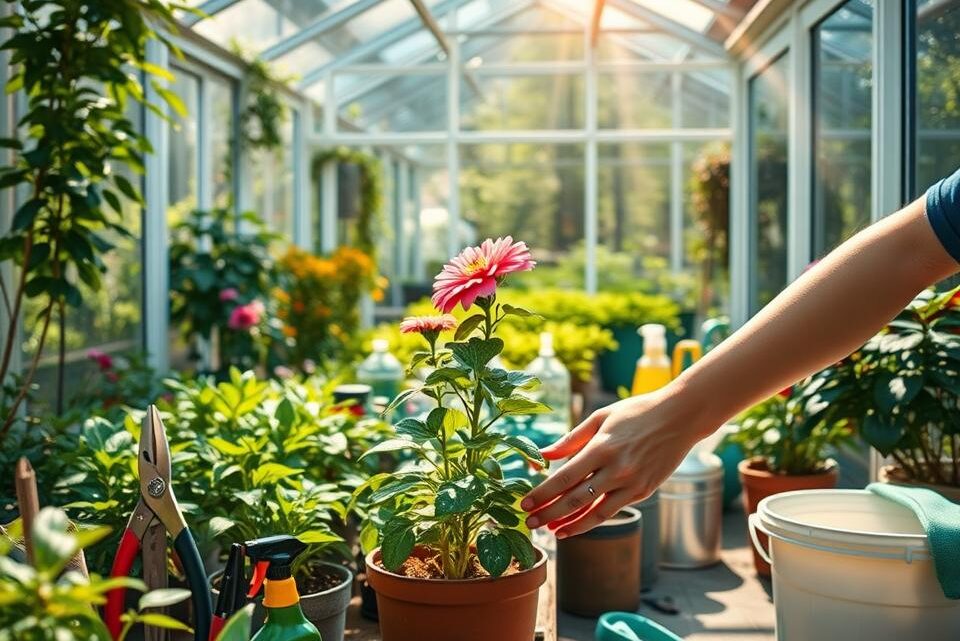
A well-organised horticultural space is the cornerstone of a productive season. For those who cultivate plants under glass, maintaining a pristine environment is not just about appearance. It is a fundamental practice for ensuring plant health and maximising growth potential.
This comprehensive resource offers a systematic approach tailored to the unique conditions faced by British growers. It addresses the transformation of a neglected structure into a thriving, efficient space. Proper care ensures maximum light transmission and significantly reduces the risk of pests and diseases.
The techniques outlined here go beyond simple tidying. They provide actionable steps used by professionals, considering the specific challenges of the UK climate. By following this advice, gardeners can extend their growing season and protect their valuable plants.
A well-maintained glasshouse is a powerful tool for any gardening enthusiast. It creates an optimal environment where plants can truly flourish throughout the year.
Inhaltsverzeichnis
Key Takeaways
- A clean structure is vital for plant health and optimal growth.
- Regular maintenance prevents common pest and disease issues.
- Proper care maximises light levels for better plant development.
- Systematic cleaning extends the lifespan of the entire setup.
- Following a proven method saves time and effort in the long run.
- A well-organised space increases gardening efficiency and enjoyment.
Introduction to Greenhouse Cleaning and Maintenance
Timing is everything when it comes to effective horticultural care. A well-maintained structure forms the foundation for successful cultivation throughout the year.
Overview of Greenhouse Cleaning
Regular upkeep prevents the build-up of harmful pathogens and debris. This maintenance directly impacts plant health and productivity. Most growers should clean their structure at least once annually.
Those using their space intensively often benefit from biannual sessions. This approach maintains optimal conditions for plant development.
Aligning Cleaning with the Growing Season
The timing of maintenance work aligns strategically with seasonal changes. October and April are the most recommended months for thorough attention.
An October session occurs after summer crops finish. It prepares the space for overwintering specimens. This timing ensures the structure can withstand harsh weather while maximising limited winter light.
April maintenance readies the environment for the main cultivation period ahead. It removes winter accumulation and ensures maximum light transmission for spring seedlings.
| Season | Timing | Primary Focus | Benefit |
|---|---|---|---|
| Autumn | October | Post-harvest preparation | Winter protection |
| Spring | April | Pre-season readiness | Optimal light transmission |
| Intensive Use | Biannual | Continuous maintenance | Year-round performance |
Understanding when and why to clean ensures growers invest their time effectively. This creates a pristine environment exactly when plants need it most.
Benefits of a Clean Greenhouse
The advantages of a well-kept glasshouse extend far beyond simple visual appeal. A systematic approach to upkeep delivers tangible rewards that directly influence the health of your cultivation projects and the longevity of your investment.
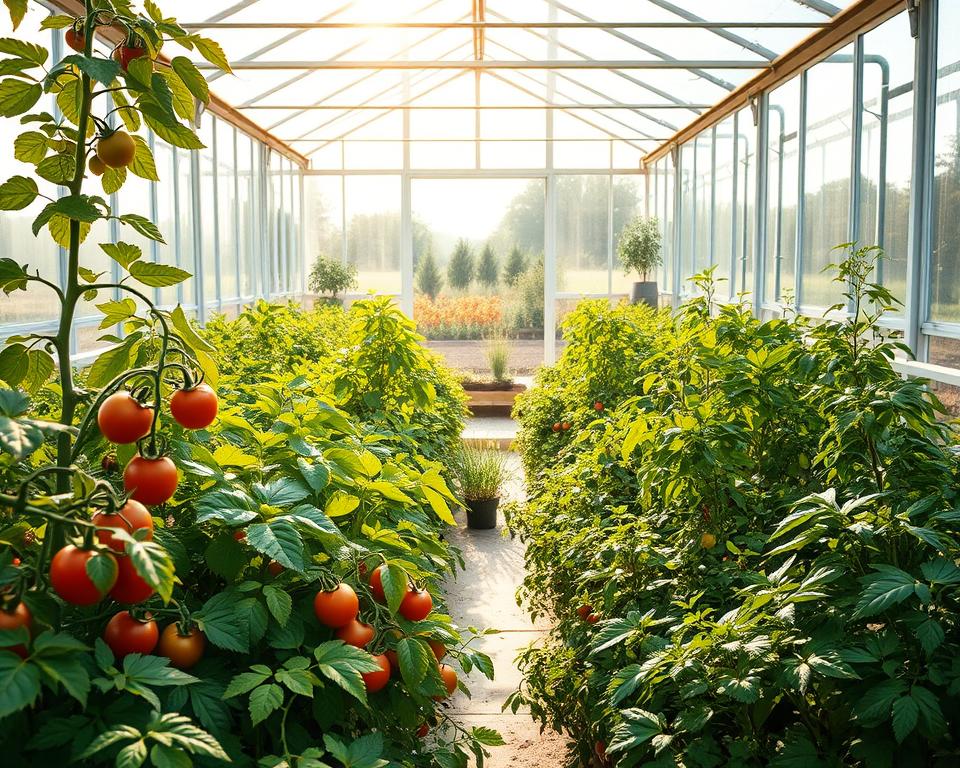
Enhanced Plant Growth and Germination
Clear glass panes are crucial for maximising sunlight penetration. This abundant light is the primary fuel for photosynthesis, leading to stronger, healthier plants.
Improved germination rates and robust seedling development are direct results of this optimal environment.
Reduced Risks of Pests and Diseases
A thorough clear-out eliminates hiding spots for insects and spores. This proactive measure is a powerful defence against common pests and diseases.
By removing debris where pathogens thrive, growers significantly lower the risk of disease outbreaks that can devastate crops.
Improved Structural Longevity
Regular maintenance allows for the early detection of potential issues. Addressing minor wear and tear promptly protects the entire structure.
This vigilance ensures frames and glazing remain sound for many seasons, safeguarding your horticultural space.
Garden Greenhouse Cleaning Guide: Step-by-Step Process
Proper preparation and methodical execution transform what could be an overwhelming chore into manageable steps. A systematic approach ensures thorough attention to all areas while maintaining efficiency throughout the process.
Cleaning the Exterior: Techniques and Tools
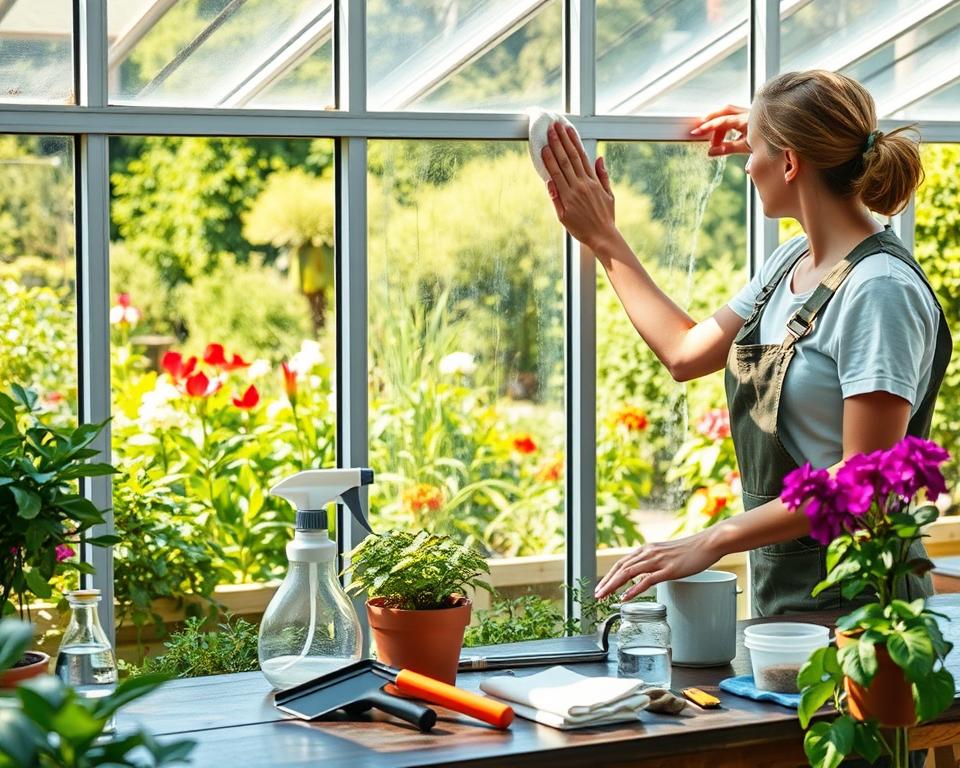
Begin by removing loose debris such as leaves and cobwebs using a broom or blower. Work systematically from the roof downward to walls and base areas.
Rinse the structure with a garden hose, again working top to bottom. Apply mild detergent and scrub panes and frames with a soft-bristled brush. Different materials require specific care – gentle cleaners for timber, rust treatment for metal frames.
Thorough rinsing with clean water removes all residue. Use a squeegee followed by drying to prevent water marks on windows.
Inside Out: Effective Interior Cleaning Methods
Empty the space completely, removing all pots and equipment. This provides full access to all surfaces including often-missed corners and vents.
Dust shelves and beams before sweeping the floor. Scrub all interior surfaces with mild detergent, paying attention to moss and accumulated dirt. Careful rinsing prevents excess moisture that encourages mould.
Specialised glass cleaner eliminates streaks from windows and panes. Final disinfection kills remaining bacteria and fungi.
Essential Safety Measures and Equipment
Always wear protective gloves when handling glass or metal components. Work only on accessible areas using long-handled tools for difficult sections.
Never lean against glazing and always have assistance when using ladders. Choose calm, dry weather for the task to ensure safety and proper drying.
Seasonal Cleaning Considerations and Practical Tips
The changing seasons bring distinct requirements for horticultural structure upkeep. Each period of the year presents unique opportunities and challenges for maintenance work.
Spring and Autumn Cleaning Strategies
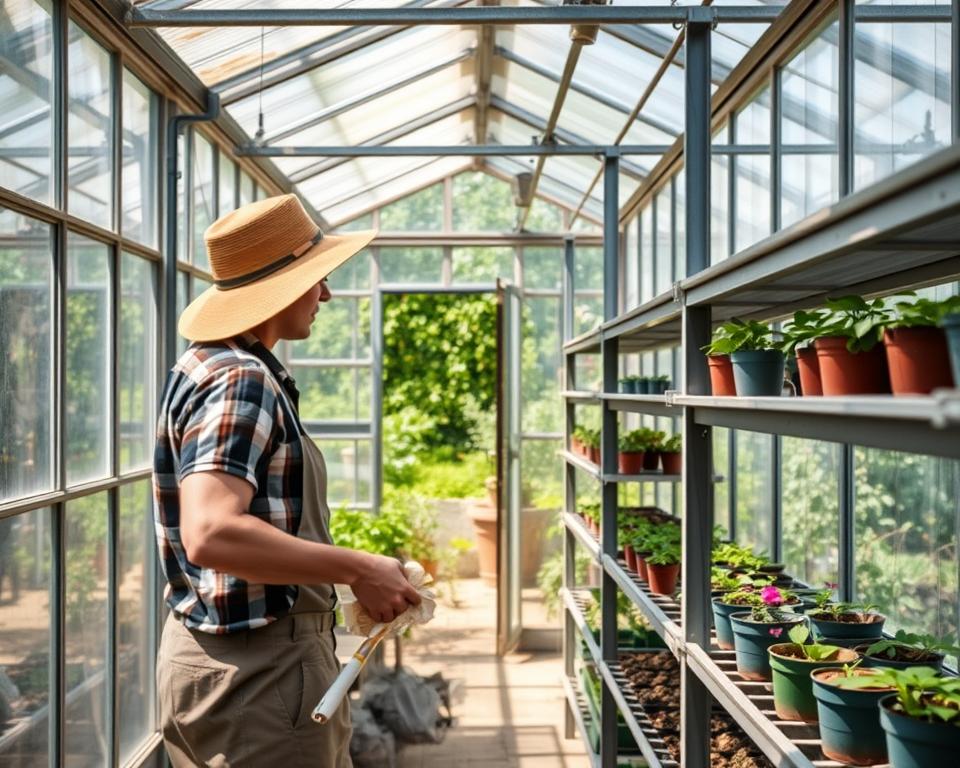
Early spring represents a critical time for preparation. This period readies the space for the intensive growing season ahead. Maximising available light prevents seedlings from becoming leggy.
When temporarily relocating tender specimens, choose a calm, mild day. Temperatures around 7°C prevent cold damage during brief outdoor exposure. Autumn maintenance occurs after summer crops finish.
This season allows thorough inspection before winter. The typically mild weather facilitates comprehensive work without rushing.
Winter and Summer Precautions
Winter suits structures left completely empty. This time of year allows maintenance without plant welfare concerns. Choose a day when forecasts predict mild, dry conditions.
Late summer offers an alternative cleaning window. The structure typically contains only cuttings, making emptying straightforward. This prepares for overwintering tender specimens.
Regardless of season, always select favourable weather. Proper timing ensures optimal conditions for cultivation throughout the year.
Essential Tools, Equipment and Cleaning Techniques
Success in horticulture often hinges on the quality of the tools at hand. Having the right equipment for the job transforms a daunting task into a straightforward process. It ensures every nook and cranny receives proper attention.
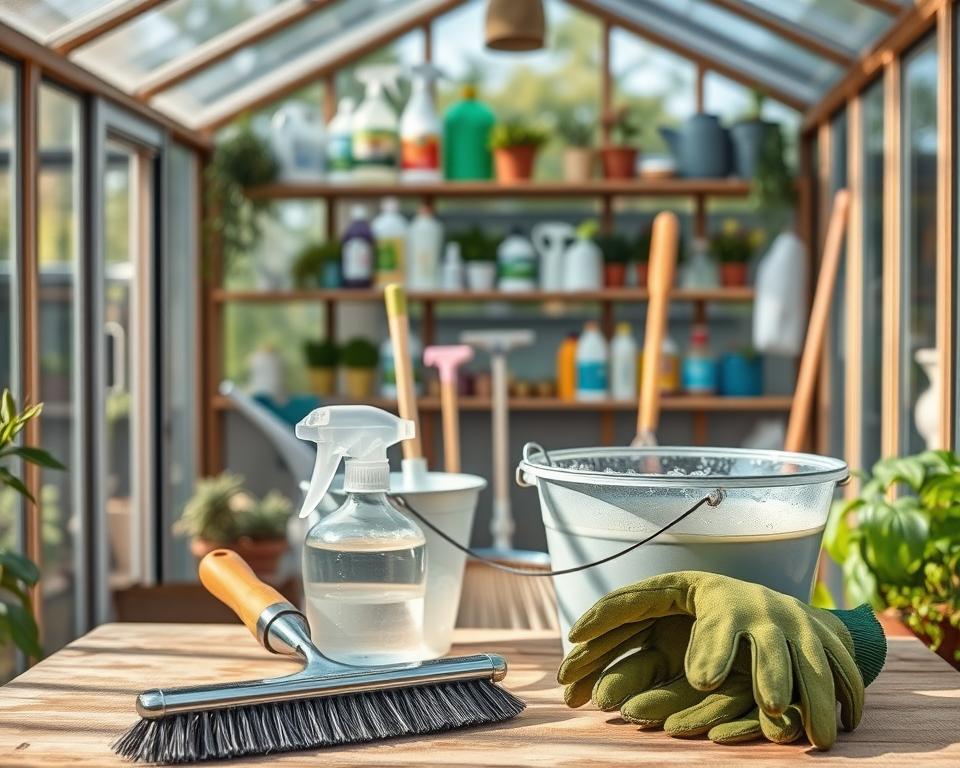
A well-organised toolkit is the first step towards an effective maintenance session. It allows for a systematic approach, working from the top downwards.
Must-Have Cleaning Tools and Products
Protective gloves are non-negotiable for safety. A long-handled brush is ideal for reaching high glazing and clearing debris from the roof.
Multiple buckets are essential. One collects litter, while others hold warm, soapy water for washing surfaces. A small, stiff brush scrubs away stubborn moss and dirt from frames and vents.
A hose or pressure washer provides a powerful rinse. For delicate panes, a soft cloth and squeegee prevent streaks. An old plant label is a clever tool for dislodging moss between glass.
Choosing the Right Cleaning Solutions for Surfaces
Selecting appropriate solutions is crucial. Mild, natural detergents are generally safe for most surfaces. A hot, soapy water solution is highly effective for cutting through grime.
The right solution not only cleans but also protects the integrity of the structure.
Specific areas need special care. The water butt requires a thorough scrub to prevent algae. All pots and tools should be cleaned before returning them. Replacing old soil is a vital final step to ensure a truly clean greenhouse.
| Tool Category | Essential Items | Primary Use |
|---|---|---|
| Protection & Reach | Gloves, Long-handled brush | Safety, high-level debris removal |
| Washing & Scrubbing | Buckets, Stiff brush, Soft cloth | Applying solutions, scrubbing surfaces |
| Rinsing & Drying | Hose, Squeegee | Removing residue, streak-free drying |
Conclusion
The relationship between cleanliness and plant vitality forms the foundation of effective horticultural practice throughout the year. This comprehensive resource has equipped growers with systematic approaches to maintain optimal conditions.
Ongoing vigilance during the growing season proves essential. Prompt removal of diseased specimens prevents contamination from spreading to healthy plants. This proactive measure significantly reduces pest and disease pressure.
Maintaining biosecurity practices protects the cultivation environment. Avoiding entry after working in potentially contaminated areas prevents introducing pathogens on shoes or clothing. Regular washing of pots and equipment between uses complements seasonal maintenance sessions.
The time invested in proper care delivers substantial returns. Healthier plants, extended growing seasons, and reduced disease outbreaks create a more enjoyable gardening experience. A well-maintained structure with pristine surfaces supports optimal growth from germination to harvest.
FAQ
When is the optimal time to clean a greenhouse?
The most effective periods are late autumn, after the final harvest, and early spring, before the new growing season begins. This timing helps remove pests and diseases while preparing the structure for new plants.
What is the best method for cleaning glass panes?
Use a solution of warm water and mild detergent. Apply with a soft brush or cloth, then rinse thoroughly with a hose. For stubborn deposits like algae, a plastic scraper can be useful to avoid scratching the glazing.
How can one prevent pests and diseases during the cleaning process?
Remove all plant debris, old compost and weeds first. Then, disinfect surfaces, pots and shelving with a suitable horticultural disinfectant. Good ventilation during and after cleaning is crucial to allow surfaces to dry completely.
What essential equipment is recommended for this task?
Key items include a bucket, soft brushes, a hose or pressure washer (on a gentle setting), a plastic scraper, horticultural disinfectant, and protective gloves. Having all tools to hand makes the process more efficient.
Should the structure’s exterior be cleaned as well?
Yes, cleaning the outside is important. It maximises the amount of sunlight that can penetrate the glazing. Remove dirt, moss and grime to ensure plants receive adequate light for photosynthesis.
Are there special considerations for different glazing materials?
Absolutely. Glass can handle most mild detergents, but polycarbonate sheets are softer and can scratch easily. Always use gentle, non-abrasive cleaners and soft cloths on polycarbonate to avoid damaging the surface.
How does a clean structure benefit plant health?
It significantly improves light transmission, which is vital for plant growth. It also eliminates hiding spots for pests and spores of common diseases, creating a healthier environment for germination and development.
What safety precautions should be taken?
Always wear gloves and safety glasses to protect against chemicals and debris. Ensure the area is well-ventilated. When working at height, such as cleaning the roof, use a stable platform and have someone spot you.