Do Plastic Sheds Get Damp? Facts and Prevention Tips
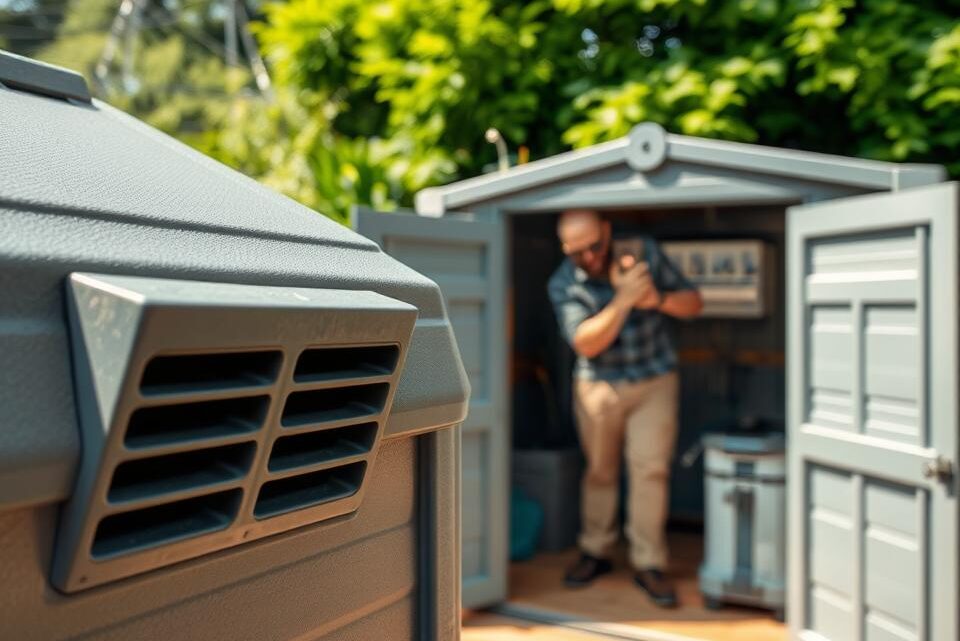
Many homeowners and garden enthusiasts choose vinyl or composite structures for their outdoor storage needs. These units are celebrated for their durability and minimal upkeep. They resist problems like rot and rust that often affect other materials.
However, a common question arises about their performance in moist conditions. Can these garden buildings develop moisture issues? The simple answer is yes, under specific circumstances.
Condensation can form inside any enclosed, unheated space. This is particularly true for single-walled designs. The foundation base plays a crucial role. If dampness is present there, it can lead to moisture problems inside the structure.
This guide explores the facts behind moisture accumulation. It offers clear, practical advice for keeping your garden storage dry and functional all year round.
Inhaltsverzeichnis
Key Takeaways
- Vinyl and composite garden structures offer strong resistance to rot and rust.
- Despite their advantages, these buildings are not completely immune to moisture.
- Condensation is a primary cause of dampness in unheated outdoor storage.
- The quality of the foundation is critical for preventing moisture issues.
- Proper placement and ventilation are essential for a dry interior.
- Understanding the causes of dampness helps in implementing effective prevention.
- Regular maintenance is key to protecting stored items and extending the shed’s life.
Understanding Dampness in Plastic Sheds
To effectively manage a garden building, one must first grasp how dampness develops. It is a process governed by simple physics rather than a structural flaw.
This knowledge is the first step towards creating a dry and functional storage space.
The Science of Condensation
Condensation is the primary culprit behind interior dampness. It occurs when warm, moisture-laden air meets cooler surfaces.
Water vapour turns into liquid droplets on walls and roofs. This is especially common during seasonal changes and cool nights.
These vinyl structures do not absorb moisture. Instead, water beads form visibly on surfaces.
A continuous cycle begins. Warm air rises, hits a cold roof panel, and releases droplets. These fall, evaporate, and the cycle repeats.
Common Environmental Influences
External factors heavily influence condensation. High ambient humidity and sudden temperature drops create perfect conditions.
Single-walled construction offers little insulation. This makes the building’s interior highly sensitive to outside temperature swings.
The enclosed nature of a garden shed fosters a unique microclimate. Moisture can accumulate more easily here than in ventilated spaces.
Understanding these influences allows for better anticipation of potential condensation issues inside the shed.
Do Plastic Sheds Get Damp? – Common Causes and Influences
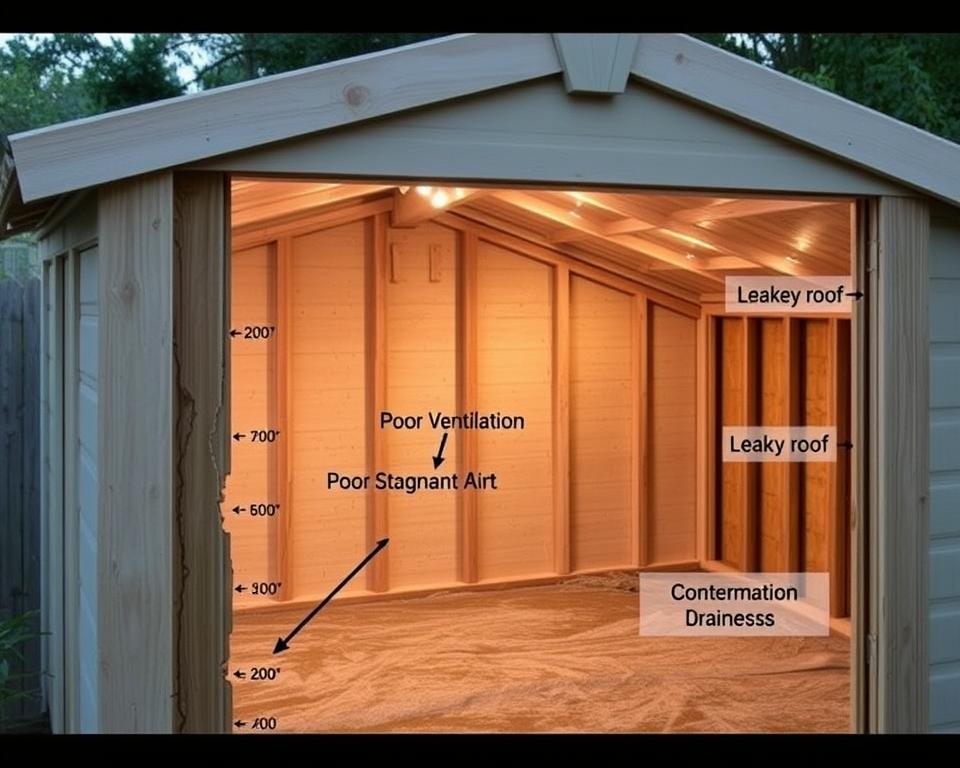
Moisture problems in these structures often stem from a combination of external and construction-related issues. Identifying these factors is crucial for maintaining a dry and functional storage space.
Weather Conditions and Humidity
The weather plays a dominant role. Rain, high humidity, and snow are primary contributors to moisture.
Rain can find its way through tiny gaps around windows or door frames. Humid air carries invisible water vapour that condenses on cool interior surfaces.
Snow presents a delayed challenge. As it melts, water can seep into openings. It also raises humidity levels inside.
Surrounding vegetation matters. Dense plants block airflow, creating a humid microclimate around the building.
Issues with Foundations and Set-Up
A sturdy foundation is the first line of defence. A weak or uneven base invites moisture from the ground.
Water can seep upwards through cracks or gaps in the floor. This compromises the entire structure’s dryness.
Faulty assembly is another concern. Panels that do not align correctly create weak points. Even small installation errors can lead to significant weather penetration.
| Cause | Primary Effect | Common Locations |
|---|---|---|
| Heavy Rainfall | Direct water ingress | Window seals, roof joints |
| High Humidity | Surface condensation | Walls, roof interior |
| Poor Base | Ground moisture seepage | Floor area, lower walls |
| Faulty Assembly | Gaps for weather entry | Panel joints, door frame |
Effective Measures to Prevent Dampness
Several practical solutions exist to maintain optimal dryness within vinyl garden buildings throughout the year. Implementing these strategies addresses the root causes of condensation effectively.
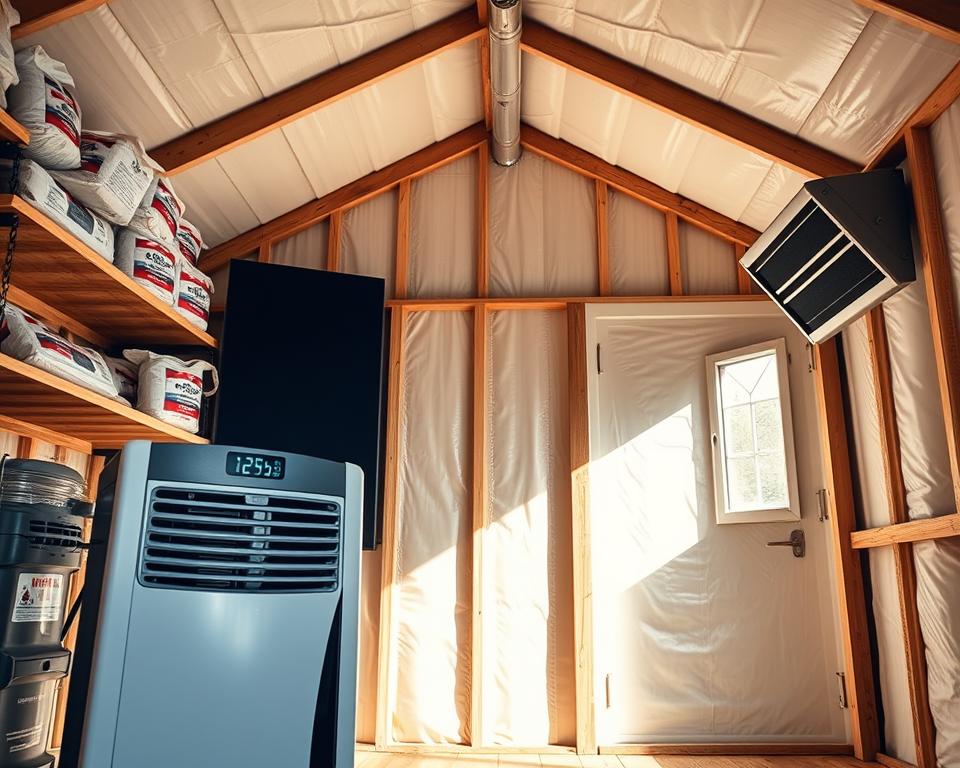
Proper planning during installation prevents most moisture issues. A combination of techniques works best for comprehensive protection.
Proper Shed Placement and Ventilation
Strategic positioning makes a significant difference. Choose well-drained locations away from natural water accumulation points.
Adequate ventilation is crucial for reducing condensation. Install purpose-built air vents near the roofline to allow warm, moist air to escape.
This continuous airflow disrupts the conditions necessary for persistent moisture formation. Regular window opening also improves circulation.
Constructing a Solid Shed Base
A robust foundation provides essential structural support and moisture protection. The base construction process requires careful attention to detail.
Lay a polyethylene plastic sheet over levelled ground before pouring concrete. This damp proof membrane creates a vital barrier against ground moisture.
Allow adequate curing time for concrete foundations—typically over a week in damp conditions. Seal the interior perimeter where the structure meets the base using silicone caulk.
Temperature Regulation and Insulation Options
Insulation materials help maintain stable interior temperatures. Stone-based mineral fibre, PIR boards, and rigid foam boards are excellent thermally efficient options.
One effective method involves bonding polystyrene panels to the roof underside using specialised adhesives. This approach significantly reduces temperature differentials that cause condensation.
Insulation serves the dual purpose of temperature regulation and providing warmer surfaces for interior air contact.
| Prevention Method | Key Benefit | Implementation Difficulty |
|---|---|---|
| Strategic Placement | Prevents external moisture sources | Easy |
| Proper Ventilation | Reduces condensation buildup | Moderate |
| Solid Foundation | Blocks ground moisture ingress | Moderate to Difficult |
| Insulation Application | Minimises temperature variations | Difficult |
Additional Tips and Maintenance Advice
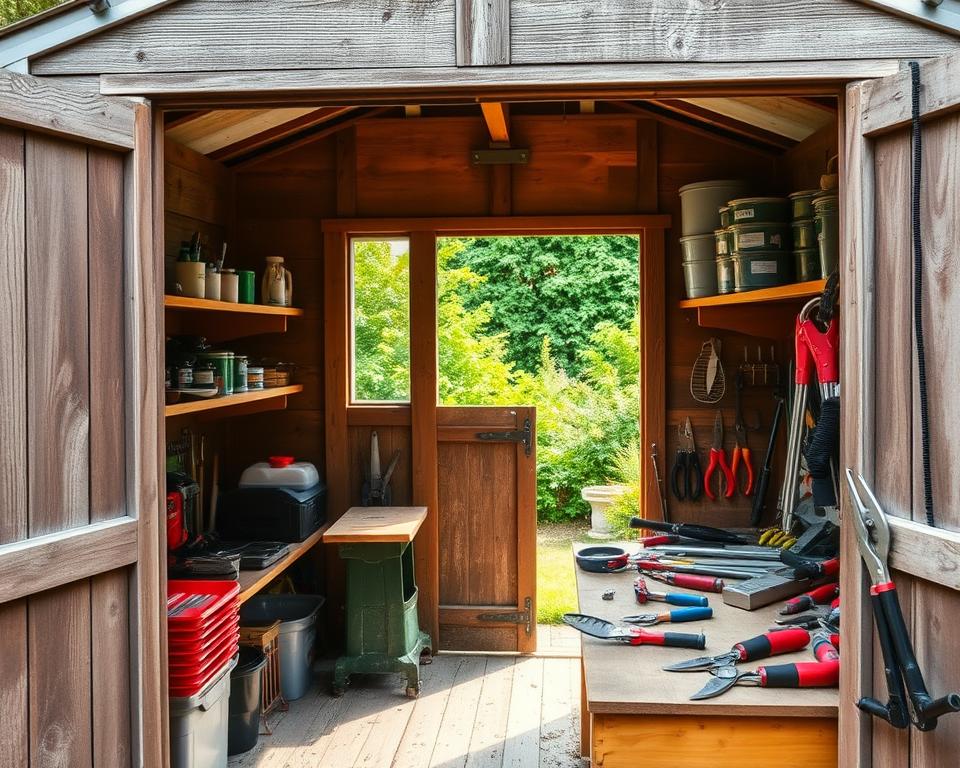
Proactive maintenance routines offer the most reliable defence against moisture-related challenges. Consistent care ensures garden storage remains dry and functional throughout seasonal changes.
Routine Inspections and Repairs
Regular maintenance inspections identify potential issues before they escalate. Homeowners should examine windows, doors, and base perimeters seasonally.
Systematic checks of roof joints and surfaces reveal cracks or seal deterioration. Early detection prevents significant moisture infiltration that could damage stored items.
Using Caulking, Sealing, and Weatherstripping
Effective sealing creates vital barriers against air and moisture ingress. Silicone-based caulk applied with a standard gun seals small gaps efficiently.
Weatherstripping around windows and doors provides compression seals. For larger openings, expanding foam insulation offers superior coverage against condensation.
Proper storage practices significantly reduce interior moisture levels. Never place damp gardening equipment inside the building. Allow all items to dry completely before storage.
Organisational improvements enhance air circulation throughout the space. Vertical shelving and airtight plastic containers protect belongings from surface contact.
| Maintenance Method | Primary Benefit | Recommended Frequency |
|---|---|---|
| Seasonal Inspections | Early problem detection | Quarterly |
| Caulking Application | Seals small gaps | As needed |
| Weatherstripping | Prevents air leakage | Annual check |
| Storage Organisation | Improves circulation | Ongoing |
Elevating metal tools and furniture using pallets creates air gaps beneath items. Silica gel packets inside containers provide passive moisture control for sensitive storage.
Conclusion
Effective moisture control transforms potential problems into manageable aspects of shed ownership. By understanding the physical principles behind condensation, owners can implement targeted solutions that address root causes rather than just symptoms.
The comprehensive approach outlined ensures dry conditions inside the shed structure. Strategic placement, proper foundation work, and adequate ventilation work together to prevent moisture accumulation. Regular maintenance checks identify issues before they escalate.
When these practices are consistently applied, garden storage units provide reliable service for many years. Both vinyl and plastic sheds offer excellent durability when properly maintained. The investment in prevention pays dividends through extended lifespan and protected contents.
FAQ
Can condensation occur inside a plastic garden shed?
Yes, condensation can form inside a plastic garden shed. This happens when warm, moist air comes into contact with the cooler surfaces of the walls and roof, leading to water droplets. Proper ventilation is key to reducing this effect.
How does the foundation affect moisture levels in a shed?
A poorly constructed foundation can lead to moisture problems. Water may pool underneath or around the shed, increasing humidity inside. A solid, level base, such as one made from concrete or paving slabs, helps prevent water ingress and dampness.
What is the best way to improve air flow in a plastic shed?
Installing vents is an effective method to enhance air circulation. These allow moist air to escape and drier air to enter, significantly reducing the risk of condensation. Some models come with pre-fitted vents, while others may require them to be added.
Are certain weather conditions more likely to cause dampness?
A> High humidity and large temperature swings between day and night can increase the likelihood of condensation. During colder months, when the interior is significantly cooler than the outside air, conditions are often ripe for moisture accumulation.
What routine maintenance helps prevent damp issues?
Regular inspections for cracks, gaps, or damage to the structure are essential. Ensuring that seals around windows and doors are intact prevents water from seeping in. Keeping gutters clear of debris also helps manage water flow away from the building.
Can insulation help control temperature and moisture?
Insulation can help by reducing the temperature difference between the inside air and the shed surfaces. This minimises condensation. Materials like polystyrene sheets are commonly used for this purpose in garden storage buildings.
How should items be stored to avoid moisture damage?
It is advisable to keep belongings away from the walls and floor. Using shelves or pallets creates an air gap, improving circulation around your stored items and protecting them from any moisture on the surfaces.