Sturdy Garden Shed Bases – Perfect Foundation
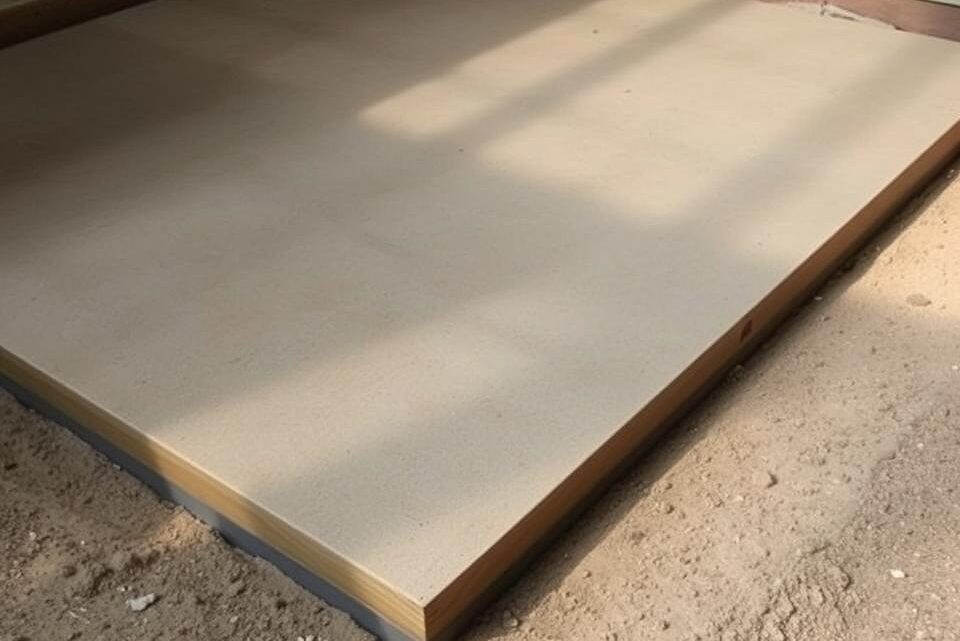
Sturdy garden shed bases set the scene for a long-lasting, safe outbuilding. This article, titled “Sturdy Garden Shed Bases – Perfect Foundation,” focuses on Garden shed bases and the need for durability and stability in the UK climate. It outlines a practical, professional guide that covers selection, installation, regulation and maintenance of a reliable shed foundation.
The guidance is aimed at homeowners and gardeners across the United Kingdom who plan to install or replace a shed, along with DIYers, consumers weighing professional installation, and landscapers or small contractors seeking a concise reference. Whether you have timber, metal or plastic/composite sheds, this guide considers typical UK conditions such as heavy rainfall, clay and loam soils, and frost.
The article follows a clear structure: why a shed foundation matters; types of bases; site preparation; step-by-step installation methods; materials and tools; cost and budgeting; legal and regulatory points for the shed base UK; and maintenance. Expect practical tips to help you choose a sturdy shed base that suits your site, budget and intended shed use.
Inhaltsverzeichnis
Key Takeaways
- A solid shed foundation UK protects your building from moisture, movement and decay.
- Selecting the right Garden shed bases depends on soil type, drainage and shed material.
- A well-built shed base reduces long-term repair and maintenance costs.
- Compliance with local guidance ensures your shed base meets permitted development rules.
Why a Solid Base Matters for Garden Sheds
Choosing the correct base is the first step to ensure shed stability and long-term performance. A well-prepared foundation keeps the structure level, prevents uneven load distribution and guards against wind uplift or snow loads that can strain joints and fixings.
https://www.youtube.com/watch?v=9sk08DTObd0
Structural stability and longevity
A level, stable base stops the frame twisting and prevents misaligned doors and windows. Concentrated loads from shelving or heavy equipment sit safely on a properly designed foundation. Good load-bearing design can extend a wooden shed’s life by decades and boost shed longevity for other materials.
Protecting your shed from moisture and rot
Raising the shed on a drained base prevents ground moisture wicking into timber and helps prevent rot. For metal sheds, it reduces corrosion risk at contact points. Use a damp-proof course or breathable membrane where appropriate to give moisture protection shed and reduce fungal decay.
Impact on maintenance and repair costs
Stable foundations reduce movement that leads to door realignment, panel replacement and floor repairs. Investing in a quality base helps reduce repair costs over the life of the building. Lower maintenance needs, longer replacement cycles and better resale value make the initial outlay economical.
Garden Shed Bases – A Base for Your Shed
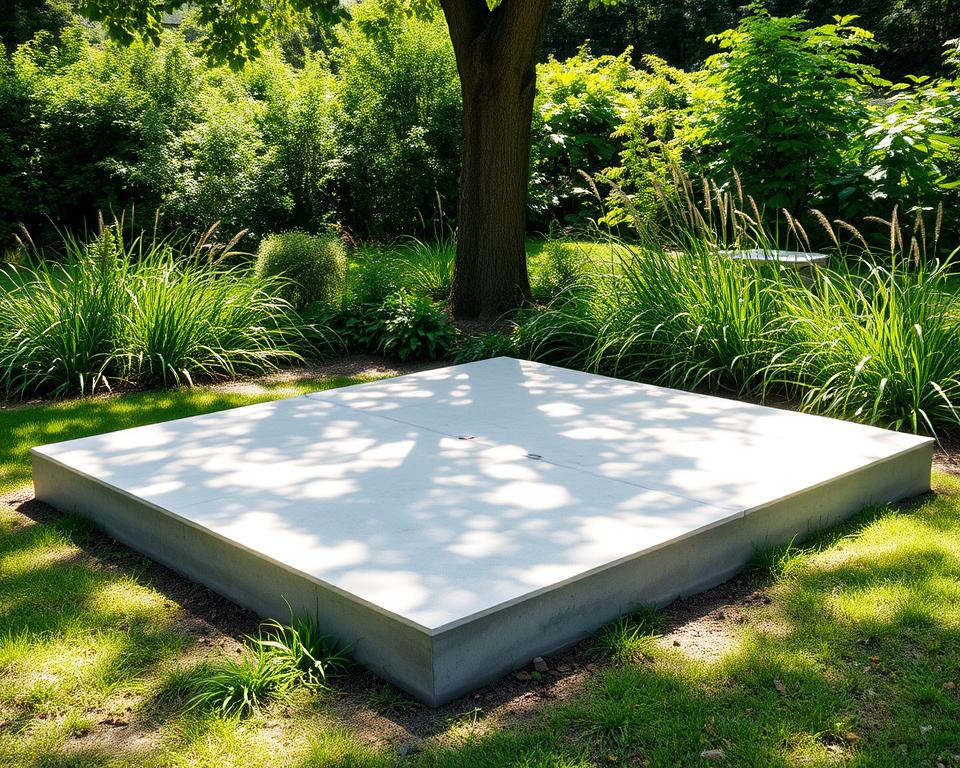
A well-made base keeps a garden shed level, dry and secure. Understanding what is a shed base helps you choose the right solution for the size of your building, the ground conditions and the expected lifespan. The purpose of shed base goes beyond simple levelling: it spreads weight, aids drainage, prevents direct contact with soil and gives anchor points for fixing.
Definition and purpose of a shed base
A shed base is the prepared, level platform on which a shed sits. Permanent bases, such as concrete slabs, offer long-term stability and low maintenance. Temporary or semi-permanent bases, like timber frames or plastic panels, suit portable or small units and allow easier removal. Each type should ensure a flat surface, limit moisture ingress and distribute loads to avoid settlement.
How the right base complements different shed materials
Timber sheds benefit from raised timber frame bases or joists that promote airflow beneath the floor. This reduces damp and extends life. Metal sheds need a rigid, level support such as concrete or composite panels to prevent twisting and to accept corrosion-resistant fixings. Plastic and composite sheds often suit compacted gravel or purpose-made plastic bases that match their moulded footprints. Choosing compatible shed base materials reduces movement, protects fixings and manages thermal effects between materials.
Common misconceptions about shed foundations
Shed foundation myths often discourage proper preparation. One myth says any flat area will do. Laying a shed on uneven turf risks rot, warping and drainage problems. Another myth claims sheds do not need a prepared base. Lack of a base shortens life and increases repair costs. The idea that the cheapest base is the most economical also misleads; poor bases can force early replacement. Some small, lightweight units may sit safely on decking or a minimal base, but larger or metal sheds demand permanent foundations for safety and durability.
Types of Garden Shed Bases Suitable for UK Gardens
Choosing the right base shapes the life and performance of your shed. Below are common options with practical notes on durability, drainage and suitability for different shed types. Use these points to match ground conditions, budget and the shed’s material.
Concrete slab bases
Concrete slab bases are extremely durable and give a truly level platform for heavy or metal buildings. A solid slab lets you fix sheds securely and reduces movement in high winds. Long lifespan makes this a popular choice among professional installers and homeowners seeking a permanent solution.
Costs run higher than other options and curing takes time. If the ground is poorly prepared the slab can crack. A concrete shed base is not easy to relocate and may need control joints or reinforcement to limit shrinkage.
Timber frame and joist bases
Timber frames suit wooden sheds and help ventilation beneath the floor. Using preservative-treated CLS or tanalised timbers with raised bearers reduces ground contact and risk of decay. Add a damp-proof membrane where moisture is a concern.
Timber offers speed of build and ease of repair. A timber shed base can be adapted on irregular sites but needs good airflow and maintenance to avoid rot if sited too close to damp soil.
Gravel and compacted hardcore bases
Gravel bases score highly for drainage and affordability. A typical build uses a geotextile membrane, compacted hardcore, then a 10–20mm gravel or sharp sand topping with edge restraint. This suits lighter garden buildings and locations prone to frost heave.
Expect some settlement over the years and less rigidity for very precise installations. A gravel shed base can be a cost-effective, breathable option where easy drainage is required.
Plastic and composite bases
Factory-made interlocking systems and composite panels give rapid installation and resist rot. These bases are often recyclable and need little maintenance. They work well for plastic sheds and many composite or small timber units.
Weight limits and UV stability vary by product. Some plastic composite shed base systems match the cost of modest concrete slabs, and poor-quality materials can degrade in strong sun. Check manufacturer load ratings before buying.
For many UK gardeners the best shed base UK depends on soil type, shed weight and whether the base must move with the garden in future. Balance durability, drainage and cost when making your choice.
Site Preparation: Getting the Ground Ready
Careful site preparation shed work sets the stage for a durable foundation. Before any digging begins, walk the plot and note slopes, neighbour boundaries and the spot that gets the best light for the door. A clear plan reduces surprises when you start marking out the footprint.
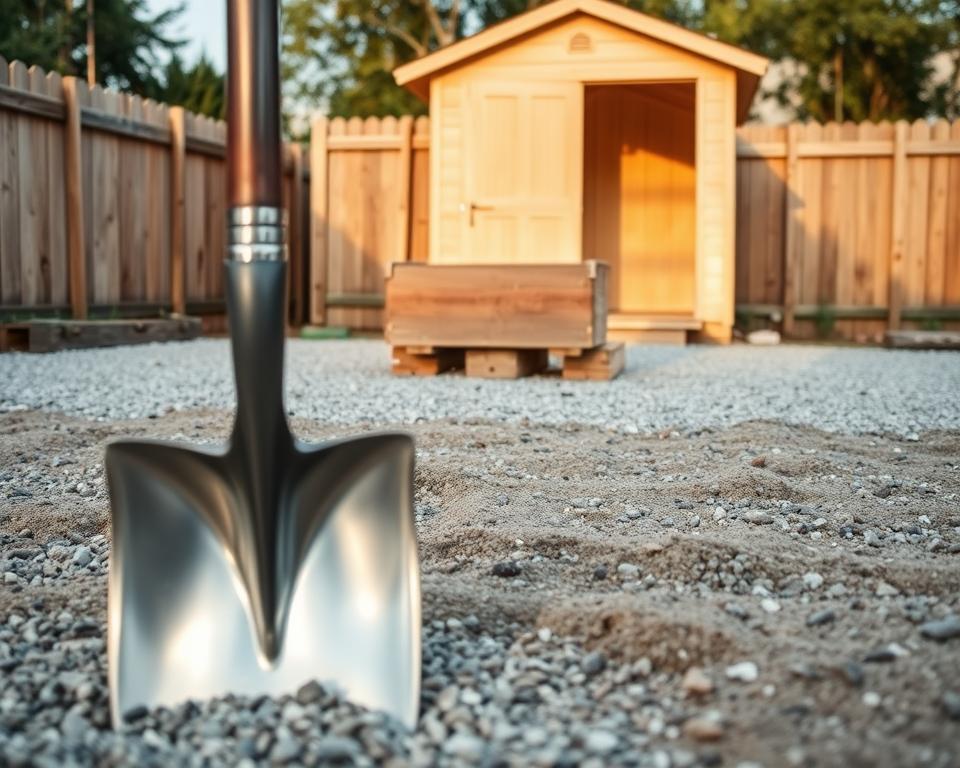
Assessing soil type and drainage
UK gardens typically have clay, loam or sandy soils. Clay holds water and can become waterlogged. Loam drains reasonably well and suits most bases. Sandy soil drains quickly but may need compaction.
Do a simple percolation test: dig a 300mm hole, fill with water and time how long it drains. If water remains after several hours the site shows poor drainage. Look for standing water, soft patches or moss as further indicators.
For heavy clay, consider ground improvement before laying your base. Options include a compacted hardcore layer, a French drain or raising the base on sleepers. These measures help stabilise the base and stop long-term moisture problems.
Clearing vegetation and levelling the site
Remove turf and roots completely to prevent regrowth and future settlement. Strip away topsoil until you reach firm subsoil where required. Do not leave organic matter beneath the base; it will rot and create voids.
Compact each layer with a hand tamper or plate compactor to reduce settlement. If you need a gentle slope for water run-off, set a fall of about 5–10mm per metre away from the shed. Use string lines, a spirit level and adjustable pegs to get a consistent plane.
Work in small stages: dig, check levels, compact and then re-check. This method keeps the site true and avoids having to redo sections later.
Marking out and setting correct dimensions
Decide the shed footprint, add 25–50mm clearance around the floor for installation and movement. Check the manufacturer’s recommended dimensions for floor and any base frame requirements before you mark out shed base lines.
To ensure a square base, use the 3-4-5 triangle method or measure diagonals; equal diagonals confirm squareness. Position the door for access, taking account of sunshine, prevailing wind and how close neighbours’ boundaries lie.
Mark out pegged corners and run a final check of levels and diagonals before laying hardcore or concrete. A well-marked and accurately prepared site speeds up installation and improves long-term performance when levelling ground for shed or during ongoing maintenance.
Step-by-Step Installation Guide for Common Bases
Choosing the correct method makes a long-lasting foundation. Below are clear, practical steps for four popular options: concrete, timber frame, gravel and modular plastic bases. Each mini-guide keeps tools and safety in mind and links to widely used products where relevant.

Preparing and pouring a concrete base
1. Excavate to the required depth, typically 150–200mm for light garden sheds.
2. Lay a compacted hardcore sub-base and consolidate with a plate compactor.
3. Install formwork or edge boards to the desired dimensions and levels.
4. Place reinforcement mesh or bars as required for added strength.
5. Mix and pour readymix concrete, aiming for a nominal slab thickness of 75–100mm for light sheds; increase thickness for heavier structures.
6. Screed to level and produce a float finish for a smooth surface.
7. Embed sleeve bolts or resin anchors where shed rails will be fixed.
8. Allow appropriate curing: minimum seven days before light use and 28 days for full strength.
Building a timber frame base with joists
1. Use treated bearers set on concrete sleepers or plastic adjustable pads to avoid ground contact.
2. Construct a level frame, placing joists at suitable centres, typically 400–600mm.
3. Check the frame for square and level at every stage.
4. Fit floorboards or tongue-and-groove decking to the joists.
5. Incorporate a damp-proof membrane beneath and allow a ventilated air gap under the floor to prevent moisture build-up.
6. Use tanalised timber and stainless steel or galvanised fixings to extend lifespan.
Installing a gravel base with edging and weed membrane
1. Excavate to a depth of around 100–150mm and remove topsoil.
2. Lay a geotextile membrane to suppress weeds while allowing drainage.
3. Add a compacted hardcore layer and compact well.
4. Top with 10–20mm crushed stone or decorative gravel and compact with a plate compactor.
5. Install solid edging such as railway sleepers, metal or plastic edging to retain the aggregate.
6. Ensure the finished surface has a slight fall to promote drainage away from the shed.
Fitting a ready-made plastic/composite base
1. Prepare a level sub-base of sand or compacted hardcore, following the manufacturer’s tolerance for flatness.
2. Assemble modular panels or interlocking grids on the prepared surface.
3. Trim panels to size with the recommended tools if necessary.
4. Secure panels together and anchor the perimeter as advised by the supplier.
5. Check load ratings and UV stability before siting heavier sheds; reputable brands such as Lifetime and Keter publish detailed specifications.
These stepwise instructions cover the essentials for each method. Use this concrete base guide alongside timber frame shed base installation notes, gravel base shed installation tips and plastic shed base fitting advice to choose the right approach for your garden and shed type.
Materials and Tools Checklist for a Durable Foundation
Getting the right mix of shed base materials and tools for shed base prepares you for a smooth installation. Below is a concise, practical guide that lists essentials by base type, the common kit you will need on site and the safety items to protect yourself and others.
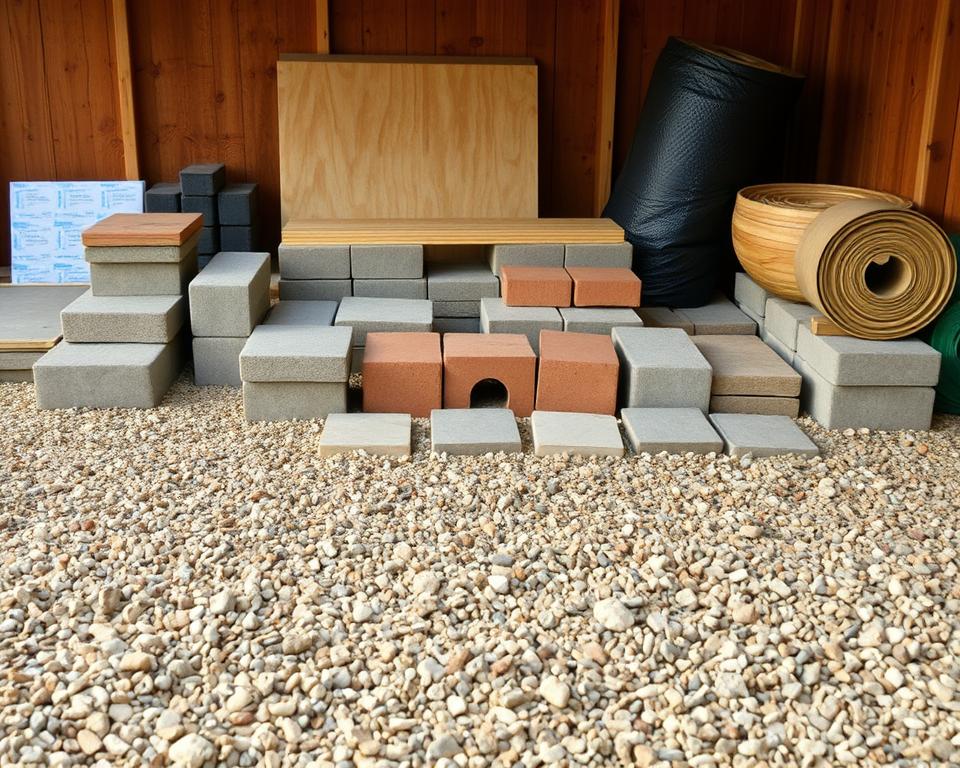
Essential materials by base type
Concrete bases need cement, sharp sand, 10–20mm aggregate, steel reinforcement where required, a DPC layer, timber formwork and anchor bolts to secure the shed. Use quality materials to avoid early cracking.
Tanalised timber bases call for treated joists, floor boarding, joist hangers, plastic pads or concrete piers and galvanised screws and fixings for corrosion resistance. Choose treated timber rated for ground contact.
Gravel bases require a geotextile membrane, compacted hardcore subbase, a bedding layer of sharp sand and a wearing layer of 10–20mm gravel with solid edging to retain the surface.
Plastic or composite systems come as modular panel kits with perimeter rails and manufacturer-approved screws or clips. Follow the supplier’s checklist to ensure compatibility.
Tools required for DIY installation
Basic hand tools include a spade, mattock, shovel, wheelbarrow and a tape measure. A spirit level and long straightedge or screeding bar help keep surfaces flat and true.
Power tools speed the job. A plate compactor or hired vibro-plate compacts hardcore. A circular saw or handsaw cuts timber. A drill with suitable bits handles fixings and anchor bolts.
For concrete work you will need a trowel, float and mixing tools. Keep extra drill bits, screw sets and replacement blades to avoid delays on site.
Safety equipment and best practice
PPE is non-negotiable: safety boots, heavy-duty gloves, eye protection and ear defenders when using powered kit. Use dust masks for cutting timber and mixing cement and wear knee pads for extended floor work.
Follow safe manual-handling methods for heavy items and avoid lone working during major lifts. Hire plant from reputable companies such as HSS Hire or Speedy Hire and check operators’ instructions before use.
Plan for responsible waste disposal and prevent concrete run-off into drains or neighbouring gardens. Keep a first-aid kit and a charged phone nearby.
| Base Type | Key Materials | Essential Tools | Top Safety Items |
|---|---|---|---|
| Concrete slab | Portland cement, sand, aggregate, DPC, rebar, timber formwork, anchor bolts | Wheelbarrow, shovel, trowel, float, spirit level, screeding bar, vibro-plate (hire) | Safety boots, dust mask, gloves, eye protection, ear defenders |
| Tanalised timber frame | Tanalised joists, treated boarding, joist hangers, plastic pads or concrete piers, galvanised fixings | Circular saw/handsaw, drill and bits, tape measure, spirit level, spade | Safety boots, gloves, eye protection, knee pads |
| Gravel and hardcore | Geotextile membrane, hardcore, sharp sand, 10–20mm gravel, timber or metal edging | Plate compactor (hire), wheelbarrow, shovel, mattock, spirit level | Safety boots, gloves, eye protection, dust mask |
| Plastic/composite panels | Modular panel kit, perimeter rails, manufacturer screws/clips | Drill and bits, screwdriver, spirit level, tape measure | Safety boots, gloves, eye protection |
Use this shed base checklist before you start to confirm materials, tools for shed base tasks and PPE. Good planning reduces delays and keeps DIY shed base safety central to every stage of the build.
Cost Considerations and Budgeting for Shed Bases
Choosing the right foundation means weighing upfront prices against lifetime expenses. This short guide outlines the typical ranges in the UK market, when to hire a pro and how long-term maintenance will affect your budget.
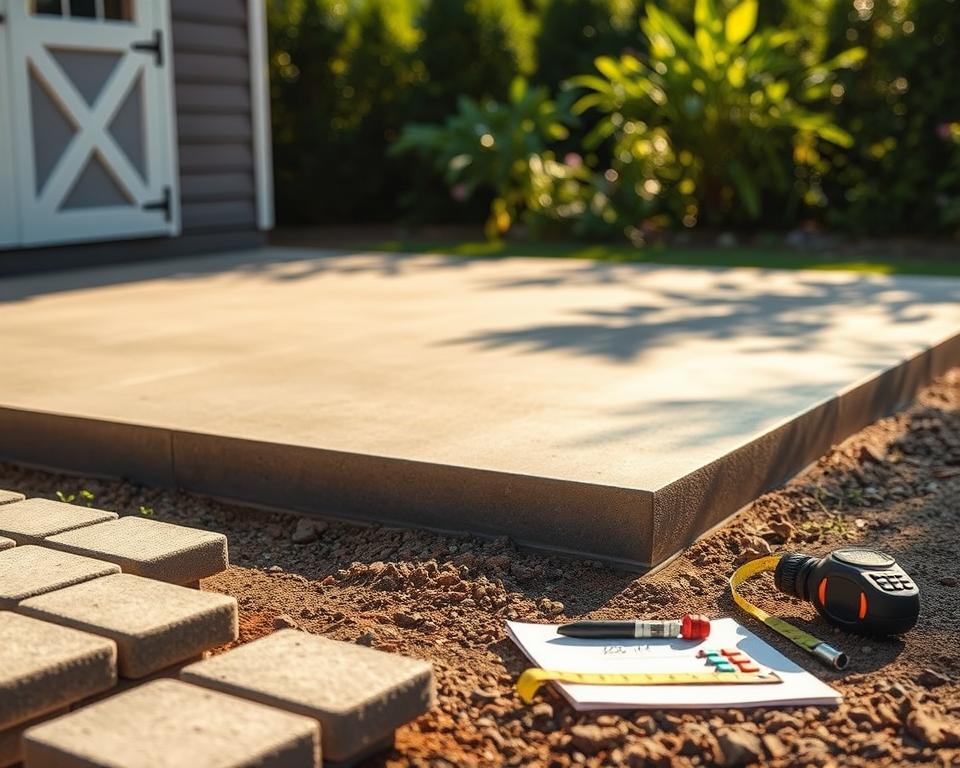
Comparative cost of different base types
Gravel and compacted hardcore usually give the lowest initial shed base costs. Materials are inexpensive and many homeowners can install them over a weekend.
Timber frame bases sit in the mid-range. The timber base cost depends on treated timber quality, joists and fixings. Good timber can extend life but raises the initial spend.
Plastic and composite bases vary widely. Brand reputation, panel size and load rating push prices into a mid-to-high band.
The cost of concrete base is typically the highest up front. Material, reinforcement and labour combine to make concrete slabs the most expensive option to install.
Labour versus DIY: when to hire a professional
DIY vs professional shed base decisions hinge on site difficulty and skill. Competent DIYers can tackle gravel or timber bases and save money on labour.
Hire a professional for heavy concrete slabs, sloping ground, restricted access or complex drainage. Professionals bring experience with reinforcement, anchors and compaction. A contractor can finish faster and often provides a warranty.
Long-term value and maintenance costs
Concrete may cost more initially but usually needs little maintenance over decades. Factor in the cost of proper drainage and any professional installation when estimating total spend.
Timber base cost continues as a running expense. Expect preservative or paint every 3–5 years, occasional screw or joist replacement and periodic inspections.
Gravel bases require topping up and re-levelling over time, adding small recurring costs. Plastic and composite bases demand minimal upkeep, which can offset a higher purchase price.
| Base Type | Typical UK Price Range (materials + DIY labour) | Typical Professional Install Cost | Maintenance Notes |
|---|---|---|---|
| Gravel / Compacted hardcore | £100 – £400 | £250 – £700 | Occasional topping up; check weed membrane |
| Timber frame with joists | £200 – £800 | £400 – £1,200 | Preserve every 3–5 years; replace fixings as needed |
| Plastic / Composite | £300 – £1,200 | £350 – £1,500 | Low maintenance; check manufacturer guidance |
| Concrete slab | £500 – £1,800 | £800 – £3,000 | Minimal upkeep; ensure correct drainage and reinforcement |
Building Regulations, Permissions and Best Practice in the UK
When erecting a garden outbuilding, it pays to check legal and practical requirements early. Many small sheds sit under permitted development, yet specific limits and site factors can mean you need formal approval. A clear plan reduces delays and cuts the risk of enforcement action.
When planning permission may be required
Most low-rise garden buildings qualify as a permitted development shed. You must watch height limits closely. A structure over 2.5m within 2m of a boundary tends to need permission. Sites in conservation areas, national parks or on listed-property grounds often follow stricter rules.
Check the Planning Portal for national guidance and consult your local planning authority for site-specific limits. If the shed could be used as living accommodation, expect tighter scrutiny and a higher chance of needing planning permission.
Local council guidance and permitted development rights
Councils may apply supplementary planning documents that affect outbuildings. They look at cumulative impact, visual effect and whether the building harms neighbours’ amenity. Some local authorities publish clear FAQs for sheds and outbuildings.
Contact the planning or building control team at your council for clarification before you start. They can advise on permitted development shed rules and on whether building control approval will apply to foundations, electrics or significant structural work.
Compliance with drainage and neighbour considerations
Surface water must not be discharged onto neighbouring land. Where runoff is likely, design a soakaway or tie the shed into an existing drainage system. Good practice follows SuDS principles to manage water at source.
Inform neighbours of planned works and confirm access and boundaries. If excavation is close to a shared structure, discuss Party Wall Agreements. Meeting these obligations helps prevent disputes and aligns your build with shed building regulations and shed drainage rules UK.
| Issue | What to check | Practical step |
|---|---|---|
| Planning permission | Height limits, site designation (conservation, listed) | Consult Planning Portal and local authority pre-application advice |
| Building control | Foundations, structural stability, electrics | Contact building control for inspection and approval |
| Drainage | Risk of surface water run-off, local soakaway needs | Design soakaway or connect to existing drainage per shed drainage rules UK |
| Neighbour impact | Overlooking, overshadowing, access and boundary lines | Notify neighbours, obtain Party Wall Agreement where required |
| Permitted development | Size, location, and cumulative effects | Verify whether your project qualifies as a permitted development shed |
Maintenance Tips to Keep Your Foundation Sound
Keeping a shed secure starts with a simple routine. Regular checks and small repairs stop minor faults from becoming costly problems. Aim to maintain shed base health with a few practical steps done every six to twelve months.
Routine inspections and common issues to watch for
Carry out a short checklist each visit. Check floor level, door alignment and any gaps at the base. Look for cracks in concrete, pooled water around the perimeter, rot on timber bearers and loose fixings. Scan for signs of insect infestation and damaged edging or membrane.
Preventing water pooling and frost damage
Clear gutters and nearby drainage channels to keep water moving away from the shed. Ensure the ground falls away from the building and maintain gravel levels where used. Seal exposed concrete edges if required to reduce surface water penetration and wear.
Prevent frost damage shed
Frost heave can be avoided by using a deeper, well compacted sub-base in frost-prone sites. Consider perforated drainage or a raised base to keep frost effects down. Good compaction beneath the base reduces future movement and helps prevent frost damage shed.
Repairing minor settlement and timber rot
For small settlement in gravel bases, add fresh stone and compact it to restore level. Fill hairline concrete cracks with repair mortar or epoxy and monitor larger breaks. When timber shows rot, remove affected sections and fit treated replacements. Improve ventilation, apply preservative treatments and use stainless or galvanised fixings when you repair shed settlement or replace timbers.
Re-anchor loose fixings and tidy edging and membranes to protect the foundation. Regular maintenance will help maintain shed base performance, extend the life of the building and reduce future repair costs.
Conclusion
A well-chosen and properly prepared base is essential for shed longevity, functionality and safety. The right option depends on shed material, site conditions, budget and intended lifespan. Whether you select a concrete slab, timber frame, gravel or a plastic/composite solution, the priority is a stable, level platform that resists moisture and movement.
Start by assessing your site and consulting manufacturer recommendations for your chosen shed. Follow the step-by-step guidance earlier in this article when preparing and installing a base, and obtain quotes if you are unsure. For complex ground or when pouring a concrete slab, consider professional help to ensure a durable shed foundation that meets local regulations.
Choosing shed base carefully pays dividends over time. With the best shed base UK suited to your needs, you can expect improved performance, reduced maintenance and a longer life for your garden building in the variable UK climate. Take action now to protect your investment and enjoy a reliable, long-lasting outdoor space.
FAQ
What is a garden shed base and why do I need one?
A garden shed base is the prepared, level platform on which a shed sits. It provides a flat surface, distributes loads to the ground, ensures drainage, prevents direct ground contact and offers anchorage points. A correct base prevents frame distortion, misaligned doors and moisture-related rot, extending the life of timber, metal or composite sheds in typical UK conditions.
Which type of base is best for a timber shed?
Timber sheds benefit from a ventilated timber frame and joist base or raised bearers on concrete sleepers or plastic pads. These promote airflow beneath the floor to reduce moisture wicking and rot. Use preservative-treated timber, a damp-proof membrane and galvanised or stainless fixings for durability.
Should I choose a concrete slab for a metal shed?
Yes. Concrete slab bases are ideal for metal and heavy sheds because they are extremely level and rigid, allow secure anchoring and resist wind uplift. They are more costly and permanent than other options, so ensure correct sub-base preparation and reinforcement to avoid cracking.
Can I use a gravel base for my garden shed?
Gravel or compacted hardcore bases are affordable and offer excellent drainage, making them suitable for lighter sheds or frost-prone sites. They require a geotextile membrane, edge restraints and good compaction, but may settle over time and are less rigid for precision-fit doors or very heavy structures.
What are plastic or composite bases, and are they reliable?
Plastic and composite modular bases are factory-made interlocking systems that install quickly and resist rot. They suit plastic/composite sheds and some timber sheds, and often need a level sand or compacted hardcore sub-base. Check load ratings, UV stability and manufacturer guidance (brands such as Lifetime or Keter supply similar products).
How do I prepare my site before installing a base?
Assess soil type and drainage, remove turf and organic topsoil, compact the subsoil and set out the footprint using string lines and a spirit level. Excavate to the required depth for your chosen base, allow clearance around the shed (typically 25–50mm), and create a slight fall where needed to encourage water runoff.
What depth is required for a concrete shed base?
Typical excavation for a concrete base is 150–200mm. Include a compacted hardcore sub-base, formwork, reinforcement mesh if needed and a concrete slab thickness of around 75–100mm for light sheds. Heavier or larger structures will need a thicker slab and more reinforcement; allow curing time before use.
Can I install a timber frame base myself?
Yes, competent DIYers can build a timber frame base using treated bearers, joists at 400–600mm centres and tongue-and-groove floorboards or decking. Use concrete sleepers or adjustable plastic pads to keep timber off the ground, add a damp-proof membrane where required and ensure the frame is square and level throughout.
How do I prevent water pooling and frost damage?
Provide adequate drainage by ensuring the site falls away from the shed, use geotextile membranes under gravel, maintain gutters and nearby drainage, and choose a raised or well-compacted sub-base in frost-prone areas. For concrete, proper compaction and depth reduce frost heave risk.
What tools and safety equipment will I need for a DIY base?
Typical tools include a spade, mattock, wheelbarrow, plate compactor (hire), spirit level, screeding bar, tape measure, string line, saw, drill and trowel for concrete. PPE should include safety boots, gloves, eye protection, ear protection for power tools and dust masks when cutting or mixing cement.
How much does a shed base cost?
Costs vary by type and region. Gravel and compacted hardcore are the least expensive; timber frames are moderate; plastic/composite bases range from mid to high depending on brand; concrete slabs are typically the most costly due to materials and labour. Site preparation, access and drainage work can increase costs.
When should I hire a professional?
Hire a professional for heavy concrete slabs, complex or sloping sites, difficult access, or where you need guaranteed anchorage and waterproofing. Professionals speed up work, ensure correct reinforcement and may offer warranties. Timber and gravel bases are often suitable for DIY if you have basic skills and tools.
Are planning permissions or building regulations needed for a shed base?
Most garden sheds fall under permitted development, but planning permission may be required if the building exceeds height limits, is within 2m of a boundary and over 2.5m high, or if the property is listed or in a conservation area. Check the Planning Portal (www.planningportal.co.uk) and local council guidance for specific rules.
What maintenance does a shed base require?
Inspect the base every 6–12 months for settlement, pooled water, cracks in concrete or timber rot. Relevel and top up gravel when needed, repair small concrete cracks with repair mortar, and replace or treat affected timbers. Keep surrounding drainage clear and ensure ventilation under timber bases.
How can I anchor my shed to the base?
Anchor methods depend on the base: embed sleeve bolts or resin anchors into concrete, use galvanised straps or screwfix anchors on timber frames fixed to sleepers or pads, and follow manufacturer guidance for plastic/composite bases which may require perimeter rails or specific clips. Use corrosion-resistant fixings appropriate to the shed material.
What common mistakes should I avoid when preparing a shed base?
Avoid placing a shed on uncompacted topsoil, leaving organic material that will rot and cause settlement, skimping on sub-base depth or compaction, and failing to provide drainage or ventilation. Also avoid undersizing the base or installing it out of square, which leads to misaligned doors and increased wear.