Gardenroom thicknesses compared

Selecting the right garden room wall thickness is crucial for creating a functional and durable outdoor space. Your garden building’s performance depends significantly on understanding the nuanced differences between wall construction options available in the UK market.
When considering garden room wall thickness, you’ll encounter a range of options from lightweight 19mm panels to robust 44mm constructions. Each thickness category serves unique purposes, impacting everything from insulation performance to structural integrity.
Garden room wall thickness is not just about protection—it’s about creating a versatile space that meets your specific needs. Whether you’re planning a summer retreat, home office, or storage solution, the right wall thickness can make a substantial difference in your building’s long-term value and comfort.
Inhaltsverzeichnis
Key Takeaways
- Wall thickness directly influences garden room performance
- Thickness ranges typically span from 19mm to 44mm
- Consider intended use when selecting wall construction
- Thicker walls provide superior insulation and durability
- Material quality matters as much as wall thickness
- Investment in quality walls pays long-term dividends
Understanding Wall Thickness in Garden Buildings
When exploring garden building materials, wall panel depth plays a crucial role in determining the overall garden structure durability. The thickness of timber panels is more than just a measurement – it’s a key indicator of your garden building’s performance and longevity.
Garden structures typically feature wall thicknesses ranging from 19mm to 44mm, with each depth offering unique characteristics. The wall panel depth directly impacts several critical aspects of your garden building:
- Structural strength and stability
- Thermal insulation capabilities
- Resistance to environmental challenges
- Long-term durability
Understanding the intricacies of wall construction helps you make informed decisions. Manufacturers use tongue and groove profiles to create interlocking timber panels, ensuring a tight, secure fit that enhances the overall structural integrity of your garden building.
Different wall thicknesses serve various purposes. Thinner panels around 19mm work well for lightweight storage solutions, while substantial 44mm walls provide maximum protection against harsh weather conditions. Your specific requirements will determine the ideal wall panel depth for your garden structure.
Selecting the right wall thickness is not just about current needs, but anticipating future performance and protection.
When evaluating garden building materials, consider how wall thickness interacts with other structural elements. The depth of your panels influences everything from foundation requirements to roof construction, creating a holistic approach to garden structure durability.
Gardenshed Wall Thicknesses Compared
When planning your garden shed construction, understanding wall thickness becomes crucial for creating a durable and functional outdoor structure. The timber wall panels you choose will directly impact the longevity and performance of your garden building.
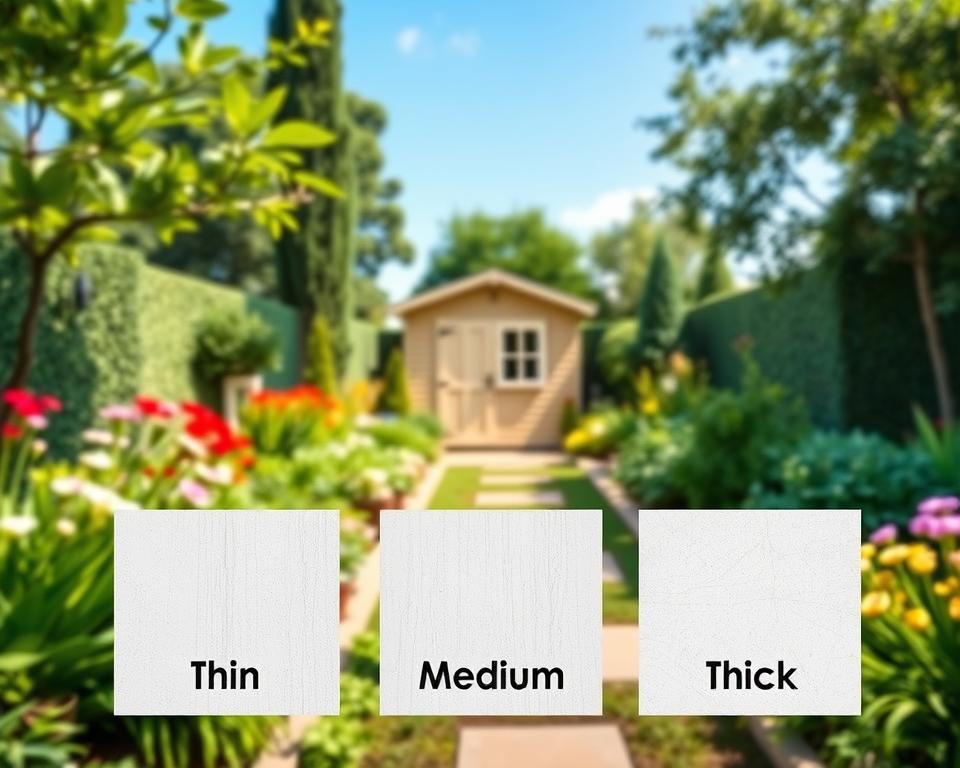
Different log cabin thickness options provide varying levels of protection and durability for your outdoor space. Let’s explore the standard wall thickness categories available in the UK market.
Standard Thickness Options Available
Garden shed manufacturers typically offer several standard wall thickness options:
- 19mm: Basic storage sheds and lightweight summer houses
- 28mm: Enhanced sheds for occasional use
- 34-36mm: Upgraded garden offices
- 44mm+: Premium garden rooms for year-round use
How Thickness Affects Durability
The relationship between wall thickness and durability is straightforward. Thicker walls provide superior protection against environmental challenges.
| Wall Thickness | Expected Lifespan | Typical Applications |
|---|---|---|
| 19mm | 5-10 years | Basic storage |
| 28mm | 10-15 years | Occasional garden use |
| 44mm | 20-25 years | Year-round living space |
Thicker timber wall panels resist splitting, maintain structural integrity, and provide better protection against seasonal temperature and humidity changes. Your investment in a higher-quality, thicker-walled garden shed will pay dividends through extended durability and reduced maintenance requirements.
The Impact of Wall Thickness on Insulation Performance

Understanding garden office insulation is crucial for creating a comfortable workspace throughout the year. The thickness of your garden building’s walls directly influences its thermal performance, determining how well the space retains heat and maintains a consistent internal temperature.
Wall thickness plays a critical role in the overall thermal efficiency of insulated garden buildings. Thicker walls provide several key benefits:
- Increased thermal mass for better heat retention
- Reduced heat transfer between interior and exterior spaces
- Improved temperature stability during seasonal changes
Different wall thicknesses offer varying levels of thermal performance. A 19mm wall provides minimal insulation, making it suitable only for summer use. In contrast, 28mm walls offer moderate thermal protection, while 44mm walls deliver significantly improved insulation capabilities.
When considering thermal performance, you’ll want to evaluate more than just wall thickness. Additional insulation measures can dramatically enhance your garden office’s comfort:
- Internal insulation boards
- Vapour barriers
- External cladding
- Double-glazed windows
Investing in proper garden office insulation means lower heating costs, more consistent temperatures, and a more comfortable working environment. Remember that even a 44mm wall may require supplementary insulation to achieve true year-round usability in the UK’s variable climate.
Comparing 19mm, 28mm, and 44mm Wall Constructions
Understanding wall thickness is crucial when selecting a garden room that meets your specific needs. Different wall thicknesses offer varying levels of performance for your year-round garden room, impacting everything from durability to thermal efficiency.
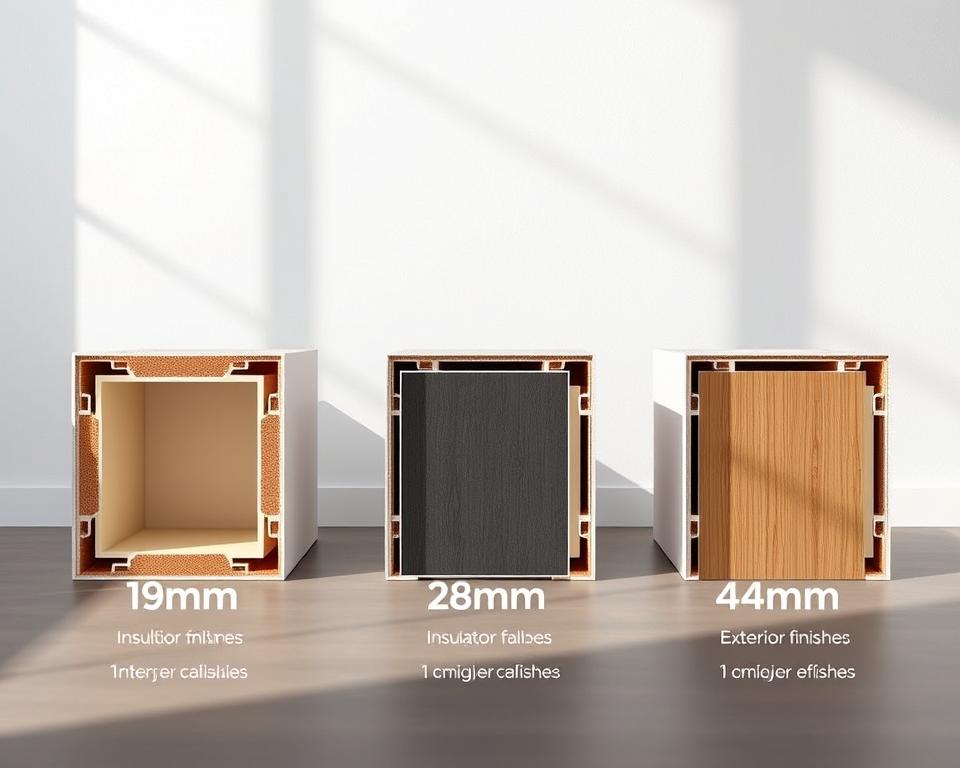
Lightweight 19mm Walls: Pros and Cons
19mm wall constructions represent the entry-level option for garden room specifications. These lightweight structures provide basic protection suitable for:
- Seasonal garden tool storage
- Summer recreational spaces
- Budget-conscious projects
While affordable and easy to install, 19mm walls have significant limitations. They offer minimal insulation, limited weather resistance, and reduced security for a weather resistant garden shed.
Mid-Range 28mm Walls for Year-Round Use
28mm walls strike an excellent balance between performance and affordability. This thickness provides substantial improvements over 19mm constructions, making it ideal for:
- Home office spaces
- Hobby rooms
- Occasional winter use
The enhanced thermal performance ensures better temperature regulation, though supplementary heating might be necessary during colder months.
Heavy-Duty 44mm Walls for Maximum Protection
For serious garden room enthusiasts, 44mm walls represent the pinnacle of construction quality. These robust structures deliver:
- Superior thermal insulation
- Exceptional weather resistance
- Maximum structural integrity
While representing a higher initial investment, 44mm walls guarantee professional-grade performance suitable for continuous, year-round usage.
| Wall Thickness | Best Use | Insulation Level | Cost Range |
|---|---|---|---|
| 19mm | Seasonal Storage | Low | £ |
| 28mm | Occasional Use | Medium | ££ |
| 44mm | Year-Round | High | £££ |
Material Quality and Its Relationship to Thickness
When selecting a garden building, understanding the relationship between wall thickness and material quality is crucial. The timber grade plays a significant role in determining the overall garden building quality, often more importantly than pure wall thickness.
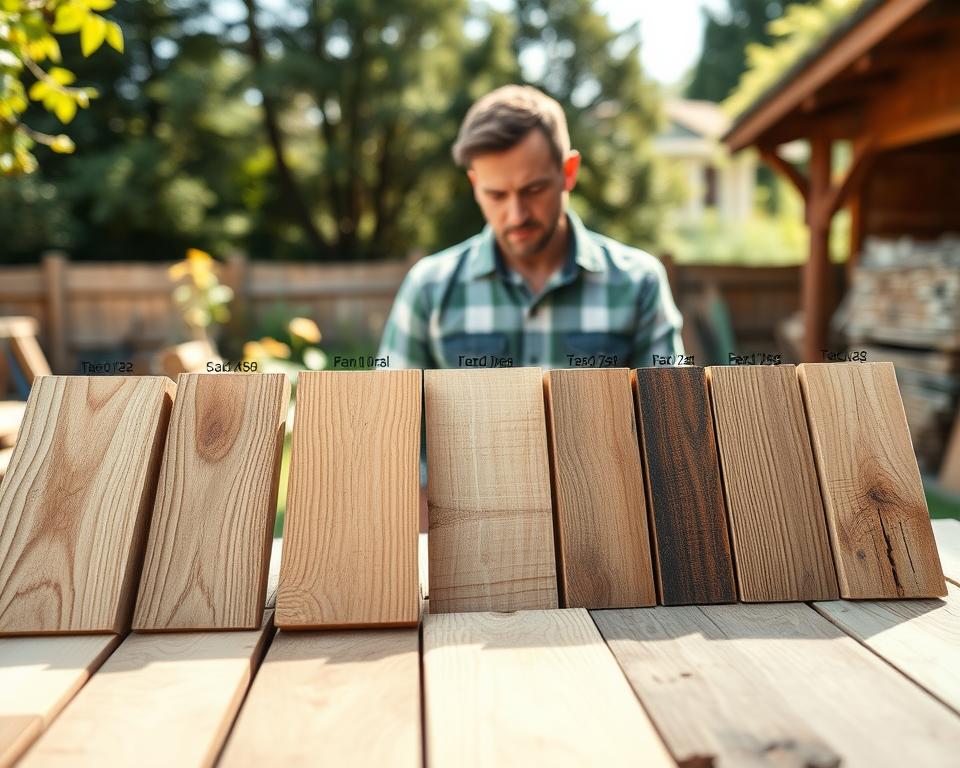
Not all timber is created equal. The quality of tongue and groove cladding can dramatically impact your garden building’s performance and longevity. Manufacturers typically use several timber grades, each with distinct characteristics:
- Economy Grade: Contains more visible knots and potential imperfections
- Standard Grade: Balanced quality with some minor aesthetic variations
- Premium Grade: Minimal knots, superior finish, enhanced durability
Critical Timber Grade Considerations
When evaluating timber quality, focus on three key aspects:
- Knot Characteristics: Smaller, tighter knots indicate higher-quality timber
- Moisture Content: Kiln-dried timber (16-18% moisture) offers superior stability
- Treatment Methods: Pressure treatment provides better long-term protection compared to surface treatments
A well-constructed 28mm garden building using premium-grade timber can significantly outperform a poorly made 44mm structure with low-quality materials. Always assess the entire package, not just wall thickness, to ensure you’re investing in a durable garden building.
Cost Implications of Different Wall Thicknesses

When considering a garden building investment, understanding the pricing dynamics is crucial. Wall thickness plays a significant role in determining the overall cost of your garden room. The price variations between different wall thicknesses can be substantial and impact your long-term value for money.
Let’s break down the cost considerations:
- 19mm walls: Most budget-friendly option
- 28mm walls: Moderate price point with improved durability
- 44mm walls: Premium pricing with maximum protection
Your garden room pricing typically follows this pattern:
- A 19mm structure offers the lowest initial investment
- 28mm walls increase cost by 30-50% compared to 19mm
- 44mm walls command a 40-60% premium over 28mm options
While upfront costs matter, smart buyers evaluate cost-per-year. A thicker-walled garden building might seem expensive initially, but reduced maintenance and longer lifespan can make it more economical in the long run.
Investing wisely means looking beyond the initial price tag and considering long-term value.
Key factors influencing garden building investment include:
- Material costs for thicker timber
- Transportation expenses
- Foundation requirements
- Structural complexity
Ultimately, your choice should balance budget constraints with intended use. A storage shed might require less investment, while a year-round garden office demands more robust construction.
Structural Integrity and Weather Resistance by Thickness
Protecting your garden building against harsh British weather requires careful consideration of wall thickness and construction quality. Weather resistant construction plays a crucial role in ensuring your outdoor structure remains stable and durable through challenging environmental conditions.

The structural stability of garden buildings depends on multiple factors, with wall thickness being a primary determinant of long-term performance. Different wall thicknesses provide varying levels of protection and resilience against environmental challenges.
Wind Load Capacity
Wind load capacity is a critical aspect of garden building design. Thicker walls offer significantly improved resistance to lateral forces and wind pressure. Consider the following key points about wind resistance:
- 19mm walls: Minimal wind resistance, prone to flexing
- 28mm walls: Improved rigidity and wind protection
- 44mm walls: Exceptional wind load capacity for exposed locations
Moisture Resistance Factors
Moisture management is essential in maintaining your garden building’s integrity. Thicker walls provide better moisture resistance through:
- Enhanced timber capacity to absorb and release moisture
- Reduced risk of warping and dimensional changes
- Improved protection against driving rain penetration
Selecting the appropriate wall thickness ensures your garden building can withstand the unpredictable British climate while maintaining its structural integrity and aesthetic appeal.
Choosing the Right Thickness for Your Intended Use

Selecting the perfect garden room involves careful garden room selection that matches your specific needs. Your intended use planning is crucial when determining the most suitable wall thickness for your outdoor building.
Different projects demand unique specification matching to ensure optimal performance. Consider these key factors when choosing wall thickness:
- Frequency of use
- Intended purpose
- Local climate conditions
- Budget constraints
- Long-term plans
For basic storage needs, 19mm walls typically provide adequate protection for garden tools and light equipment. Workshop enthusiasts or hobby room creators might prefer 28mm walls, which offer enhanced durability and moderate insulation.
Professional garden offices or year-round spaces require more robust solutions. 44mm walls deliver superior protection, maintaining comfortable internal temperatures and protecting valuable equipment from external weather variations.
Your garden room is an investment – choose wisely!
When making your decision, assess your specific requirements carefully. A home gym or professional studio will need different specifications compared to a simple storage shed. Consider not just current needs but potential future uses to make the most informed choice.
Conclusion
Selecting the right wall thickness for your garden building is a nuanced process that requires careful consideration of multiple factors. Your garden building decision ultimately hinges on balancing performance, budget, and specific usage requirements. Wall thickness selection isn’t just about picking a number—it’s about understanding how different thicknesses impact your structure’s overall functionality and longevity.
An informed choice demands a holistic approach. While thicker walls typically provide superior insulation and structural integrity, they aren’t always the universal solution. Your specific needs—whether for storage, workspace, or leisure—will dictate the most appropriate wall thickness. Evaluate your intended use meticulously, considering factors like local climate, planned activities, and long-term expectations.
To make the best decision, we recommend visiting showrooms, examining timber quality firsthand, and obtaining detailed specifications from reputable manufacturers. Ask pointed questions about timber treatment, moisture resistance, and construction techniques. By doing so, you’ll ensure your garden building not only meets but exceeds your expectations, providing a durable, comfortable space that represents genuine value for your investment.
Remember, the perfect garden building is about finding the right balance between performance and practicality. Take your time, research thoroughly, and choose a wall thickness that aligns precisely with your unique requirements.
FAQ
What is the minimum wall thickness recommended for a garden room?
For basic storage purposes, 19mm walls are typically sufficient. However, if you’re planning to use your garden room for more than seasonal storage, we recommend a minimum wall thickness of 28mm to ensure better durability and improved thermal performance.
How does wall thickness impact insulation?
Wall thickness directly affects insulation performance. Thicker walls provide greater thermal mass and better heat retention. While 19mm walls offer minimal insulation, 28mm walls provide moderate thermal performance, and 44mm walls deliver significantly better insulation, approaching year-round usability.
Are thicker walls always better?
Not necessarily. While thicker walls generally offer improved performance, the best choice depends on your specific needs. Consider factors such as intended use, local climate, budget, and frequency of use. Overspecifying can lead to unnecessary expense, while underspecifying may result in poor performance.
What wall thickness is best for a year-round garden office?
For a year-round garden office, we recommend a minimum of 44mm thick walls. This thickness provides excellent thermal performance, structural integrity, and weather resistance. However, you may still need additional insulation to ensure optimal comfort during the coldest months.
How does wall thickness affect building durability?
Thicker walls provide greater structural integrity and resistance to environmental factors. A 19mm shed might last 5-10 years with proper maintenance, while a 44mm structure could serve you well for 20-25 years. Thicker walls offer better protection against warping, splitting, and weather-related damage.
What is the price difference between different wall thicknesses?
Wall thickness significantly impacts pricing. 28mm structures typically cost 30-50% more than 19mm buildings, while 44mm options command a further 40-60% premium. However, this additional cost often translates to longer lifespan and reduced maintenance expenses over time.
Can I use a garden room with thinner walls in winter?
While possible, garden rooms with thinner walls (19-28mm) will require additional heating and insulation to be comfortable during winter months. They are best suited for occasional use or as summer spaces. For consistent winter use, a 44mm wall with proper insulation is recommended.
How do I choose the right wall thickness?
Consider these factors:
– Intended use (storage, occasional use, year-round workspace)
– Local climate and exposure
– Budget
– Frequency of use
– Future plans for the building
Consult with manufacturers and view sample buildings to make an informed decision.