Gravel Bed Ideas: Inspiration for Designing Your Garden

Transforming your outdoor space into a stunning gravel garden can be a highly rewarding experience. By adopting a drought-tolerant and low-maintenance approach, you can create a beautiful display that thrives in free-draining conditions.
A gravel garden typically features a soft and informal planting style, often with no clear distinction between plants and paths. This design is particularly suited to Mediterranean plants such as lavender and cistus, which flourish in sandy soil and full sun.
By incorporating gravel into your garden design, you can reduce water consumption and maintenance requirements while enhancing the aesthetic appeal of your outdoor space.
Inhaltsverzeichnis
Key Takeaways
- Discover how to create a drought-tolerant garden using gravel and Mediterranean plants.
- Learn practical tips for planning and implementing a low-maintenance gravel garden.
- Explore the aesthetic versatility of gravel in complementing different architectural styles.
- Understand how gravel gardens can reduce water consumption and maintenance needs.
- Find inspiration for your garden transformation with various gravel bed ideas.
The Benefits of Creating a Gravel Garden
Gravel gardens offer numerous benefits that can enhance your gardening experience. By incorporating gravel into your garden design, you can create a low-maintenance and visually appealing outdoor space.
Low Maintenance and Drought Resistance
A gravel garden is particularly beneficial due to its low maintenance requirements. The thick layer of gravel helps to suppress weeds, reducing the time spent on weeding. Additionally, gravel gardens are more resistant to drought, as the gravel acts as a protective layer for the soil, retaining moisture.
Improved Drainage and Weed Suppression
The permeable nature of gravel allows for excellent drainage, preventing waterlogging and protecting plant roots from rotting. A properly installed layer of gravel also acts as an effective barrier against weed growth.
| Benefits | Description |
|---|---|
| Improved Drainage | Reduces waterlogging and prevents soil erosion |
| Weed Suppression | Minimizes the need for frequent weeding |
| Drought Resistance | Retains soil moisture during dry periods |
Planning Your Gravel Garden Design
When designing your gravel garden, careful planning is essential to achieve a beautiful and functional outdoor space. A well-designed gravel garden can enhance the aesthetic appeal of your garden while providing a low-maintenance alternative to traditional landscaping.
Choosing the Right Location
Selecting the right location for your gravel garden is crucial. Consider the amount of sunlight the area receives and ensure it aligns with the needs of the plants you intend to use. Also, think about the visibility and accessibility of the area.
Assessing Your Soil Type
Understanding your soil type is vital for a successful gravel garden. Different plants have different soil requirements, so it’s essential to assess your soil to choose the most suitable plants. You can also modify your soil to better support your chosen plants.
Creating a Layout Plan
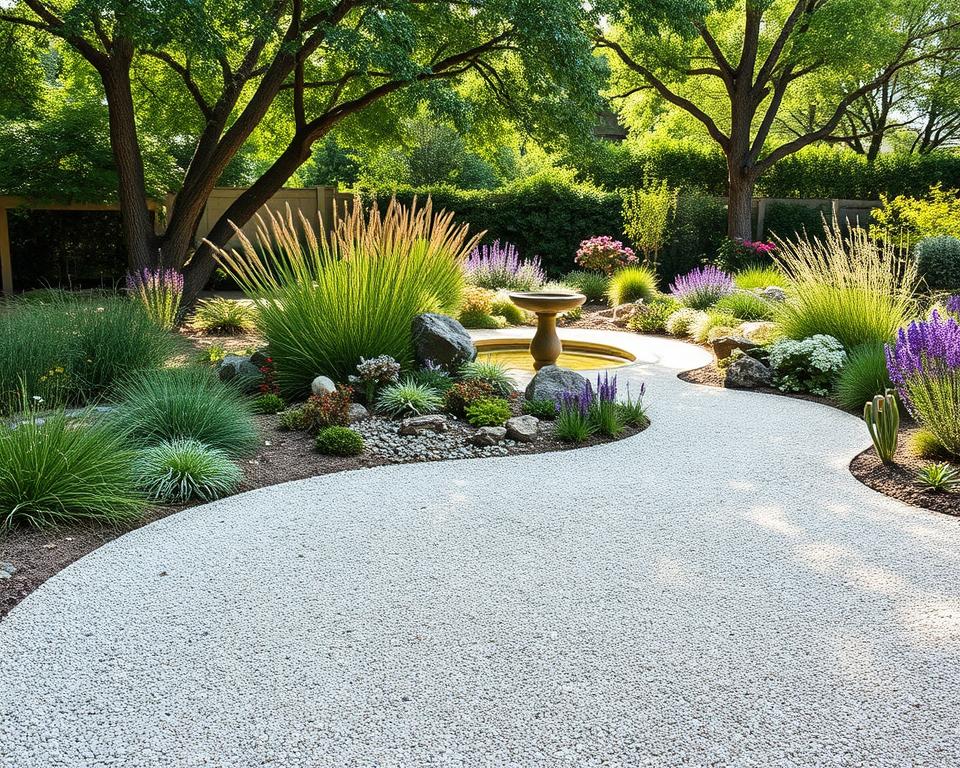
Decide on the shape of the area you want to gravel and mark it out, including areas for planting. Ensure that you give the plants room to spread. An informal, fluid shape is most suitable for this style.
- Developing a detailed layout plan helps visualize your gravel garden before implementation, allowing for adjustments and refinements.
- Consider creating zones within your gravel garden for different purposes, such as seating areas, pathways, and purely ornamental sections.
- Incorporate curves and organic shapes for a naturalistic feel, or opt for geometric patterns for a more contemporary design aesthetic.
Here’s an example of how you can plan different zones within your gravel garden:
| Zone | Purpose | Features |
|---|---|---|
| Seating Area | Relaxation | Benches, decorative plants |
| Pathway | Navigation | Gravel, stepping stones |
| Ornamental Section | Aesthetic Appeal | Decorative plants, gravel patterns |
Selecting the Perfect Gravel for Your Garden

A well-designed gravel garden starts with choosing the right gravel, considering factors like size, colour, and sustainability. With numerous options available, selecting the perfect gravel can be a daunting task.
Types and Sizes of Gravel
Gravel comes in various sizes, from fine particles to larger stones. The size you choose depends on the intended use, whether it’s for pathways, decorative beds, or drainage. For a garden, pea gravel or small shingle is often preferred due to its ease of walking and pleasant appearance.
Colour Considerations
The colour of the gravel can significantly impact the overall aesthetic of your garden. You can choose from a range of colours, from neutral tones like beige and grey to more vibrant hues. Consider the colour of your plants, garden furniture, and surrounding structures when making your selection.
Sustainable and Ethical Gravel Options
When selecting gravel, it’s essential to consider the environmental impact. Opt for locally sourced or recycled materials to reduce your carbon footprint. Avoid stone or gravel dredged from the seabed, as it can cause significant ecological damage. Instead, choose sustainable alternatives that are certified by ethical suppliers.
By considering these factors, you can create a beautiful and sustainable gravel garden that enhances your outdoor space.
Essential Gravel Bed Ideas: Inspiration for Designing Your Garden
Gravel garden ideas can inspire you to create a unique and captivating outdoor area. You can transform your garden into a beautiful and low-maintenance space by incorporating gravel beds.
Mediterranean-Style Gravel Gardens
Mediterranean-style gravel gardens are perfect for creating a warm and inviting atmosphere. Plants like lavenders and rosemary thrive in gravel conditions, and they add a fragrant aroma to your garden. You can also incorporate terracotta pots and rustic stone features to enhance the Mediterranean feel.
Contemporary Minimalist Designs
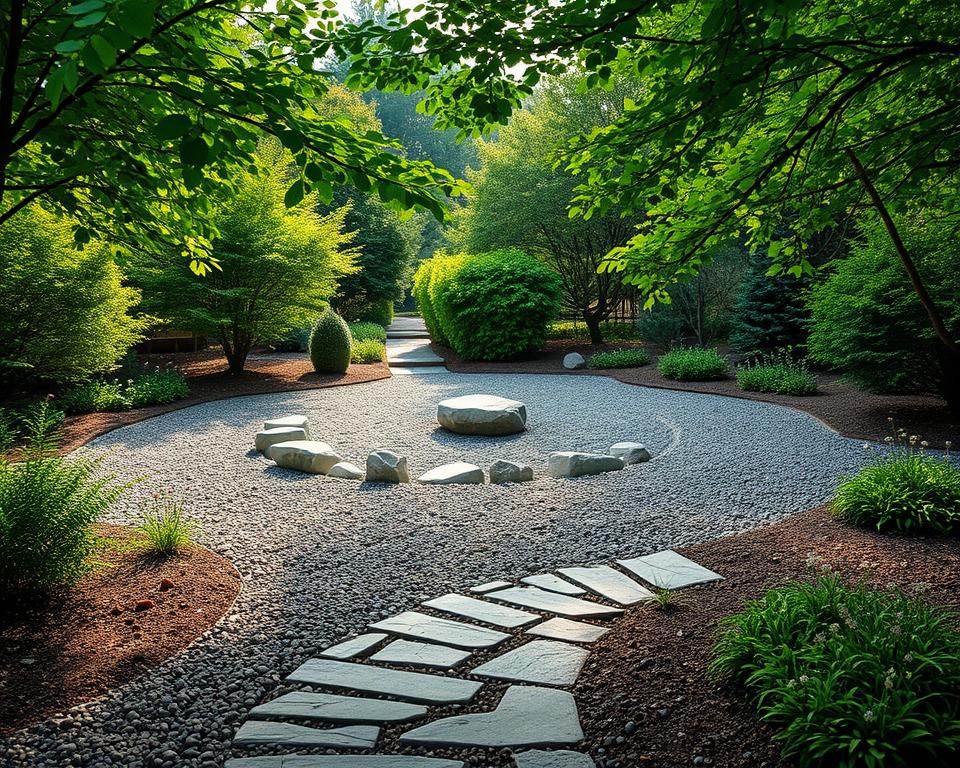
For a modern and sleek look, consider a contemporary minimalist design for your gravel garden. This style emphasizes clean lines, simple shapes, and a limited colour palette. Using a single type of gravel and a few carefully chosen plants can create a sense of calm and serenity in your garden.
Cottage Garden Gravel Beds
Cottage-style gravel gardens combine the romantic abundance of traditional cottage gardens with the practical benefits of gravel mulching. Classic cottage garden plants like salvias, verbascums, and erigeron adapt well to gravel conditions. You can also incorporate climbing plants on vertical structures to maximize the planting space and enhance the romantic, enveloping feel of a cottage garden.
| Gravel Garden Style | Key Features | Plant Suggestions |
|---|---|---|
| Mediterranean-Style | Warm atmosphere, terracotta pots, rustic stone | Lavenders, rosemary |
| Contemporary Minimalist | Clean lines, simple shapes, limited colour palette | Succulents, grasses |
| Cottage Garden | Romantic abundance, climbing plants, vertical structures | Salvias, verbascums, erigeron |
Step-by-Step Guide to Installing a Gravel Garden
To establish a thriving gravel garden, you’ll need to prepare the site and choose the right materials. This process involves several key steps to ensure your garden is both beautiful and functional.
Preparing the Site
Begin by clearing the area of any debris, weeds, or existing plants. You should then level the ground to create a smooth surface. This step is crucial for achieving a uniform layer of gravel.
Weed Membrane: Pros and Cons
Consider using a weed membrane to suppress weeds and reduce maintenance. However, be aware that it can also prevent water from penetrating to the soil. Weigh the pros and cons based on your specific garden needs.
Laying and Levelling Your Gravel
Once your site is prepared, you can start laying your gravel. Apply it in layers, allowing each layer to settle before adding the next. Maintain a consistent depth of around 5-7cm to effectively suppress weeds while allowing your plants to establish. After planting, wait a few weeks before adding a 4-5cm layer of gravel around your plants. Your top layer of gravel should be around four inches deep to keep soggy roots at bay.

To achieve a professional finish, create subtle containment edges where the gravel meets other surfaces. This will prevent migration and maintain clean lines in your design. Consider how the gravel will interact with your chosen plants, ensuring sufficient space around stems and leaving room for growth.
Plant Selection for Thriving Gravel Gardens

Gravel gardens offer a unique opportunity to showcase a variety of drought-tolerant plants that thrive in well-draining conditions. When selecting plants for your gravel garden, it’s essential to choose varieties that are adapted to dry conditions and poor soil.
Mediterranean Herbs and Perennials
Mediterranean plants such as lavender, cistus, and phlomis are ideal for gravel gardens. These plants are accustomed to dry conditions and poor soil, making them perfect for thriving in gravel.
Ornamental Grasses and Structural Plants
Ornamental grasses like blue-eyed grass and structural plants such as eryngiums add texture and interest to your gravel garden. These plants are not only drought-tolerant but also provide a striking contrast to the gravel.
Spring and Summer Bulbs for Seasonal Interest
Spring and summer bulbs provide essential bursts of colour in gravel gardens. Consider planting daffodils, wild tulip species, and brodiaea for a vibrant display. Mediterranean-native bulbs like alliums and iris are also well-suited to gravel conditions.
By incorporating a mix of these plants, you can create a thriving and beautiful gravel garden that requires minimal maintenance.
Creative Gravel Garden Features and Ideas
Incorporating unique features into your gravel garden can transform it into a stunning outdoor space that attracts wildlife and provides a calming atmosphere. You can enhance the visual appeal and functionality of your garden by adding various creative elements.
Pathways and Stepping Stones
Pathways and stepping stones are essential features that can guide visitors through your gravel garden, creating a sense of journey and discovery. You can use different materials, such as stone or wood, to create contrasting pathways that complement the gravel.
Seating Areas and Focal Points
Creating seating areas and focal points in your gravel garden can provide a sense of tranquility and visual interest. You can incorporate benches, statues, or other ornaments to create inviting spaces that encourage relaxation.
Water Features and Wildlife Attractions
Adding a water feature, such as a pond or birdbath, can attract wildlife and create a soothing ambiance in your gravel garden. Consider incorporating solar-powered water features for sustainability and flexibility. 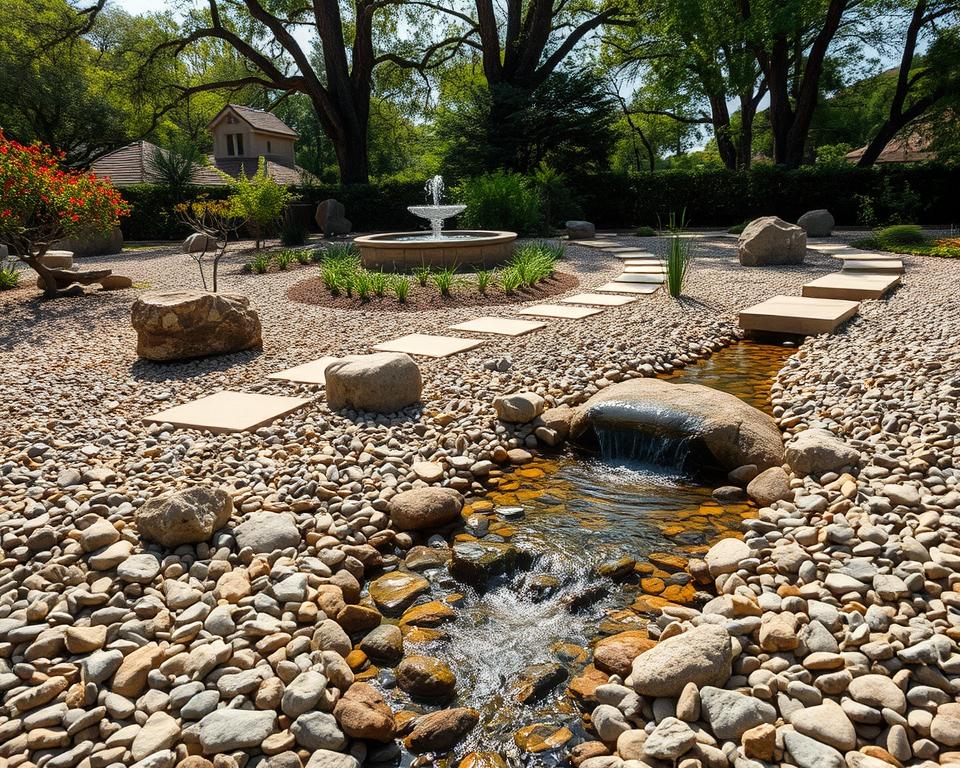
Water features not only add visual appeal but also provide a habitat for beneficial insects and amphibians. By incorporating these creative elements, you can create a thriving ecosystem in your gravel garden.
Conclusion: Embracing the Beauty of Gravel Gardens
Gravel gardens offer a unique opportunity to merge form and function, creating a haven that is both beautiful and sustainable. By carefully selecting gravel and plants, you can create an outdoor garden that is not only visually stunning but also low maintenance.
Your gravel garden will evolve over time, with plants establishing and self-seeding, creating a naturalistic composition that brings joy with minimal intervention. Embracing this approach means creating a resilient and sustainable garden that thrives in your specific conditions.
FAQ
What are the benefits of a gravel garden?
A gravel garden offers several benefits, including low maintenance, drought resistance, and improved drainage. It also suppresses weeds, reducing the need for herbicides and other chemicals.
How do I choose the right location for my gravel garden?
When selecting a location, consider the amount of sunlight and rainfall the area receives. Also, assess the soil type to ensure it’s suitable for a gravel garden. A well-draining soil is essential to prevent waterlogged soil.
What type of plants are suitable for a gravel garden?
Plants that thrive in gravel gardens are typically drought-tolerant and low-maintenance. Mediterranean herbs and perennials, ornamental grasses, and spring bulbs are popular choices. Consider plants that are native to your region for optimal results.
Do I need to lay a weed membrane under my gravel?
A weed membrane can be beneficial in suppressing weeds, but it’s not always necessary. If you choose to use one, ensure it’s a breathable membrane to allow water and air to reach the soil. Weigh the pros and cons before making a decision.
How do I maintain my gravel garden?
Regularly inspect your gravel garden for weeds and debris. Rake the gravel to maintain its appearance and prevent compaction. Also, water plants as needed, taking care not to overwater.
Can I incorporate a water feature into my gravel garden?
Yes, a water feature can be a beautiful addition to your gravel garden. Consider a small pond or fountain to attract wildlife and create a soothing atmosphere. Ensure the water feature is designed to work with the gravel garden’s drainage system.
How do I prevent gravel from getting washed away?
To prevent gravel from getting washed away, ensure the area is level and the gravel is contained within a defined border. You can also use a stabilising grid or a layer of larger stones to help keep the gravel in place.