Guide to Garden Room Heating
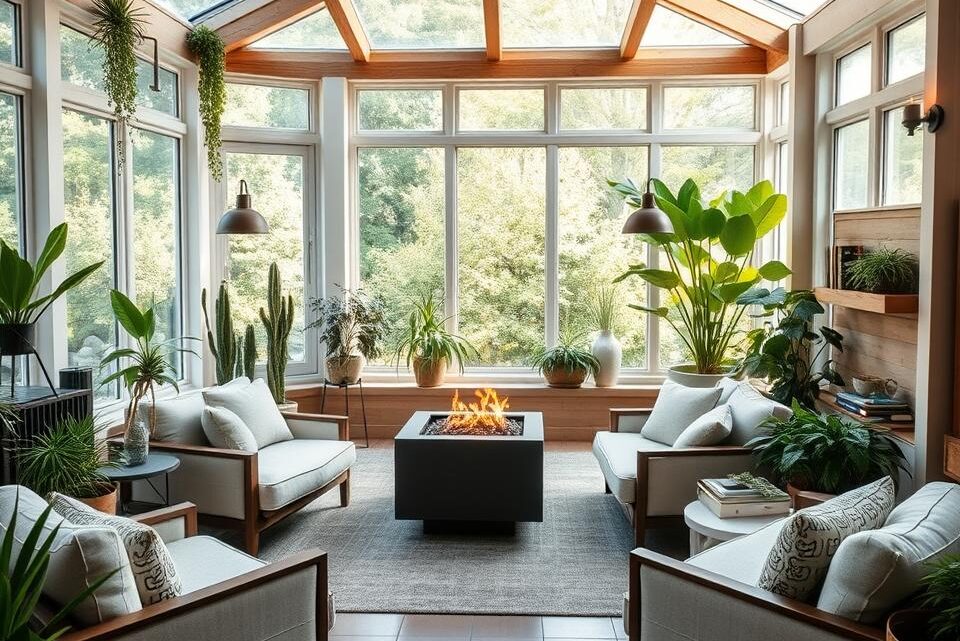
A garden room offers a versatile extension to any property. These structures serve as cosy retreats, home offices, or creative studios. They provide valuable extra space away from the main house.
Proper heating transforms this space into a year-round asset. Without adequate warmth, the room becomes unusable during colder months. Investing in the right system ensures comfort and functionality.
Several factors influence heating choices. Room size, insulation quality, and intended use all matter. Budget considerations and energy efficiency also play crucial roles in the decision.
Inhaltsverzeichnis
Key Takeaways
- Garden rooms require proper heating for comfortable year-round use
- Heating needs vary based on room size and insulation quality
- Usage patterns determine the most suitable heating solution
- Energy efficiency helps manage running costs effectively
- Professional installation ensures optimal performance and safety
- The right heating system enhances the room’s value and usability
Assessing Your Heating Needs and Insulation
Proper planning begins with understanding the unique characteristics of your detached space. A systematic evaluation ensures the selected thermal solution matches specific requirements perfectly.
Evaluating Room Size and Layout
The dimensions of your outdoor structure significantly influence heating choices. Larger areas demand systems with greater output capacity. Smaller spaces may function well with modest warming solutions.
Consider how you’ll use the area. Daily office work requires consistent warmth. Occasional leisure use allows for more flexible heating approaches. The layout affects heat distribution patterns throughout the space.
Importance of Proper Insulation
Effective insulation forms the foundation of any efficient thermal strategy. Without adequate protection, warmth escapes rapidly, increasing energy costs. Proper installation prevents heat from seeping through building materials.
Industry standards recommend specific thicknesses for optimal performance. Following these guidelines ensures minimal thermal loss and maximum comfort.
| Area | Minimum Thickness | Heat Loss Prevention |
|---|---|---|
| Floor | 75mm | Reduces upward escape |
| Walls | 75mm | Minimises lateral transfer |
| Roof | 100mm | Prevents upward dissipation |
Check around doors and windows for draughts. Even small gaps compromise thermal efficiency. Seal these areas with appropriate excluder strips or rubber seals.
Quality insulation transforms a seasonal space into a year-round asset, reducing energy consumption while enhancing comfort.
Key Factors in Choosing a Heating System
Selecting the ideal thermal solution for an outdoor structure involves weighing several crucial elements. The right choice balances immediate needs with long-term value. Different priorities will influence the final decision.
Budget Considerations and Energy Efficiency
Financial planning forms the foundation of any heating selection. Options range from portable units under £20 to integrated systems requiring significant investment. Understanding the total cost of ownership helps make informed decisions.
Energy efficiency directly impacts running expenses over time. More efficient systems often have higher upfront costs but lower operational expenditure. This balance between initial outlay and long-term savings is crucial.
Usage Requirements and Functionality
The intended purpose of the space dictates heating needs significantly. A home office requires consistent, all-day warmth for productivity. Occasional hobby use allows for more flexible approaches.
Functionality aspects include heating speed and temperature control precision. Some applications need rapid warmth, while others benefit from gradual, sustained heating. Consider how quickly the space needs to reach comfortable temperatures.
Maintenance requirements and system longevity also affect the overall value proposition. Durable systems with minimal upkeep provide better long-term returns on investment.
Guide to Garden Room Heating Options
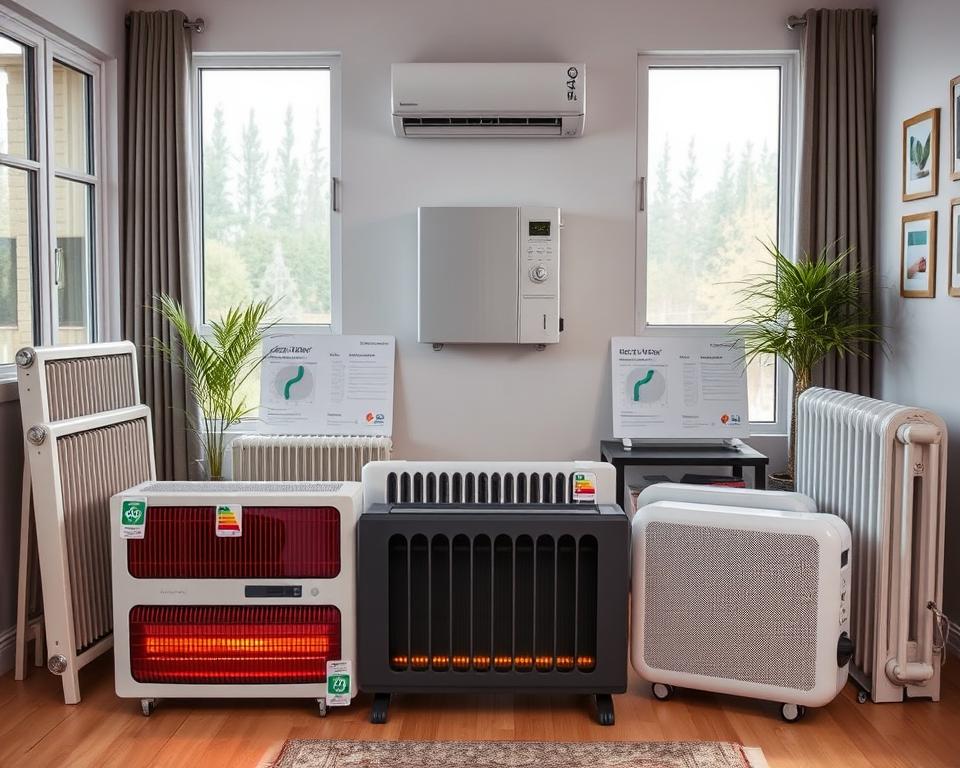
Various heating technologies offer distinct advantages for maintaining comfortable temperatures in detached structures. Each system presents unique benefits suited to different requirements and budgets.
Electric Radiators and Panel Heaters
Electric radiators combine energy efficiency with modern aesthetics. They provide straightforward installation without major structural work. Programmable thermostats help manage running costs effectively.
Electric panel heaters excel in space-constrained environments. Their wall-mounted design preserves valuable floor area. These units work well for regular use in compact spaces.

Oil-filled radiators suit extended heating periods in larger areas. They deliver consistent warmth that persists after switching off. Their quiet operation makes them ideal for workspaces.
Underfloor and Infrared Heating Solutions
Infrared technology warms objects and people directly rather than heating air. This approach provides immediate targeted warmth with high efficiency. However, it may not suit larger spaces requiring uniform heating.
Underfloor systems distribute heat evenly from below floor level. This method eliminates visible equipment for a clean appearance. Professional installation ensures optimal performance despite higher initial costs.
Each heating option presents specific advantages for different applications. Consider size, usage patterns, and budget when selecting the most suitable system.
Innovative and Smart Heating Solutions
Modern technology revolutionises how we manage warmth in outdoor living areas. Intelligent systems now offer sophisticated climate management for external structures.
Remote Control and Smart Thermostat Integration
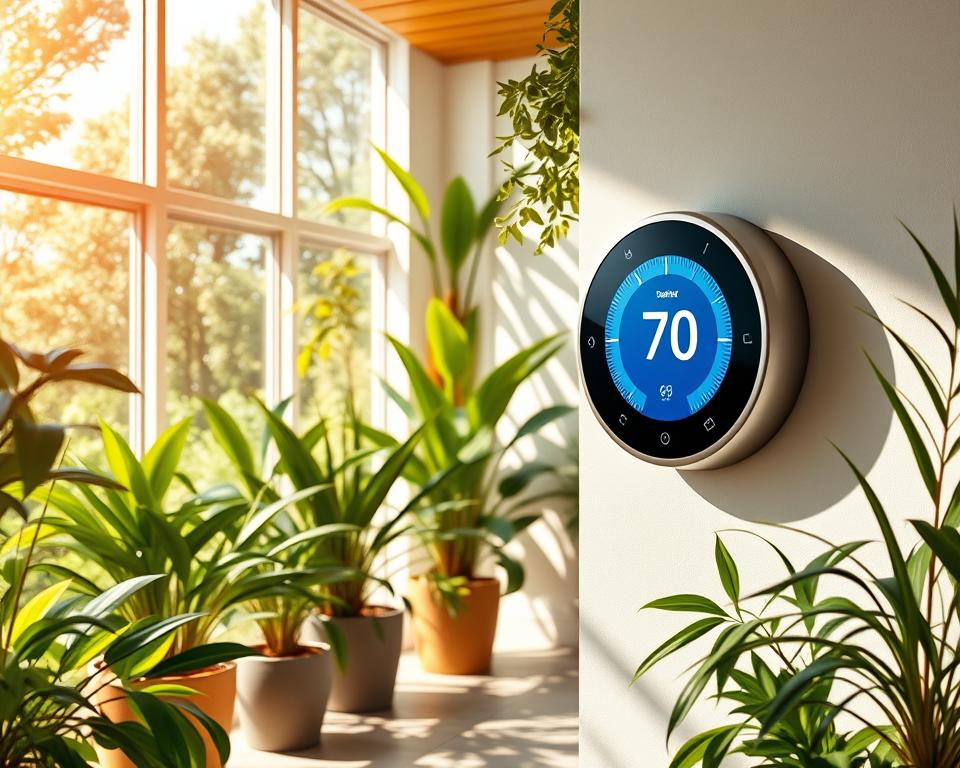
Smart thermostats provide complete temperature control through smartphone applications. Users can adjust settings remotely, ensuring optimal comfort upon arrival.
These systems learn usage patterns to create efficient schedules. They prevent energy waste by reducing heating when the space is unoccupied.
- Remote monitoring via mobile devices
- Automated temperature adjustments
- Energy usage tracking and reports
- Compatibility with existing heating systems
Initial installation costs are balanced by long-term energy savings. The technology works with various power sources including standard electricity supplies.
Smart heating represents the future of efficient climate control, combining convenience with substantial energy reduction.
Practical applications demonstrate significant benefits. Yoga studios use remote systems to pre-heat spaces for early morning sessions. This ensures comfortable temperatures without manual intervention.
Integration considerations include compatibility with existing heating infrastructure. Professional installation ensures optimal performance of these advanced systems.
Sustainable and Eco-friendly Heating Methods
Choosing a thermal solution for an outdoor structure extends beyond immediate comfort. It involves considering long-term environmental impact and energy independence. Sustainable methods can significantly reduce a carbon footprint.

These eco-conscious choices often require a higher initial investment. Yet, they deliver substantial savings over the system’s lifetime. They represent a forward-thinking approach to managing warmth.
Solar Panels and Renewable Energy Sources
Solar panels provide a powerful renewable energy source for detached spaces. After installation, they offer heating with virtually no running costs. This makes them an attractive long-term option.
Their effectiveness, however, depends on sufficient sunlight. Cloudy British weather can limit energy generation. Proper sizing of the system is crucial for meeting heat demands.
Heat Pumps and Wood Burning Stoves
Air source heat pumps are highly efficient. They extract ambient warmth from the outside air to heat the interior. This technology provides both heating and cooling capabilities.
Wood burning stoves create a distinct, cosy atmosphere. They use wood as a fuel source, offering a traditional option. These stoves require a chimney and regular maintenance for safe operation.
| Method | Initial Cost | Running Cost | Environmental Impact |
|---|---|---|---|
| Solar Panels | High | Very Low | Low |
| Air Source Heat Pump | High | Low (7p-15p/hr) | Low |
| Wood Burning Stove | Medium | Medium | Medium |
Each method offers a unique balance of cost, efficiency, and environmental friendliness. Selecting the best one depends on specific needs and priorities.
Installation and Cost Considerations
The implementation phase of any thermal solution requires careful consideration of both initial outlay and ongoing expenses. Understanding the full financial picture helps homeowners make informed decisions about their additional space.
Benefits of Professional Installation
Professional installation is essential for complex systems like underfloor heating, heat pumps, and wood burning stoves. Qualified technicians ensure proper setup and safety compliance. They handle electrical requirements that go beyond simple extension leads.
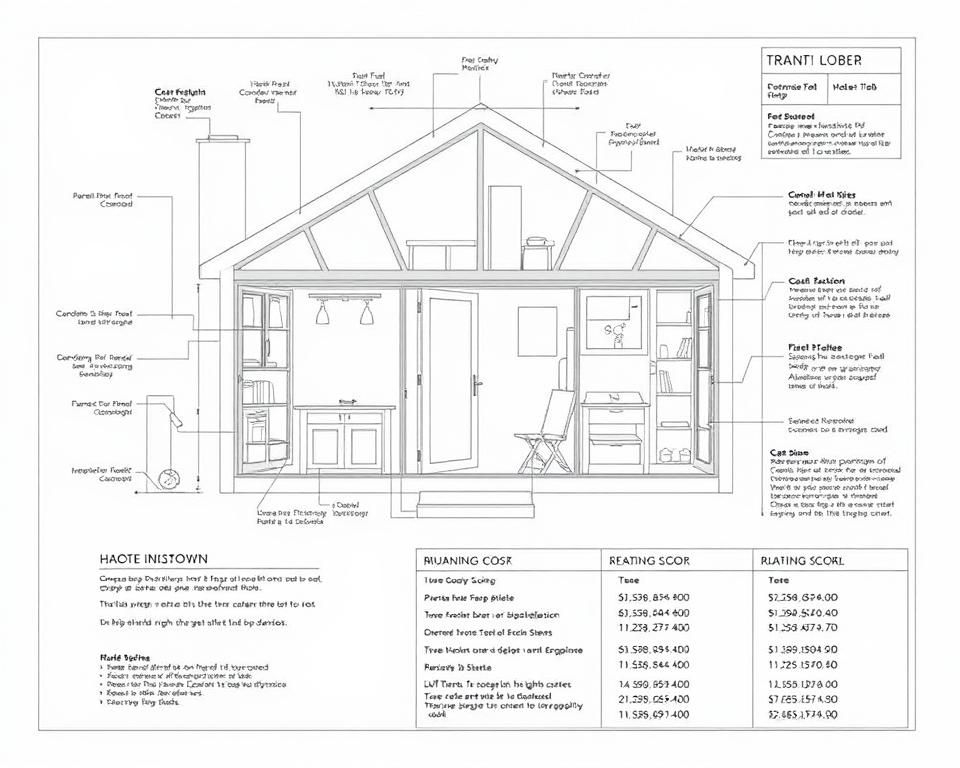
Proper electrical infrastructure prevents heat loss and safety hazards. Running cables through windows or doors is inefficient and potentially dangerous. Expert installation guarantees optimal performance from the chosen heating system.
Cost Analysis and Running Expenses
Running costs vary significantly between different heating options. Homeowners should consider both hourly expenses and long-term value. The table below shows estimated hourly costs for popular systems:
| Heating System | Power Range | Hourly Cost |
|---|---|---|
| Portable Fan Heater | 500W – 2kW | 17p – 68p |
| Electric Radiator | 750W – 2kW | 19p – 50p |
| Oil-Filled Radiator | 400W – 2.5kW | 9p – 56p |
| Underfloor Heating | 3m² – 15m² | 11p – 56p |
| Air Conditioning | Reverse Cycle | 7p – 15p |
Solar panels offer zero running costs after installation. Online calculators help estimate kilowatt requirements for maintaining 21°C. The right balance of installation investment and running expenses ensures cost-effective thermal comfort.
Maximising Heat Efficiency and Comfort
Achieving optimal warmth in a garden room involves more than just selecting the right heater. The structure’s ability to retain warmth is equally critical. Comprehensive strategies ensure the heating system works efficiently, reducing energy bills.

Optimising Insulation and Double-Glazed Windows
High-quality insulation is the foundation of thermal efficiency. Different materials suit various needs. Polyurethane (PIR) boards offer excellent energy efficiency and are easy to install.
Mineral wool provides good flame resistance. Fibreglass is a cost-effective option. For the best seal, spray foam expands to fill tiny gaps.
A material’s R-value indicates its insulating power. A higher number means better performance. This is crucial for walls, the floor, and the roof.
Windows must be at least double-glazed. Low-E glass and argon-filled units offer superior heat retention. This prevents condensation and mould issues.
| Insulation Type | Key Benefit | Consideration |
|---|---|---|
| PIR Boards | High R-value | Creates dust during cutting |
| Mineral Wool | Flame resistant | Slightly lower efficiency |
| Spray Foam | Airtight seal | Professional installation needed |
Preventing Drafts and Heat Loss
Draughts can undermine even the best insulation. Carefully seal gaps around windows and doors. Use weather-stripping or caulk for effective results.
Cold transfer from the floor is another common issue. Adding a thick rug or carpet tiles makes a significant difference. For new builds, consider underfloor insulation during construction.
Seasonal Temperature Control Strategies
Managing the temperature changes with the seasons. In winter, the focus is on heat retention. Thermal blinds or lined curtains add an extra layer over windows.
During milder months, ventilation becomes more important. A well-insulated space will stay comfortable year-round. These strategies ensure your room is a usable asset in every season.
Conclusion
Ultimately, creating a comfortable garden room is a straightforward process when approached methodically. Homeowners can confidently select from the diverse range of available heaters and systems.
The intended use of the space, whether a dedicated home office or a flexible leisure area, directly informs the best choice. Balancing initial costs with long-term efficiency ensures an economical solution.
Seeking professional advice from specialists like Garden Rooms 365 or The Garden House Company provides invaluable guidance. Their expertise in insulation and building specifications simplifies the entire process.
With proper planning, a garden room becomes a fully functional, welcoming retreat for year-round enjoyment. It is a valuable investment that enhances any property.
FAQ
What is the most cost-effective way to heat a garden room?
The most cost-effective method depends on insulation and usage. For well-insulated spaces, an electric panel heater or an oil-filled radiator with a thermostat offers good running costs. For long-term savings, infrared panels or an air source heat pump provide excellent energy efficiency.
Can I install underfloor heating in my garden office?
Yes, underfloor heating is a viable option, particularly electric mat systems. It provides even warmth and frees up wall space. Proper installation is crucial and often requires a professional to ensure the floor construction and insulation are suitable for optimal performance.
How important is insulation for garden room heating?
A> Insulation is paramount. High-quality insulation in the walls, roof, and floor drastically reduces heat loss. This means any heating source will work more efficiently, maintaining a comfortable temperature for longer and significantly lowering energy bills, especially during winter.
Are wood burning stoves a good choice for a garden room?
Wood burners offer powerful, ambient heat and can be a sustainable option if using seasoned wood. However, they require a suitable flue installation, adequate space, and a constant supply of fuel. They are less suited for quick, on-demand warmth compared to electric options.
What are the benefits of smart heating controls?
Smart thermostats allow remote control via a smartphone app. You can schedule heating to turn on before you arrive, adjust the temperature from inside the main house, and monitor energy usage. This enhances comfort and can lead to reduced running expenses by avoiding heating an empty space.
Should I consider solar panels to power my garden room heater?
Integrating solar panels is an excellent eco-friendly strategy. It can substantially offset electricity costs for electric radiators or underfloor systems. The initial investment is higher, but it offers long-term savings and reduces the carbon footprint of your garden room.
How can I prevent drafts and heat loss?
Seal any gaps around doors and windows with draught excluders. Installing double-glazed windows is highly effective. Additionally, ensure the building is well-insulated. These measures work together to retain warmth, improving the efficiency of your chosen heating system.