Home Remedies Against Voles in the Garden: How to Protect Your Garden
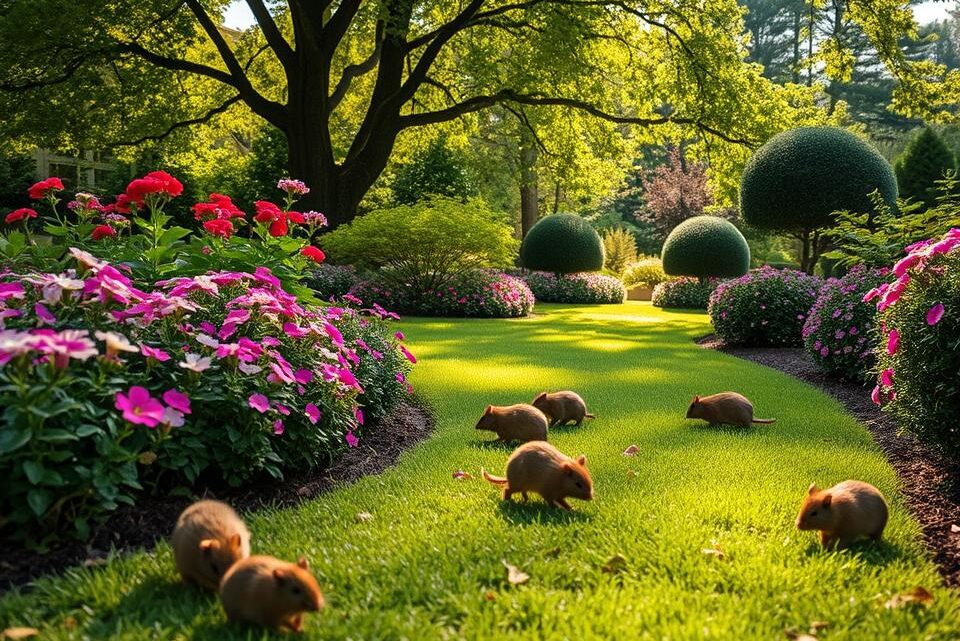
If you’re struggling with voles in your garden, you’re not alone. These small rodents can cause significant damage to plants, lawns, and garden structures, often going unnoticed until the problem becomes severe.
Early identification of vole activity is crucial to prevent extensive damage. This comprehensive guide will walk you through the process of identifying vole infestations, preventing further damage, and exploring natural remedies to protect your garden.
We will focus on humane and environmentally friendly solutions that are effective and easy to implement using common household items and gardening practices. Understanding vole behaviour and habits is key to proper garden protection.
Inhaltsverzeichnis
Key Takeaways
- Identify vole activity early to prevent extensive damage.
- Use natural and humane methods to deter voles from your garden.
- Implement effective gardening practices to protect your garden.
- Understand vole behaviour to better protect your garden.
- Utilise common household items as part of your vole control strategy.
Understanding Voles: The Garden Menace
Understanding the menace that voles pose to your garden is the first step in defending it. Voles are small, furry rodents that can cause significant damage to your garden’s plants and landscape.
What Are Voles?
Voles are herbivorous rodents that feed on various plant materials, including roots, stems, and leaves. They have a compact build and short tails, distinguishing them from mice. Their fur is typically brown or grey, helping them blend into the garden environment.
Voles vs. Moles vs. Mice: Spot the Difference
It’s essential to differentiate between voles, moles, and mice, as each requires a distinct approach to control. Unlike moles, which are insectivorous mammals that create deeper tunnels, voles leave visible surface runways and small entry holes. Mice, on the other hand, have larger ears and eyes, and their snouts are more pointed. Key differences include:
- Physical characteristics: Voles have a compact build and short tails, while mice are slender with longer tails.
- Diet: Voles are primarily herbivores, whereas moles eat insects and worms, and mice are omnivores.
- Tunnel systems: Voles create surface runways, whereas moles dig deeper tunnels.
Proper identification is crucial for effective control measures, ensuring you target the right pest with the appropriate method.
Signs of Vole Infestation in Your Garden
Your garden might be under attack from voles if you observe certain types of damage and activity patterns. Voles can breed at any time of year, with peak breeding in spring and summer, leading to a rapid increase in their population.
Identifying Vole Damage
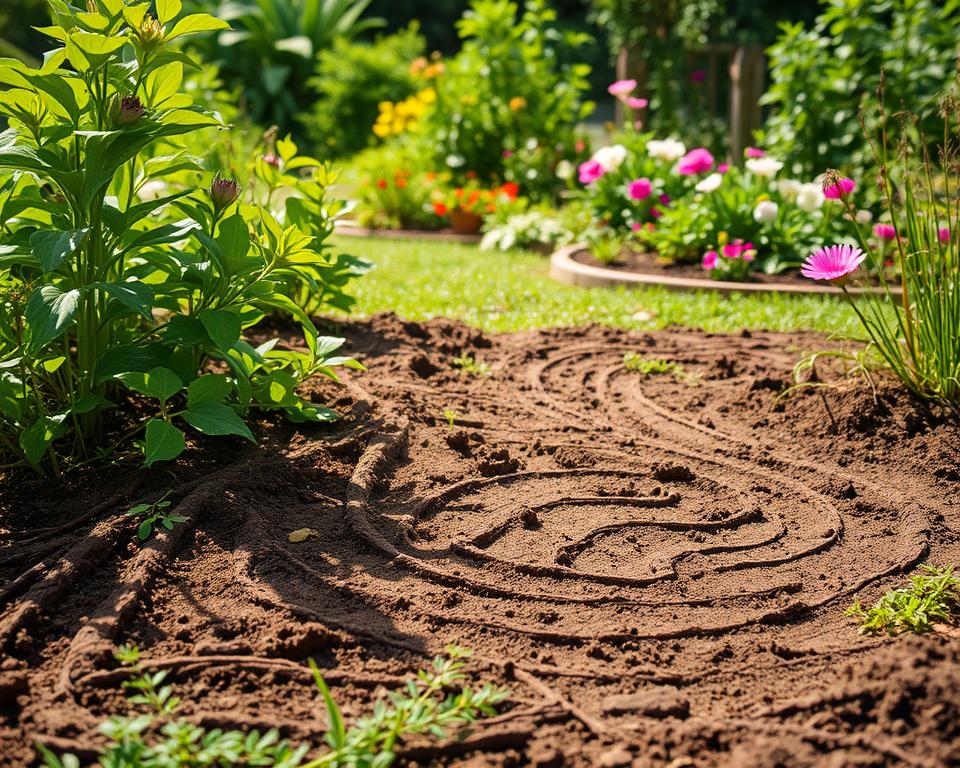
Vole damage can be extensive and varied. They tend to eat plant roots, bulbs, and bark, especially during winter when other food sources are scarce. Look for signs such as gnaw marks on plants, irregular pathways in lawns, and burrows in the ground. These are indicative of vole activity.
Vole Behaviour and Activity Patterns
Voles remain active throughout the year, including winter, and their activity peaks at dawn and dusk. They establish complex tunnel networks and territories, which can expand over time. Weather conditions can influence their activity levels, but they continue to cause damage even under snow cover.
- Voles are active year-round, with increased activity during spring and summer.
- Their behaviour changes with the seasons, affecting garden damage patterns.
- Daily activity cycles peak at dawn and dusk.
Why Voles Love Your Garden
Understanding why voles are attracted to your garden is crucial in devising effective strategies to deter them. Your garden’s appeal to voles can be attributed to the types of plants you grow and the overall conditions it provides.
Preferred Habitats and Conditions
Voles thrive in gardens that offer shelter, food, and suitable habitats. They prefer areas with dense vegetation, which provides them with cover and protection from predators. Gardens with an abundance of weeds, tall grass, and debris are particularly appealing to voles, as these environments allow them to burrow and nest.
Vole Diet: What They’re After in Your Garden
Voles are primarily herbivores, and their diet consists mainly of plant material. They feed on various garden plants, including roots, bulbs, tubers, and bark. Some of the specific plants that voles find most appealing include Jerusalem artichokes, parsnips, celery, and tulip bulbs. They also consume the roots, stems, and blades of grass, as well as the bark of young fruit trees.
The dietary preferences of voles change seasonally, with increased consumption of bark and roots during the fall and winter months when other food sources are scarce. This shift in their diet can lead to significant damage to trees and shrubs, particularly if they are young or vulnerable.
| Plant Type | Vole Preference | Seasonal Impact |
|---|---|---|
| Roots and Tubers | High | Year-round |
| Bulbs | High | Year-round |
| Bark and Young Trees | Moderate to High | Fall and Winter |
| Grass and Vegetation | High | Year-round |

To minimize vole damage, it’s essential to identify the most vulnerable plants in your garden and take steps to protect them. By understanding what attracts voles to your garden, you can implement targeted strategies to deter them and reduce the risk of damage.
Physical Barriers: Creating Vole-Proof Zones
Physical barriers offer a robust solution for keeping voles out of your garden. By implementing these barriers, you can protect your plants and bulbs from vole damage.
Tree Guards and Mesh Protection
Using tree guards and mesh protection is an effective way to safeguard your trees and plants from voles. Wrap mesh or guards around the base of trees and plants to prevent voles from accessing them. This method is particularly useful for young trees and newly planted bulbs.
Fencing Techniques
Fencing can be an effective barrier against voles if done correctly. To create a vole-proof fence, bury the fencing material at least 12 inches underground to prevent voles from burrowing underneath. Use hardware cloth or chicken wire with openings of 1 inch or smaller.
Gravel Barriers
Gravel makes an effective barrier against voles, as they dislike digging through small rocks. To create a gravel barrier, mix coarse gravel into flower beds or create a moat of gravel around beds to keep voles out. When planting bulbs, add gravel to the planting hole to protect them. A layer of gravel around 2-3 inches deep is recommended. You can also combine gravel barriers with other physical deterrents for maximum effectiveness.
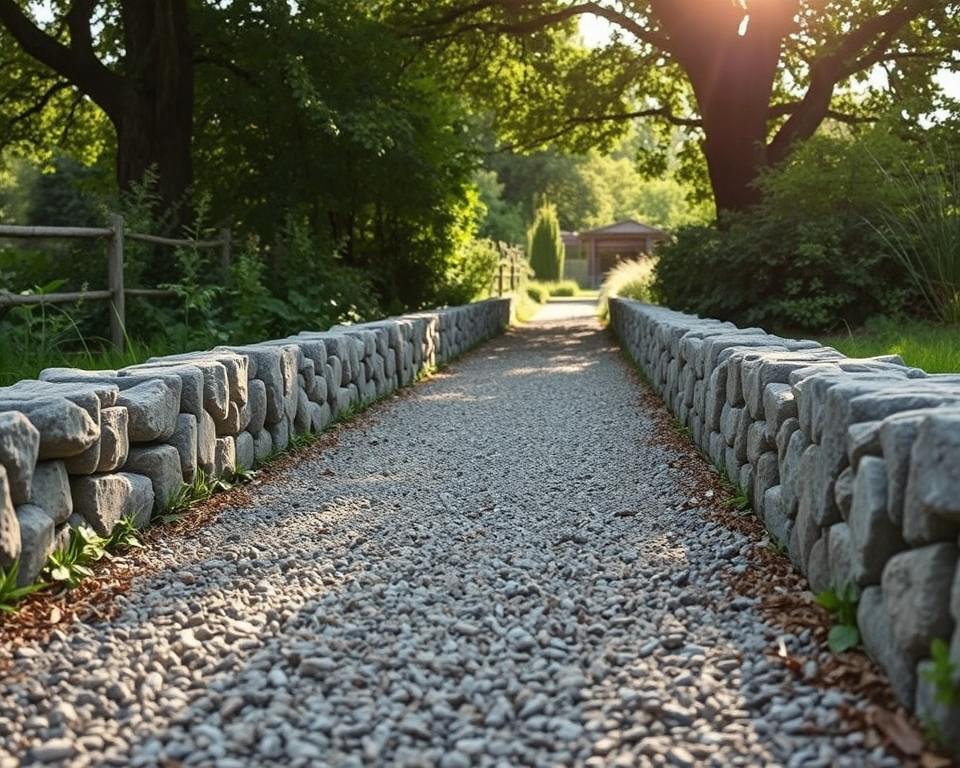
By incorporating these physical barriers, you can create vole-proof zones in your garden, protecting your plants and plantings from vole damage.
Home Remedies Against Voles in the Garden
Gardening enthusiasts can benefit from knowing how to use home remedies against voles. These natural methods can help protect your garden without resorting to harsh chemicals. You can create your own repellents using common household ingredients.
Natural Repellents from Your Kitchen
Your kitchen is a treasure trove of natural repellents that can help deter voles from your garden. Ingredients like garlic, onion, crushed mint leaves, cayenne powder, and chili pepper can be used to create effective deterrents. For instance, you can mix crushed garlic with water to create a spray that repels voles. The strong smell of these ingredients deters voles, who dislike pungent aromas.
To make a simple repellent, mix 2 cloves of crushed garlic with 1 litre of water. Let it steep overnight before straining and spraying it around your garden. You can also use cayenne powder or chili pepper to create a spicy deterrent. Mix 1 teaspoon of cayenne powder with 1 litre of water and spray it around the affected areas.

DIY Vole Deterrent Sprays
Creating your own DIY vole deterrent sprays is a cost-effective and non-toxic way to protect your garden. To get rid of voles, you need to consistently apply these sprays, especially after rain. A mixture of soap and water can also be used as a base for your deterrent sprays, helping the ingredients stick to the plants and soil.
For maximum effectiveness, combine different ingredients. For example, you can mix garlic and cayenne powder for a potent spray. Always reapply after rain to maintain the efficacy of the repellent. Store your homemade sprays in a cool, dark place to preserve their potency.
By using these home remedies, you can effectively rid your garden of voles and prevent future infestations. Regular application and a combination of methods will yield the best results in keeping your garden vole-free.
Strategic Planting to Repel Voles
To keep voles at bay, consider implementing a strategic planting plan in your garden. This approach not only enhances the aesthetic appeal of your garden but also serves as a natural deterrent against vole infestations.
Vole-Resistant Plants
Incorporating vole-resistant plants into your garden is a proactive step towards protecting your plants. Alliums, including garlic, onions, and chives, are particularly effective at repelling voles due to their strong scent.
Alliums and Other Repellent Plants
Planting alliums around the perimeter of your garden or interspersed among vulnerable plants can significantly reduce vole activity. Other strongly scented plants like mint and lavender also help deter voles. Creating a diverse garden with a mix of repellent plants ensures year-round protection.
| Plant | Repellent Properties |
|---|---|
| Alliums (Garlic, Onions, Chives) | Strong scent deters voles |
| Mint | Pungent aroma repels voles |
| Lavender | Fragrant scent discourages vole activity |
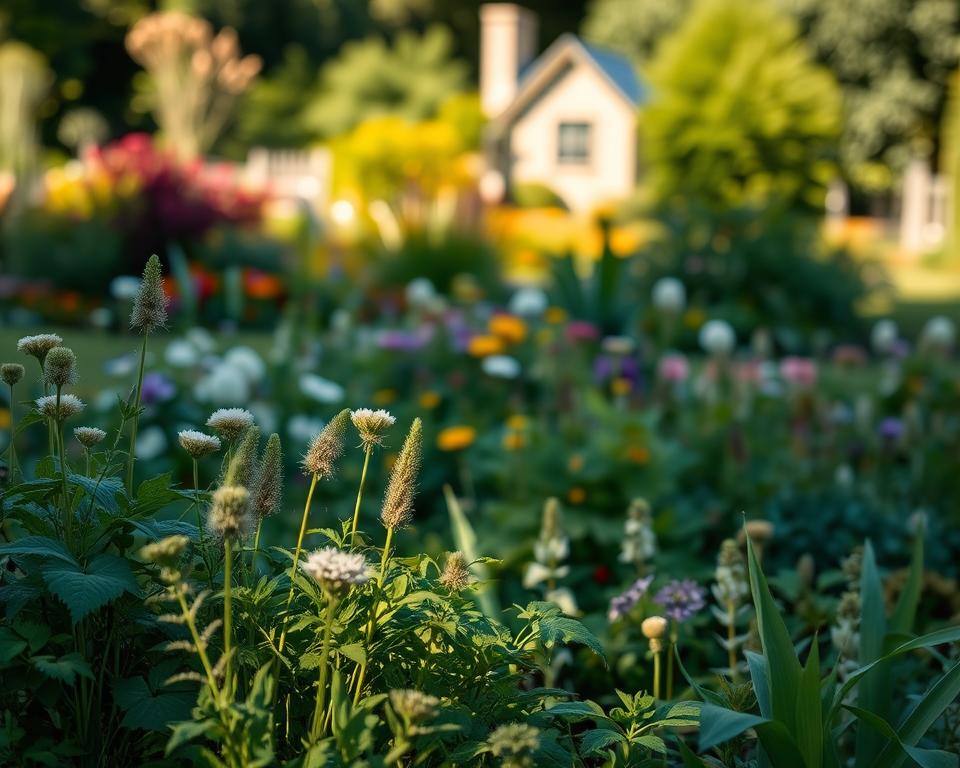
By strategically planting vole-repellent plants, you can protect your garden effectively. Consider companion planting and creating a perimeter of repellent plants around your garden beds for optimal protection.
Encouraging Natural Predators
Encouraging natural predators is a vital step in managing vole populations in your garden. By creating an environment that welcomes these animals, you can effectively control vole numbers without resorting to harmful chemicals or traps.
Creating Habitat for Vole Predators
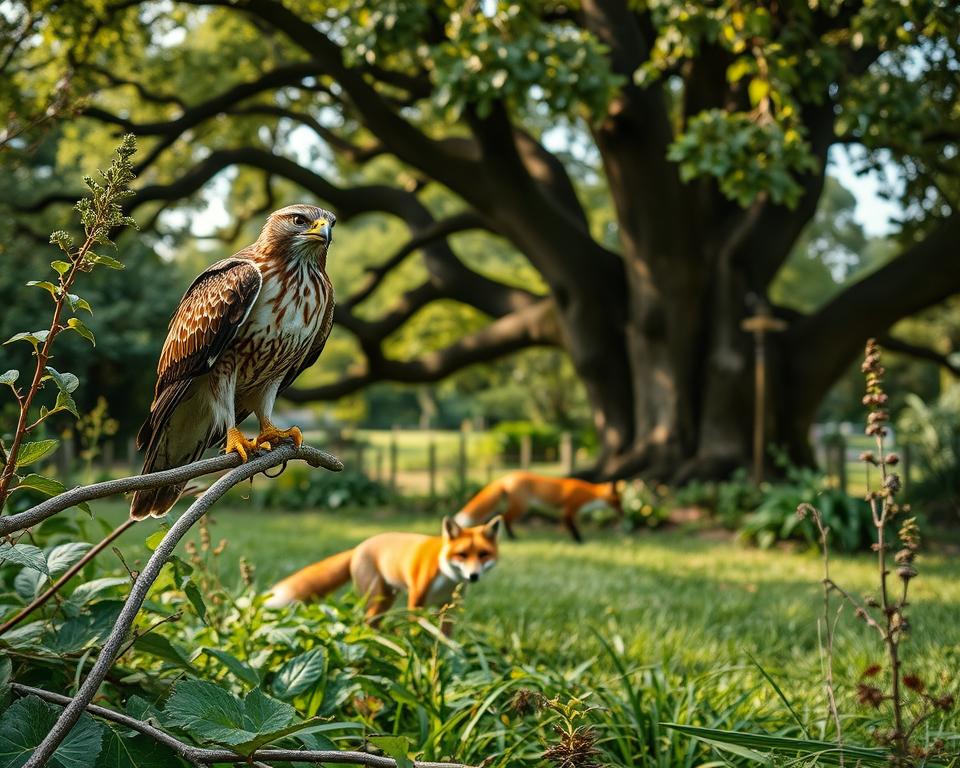
To attract predators of voles, such as owls, hawks, and foxes, you should create a diverse habitat in your yard. This can be achieved by maintaining a mix of open spaces and cover, like bushes and trees, which provide shelter and hunting grounds for these predators. Additionally, installing nesting boxes or perches can encourage birds of prey to visit and hunt in your garden.
Pets as Vole Controllers
Domestic cats are particularly effective in controlling vole populations. They hunt voles, reducing their numbers and deterring others from inhabiting your garden. While cats don’t eat voles, their presence and hunting activity are usually enough to keep vole populations under control. Some breeds of dogs, especially terriers, can also be useful in vole control. However, it’s essential to balance pet activity with garden protection to avoid damage to plants.
Humane Trapping Methods
Humane trapping methods offer an effective solution for vole control without causing unnecessary harm to the animals. When you decide to trap voles, it’s crucial to do so in a way that minimizes stress and avoids causing them undue suffering.
Setting Up Effective Live Traps
To set up an effective live trap, you need to choose a location where voles are most active. Place the trap in a sheltered spot, baited with something attractive like apple or peanut butter. Ensure the trap is secure and won’t harm the vole when it’s caught.
Proper Relocation Practices
Once you’ve caught a vole, relocating it requires care. Find a suitable location at least 1km away from any gardens to release the vole. It’s essential to check traps frequently, as voles can starve quickly if left in the trap for too long. When releasing, do so gently and directly from the trap to minimize stress. Avoid transferring the vole to another container, as this can cause additional stress to the animal.

By following these guidelines, you can effectively manage the vole problem in your garden while treating the animals humanely. Regularly checking traps and relocating voles to appropriate habitats helps prevent animal suffering and addresses the issue at hand.
Repairing and Preventing Future Vole Damage
Preventing future vole damage requires a proactive approach to garden maintenance and design. After addressing the initial infestation, it’s essential to focus on restoring damaged areas and implementing long-term prevention strategies.
Restoring Damaged Lawn Areas
To restore your lawn, start by removing damaged grass and repairing any vole tunnels or burrows. Re-seed or re-turf the affected areas, ensuring good soil contact for optimal growth. Regular lawn maintenance, such as mowing and thatch removal, will help discourage voles from returning. Consider incorporating vole-resistant plants into your garden design to further deter these pests.

Long-Term Prevention Strategies
Effective long-term prevention involves maintaining a weed-free garden and lawn, as voles are attracted to weeds. Regularly mow your lawn to keep it short, and remove any root weeds promptly. Limit the growth of wild grasses, which can provide shelter for voles. Incorporating strong-smelling plants like garlic and hyacinths can also help repel voles. Additionally, keep water points clean and cover drainage pipes with chicken wire to prevent voles from nesting.
Conclusion
By integrating various home remedies and preventative measures, you can safeguard your garden against vole damage. Effective management involves a combination of physical barriers, natural repellents, and strategic planting to deter voles. Early identification of vole activity is crucial, allowing you to take prompt action and prevent extensive damage to your lawn and plants.
Ongoing vigilance is essential, as maintaining a healthy, well-manicured garden naturally enhances its resistance to vole infestations. Regularly inspecting your garden and applying the tips outlined will save you time in the long run. By adopting a proactive approach, you can protect your grass and root systems from damage.
With persistence and the right techniques, you can enjoy a vole-free garden. Seasonal monitoring and maintenance are key to long-term success. By following these guidelines, you’ll be well on your way to a healthier, more resilient garden.
FAQ
What are the most effective ways to deter voles from my garden?
You can use a combination of physical barriers, natural repellents, and strategic planting to deter voles. Installing tree guards, using gravel barriers, and planting vole-resistant plants can help protect your garden.
How can I identify vole damage in my garden?
Vole damage can be identified by the presence of tunnels and runways in the lawn, gnaw marks on trees and shrubs, and damaged roots. You may also notice that certain plants are being eaten or uprooted.
Are voles and moles the same thing?
No, voles and moles are different species. While both can cause damage to your garden, voles are rodents that feed on plants, whereas moles are insectivores that tunnel underground, causing damage to lawns and plant roots.
Can I use pets to control vole populations?
Yes, certain pets such as cats and dogs can help control vole populations by hunting them. However, it’s essential to ensure that your pets are not harming the environment or other animals in the process.
How can I prevent voles from damaging my trees and shrubs?
You can protect your trees and shrubs by installing tree guards or using mesh protection. You can also try using natural repellents or deterrents to keep voles away.
Are there any specific plants that can repel voles?
Yes, certain plants such as alliums, daffodils, and garlic are known to repel voles. Planting these species in your garden can help deter voles from feeding on other plants.
Can I use humane trapping methods to remove voles from my garden?
Yes, humane trapping methods can be used to remove voles from your garden. You can use live traps to capture voles and release them elsewhere, but make sure to follow local regulations and guidelines.
How can I repair damaged lawn areas caused by voles?
To repair damaged lawn areas, you can re-seed or re-sod the affected areas. You can also try to improve soil quality and drainage to prevent future damage.