
How Long Does It Take to Build a Shed? – Timeframes Explained

Planning a garden storage project requires realistic expectations about construction durations. The timeframe for creating outdoor storage space varies dramatically based on several crucial factors.
Property owners often wonder about the actual commitment needed for their project. Small prefabricated kits offer the quickest solution, with some models assembled in just a few hours. These ready-made options provide immediate storage solutions for time-conscious individuals.
Larger wooden kits typically demand more dedication, usually requiring one to two full days of work. For those seeking customised features, building from scratch extends the timeline significantly. This approach can take several days or even weeks depending on complexity.
Professional installations represent the most comprehensive option. These services include design consultation, planning permissions, and full construction. The complete process from initial consultation to final handover typically spans four to seven months.
This resource aims to clarify the complete timeline from planning through completion. Understanding these variables helps property owners make informed decisions about their garden projects.
Inhaltsverzeichnis
Key Takeaways
- Shed construction durations range from hours to several months
- Prefabricated kits offer the fastest installation times
- Custom builds require significantly more time investment
- Professional services include planning and permission stages
- Project complexity directly influences completion timeframes
- Proper planning ensures realistic expectations
- Site preparation affects overall construction schedules
Introduction
The journey towards establishing functional garden storage begins with understanding available options. Modern property owners face numerous choices when considering outdoor storage solutions.
Overview of Shed Construction
Shed construction has evolved significantly over recent years. Property owners now benefit from diverse methodologies ranging from quick-assembly kits to bespoke professional installations.
Each approach involves distinct stages including design, site preparation, material selection, and final assembly. Understanding these phases helps homeowners make informed decisions about their storage project.
Purpose of the Guide
This comprehensive resource aims to demystify the entire construction process. It provides practical insights into timeframes, material choices, and potential complications.
The guide addresses common questions while helping readers align their expectations with available resources. Whether considering a DIY weekend project or professional installation, this information supports effective planning.
Readers will gain clarity on what their specific storage needs require. This knowledge enables realistic scheduling and prevents common pitfalls during the building process.
How Long Does It Take to Build a Shed?
The duration required for erecting garden storage facilities spans from mere hours to several months. Different construction approaches yield dramatically varied completion schedules.
| Construction Method | Typical Timeframe | Key Features | Best For |
|---|---|---|---|
| Prefabricated Plastic/Metal Kits | 2-4 hours | Quick assembly, minimal tools | Immediate storage needs |
| Standard Wooden Kits | Half day to 2 days | Moderate complexity, customisable | Balanced time investment |
| Custom From-Scratch Build | Several days to weeks | Full design control, high quality | Experienced DIY enthusiasts |
| Professional Installation | 4-7 months total | Complete service, permits included | Complex projects, busy homeowners |
Prefabricated kits offer the fastest installation process. Small plastic or metal models typically require just a few hours for completion.
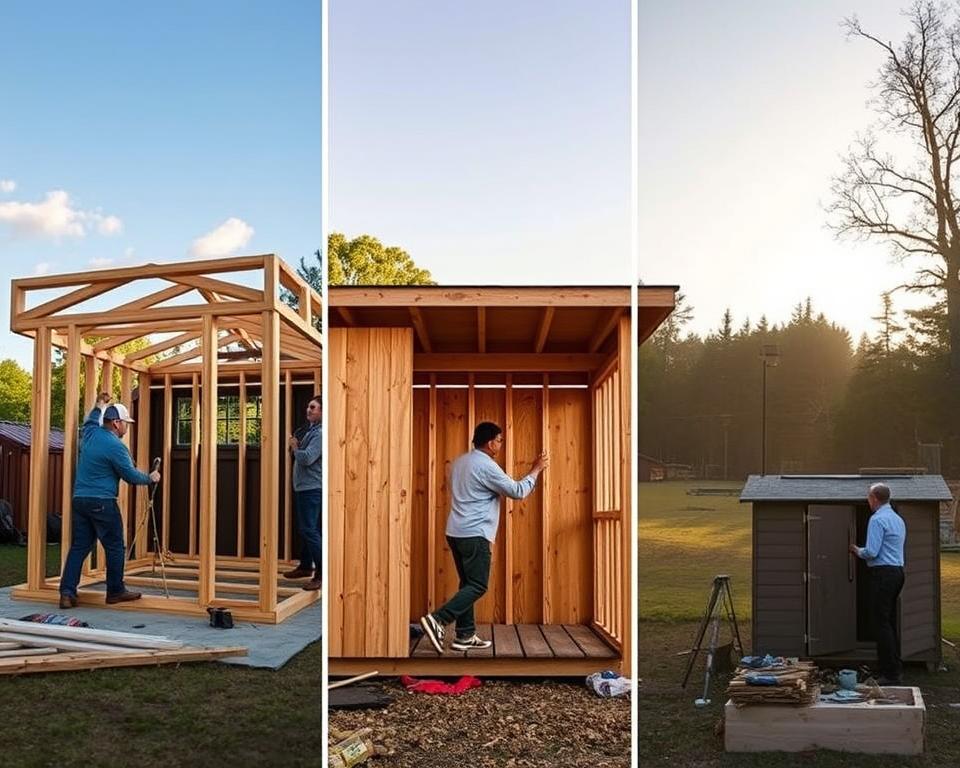
Wooden kit construction represents a middle ground. Larger structures with added complexity may demand up to two full days of work.
Custom builds extend the timeline significantly. These projects consume several days or stretch across multiple weekends.
Professional services involve the longest overall commitment. The comprehensive process includes design, permits, and fabrication stages alongside the actual construction.
Understanding these variations helps property owners select appropriate approaches. Time investment should align with skill level, available help, and intended shed purpose.
Factors Affecting Shed Build Duration
Multiple variables significantly influence the timeframe needed for shed construction projects. Understanding these key factors helps with realistic planning.
Site Conditions and Preparation
Site preparation often causes the biggest delays in shed projects. Uneven ground requires extensive work before construction can begin.
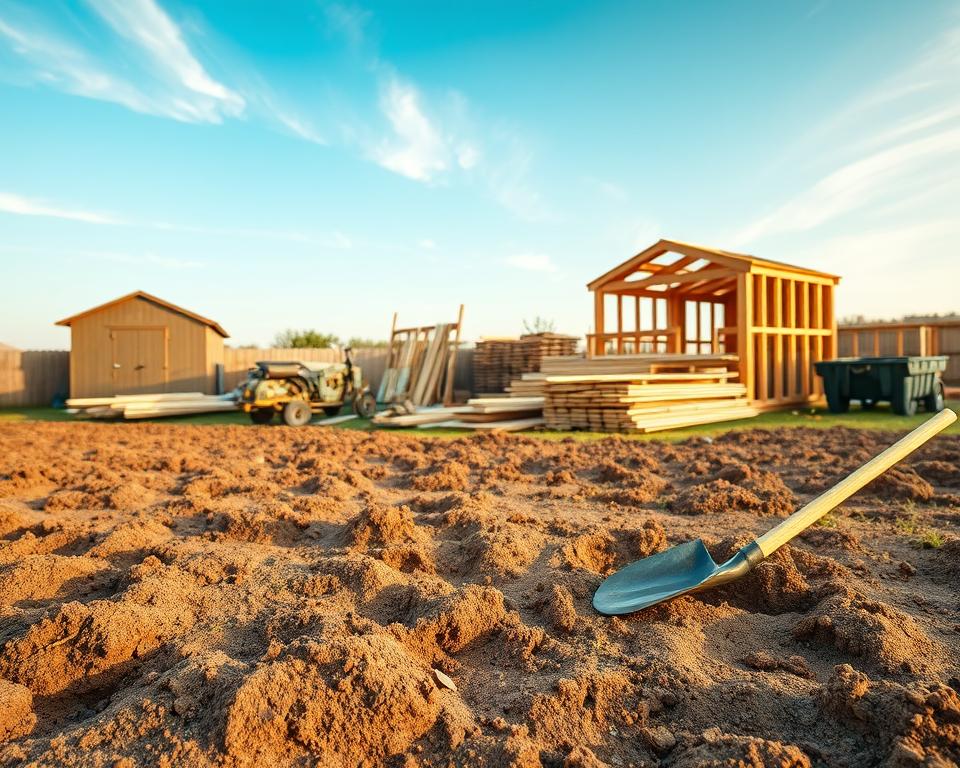
Properties with sloped terrain need levelling work. This may involve excavation or building up areas with gravel. Concrete bases add 24-48 hours for curing.
| Site Factor | Impact on Time | Preparation Needed |
|---|---|---|
| Level Ground | Minimal | Basic clearing |
| Slight Slope | Moderate | Minor levelling |
| Steep Slope | Significant | Major excavation |
| Concrete Base | Additional 1-2 days | Curing time required |
Material Quality and Availability
Material availability directly affects construction speed. Pre-cut kit components enable faster assembly than raw materials.
Shortages or incorrect sizing can halt progress. Builders may need extra trips to suppliers, losing valuable time.
Experience and Team Size
Builder experience substantially influences project duration. Skilled individuals work more efficiently than novices.
Team size makes a considerable difference. Two people can handle awkward tasks like lifting panels more easily. This reduces errors and speeds up the job.
Shed Building Options: Kits versus From Scratch
Property owners face a fundamental choice between prefabricated solutions and custom construction approaches. This decision significantly impacts the project’s timeline, complexity, and final outcome.

Advantages of Shed Kits
Prefabricated kits offer a streamlined pathway to garden storage. These packages contain pre-cut components that eliminate measuring and sawing requirements.
The primary benefit lies in efficiency. Small models can be assembled in half a day, while larger structures rarely extend beyond two days of work. Kits include detailed instructions and necessary hardware.
Despite their convenience, careful assembly remains essential. Proper panel alignment and frame squaring ensure structural integrity. Rushing these steps risks gaps or improperly seated roofs.
Considerations for Building from Scratch
Custom construction provides complete design freedom. Builders can choose specific dimensions, wall heights, and additional features like extra doors.
The trade-off involves substantially longer timelines. Each component requires individual measurement, cutting, and fitting. This meticulous process demands hours per stage.
Most DIY enthusiasts spread scratch builds across multiple weekends. The project duration extends to several weeks for those with limited availability. This approach suits experienced builders seeking personalised results.
Whether selecting a kit or undertaking a custom project, proper base preparation remains crucial. Both methods demand this preliminary work regardless of construction choice.
Timeframes for Different Shed Materials
Different building materials offer varying assembly speeds for storage construction projects. The choice between wood, plastic, and metal significantly affects completion schedules.
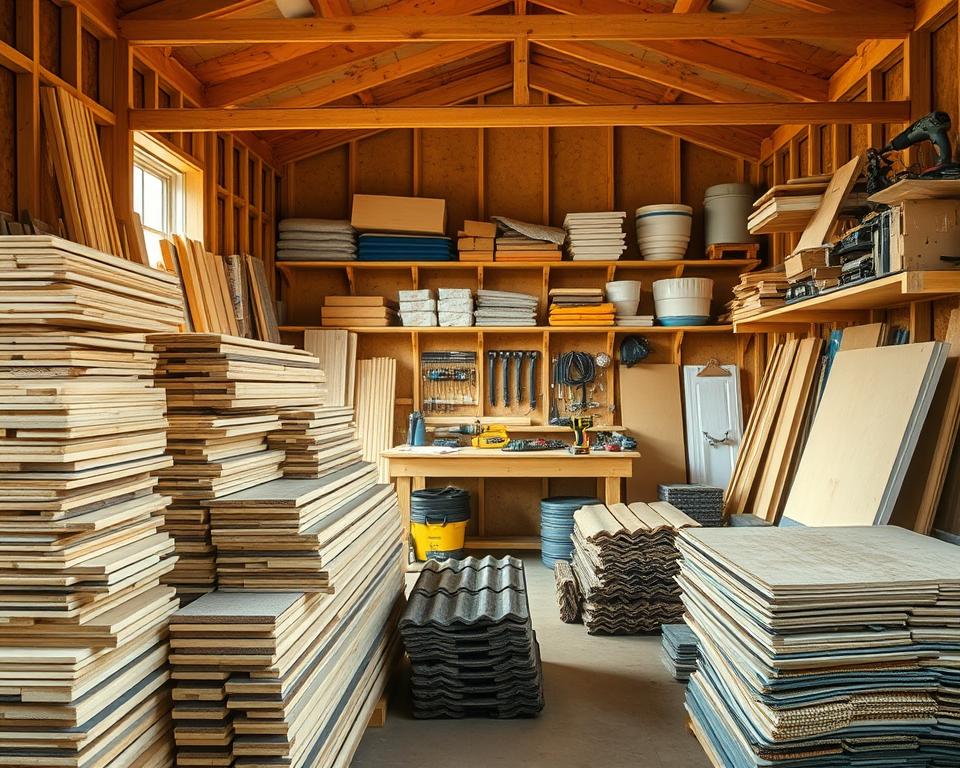
Wooden Shed Kits
Wooden shed kits represent a balanced option for garden storage. Small structures typically require half a day for assembly after base preparation.
Larger wooden sheds with additional height need approximately two full days. This timeframe includes roof installation and trim work. Timber panels demand careful alignment and precise fitting.
Plastic and Metal Shed Options
Plastic and metal sheds assemble considerably faster than wooden alternatives. A compact 4×6 plastic shed often completes in just a few hours.
Mid-sized 8×8 metal sheds frequently finish within a single working day. The lightweight nature of plastic panels simplifies handling and positioning. Metal components, while slightly heavier, remain manageable for efficient assembly.
Both plastic sheds and metal options feature simpler roof systems than wooden structures. This contributes to their quicker installation times. However, all materials require proper base preparation before construction begins.
Essential Planning and Preparation Tips
Adequate groundwork and regulatory compliance form the cornerstone of efficient shed installation. Proper planning prevents costly delays and ensures structural integrity from the outset.
Clearing the Site and Preparing the Base
Site clearance represents the initial phase of any storage project. Remove all vegetation, debris and obstacles from the designated location. This creates a safe working environment.
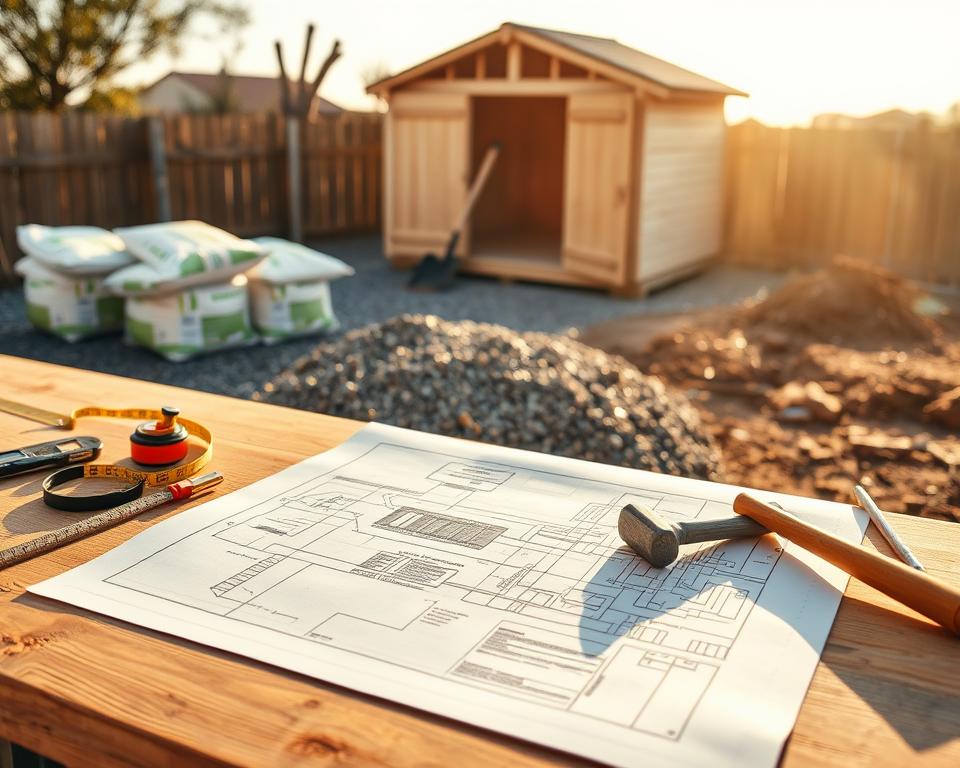
Ground levelling proves essential for stability. Uneven terrain requires additional time for excavation or filling. For sloped gardens, options include digging into higher ground or building up lower sections.
The shed base preparation demands careful attention. A solid base supports the entire structure. Concrete bases offer superior durability but require 24-48 hours for curing.
Obtaining Permits and Compliance
Regulatory compliance constitutes a critical planning component. Most shed installations require building permits from local authorities. Standard approval processes take approximately 25 business days.
Additional planning permission may be necessary for property in conservation areas. These approvals can extend timelines by 60-90 days. Strategic location selection considers both regulations and functionality.
Proper shed placement maximises natural light and accessibility. This thoughtful approach to project planning ensures the final structure meets both practical needs and regulatory requirements.
Tools and Materials for a Successful Shed Build
Gathering the right equipment and components before starting is a critical step. Proper preparation with the correct tools and quality materials streamlines the entire process.

This foresight prevents frustrating work stoppages. It ensures the project progresses efficiently from start to finish.
Essential Tools List
A basic toolkit for shed assembly should include several key items. A hammer, saw, drill, and measuring tape are fundamental. A spirit level is indispensable for ensuring walls and panels are perfectly aligned.
For larger structures, a ladder is necessary for safe roof work. More complex projects benefit from specialty tools like a framing square for perfect corners.
- Hammer for fastening components
- Saw for any necessary cutting
- Drill for creating holes and driving screws
- Measuring tape for accurate dimensioning
- Spirit level for structural alignment
Choosing the Right Materials
Material quality directly affects both the construction experience and the shed’s longevity. Superior materials reduce the likelihood of component failure during installation.
Pre-cut and pre-drilled components from quality kits save significant time. They eliminate much of the measurement work. This allows builders to focus on assembly.
Door and window selection should be finalised early. This ensures these components are ready when needed. Proper storage of materials protects them from weather damage before use.
Consider durability, weather resistance, and maintenance needs. The right choices lead to a robust and lasting garden shed.
Common Pitfalls and Delays in Shed Construction
Even the most carefully planned shed build can encounter unexpected hurdles that extend the project timeline. Awareness of these common issues helps builders allocate extra time and avoid frustration during the work.

Unforeseen Site Issues
The biggest delays often occur before construction starts. Hidden obstacles like tree roots or poor drainage only become apparent during excavation.
Ground that seemed level might need significant digging or filling. This adds hours or even days to the job. A concrete base requires curing time, pushing the entire schedule back.
Material Shortages and Mistakes
Running out of materials halts work completely. This is especially true for small items like specific screws or brackets.
Building a new shed from scratch without a guide increases error risk. Incorrect cuts or misaligned joints mean starting over. This wastes materials and valuable time.
Rushing the installation leads to gaps or unstable frames. These things require corrections later. Proper preparation prevents most of these problems, ensuring a smooth shed installation.
Conclusion
Successful shed projects result from matching construction timelines with practical requirements. The timeframe for completing outdoor storage solutions varies dramatically based on the chosen approach.
Property owners should consider their specific needs when selecting a construction method. Professional installations offer comprehensive service but require longer commitments. DIY approaches provide faster completion for those with appropriate skills.
This guide has outlined the key factors influencing construction duration. Proper planning ensures the new shed meets both immediate and long-term storage needs.
The right location and solid foundation contribute to a structure that serves the property well for many years. Quality construction pays dividends through reliable service.
By considering all these things, homeowners can make informed decisions about their building project. The result is a functional shed that meets their requirements for years to come.
FAQ
What is the average time to build a shed from a kit?
For a moderately sized wooden shed kit, two people with basic DIY skills can typically complete the assembly in one to two days. Plastic and metal sheds often have a quicker installation time, sometimes within a single day, as they feature pre-fabricated panels.
How does building a shed from scratch compare to using a kit?
Constructing a shed entirely from raw materials is a more complex project. It requires significant planning, precise cutting, and assembly. This approach can take several days or even weeks, depending on the design complexity and the builder’s experience level.
What is the most time-consuming part of the shed build process?
Site preparation is often the most critical and time-intensive phase. This includes clearing the ground, levelling the area, and constructing a solid, level base, such as a concrete slab or paved foundation. A poor base will cause delays and problems during the main construction.
Do I need planning permission for a new shed?
In many cases, a shed can be built under permitted development rights, avoiding the need for planning permission. However, rules govern the shed’s size, location, and height relative to the property boundary. It is essential to check with the local planning authority beforehand to ensure compliance.
What essential tools are needed for a DIY shed project?
A> A basic toolkit should include a claw hammer, screwdrivers, a spirit level, a tape measure, a power drill, and a saw. For larger projects or building from scratch, additional tools like a circular saw, workbench, and ladder might be necessary for efficiency and safety.
Can adverse weather affect the construction timeline?
Yes, weather conditions are a significant factor. Rain can halt work, especially when treating wood or working with concrete for the base. It is advisable to check the forecast and plan the build for a period of dry weather to avoid unnecessary delays.

