Plasterboarding a Garden Log Cabin or Summer House – Expert Advice
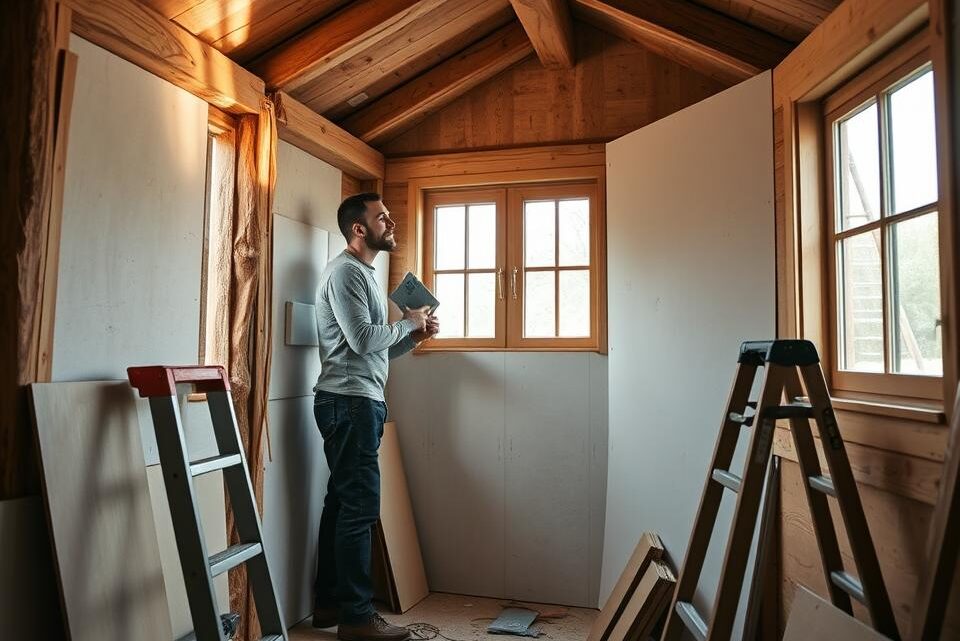
Many homeowners seek to maximise their property’s potential. A garden building offers a fantastic opportunity to create extra space. This could be for an office, a hobby room, or a peaceful retreat. With the right approach, these structures can be comfortable all year round.
Proper internal finishing is the key to success. It turns a basic shed into a fully functional extension of the home. This process involves careful planning and the correct techniques. The goal is to build a room that is both durable and inviting.
This guide explores the essential steps for this transformation. It covers everything from initial preparation to the final touches. Readers will learn how to achieve a professional finish. The focus is on creating a comfortable, efficient space that stands the test of time.
Inhaltsverzeichnis
Key Takeaways
- Proper internal finishing is essential for making a garden building usable throughout the seasons.
- Careful planning and material selection are crucial for a successful project.
- The right techniques significantly improve thermal comfort and moisture control.
- Understanding the process from start to finish helps in achieving a professional result.
- The project can be tailored to suit different needs and budget constraints.
Introduction and Overview
Proper internal finishing elevates a simple garden building to become a genuine extension of the home. This transformation turns a basic structure into a comfortable, functional space suitable for various activities.
Understanding the Benefits of a Professional Finish
A professionally finished interior offers significant advantages over basic unfinished structures. It creates a smooth surface ready for decoration, transforming timber walls into a comfortable living area.
The combination of proper insulation and wall boarding provides crucial thermal efficiency. This prevents heat loss during colder months and maintains cooler temperatures in summer.
For those working from home, a well-finished garden office creates a professional environment separate from domestic life. The investment in quality finishing pays dividends through improved comfort and reduced heating costs over time.
An Outline of the Plasterboarding Process
The process begins with framework preparation, ensuring a solid foundation for installation. Next comes insulation fitting, which is essential for year-round use of the space.
Following insulation, a vapour barrier is applied before fixing the wall boards. The final stages involve joint treatment and surface finishing, ready for painting or decoration.
Understanding this complete process helps prevent common issues like moisture damage. Each stage builds upon the previous one, creating a durable and attractive interior space.
Essential Materials and Tools for the Project
The quality of materials chosen directly impacts the longevity and performance of the finished interior. Selecting the right components ensures thermal efficiency and structural integrity. This foundation determines the building’s comfort throughout seasonal changes.
Selecting Quality Plasterboard and Insulation Materials
Choosing appropriate insulation materials is fundamental for effective thermal performance. Standard options include Celotex or Kingspan boards in various thicknesses. The correct choice balances efficiency with space conservation.
For wall applications, 50mm boards provide optimal thermal retention. Floor installations typically require 100mm thickness to prevent cold transfer. Moisture-resistant plasterboard suits garden buildings where humidity fluctuates.
| Material Type | Recommended Thickness | Primary Application | Key Benefit |
|---|---|---|---|
| Celotex/Kingspan | 50mm | Walls | Space-efficient insulation |
| Foam Board | 100mm | Floors | Cold prevention |
| Moisture-resistant Plasterboard | 12.5mm | Internal Surface | Humidity protection |
| Timber Battens | 25x50mm | Framework | Insulation support |
Vapour control layers prevent moisture accumulation behind walls. Breathable membranes offer exterior protection. These barrier systems create durable building envelopes.

Necessary Tools and Equipment
The required tools range from basic hand implements to power equipment. Utility knives cut insulation and plasterboard accurately. Measuring tapes and spirit levels ensure precise installation.
Cordless drills fix drywall screws securely. Saws prepare timber framework components. Having the right equipment streamlines the construction process significantly.
Finishing materials include jointing compound and plaster skim. Primers and paints complete the surface treatment. Proper tools guarantee professional results.
Planning and Preparation for Your Garden Structure
Proper preparation lays the foundation for transforming a basic garden structure into a comfortable year-round space. This initial phase ensures the project proceeds smoothly and meets all requirements.
Assessing Your Garden Log Cabin or Summer House
A thorough evaluation of the existing building is essential before starting interior work. This includes checking wall condition, roof integrity, and foundation stability.
The type of conversion influences the approach. New constructions differ from kit assemblies or shed conversions. Each presents unique structural challenges that must be addressed.

Weather exposure assessment helps plan waterproofing and ventilation. Consider prevailing wind direction and moisture-prone areas. This planning prevents future issues.
Budget, Planning Permission and Design Considerations
Understanding planning permission rules is crucial. Most garden structures under 2.5m eaves height don’t require formal approval. Always check with local councils for specific requirements.
Budget planning requires realistic cost estimates. A DIY approach can save significantly compared to professional construction. Consider all material and potential service costs.
| Scenario | Height Limit | Permission Required | Special Considerations |
|---|---|---|---|
| Standard Garden Room | Under 2.5m eaves | Usually not needed | Standard residential areas |
| Dual Pitched Roof | Up to 4m maximum | Typically exempt | Must meet specific design criteria |
| Listed Building Area | Any height | Always required | Conservation area restrictions apply |
| Habitable Space | Any height | Mandatory approval | Sleeping accommodation changes status |
Design decisions should reflect the intended room use. Office spaces need different electrical requirements than leisure rooms. Window placement affects both light and insulation efficiency.
Constructing a Robust Timber Frame
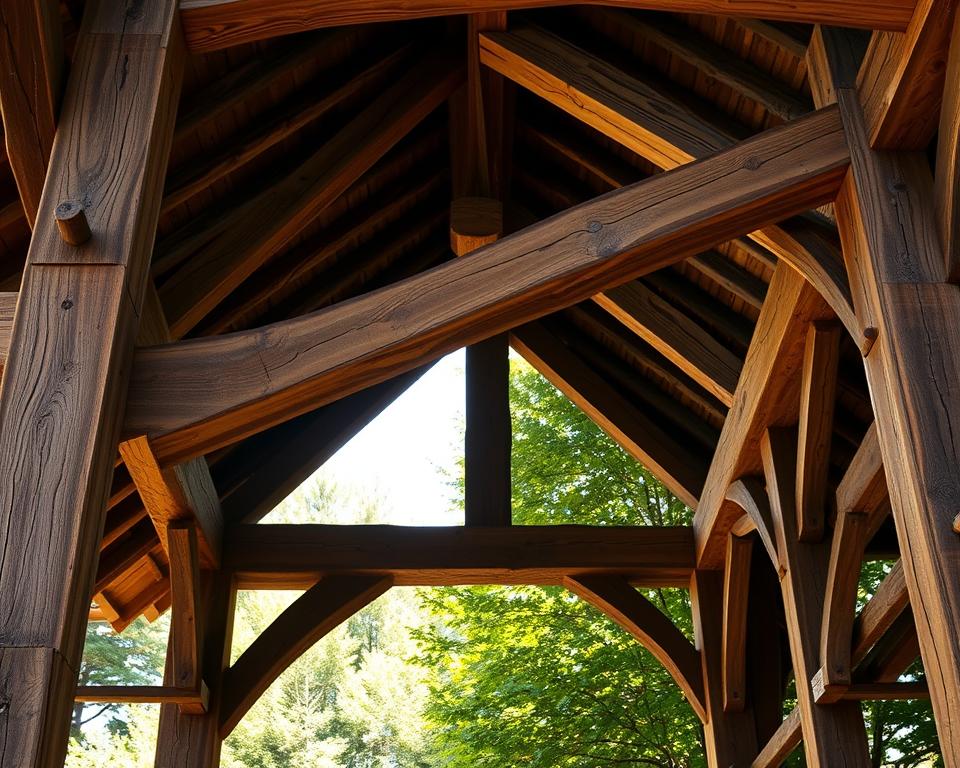
A properly constructed timber frame provides the essential foundation for insulation and wall boarding. This framework determines the quality of the entire installation. It must be strong and precise.
Establishing a Secure Framework
The process begins with 25x50mm timber battens fixed around all interior corners. These are placed with the 50mm side flat against the surface. This creates a uniform 25mm recess for insulation boards.
At wall corners, two lengths of timber sit adjacent to each other. This provides fixing points on both wall surfaces. The framework must be perfectly level and secure.
Window and door frames need special attention. They are typically 20mm thick, requiring 5mm timber strips to match the 25mm framework depth. Additional 25x30mm pieces create neat edges for plaster.
| Component | Dimensions | Purpose | Installation Notes |
|---|---|---|---|
| Main Battens | 25x50mm | Create recess for insulation | Fixed around all interior edges |
| Corner Timbers | 25x50mm | Support both wall surfaces | Two lengths placed adjacent |
| Frame Strips | 5mm thick | Level window/door frames | Brings frames to 25mm depth |
| Edge Pieces | 25x30mm | Create plaster barrier | Fitted around openings |
The entire timber frame requires thorough checking. Any movement can cause cracks in the plaster finish. Proper alignment ensures professional results.
Electrical cable routes should be planned before framework completion. This allows for concealed installation within the wall depth. Careful work at this stage prevents future complications.
Plasterboarding a Garden Log Cabin or Summer House – Expert Advice
Insulation and vapour barriers work together to create a thermally efficient and dry interior environment. Proper techniques ensure the space remains comfortable throughout seasonal changes.
Techniques for Proper Insulation and Moisture Control
Cut insulation boards precisely to fit timber framework recesses. Use a sharp utility knife for clean cuts without compression. The boards sit loosely initially.
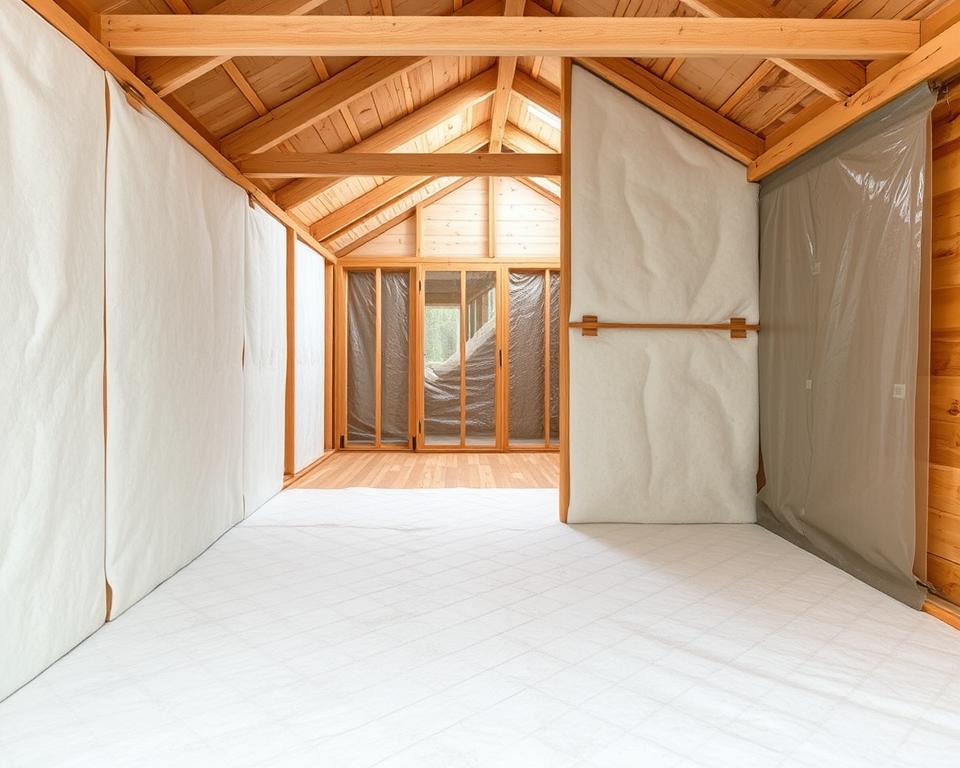
Moisture control is critical for preventing condensation issues. A vapour barrier must cover all wall surfaces before plasterboard installation. This protective layer stops warm, moist air from penetrating insulation.
| Layer | Material | Function | Installation |
|---|---|---|---|
| External | Breathable membrane | Moisture escape | Against wall |
| Middle | Insulation board | Thermal barrier | Framework recess |
| Internal | Vapour barrier | Moisture protection | Over insulation |
| Surface | Plasterboard | Finish surface | Final layer |
Layering Plasterboard for Durability
The correct sequence of layers ensures long-term performance. Each component serves a specific purpose in the building envelope.
Floor insulation requires 100mm foam boards as a barrier against ground cold. Roof applications may need additional thickness due to heat loss. Window and door openings need careful sealing.
Working methodically around the structure prevents thermal bridging. This approach creates an environment that remains comfortable year-round.
Achieving a Neat and Long-Lasting Finish
The final stages of an interior project determine its overall quality and durability. Attention to detail here separates an amateur job from a professional one. This phase brings the space together.
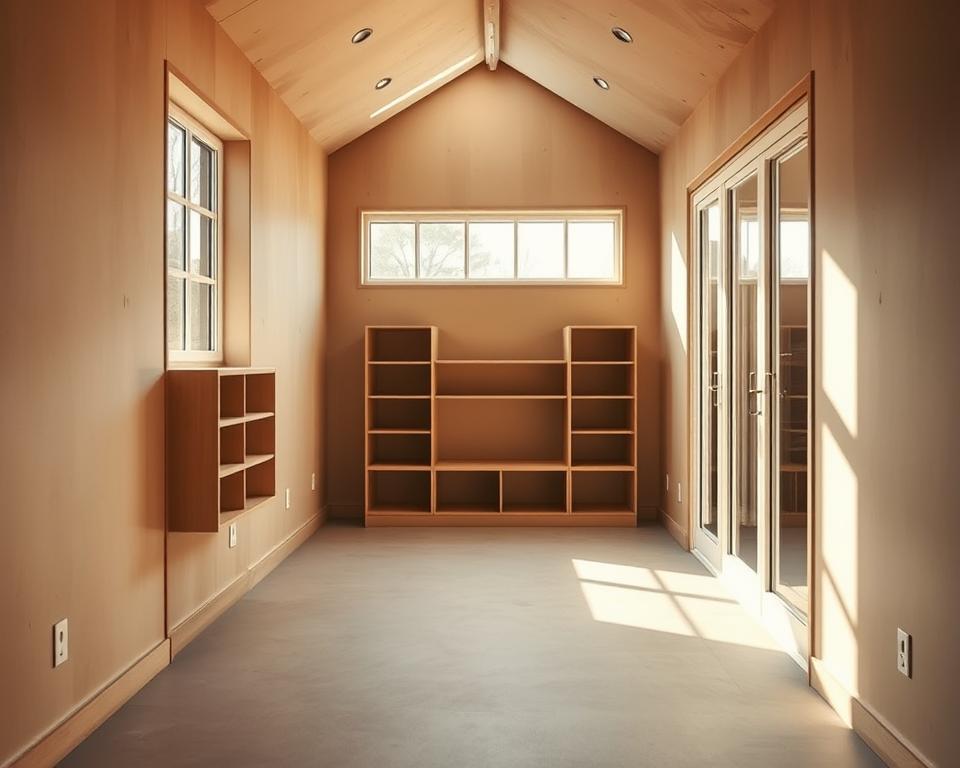
Before any plaster touches the walls, the plasterboard must be perfectly installed. Each sheet requires precise measurement. They are cut using a score-and-snap technique for clean edges.
Fixing the boards is a critical step. It uses two screw lengths for maximum hold. 35mm screws secure the board edges against the timber framework.
50mm screws are used across the central areas. Screw heads should sit just below the surface without tearing the paper. This prevents future cracks in the plaster.
Skimming, Plastering, and Painting Techniques
Cutting boards around windows and doors needs a different approach. The cut-and-snap method is not suitable. A sharp knife must cut completely through the board for a precise fit.
Hiring a professional for the plaster skim is often wise. It typically costs around £250 and takes six hours to complete. They deliver a perfectly smooth surface that is hard for DIYers to match.
Patience is essential after plastering. The surface must dry fully, which takes 5 to 7 days. Painting too soon will cause cracking.
The painting process itself requires a specific technique:
- Apply two initial coats of 50% water and 50% emulsion mix.
- This allows the plaster to absorb moisture slowly.
- Follow with two undiluted coats for the final colour and protection.
Taking time at each stage ensures the interior finish is both attractive and built to last for years.
Adapting Methods for DIY Enthusiasts and Budget Builders
Budget-conscious builders often discover that professional results don’t necessarily require professional prices. Strategic material choices and self-installation can achieve impressive thermal performance while keeping costs manageable. This approach makes garden room projects accessible to more homeowners.
Cost-Effective Insulation and Material Alternatives
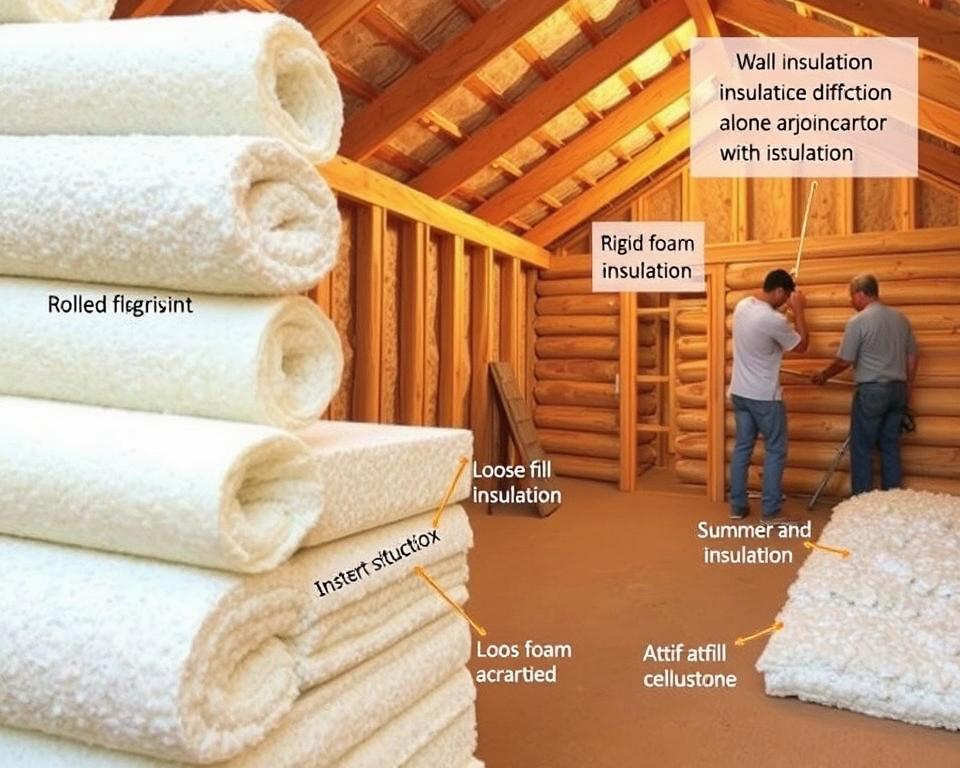
The most significant savings come from creative insulation solutions. While timber framework and plasterboard represent essential investments, the cavity filling offers flexibility. Recycled materials can provide excellent thermal properties when densely packed.
Unconventional options include old clothing, textile off-cuts, and polystyrene packaging. These materials work well because trapped air within fabrics and cellular plastics creates effective insulation. The irregular shapes often allow more complete cavity filling than standard boards.
Converting an existing shed presents another budget-friendly option. The basic structure already exists, reducing initial costs. However, these buildings typically require additional work addressing draughts and moisture penetration.
Budget builders should prioritise spending on moisture barriers and quality fixings. These elements directly impact the installation’s longevity regardless of insulation choice. Making sure to research techniques thoroughly helps avoid costly mistakes.
A DIY garden office build might cost approximately £5,800 compared to £20,000 for professional construction. This substantial saving makes the project feasible for many homeowners seeking extra space.
Incorporating Interior Enhancements and Year-Round Comfort
The finishing touches transform a basic structure into a comfortable, habitable space. These elements ensure the interior is fully functional and pleasant to use in all seasons.

Careful integration of services is crucial. Electrical work requires planning before the final wall surfaces are fixed.
Integrating Electrical Fittings and Flooring Solutions
Channels for cables are cut into the insulation boards. Socket back boxes are measured and cut out precisely. A qualified electrician must complete all connections for safety.
This is especially important for a home office needing multiple power sockets.
The floor build-up contributes significantly to thermal performance. A thermal underlay sits beneath the final flooring. This adds another layer of insulation against cold transfer.
| Layer | Material | Primary Function |
|---|---|---|
| Base | Structural Floor | Foundation |
| Insulation | 100mm Foam Board | Thermal Barrier |
| Moisture Control | Vapour Barrier | Weather Protection |
| Comfort | Thermal Underlay | Extra Heat Retention |
| Finish | Laminate Flooring | Durable Surface |
Thicker laminate boards offer additional insulation value. Skirting boards seal the edges, preventing draughts.
Ensuring Proper Ventilation and Thermal Efficiency
Effective ventilation prevents condensation and mould. Simply opening windows is not always practical in winter. Passive ventilation systems offer a constant solution.
Roof and ceiling treatments also play a key role. Tongue-and-groove timber cladding provides an attractive finish. It conceals roof insulation and adds thermal mass.
Proper insulation delivers proven results. During hot weather, a well-insulated space can remain significantly cooler than the outside temperature. This creates a comfortable environment year-round.
Conclusion
A well-executed conversion project delivers both immediate comfort and long-term property value. This comprehensive process transforms basic outdoor structures into fully functional spaces suitable for year-round use.
Homeowners gain versatile rooms that serve as offices, studios, or leisure areas. The investment in proper techniques ensures thermal efficiency and moisture protection. These features create comfortable environments regardless of external weather conditions.
The additional square footage significantly enhances a property’s appeal. Well-finished garden buildings become attractive selling points for potential buyers. They represent practical extensions of living space that adapt to changing household needs over time.
Whether undertaking the work personally or engaging professionals, understanding the complete process leads to informed decisions. The result is a valuable asset that improves quality of life while increasing the property’s marketability for years to come.
FAQ
What are the primary benefits of adding plasterboard to a garden building?
Applying plasterboard creates a smooth, professional interior surface that enhances the room’s appearance. It also provides a solid base for decorating and improves thermal performance when combined with insulation, making the space comfortable throughout the year.
Which type of insulation is most suitable for a timber garden room?
Rigid foam board insulation is a popular choice for timber frames due to its high thermal resistance and moisture-resistant properties. It fits snugly between studs, minimising heat loss and helping to prevent damp.
Is planning permission required to install plasterboard inside a summer house?
Typically, internal modifications like fitting plasterboard do not require planning permission if the garden structure itself was legally built. However, it is always advisable to check with the local planning authority, especially if the building’s use changes significantly.
How can moisture be effectively managed during the plasterboarding process?
Installing a vapour barrier, such as a specialised membrane, on the warm side of the insulation is crucial. This layer prevents warm, moist air from penetrating the wall and condensing within the structure, protecting the timber frame.
What is the recommended way to fix plasterboard to the timber frame?
Plasterboard should be fixed using appropriate drywall screws, driven firmly into the timber studs. The boards must be fitted tightly together, and staggered joints are recommended for increased strength and to minimise the risk of cracks.
Are there budget-friendly alternatives to traditional plasterboard?
A> Yes, for those on a tighter budget, plywood or oriented strand board (OSB) can provide a durable interior surface. While these materials may require more work to achieve a smooth finish for painting, they offer a robust and cost-effective solution.
Can electrical fittings be incorporated into a plasterboarded wall?
A> Absolutely. Electrical cables can be routed within the cavity behind the plasterboard before the boards are fitted. It is essential to hire a qualified electrician to install any wiring to ensure it complies with British safety standards.
What steps are necessary to prepare the plasterboard surface for painting?
A> After the boards are installed, the joints between them must be taped and filled with jointing compound. The entire surface then requires a professional plaster skim coat to create a perfectly smooth and seamless finish ready for decoration.