How Many Sheds Can I Have in My Garden? UK Guide

An increasing number of homeowners are discovering the benefits of adding multiple structures to their outdoor spaces. These buildings offer versatile solutions for storage, hobbies, and even as personal retreats. Understanding the legal framework is essential before making any investments.
This guide provides a comprehensive overview of the critical factors involved. It covers UK planning regulations, calculations for permissible garden coverage, and important aesthetic considerations. The aim is to help property owners make fully informed decisions.
Navigating the rules ensures that functionality is balanced with full legal compliance. This approach allows individuals to maximise their garden’s potential without risking costly enforcement actions. Proper planning from the outset is the key to a successful project.
Inhaltsverzeichnis
Key Takeaways
- UK planning permission rules dictate the number and size of sheds allowed.
- Calculating total garden coverage is a crucial first step.
- Aesthetic harmony with the existing garden design is important.
- Understanding permitted development rights avoids legal issues.
- Proper placement affects both usability and compliance.
- Different uses for sheds may influence planning requirements.
Understanding Garden Shed Regulations
The UK’s approach to garden structure regulation focuses on spatial coverage rather than numerical limits. Property owners should familiarise themselves with the fundamental planning rules that govern these installations.
Overview of UK Planning Laws
British planning legislation establishes that outbuildings cannot cover more than 50% of the total garden area. This calculation includes all existing structures like garages and greenhouses.
Structures erected before 1 July 1948 enjoy special exemption status. They do not contribute to the 50% coverage calculation, providing important historical context for older properties.
Insights from Local Council Guidelines
Planning requirements can vary significantly between different local authorities. Each council maintains specific guidelines that reflect regional characteristics and priorities.
Consulting your local planning department is the most reliable approach for accurate information. Their guidance ensures full compliance with current regulations and avoids potential enforcement actions.
Proper adherence to these rules prevents costly legal complications. It also ensures that garden developments enhance rather than detract from property value.
How Many Sheds Can I Have in My Garden?
The key to legally accommodating several outdoor structures lies in understanding percentage-based area restrictions. UK regulations focus on total ground coverage rather than setting specific numerical limits.
Property owners can install multiple buildings provided their combined footprint doesn’t exceed 50% of the available outdoor space. This approach allows flexibility while maintaining reasonable spatial balance.
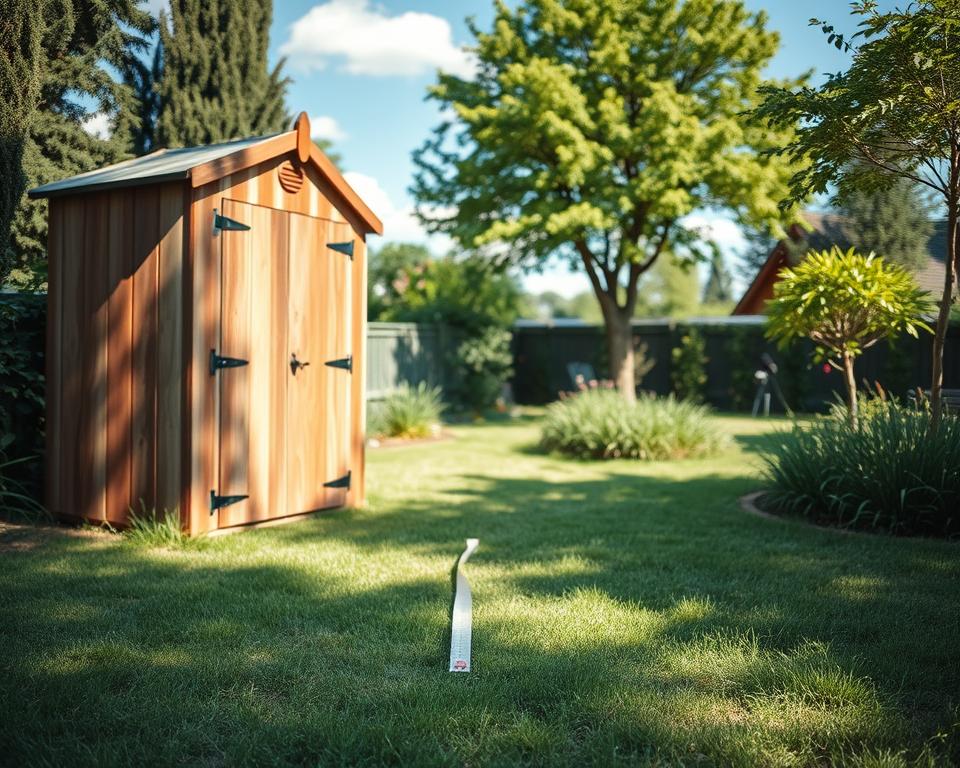
Factors Influencing Shed Quantity
Several elements determine how many structures a garden can support. The primary consideration is the total available area after accounting for existing buildings.
Intended usage also plays a crucial role. Different purposes may require separate specialised buildings. Existing extensions and outhouses must be included in coverage calculations.
Proper placement affects both functionality and compliance. Strategic positioning maximises usability while respecting boundary regulations.
Calculating Garden Coverage
Accurate measurement is essential for determining allowable additional structures. Homeowners should calculate their total outdoor area in square metres or feet.
All existing constructions must be included in the 50% calculation. This includes garages, greenhouses, and any permanent fixtures.
| Garden Size | Maximum Coverage | Typical Structure Capacity |
|---|---|---|
| 500 sq ft | 250 sq ft | One medium shed |
| 1,000 sq ft | 500 sq ft | Two small sheds |
| 2,000 sq ft | 1,000 sq ft | Multiple structures |
Exceeding the 50% threshold requires planning permission. Careful calculation prevents legal complications and ensures compliant garden development.
Planning Permission and Legal Considerations
The decision to build a garden structure hinges on understanding the precise conditions that trigger the need for formal approval. Navigating these legal requirements is essential for a compliant and stress-free project.
When is Planning Permission Required?
Formal planning permission is mandatory under several specific circumstances. Height is a primary factor; if the eaves exceed 2.5 metres or the overall height is over 4 metres for a dual-pitched roof, authorisation is needed.
Location is equally critical. A building placed within 2 metres of a boundary cannot be taller than 2.5 metres. Structures positioned forward of the house’s principal elevation always need planning permission.

Special designations also affect the rules. If the property is on designated land, such as a conservation area, or is a listed building, the regulations are stricter. Constructing a large shed over 10 square metres more than 20 metres from the house also requires permission.
Consequences of Non-Compliance
Proceeding without planning permission when it is required carries serious risks. The local council can issue an enforcement notice demanding the structure’s complete removal.
This process can be costly and disruptive. The official application for planning permission involves a fee, and the assessment period typically takes between 8 to 13 weeks. Consulting the local planning department beforehand is the safest course of action.
Assessing Your Garden Size and Layout
Accurate measurement of outdoor space forms the foundation for any garden development project. Property owners should begin by understanding their available ground area before considering structural additions. This assessment ensures that any planned buildings will harmonise with the existing landscape.
Measuring Your Outdoor Space
Homeowners can start by calculating their total garden area in square metres or feet. They should measure the length and width of the property, multiplying these figures to determine the total available space. This calculation provides the basis for all subsequent planning decisions.
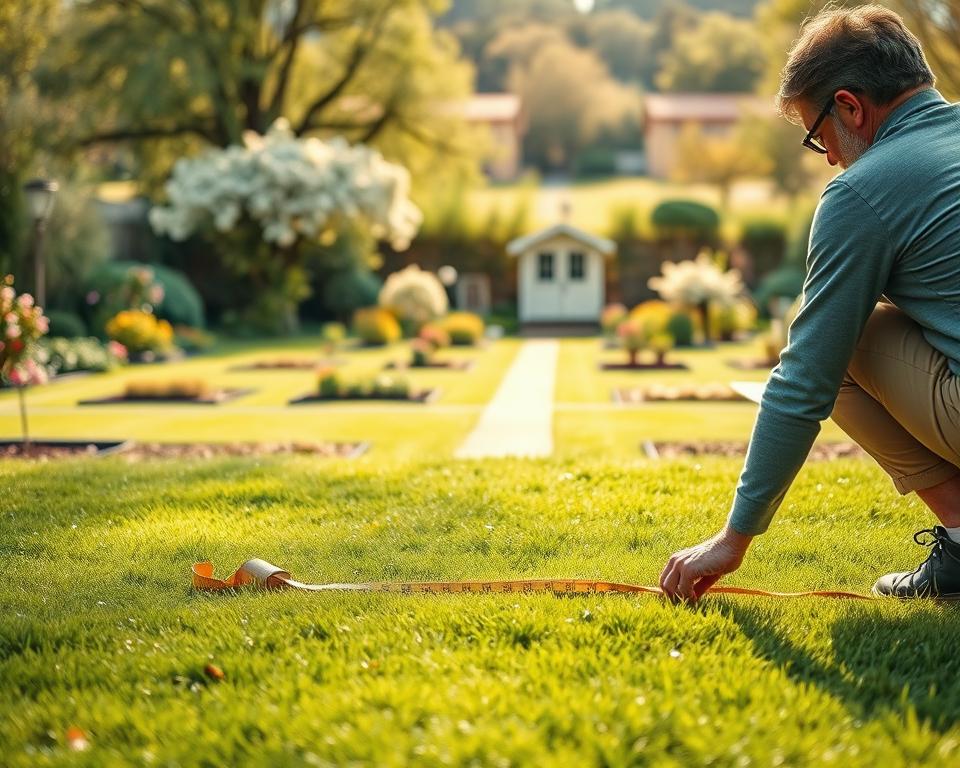
The shape and characteristics of the land significantly influence layout options. Irregular plots may require creative solutions, while sloped terrain might need levelling work. Natural features like trees and water sources also impact where structures can be placed.
Proportional planning is essential for maintaining visual balance. Structures should complement rather than dominate the outdoor environment. Leaving adequate room for circulation and future activities ensures the space remains functional and appealing.
Property owners should consider access routes and maintenance requirements when positioning potential buildings. Strategic placement maximises usability while respecting boundary regulations. This thoughtful approach creates a harmonious outdoor living area.
Shed Size, Purpose, and Functionality
Choosing the appropriate dimensions for outdoor structures significantly impacts their practicality and integration within the available space. The right combination of size and function ensures each building serves its purpose effectively.
Selecting the Right Shed Dimensions
Determining the correct size for a garden building requires careful planning. A structure that is too small may not accommodate all storage needs. One that is too large can dominate the outdoor area.
Workshop spaces need generous room for tools and movement. A typical workshop shed should allow space for workbenches and equipment. This ensures comfortable working conditions.
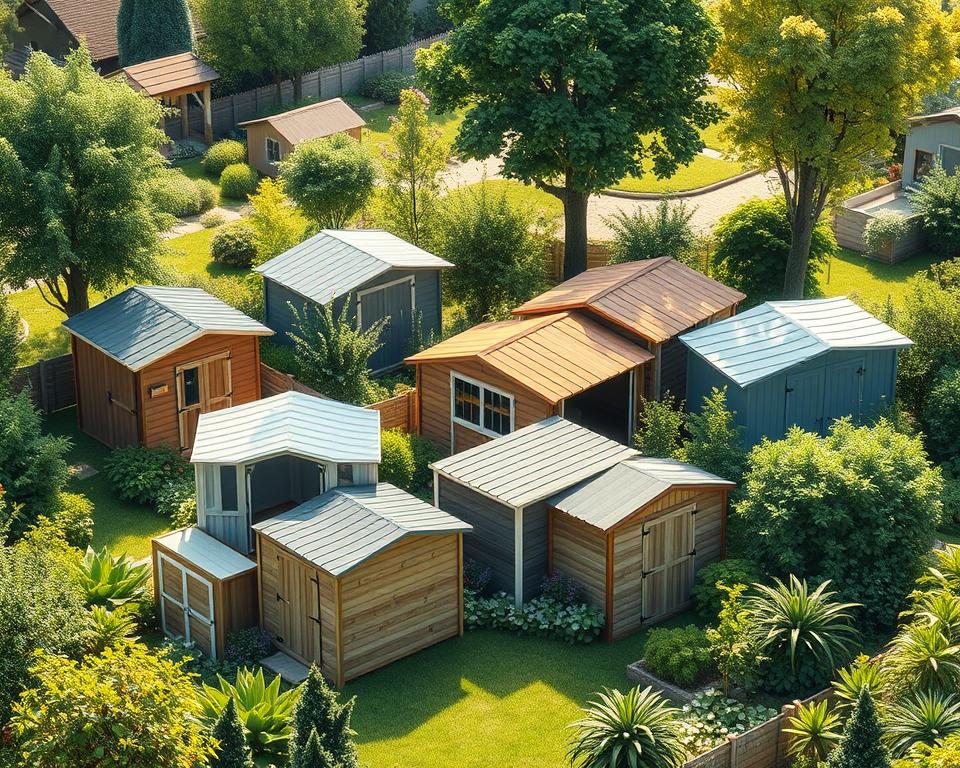
Aligning Shed Purpose with Use
Matching the building’s purpose to its design is crucial. A garden office requires different features than a storage shed. Proper alignment enhances functionality.
Storage solutions need organised layouts for easy access. A garden office benefits from natural light and adequate desk space. Each purpose demands specific considerations.
Future needs should influence current decisions. Planning for potential changes ensures long-term satisfaction with the chosen structure.
Aesthetic and Practical Integration
A successful garden design balances visual appeal with everyday functionality. Thoughtful integration of multiple structures is key to achieving this harmony.

Ensuring a Cohesive Garden Design
Creating a unified look requires careful planning. Structures should share common design elements like colour or material. This approach prevents the outdoor space from looking cluttered.
Consistency is the foundation of a well-organised garden. Coordinated features create a sense of order.
Strategic placement is crucial for both looks and access. Adequate spacing allows for easy movement and maintenance. It also preserves valuable open areas for living and recreation.
Mixing different styles of sheds is possible with a consistent theme. A shared colour palette or roofing material can tie varied designs together. Each shed can serve a distinct purpose while contributing to the whole.
Practical considerations are equally important. Door swings, pathway access, and visibility from the house influence placement. The relationship between structures and features like patios matters.
| Design Element | Cohesive Approach | Practical Benefit |
|---|---|---|
| Colour | Use a consistent palette | Creates visual unity |
| Materials | Match or complement | Ensures durability |
| Spacing | Allow for access | Eases maintenance |
A well-integrated range of sheds enhances the overall garden experience. It combines beauty with purpose for a truly functional outdoor area.
Zoning Laws and Local Guidelines
Property development must adhere to established boundary and height limitations. These regulations ensure that outdoor constructions maintain neighbourhood harmony and safety standards.
Understanding Boundary and Height Restrictions
Specific measurement requirements govern boundary compliance for outdoor buildings. Structures positioned within 2 metres of a property boundary cannot exceed 2.5 metres in height without planning permission.

Height restrictions are equally important considerations. The eaves height must not exceed 2.5 metres, with the overall structure limited to 3 metres for standard roofs.
Dual-pitch roof designs have different requirements. These structures can reach a maximum height of 4 metres under permitted development rights.
Each building must comply individually with these restrictions. This applies regardless of how many structures are planned for the outdoor space.
Local council guidelines may impose additional requirements beyond national standards. Consultation with planning authorities provides essential compliance assurance.
Practical measurement advice includes calculating from ground level to eaves and ridge points. Accurate boundary distance assessment ensures all structures meet regulatory standards.
Exploring Alternative Garden Storage Solutions
Homeowners facing space or regulatory constraints can explore innovative storage options beyond conventional garden buildings. These alternatives provide flexible solutions that respect planning limitations while meeting practical needs.

Shed Alternatives and Multi-Use Options
Creative approaches to outdoor organisation include versatile items that serve multiple purposes. Garden bench storage offers seating while concealing tools and equipment. Decorative storage boxes provide weather-resistant solutions for seasonal items.
Vertical space utilisation through wall-mounted systems and shelving maximises efficiency. Repurposed wooden pallets and crates add character while offering functional storage. These options work well within the 50% coverage rule.
| Storage Solution | Space Required | Best For |
|---|---|---|
| Storage Benches | Minimal footprint | Small gardens |
| Wall Systems | Vertical space | Tool organisation |
| Decorative Boxes | Flexible placement | Seasonal items |
Multi-functional designs combine aesthetic appeal with practical storage. They allow property owners to maintain an organised outdoor area without traditional garden sheds. This approach supports both functionality and regulatory compliance.
Practical Tips for Garden Shed Installation
Proper installation of garden structures requires careful consideration of placement and access. These practical factors determine long-term functionality and ease of maintenance for any outdoor building project.

Effective Placement and Access Considerations
Leaving adequate room between each building is crucial. Even small gaps simplify daily use, tool movement, and door operation. This spacing also makes routine maintenance far easier.
Multiple structures can impact drainage by covering ground. This prevents rain from soaking into the soil, potentially creating puddles. The solution involves using proper foundations.
Placing sheds on concrete slabs, gravel, or raised areas improves water runoff. This protects the building from moisture damage. It also creates a stable, level surface for the structure.
Other important considerations include delivery access for large items. Homeowners should also assess assembly space and the range of tools needed. Strategic positioning optimises natural light and minimises wind exposure.
Conclusion
A successful garden development project balances legal requirements with functional needs and aesthetic harmony. Property owners must consider multiple factors when planning outdoor structures.
UK regulations focus on the 50% coverage rule rather than setting numerical limits. This approach allows flexibility while maintaining reasonable spatial balance across the outdoor area.
Thorough research into local guidelines and careful measurement of available space are essential steps. Consulting planning authorities ensures compliance and prevents costly enforcement actions.
Applying this comprehensive guidance helps create outdoor spaces that combine practicality with visual appeal. Thoughtful planning results in garden arrangements that enhance property value and enjoyment.
FAQ
What is the maximum height for a garden shed without planning permission?
For a structure to be considered permitted development, its total height should not exceed 2.5 metres if it is within two metres of any property boundary. If it is further than two metres from a boundary, a dual-pitched roof can be up to 4 metres high, while a single-pitched roof is limited to 3 metres.
Can I build a shed right next to my fence or boundary?
Yes, you can place a shed near a boundary. However, specific restrictions apply, particularly regarding height. Any building within two metres of a boundary must not be taller than 2.5 metres to comply with standard permitted development rights.
Does the intended use of a shed affect whether it needs planning permission?
Absolutely. Permitted development rights generally cover structures for domestic enjoyment, like storage or as a workshop. If the building will be used for commercial activities, business, or as a self-contained living accommodation, it will likely require full planning permission from the local authority.
How much of my garden can be covered with sheds and other outbuildings?
The total area covered by any buildings, extensions, and sheds located more than 20 metres from the house must not exceed 50% of the total land around the original house. This calculation includes any previous extensions or sheds.
Are there different rules for sheds in front gardens?
Yes, regulations are stricter for front gardens. Any building situated forward of the principal elevation of the original house is not typically allowed under permitted development and will almost always require an application for planning permission.
What should I do if my property has specific restrictions?
If your home is a listed building, located in a Conservation Area, National Park, or Area of Outstanding Natural Beauty, permitted development rights are often more limited or removed entirely. It is essential to check with the local planning authority before any construction begins.