Shed Spring Cleaning: Tips for a Clutter-Free Garden Shed
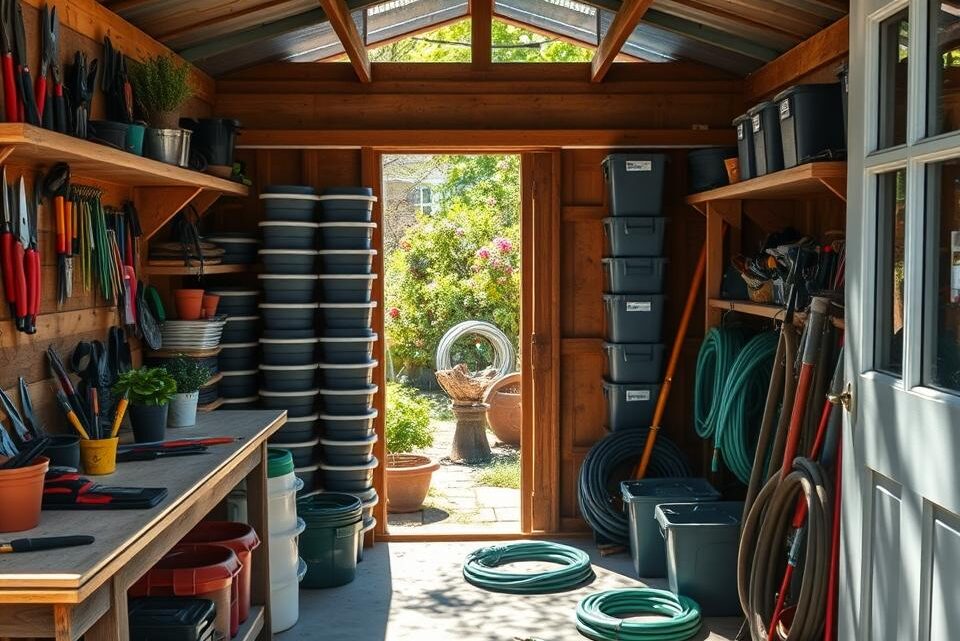
As the warmer months approach, many homeowners turn their attention to outdoor spaces that have been neglected during winter. The garden storage area often becomes the final destination for various items that accumulate over time. This annual refresh goes beyond simple tidying and represents an opportunity to create an efficient workspace.
Investing effort in this seasonal task yields significant benefits. A well-organised storage space supports gardening activities throughout the growing period. It transforms what could be a chaotic area into a functional hub for tools and supplies. The psychological advantages are equally important, with a tidy environment reducing stress and boosting overall satisfaction.
This comprehensive guide provides practical advice for transforming your outdoor storage area. Readers will discover decluttering methods, maintenance procedures, and long-term organisational strategies. The approach positions this space as an extension of one’s home, worthy of proper care and attention.
Inhaltsverzeichnis
Key Takeaways
- Seasonal organisation of outdoor storage spaces supports efficient gardening activities
- A well-maintained area reduces stress and improves mental well-being
- Proper decluttering methods prevent spaces from becoming dumping grounds
- Strategic organisation creates a functional hub for tools and supplies
- Regular maintenance ensures long-term efficiency and accessibility
- Viewing the space as a home extension motivates proper care
- Strategic planning makes the process manageable and rewarding
Preparing Your Garden Shed for a Fresh Start
The initial phase focuses on assessment and gathering necessary resources for the task ahead. Proper preparation ensures the process runs smoothly and efficiently.
Assessing the Current Condition
Begin by evaluating the current state of the structure. Look for signs of damage, pest activity, or moisture issues that developed during colder months. This assessment helps identify priority areas.
Consider how the space functions currently. Determine if the existing storage system meets your needs or requires improvement. This evaluation step provides clarity for the organisation process.
Gathering Essential Cleaning Tools and Supplies
Collect all necessary equipment before starting. Basic items include brooms, dustpans, vacuum cleaners, and buckets. Having everything ready prevents interruptions.
Choose a day with favourable weather conditions. This ensures belongings removed temporarily won’t suffer damage from rain or cold temperatures.
Safety equipment is crucial for protection. Rubber gloves, masks, and safety glasses shield against cleaning products and dust.
| Cleaning Solution | Primary Use | Effectiveness | Safety Considerations |
|---|---|---|---|
| Mild Soap | General surface cleaning | High | Safe for most materials |
| White Vinegar | Disinfecting and stain removal | Medium-High | Natural and eco-friendly |
| Bicarbonate of Soda | Odour absorption | Medium | Non-toxic and versatile |
| Bleach | Stubborn stains | Very High | Requires ventilation |
Homemade solutions often work effectively. They provide economical and environmentally friendly alternatives to commercial products.
Decluttering and Organising Your Space
The true transformation begins with a systematic approach to clearing out accumulated possessions. This process requires complete removal of all contents to properly assess and clean every corner.
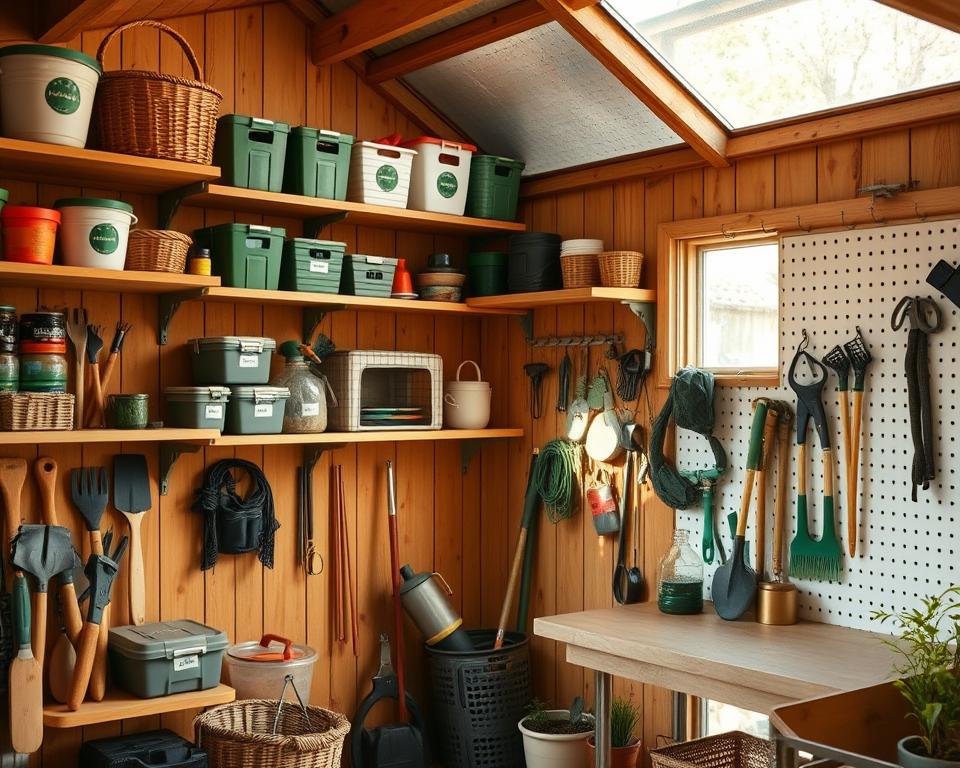
As belongings come out, they should be sorted into three distinct categories. The system includes items for keeping, those suitable for donation or sale, and broken equipment requiring disposal.
Sorting Tools, Equipment and Belongings
Being decisive when evaluating possessions is crucial. Homeowners should honestly consider whether each tool serves a regular purpose or merely occupies valuable storage space.
Frequently used gardening implements deserve prime positioning near the entrance. Seasonal decorations and rarely needed equipment belong in labelled containers placed in less accessible areas.
Implementing Effective Storage Solutions
Vertical space offers tremendous potential for organisation. Wall-mounted systems like pegboards and hooks keep tools visible and within easy reach.
Shelves at various heights accommodate different sized items efficiently. Clear, stackable bins allow quick identification of contents while maximising available space.
Transparent containers prove particularly useful for office supplies when the structure serves dual purposes. Every item ultimately gains a designated home, creating lasting order.
Shed Spring Cleaning: Essential Steps
A thorough refresh of the outdoor storage area requires systematic attention to both internal and external surfaces. This process ensures every component receives proper care.
Deep Cleaning the Interior
Begin by removing all accumulated debris from the floor. Use a broom or vacuum to clear away leaves and dirt. This creates a clean foundation for further work.
Address the walls and ceiling next. A vacuum with brush attachment effectively removes dust and cobwebs. For stubborn grime, mild soapy water works well.
Windows and mirrors benefit from dedicated cleaner for streak-free results. Shelves and surfaces should be wiped with a damp cloth. Always ensure proper ventilation during these tasks.

Thoroughly Washing the Exterior
The external surfaces require gentle yet effective methods. A garden hose provides sufficient pressure without causing damage. Avoid directing water at windows during this process.
Start from the top and work downward. This allows dirt to flow naturally away from cleaned areas. Pay special attention to any spills or stains.
Allow the interior to dry completely before returning items. Open doors and windows to promote air circulation. Regular maintenance throughout the year simplifies this process.
Caring for Garden Tools and Equipment
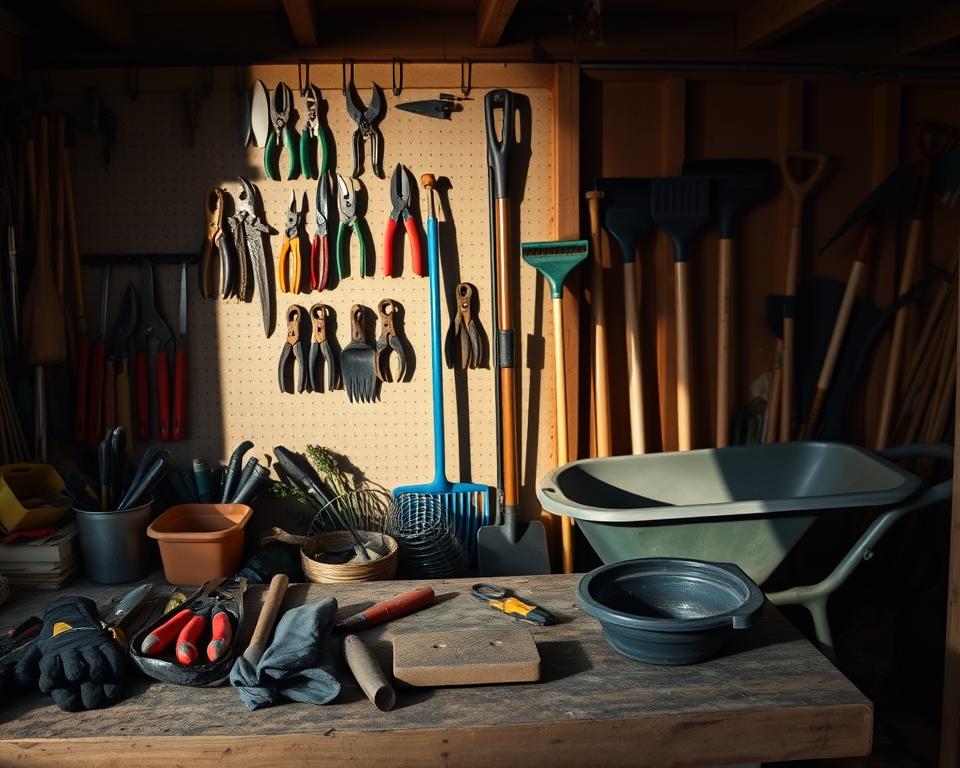
Regular maintenance transforms gardening equipment into reliable partners for outdoor work. After months of dormancy, these investments deserve thorough attention to ensure they perform optimally. Proper care extends their lifespan significantly.
Inspection, Cleaning and Maintenance
Begin by examining each implement for signs of wear. Look for rust, loose handles, and dull blades. Address any issues immediately to prevent further deterioration.
Cleaning should follow a systematic approach. Remove dirt and grime with appropriate solutions. Dry all components thoroughly before storage.
Sharpening blades and oiling moving parts are essential maintenance tasks. These simple steps keep equipment in top working condition. They ensure efficient performance during intensive use.
| Tool Type | Inspection Focus | Cleaning Method | Maintenance Needs |
|---|---|---|---|
| Cutting Tools | Blade sharpness, pivot points | Disinfect after each use | Regular sharpening, lubrication |
| Digging Equipment | Handle attachment, edge condition | Remove soil, dry thoroughly | Rust prevention, handle tightening |
| Power Equipment | Cables, blades, fuel systems | External cleaning, air filter | Seasonal servicing, blade care |
| Hand Tools | Grip condition, metal integrity | Wipe clean, disinfect | Rust treatment, handle checks |
Proper Storage After Use
Correct storage prevents damage and organisation issues. Hang long-handled items on wall-mounted systems. This approach saves space and protects delicate components.
Smaller implements benefit from designated containers. Clear organisers allow quick identification. They keep frequently used items accessible.
Always clean tools before putting them away. This practice prevents corrosion and pest problems. It ensures readiness for the next gardening session.
Addressing Repairs and Preventative Maintenance
Proactive care is the cornerstone of preserving an outdoor storage building’s integrity. This process involves a detailed inspection to identify issues before they escalate.
Timely intervention prevents minor concerns from becoming major, costly problems. A structured approach to maintenance safeguards the structure and its contents.

Inspecting for Structural Damage
A thorough examination begins with the roof. Look for missing shingles, damaged felt, or signs of leaks. Moss growth can indicate moisture retention.
Walls require close attention for cracks or rot. Check around windows and doors for gaps that could let in water. The foundation should be stable and level.
These checks are vital after winter, when freezing and thawing can cause subtle damage.
Weatherproofing and Pest Prevention
Seal gaps and cracks with appropriate filler to prevent water infiltration. This protects against moisture that can lead to rot.
Trim vegetation away from the building’s walls. Avoid stacking materials directly against the structure. These steps deter pests seeking shelter.
Ensure good ventilation to reduce condensation. Standing water near the foundation should be diverted.
Touch-Ups and Protective Treatments
A fresh coat of paint or wood preservative offers excellent protection. It revitalises the appearance and shields against the elements.
Metal surfaces should be treated for rust. Timber benefits from preservatives that repel moisture and insects.
Addressing minor wear promptly extends the building’s lifespan significantly.
| Maintenance Task | Area of Focus | Common Problems | Preventative Action |
|---|---|---|---|
| Roof Check | Shingles, Felt, Moss | Leaks, Water Damage | Clear Debris, Replace Felt |
| Wall Inspection | Cracks, Gaps, Rot | Drafts, Pest Entry | Seal Cracks, Apply Filler |
| Foundation Review | Level, Drainage | Water Pooling, Shifting | Improve Grading, Clear Gutters |
| Surface Treatment | Paint, Preservative | Weathering, Decay | Regular Coating, Stain |
Seasonal Tips for a Long-Lasting, Organised Shed
Effective storage solutions prevent clutter accumulation between major tidying sessions. Establishing sustainable systems ensures the space remains functional throughout the year.
Smart Organisational Strategies
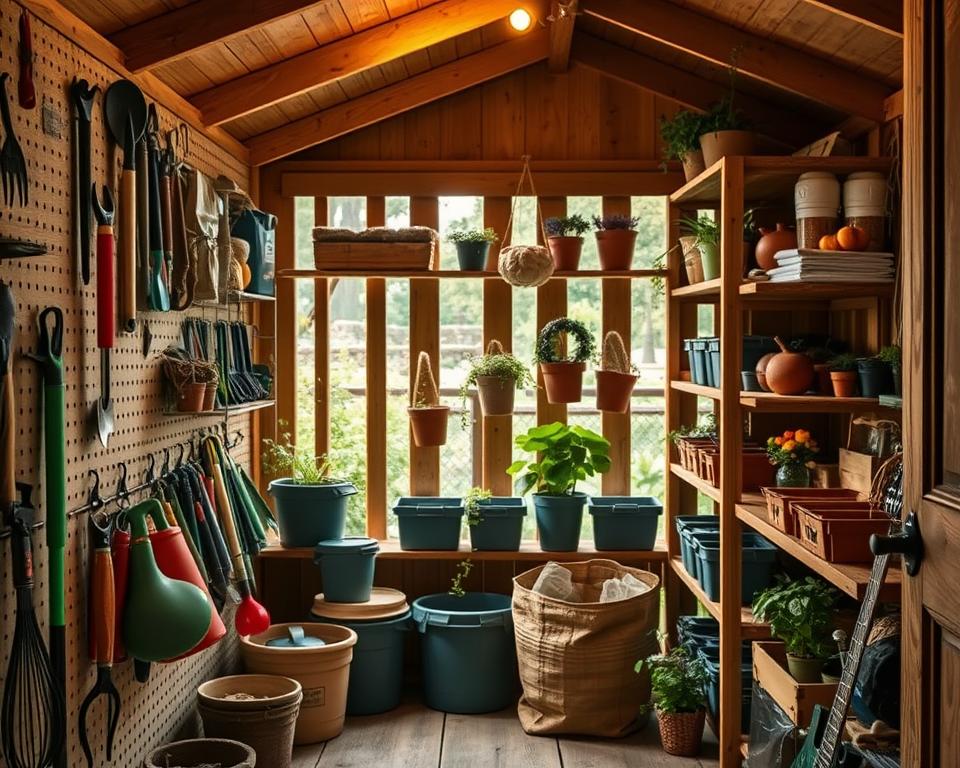
Creating specific zones for different categories maintains logical order. Gardening tools, sports equipment, and seasonal decorations each deserve dedicated areas.
Labelling these zones helps family members return items to correct locations. Vertical space offers tremendous potential for efficient organisation.
Wall-mounted hooks accommodate long-handled implements neatly. Shelves at varying heights suit different sized possessions perfectly.
| Storage Solution | Best For | Installation Difficulty | Longevity |
|---|---|---|---|
| Wall Hooks | Long-handled tools | Easy | Excellent |
| Transparent Bins | Small items | None | Good |
| Modular Shelving | Various sized boxes | Medium | Very Good |
| Overhead Racks | Seasonal items | Hard | Excellent |
Time-Saving Cleaning Techniques
Regular maintenance proves more manageable than occasional deep cleans. A few minutes weekly keeps floors swept and belongings organised.
The “one in, one out” rule prevents overcrowding. Before acquiring new equipment, remove outdated counterparts.
Seasonal evaluations help determine if the current system meets changing needs. Small adjustments maintain optimal functionality throughout the year.
Conclusion
The process of revitalising a garden storage structure yields rewards that extend far beyond mere tidiness. This essential maintenance step protects your property’s value while creating an organised, functional area for summer enjoyment.
Homeowners gain comprehensive benefits from proper care of their outdoor space. These include extended structure lifespan, improved equipment condition, and pest prevention. The psychological satisfaction of an orderly environment reduces daily stress.
A well-maintained garden shed saves valuable time when locating tools. It transforms what could be a chaotic dumping ground into an efficient workspace. This approach prevents future problems and maintains property aesthetics.
The initial investment of time returns significant seasonal advantages. Implementing these strategies creates a clutter-free zone that supports gardening activities throughout the year. The peace of mind from knowing everything is protected makes the effort truly worthwhile.
FAQ
What is the first step in preparing a garden storage area for the new season?
The initial step involves a thorough assessment of the structure’s current state. This includes checking for any damage from winter, such as leaks, cracks, or pest issues, and identifying items that need repair or disposal.
How should one approach decluttering tools and equipment effectively?
A practical method is to sort all belongings into categories: keep, donate, or discard. For items being kept, consider implementing storage solutions like labelled bins, wall hooks, and shelving units to maintain order and maximise available space.
What are the essential stages for a deep clean of the interior?
Begin by removing all contents. Dust surfaces, shelves, and walls, then wash them with a suitable cleaner. Pay close attention to corners where dirt and moisture can accumulate. Finally, ensure everything is completely dry before returning organised items.
Why is it important to wash the exterior of the building?
Cleaning the outside removes accumulated grime, mould, and algae that can cause long-term damage to the materials. It also provides an opportunity to inspect the roof, windows, and walls for any necessary repairs, helping to preserve the structure’s condition.
How can garden tools be maintained during this process?
Each piece of equipment should be inspected for rust or damage. Clean tools thoroughly, sharpen blades, and oil moving parts. Proper maintenance ensures they remain in good working order and are ready for use in the summer months.
What preventative measures can be taken to avoid future problems?
Key actions include checking for and sealing any cracks, applying a protective treatment to wood, and ensuring adequate ventilation to reduce moisture. Implementing pest prevention strategies, such as sealing gaps, is also crucial for long-term upkeep.
Are there any time-saving techniques for keeping the area organised?
Using clear, labelled containers for small items and installing a pegboard for frequently used tools can save significant time. Establishing a habit of returning equipment to its designated place after each use helps maintain clutter-free conditions throughout the year.