
How to Bug-Proof Your Shed

A garden shed offers valuable storage space for tools and equipment. However, this quiet garden building can become an attractive home for unwanted visitors. As temperatures drop, many insects seek warm shelter for protection.
Even small pests can cause significant damage to stored items and the structure itself. Common garden insects often find their way into sheds through tiny openings. These pests are drawn to the warmth and darkness that a shed provides.
Preventative measures are essential throughout the year. Proper maintenance helps protect your investment from potential harm. A well-maintained shed remains free from destructive infestations.
Inhaltsverzeichnis
Key Takeaways
- Sheds naturally attract insects seeking shelter and warmth
- Even minor pest issues can lead to structural damage
- Regular inspection helps identify potential entry points
- Preventative action is needed year-round, not just seasonally
- Simple maintenance steps can deter most common garden pests
- Protecting stored items requires ongoing vigilance
- Effective methods exist that do not harm beneficial insects
Introduction to Bug-Proofing Your Shed
Storage buildings naturally attract numerous species looking for safe havens. These structures offer the perfect combination of shelter, darkness, and undisturbed quiet that pests actively seek. A garden shed becomes prime real estate for creatures like mice, wasps, spiders, and various insects.
Even a single unwanted guest can quickly escalate into a larger infestation. This leads to contaminated storage, damaged tools, and compromised structural integrity. Prevention proves significantly more effective and less costly than dealing with established infestations.
Effective pest control involves understanding pest behaviour as the first step. Multiple strategies work together, from physical barriers to environmental management. Regular maintenance plays a crucial role in keeping pests at bay.
While complete elimination may be challenging, consistent application of proven methods achieves significant reduction. Realistic expectations help maintain ongoing vigilance against potential infestations. Proper storage practices and regular inspections form the foundation of successful pest management.
Understanding Common Shed Pests
Many homeowners are surprised to discover their storage building hosts various unwelcome inhabitants. Proper identification forms the foundation of effective pest management strategies. Recognising different species helps implement targeted prevention methods.
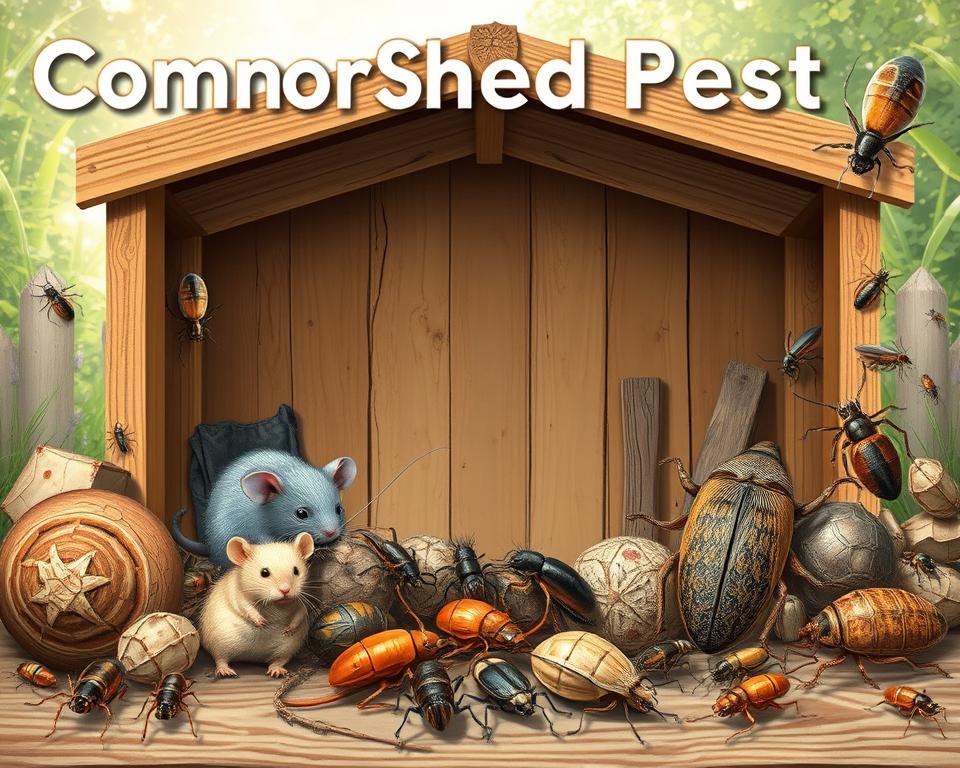
Britain’s gardens support remarkable biodiversity, including approximately 27,000 native insect types. Thousands of these creatures potentially inhabit any given outdoor space. Understanding which species commonly invade sheds enables better protection measures.
Insects and Arachnids
Spiders rank among the most frequent shed visitors, with 25% of UK residents admitting arachnophobia affects shed access. These arachnids seek dark, cluttered corners for shelter and mating. Garden structures provide unlimited food supplies from other insects.
Other common insect invaders include ants, cockroaches, silverfish, wasps, and bees. Silverfish particularly target paper and fabric storage items. Wasps and bees often build nests in eaves and rafters, creating safety concerns.
Whilst most insects cause minimal harm, termites present serious structural risks. These silent destroyers target damp or decaying wooden components. Early detection prevents significant damage to shed integrity.
Rodents and Other Invaders
Mice and rats gravitate towards quiet, undisturbed spaces for nesting. These rodents chew through wiring, insulation, and storage containers. Their presence creates mess and potential fire hazards from damaged electrical systems.
Rodents exploit surprisingly small openings to access sheltered areas. They’re attracted to food sources like pet food or birdseed stored within the building. Regular inspection helps identify entry points before infestations establish.
| Pest Type | Common Species | Primary Risks | Detection Signs |
|---|---|---|---|
| Insects | Ants, cockroaches, silverfish | Contamination, material damage | Visible insects, droppings |
| Arachnids | Spiders | Webs, psychological distress | Webs in corners |
| Rodents | Mice, rats | Structural damage, fire risk | Droppings, gnaw marks |
| Other Invaders | Chipmunks, squirrels | Nesting damage | Disturbed storage, nests |
Larger invaders like chipmunks and squirrels occasionally seek shelter in overgrown areas around sheds. Understanding specific behaviours enables targeted prevention rather than generic approaches. Recognising droppings, webs, or chewed materials helps identify active infestations early.
Inspecting Your Shed for Vulnerabilities
Systematic examination of the building’s exterior and interior reveals weaknesses pests exploit. Regular assessments help identify potential access routes before infestations establish. This proactive approach saves time and prevents costly damage.

Even minor openings become significant entry points for determined invaders. Mice can navigate through spaces as small as a dime. Tiny holes and gaps provide perfect access for crawling insects.
Identifying Cracks and Gaps
Thorough inspection begins at the base where the structure meets the ground. This area serves as a primary access route for crawling pests. Check carefully around corners and where utility pipes enter.
Examine door frames and window frames for any separation. Wooden structures naturally shift with seasonal temperature changes. Hairline cracks can expand, creating new vulnerabilities.
Checking Roof and Walls
Roof coverings require careful attention for damage or loose sections. Ensure felt remains tight and fascia boards stay secure. Damaged areas attract birds and flying insects seeking nesting sites.
Walls need inspection for moisture damage, leaks, or rot. Damp environments quickly draw unwanted insect attention. Structural integrity depends on maintaining dry, sound surfaces.
Assessing Storage Areas
Internal organisation significantly impacts pest attraction. Cluttered corners with cardboard boxes create ideal nesting conditions. Rodents particularly favour loose fabric and seed bags.
Evaluate how storage practices might invite unwanted guests. Proper organisation reduces hiding spots and breeding areas. Regular cleaning prevents accumulation of attractive materials.
| Inspection Area | Priority Level | Common Issues | Pest Risks |
|---|---|---|---|
| Base & Corners | High | Cracks, gaps, ground contact | Mice, insects, spiders |
| Door & Windows | High | Weather stripping, frames | All pest types |
| Roof Structure | Medium | Loose felt, damaged covering | Birds, wasps, bees |
| Storage Zones | Medium | Clutter, cardboard, fabrics | Rodents, silverfish |
The perimeter around the building requires equal attention. Overgrown vegetation acts as bridges for pest access. Seasonal inspections address different vulnerabilities throughout the year.
Thorough examination forms the foundation of effective prevention. You cannot seal what remains unidentified. Regular checks maintain a pest-resistant environment for your valuable storage space.
How to Bug-Proof Your Shed
Implementing a robust pest exclusion strategy begins with a systematic sealing process. The most effective way to keep a shed pest-free is to eliminate all potential entry points. Tiny cracks and crevices offer an open invitation to crawling insects and small rodents.
Selecting the correct materials is crucial for a durable seal. For minor gaps around windows and frames, a quality silicone caulk provides a flexible, long-lasting barrier. Larger openings, especially those vulnerable to rodents, benefit from being packed with steel wool before sealing.
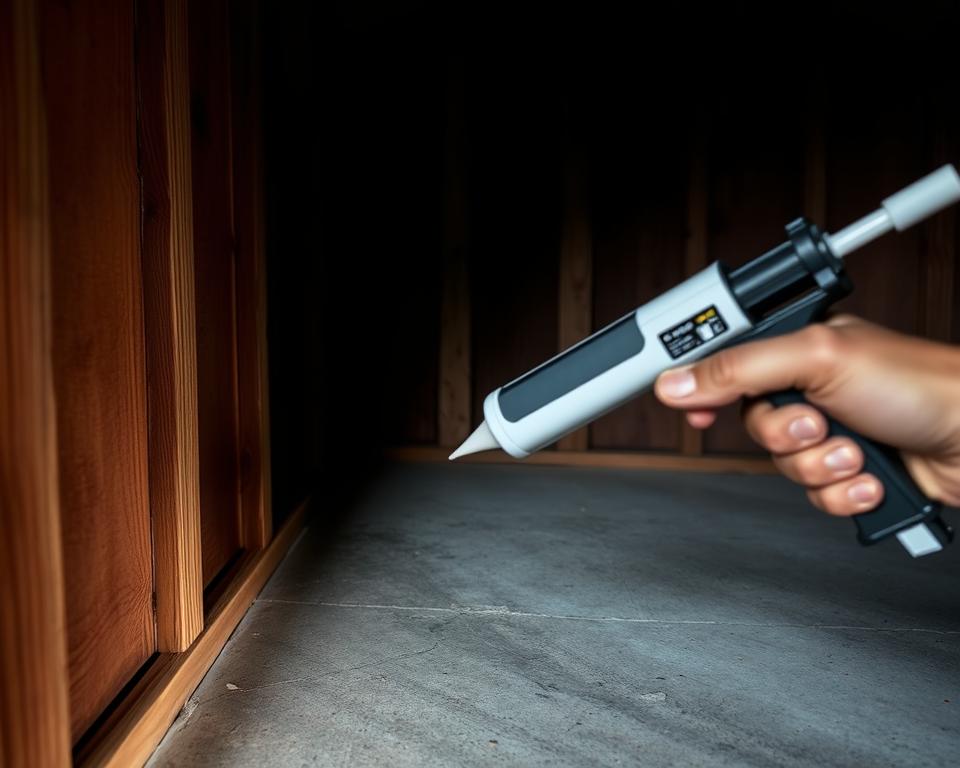
Expanding foam is ideal for filling significant voids in walls or around pipe entries. For movable components like doors, applying weatherstripping creates a tight seal that prevents bugs from squeezing through. This multi-layered approach addresses vulnerabilities of all sizes.
Preventative pest control is always more effective than reactive measures. A well-constructed shed made from quality materials inherently possesses fewer weaknesses. Investing in a sound structure from the outset makes ongoing maintenance significantly easier.
Proper sealing forms the foundation of a comprehensive defence. It is the critical first step in a strategy that also includes environmental management and sensible storage. This proactive effort safeguards both the building’s integrity and the items stored within.
Securing Doors, Windows and Vents
Properly securing entryways and ventilation systems forms a critical barrier against unwanted garden visitors. These openings serve as primary access points for pests seeking shelter. A comprehensive approach addresses each vulnerability systematically.
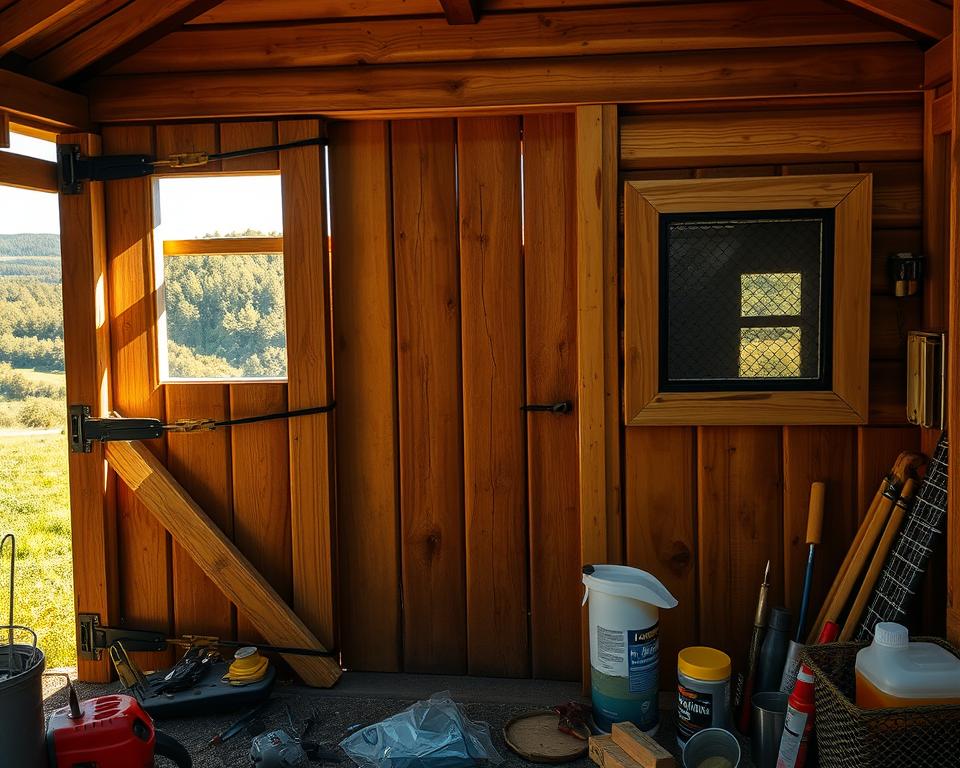
Even small gaps around fixtures can provide entry routes for determined invaders. Regular inspection helps identify potential weaknesses before they become problems. Proper maintenance ensures long-term protection.
Installing Weatherstripping
Weatherstripping creates an effective seal around movable components. Rubber or vinyl strips work well for most applications. They provide flexibility while maintaining a tight barrier.
Door sweeps are particularly important for blocking the gap underneath. These prevent crawling insects from gaining access. The materials allow smooth operation while sealing effectively.
This approach offers dual benefits: pest prevention and improved insulation. Reduced moisture ingress makes the environment less attractive to bugs. Regular checks ensure continued effectiveness.
Adding Mesh and Screens
Ventilation openings require special attention. Fine mesh screening allows air circulation while blocking flying insects. Aluminium or fibreglass materials offer durability.
Window screens provide essential protection without compromising visibility. They shield against spiders and other pests. Proper installation ensures no gaps remain.
Mesh maintenance involves periodic inspection for damage. Tears or gaps compromise the entire system. Prompt repairs maintain continuous protection.
Natural and Chemical Pest Control Methods
Homeowners have several effective options for managing shed invaders. The choice between natural and chemical solutions often depends on the severity of the problem and personal preference. Both approaches can form part of a comprehensive pest management strategy.
Natural repellents offer a gentle first line of defence. Peppermint oil serves as an excellent mouse repellent when applied around potential entry points. Essential oils including lavender, tea tree, and citrus can be mixed with water to create effective spray solutions.

For spider control, a simple vinegar solution proves remarkably effective. Equal parts white vinegar and water can be sprayed into corners and crevices. This method deters spiders without damaging stored items or the shed structure.
Diatomaceous earth provides physical pest control that is lethal to insects with exoskeletons. This powder can be sprinkled around the shed perimeter. It remains safe for humans and pets when used correctly.
Natural methods work best as preventative measures and may need supplementing with stronger controls if infestations are already established.
Strategic planting creates a natural barrier against invaders. Herbs like eucalyptus, lavender, lemon balm, and mint planted around the shed perimeter help repel spiders and insects. Citrus peels rubbed on common entry points provide additional deterrence.
For established infestations, chemical controls or professional intervention may become necessary. Wasp-specific insecticides handle individual nests, but large infestations require expert assistance. Ultrasonic devices can discourage rodents, though their effectiveness varies.
| Method Type | Primary Use | Key Ingredients/Approach | Effectiveness Level |
|---|---|---|---|
| Natural Repellents | Prevention & mild infestation | Essential oils, vinegar, plants | Moderate to High |
| Physical Barriers | Insect control | Diatomaceous earth, citrus peels | High for target pests |
| Chemical Controls | Established infestations | Specific insecticides, professional treatment | Very High |
| Electronic Devices | Rodent deterrence | Ultrasonic sound waves | Variable |
Any pest control method should be used responsibly. Consideration for the broader garden ecosystem helps avoid harm to beneficial insects. Integrated approaches combining multiple strategies typically yield the best results for long-term shed protection.
Seasonal Maintenance for Pest Prevention
A year-round maintenance schedule addresses the varying pest pressures that occur with changing weather patterns. Different seasons bring distinct challenges that require tailored approaches to keep storage areas secure.

Spring and Summer Tips
Spring maintenance involves thorough inspections for nests built during winter. Mice and various insects often settle in when temperatures drop. This is the ideal time to refresh natural deterrents like peppermint oil.
Summer brings increased wasp activity with warmer weather. Regular checks of rooflines and eaves prevent nest establishment. Maintaining cleanliness becomes crucial as higher temperatures can spoil stored items quickly.
Autumn Checks
Autumn is when rodents actively seek warm shelter as temperatures decline. Mice and rats become more aggressive in their search for nesting spots. Sealing gaps around doors and windows proves essential during this period.
Winter Precautions
Winter maintenance focuses on preventing moisture build-up and ensuring proper ventilation. Regularly removing snow from vents and doorways maintains airflow. Reduced shed usage during cold months means problems can develop unnoticed.
This seasonal approach makes pest prevention manageable throughout the year. Each quarter presents unique opportunities to address specific vulnerabilities before they become significant issues.
Upgrading Your Shed and Storage Practices
Long-term pest prevention success often depends on the fundamental quality of shed construction. When basic structural weaknesses exist, ongoing maintenance becomes a constant battle against determined invaders.
Investing in Quality Materials
Budget sheds frequently feature thinner frames and inferior cladding that develop gaps over time. Quality sheds utilise tongue and groove construction with superior materials that maintain tighter seals. This approach creates more stable structures with fewer natural entry points.
Different materials offer varying advantages for pest resistance:
- Wooden sheds require regular maintenance as timber can crack and rot
- Plastic and resin sheds resist weathering without warping or cracking
- Metal sheds can develop rust spots that create new access points
Proper Storage Solutions
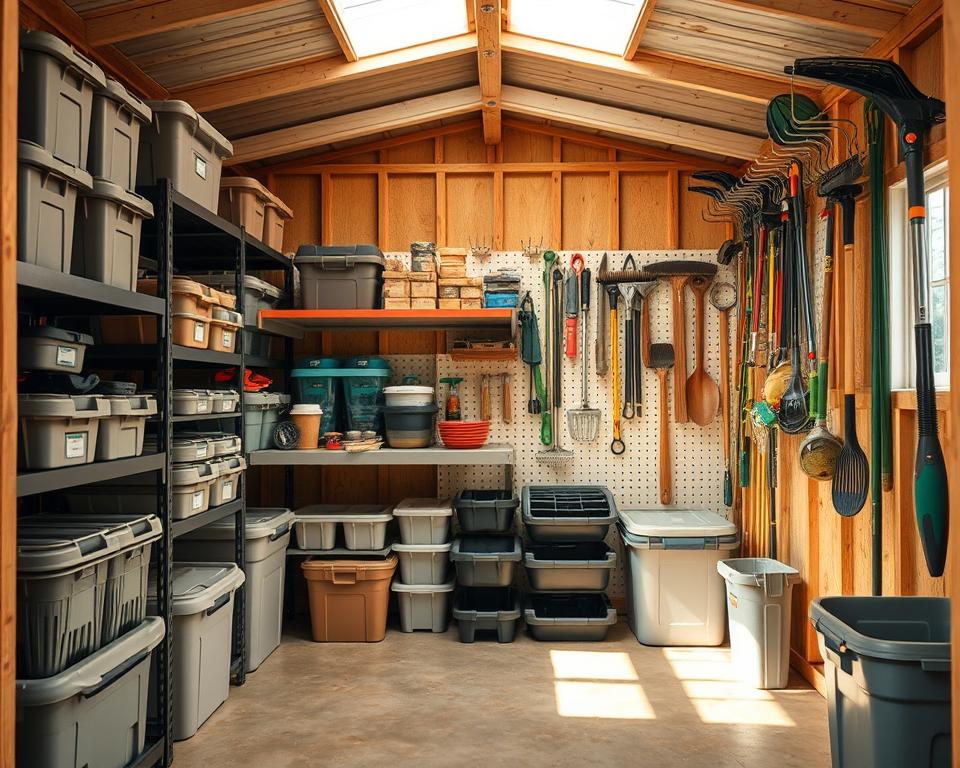
Internal organisation proves equally important for comprehensive protection. Airtight plastic containers provide secure storage that pests cannot penetrate. They eliminate the attraction of cardboard boxes, which serve as nesting material for silverfish and cockroaches.
Elevating stored items on shelves or pallets removes hiding spots for rodents. Proper organisation creates clear spaces where pests cannot establish colonies. This systematic approach complements structural upgrades for complete pest management.
Additional Tips for a Pest-Free Environment
Certain everyday items stored within a shed can inadvertently create powerful attractants for unwanted garden visitors. Waste management proves critical, as even one bag of damp green waste entices numerous critters. Household rubbish, leaves, and cardboard should remain dry and sealed away from the storage area.

Food items present particular risks due to temperature fluctuations that cause spoilage. Tinned goods should not exceed 21°C, while most food spoils at 35°C. Similarly, clothing attracts moths and develops mould in moist conditions.
The surrounding area demands regular attention. Trimming grass and plants eliminates hiding spots for spiders and other pests. Pruning overhanging branches removes natural bridges to the structure.
Lighting choices influence insect activity. LED bulbs emit less heat than traditional options, making them less attractive to flying pests. This simple change reduces the food source for spiders.
Encouraging natural predators creates a balanced ecosystem. Bird feeders attract species that control insects, while diverse planting supports beneficial wasps and ladybugs. A family pet can also deter rodents through territorial marking.
These practices work together to maintain a comprehensively protected garden building. Consistent cleanliness and thoughtful storage complete the pest-resistant environment.
Conclusion
Achieving long-term protection for garden storage involves combining multiple approaches rather than relying on single solutions. The comprehensive strategies outlined provide homeowners with effective ways to safeguard their valuable tools and stored items.
Preventative measures consistently prove more effective than reactive solutions when dealing with unwanted pests. Regular maintenance and seasonal checks form the foundation of successful pest control, helping to keep the storage space secure throughout changing weather conditions.
Investing in quality construction from the outset makes ongoing protection significantly easier. Proper sealing of entry points, including around vents and corners, creates a robust barrier against common garden critters.
Most insects play vital roles in the ecosystem, so targeted approaches maintain balance while protecting storage. By implementing these steps progressively, homeowners can confidently manage their outdoor space without harming beneficial garden inhabitants.
FAQ
What are the most common pests found in garden sheds?
Garden sheds often attract a variety of pests. Insects and arachnids, such as spiders and ants, are frequent visitors. Rodents, including mice and rats, may also seek shelter, especially when food sources or nesting materials are present.
How can one identify potential entry points for pests?
A thorough inspection is essential. Check for cracks and gaps around the foundation, doors, and windows. Examine the roof and walls for holes or damaged wood. Even small spaces around vents can serve as an entry way for insects and other critters.
What is the best way to seal gaps and cracks?
For small cracks, a quality silicone-based sealant is effective. Larger gaps may require weatherstripping around doors and windows. Installing fine mesh over vents prevents pests from entering while allowing for airflow.
Are there natural methods to deter pests from a shed?
Yes, several natural repellents can be useful. Essential oils like peppermint are known to repel spiders and some insects. Keeping the area free of moisture and clutter also makes the space less attractive to pests.
How does proper storage help with pest control?
Storing items correctly is a key defence. Tools and garden supplies should be kept off the floor on shelves. Food items, including pet food and bird seed, must be in sealed, airtight containers to avoid attracting rodents.
What seasonal maintenance steps are recommended?
Seasonal checks are crucial. In autumn, clear leaves and debris from around the shed’s exterior. During winter, ensure there is no standing water. Spring and summer are ideal times to reapply repellents and inspect for new damage.
Can upgrading the shed’s materials prevent infestations?
Investing in quality materials can significantly reduce vulnerabilities. Solid wood or metal sheds with proper foundations offer fewer entry points. Ensuring good ventilation while sealing all potential gaps creates a more pest-resistant structure.

