How to Choose a Log Cabin – The Complete Buying Guide & FAQ

A garden building offers a fantastic opportunity to create a dedicated space for relaxation, work, or hobbies. It maximises the potential of an outdoor area, turning it into a valuable extension of the home. Many homeowners find these structures deliver exceptional value by utilising underused garden sections.
This guide focuses specifically on garden buildings designed as outdoor spaces, not residential homes. The distinction is important for understanding planning permissions and intended use. The variety available is extensive, with some UK retailers offering over 25 different models.
Selecting the right structure involves careful consideration of size, features, and purpose. This resource aims to simplify that process, providing a systematic approach to finding an ideal match for any garden and requirement.
Inhaltsverzeichnis
Key Takeaways
- Garden buildings are designed as outdoor spaces, not primary living quarters.
- They provide significant value by creating functional areas in the garden.
- The UK market offers a wide variety of models, with over 25 options from some suppliers.
- Careful planning is essential for sizing, features, and legal requirements.
- This guide consolidates all necessary information into a single, structured resource.
Understanding the Purpose of Your Log Cabin
Before exploring designs, buyers should clearly define their intended usage for the outdoor building. This initial decision shapes every subsequent choice in the selection process.
Exploring Intended Uses
These versatile structures accommodate diverse functions from home offices to gymnasiums. A remote worker might require dedicated office space with proper lighting and connectivity. Fitness enthusiasts often seek sufficient floor area for exercise equipment.
Artists and crafters prioritise maximum natural light for their creative work. Entertainment spaces demand adequate room for furniture and social gatherings. Some homeowners need guest accommodation or hobby workshops.
Multi-functional vs Single Purpose
Multi-functional designs offer excellent value for evolving family needs. A children’s play area can transition into a teenager’s den over time. These flexible spaces adapt as requirements change.
Single-purpose cabins allow complete optimisation for specific activities. A dedicated gym space can feature heavy-duty flooring and specialised ventilation. Art studios might include custom lighting and storage solutions.
Consider whether your garden building will serve one primary function or multiple roles. This decision impacts layout, size requirements, and feature selection significantly.
Deciding on the Ideal Log Cabin Size
The dimensions of a garden retreat significantly impact its usability and integration with the surrounding space. Getting this right ensures the structure meets practical needs while complementing the outdoor area.
Measuring Your Garden Space
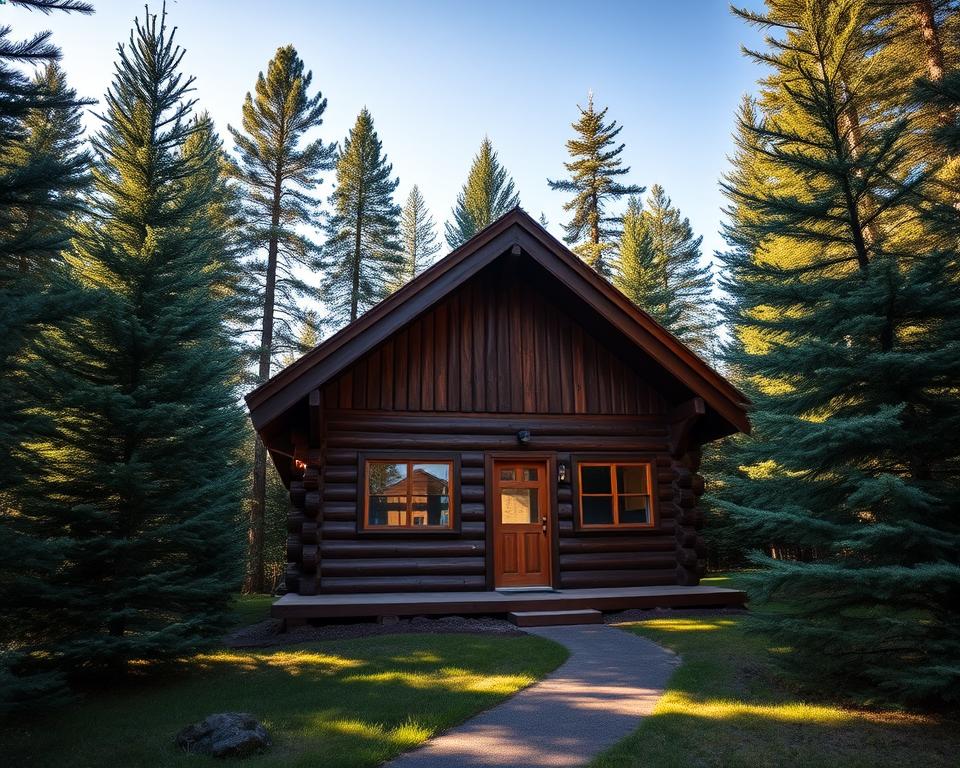
Accurate measurement of the installation area is essential. Homeowners should record length, width, and height clearances, noting obstructions like fences or overhead cables. Access routes for delivery must also be considered.
Corner designs offer excellent solutions for maximising limited garden space. These units fit snugly into corners while providing substantial internal room.
Internal vs External Dimensions
Understanding the difference between internal and external measurements proves crucial. Manufacturers quote sizes differently—some reference base size, internal floor space, or external measurements including roof overhangs.
The roof overhang adds to the overall footprint. Buyers should verify whether dimensions measure from the wall face or interlocking log ends. This distinction can significantly affect usability.
Future needs warrant consideration alongside current requirements. A slightly larger cabin often represents a worthwhile investment for long-term versatility.
Exploring Different Log Cabin Designs
The aesthetic character of a log cabin is a primary consideration for many buyers. It shapes the overall feel of the garden space and ensures the building complements its surroundings. The available range of designs is impressively broad.
Traditional vs Contemporary Style
Buyers typically choose between two main aesthetic directions. Each offers a distinct look and feel for the outdoor space.
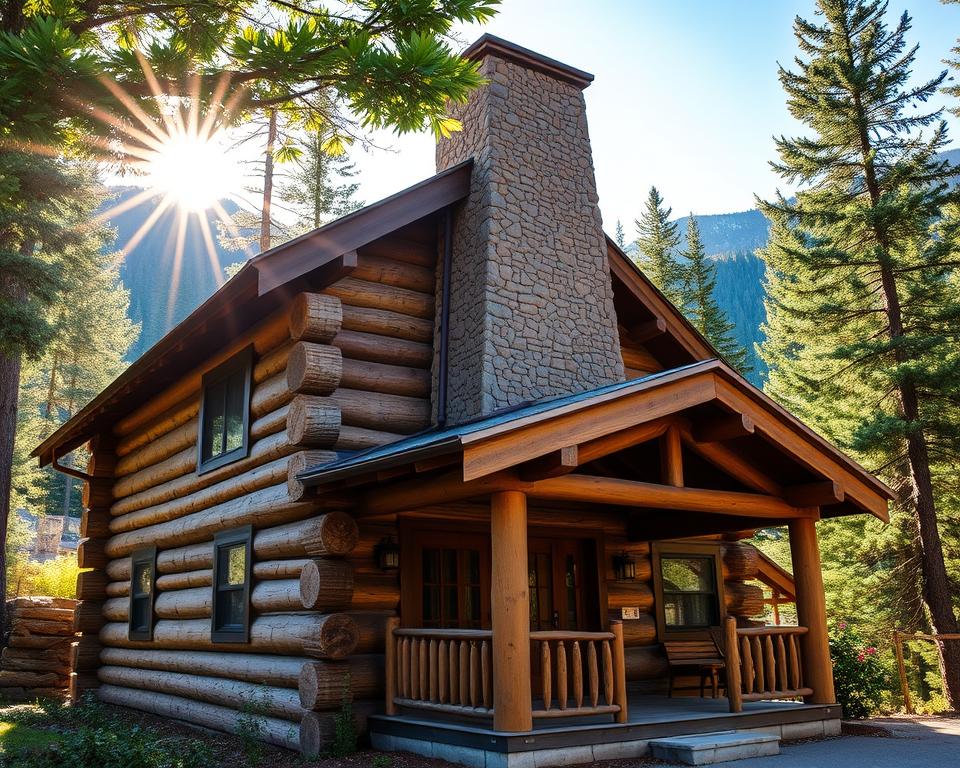
- Traditional Designs: These log cabins evoke a rustic charm with classic apex roofs and natural timber finishes. Features like overhanging eaves and verandas are common, creating a cosy, countryside appeal.
- Contemporary Styles: Modern designs feature clean lines, flat or pent roofs, and expansive glazing. They often incorporate bold, painted finishes, making a striking architectural statement.
For smaller spaces, compact models starting at 2.4m x 2.4m provide a dedicated retreat. Corner log cabins are another smart option, maximising usable space in awkward garden corners.
At the premium end, insulated garden rooms offer superior comfort. They feature thick, double-skinned walls and double-glazing for year-round use. This style prioritises thermal performance alongside aesthetic appeal.
Key Features and Components to Consider
The specific components of a garden building define its character and functionality. Selecting the right features ensures the structure meets both aesthetic desires and practical needs.
Roof Styles and Cladding Options
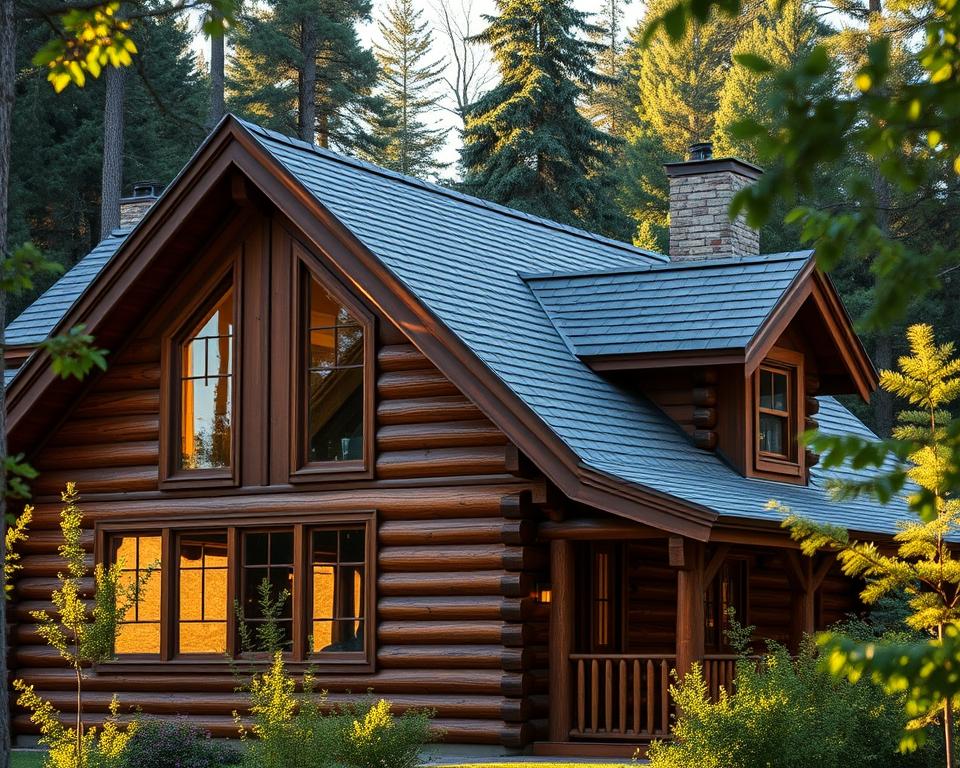
The roof is a major design element. The classic apex roof offers a traditional look with excellent water runoff. For a modern style, the pent roof provides a clean, single-slope profile.
Other options include the off-set apex for planning compliance and barn designs for extra headroom. Cladding options range from durable felt to attractive shingles or sleek EPDM rubber.
Doors, Windows and Layout Configurations
Windows and doors dramatically influence light and access. Windows come in styles like Georgian or full-pane, balancing light with privacy.
Framed single doors offer security, while double doors are ideal for moving furniture. The layout, including partitions or verandas, allows for complete customisation.
How to Choose a Log Cabin – The Complete Buying Guide & FAQ
Many people have similar questions when they start looking at outdoor structures. This guide answers the most common queries to provide clear information.
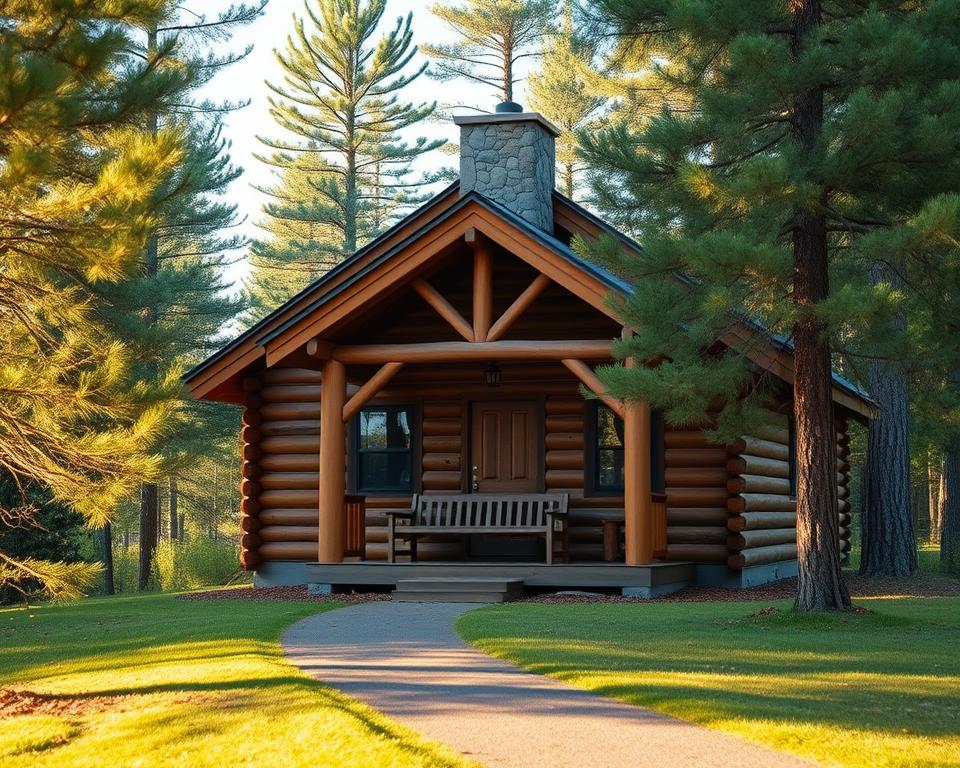
A frequent point of confusion is the difference between a log cabin and a summer house. Log cabins are built with thicker timber walls, often between 19mm and 44mm. This construction offers better durability and insulation.
Selecting the right model from the many available is another common challenge. Reputable suppliers can offer over 25 different options. Each option suits different purposes, from a fully insulated garden office to a ventilated summer room.
Understanding size specifications is crucial. Buyers must check if the dimensions given are for internal space or the external footprint. Roof overhangs can add significantly to the overall size.
This information helps narrow down the selection. By considering garden size, intended use, and budget, the best log cabin becomes a clearer choice.
Planning Permission and Legal Considerations
Before finalising any purchase, buyers must verify planning permission requirements. This ensures the outdoor structure complies with local regulations and avoids potential legal issues.
UK Regulations for Garden Buildings
Most garden buildings qualify as permitted development under UK planning law. This means formal planning permission is not required if specific criteria are met.
The primary size limitation states that outbuildings cannot exceed 15 square metres in floor area. They also cannot occupy more than half of the total garden space.
Height restrictions vary depending on roof style and boundary proximity. Apex roofs can reach 4 metres, while pent roofs are limited to 3 metres. Any building within 2 metres of a boundary cannot exceed 2.5 metres in height.
Special circumstances require planning permission. These include listed buildings, conservation areas, and properties in Areas of Outstanding Natural Beauty. Cabins intended as habitable living spaces also need permission.
Utility connections require building regulations compliance. Professional installation by certified contractors is necessary for mains electricity or water supplies.
The UK Government’s Planning Portal provides comprehensive guidance. Buyers should consult this resource or their local planning authority when uncertain about specific situations.
Choosing the Right Base and Positioning
The longevity and stability of a garden structure hinge on its base construction. An inadequate foundation can lead to structural issues, damp problems, and reduced lifespan. Proper planning for this critical element ensures the building remains level and secure for years.
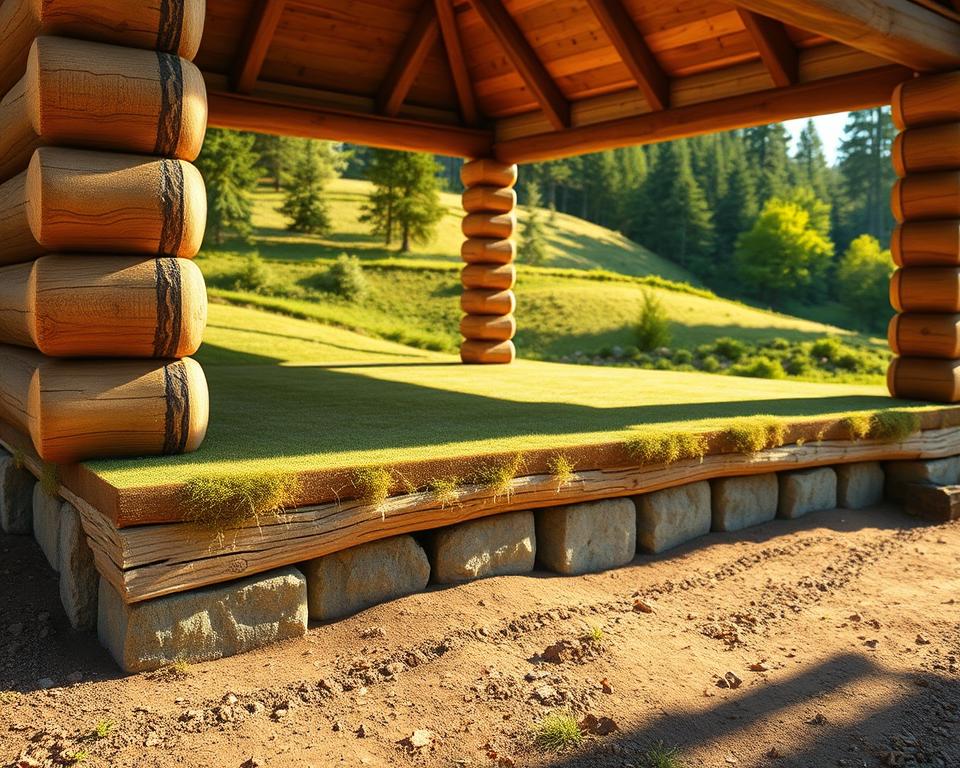
Several foundation options exist for different needs and skill levels. Concrete slabs offer the strongest, most permanent base solution, ideal for larger buildings. Paved bases using slabs provide good strength with attractive aesthetics.
Foundation Options: Concrete, Paving, Eco Base
Concrete represents the premium choice for heavy structures, though installation often requires professional help. Paving slabs create a solid middle-ground option that’s easier for DIY enthusiasts. Eco bases use grid systems filled with gravel, supporting lighter cabins while being environmentally friendly.
The base dimensions must match the cabin’s footprint precisely. It should not be smaller than the building nor excessively larger to prevent water pooling. Achieving a perfectly level surface is absolutely essential for proper construction.
Positioning strategy affects both functionality and maintenance. Door placement should ensure convenient access from pathways or the main house. Window orientation influences internal light levels, with south-facing providing maximum illumination.
Maintaining at least 18 inches clearance from boundaries allows air circulation and access for treatment. This spacing reduces dampness risk and enables essential maintenance around the garden building. Careful positioning integrates the structure harmoniously into the outdoor space.
Optimising Insulation and Energy Efficiency
Effective insulation determines whether a log cabin remains usable throughout all seasons. Proper thermal management transforms a basic garden structure into a comfortable year-round retreat.
Wall Thickness and Double Glazing
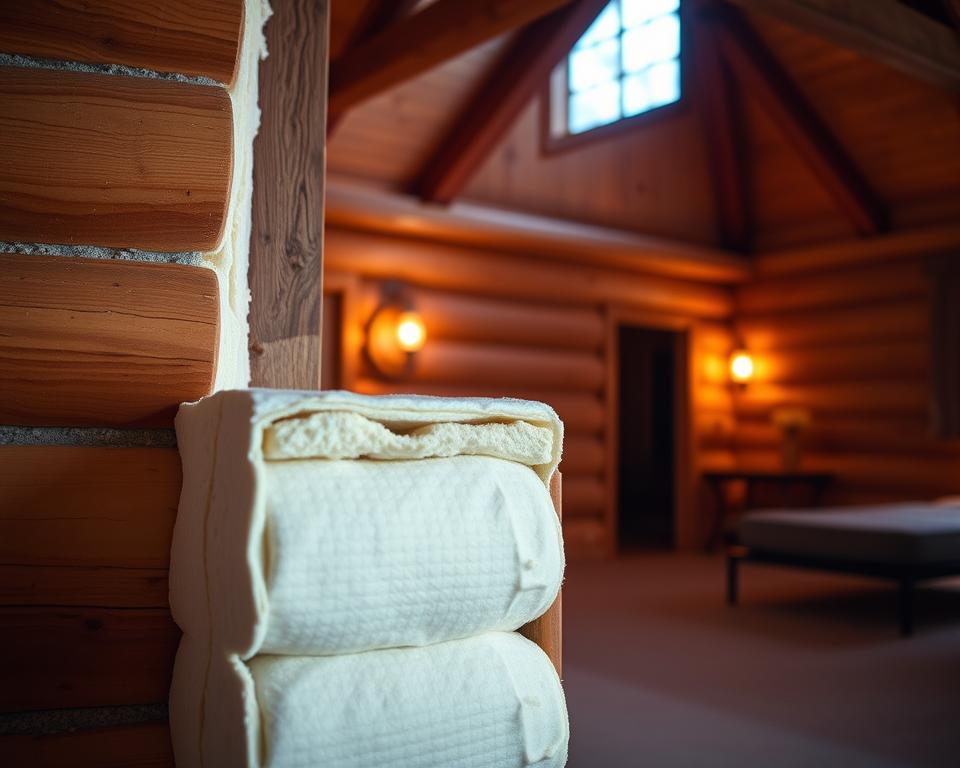
Wall thickness directly impacts insulation performance. Available options range from 19mm timber for summer use to 44mm construction for year-round comfort.
Thicker walls provide superior heat retention. A 28mm wall extends usage into spring and autumn, while 44mm timber offers excellent winter insulation.
Double glazing significantly improves thermal efficiency. This upgrade reduces heat transfer through windows while enhancing soundproofing.
Premium insulated garden rooms feature 72mm double-skinned panels. These deliver thermal performance rivalling traditional brick construction.
Comprehensive strategies include floor and roof insulation. Draught-sealing around openings completes an effective energy-saving system.
Customisation: Windows, Doors, and Roofing Options
Selecting the right windows and doors significantly impacts functionality and aesthetic appeal. These elements work together to create a cohesive design that suits individual preferences.
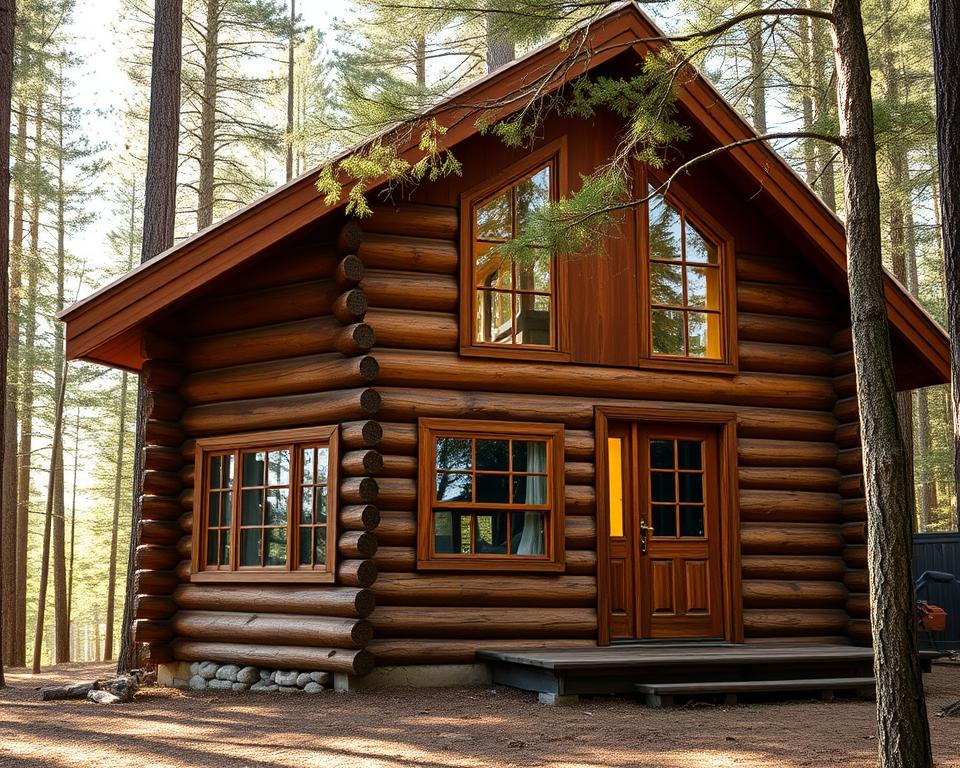
Homeowners can choose from various window styles to match their vision. Georgian styles offer decorative lattice frames for traditional charm. Full-pane designs provide uninterrupted garden views with contemporary appeal.
UPVC Upgrades and Glazing Features
UPVC upgrades deliver exceptional durability and energy efficiency. Available in white, oak, or anthracite grey, these low-maintenance options suit premium 44mm structures.
Double glazing represents a smart investment for year-round comfort. It improves heat retention and reduces noise intrusion. Styrene glazing offers shatterproof safety for family spaces.
Door configurations range from secure single options to impressive double designs. Framed single doors provide excellent security for offices. Double doors facilitate furniture movement and maximise light.
| Feature | Standard Option | Upgrade Options | Benefits |
|---|---|---|---|
| Window Glazing | 4mm toughened glass | Double glazing | Improved insulation |
| Door Types | Framed single | Double, half-boarded | Varied access |
| Frame Material | Timber | UPVC | Low maintenance |
| Roof Style | Apex | Pent, barn | Design flexibility |
Rebated frame hanging ensures long-term door stability. This professional joinery technique outperforms budget flush-mounted methods. It prevents warping and twisting over time.
Opening window mechanisms enable effective summer ventilation. They prevent overheating in south-facing buildings. This feature proves valuable for gyms and workshops.
Maintenance, Treatment, and Longevity Tips
Timber protection represents the most critical aspect of cabin ownership over time. Proper care ensures the structure remains beautiful and functional for many years.
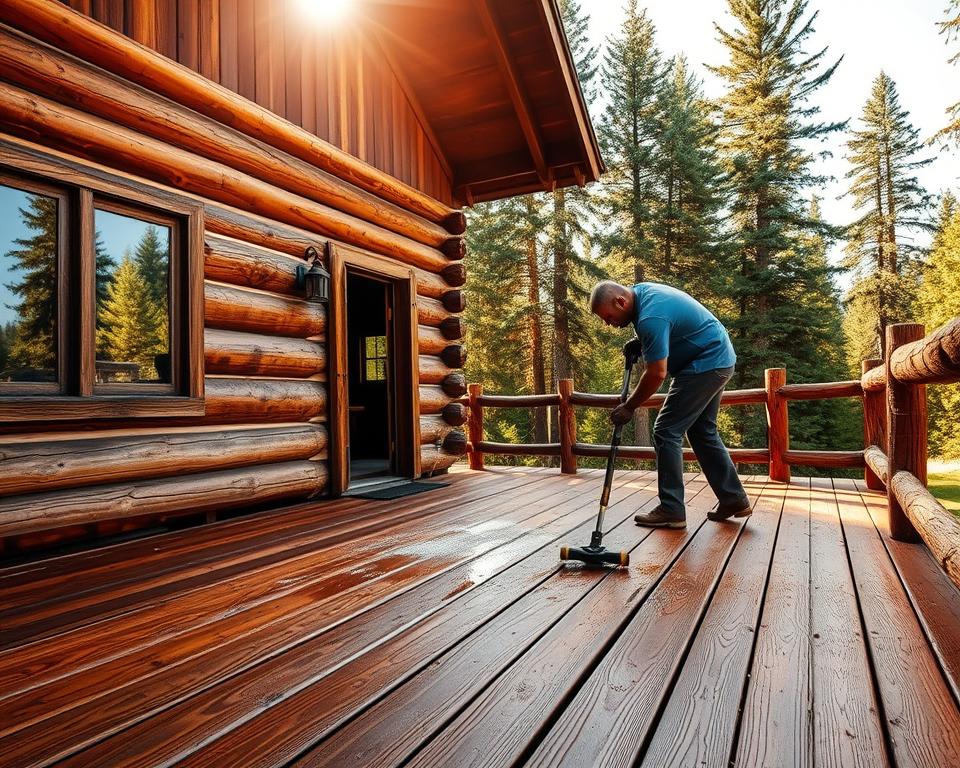
New log cabins arrive untreated from manufacturers. Owners must apply high-quality wood preservative within two weeks of construction. This prevents moisture damage to the untreated timber.
The quality of wood used significantly affects durability. Slow-grown Scandinavian timber with dense grain resists splitting better. Kiln-drying processes reduce moisture content for stability.
Regular maintenance includes annual inspections and treatment reapplication every 2-3 years. Pressure-treated options offer extended protection with 15-year guarantees.
Proper positioning maintains air circulation around the log cabin. Premium roof coverings like EPDM can last over 30 years, providing excellent value over time.
Log Cabin Applications for Versatility and Functionality
The true strength of these timber structures lies in their remarkable adaptability. They provide dedicated areas tailored to specific activities, enhancing the lifestyle of any household.
Home Office, Gym and Leisure Spaces
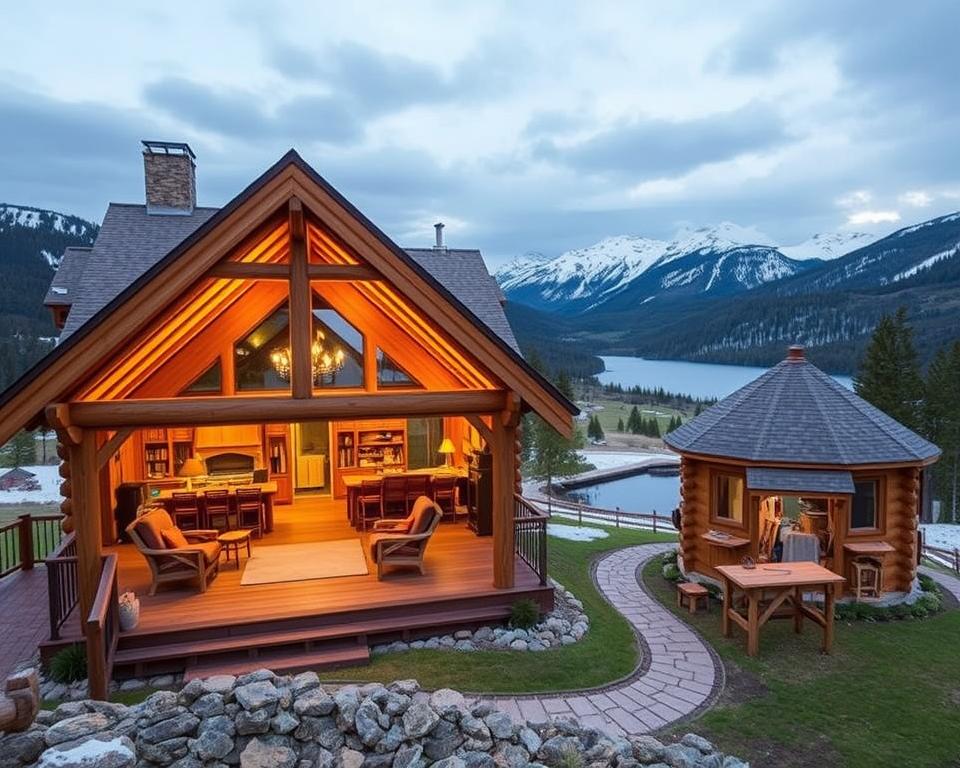
Remote working has increased demand for professional home offices. A dedicated log cabin offers a quiet, productive environment away from household distractions. Proper insulation ensures comfort throughout the year.
Fitness enthusiasts benefit from private gym installations. These spaces accommodate various equipment and require good ventilation. Heavy-duty flooring protects the structure during workouts.
Leisure and entertainment are popular uses. A separate room can become a games room, cinema, or summer house. Double doors create seamless indoor-outdoor socialising areas.
| Application | Key Requirements | Recommended Features |
|---|---|---|
| Home Office | Year-round comfort, good light | Thick insulation, large windows |
| Guest Room | Privacy, insulation | Double glazing, heating option |
| Workshop | Durable surfaces, storage | Robust flooring, shelving |
| Gym | Ventilation, sturdy floor | Rubber matting, opening windows |
Corner designs are ideal for creating cosy hobby rooms. These utilise underused parts of the garden. They provide a peaceful retreat for creative pursuits.
Adding a well-designed log cabin increases property value. It extends usable living space in an attractive way. This investment adapts to changing family needs over time.
Installation Considerations: DIY or Professional Help?
Deciding who handles the installation is a crucial step in the project. This choice affects cost, timeline, and the final quality of the building.
Modern log cabin kits are designed for straightforward assembly. They use precision-cut components that fit together logically.
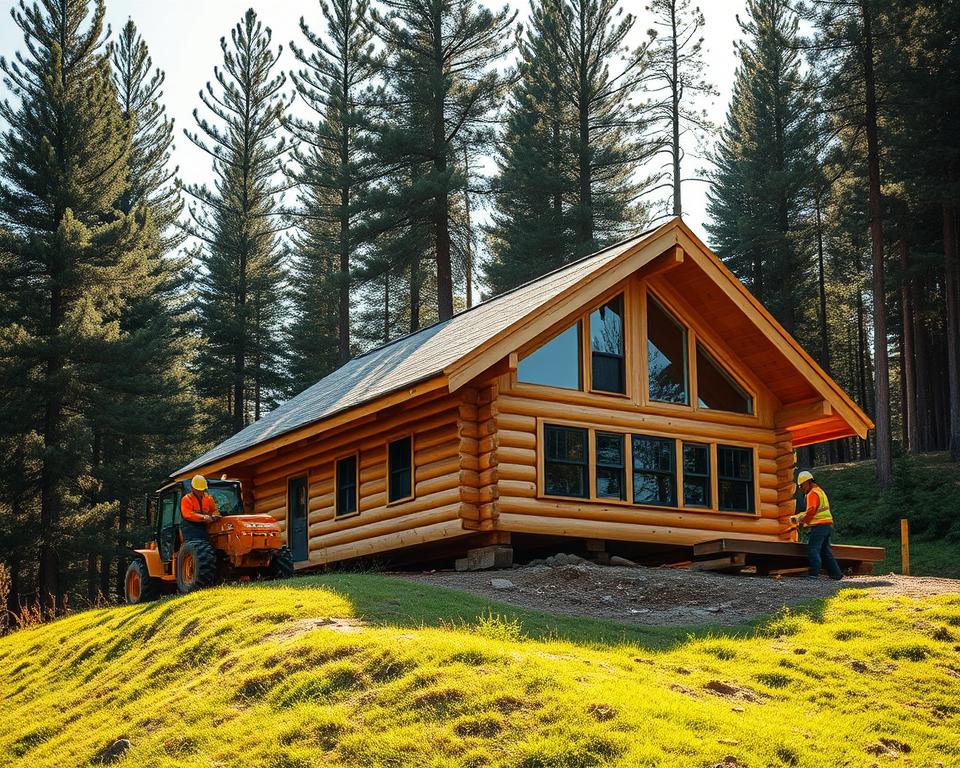
Manufacturers supply detailed guides and video tutorials. These resources make the process manageable for many people.
Ease of Assembly and Guarantee Options
A successful DIY installation requires careful planning. It also needs at least two people with basic DIY skills.
The time needed varies with the log cabin size. A small model might take a weekend. Larger structures require several days.
Opting for professional installation saves time and ensures expert construction. It often includes extended warranty coverage.
For electrical or plumbing work, certified tradespeople are mandatory. This ensures compliance with building regulations.
Guarantees protect your investment. Standard coverage is 10 years against rot and decay. Pressure-treated log cabin models often get 15 years.
| Aspect | DIY Installation | Professional Installation |
|---|---|---|
| Cost | Lower | Higher |
| Time Commitment | Significant | Minimal |
| Skill Level | Basic DIY | Expert |
| Warranty | Standard | Often Extended |
| Regulatory Compliance | Self-managed | Handled by Pros |
Assess your skills and availability honestly. Correct construction is vital for the log cabin‘s performance and warranty.
Conclusion
This comprehensive guide has provided a detailed roadmap for selecting an ideal outdoor timber building. By considering each factor discussed, buyers can approach their project with confidence.
The process begins with a clear purpose and accurate measurements of the available garden space. Matching these to the correct specifications ensures the log cabin meets both practical needs and aesthetic desires.
Attention to legal requirements, a solid foundation, and a realistic maintenance plan are crucial for long-term success. The extensive variety available means there is a perfect log cabin for every requirement.
Ultimately, an informed decision leads to a valuable addition that enhances the garden and provides years of enjoyment.
FAQ
Do I need planning permission for a log cabin?
In many cases, garden log cabins fall under ‘Permitted Development’ rights in the UK. This means planning permission is not required, provided the building meets specific criteria regarding its size, height, and position relative to your property’s boundary. It is always advisable to check with your local planning authority before purchase.
What is the best base for a log cabin?
A solid, level base is crucial for the longevity of your log cabin. Popular options include a concrete slab, paving slabs, or an eco-base. The choice often depends on the cabin’s size and the ground conditions. A concrete base is generally recommended for larger, permanent structures.
How important is the wall thickness of a log cabin?
Wall thickness is a key factor for insulation and structural strength. Thicker logs, such as 44mm or 70mm, provide better heat retention, making the building more suitable for year-round use as a home office or garden room. Thinner walls are often sufficient for summerhouse or storage use.
What is the difference between an apex and a pent roof?
An apex roof has a central ridge with two sloping sides, creating a traditional peaked appearance. A pent roof has a single, sloping side. The choice affects both the internal headroom and the external style of the building. Pent roof designs often offer more usable wall space on the higher side.
Can a log cabin be used all year round?
Yes, with the correct specification. For comfortable year-round use, look for features like thicker timber walls, double-glazed windows and doors, and optional roof and floor insulation. These elements work together to retain heat and prevent damp, creating a cosy space even in winter.
What maintenance does a timber log cabin require?
To protect the wood and ensure longevity, a log cabin should be treated with a high-quality preservative or stain shortly after installation. This treatment typically needs reapplying every few years, depending on the product and exposure to the elements. Regular checks for signs of wear are also recommended.
Are log cabins difficult to assemble?
Many log cabins are designed for DIY assembly using a log construction system that interlocks. The complexity depends on the building’s size and design. While a handy individual can often manage a smaller cabin, larger or more complex models may benefit from professional installation to guarantee a perfect finish.
Can I customise the windows and doors?
Most suppliers offer a range of customisation options. You can often choose the position and size of windows and doors to suit your layout. Upgrades to UPVC double-glazed units are also common, enhancing security, insulation, and reducing future maintenance.