How to Dismantle a Greenhouse: Expert Instructions Inside
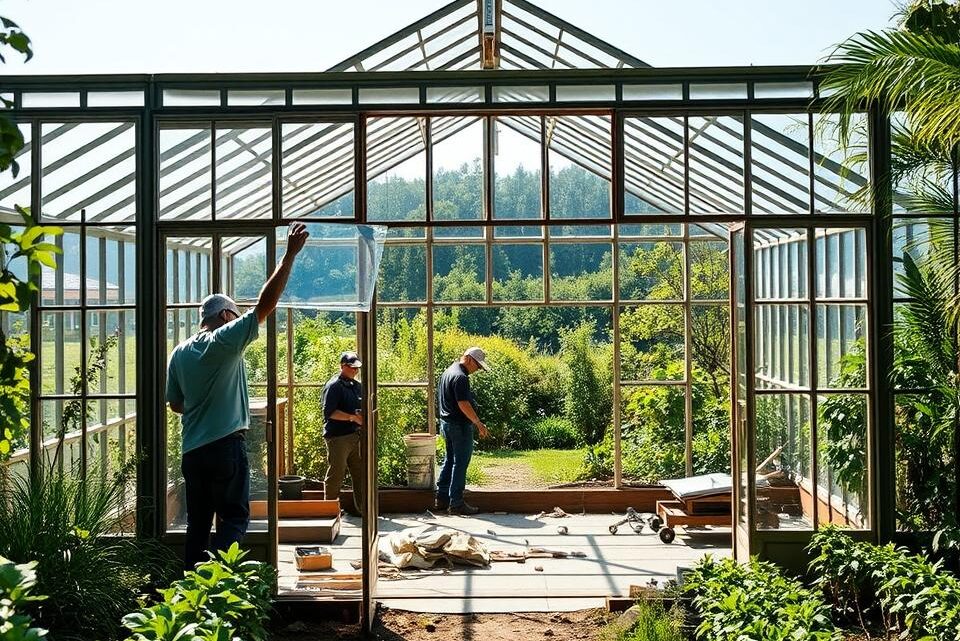
A quality greenhouse represents a significant investment for any gardener. These structures, ranging from modest aluminium-framed models to larger wooden ones, provide an ideal environment for plants. Their value makes careful handling essential, especially when they are no longer needed in their current location.
Taking a structure apart might seem simpler than putting it together. However, a successful dismantling job requires careful planning and the right technique. Rushing the process can lead to damaged panels or a bent frame, turning a valuable asset into scrap.
This guide offers a clear, step-by-step approach. It draws on practical experience to save time and prevent costly errors. Whether the goal is relocation or disposal, following a logical sequence ensures safety and preserves materials.
Inhaltsverzeichnis
Key Takeaways
- Proper planning is crucial for a successful greenhouse dismantling project.
- A systematic approach protects the structure’s valuable components from damage.
- The process generally requires fewer tools than the original assembly.
- Different materials, like glass and polycarbonate, present unique challenges.
- Working from the top down maintains stability throughout the task.
- This guide is suited for individuals with some DIY experience.
Introduction and Safety Precautions
Before any physical work begins, a comprehensive safety assessment is essential. This initial phase establishes the foundation for a smooth and secure disassembly process.
Assessing the Greenhouse Structure and Environment
A thorough evaluation of the entire greenhouse structure precedes dismantling. This includes examining the frame material, glazing method, and overall condition. Understanding how the base is anchored helps determine the final steps.
Clearing the surrounding area creates adequate workspace. Removing obstacles ensures safe movement around all sides. Checking for overhead hazards completes the site assessment.
Essential Protective Gear and Tools
Personal protection forms the core of safety protocols. Heavy-duty gloves shield hands from sharp edges. Safety glasses protect against flying debris when handling glass.
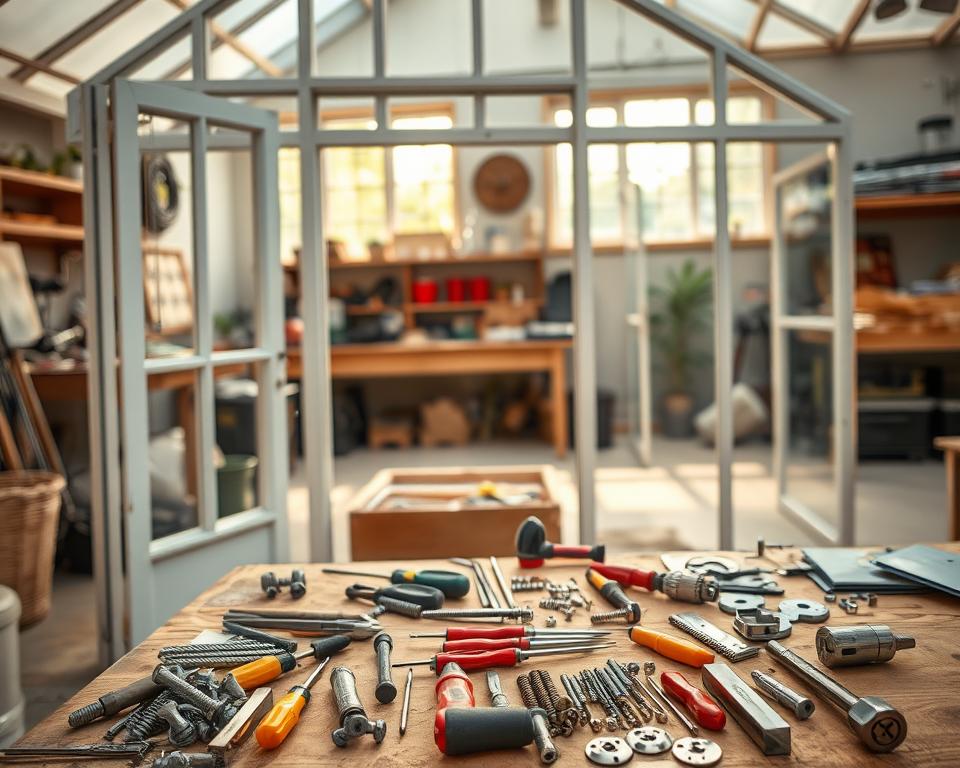
The basic toolkit requires specific tools for efficiency. An open-ended spanner handles standard bolts. A long, thin-bladed screwdriver removes glazing clips effectively.
Additional equipment includes a short ladder for roof access. A bucket collects removed fasteners in one place. A pair of helpers proves invaluable for handling large glass panels and supporting frame sections.
Understanding material hazards ensures proper safety measures. Aged glass may have hidden cracks. Corroded steel parts can fracture unexpectedly during removal.
How to Dismantle a Greenhouse: Step-by-Step Guide
Executing the physical disassembly requires a methodical approach. Working from the top down is the fundamental rule. This strategy maintains stability and prevents damage.
Removing Glass Panels and Glazing Clips
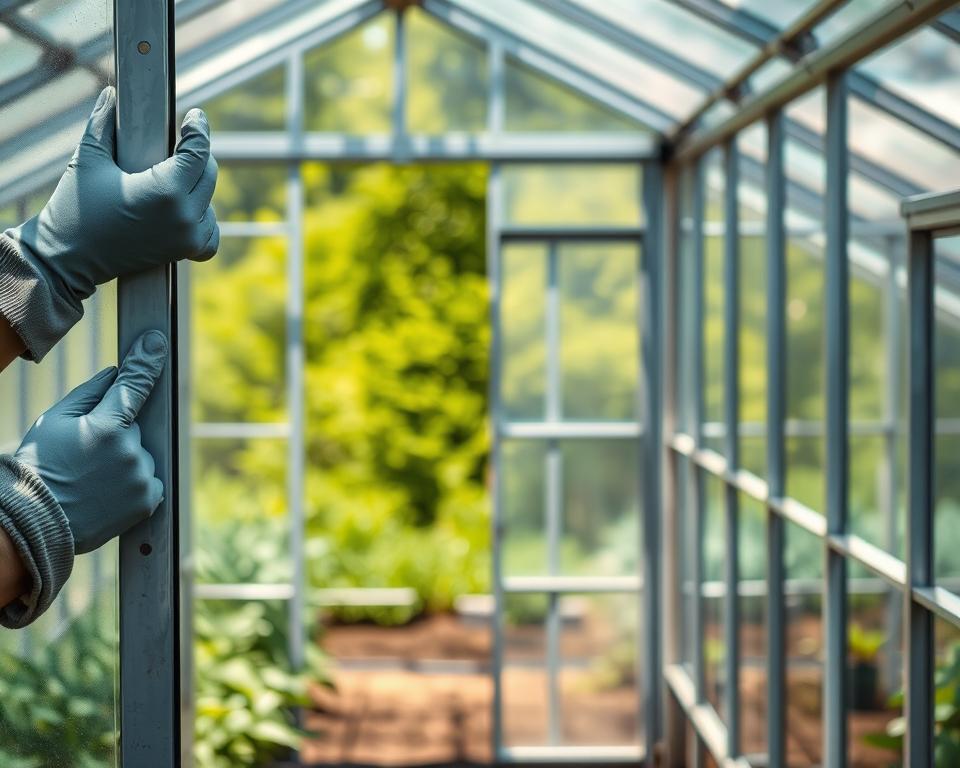
The process starts with the glass roof. This is the most hazardous stage. Having a helper is essential to prevent accidents.
Carefully insert a screwdriver under each glazing clip. Gently lever it up a little at a time. Keep a finger over the clip to stop it from pinging away.
Lift each pane clear before passing it down. Handling glass from walls requires a specific technique. Tip the top edge out first, then lift the pane flat.
Detaching Doors, Vents and Roof Bars
Once all glass is safely stored, attention turns to the door. Sliding doors usually have a retaining bracket. Remove this and slide the door off the track.
Roof vents typically lift slightly and slide along the roofline. Dirt can make this difficult. A bit of wiggling often frees them.
Next, remove the slam bars. These are held by two bolts at each one end. Loosen these and slide the bar down.
Managing Stuck Bolts and Corroded Fasteners
Corrosion is a common challenge. If a bolt shears off, the remaining ones are likely similar. A useful tip is to try tightening a stuck bolt first.
This action can break the corrosion more cleanly. Steel screws are particularly problematic. They often corrode severely and may need cutting out.
The final step is the ridge bar. Remove the two bolts at each end. This long bar requires help to handle safely.
Preparing for Reassembly or Relocation
The careful organisation of dismantled elements forms the foundation for efficient reconstruction. Proper planning at this stage saves considerable time and prevents frustration when putting the structure back together.
Maintaining Frame Integrity and Sectional Storage
Keeping the frame intact in large sections offers significant advantages. Roof slopes and wall panels can remain as complete units. This approach reduces the work required at the new location.
However, this method demands adequate transport capacity. A vehicle with a large roof rack or spacious van interior is essential. There is also increased risk of bending the frame during handling.
Labelling, Diagramming and Safe Transport
Comprehensive labelling is a good idea for clear identification. Use a permanent marker to mark each part with its position, such as “front left corner” or “north side top bar“.
Photographs and diagrams provide valuable reference material. This is particularly important if significant time passes before reconstruction.
For glass transport, stand panes on their end rather than laying them flat. Place soft material between each pane to prevent damage. Secure them in the boot or van rear to prevent movement.
Before reassembly, construct the base first. Ensure it is level and square by measuring diagonals. Store all parts safely and anticipate needing replacement nuts, bolts, and clips.
Expert Tips and Best Practice Advice
Experienced practitioners have developed invaluable strategies that streamline the greenhouse dismantling process. These insights help preserve materials and ensure safety throughout the operation.
Utilising the Right Tools and Techniques
Having the correct tools before starting proves essential. A quality screwdriver, penetrating oil for stubborn bolts, and a metal hacksaw for corroded steel components make the job smoother.
When handling glass panes, work methodically from the top down. Proper technique for removing glazing clips prevents damage and loss. Keep a finger over each clip during removal to control its trajectory.

Avoiding Common Pitfalls and Hazards
Purchasing replacement nuts, bolts, and clips in advance is a good idea. Many original fasteners may need replacement due to corrosion.
Thoroughly label each part with its position, such as specific corner or side sections. This organisation saves considerable time during reassembly.
Never attempt this job alone. Adequate help is crucial, especially when working on the roof section or handling large glass elements.
Conclusion
When approached with care and methodical precision, dismantling a greenhouse transforms from a daunting task to an achievable project. The systematic process outlined ensures valuable materials remain intact for future use.
Reassembly follows the reverse sequence of removal, beginning with a perfectly square and level base. This foundational step is critical for proper alignment of the frame and glass components. Careful organisation during storage makes reconstruction straightforward.
The key principles of safety-first planning, proper tool selection, and methodical execution apply to all greenhouse types. Following these guidelines preserves the structure’s value while ensuring a safe working environment throughout the entire job.
FAQ
What is the safest way to begin dismantling a greenhouse?
The safest approach involves a thorough initial assessment. One should check the entire structure for damage, paying close attention to the glazing and frame stability. Wearing appropriate protective gear, such as thick gloves and safety glasses, is essential before handling any parts.
How are glass panels and glazing clips removed without causing damage?
Glass panes should be removed one at a time, starting from the top if possible. Use a glazing knife or screwdriver to carefully release the glazing clips. Always support the pane with both hands and place it flat in a prepared crate or against a safe surface.
What is the best method for dealing with stubborn, corroded bolts?
Applying a specialist penetrating oil and allowing it to soak for several hours can help loosen seized bolts. Using the correct size spanner or socket to avoid rounding the nut is crucial. Gentle tapping with a hammer can also aid in breaking the corrosion.
Why is labelling parts and creating diagrams important during the process?
Labelling each component and sketching simple diagrams significantly simplifies reassembly. It prevents confusion when dealing with numerous similar-looking bars, bolts, and sections, saving considerable time and effort later.
What are the key considerations for transporting the dismantled greenhouse?
All glass panes must be securely packed and kept separate from the metal frame to prevent scratches and breakage. Frame sections should be bundled together and protected with padding. Ensuring the load is secure and does not exceed weight limits is vital for safe transit.
Can one person dismantle a greenhouse alone, or is assistance recommended?
While some small greenhouses might be manageable alone, having at least one helper is strongly advised. An extra pair of hands is invaluable for stabilising large sections, handling heavy glass panes, and ensuring the entire job is conducted safely.