Learn About What Are Vinyl Sheds: Benefits and Comparison with Wood & Metal
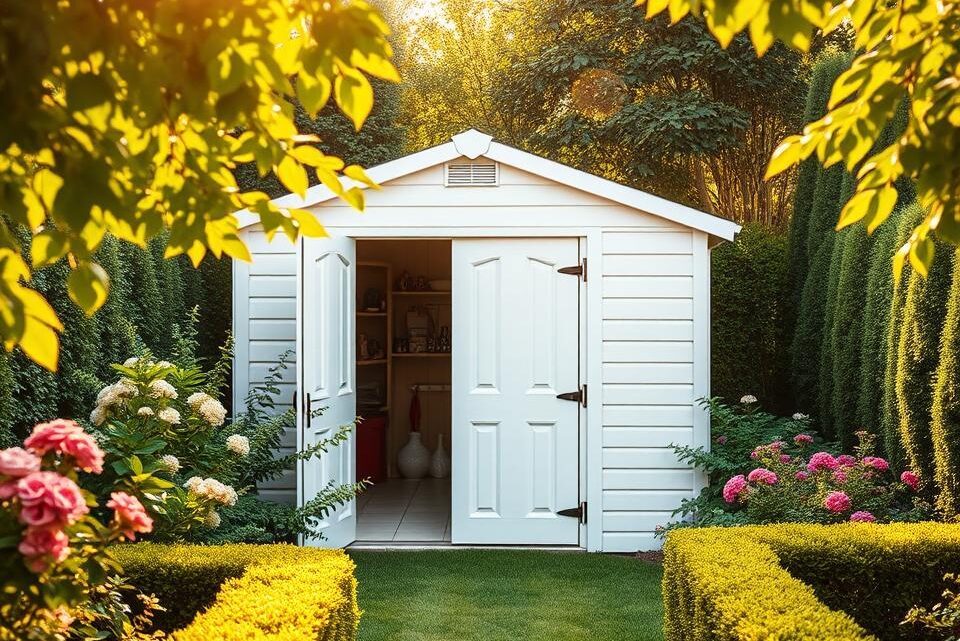
A garden requires careful planning, and choosing the right outdoor storage solution is a crucial part of that process. For many homeowners, a sturdy garden building provides essential space for tools, equipment, and seasonal items.
Selecting the ideal construction material is one of the most important decisions. The choice directly influences durability, appearance, and long-term upkeep. It is a decision that balances practical needs with personal taste.
This guide explores a popular choice available to homeowners: vinyl constructions. We will examine its characteristics alongside other common materials like wood and metal. Understanding these differences empowers you to make an informed decision for your property.
We will cover key factors such as maintenance demands, cost considerations, and how each material stands up to the British climate. Our goal is to provide clear, factual information to guide your selection.
Inhaltsverzeichnis
Key Takeaways
- Choosing the correct material for a garden building is essential for its longevity and function.
- Each construction material offers a distinct set of advantages and considerations.
- Long-term maintenance requirements vary significantly between different options.
- The local climate plays a significant role in the suitability of a material.
- Balancing budget constraints with desired features is a key part of the decision.
- This guide provides a detailed comparison to aid in the selection process.
Introduction to Shed Materials
Garden storage solutions vary widely in their material composition, each offering distinct characteristics. The selection process involves weighing various factors that affect long-term satisfaction.
Understanding Shed Types
Three primary material categories dominate the market for these outdoor structures. Wooden constructions provide traditional appeal but require regular upkeep. Plastic-based options, including vinyl and resin, offer modern convenience with minimal maintenance. Metal versions deliver robust security against the elements.
Each material type serves different purposes under varying conditions. Climate considerations significantly influence performance outcomes. Intended usage patterns also dictate the most suitable choice.
Purpose of the Comparison
This analysis aims to provide factual information for informed decision-making. Homeowners approach selection with diverse priorities and constraints. Some emphasise aesthetic harmony with their garden design.
Others prioritise durability against harsh weather conditions. Budget limitations often shape the final decision. Maintenance willingness varies significantly among different people.
| Material Type | Key Characteristics | Maintenance Level | Typical Lifespan |
|---|---|---|---|
| Wood | Natural appearance, traditional | High | 15-20 years |
| Plastic/Vinyl | Weather-resistant, lightweight | Low | 10-15 years |
| Metal | Durable, secure | Medium | 20+ years |
The comparison reveals that no single option suits all situations perfectly. Individual circumstances determine the ideal choice for a garden shed. Understanding these differences empowers better selection.
Overview of Shed Options: Resin, Wood, Vinyl and Metal
Material selection forms the foundation of any durable and functional outdoor storage solution. Understanding these core components helps homeowners make informed decisions about their garden buildings.
Defining Each Material
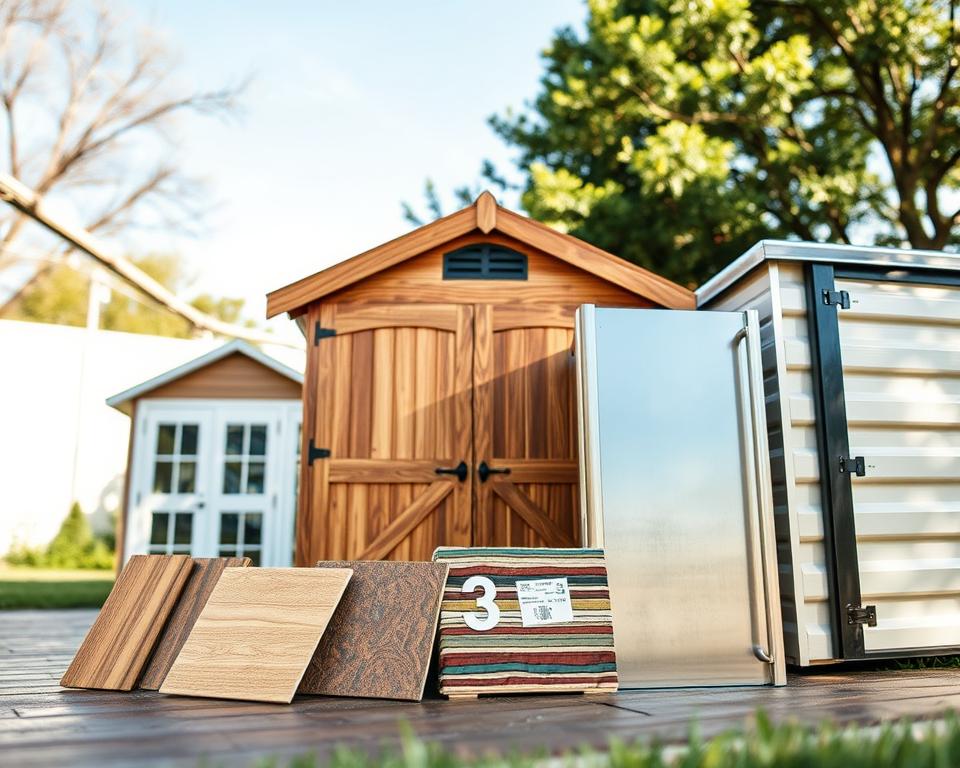
Resin constructions, often called plastic sheds, encompass various synthetic polymer formulations. These include polyethylene, the most common plastic type, and specialised vinyl materials. While similar in appearance, significant performance differences exist between these options.
Vinyl represents a premium category within resin-based sheds. It offers enhanced durability and fire-retardant properties compared to standard plastic versions. This material withstands extreme temperatures better than other resin formulations.
Wooden structures utilise timber such as cedar, pine, or pressure-treated lumber. They provide traditional aesthetics and extensive customisation potential. Many homeowners appreciate their natural appearance in garden settings.
Metal constructions typically feature galvanised steel, aluminium, or vinyl-coated steel. These materials prioritise security and affordability. They offer robust protection against environmental elements.
Modern manufacturing techniques have improved all material categories significantly. Today’s options provide better quality and longevity than historical alternatives. Each material type serves distinct purposes based on individual requirements.
What Are Vinyl Sheds: Benefits and Comparison with Wood & Metal
The construction material used for outdoor storage units significantly impacts their functionality and lifespan. PVC-based constructions provide distinct advantages for garden storage needs.
Key Features of Vinyl Sheds
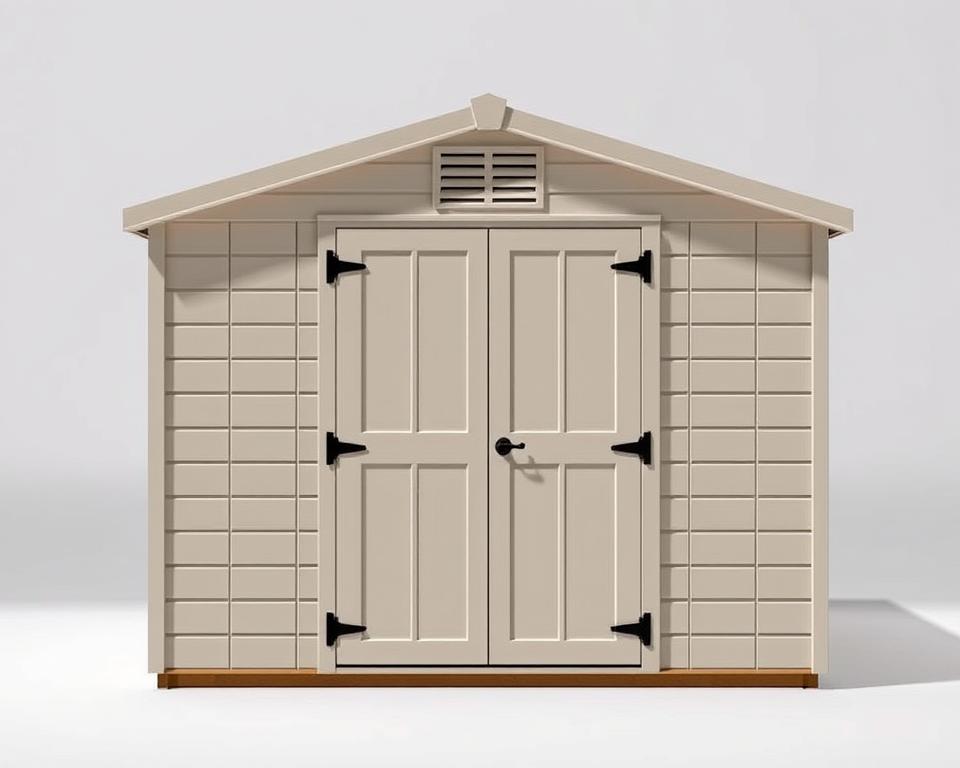
These units are crafted from polyvinyl chloride, offering exceptional weather resistance. The material’s composition prevents degradation from prolonged sun exposure. This UV protection maintains appearance over many years.
Rot, rust, and insect damage are virtually eliminated with this material choice. Homeowners appreciate the minimal upkeep requirements compared to traditional options. No painting or sealing is necessary for maintenance.
Structural integrity remains stable across temperature variations. The material performs well in both hot, humid conditions and colder climates. Coastal areas benefit from the corrosion-resistant properties.
How They Stack Up Against Wood and Metal
Compared to timber constructions, these units require significantly less attention. Wood demands regular treatments to prevent decay and pest infiltration. The alternative eliminates these recurring tasks.
Metal versions offer strength but present different challenges. Denting and corrosion can compromise metal structures over time. The synthetic alternative maintains its condition without such deterioration.
Heavy rainfall and snow loads are well-tolerated by quality vinyl constructions. The material doesn’t warp or deteriorate under harsh weather conditions. For typical storage applications, the strength proves more than adequate.
Pros and Cons of Vinyl Sheds
Evaluating the strengths and weaknesses of any garden building material is essential for making a sound investment. This balanced view helps homeowners match their priorities with the right product.
Major Benefits for UK Homeowners
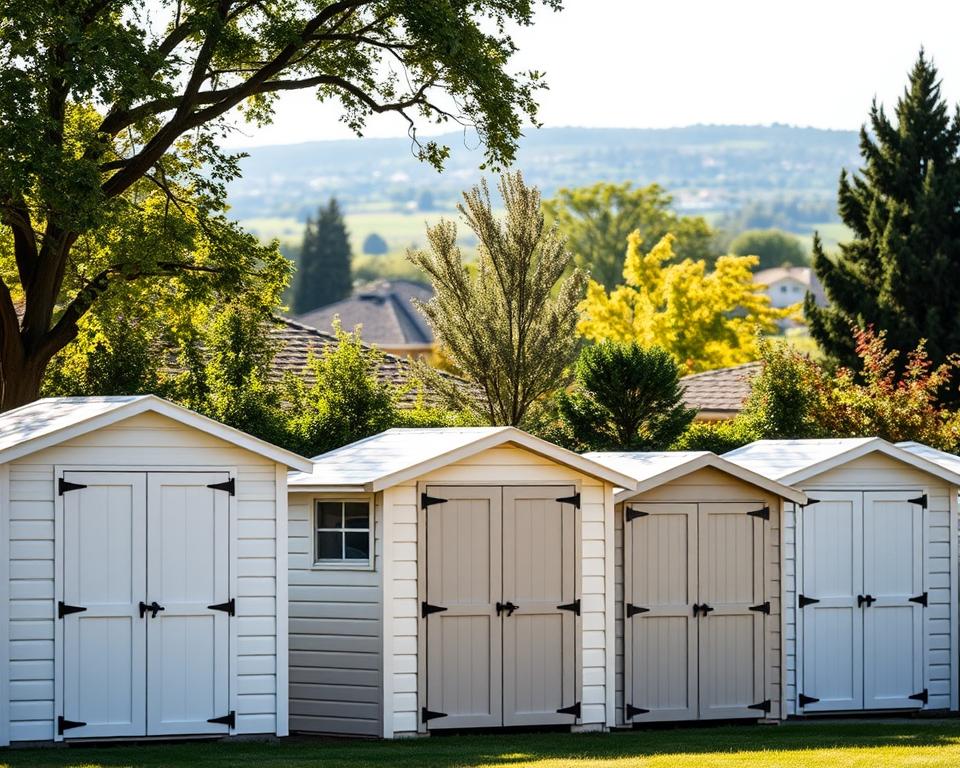
The primary advantage of these structures is their incredibly low maintenance needs. A simple clean with soap and water is typically all that’s required. There is no need for painting, sanding, or applying treatments.
This material offers outstanding resistance to common problems. It is impervious to rot, rust, and insect damage. This is particularly valuable in the UK’s often damp climate.
High quality vinyl provides strong UV resistance. This prevents fading and keeps the material from becoming brittle. The units are built to withstand heavy rain, snow, and temperature changes.
Limitations and Considerations
One significant trade-off is limited customisation. Unlike wooden sheds, you cannot easily paint or modify the exterior. The aesthetic is often more basic and utilitarian.
There are also structural considerations. The walls cannot support as much weight as timber constructions. This limits the installation of heavy shelves or hooks.
Finally, the initial cost for a good vinyl shed is often higher than for standard resin or metal options. This upfront investment should be weighed against long-term savings on upkeep.
| Advantage | Description | Consideration | Impact |
|---|---|---|---|
| Maintenance | Virtually maintenance-free; easy cleaning. | Higher initial cost. | Long-term time and cost savings. |
| Durability | Resistant to rot, rust, and insects. | Limited customisation options. | Ideal for low-hassle storage. |
| Weather Resistance | Withstands sun, rain, and snow well. | Reduced wall strength for shelving. | Reliable performance in UK weather. |
Maintenance and Durability Factors
Durability against the elements separates temporary solutions from lasting investments in garden storage. The material’s ability to withstand environmental stress determines long-term satisfaction.
Weather Resistance in Harsh Climates
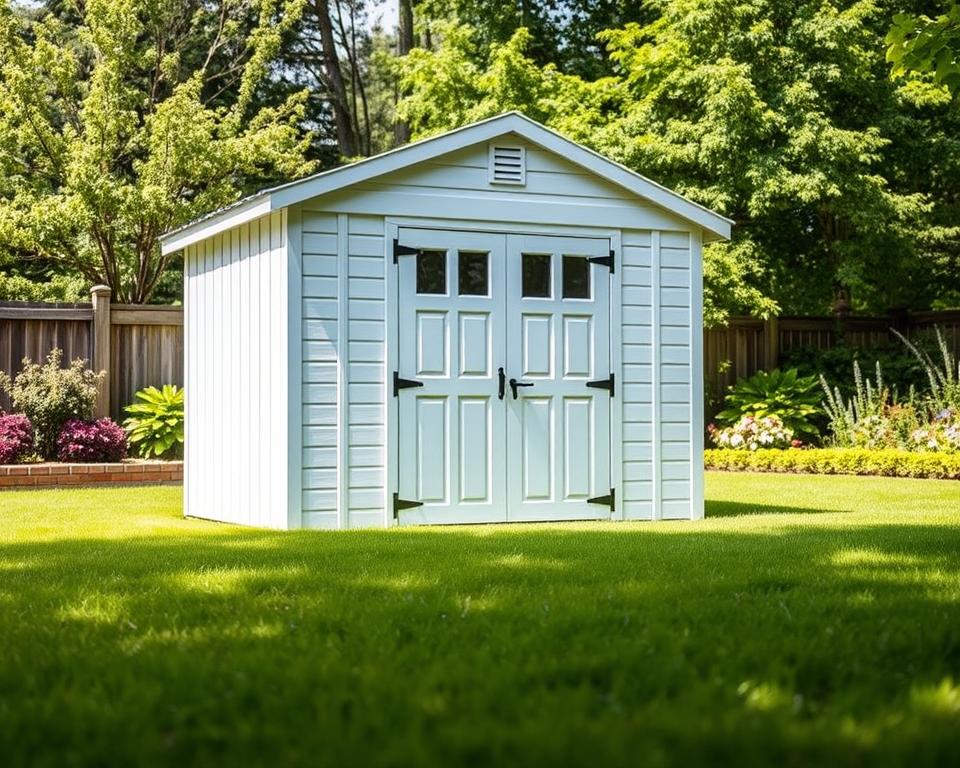
These structures excel in challenging conditions. They handle heavy rainfall and coastal humidity without deterioration concerns.
Extreme temperature variations cause minimal impact. The material maintains structural integrity across seasonal changes. This reliability proves valuable in unpredictable British weather patterns.
Longevity and Upkeep Requirements
Minimal care requirements distinguish this option from alternatives. Homeowners save significant time over the years.
Unlike wooden structures requiring regular treatments, these need only occasional cleaning. A simple soap solution removes dirt and algae buildup effectively.
Metal alternatives face rust challenges in damp climates. This material eliminates such concerns entirely. The resistance to rot and pests further enhances its durability.
Quality constructions can serve reliably for decades. They avoid the recurring maintenance cycles of traditional materials. This makes them a practical choice for busy homeowners.
Customisation and Design Flexibility
The flexibility to adapt a garden building to match personal style preferences varies significantly across material types. This aspect often influences the final selection for homeowners seeking both function and aesthetic appeal.
Aesthetic Appeal and Finish
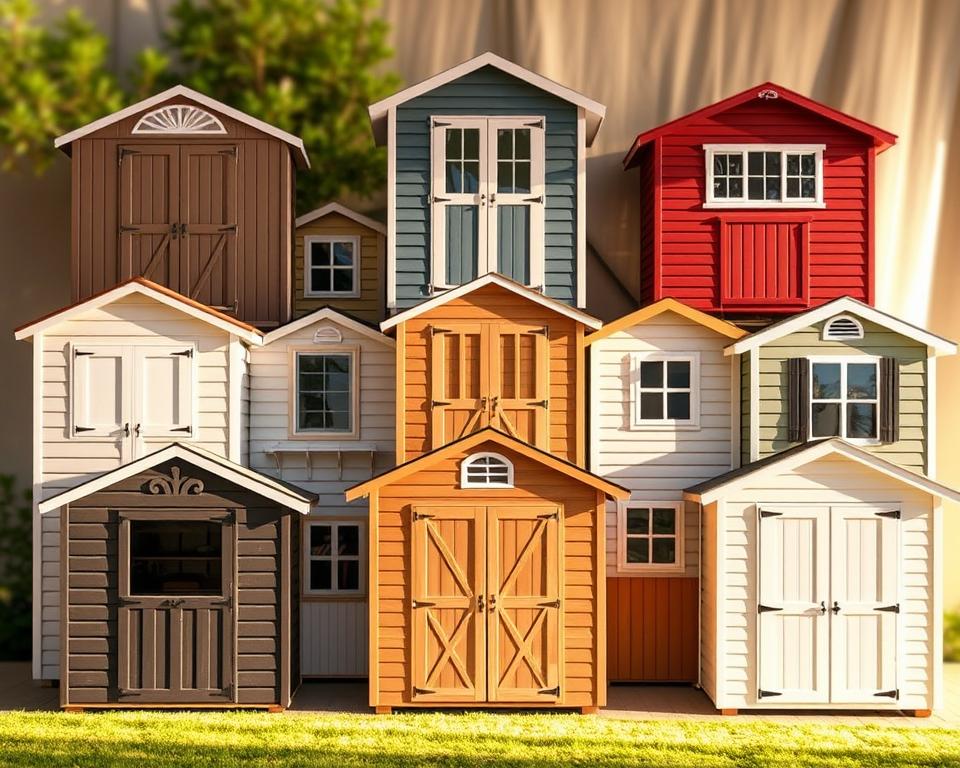
These structures present a clear choice between convenience and adaptability. The material’s surface does not readily accept standard painting, limiting colour changes after purchase. Manufacturers now offer diverse colour options and wood-grain textures to enhance visual appeal.
High quality products feature attractive finishes that resist fading over time. This maintains appearance without ongoing maintenance. The trade-off involves accepting predetermined design elements rather than creating custom looks.
Personalisation Options for Homeowners
Modifying these garden sheds requires careful consideration. Drilling into plastic panels can compromise weather sealing if not done properly. Wall strength limitations restrict heavy shelving compared to wood constructions.
This represents one significant limitation for those needing extensive storage customisation. The choice ultimately balances maintenance convenience against design flexibility. Thoughtful planning can maximise the available options.
| Customisation Aspect | Vinyl/Plastic Sheds | Wooden Sheds |
|---|---|---|
| Exterior Painting | Limited options post-purchase | Full customisation possible |
| Structural Modifications | Challenging, may void warranty | Easy to adapt and expand |
| Shelving and Storage | Weight limitations on walls | Strong support for heavy items |
| Aesthetic Variety | Fixed manufacturer options | Unlimited personalisation |
Homeowners should consider their long-term vision when making this important choice. Those preferring set-and-forget convenience may find the limited options acceptable. Others wanting creative freedom might prefer traditional wood constructions despite higher maintenance needs.
Cost Analysis and Budget Considerations
Financial planning plays a crucial role when selecting outdoor storage solutions for UK properties. The initial purchase price varies significantly between material types, influencing many homeowners’ final decision.
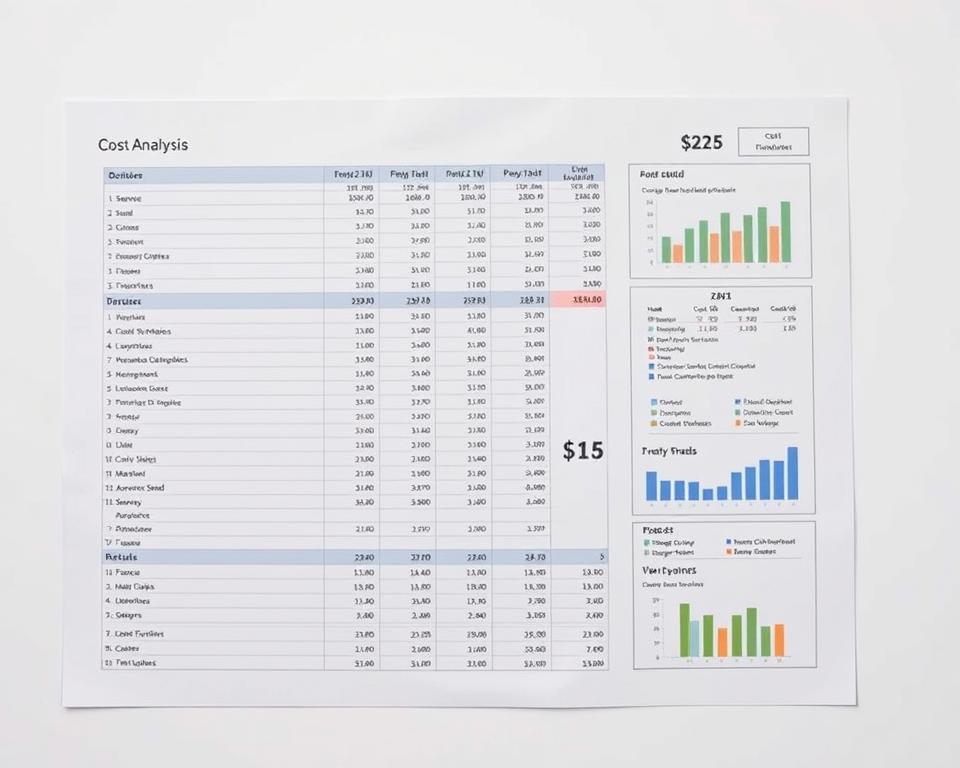
Quality vinyl structures typically represent a premium investment, with prices ranging from £1,500 to £3,500. This places them in a higher cost category compared to standard resin or plastic alternatives.
Traditional timber sheds occupy a similar price bracket, starting around £900 for smaller units. Larger wooden constructions can reach £4,000 or more. Metal versions offer the most budget-friendly option, typically costing £300-£700 for medium sizes.
The concept of total ownership cost becomes crucial here. While the upfront price for vinyl may seem high, it often proves economical over decades. Eliminated maintenance expenses for painting, staining, and treatments provide substantial long-term savings.
Budget-conscious buyers should carefully evaluate their priorities. Those seeking immediate affordability might prefer metal or basic plastic sheds. However, homeowners planning long-term ownership may find the premium option represents better value.
When assessing vinyl sheds, consider warranty terms, material thickness, and UV protection rather than selecting the lowest cost option. Cheaper versions may lack essential features, leading to premature failure and additional expenses.
Climate Suitability and Environmental Impact
Environmental conditions significantly influence how outdoor storage solutions perform over time. The material’s response to local weather patterns determines long-term viability.
Performance in Humid, Rainy or Coastal Areas
Structures made from this synthetic material excel in challenging British weather. They handle heavy rainfall and coastal humidity without deterioration concerns.

Coastal properties benefit particularly well. Salt-laden air accelerates corrosion on metal constructions but leaves synthetic alternatives unaffected. This makes them ideal for seaside locations.
Extreme temperature variations cause minimal impact. The material maintains structural integrity across seasonal changes. This reliability proves valuable in unpredictable conditions.
“The right material choice can mean the difference between a temporary solution and a permanent garden feature that withstands decades of British weather.”
Sustainable Materials and Recycling Benefits
Modern manufacturing focuses on environmental responsibility. Many manufacturers now use recyclable materials in their production processes.
Longevity reduces replacement frequency, which benefits sustainability. A structure that lasts decades requires fewer resources than one needing regular replacement.
| Material | Coastal Performance | Humid Climate | Recyclability |
|---|---|---|---|
| Synthetic | Excellent resistance | No moisture issues | High potential |
| Timber | Requires treatment | Prone to rot | Biodegradable |
| Steel | Corrosion risk | Rust concerns | Fully recyclable |
Environmental considerations extend beyond initial production. The elimination of chemical treatments reduces ongoing environmental impact. This makes synthetic options increasingly popular for eco-conscious homeowners.
Choosing the Right Shed for Your Needs
Finding the right storage solution depends on understanding your unique situation and priorities. The perfect choice balances immediate requirements with future considerations.
Storage and Security Priorities
Begin by assessing what you need to store. Garden tools, bicycles, or outdoor furniture have different space and protection needs.
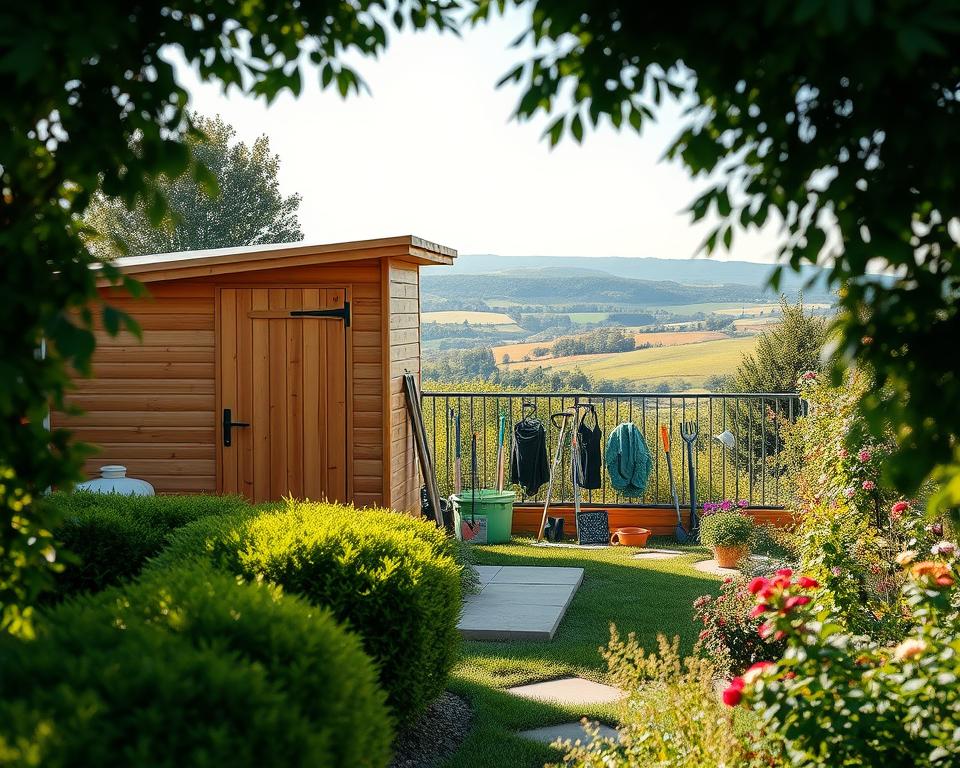
Security requirements vary significantly based on contents. High-value items may need reinforced construction for peace of mind.
Long-term homeowners often benefit from durable materials that withstand years of use. These options represent a good choice for those planning to stay in their home for extended periods.
Budget constraints play a crucial role in the selection process. While some materials have higher initial costs, they offer better value over time.
The final choice should match your specific circumstances. Consider maintenance time, weather conditions, and how you’ll use the space.
Comparative Analysis: Resin, Wood, Vinyl and Metal
Selecting an outdoor storage solution involves weighing the characteristics of each material. A side-by-side evaluation helps identify the best fit for specific needs and budgets.

Initial cost is a primary factor for many. Metal sheds typically present the most budget-friendly entry point. Wood and vinyl constructions often require a higher initial investment.
Long-term value is equally important. How long a shed lasts is heavily influenced by maintenance. Wood demands regular painting and sealing to combat rot.
Metal sheds tend to need rust prevention and occasional repainting. In contrast, plastic shed varieties, including vinyl, require virtually no upkeep. This makes them a low-maintenance option over many years.
Climate suitability is crucial. Metal plastic constructions excel in humid or coastal areas where metal is prone to corrosion. Wood can warp in damp conditions without consistent care.
Customisation potential varies widely. Wood offers the greatest flexibility for modifications. Metal sheds and plastic shed types are more limited but provide excellent durability.
Assembly ease differs. Resin kits are often lightweight and straightforward. Heavier materials like some vinyl or metal can be more challenging to assemble.
Ultimately, the ideal type shed depends on individual priorities. Each material serves a distinct purpose, balancing cost, maintenance, and longevity.
| Material | Cost | Maintenance | Best Climate |
|---|---|---|---|
| Resin | Medium | Very Low | Most |
| Vinyl | High | Low | All, especially variable |
| Wood | High | High | Dry, if maintained |
| Metal | Low | Medium | Dry |
User Considerations and Practical Tips
Beyond selecting the material, practical installation factors significantly influence long-term satisfaction with an outdoor building. These considerations determine how well the structure performs over time.
Proper setup is a crucial part of maximising the investment. It ensures stability and durability.
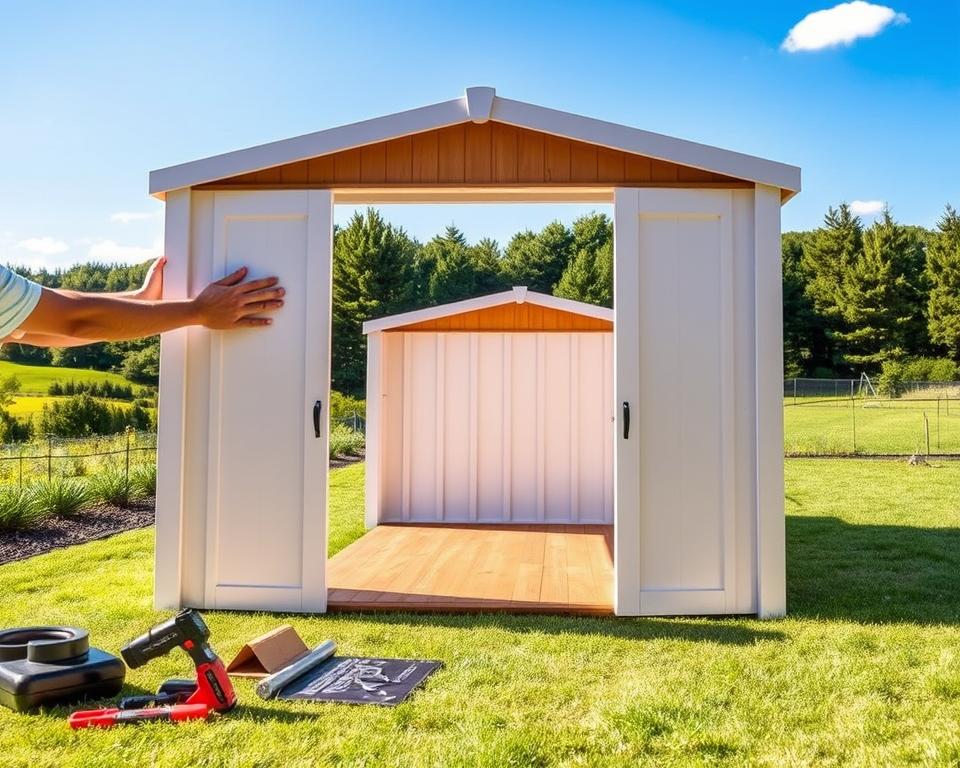
Installation and Assembly Ease
These garden sheds generally fall into the moderate difficulty category for assembly. Their panels are heavier than basic resin versions.
Most installations require at least two people for efficient and safe construction. The time commitment typically ranges from four to eight hours.
A level, solid base is essential. Concrete slabs or a treated timber frame provide the best foundation. This prevents settling and maintains structural integrity.
DIY Versus Professional Setup
Many homeowners successfully tackle assembly as a DIY project. It is a feasible solution for those comfortable with basic tools.
However, professional installation offers distinct advantages. Experts ensure perfect weatherproofing and secure anchoring.
This professional solution can extend the lifespan of the shed. It is a wise consideration for a significant purchase.
The fact is, careful initial setup unlocks the full potential of a low-maintenance shed. It is an investment that pays off for years in a home garden.
Conclusion
Final decisions about garden buildings hinge on personal priorities and environmental factors. This material represents a good choice for homeowners seeking minimal upkeep and reliable performance.
The growing popularity of this storage solution reflects changing homeowner values. Convenience and durability often outweigh traditional aesthetics today.
It remains a fact that no single shed material suits every situation. The optimal choice balances budget, maintenance willingness, and climate considerations.
For those prioritising longevity in challenging conditions, these structures excel. Their resistance to rot, rust, and insect damage makes them particularly valuable.
While customisation options may be limited compared to traditional materials, the quality and reliability offered cannot be overlooked. They form an important part of modern garden storage.
Homeowners should carefully assess their specific needs and home environment before selecting any outdoor building. The right decision ensures years of satisfactory service.
FAQ
How long does a vinyl shed typically last?
A high-quality vinyl shed can last for decades. Its durability stems from excellent resistance to rot, insect damage, and rust. Unlike wood, it does not warp or splinter over time, making it a long-term storage solution with minimal upkeep.
Are vinyl sheds a good choice for damp or coastal climates?
Yes, vinyl is an excellent option for humid, rainy, or coastal areas. The material does not absorb moisture, which prevents the issues of rot and metal corrosion that can affect wooden and metal sheds, respectively. It stands up well to salt air and persistent dampness.
What is the maintenance requirement for a vinyl shed compared to other materials?
Vinyl sheds require very little maintenance. They never need painting or staining. An occasional wash with soap and water is usually sufficient to keep them looking new. This contrasts sharply with wood, which needs regular sealing or painting, and metal, which can require treatment to prevent rust.
How does the cost of a vinyl shed compare to wood and metal options?
The initial purchase price of a vinyl shed is often higher than that of a basic metal or resin shed. However, when considering the long-term savings on maintenance materials and time, many find it a cost-effective solution. It typically offers better value over its lifespan than wood.
Can you customise the appearance of a vinyl shed?
A> While the colour options are generally fixed with the material, manufacturers offer a range of styles, from traditional to modern designs. Some brands provide different trim colours or window options, allowing for a degree of personalisation to complement a home’s aesthetic.
Is a vinyl shed a secure storage solution?
Vinyl sheds can be very secure. Many models come with robust locking systems and reinforced doors. The material itself is tough and difficult to break into. For added security, homeowners can install additional hasps and padlocks to protect valuable items.