Professional Guide: How to Felt a Shed Roof
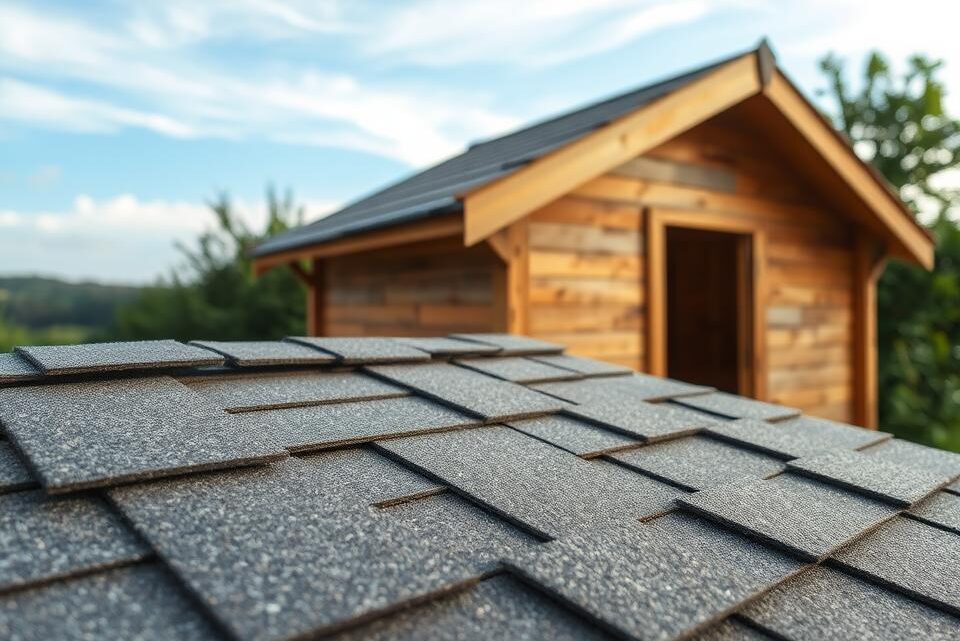
This concise, practical guide explains how to felt a shed roof for UK homeowners, hobbyists and tradespeople. It sets out a professional approach to shed roof felt installation so timber outbuildings — sheds, workshops and summerhouses — become weatherproof and long lasting.
The article that follows covers why felt roofing UK matters, how to choose suitable materials for British climates, the tools and safety measures to use, preparation steps and a clear step‑by‑step installation. You will also find guidance on detailing around vents and pipes, common troubleshooting, routine maintenance and when to call a professional roofer.
Expect the skill level to range from basic DIY to intermediate. Typical small shed jobs can be completed in a day or two, while larger roofs take longer; costs vary with material choice and size. Bear in mind HSE working‑at‑height guidance and that most small garden sheds fall outside building regulations, though following good practice is essential for a durable result.
Inhaltsverzeichnis
Key Takeaways
- This felt a shed roof guide targets UK conditions and practical outcomes.
- Shed roof felt installation gives reliable weatherproofing when done correctly.
- Preparation, correct materials and safety make the biggest difference to lifespan.
- Basic DIY skills are sufficient for small sheds; larger or complex roofs may need a roofer.
- Follow HSE working‑at‑height advice and choose felt roofing UK products rated for local weather.
Understanding the Importance of Felt on a Shed Roof
Felt forms a simple, continuous waterproof layer that shields timber decking and joists from rain. Proper shed roof weatherproofing prevents water ingress that leads to swelling, rot and mould. A correctly installed membrane also stops wind-driven showers tracking beneath joints and reduces draughts that can chill stored items.
In the UK climate, with frequent rain and gusty showers, felt performs well when fixed and sealed properly. Regular checks after stormy spells limit small issues from turning into major leaks. Simple maintenance helps keep shed roof protection UK effective for years.
Different felt types show a wide range of service lives, typically from around five to twenty years depending on material and workmanship. Good installation and periodic upkeep extend longevity and cut the need for timber repairs and repainting, since the substrate is sheltered from UV and moisture damage.
Scheduled inspections and clearing debris are low-effort tasks that reduce accelerated wear. Small tears and loose laps are usually quick to repair, saving time and expense compared with repeated structural fixes.
Felt often wins on initial cost and ease of DIY fitting when compared with alternatives. A basic comparison of common coverings highlights where felt sits in terms of price, lifespan and labour.
| Covering | Approx. lifespan (years) | Typical DIY difficulty | Upfront cost | Environmental notes |
|---|---|---|---|---|
| Mineral-surfaced roofing felt | 5–15 | Low | Low | Some options recyclable, small footprint |
| Self-adhesive felt | 7–20 | Low | Moderate | Less waste in installation |
| EPDM rubber | 20–40 | Moderate | High | Durable, limited recycling routes |
| Asphalt shingles | 15–30 | Moderate | Moderate–High | Some recyclable options exist |
| Corrugated fibre cement | 20–50 | High | Moderate | Disposal can be problematic |
When weighing felt vs shingles, consider labour, shed size and expected lifespan. High-end coverings like EPDM last longer but cost more up front. For many garden outbuildings, the benefits of roofing felt give the best balance of value and performance.
How to Felt a Shed Roof
This section gives a clear shed felt installation overview and a simple workflow you can follow on site. Read each short paragraph and use the checklist to plan tools, helpers and weather windows before you start.

Quick workflow:
- Assess roof and gather materials.
- Prepare substrate: repair decking, replace rotten boards and fit flashings.
- Lay breathable underlay if required.
- Measure and cut felt to size.
- Fix the first course and subsequent laps, keeping overlaps consistent.
- Detail ridges, verges and penetrations, then inspect and seal.
- Finish with trim or bargeboards for a neat edge.
When weighing single-layer against double-layer installations, note that single-layer suits small, low-pitch sheds and offers quick coverage. Double-layer or torch-on systems give extra durability for workshops or where a long lifespan is needed. The felt roof process varies with choice of method and local climate.
Weather and manpower matter. Choose a dry, calm day and plan for a helper when handling larger sheets. For adhesives that require curing, allow adequate drying time and avoid working in strong winds.
Key terms explained:
- Lap — the overlap between felt runs to shed water.
- Verge — the roof edge at a gable or bargeboard.
- Ridge — the highest horizontal line where two slopes meet.
- Eaves — the lower edge over the gutter or fascia.
- Bargeboard — the trim fitted to the verge for protection and finish.
- Decking — the timber substrate beneath the felt.
- Breathable underlay — allows vapour escape while blocking water.
- Torch-on, self-adhesive, mineral-surfaced — common felt types with different application methods and lifespans.
- Roll width and gauge — affect coverage and robustness.
- Clout nails, galvanised nails, roofing batten, felt adhesive — typical fasteners and fixings.
- Fibreglass reinforced and polyester-backed — descriptors that indicate tensile strength and tear resistance.
Understanding these terms will help when reading instructions or when discussing options with suppliers such as Jewson or Travis Perkins.
Time estimates for common sizes:
| Shed size | Typical time (single person) | Typical time (two people) |
|---|---|---|
| Small (6×4 ft) | 2–4 hours | 1.5–3 hours |
| Medium (8×6 ft) | 4–6 hours | 3–5 hours |
| Large workshop | 6–12 hours depending on complexity | 4–8 hours depending on complexity |
Allow extra time for substrate repairs, detailing around chimneys or skylights and for adhesive curing. Plan for at least two consecutive dry days to complete the job and perform a final inspection once seals have set.
Choosing the Right Felt and Underlay for UK Climates
Picking the correct materials for a shed roof in Britain means balancing cost, durability and safety. The market offers a range of options from economy rolls to high‑performance membranes. Match the product to the roof pitch, ventilation and intended use of the building.
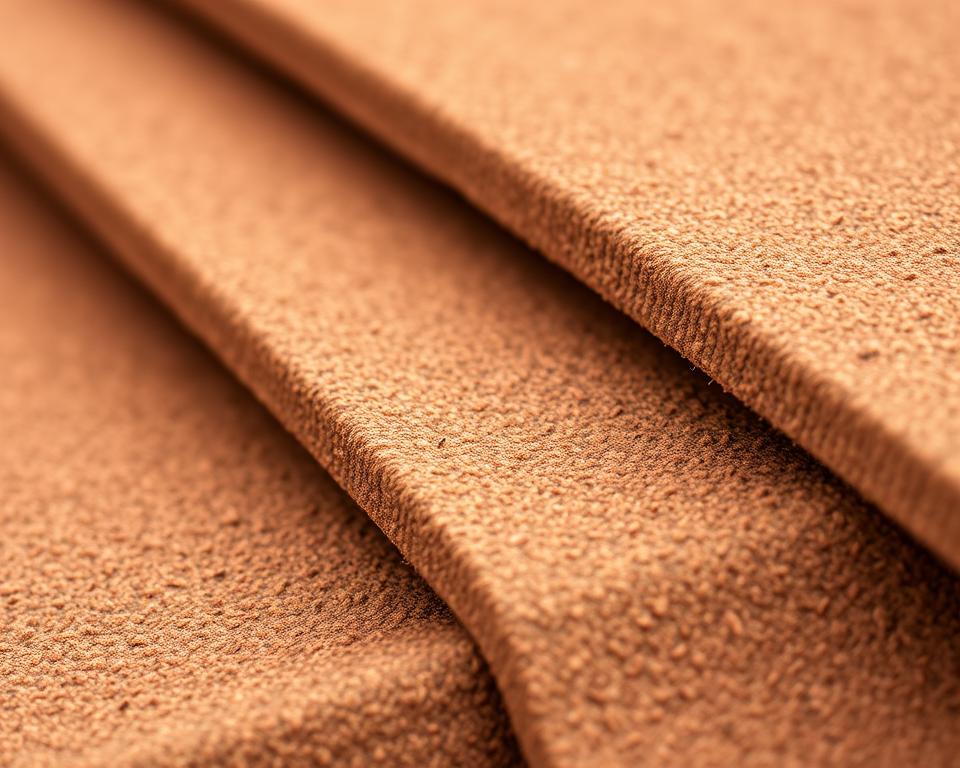
Types of roofing felt: torch-on, self-adhesive, mineral-surfaced
Mineral-surfaced felt is the traditional roll with a granule finish. It suits standard timber sheds and is simple to fit for DIYers. Expect basic protection at a modest price.
Self-adhesive roofing felt comes as peel-and-stick membranes. Fitting is quicker and safer in confined spaces because there is no naked flame. Low-odour options work well for internal lining or when working close to living areas.
Torch-on felt is a bituminous membrane applied with heat to melt and bond the material. It gives superior lifespan and weather resistance. Use it when you need high durability, but hire an experienced installer because of fire risk and safety rules.
Brands common in UK DIY stores include IKO, Marley and SIG Roofing. Product specifications vary widely. Always consult technical data sheets for tensile strength, reinforcement type and recommended uses.
Gauge, durability ratings and expected lifespan
Thickness and reinforcement govern performance. Manufacturers quote thickness in millimetres or weight per square metre. Reinforcements such as fibreglass or polyester boost tear resistance and dimensional stability.
Typical lifespans range from about 5–10 years for economy mineral-surfaced felt to 10–15 years for reinforced rolls. Torch-on and premium membranes can reach 20 years or more when correctly installed.
Look at UV and weather warranties as an indicator of expected service life. Choose materials with anti‑mould, anti‑root or UV-stabilised coatings if the roof faces harsh exposure or nearby vegetation.
Selecting breathable underlays for different roofing structures
A breathable underlay allows water vapour to escape while stopping liquid water entering the structure. It is vital in pitched, insulated roofs where condensation control matters.
For simple flat shed roofs over ventilated timber decking, a breathable underlay is less common. Use a vapour-permeable layer when the shed will be insulated or lined internally to reduce condensation risk.
In cold roofs with no insulation, prioritise ventilation over a breathable membrane. When using insulation, pick underlays specified as compatible with the insulation type and the chosen felt to avoid chemical incompatibility with adhesives and fixings.
- Match product technical data with roof design and exposure.
- Prefer ventilated assemblies for uninsulated sheds.
- Choose low‑odour self-adhesive options for enclosed workspaces.
- Reserve torch-on felt for experienced installers and high‑durability needs.
Tools and Materials Required for Felt Installation
Preparing before you start saves time and keeps work safe. Gather the right roofing felt tools and felt roof materials, plus suitable roofing adhesives UK options and correct roofing safety equipment. The list below covers essentials and helpful extras for a smooth job.

Essential hand tools
Measure twice with a tape measure and folding rule. Mark lines with a chalk line. Cut with a utility (Stanley) knife and keep spare blades to maintain clean edges. A hammer or roofing hatchet helps bed nails and trim battens. Use a spirit level for straight runs. A caulking gun makes applying sealants much neater.
Personal and site safety
Follow HSE guidance on working at height and manual handling. A strong ladder or platform and a ladder stabiliser give safer access. Wear work gloves, safety boots and safety glasses. Use non-slip footwear and hi‑vis clothing where required. For torch-on felt, add a welding mask, flame-resistant gloves and keep a fire extinguisher close by. Carry a first-aid kit for minor injuries.
Fasteners and adhesives
Choose galvanised clout nails or corrosion-resistant staples for mineral-surfaced felts. For self-adhesive membranes use butyl-based roofing adhesives and a compatible primer or tackifier on some substrates to improve bonding. For torch-on details use bitumen-based sealant. Seal around pipes and vents with polysulphide or neutral-cure silicone; always check compatibility with the felt. Near the coast select stainless steel fixings to resist corrosion.
Optional tools to speed the job
For larger projects consider a roofing nail gun and powered cutters. A heat gun helps shape self-adhesive membranes. Qualified users fitting torch-on felt may use a gas torch kit. Temporary edge protection systems and lightweight scaffolding platforms speed work and improve safety.
Hiring specialist kit
When tools are needed only occasionally, hire from HSS Hire or Jewson services. Renting a nail gun, powered cutter or edge protection system reduces upfront cost while keeping quality high. This approach keeps the list of roofing felt tools lean at home and brings professional capability to one-off jobs.
Preparing the Shed Roof Surface
Before you lay felt, spend time to prepare shed roof correctly. A solid, even shed roof substrate ensures the felt bonds well and lasts. Inspecting the surface first saves time and prevents early failure.
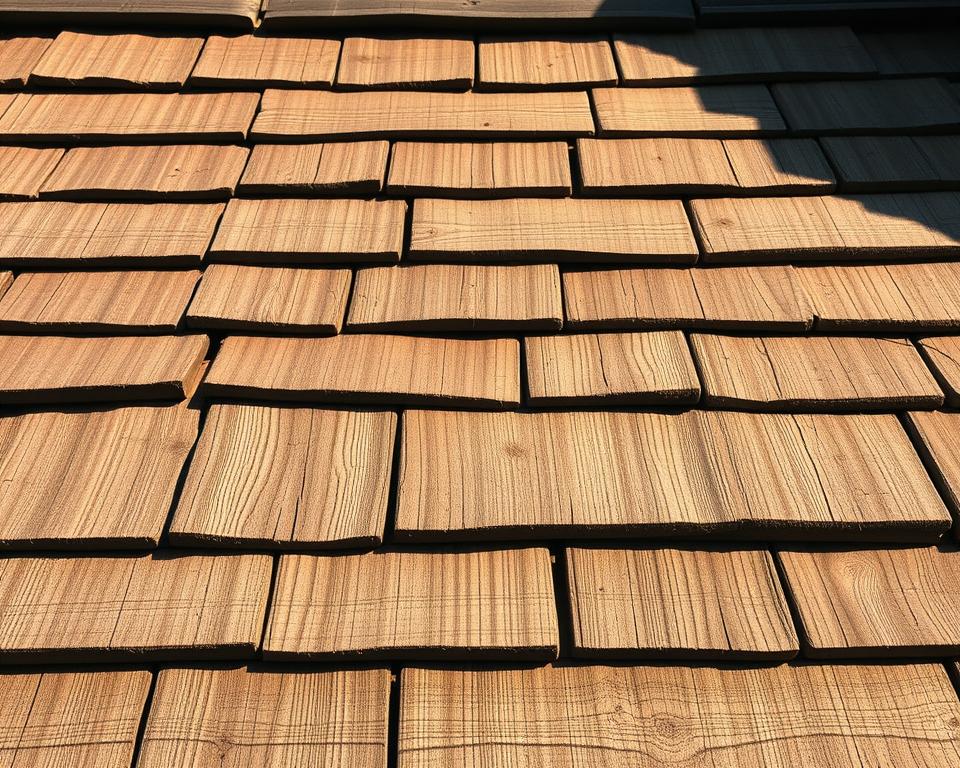
Inspecting and repairing timber decking
Check joists and decking boards for deflection, loose boards, missing fixings and rot. Use a screwdriver or awl to probe timber; soft spots show decay quickly. Walk the roof carefully to detect movement or bounce.
Replace any rotten boards with treated plywood or tongue-and-groove boarding of suitable thickness, commonly 9–18mm depending on span. Ensure correct board spacing and secure fixing with ring-shank nails or exterior screws.
Where joists are weak, reinforce them or add extra boarding. Stiffen the framework so the surface is rigid and flat before you prepare shed roof for felt.
Cleaning, sanding and ensuring a flat substrate
Remove debris, loose nails, screws and old bitumen lumps. Sand down high spots and plane rough edges to achieve a flat plane. Punch nails below the surface to prevent foil punctures.
Use filler or timber strips to level depressions. Allow repaired areas to dry fully; a low substrate moisture content is essential before applying adhesives or self-adhesive felt.
Dealing with rot, moss and existing coverings
For moss and algae, scrub with a stiff brush and treat with a proprietary moss killer, following product instructions. You can also remove moss mechanically to remove moss shed roof issues efficiently.
Strip old felt or corrugated sheets carefully. Removing degraded coverings may reveal further damage; remove all spoiled material and repair as described. Dispose of waste in line with local regulations.
Treat exposed timber with a preservative such as Cuprinol or Ronseal and let it dry thoroughly. Where longevity is a priority, fit preservative-treated or exterior-grade plywood when you repair roof decking.
Safe Working Practices and Health Considerations
Working on a shed roof needs careful planning and respect for safety guidance. Keep tasks short when using a ladder and choose a platform or scaffold for longer jobs. Check forecasts and prepare PPE for roofing before you start. The right approach lowers risk and helps the job run smoothly.

Working at height: ladders, platforms and edge protection
Follow HSE guidance: place ladders on stable ground, secure them by tying or footing, and use them for short tasks only. Apply the 4:1 rule for ladder angle — one unit out for every four units up. Avoid overreaching and keep three points of contact when accessing the roof.
For single-storey sheds, a step ladder or platform ladder with stabilisers often suffices. Larger or higher roofs need accredited scaffolding or towers. Hire from reputable suppliers such as HSS Hire when a work platform is necessary. Fit edge protection or guardrails on raised platforms to reduce fall risk.
Personal protective equipment and handling felt safely
Choose PPE for roofing that matches the task. Essential items include cut-resistant gloves for handling sheets, steel-toe safety boots, eye protection and dust masks when cutting fibre‑reinforced felts. Use hearing protection with power tools.
When using torch-on materials, wear flame-retardant clothing and face protection. Keep a fire extinguisher within easy reach and store gas cylinders safely. For heavy rolls and long sheets, use correct manual-handling techniques and work with a partner to reduce strain and improve control.
Weather considerations and planning for safe installation days
Plan work around roofing weather considerations. Install felt in dry, calm conditions to make handling safer and to secure good adhesion. Windy days make sheets difficult to control and increase the chance of accidents.
Check temperature limits for adhesives and self-adhesive membranes; many require above 5°C for reliable bonding. Avoid days with heavy rain in the forecast. Ensure the roof surface is dry before bonding and allow recommended drying and curing times to achieve a durable finish.
Step-by-Step Installation Techniques
Careful planning makes felt fitting straightforward. Follow the felt installation steps below to ensure accurate cuts, secure fixing and watertight finishes. Read manufacturer guidance for overlap and fixing centres before you begin.
Measuring and marking
Measure roof length and width accurately, adding typical side laps of 75–100mm and end laps of about 150mm. Allow extra for verge and eaves overhangs so you can trim flush after fixing.
Roll the felt out on flat ground and transfer measurements with a chalk line or straight edge. Cut roofing felt with a sharp utility knife or bench shear, keeping cuts slightly oversize to allow trimming on the roof.
For double-layer methods, stagger joints between layers so overlaps do not align. This reduces leak risk and improves waterproofing.
Fixing the first course
Start at the low eaves and unroll the first course. For mineral-surfaced felt, position the top edge and fix with galvanised clout nails along the upper edge, then roll toward the ridge. Nail at recommended centres, for example 150–200mm at edges and 300mm in the field, following product guidance.
When you need to fix roofing felt that is self-adhesive, peel back the release film gradually and press the roll into place. Use a weighted roller to ensure good contact. Mechanical fixings at the edges may still be recommended for wind uplift resistance.
Always sequence overlaps so water sheds from eaves to ridge. On pitched sheds, keep a capillary gap-free overlap direction to avoid trapping moisture.
Fixing subsequent courses
Lay each subsequent course with the correct side and end laps. Align edges, check for wrinkles and maintain the staggered joint pattern for multilayer installations. Trim any excess before final fixing to avoid snags.
Where manufacturer guidance differs, prioritise their fixings pattern and spacing. Secure verge and ridge areas first if wind is expected during the job.
Sealing laps and finishing details
Apply suitable roofing adhesive or bitumen sealant beneath end laps and press firmly to create a continuous seal. Dress verge felts into the bargeboard and seal with a roofing mastic to prevent wind-driven ingress.
For ridges, fit an additional capped strip or a ridge roll and run sealant along the join. Overhang eaves slightly and fit a drip edge or aluminium trim to direct water clear of the timber cladding.
Inspect all finished laps for fishmouths, wrinkles or gaps. Trim excess felt and apply sealant as required, observing manufacturer cure times to achieve a durable, watertight finish.
Detailing Around Roof Features and Penetrations
Good detailing keeps a felted shed roof watertight where it meets features and penetrations. Start with sound support beneath any pipe or vent, then fit the appropriate flashing and seal to prevent movement and water entry. Careful edge and ridge work finishes the job and protects the felt from wind and driving rain.
Flashing vents, pipes and skylights
For circular pipe penetrations use a rubber or lead pipe collar fixed to a supporting plate and sealed with a compatible sealant. Where chemical compatibility with bitumen is a concern, choose EPDM or silicone collars to avoid deterioration.
Skylights need a continuous watertight apron of felt dressed up against the upstand and sealed with a prefabricated flashing kit or manufacturer’s flashing. Ensure mechanical support beneath every penetration so collars and flashings are not bearing full load from the roof deck.
Roof edges, bargeboards and eaves
Tuck felt into a rebate on bargeboards or secure it with a timber fillet and an industry‑grade sealant to keep the roof verge detail neat and durable. Use aluminium or galvanised verge trims and drip edges to protect the exposed felt edge and present a tidy finish.
At eaves, allow the felt to overhang slightly to shed water into the gutter. Fix with clout nails and sealant where required. Paint or treat timber bargeboards and fascias before fitting the felt so moisture does not become trapped against fresh timber.
Ridges and junctions
Finish ridges with a ridge roll, folded strip or separate ridge flashing piece. Mechanically fix larger ridge elements and bed them in a bitumen‑compatible sealant to form a secure ridge felt join. Check metal choices and use separation layers where different metals meet the felt to prevent galvanic reaction.
Where the roof abuts a wall, dress felt into a chased mortar joint for a continuous apron or use stepped flashings for pitched runs. Use suitable lead or sheet metal detailing to direct water away from the junction and maintain a watertight contact.
| Feature | Recommended Detail | Material Notes |
|---|---|---|
| Pipes and Vents | Rubber/lead collar on support plate, sealed with compatible sealant | Use EPDM or silicone collars where bitumen contact may cause softening |
| Skylights / Rooflights | Continuous felt apron upstand, prefabricated flashing kit per manufacturer | Follow rooflight maker’s instructions; ensure apron is mechanically supported |
| Roof Verge | Felt tucked into rebate or fixed with timber fillet, protected by verge trim | Aluminium or galvanised trims recommended for long life and neat roof verge detail |
| Eaves | Overhang felt into gutter, secure with nails and sealant, add drip edge | Ensure proper fall to gutter to avoid ponding and undermining of felt |
| Ridge and Junctions | Cap ridge with roll or flashing, mechanical fixings plus sealant for larger ridges | Check compatibility of metals with felt; use separation layers to prevent corrosion and ensure a neat ridge felt join |
Common Problems and Troubleshooting During Installation
Small errors during felt installation often show as visible defects or wet patches later on. The following guidance helps spot causes, carry out simple remedies and decide when a tradesperson should take over.
Wrinkling, bubbling and poor adhesion causes
Poor substrate preparation is a frequent cause of wrinkles and felt adhesion issues. Dust, loose timber or trapped moisture prevents a good bond.
Applying adhesive at the wrong temperature and uneven rolling of self-adhesive membranes lead to bubbles. Insufficient nail fixing and wind uplift while the adhesive cures create loose edges that later lift or wrinkle.
Detect defects by visual inspection. Tap the felt to find hollow spots. Use a roller to test adhesion across suspect areas and mark bubbling for repair.
Corrective actions include lifting and re-laying affected sections, using a compatible adhesive to bond upturned edges and replacing badly bubbled panels. Improve the substrate and wait for suitable ambient conditions before reworking to avoid repeated felt adhesion issues.
Diagnosing leaks after installation and quick fixes
Locate leaks by checking the interior for damp patches and following water tracks to the exterior source. Reproduce leaks with a hose test on a dry day to pinpoint the breach.
Quick fixes for minor damage include applying a compatible roof mastic to punctures and patching with an overlapping felt piece sealed with adhesive. Re-seal laps and joins using butyl or bitumen sealant to stop immediate water ingress and buy time for a planned repair.
Persistent leaks may hide decking rot. Remove the affected felt to inspect the timber. Replace any rotten decking before re-felting to ensure repairs last.
When to call a professional roofer
Engage a roofer for torch-on membranes if you lack experience. Complex flashing to masonry or chimneys, extensive structural rot and continual leaks after DIY fixes require professional assessment.
Choose accredited local contractors such as members of the National Federation of Roofing Contractors or TrustMark-registered trades. Check references, insurance and guarantees before hiring.
Professionals can offer longer-term solutions like EPDM installations, specialist flashings and full structural surveys that guard against repeat roofing felt problems.
| Problem | Likely Cause | DIY Fix | When to Hire Roofer |
|---|---|---|---|
| Wrinkling / Bubbling | Poor substrate, trapped moisture, wrong adhesion temperature | Lift and re-lay; use adhesive; replace badly bubbled sections | If widespread or torch-on membrane involved |
| Poor adhesion | Dusty/uneven deck, insufficient nailing, wind uplift during cure | Clean deck; add mechanical fixings; re-roll with correct temp | If large areas refuse to bond or recurring detachment |
| Small leaks / punctures | Sharp debris, nail back-out, poor lap sealing | Apply roof mastic; patch with overlapping felt; seal laps | If leak recurs after patches or covers complex flashings |
| Persistent leaks | Underlying decking rot, failed flashings, poor installation | Remove felt; inspect and replace rotten decking; re-felt | When structural rot present or safety risks exist |
| Wind uplift | Insufficient fixings, poor adhesive cure, exposed edges | Add fixings; bond edges with compatible adhesive | If roof is high, steep or in exposed location |
Maintaining and Extending the Life of Felted Shed Roofs
Regular care keeps a felted shed roof weatherproof and extends its usable life. Simple checks and timely small repairs prevent minor faults turning into costly problems. Below are practical routines and repair steps to help you maintain felt roof performance year round.
Routine inspection checklist and seasonal maintenance
Inspect shed roof after storms and strong winds for lifted edges, punctures and blistering. Check gutters for blockages and remove leaves to prevent standing water. Look for moss accumulation and loose fixings that could let water under the felt.
In autumn clear debris and carry out a basic clean to reduce moss growth. In spring inspect downpipes and gutters for winter damage and treat any algae or moss present with a soft brush and approved remover. Top up sealant where beads have degraded to keep flashings watertight.
Document each inspection with date-stamped photos and short notes. Carry out minor works promptly to avoid escalation and to reduce the need to replace felt roof prematurely.
Repairing small tears and resealing laps
For small tears, clean the area and cut a compatible felt patch at least 150mm larger than the damage. Apply a suitable adhesive or bitumen, bed the patch firmly and dress the edges with roof mastic to seal. Allow adhesive to cure before exposure to heavy rain.
To fix loose laps, lift the affected course, apply adhesive to the underlap and press flat using a seam roller. For mineral-surfaced felts use a granule replacement paste for a neat finish. Check manufacturer’s cure times and avoid repairs during wet weather to ensure a good bond.
When replacement is preferable to repeated repairs
Consider replacing rather than repair when blistering is widespread, multiple patches have failed in a short period, or the timber deck shows signs of decay beneath the felt. If the membrane has reached or exceeded its expected life, a re-cover gives longer protection.
Multiple successive repairs can soon cost more and offer inferior longevity. When you replace felt roof, explore higher-grade options such as EPDM or modern torch-on membranes and consider improved insulation for long-term value.
| Task | When to do it | Typical action |
|---|---|---|
| Post-storm check | After high winds or heavy rain | Inspect for lifted edges, punctures, blistering; photograph and note faults |
| Autumn tidy | Late autumn | Clear leaves and debris, treat moss, clear gutters and outlets |
| Spring service | Early spring | Check gutters and downpipes, top up degraded sealant, inspect flashings |
| Minor tear repair | As soon as damage appears | Clean area, apply patch 150mm oversize with compatible adhesive and seal edges |
| Loose lap repair | When laps lift or gap appears | Lift lap, apply adhesive, press with roller; use granule paste on mineral felts |
| Full replace | Widespread failure or timber decay | Strip and re-cover using improved membrane or insulation for longevity |
Conclusion
This how to felt a shed roof summary highlights the key steps: choose felt suited to UK conditions, prepare and repair the timber substrate thoroughly, and follow correct installation methods. Attention to laps, verges and penetrations ensures a watertight finish and reduces future maintenance. Proper materials and careful workmanship make a tangible difference to longevity.
Regular inspection and timely small repairs are essential to get the most from a felt covering. A routine check each season will spot loose edges, minor tears and degraded sealant before they develop into larger structural problems. These felt shed tips UK help protect both the building and its contents.
Be honest about your skills and the scope of the job; complex slopes, high work or extensive decay are best handled by reputable tradespeople. Following manufacturer instructions and UK safety guidance will deliver a reliable felt roof. In short, sensible planning, safe practice and prompt maintenance form the basis of this felt roof conclusion.
FAQ
What is the purpose of this guide and who is it for?
This guide is a comprehensive, professional manual for UK homeowners, hobbyists and tradespeople on how to felt a shed roof safely and durably. It explains why felt is used, how to choose suitable materials for UK weather, the tools and safety measures required, preparation of the timber substrate, step‑by‑step installation, detailing around penetrations, troubleshooting common problems, and routine maintenance. The target outcome is a weatherproof, long‑lasting felted roof for timber outbuildings such as sheds, workshops and summerhouses.
What skill level is needed to felt a shed roof and how long does it take?
Most felt installations fall within basic DIY to intermediate skill levels. A small 6×4 ft shed typically takes 2–4 hours, a medium 8×6 ft shed 4–6 hours, and larger workshops 6–12 hours depending on complexity and whether underlay or double layers are used. Torch‑on felts require advanced skill and experience. Plan for two consecutive dry days and have a helper for larger sheets. Follow HSE guidance for working at height and manual handling.
Which type of roofing felt should I choose for UK climates?
Common options are mineral‑surfaced roll felt, self‑adhesive membranes and torch‑on bitumen. Mineral‑surfaced felt is a cost‑effective choice for standard sheds. Self‑adhesive membranes offer easier, lower‑risk installation and are suitable in cool conditions above manufacturer temperature limits. Torch‑on systems provide high durability but need specialist skill and strict safety controls. Brands widely available in the UK include IKO, Marley and SIG Roofing; always check product technical data sheets and warranties.
How long should different felts last? What affects lifespan?
Typical lifespans vary: economy mineral felts around 5–10 years, reinforced or mineral‑surfaced felts 10–15 years, and high‑quality torch‑on or specialist membranes up to 20+ years. Lifespan depends on material gauge, reinforcement (fibreglass or polyester), quality of installation, exposure to UV and proximity to the coast. Regular inspections, clearing debris and prompt repairs extend service life.
Do I need an underlay or breathable membrane on a shed roof?
For simple uninsulated flat shed roofs over ventilated decking, a breathable underlay is not usually required. Breathable membranes are more relevant in pitched, insulated or lined roofs where condensation control matters. If insulating or creating a cold roof, prioritise ventilation and select underlays compatible with chosen felt and adhesives. Check manufacturer compatibility to avoid chemical issues.
What tools and safety equipment are essential?
Essential tools include a tape measure, chalk line, utility knife with spare blades, hammer, spirit level, caulking gun and ladder with stabiliser. PPE includes gloves, safety boots, eye protection and a dust mask when cutting reinforced felts. For torch‑on work use flame‑resistant gloves, face protection and a fire extinguisher. Follow HSE guidance for working at height and consider hiring temporary edge protection or a platform for larger roofs.
How should I prepare the timber decking before laying felt?
Inspect joists and decking for deflection, loose fixings and rot. Replace rotten boards with exterior‑grade or treated plywood of suitable thickness and reinforce joists where needed. Clean the surface of debris, punch nails below the surface, sand high spots and ensure the substrate is flat and dry. Treat exposed timber with a preservative such as Cuprinol or Ronseal and allow it to dry before applying adhesive or self‑adhesive felt.
What are recommended fixing and sealant products?
Use galvanised clout nails or corrosion‑resistant staples for mineral felts, and butyl‑based adhesives for self‑adhesive membranes. Bitumen‑based sealants suit torch‑on details. For sealing around penetrations, choose polysulphide or neutral‑cure silicone compatible with bitumen products. Near coasts use stainless steel fixings. Some substrates benefit from a primer or tackifier to improve adhesion.
What are best practice lap and overlap allowances?
Typical guidance is 75–100mm side laps and 150mm end laps, but always follow the manufacturer’s instructions. Start at the low eaves and work towards the ridge so water sheds correctly over laps. For double‑layer installations, stagger joints between layers to improve waterproofing. Trim excess felt and ensure laps lie flat with no fishmouths or wrinkles before sealing.
How do I detail verges, eaves and ridges for a watertight finish?
Dress verge felts into a rebate on bargeboards or fix with a timber fillet and sealant. Fit an aluminium or galvanised verge trim and use a drip edge at the eaves to direct water into gutters. Cap ridges with a ridge roll or capped strip, using mechanical fixings where required plus compatible sealant. Paint or treat bargeboards and fascias before fitting to avoid trapping wet timber against the membrane.
How should I flash around vents, pipes and rooflights?
Use proprietary rubber or lead pipe collars fixed to a supporting plate and sealed with a compatible sealant for circular penetrations. For rooflights, install a continuous felt apron up against the upstand and use manufacturer flashings or a prefabricated kit. Where bitumen and metals meet, check chemical compatibility to avoid corrosion; EPDM or silicone collars can be used as separation where needed.
What causes wrinkling, bubbling or poor adhesion and how do I fix it?
Causes include poor substrate prep, trapped moisture, incorrect adhesive temperature, insufficient fixings, and wind uplift during curing. Detect problems by visual inspection and tapping for hollow spots. Minor bubbling can be lifted, adhesive applied and re‑rolled; replace badly bubbled sections. Ensure ambient temperature and substrate conditions meet manufacturer guidelines before rework.
How can I find a reputable roofer if the job is beyond my skills?
Engage accredited contractors such as members of the National Federation of Roofing Contractors or TrustMark‑registered trades. Obtain references, confirm public liability insurance, request written estimates and check guarantees. Use local suppliers and tool‑hire contacts such as HSS Hire or Jewson for equipment referrals and contractor recommendations.
What routine maintenance should I carry out after the roof is felted?
Inspect the roof after storms and seasonally for lifted edges, punctures, blistering, clogged gutters and moss. Clear debris, treat moss, check and top up sealants, and document inspections. Repair small tears with a compatible patch at least 150mm larger than the damage and reseal laps where necessary. Prompt minor repairs prevent larger timber decay beneath the felt.
When is replacement preferable to repeated repairs?
Replace the membrane if there is widespread blistering, frequent recurring leaks, multiple patches in a short period, structural timber decay beneath the felt, or when the felt has exceeded its expected service life. Multiple successive repairs can become costlier than a full re‑cover and may be a good opportunity to upgrade to a longer‑lasting membrane such as EPDM or a high‑grade torch‑on system installed by professionals.
Are there health, safety or regulatory considerations I should know?
Follow HSE guidance on working at height and manual handling. For torch‑on felts, follow strict flame safety protocols, ensure correct PPE and have a fire extinguisher to hand. Building regulations rarely apply to small garden sheds, but safe practice, adequate ventilation and compliance with product instructions and local waste disposal rules are essential. Use stainless or galvanised fixings in coastal areas to prevent corrosion.
How can I test for leaks after installation?
Perform a visual inspection from inside for wet patches and follow water tracks externally. A controlled hose test in dry weather can help reproduce leaks and locate the source. Small punctures can be temporarily sealed with compatible mastic; for persistent leaks remove the affected felt to inspect and repair or replace the decking as required.