How to Increase Greenhouse Food Growth
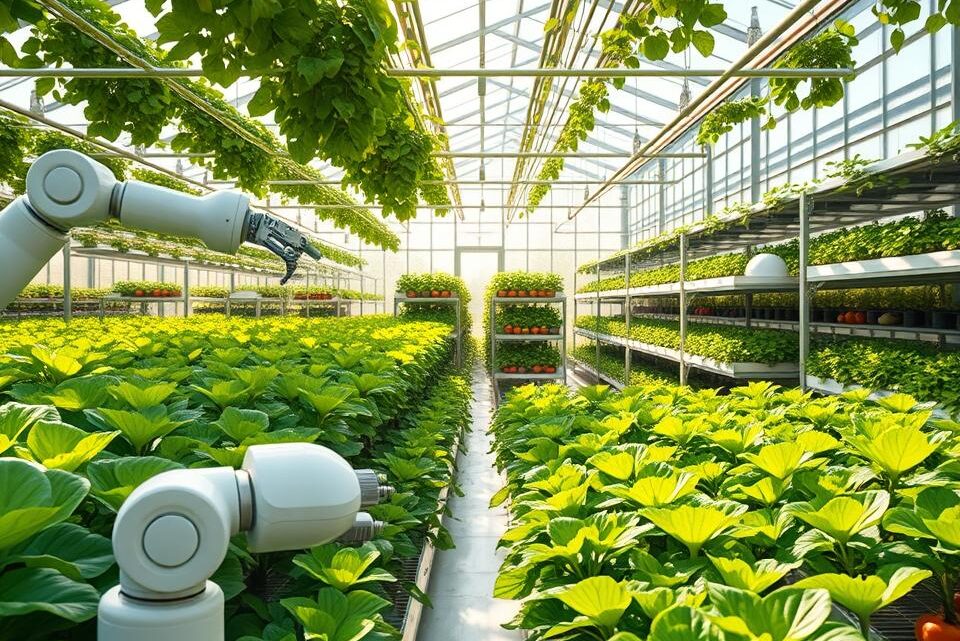
Successful cultivation within a protected greenhouse environment unlocks the potential for consistent food production all year round. This approach offers a vital shield against the UK’s often unpredictable weather, safeguarding crops from extreme conditions that can hinder outdoor gardening efforts.
Maximising yields in a greenhouse involves mastering several interconnected elements. Growers must pay close attention to environmental controls, soil health, and lighting systems. Effective management of these factors creates an ideal setting for plants to thrive, far surpassing what nature alone can provide.
This guide presents professional strategies drawn from both commercial and domestic horticulture. It offers practical, evidence-based techniques for managing temperature, humidity, and pest control. The aim is to empower growers to transform their greenhouse into a highly efficient, year-round food production system.
Inhaltsverzeichnis
Key Takeaways
- Greenhouse cultivation provides reliable protection from adverse weather conditions throughout the year.
- Optimising food production requires a holistic approach to environmental management.
- Strategic control of temperature and humidity is fundamental to maximising yields.
- Integrating modern technology with traditional gardening knowledge enhances results.
- Effective crop rotation and soil management practices are crucial for sustained production.
- The strategies discussed can be adapted to various greenhouse sizes and configurations.
- Consistent, high-quality harvests are achievable with careful planning and management.
Planning Your Greenhouse Layout for Optimal Food Production
The foundation for consistent yields begins with meticulous spatial organisation. Thoughtful arrangement of the protected environment maximises every square metre available. This careful planning directly impacts the efficiency of cultivation efforts throughout the year.
Selecting the Ideal Location and Orientation
A south-facing position captures maximum natural illumination, which is crucial during Britain’s shorter winter days. Strategic placement should consider sun exposure patterns and protection from prevailing winds. Proximity to water sources and electrical access simplifies daily operations.
Convenient access from the home encourages regular monitoring and maintenance. These location decisions establish the framework for successful year-round cultivation. They determine how effectively the structure harnesses available environmental resources.
Designing Efficient Indoor and Outdoor Spaces
Interior design must accommodate permanent growing beds, maintenance pathways, and shelving for propagation. Adequate headroom supports tall crops and vertical growing systems. Efficient use of the limited area ensures flexibility for crop rotation.
Raised beds approximately 14 inches high promote superior drainage and root development. Creating separate zones allows for different temperature requirements within the same structure. This enables simultaneous cultivation of diverse plant varieties.
Essential infrastructure like heating, ventilation, and irrigation requires dedicated space. Work areas for potting and harvesting activities complete the functional layout. Every element should serve a clear purpose in the overall production system.
Understanding and Controlling the Greenhouse Microclimate
Beyond spatial design, precise control over climatic conditions separates mediocre results from exceptional harvests. The internal environment requires active management to suit specific crops and counter external winter chill or summer heat.

Temperature Management and Insulation Strategies
Maintaining the correct temperature is fundamental. Thermostatically controlled heaters prevent freezing, safeguarding plants and infrastructure. Different crops have unique needs.
Cool-season varieties thrive between 15-20°C, while warm-season plants prefer 21-29°C. Effective insulation materials, like bubble wrap, are crucial for reducing heat loss during colder months, ensuring stable conditions.
Effective Ventilation Techniques
Proper ventilation is equally vital. It manages heat and humidity, preventing disease. A continuously running fan ensures air movement, discouraging mould.
Roof and side vents, especially with automatic openers, provide essential air exchange. This automated control offers consistent environmental management, crucial for year-round success.
How to Increase Greenhouse Food Growth
Mastering the rhythm of the seasons transforms a simple structure into a year-round production powerhouse. This approach ensures continuous harvests by aligning cultivation practices with natural cycles.
Managing Seasonal Variations and Crop Cycles
Successful growers understand that different seasons demand specific strategies. Winter cultivation focuses on frost-resistant varieties that thrive in cooler conditions.
Kale, leeks, and parsley continue developing during colder months. These robust plants withstand chilly temperatures when properly managed.

Autumn serves as a transitional period for clearing summer residues. This prepares the space for winter plantings before temperatures drop significantly.
Spring represents a critical window for starting heat-loving varieties. Tomatoes and peppers benefit from early protection before outdoor conditions improve.
Adjusting Conditions for Maximum Crop Yield
Fine-tuning environmental factors significantly impacts plant development. Temperature and ventilation require careful monitoring as seasons change.
Summer management emphasises adequate air movement to prevent overheating. Consistent moisture levels support rapid growth during warmer periods.
Strategic timing of planting and harvesting ensures overlapping production cycles. This approach maximises space utilisation throughout the year.
Enhancing Soil Fertility and Nutrient Management
The vitality of a protected structure’s soil is its most critical asset. Unlike outdoor gardens, this confined space offers no natural fallow period for recovery. Constant cultivation throughout the year demands a proactive strategy for maintaining nutrients and structure.

Over time, the soil can become deficient in essential elements. A lack of nitrogen results in smaller plants with yellowing lower leaves. Boron deficiency, meanwhile, causes specific issues like cracking in carrots.
Regular incorporation of organic matter is fundamental to long-term health. Well-rotted compost or manure improves soil structure and provides a slow release of vital nutrients. This supports sustained plant growth without the risks of chemical fertilisers.
Incorporating Organic Matter and Compost
A thriving underground ecosystem is key to nutrient availability. Microorganisms break down organic matter, making minerals accessible to plant roots. These microbes require a constant food source, which living plants supply through their roots.
A topdressing of compost or worm castings introduces beneficial organisms directly into the greenhouse beds. This practice feeds the soil food web, enhancing fertility. It also helps maintain optimal pH levels for nutrient uptake.
Regular soil testing is highly recommended. It identifies specific deficiencies, allowing for targeted amendments. This precision prevents imbalances and ensures plants receive exactly what they need for robust growth.
Implementing Water and Air Management Systems
The interplay between moisture management and airflow determines crop health and productivity. These two elements work in tandem to create the ideal environment for plant development throughout the year.

Optimising Irrigation and Airflow Control
Effective water delivery systems ensure consistent soil moisture without waterlogging. Drip irrigation or soaker hoses provide targeted hydration directly to plant roots.
Different crops have varying water needs during their growth cycles. Leafy greens require steady moisture, while fruiting plants benefit from controlled stress during ripening periods.
During colder months, maintaining temperatures above freezing protects irrigation infrastructure. This prevents water line freezing and ensures continuous supply for winter crops.
Air circulation plays an equally vital role in the protected environment. Continuous fan operation prevents stagnant conditions where fungal diseases thrive.
Strategic placement of airflow systems distributes heat evenly and strengthens plant stems. Proper ventilation reduces humidity levels that encourage powdery mildew and botrytis.
Integrating both systems creates conditions where plants receive adequate moisture without disease pressure. This balanced approach supports robust growth and higher yields.
Boosting Growth with CO2 Supplementation and Lighting
Carbon dioxide management represents a powerful tool for enhancing photosynthetic efficiency. In enclosed structures, atmospheric conditions require careful monitoring and adjustment. This approach unlocks significant potential for improving crop performance.

CO2 Enrichment Methods and Safety Considerations
Natural CO2 levels often fall below optimal ranges during daylight hours. Plants consume available carbon dioxide, potentially reducing concentrations to 150-200 ppm. This limitation restricts photosynthetic activity.
Supplemental CO2 proves most effective when applied strategically. The ideal time frame begins one to two hours after sunrise. Enrichment should cease two to three hours before sunset.
| CO2 Concentration | Effect on C3 Plants | Effect on C4 Plants | Safety Notes |
|---|---|---|---|
| 150-200 ppm (natural drop) | Limited growth | Reduced yield | Normal range |
| 400 ppm (atmospheric) | Baseline performance | Standard growth | Safe level |
| 700-1000 ppm | 40-100% yield increase | 10-25% yield increase | Optimal range |
| Above 2000 ppm | Potential harm | Negative effects | Dangerous level |
Safety remains paramount when implementing CO2 enrichment. Concentrations exceeding 2000 ppm can harm both plants and people. Regular monitoring ensures control over environmental conditions.
Utilising Grow Lights to Extend the Growing Season
Supplemental light addresses the challenge of shorter winter days. Artificial illumination compensates for reduced natural sunlight. This technology enables continuous cultivation throughout colder months.
The combination of CO2 enrichment and artificial light creates synergistic effects. Elevated CO2 levels increase the light saturation point. Plants can then utilise higher light intensities more effectively.
Strategic timing extends the productive time for various crops. Starting seeds indoors during late summer provides a head start. Transplanting to the protected environment later maximises space utilisation.
Employing Crop Rotation and Cover Crops for Sustainability
The systematic alternation of crops prevents resource depletion and pest accumulation. This approach maintains ecological balance within the protected environment.

Benefits of Crop Rotation in Greenhouses
Crop rotation disrupts pest and disease cycles that target specific plant families. Different crops have unique nutrient requirements, preventing soil exhaustion.
A four-year rotation plan proves effective. It cycles through legumes, brassicas, root vegetables, and fruiting crops. This systematic approach maintains soil fertility naturally.
Dividing the limited space into sections facilitates rotation. Each area hosts different plant families annually. This prevents disease build-up and nutrient depletion.
Selecting Suitable Cover Crops for Different Seasons
Cover crops maintain soil health during transition periods. They keep living roots in the ground, feeding microorganisms.
Field peas stand out as excellent winter cover crops. They fix atmospheric nitrogen through symbiotic bacteria. Their root systems add organic matter when incorporated.
Allocating 25% of bed space to cover crops over winter maintains biological activity. Different types suit various seasons: buckwheat for summer, fall rye for colder months.
Legumes like peas manufacture their own nitrogen. This reduces the need for external fertilisers. The practice creates sustainable systems that maintain productivity year after year.
Seasonal Strategies for Year-Round Harvests
The key to uninterrupted cultivation lies in understanding each season’s unique demands and opportunities. This approach ensures the protected environment delivers consistent yields regardless of external weather conditions.

Planting Schedules for Spring, Summer, Autumn, and Winter
Spring schedules focus on heat-loving vegetables like tomatoes and cucumbers. These get a vital head start before outdoor planting becomes feasible.
Summer management requires regular harvesting and succession planting. Crops like climbing beans and basil thrive during longer, warmer days.
Autumn represents a critical transition period. Summer crops are removed to make space for hardy winter varieties.
Winter crops including kale and parsley continue growing during shorter, cooler days. These resilient plants provide fresh harvests through the coldest months.
Adapting Practices to Weather and Temperature Shifts
Successful growers remain flexible with their schedules. Unseasonably warm or cold periods may require adjustment to planting times.
Winter focuses on root vegetables and hardy herbs that tolerate lower temperatures. These crops maintain slow but steady growth.
Early spring seed starting in February ensures transplants are ready. This strategic timing maximises the productive potential of each season.
Leafy greens like lettuce and arugula offer fresh salads throughout winter. Their cold tolerance makes them ideal for year-round production.
Managing Pests and Diseases with Organic Methods
A thriving protected environment, while ideal for cultivation, unfortunately presents equally favourable conditions for various pests and diseases. The warm, humid atmosphere that plants love is also attractive to many unwanted visitors. This makes vigilant monitoring and proactive management essential for maintaining healthy crops.

Establishing a routine of thorough inspection at least once a week is the cornerstone of effective control. Growers should carefully examine the undersides of leaves, growing tips, and soil surfaces. Early detection prevents pest populations from reaching damaging levels.
Natural Pest Control Techniques and Beneficial Insects
Organic methods offer safe, effective alternatives to synthetic pesticides. For common issues like aphids, which cause curled leaves, introducing ladybirds provides natural control. Yellow sticky traps and parasitic wasps are excellent for managing whitefly.
Different types of pests require specific strategies. Increasing humidity helps deter spider mites, while beer traps work well for slugs. Introducing beneficial insects like Stratiolaelaps scimitus through compost topdressing controls soil-dwelling pests, even during the winter.
Prevention is always simpler than cure. Good air circulation is crucial for stopping fungal diseases. Avoiding overcrowding of plants and removing dead material reduces pest habitat. These practices ensure a balanced ecosystem inside the greenhouse.
Conclusion
During extreme weather, the value of a protected greenhouse becomes profoundly clear. It stands as an anchor point for reliable food production, offering a buffer when outdoor conditions become challenging. This resilience transforms the entire gardening experience.
Mastering cultivation inside a greenhouse empowers growers to achieve consistent results all year round. It integrates environmental control, soil health, and strategic planning. This knowledge turns a simple structure into a highly productive garden asset.
The journey begins with manageable goals. New growers might start with a few favourite crops like tomatoes or leafy vegetables. Confidence builds as they observe plant growth and adapt techniques.
Ultimately, greenhouses provide more than just fresh produce on shorter days. They offer food security, a connection to nature, and the deep satisfaction of harvesting homegrown bounty regardless of the season.
FAQ
What is the best way to manage temperature inside a greenhouse during winter?
Effective winter temperature management involves proper insulation, such as bubble wrap on glazing, and using a reliable heating system. Thermal screens can retain heat at night. Maintaining stable temperatures protects winter crops like kale from frost damage.
How can ventilation improve greenhouse food production?
Proper ventilation regulates temperature and humidity levels, reducing the risk of plant diseases. It ensures a steady supply of fresh air, which is vital for processes like pollination and transpiration. Automated vent openers can help maintain optimal conditions.
Why is soil quality important for greenhouse vegetables like tomatoes?
High-quality soil rich in organic matter and nutrients supports strong root development and plant health. Incorporating compost improves soil structure and fertility, leading to better water retention and nutrient availability. This foundation is crucial for productive crops such as tomatoes and cucumbers.
Can crops be grown in a greenhouse all year?
A>Yes, with careful planning. By selecting appropriate crops for each season and controlling the microclimate, gardeners can achieve year-round harvests. Hardy greens thrive in cooler months, while heat-loving plants like tomatoes and herbs flourish in summer.
What are the benefits of using grow lights?
Grow lights supplement natural light, extending the growing season by providing essential light during shorter days. They are particularly useful for starting seeds in early spring and supporting plant growth during cloudy weather, thereby boosting overall production.
How does one control pests organically in a greenhouse?
Organic pest control includes introducing beneficial insects, such as ladybirds for aphids, and using insecticidal soaps. Good hygiene practices, like removing diseased leaves and ensuring proper air circulation, also help prevent pest infestations without chemicals.