
How to Insulate a Summer House: Tips and Techniques

A garden structure offers a wonderful retreat. Many people find their summer house becomes too hot in the sun and too cold in the winter. This makes it difficult to use for much of the year.
Applying insulation is a practical solution. It transforms this space into a comfortable, year-round room. The benefits are significant. It regulates temperature, keeping the interior pleasant in all seasons.
This process is not a legal requirement. It is, however, a smart investment. Proper insulation leads to better energy efficiency. This can lower heating and cooling costs.
It also helps to control moisture. This prevents problems like mould, protecting the shed or house structure. The following guide provides essential advice.
It outlines various methods to insulate a summer building. Homeowners can choose an approach that fits their budget and skill level. The goal is to create a versatile garden room for work or leisure.
Inhaltsverzeichnis
Key Takeaways
- Adding insulation makes a summer house usable throughout the year.
- It solves issues of extreme heat and cold, enhancing comfort.
- The upgrade improves energy efficiency, potentially reducing bills.
- It helps prevent moisture buildup and related damage like mould.
- Various insulation methods exist to suit different needs and budgets.
- The project is an investment that adds value and versatility.
Preparing Your Summer House for Insulation
The initial phase of transforming a seasonal retreat into a year-round space requires meticulous planning. Proper groundwork ensures the insulation performs effectively for years to come. Homeowners should approach this stage with careful attention to detail.
Assessing Structural Integrity and Gaps
Before any work can begin, a thorough inspection of the entire structure is essential. They need to examine all areas for potential problems. This includes checking walls, roof, floor, and around windows and doors.
Identifying and sealing gaps is crucial for preventing air leaks and moisture penetration. Even small openings can compromise the insulation’s performance. Using weatherproof sealant creates a tight barrier against the elements.
Gathering Materials and Safety Equipment
Having the right tools and materials ready before you get started streamlines the entire process. Essential items include a tape measure, utility knife, staple gun, and appropriate insulation materials. Proper preparation prevents unnecessary delays.
Safety should never be overlooked when working with insulation products. Protective gear like goggles, dust masks, and gloves is mandatory. Materials like fibreglass can irritate skin and respiratory systems, making proper equipment vital.
Creating adequate working space by clearing the shed completely allows for safe movement and access to all areas. This preparatory step makes the installation process much smoother and more efficient.
How to Insulate a Summer House
Selecting the right method is a crucial step in the upgrade process. Homeowners must weigh the pros and cons of each approach to find the best solution for their specific building.

Internal vs External Insulation
External insulation involves fixing material to the outside walls. This method preserves the full interior space, which is a significant advantage. However, it requires a protective outer layer, like timber cladding, which adds to the material cost.
Internal application is often considered an easier solution. It is generally more budget-friendly and is particularly effective for roof spaces. This approach does reduce the available room dimensions slightly.
Choosing the Right Insulation Materials
The choice of material greatly impacts performance. High-quality rigid boards, such as Rockwool or Knauf slabs, offer excellent thermal performance. They are durable and effective for this project.
For those on a tighter budget, rolls of polyurethane or reflective foil are viable alternatives. These products are lightweight and simpler to handle. The best way to insulate effectively is to ensure coverage on walls, roof, and floor.
A comprehensive approach ensures maximum energy efficiency and comfort throughout the year. This investment transforms a basic shed into a versatile, year-round garden room.
Techniques for External Insulation
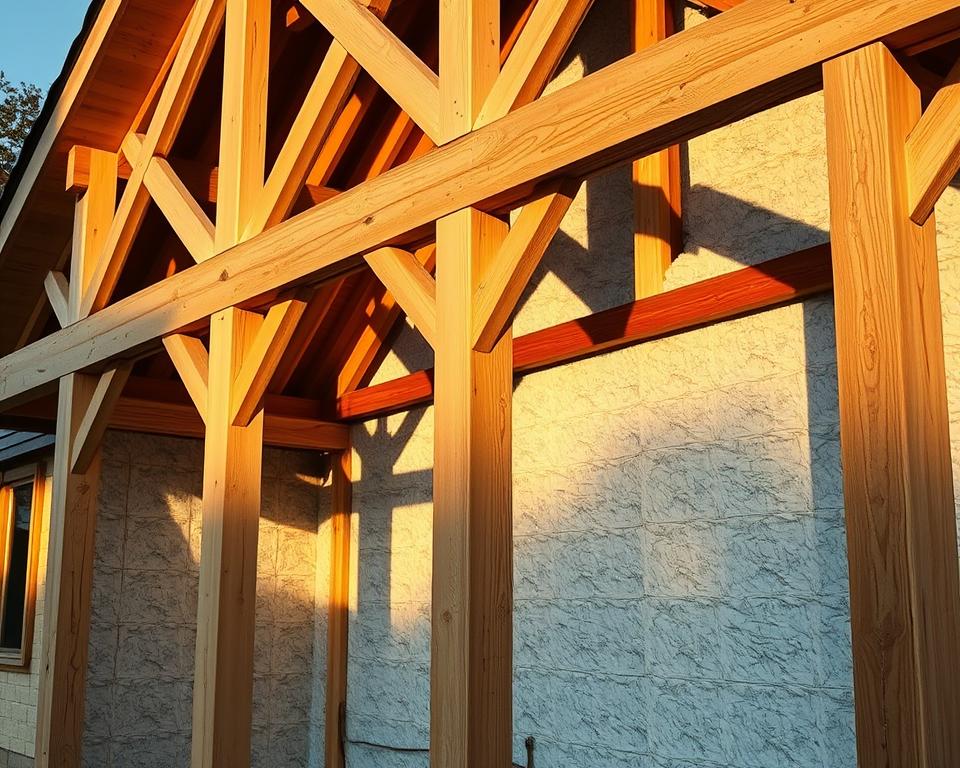
For those prioritising interior space, external application offers a compelling solution. This method involves creating a new, insulated shell around the existing structure. It preserves every inch of room inside the garden building.
The trade-off is a higher material cost and increased installation complexity. The insulation requires a durable, weather-resistant covering. Timber cladding or weatherboard are common choices for this protective layer.
Utilising Weatherproof Linings and Timber Frames
The process begins by fixing timber battens to the external walls and roof. This creates a sturdy frame. The chosen insulation product is then cut to size and fitted securely between these battens.
It is crucial to attach the insulation firmly to prevent sagging or gaps. A high-performance multifoil product is often ideal for this application. It provides excellent thermal resistance in a relatively thin layer.
Enhancing Thermal Performance on Walls and Roofs
Sealing is the next critical step. Using specialist foil tape, one must seal all joints, edges, and openings. This prevents thermal bridging and stops moisture infiltration.
To maximise efficiency, a second set of battens is installed over the insulation layer. This creates a vital secondary air gap. This gap improves thermal performance and allows for ventilation behind the final cladding.
This layered approach on both the wall and roof ensures the shed remains comfortable. It effectively manages temperature and protects the building from the elements throughout the year.
Internal Insulation Methods for Summer Houses
Many property owners find internal insulation to be the most accessible starting point. This approach preserves the external appearance while improving thermal performance inside the structure. It is particularly effective for roof spaces in garden buildings.
Effective Roof and Wall Insulation Strategies
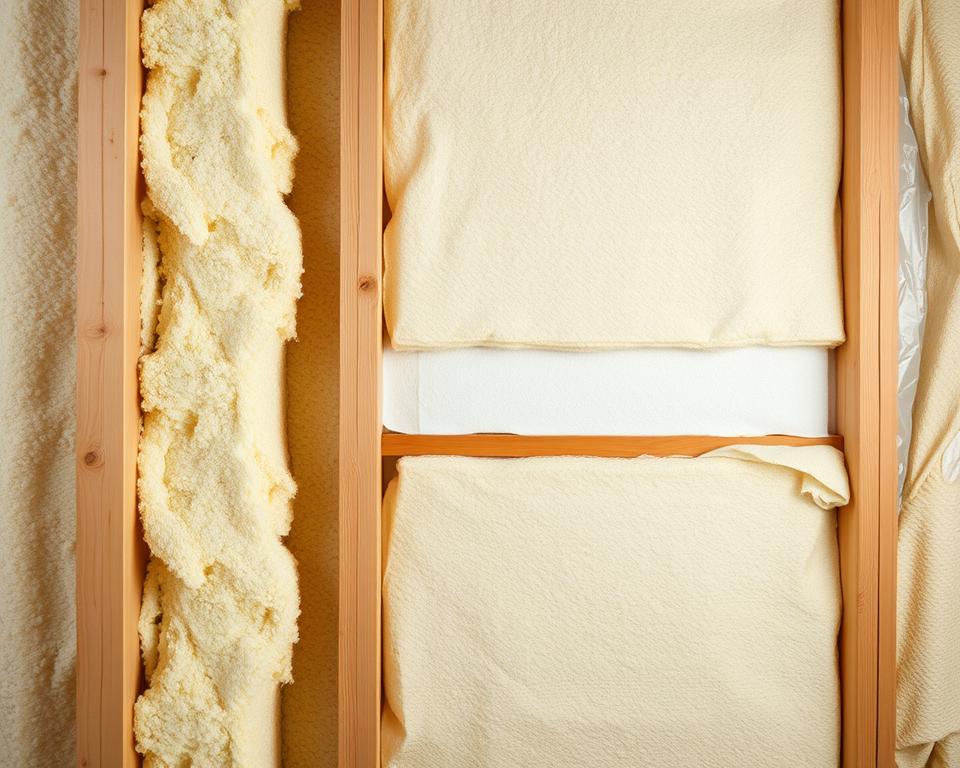
For walls, homeowners should first measure the space between studs accurately. They then fit a damp-proof membrane to control moisture. Cutting the insulation to the correct size ensures a snug fit between the structural members.
The roof requires similar precision when measuring spaces. When cutting insulation for the ceiling, allow a 2-inch gap around edges. This permits moisture to escape while maintaining thermal efficiency.
Floor insulation involves laying boards directly over the existing surface. Plywood topping stabilises the floor and protects the insulation material. Sealing any gaps completes the installation.
Cost-Effective Solutions for Internal Insulation
Budget-conscious options include using roll insulation for walls. For wooden sheds, a staple gun secures the material efficiently. Metal or plastic structures benefit from adhesive application.
Accurate measurement is fundamental to cost-effective projects. Using a tape measure to assess each space minimises material waste. This approach ensures complete coverage without excess expenditure.
| Area | Method | Key Consideration |
|---|---|---|
| Walls | Stud cavity filling | Precise insulation size measurement |
| Roof | Between rafters | Ventilation gap maintenance |
| Floor | Board overlay | Plywood protection layer |
DIY Tips and Safety Advice for Insulating Your Summer House
Homeowners embarking on their own insulation work should prioritise safety equipment and methodical preparation. Proper planning ensures successful results while minimising risks associated with common insulation materials.
Essential Equipment and Preparation Steps
Safety gear is non-negotiable when handling materials like Rockwool or fibreglass. These products can irritate skin, eyes, and respiratory systems. Essential protective equipment includes goggles, dust masks, and sturdy gloves.
Before beginning, gather all necessary tools. A tape measure ensures accurate material sizing. A utility knife allows precise cutting. A staple gun provides secure attachment to timber frames.

Step-by-Step Application Process
The installation process follows logical steps for optimal results. First, measure the space between studs to determine the correct size for your insulation material. Cut panels slightly larger than the gap for a snug fit.
Use a staple gun to attach the insulation directly to the internal timber frame. Overlap sheet edges and seal all joints with specialist tape. This creates a continuous thermal barrier.
| Application Area | Key Step | Tool Required |
|---|---|---|
| Wall Insulation | Measure stud spacing | Tape measure |
| Material Cutting | Add 5mm oversize | Utility knife |
| Secure Fixing | Staple to frame | Staple gun |
| Sealing Joints | Overlap and tape | Foil tape |
Maximising Energy Efficiency and Year-Round Comfort
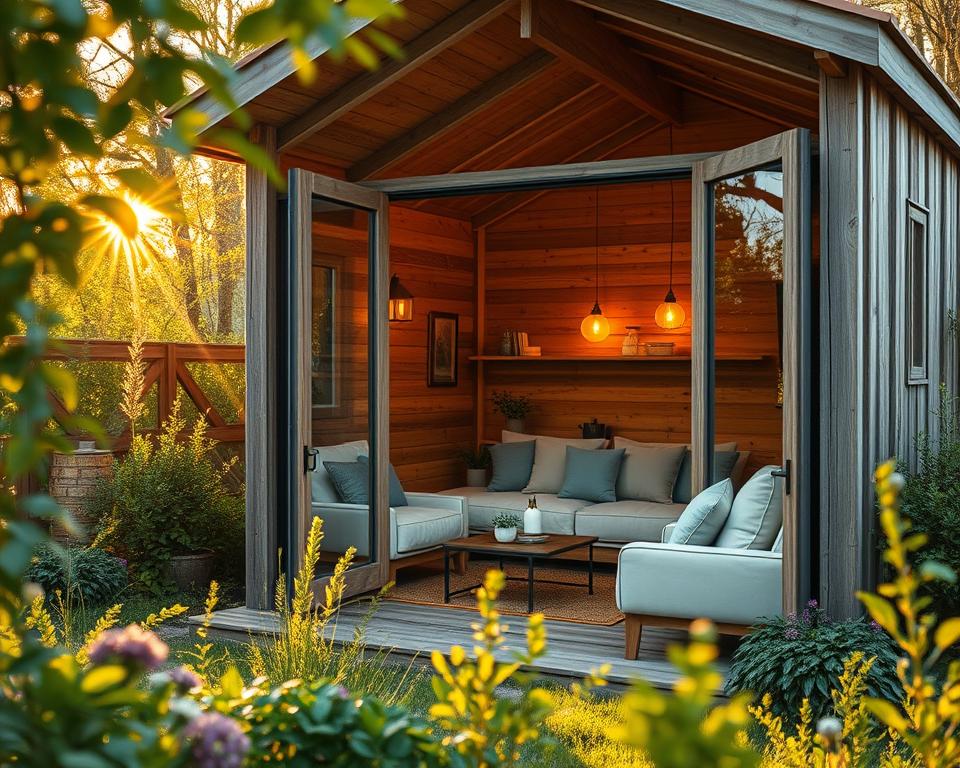
A well-insulated garden building delivers profound advantages that extend far beyond basic warmth. It fundamentally enhances how the space functions throughout the changing seasons. The benefits are felt in every month, creating a truly versatile place.
Preventing Moisture and Mould Issues
Effective insulation plays a critical role in moisture management. Without it, significant temperature differences between inside and outside cause condensation. This dampness promotes mould growth and can damage the shed structure.
A key strategy is maintaining an air gap, especially around the ceiling. Allowing a 2-inch gap provides essential ventilation for moisture to escape. This simple solution is vital for long-term health and structural integrity.
Material choice matters. Foil-lined products require more airflow, while glass fibre wool needs less. Proper installation ensures the house remains dry, protecting contents from damp and rust.
Benefits of Insulation in All Seasons
During summer, the insulation reflects excessive heat, keeping the interior pleasantly cool. In winter, it works in reverse, retaining valuable warmth inside. This year-round temperature regulation boosts comfort significantly.
The benefits include lower energy consumption and utility bills. Stored items like tools and paint are shielded from extreme weather conditions. This protection transforms the building into a practical, year-round asset for hobbies, work, or storage.
Ultimately, a properly insulated space offers superior air quality and comfort. It becomes a valuable extension of the home, usable and enjoyable in every season.
Conclusion
Successfully insulating a garden building unlocks its potential as a comfortable, year-round retreat. This project transforms a basic shed into a versatile space for an office, gym, or hobby room.
Homeowners can choose the best solution for their budget and skills. Following the guidance provided ensures a safe and effective installation.
The benefits are substantial. Proper insulation regulates temperature, saves energy, and prevents moisture issues.
It turns the summer house into a valuable extension of the main house. This creates a usable garden room for all seasons.
FAQ
What is the best way to insulate a summer house?
The best way depends on the structure and intended use. Internal insulation is common and preserves the exterior look. External insulation can offer superior thermal performance but alters the building’s appearance. The choice involves balancing factors like material, cost, and the required level of year-round comfort.
Can a garden shed be insulated effectively for winter use?
Yes, a garden shed can be transformed into a comfortable space for winter. The key is to properly insulate the walls, roof, and floor. It is crucial to seal any gaps to prevent drafts and manage moisture to avoid mould, making the shed a viable room in colder weather.
What are the benefits of insulating a summer house?
Insulation provides significant benefits. It regulates the internal temperature, keeping the space cooler in summer and warmer in winter. This enhances comfort and usability throughout the year. It also helps to prevent condensation, which protects the structure from moisture damage and mould growth.
What materials are recommended for insulating a summer house roof?
Rigid insulation boards or foil-backed foam are excellent choices for a roof. They offer high thermal resistance and are easy to cut to size. For a pitched roof, mineral wool slabs can be fitted between the rafters. Using foil tape to seal joints is essential for maximum efficiency.
How can moisture problems be prevented after insulation?
Preventing moisture involves creating a vapour barrier. This is typically a plastic sheet installed on the warm side of the insulation (usually facing the interior). Proper ventilation is also critical to allow any trapped moisture to escape, thereby safeguarding the building from damp and mould.
Is insulating a summer house a suitable DIY project?
For those with basic DIY skills, insulating a summer house is a manageable project. It requires careful planning, accurate measurement of spaces, and the right safety equipment. Following a clear guide and taking time to seal all gaps properly will lead to a successful, cost-effective solution.

