How to Keep a Summer House Cool: Expert Advice
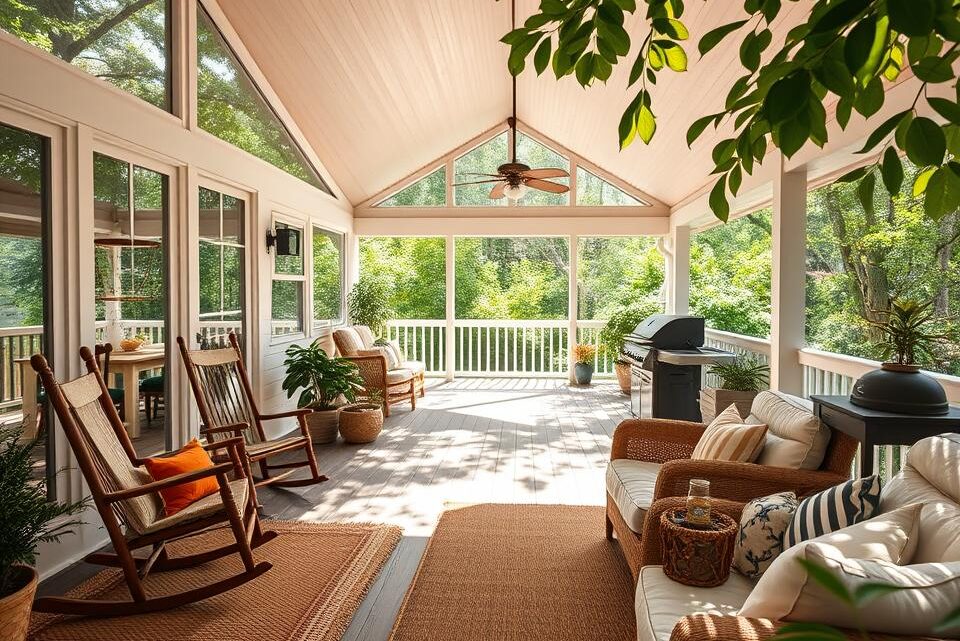
A garden building should be a peaceful retreat. Yet during warm weather, it can quickly become an uncomfortably hot space. The bright sun turns a lovely garden room into a place that’s difficult to enjoy.
Direct sunlight streaming through windows is the main problem. Single-glazed panels allow heat to build up rapidly inside. By the afternoon, the temperature can make the space feel uninhabitable.
This guide offers professional solutions. It addresses the core challenges of heat management. Readers will discover a multi-faceted approach to creating a cool sanctuary.
Strategies range from simple ventilation tricks to more permanent improvements. Each method helps maintain a pleasant environment. With careful planning, your garden building remains a comfortable escape all season.
Inhaltsverzeichnis
Key Takeaways
- Large windows and single glazing are primary causes of overheating.
- Direct sunlight significantly increases interior temperatures.
- Heat accumulation makes afternoons particularly uncomfortable.
- A combination of strategies is needed for effective cooling.
- Solutions are available for various budgets and effort levels.
- Proper ventilation and shading offer immediate relief.
- Strategic design choices ensure long-term comfort.
Understanding Summer House Overheating
Thermal discomfort in garden rooms originates from specific design characteristics that amplify solar gain. Single-glazed windows present a significant challenge for temperature regulation. These panes offer minimal resistance to heat transfer, allowing warmth to penetrate freely.
Impact of Direct Sunlight and Single-Glazed Windows
Direct sunlight striking single-pane windows creates a greenhouse effect. Solar radiation passes through the glass, warming interior surfaces. This trapped heat cannot escape easily, causing temperatures to rise steadily.
The orientation of windows dramatically influences internal conditions. South and west-facing glazing receive the most intense sunlight exposure. Structures positioned this way experience significantly higher temperature increases.
Heat Accumulation and Material Considerations
Materials behave differently under hot weather conditions. Timber walls absorb heat but release it slowly, unlike single-glazed windows that transfer energy rapidly. This differential absorption affects overall comfort.
As the day progresses, heat accumulates progressively. Peak uncomfortable conditions often occur by late afternoon. Understanding these patterns helps target cooling strategies effectively.
Proper ventilation moves stagnant air, while strategic shading reduces direct sunlight penetration. These approaches work with material properties to manage internal temperature and improve air quality.
How to Keep a Summer House Cool
Effective temperature control in outdoor structures involves both natural and mechanical methods. These approaches help maintain pleasant conditions even during warm periods.

Effective Ventilation Techniques
Natural ventilation provides immediate relief without equipment costs. Opening windows and doors early in the morning allows cooler air to circulate before temperatures rise. This simple technique prevents heat accumulation throughout the day.
Cross-ventilation significantly improves airflow efficiency. Positioning at least two opening windows on opposite walls creates air currents. These currents push hot air out while drawing fresh air inside.
| Ventilation Method | Best Time to Use | Equipment Needed | Effectiveness |
|---|---|---|---|
| Cross-ventilation | Early morning | Two opening windows | High |
| Single window | All day | One opening window | Medium |
| Door ventilation | Evening | Open door | Low |
Role of Portable Air Conditioners and Fans
Fans offer affordable cooling solutions for warmer days. Positioning a fan near the back of the structure directs airflow toward open doors. This creates circulation that pushes hot air outside effectively.
Portable air conditioner units provide more powerful cooling. These devices work best in enclosed spaces with doors closed. They require electrical connection, which can be temporary if needed.
Both options need power supply consideration. Extension cables serve as short-term solutions for structures without permanent electrical installation.
Smart Insulation and Glazing Options
Beyond temporary fixes, strategic improvements to insulation and glazing create a consistently pleasant environment. These upgrades address the building’s fundamental thermal properties.

Proper insulation works bidirectionally. It retains warmth in winter and critically prevents external heat from penetrating the interior space during summer.
Benefits of Double Glazing
Double glazing offers superior thermal performance compared to single-pane windows. The sealed air gap between the panes significantly reduces heat transfer.
This helps maintain a stable internal temperature. Proper double glazing typically requires thicker walls for installation.
For structures with standard 11mm walls, a temporary solution involves attaching styrene panels inside window frames. This is less effective than a proper sealed unit.
Innovative Insulation Materials and Methods
Comprehensive coverage is essential. Insulating the walls, roof, and floor creates a complete thermal barrier.
Materials like EcoFoil or expanded polystyrene are proven effective. Roof insulation is particularly critical as heat rises.
Sealing gaps around doors and windows with weatherstripping enhances effectiveness. It eliminates draughts and reduces thermal bridges.
It is important to note that such modifications may affect the manufacturer’s warranty on some garden buildings.
Strategic Use of Blinds, Curtains and Reflective Colours
Controlling solar gain through windows presents a powerful cooling strategy. Properly selected window treatments and exterior finishes can significantly reduce interior temperatures.

Selection of Thermal Blinds and Curtains
Specialised window coverings offer superior heat management. Thermal blinds and blackout curtains utilise advanced materials designed specifically to block heat transfer.
These products feature multiple layers that create an effective barrier. The construction prevents sunlight from penetrating while maintaining light control.
Wooden structures facilitate easy installation of curtain rails or roller blinds. Simple screw fittings provide secure mounting points for these cooling solutions.
Using Reflective Colours to Minimise Heat Absorption
Exterior colour selection directly impacts thermal performance. Light colours with high albedo reflect solar radiation away from surfaces.
White, cream, and pale grey finishes are particularly effective. These shades reduce heat absorption by bouncing sunlight off walls and windows.
Traditional Mediterranean architecture demonstrates this principle effectively. Light-coloured buildings maintain cooler interior temperatures during warm weather.
For maximum reflectivity, some homeowners apply kitchen foil to windows. This temporary measure provides exceptional heat rejection during peak sunlight hours.
Employing Natural Shade and Smart Landscaping
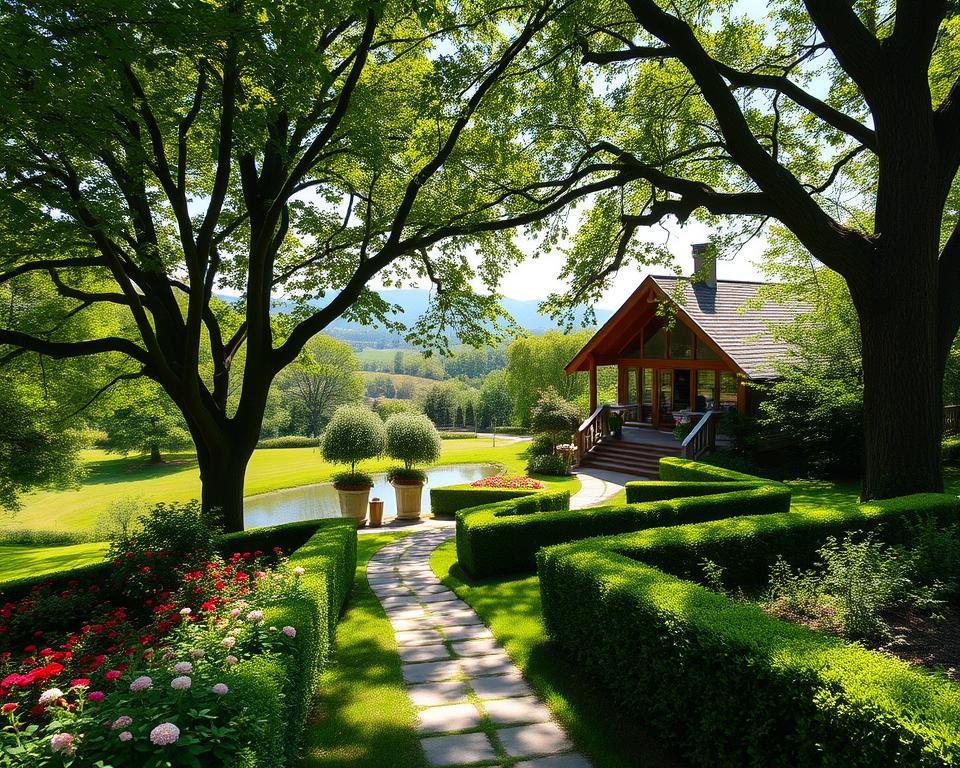
Natural elements can be harnessed to create comfortable microclimates around garden buildings. Strategic landscaping reduces reliance on mechanical cooling systems while enhancing the aesthetic appeal of the outdoor space.
Implementing Deciduous Trees and Shrubs
Deciduous species offer intelligent seasonal shade management. They provide dense foliage during hot weather while allowing winter sun to penetrate after leaf drop.
Proper placement is essential for safety and maintenance. Vegetation should maintain adequate distance from timber structures to prevent moisture damage. This precaution also eliminates risks from falling branches during severe weather.
Installing Retractable Awnings, Pergolas and Canopies
Structural solutions deliver adjustable protection from direct sunlight. Retractable awnings offer flexibility, extending coverage during peak sun hours.
Pergolas create elegant dappled shade patterns through their slatted design. This approach blocks harsh rays while maintaining an airy atmosphere in the garden room.
Smart landscaping principles extend to ground-level choices. Light-coloured paving reflects heat away from surrounding walls. Heat-tolerant plants like lavender thrive while contributing to temperature regulation throughout the day.
Optimising Room Layout and Ventilation
Optimal positioning decisions for outdoor buildings have lasting impacts on comfort levels. The directional orientation of a structure determines its exposure to solar radiation throughout the day.

South and west-facing windows receive the most intense sunlight. This exposure can create uncomfortable conditions by late afternoon. Repositioning an existing structure is often impractical due to weight and foundation requirements.
Positioning Windows and Doors for Cross Ventilation
Strategic placement of openings creates effective natural ventilation. Having at least two operable windows on opposite walls facilitates air movement. This cross-ventilation system continuously refreshes the interior atmosphere.
Properly positioned openings allow cooler air to enter while pushing warmer air out. The arrangement prevents stagnant air from accumulating in the room. This natural cooling method requires no mechanical assistance.
| Ventilation Strategy | Optimal Window Placement | Airflow Efficiency |
|---|---|---|
| Cross-ventilation | Opposite walls | High |
| Single-sided | Adjacent walls | Medium |
| Corner placement | Perpendicular walls | High |
Internal door management is another crucial consideration. Closing doors between rooms with different temperature levels prevents heat migration. This selective isolation maintains cooler zones within the space.
When using cooling systems, containing conditioned air improves efficiency. Keeping doors closed in occupied rooms allows mechanical systems to work more effectively. This approach reduces energy consumption while maintaining comfort.
Cooling with Modern Technology and Accessories
Advanced climate control systems represent the pinnacle of thermal comfort technology for garden rooms. These modern solutions offer precise temperature management regardless of external weather patterns.

Smart Air Conditioning Solutions
Modern air conditioning units have evolved significantly. Portable models offer flexible cooling for different spaces. They can be moved from the main home to the garden room as needed.
These systems provide an effective solution for intense heat. Many feature smart controls via mobile apps. This allows pre-cooling the space before use.
| Cooling Option | Best For | Installation | Smart Features |
|---|---|---|---|
| Portable Air Conditioner | Multi-room use | Window kit | App control |
| Built-in AC Unit | Permanent cooling | Professional | Remote access |
| Tower Fan | Air circulation | Plug-in | Programmable timer |
Energy-Efficient Fans and Remote Integration
Modern fan technology offers impressive features. Tower fans provide vertical airflow from floor to ceiling. Pedestal models offer adjustable height settings.
Key features include oscillation and speed control. Some models fold for compact storage. This is ideal for seasonal use in garden buildings.
“Smart climate control allows energy-efficient cooling exactly when and where it’s needed.”
These technological solutions work well with proper electrical connections. They represent the modern way to maintain comfortable conditions.
Conclusion
The journey to an enjoyable garden space during warm periods involves strategic planning from the outset. Creating a comfortable retreat requires blending various approaches that work together harmoniously.
Solutions span from simple ventilation techniques to advanced climate control systems. Each method can help keep temperatures manageable at different times of the day. The most effective strategy combines shading, insulation, and smart technology.
Even modest improvements can transform a garden building during extreme weather. These changes maintain aesthetic appeal while providing practical benefits. With proper implementation, your outdoor room remains refreshing throughout the summer season.
Proactive measures taken during cooler months ensure readiness for warmer times. This forward-thinking approach guarantees a pleasant space regardless of external conditions. Your garden building becomes a true sanctuary all year round.
FAQ
What is the most effective way to reduce heat in a garden building during a heatwave?
A combination of strategies works best. Preventing direct sunlight from entering through thermal blinds or curtains is crucial. Employing a portable air conditioner or high-velocity fan provides immediate relief. Ensuring good cross ventilation by opening windows and doors at cooler times of day also helps manage the internal temperature effectively.
How does double glazing help keep a summer house cool?
Double glazing acts as a powerful insulator, significantly reducing heat transfer from the outside. The air gap between the two panes of glass creates a barrier that slows down heat absorption, keeping the interior space cooler during hot weather and more stable throughout the day.
Can the colour of a garden shed’s walls influence its internal temperature?
Absolutely. Lighter, reflective colours like white or pale grey have a high solar reflectance, meaning they bounce a significant amount of sunlight and heat away. Darker colours absorb more heat, which can then be transferred inside, raising the overall temperature of the room.
Are portable air conditioners a good solution for cooling a summer house?
Yes, portable air conditioners are an excellent solution for targeted cooling. They are self-contained units that do not require permanent installation, making them ideal for garden buildings. It is important to choose a model with sufficient BTU (British Thermal Unit) capacity for the size of the space to ensure efficient cooling.
What landscaping features can provide natural shade?
Deciduous trees and large shrubs are ideal. They offer dense shade during the summer months when the sun is high, helping to keep the structure cool. In winter, when temperatures drop, they lose their leaves, allowing valuable sunlight to warm the home. Retractable awnings and pergolas are also smart, adjustable options for controlling sunlight exposure.