How to Position and Style Your Summerhouse in the Garden
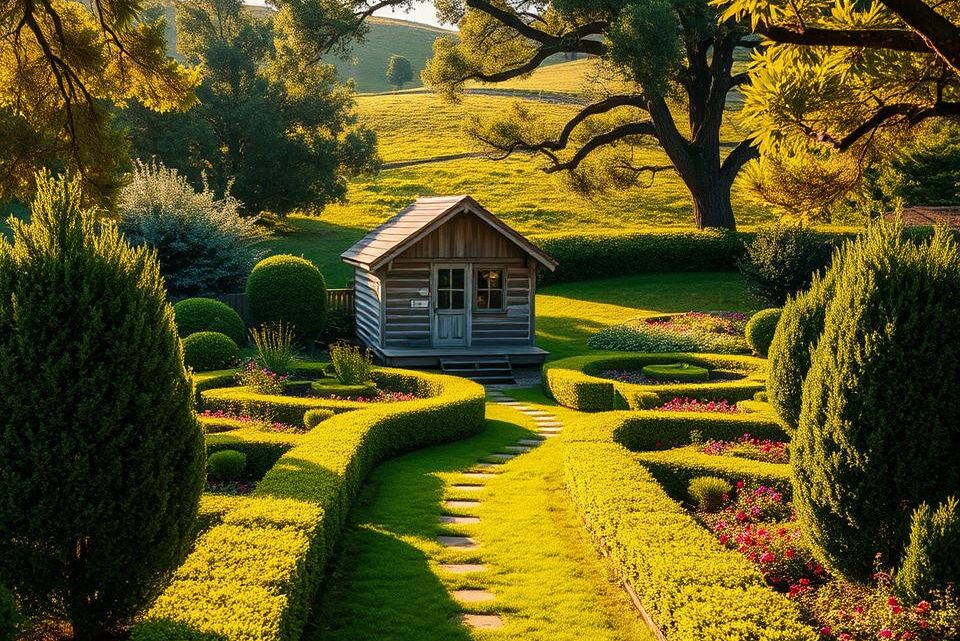
Choosing where to place a summer house represents one of the most crucial decisions for any garden owner. This choice goes beyond simple logistics, shaping the entire character of an outdoor space.
A well-placed structure transforms a garden into a flexible, stylish retreat. It expands living areas with minimal construction work. The benefits are substantial, serving purposes from peaceful reflection to creative hobbies.
Selecting the perfect spot requires balancing multiple factors. Homeowners must consider intended use, aesthetic preferences, and sun exposure. Practical matters like ground stability and accessibility also play a vital role.
This guide explains the essential considerations for creating an ideal garden retreat. Whether choosing a traditional design or a contemporary model, proper planning ensures the structure enhances both beauty and lifestyle for years.
Inhaltsverzeichnis
Key Takeaways
- Strategic placement maximises the functionality of your outdoor space
- Consider sunlight patterns throughout the day for optimal comfort
- Ground stability is crucial for the longevity of the structure
- Visualise intended activities to determine the ideal size and layout
- Balance aesthetic appeal with practical considerations
- Ensure the summer house complements the existing garden design
- Plan for future maintenance and accessibility requirements
Envisioning Your Ideal Summerhouse Retreat
The journey to creating a perfect garden retreat begins with clarifying its intended function. This initial step shapes all subsequent decisions about the structure’s placement and features.
Imagining Its Use and Ambience
Visualising specific scenarios helps determine the ideal summer house purpose. Will it serve as a quiet home office, a yoga studio, or an entertainment space for gatherings?
Different uses demand distinct positioning strategies. A workspace requires seclusion from household noise, while a social hub benefits from proximity to the main home.
Selecting the Perfect Model for Your Garden
Once the purpose is clear, selecting an appropriate design becomes simpler. Traditional models with pitched roofs complement formal gardens beautifully.
Contemporary summer houses feature clean lines and large windows for maximum light. Corner designs offer excellent space efficiency for compact gardens.
The right choice ensures the structure enhances both the garden’s appearance and the owner’s lifestyle. Careful consideration at this stage prevents costly adjustments later.
Evaluating Your Garden Layout and Site Conditions
Before selecting a location, homeowners should carefully evaluate their garden’s unique layout and terrain features. This assessment ensures the chosen spot will support the structure effectively.
Mapping Out Your Outdoor Space
A thorough evaluation begins with measuring the available garden space. Homeowners should consider both the size and shape of their outdoor area. This helps identify potential locations for the garden building.
In larger gardens, the summer house can become a focal point. It should complement the overall garden layout. Smaller spaces benefit from compact designs that maximise limited area.
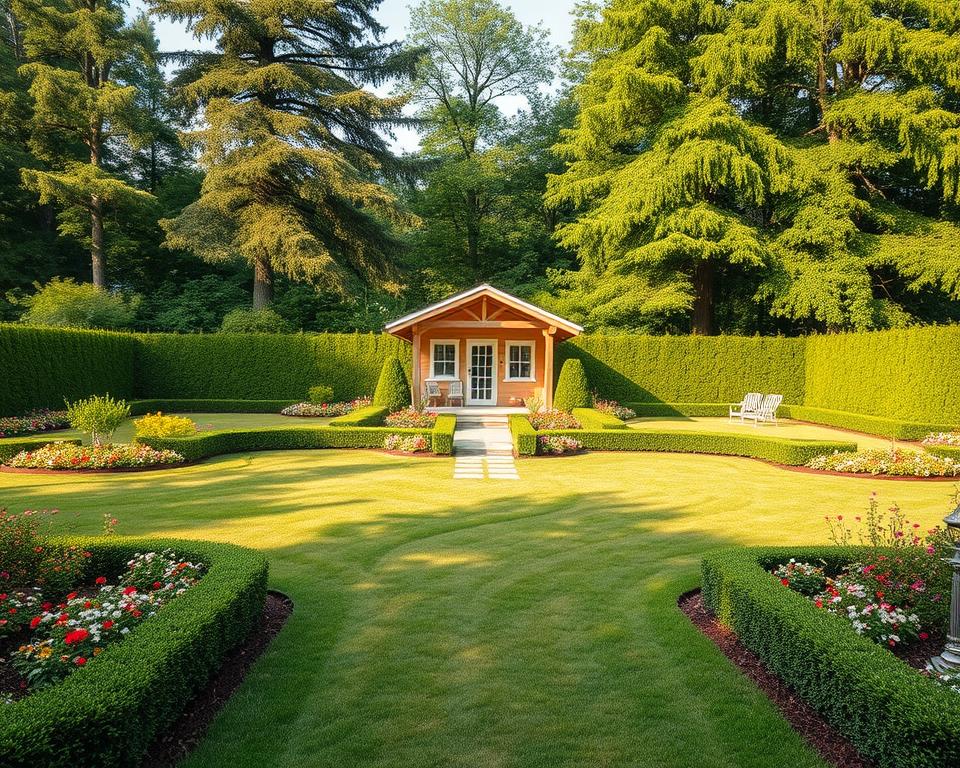
Underutilised corners offer excellent opportunities for a corner summer house. These spots provide natural seclusion. Terraces also work well for creating elegant garden retreats.
Choosing a Stable, Well-Drained Base
The foundation is critical for any garden building’s longevity. A firm, level base prevents structural issues over time. Proper ground preparation is essential.
Avoid areas with knotty tree roots or uneven terrain. These can compromise stability. Well-drained sites prevent water accumulation around the structure.
Ground screw bases offer flexibility for future relocation. They provide a solid foundation without permanent alterations. Always allow space around the edges for maintenance access.
Optimising Natural Light and Sun Orientation
A summer house’s orientation towards the sun directly influences its usability throughout the seasons. Proper planning ensures the interior is bathed in natural light at the most desirable time of day, creating a truly bespoke retreat.
Creating a Sun Map for Maximum Light
The most effective method for understanding light patterns is to create a sun map. Homeowners can photograph their garden at different hours to track where shade falls from buildings and trees.
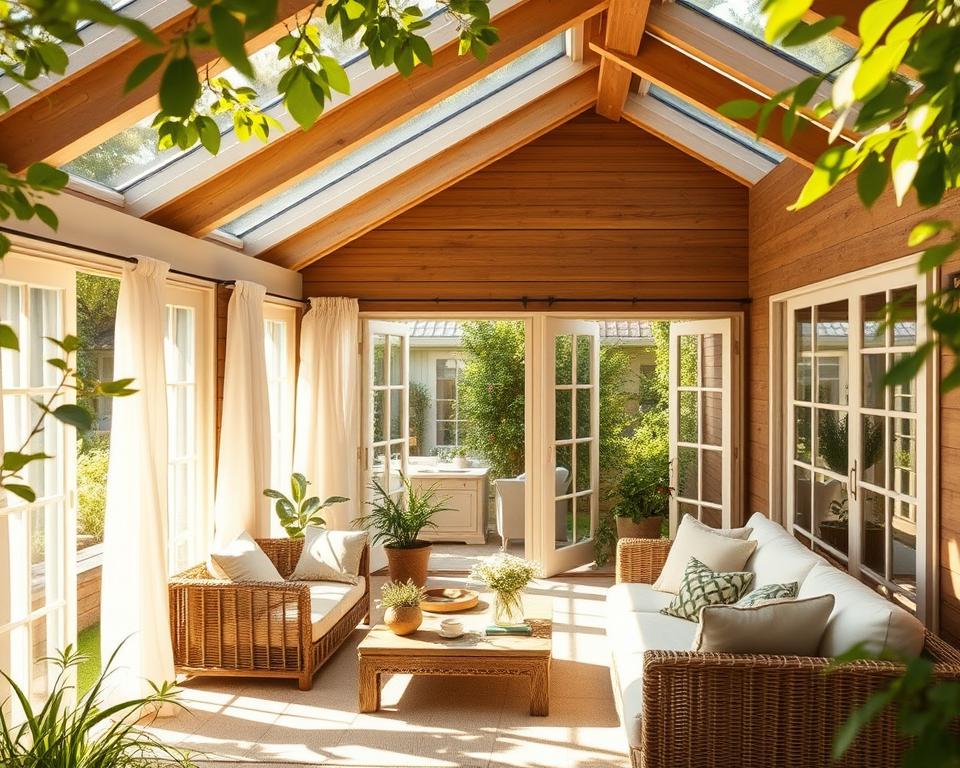
Using a compass to determine cardinal directions is essential. A south-facing position captures the most sun throughout the day, ideal for those who crave warmth. East-facing orientations welcome gentle morning rays, perfect for a reading nook.
Personal preference plays a key role. Someone might would prefer a north-facing spot for a garden office to avoid screen glare. Others might would like a west-facing setup for enjoying the evening sun.
For ultimate flexibility, some smaller octagonal models feature rotating bases. This allows the summer house to be turned manually, following the sun’s path seasonally or seeking shade on hotter days. This clever solution balances light and thermal comfort perfectly.
How to Position and Style Your Summerhouse in the Garden
Finding the ideal place for a summer house involves a delicate balance. Homeowners must weigh the convenience of being close to the main home against the desire for a secluded garden retreat.
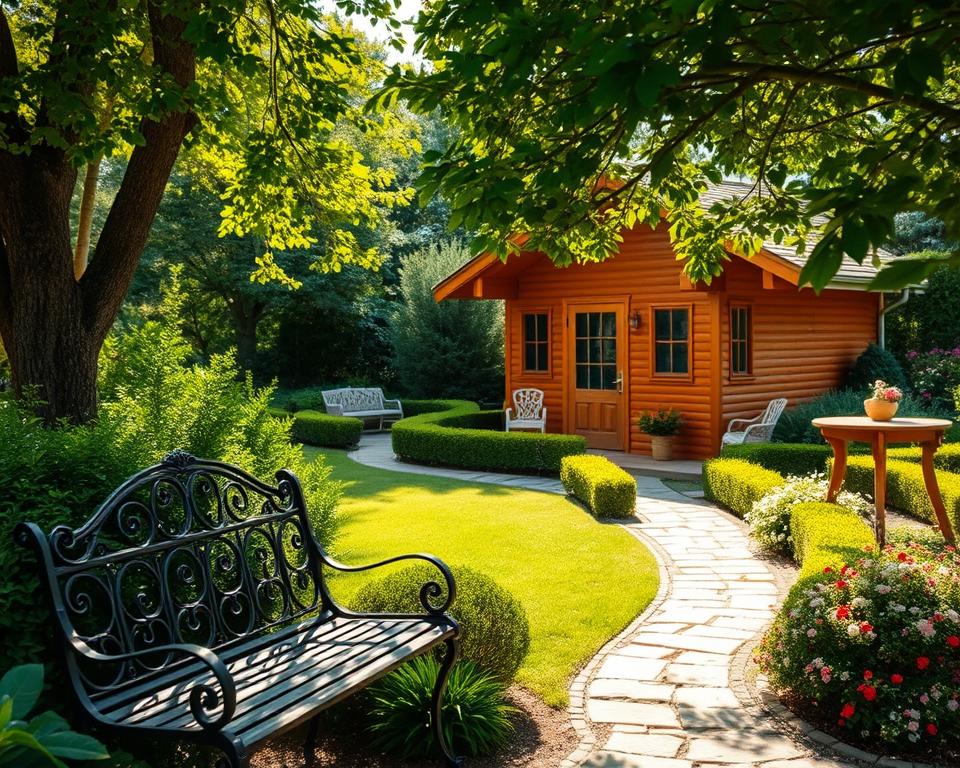
A location near the house garden offers easy access, which is perfect for daily use. It simplifies utility connections and enhances security through natural visibility. However, this can reduce the sense of a private escape.
For those who would prefer a quiet sanctuary, a more distant position is often the perfect spot. This choice maximises privacy and tranquillity, creating a true hideaway.
Strategic landscaping can help achieve the best of both worlds. Tall hedges, trellises with climbing plants, or ornamental screens can shield a closer summer house from view. This maintains a connection to the main residence while creating a secluded atmosphere.
Consideration for neighbours is also key. Placing the structure away from shared boundaries minimises noise disturbance. A well-lit, clear pathway ensures safe, convenient access day and night, blending security with seamless integration into the garden.
Incorporating Practical Features and Utilities
Planning for power, water, and access transforms a basic structure into a fully functional retreat. This stage ensures the garden building meets both legal standards and personal needs for comfort.
Homeowners must make sure their project complies with local regulations. Understanding the difference between planning permission and permitted development rights is essential.
Ensuring Accessibility and Regulatory Compliance
Most summer house installations fall under permitted development. This typically requires the structure to be positioned more than 2 metres from any boundary.
Always confirm specific rules with your local planning authority, as requirements can vary significantly.
A new summer house intended for residential use or exceeding size limits will likely need full planning permission. This is also true for properties in conservation areas.
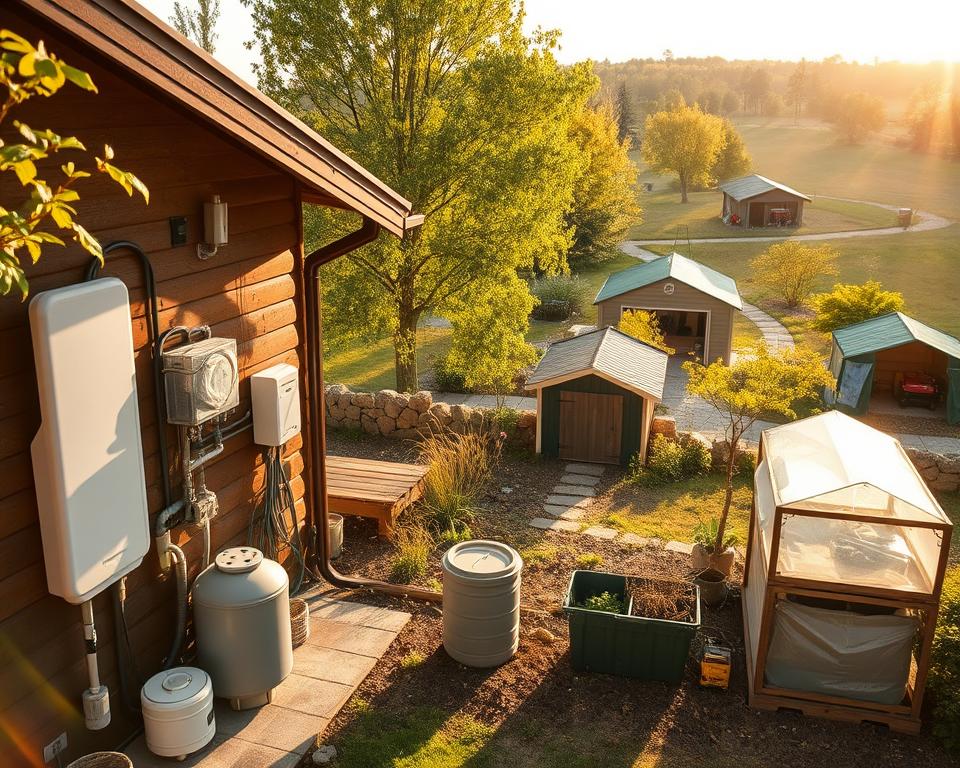
Utility planning is equally important. Proximity to the main house simplifies connecting electricity and water. Professional installation is non-negotiable for safety and compliance.
Clear, well-lit pathways are crucial for year-round access. They should be wide enough for comfortable movement and furniture delivery.
| Utility | Consideration | Professional Requirement |
|---|---|---|
| Electricity | Mains supply or solar options | Certified electrician |
| Water | Supply for sinks or heating | Qualified plumber |
| Heating | Extends seasonal use | Depends on system type |
Strategic planning for these features from the outset prevents costly changes later. It ensures the summer house is a safe, legal, and enjoyable addition to the garden.
Styling Tips for a Harmonious Garden Retreat
The aesthetic integration of a garden building transforms it from a standalone structure to a natural extension of the outdoor space. Thoughtful styling creates a cohesive look that enhances both the summer house and surrounding garden.
Exterior Aesthetic Considerations
Choosing exterior colours that complement existing planting schemes ensures visual harmony. Soft greens and muted browns blend beautifully with natural surroundings. Bold accents create striking focal points when desired.
Roofing choices significantly impact the overall design. Traditional apex roofs suit classic gardens, while flat roofs complement contemporary style. Window selection balances aesthetic appeal with functional light requirements.
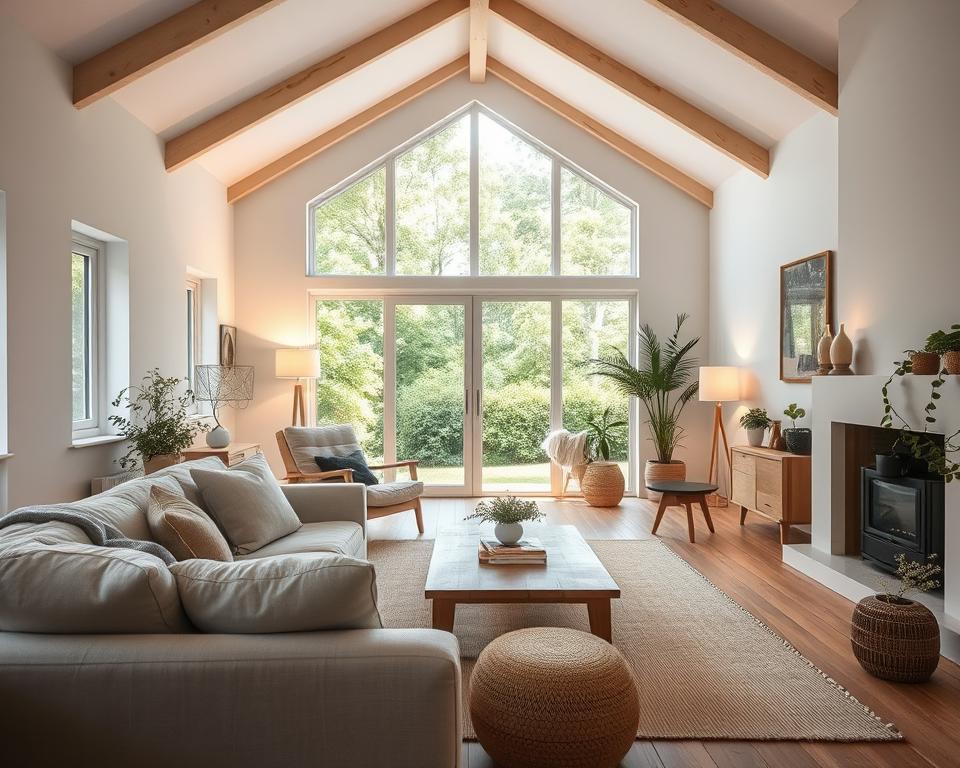
Interior Design and Furnishings
The interior should prioritise comfort and functionality. Light-coloured walls create an airy feel in compact spaces. Durable flooring options withstand seasonal temperature changes.
Furniture selection depends on the primary use of the retreat. For a corner summer house, angular pieces maximise available space. Multi-functional items serve various living needs efficiently.
| Room Purpose | Recommended Furniture | Space Considerations |
|---|---|---|
| Home Office | Ergonomic chair, compact desk | Allow for movement space |
| Lounge Area | Small sofa, occasional table | Create conversation zones |
| Dining Space | Bistro set, foldable chairs | Ensure clear pathways |
Textiles and lighting complete the inviting atmosphere. Layered illumination combines task and ambient options. Soft furnishings add warmth and personal character to the space.
Enhancing Outdoor Space with Complementary Garden Design
Creating a cohesive garden design around a summer house elevates it from a standalone feature to an integral part of the outdoor environment. This approach ensures the structure feels naturally embedded within the landscape rather than simply placed within it.
Integrating Landscaping, Pathways and Lighting
A small deck or patio at the entrance extends the usable living space beautifully. This transitional area creates perfect spots for al fresco dining or morning relaxation.
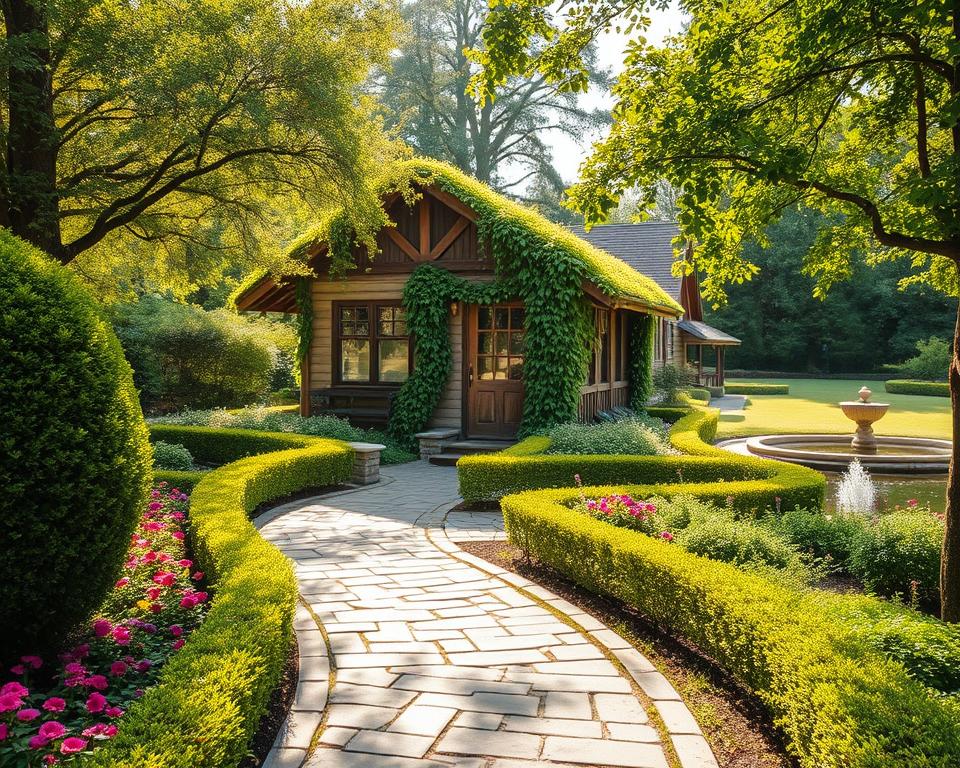
Pathways should feel intentional and obstacle-free. Materials range from formal paving to relaxed gravel or bark chips, depending on the garden building’s style. Adequate width ensures comfortable movement throughout the space.
Lighting serves both practical and aesthetic purposes. Solar-powered posts or fairy lights create inviting evening atmospheres. Pathway illumination guarantees safe access after dark.
Strategic planting softens the structure’s edges and integrates it seamlessly. Climbing plants like clematis add vertical interest on walls and trellises. Shrubs and perennials nestle the building into garden borders naturally.
Natural windbreaks such as hedges protect the summer house from strong winds. This enhances comfort and prevents potential damage. Thoughtful landscaping creates sheltered spots that maximise the structure’s longevity.
Conclusion
A well-planned summer house transforms an outdoor space into a cherished retreat. It blends careful consideration of the garden layout with personal lifestyle needs.
Selecting the ideal perfect spot involves balancing sunlight, privacy, and intended use. This thoughtful choice ensures the structure adds lasting value and comfort.
Whether opting for a corner summer model or a new summer build, the principles remain the same. Proper planning regarding size, foundation, and regulations guarantees a smooth work process.
Ultimately, investing time in this process creates a beautiful, functional space. These houses become a seamless extension of the garden, offering a personal haven for years.
FAQ
Do I need planning permission for a garden summerhouse?
Most garden buildings fall under ‘Permitted Development’, meaning planning permission is not required. However, specific rules apply. The structure’s size, its position on the property, and its intended use are key factors. It is always advisable to consult local planning authority guidelines before proceeding.
What is the best base for a corner summer house?
A stable, well-drained base is essential for longevity. A concrete slab or paved area is often recommended for its durability and level surface. This prevents moisture damage and ensures the building remains structurally sound over time, regardless of its placement in the garden.
How can I maximise natural light inside my summerhouse?
Positioning is crucial for natural light. Placing the building where it will receive ample sunlight, typically with large windows facing south or west, optimises light. Creating a sun map of your garden helps identify the perfect spot to capture light throughout the day.
What interior design choices work well for a summer house?
Light colours on walls and ceilings help reflect light, making the space feel larger and brighter. Choosing comfortable, durable furniture suited to the building’s use—be it for work or relaxation—creates a welcoming interior. Good lighting is also key for evening use.
How do I integrate a new summer house into my existing garden design?
Consider the exterior aesthetic to ensure it complements your home’s style. Integrating the structure with landscaping, such as planting around its base and adding pathways, helps it feel like a natural part of the outdoor space. Strategic garden lighting can enhance the ambience after dark.