
How to Keep Flies Out of Garden Rooms, Summerhouses & Sheds
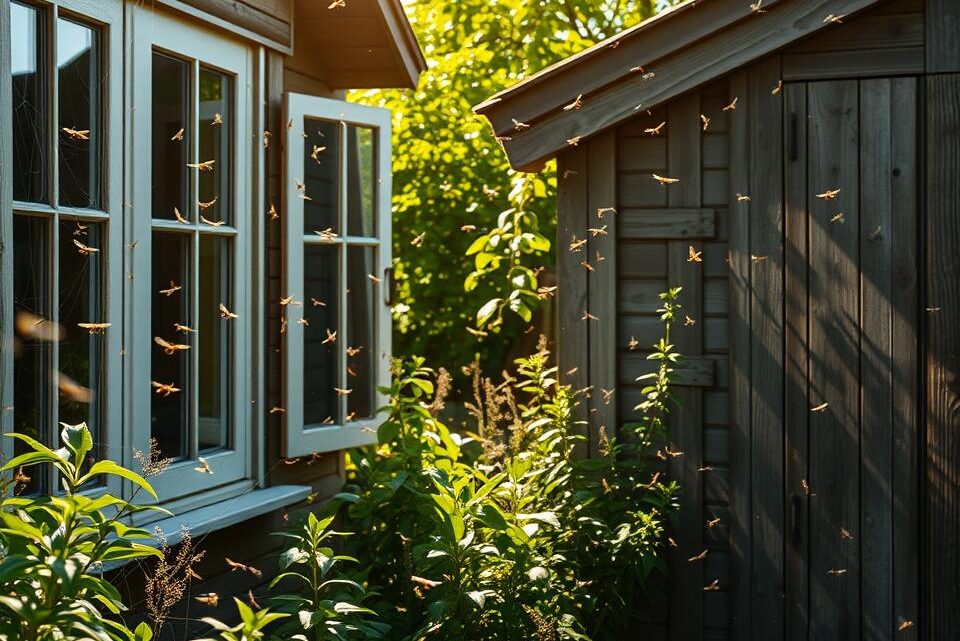
When warmer weather arrives, many homeowners look forward to spending time in their outdoor retreats. Garden rooms, summerhouses, and sheds become favourite spaces for relaxation and hobbies. However, this enjoyment often comes with an unwelcome companion.
Opening doors and windows for ventilation creates an open invitation for flies. These persistent insects quickly turn peaceful areas into buzzing battlegrounds. The constant intrusion can make it difficult to truly relax in your own space.
This common problem affects countless people across the UK each summer. What should be a tranquil escape becomes a source of frustration. Understanding effective prevention methods is essential for anyone who owns or plans to purchase these outdoor structures.
The good news is that practical solutions exist. With the right approach, you can reclaim your garden room or summerhouse from these pesky visitors. This comprehensive guide provides straightforward methods to maintain a fly-free environment throughout the warmer seasons.
Inhaltsverzeichnis
Key Takeaways
- Outdoor structures become vulnerable to fly infestations during warm weather
- Ventilation creates easy access points for unwanted insect visitors
- Effective prevention enhances the enjoyment of your garden space
- Practical solutions can transform bothersome areas into peaceful retreats
- Understanding control methods is valuable for current and future owners
- Simple strategies can maintain comfort throughout the summer months
- Proactive measures prevent constant buzzing and surface landings
Understanding the Problem: Common Flies and Their Impact
Effective pest management begins with proper identification of the intruders. Three common species frequently invade outdoor structures.
Overview of Houseflies, Fruit Flies, and Blowflies
Houseflies are persistent pests that land on surfaces and food. They can spread bacteria from place to place. Their presence indicates potential hygiene issues.
Fruit flies target overripe produce and multiply rapidly. These tiny insects seem to appear from nowhere. They create sudden infestations that are difficult to control.
Blowflies are attracted to decaying organic matter. They often buzz loudly around waste areas. These insects can turn a storage shed into an unsanitary environment.
Behavioural Patterns and Health Risks
All these insects seek food sources and damp conditions. Cluttered spaces provide ideal breeding grounds. Understanding their habits is crucial for effective control.
Houseflies pose significant health risks by contaminating surfaces. They can transfer pathogens to food preparation areas. This is particularly concerning in spaces used for dining.
Proper identification allows for targeted solutions. Each species responds differently to control methods. Knowledge of their patterns leads to more successful prevention strategies.
How to Keep Flies Out of Garden Rooms, Summerhouses, and Sheds
Strategic planning for pest prevention transforms outdoor living spaces into comfortable retreats. Many people invest significant time and resources into creating beautiful garden areas. Proper pest management ensures these investments deliver lasting enjoyment.
Importance of a Fly-Free Environment
A fly-free space significantly enhances the usability of outdoor structures. Constant buzzing and landing pests can ruin relaxation. They turn peaceful areas into sources of frustration.
Health considerations are equally important. Flying insects can spread bacteria on surfaces. This is particularly concerning when storing food or using the space for dining.

Furniture and stored items benefit from reduced pest activity. Regular infestations can damage fabrics and surfaces. A controlled environment protects your investments.
Integrating Fly Control into Garden Design
Forward-thinking design incorporates pest prevention from the outset. This approach is more effective than reactive measures. It saves time and effort in the long term.
Consider the placement of sheds and garden buildings carefully. Position them away from compost areas and standing water. These locations attract flying insects.
Window and door placement affects ventilation and pest entry. Strategic positioning allows air flow while limiting access. It’s a smart way to balance comfort and control.
| Design Element | Traditional Approach | Integrated Pest Control | Benefits |
|---|---|---|---|
| Window Placement | Aesthetic considerations only | Strategic positioning for airflow | Reduces pest entry points |
| Building Location | Available space | Away from attractants | Natural prevention |
| Landscaping | Visual appeal | Repellent plants | Additional barrier |
| Ventilation | Basic air flow | Screened openings | Protection with circulation |
This integrated approach creates sustainable protection. It reduces the need for constant intervention. The result is a more enjoyable outdoor experience.
Identifying and Sealing Entry Points
A crucial step in maintaining a pest-free environment involves meticulous inspection of structural vulnerabilities. Insects exploit even the smallest openings to access sheltered spaces. Regular checks help identify these weak spots before infestations occur.

Windows and doors represent common entry points for flying pests. Gaps around frames, damaged weatherstripping, and cracks in walls provide easy access. A thorough examination should include all potential openings.
Spotting Gaps in Windows, Doors, and Walls
Careful inspection reveals vulnerabilities often missed during casual observation. Flies can enter through holes no larger than a coin. Walls, especially near foundations, may develop cracks over time.
Roof areas require particular attention. Loose shingles or damaged flashing create hidden entry points. Regular maintenance prevents these small issues from becoming major problems.
Using Weather Stripping and Caulking Effectively
Weather stripping creates tight seals around movable components. It is ideal for doors and operable windows. This material fills gaps while allowing normal operation.
Caulking provides permanent solutions for stationary gaps. Silicone-based products work well for most applications. Larger holes may require expandable foam for complete coverage.
| Sealing Method | Application Area | Effectiveness | Installation Difficulty |
|---|---|---|---|
| Weather Stripping | Doors & Windows | High | Low |
| Silicone Caulk | Small Cracks | Excellent | Medium |
| Expandable Foam | Large Holes | Superior | Medium |
| Door Sweeps | Bottom Gaps | Very High | Low |
Mesh screens offer additional protection for ventilation openings. These barriers allow air circulation while blocking insects. Proper installation ensures long-term effectiveness.
Exterior maintenance supports sealing efforts. Trim vegetation away from walls to eliminate insect bridges. Repair damaged siding promptly to maintain structural integrity.
Eliminating Food Sources and Attractants
Successful fly control relies heavily on removing the very things that attract them in the first place. These persistent pests are drawn to any available food source, no matter how small. Proper management of edibles and waste forms the foundation of an effective strategy.
Proper Food Storage and Waste Management
All food items must be stored securely in airtight containers to prevent odours from escaping. Even tiny crumbs or spills can attract unwanted attention from flying insects. Proper storage is essential for maintaining a pest-free environment.

Waste management plays a crucial role in deterring pests. Bin bags should be tied securely and placed in outdoor bins with tight-fitting lids. Regular disposal prevents odours from building up and drawing insects closer to the structure.
Regular Cleaning to Reduce Residual Crumbs
Surfaces should be wiped down promptly after use, especially when dealing with sugary spills. Beverage residues can leave sticky surfaces that attract various insects. A simple vinegar and water solution works well for natural cleaning.
Appliances and countertops in garden rooms with kitchen facilities require particular attention. Any food remnants must be removed immediately to avoid creating breeding grounds. Regular maintenance ensures no hidden food sources remain available.
Wheelie bin storage solutions help keep waste containers at a distance from the main structure. This reduces the likelihood of pests being drawn to the immediate vicinity. Proper waste management combined with thorough cleaning creates an environment that’s far less appealing to flying insects.
Natural Remedies and DIY Fly Repellents
Natural remedies offer an eco-friendly approach to managing unwanted insect visitors in outdoor spaces. These methods avoid harsh chemicals while providing effective protection. They are particularly suitable for use around children, pets, and garden environments.

Essential Oil Sprays and Dried Herb Pouches
Essential oils such as citronella, lavender, and eucalyptus create powerful repellents. A simple diy spray combines a few drops with water in a spray bottle. This mixture can be applied around entry points and seating areas.
Dried herb pouches offer continuous protection. Fill small cloth bags with lavender, basil, or peppermint. Hang these near windows and doors to deter insects naturally.
Homemade Vinegar and Sugar-Water Traps
Vinegar traps effectively capture flying insects. Fill a bowl with apple cider vinegar and cover with cling film. Poke small holes for entry. The scent attracts them inside where they become trapped.
Sugar-water solutions provide another diy option. Mix water, sugar, and a drop of dish soap in a shallow container. The soap breaks surface tension, causing insects to sink.
These natural solutions offer a safe way to protect your home and shed. Simple tips make implementation easy for any place that needs protection.
Enhancing Physical Barriers and Mesh Installations
Physical barriers represent one of the most reliable methods for maintaining comfortable outdoor spaces. These solutions provide long-term protection without chemicals or constant maintenance. They create permanent defences that work continuously.

Properly installed mesh screens on windows and doors create effective barriers. They allow ventilation and natural light while completely blocking insects. This approach offers sustainable protection for any garden shed or outdoor structure.
Installation Tips for Screens on Windows and Doors
Accurate measurement is crucial for successful screen installation. Measure the opening carefully before purchasing materials. Choose a fine mesh that blocks small insects while maintaining good airflow.
Secure fixing ensures long-lasting effectiveness. Use appropriate fasteners for the material of your shed or summerhouse. Regular inspection helps identify any tears or gaps needing repair.
For aesthetic alternatives, consider beaded or decorative mesh curtains. These provide protection while enhancing visual appeal. They work particularly well for door openings in garden rooms.
Outdoor areas benefit from additional protective measures. Garden netting over compost bins and vegetable patches prevents attraction. Reflective materials like aluminium foil disorient approaching insects.
Regular maintenance keeps barriers effective. Clean mesh surfaces periodically to prevent dust buildup. Promptly repair any damage to maintain complete protection for your shed.
Integrating Plant Power for Sustainable Fly Control
Strategic planting creates natural barriers that enhance both aesthetics and functionality. Many common garden varieties possess aromatic properties that effectively deter unwanted insects.

This approach offers a sustainable solution for maintaining pleasant outdoor areas. It combines visual appeal with practical pest management benefits.
Choosing Fly-Repelling Plants and Herbs
Certain species excel at creating protective zones around structures. Lavender produces a calming scent that many flying pests avoid. Its purple blooms add colour to any garden setting.
Peppermint and basil release strong aromas that disrupt insect navigation. These herbs grow well in containers near seating areas. They provide fresh cuttings for culinary use too.
Marigolds and chrysanthemums contain natural compounds that repel various pests. Their bright flowers create attractive borders around garden spaces.
| Plant Type | Repellent Strength | Maintenance Level | Best Placement |
|---|---|---|---|
| Lavender | High | Low | Entrances & Pathways |
| Peppermint | Very High | Medium | Containers & Borders |
| Marigolds | Medium-High | Low | Garden Edges |
| Basil | High | Medium | Windowsills |
Creative Ideas for Plant Placement in Garden Rooms
Container gardening offers flexibility for seasonal adjustments. Pots can be moved to areas with the highest pest activity. This allows for targeted protection where it’s most needed.
Creating herb gardens near shed entrances serves multiple purposes. They deter insects while providing fresh ingredients. The aromatic barrier works continuously without maintenance.
Window boxes filled with repellent plants create effective screens. They beautify the space while blocking pest entry points. This dual function makes them ideal for garden structures.
Effective Use of Water Features and Fans
Moving water and air currents present natural barriers that disrupt the flight patterns of common garden pests. These elements exploit insects’ physical limitations, creating environments they instinctively avoid. This approach offers both aesthetic appeal and practical functionality.

Fans create consistent air movement that makes landing difficult for flying insects. Position them to establish airflow across doorways and seating areas. Strategic placement forms an invisible barrier that pests cannot easily penetrate.
How Moving Air and Water Deter Flies
Running water features serve a dual purpose in the garden. Fountains, bubblers, and waterfalls deter pests while adding soothing sounds. The constant motion prevents insects from using water sources for breeding.
Maintenance is crucial for effectiveness. Ensure drainage systems remain clear of debris. Stagnant water in gutters or drains becomes an attraction rather than a deterrent. Cover ponds with fine netting to prevent egg-laying.
Energy-efficient options exist for both solutions. Solar-powered features operate sustainably throughout the summer. These methods work harmoniously to protect your shed and garden space without chemical intervention.
Additional DIY Tips and Innovative Solutions
Sometimes, the most effective solutions come from creatively repurposing everyday household items. When persistent issues continue despite initial efforts, innovative approaches can provide the breakthrough needed. This section explores creative methods that complement earlier strategies.

Repurposing Everyday Materials for Effective Traps
Common household containers can be transformed into efficient pest control devices. Plastic bottles make excellent traps when cut and reassembled with bait inside. This diy approach saves time and resources.
Glass jars with paper funnels effectively capture flying pests. The design allows entry but prevents escape. Homeowners should make sure traps are placed strategically around the shed.
Sticky traps can be created using cardboard and honey. These simple tools provide valuable information about pest activity levels. Regular monitoring helps identify the root problem.
When to Consider Professional Pest Control Services
Persistent infestations may require expert intervention. Professional pest control services become necessary when diy methods fail repeatedly. They possess specialised tools and knowledge.
Signs include rapid recolonisation and evidence of breeding sites. The British Pest Control Association offers a directory of qualified professionals. Choosing eco-friendly pest control options protects the environment.
Experts conduct thorough assessments from base to roof. They identify underlying causes rather than just treating symptoms. This approach provides long-term control over the problem.
Conclusion
Effective pest control transforms potential problem areas into consistently enjoyable spaces. Outdoor structures should remain peaceful retreats, not compromised by persistent insect issues.
Understanding pest behaviour forms the foundation for successful prevention. Simple, regular maintenance often provides excellent results. The combination of sealing entry points, removing attractants, and using natural repellents creates comprehensive protection.
For severe infestations, professional services offer specialised solutions. The British Pest Control Association can help locate qualified experts. Similar principles apply to other pests like rats in the garden.
This guide provides the information and tools needed to reclaim outdoor spaces. With consistent effort, homeowners can enjoy their garden room or shed throughout the summer months.
FAQ
What are the most common entry points for flies in a garden shed?
Flies typically enter through small gaps around windows and doors, cracks in the walls, and openings where services enter the building. They can also exploit damaged roof felt or a poorly sealed base. Inspecting these areas thoroughly is the first step in pest control.
How can peppermint or lavender help with fly control?
These herbs contain natural essential oils that flies find unpleasant. Placing dried lavender bundles or cotton balls soaked in peppermint oil near entry points can act as a deterrent. This method offers a chemical-free way to manage the problem.
Is it necessary to install mesh screens on all windows and doors?
A> While not always essential, installing fine mesh screens is one of the most effective physical barriers. It allows for ventilation while preventing insects from entering. This is particularly advisable for structures used frequently during the summer months.
How does proper waste management prevent flies?
Flies are attracted to food waste and residues. Ensuring all rubbish is in sealed bins and that food items like bird seed are stored in airtight containers eliminates major attractants. Regular cleaning to remove crumbs and spills is also crucial.
When should someone consider professional pest control services?
If a severe infestation persists despite diligent DIY efforts, professional help may be needed. This is especially true if there are concerns about other pests, such as rats, which can be attracted by the same conditions. Professionals can identify and treat the root cause.
Can a fan really help keep flies out of a garden room?
Yes, flies are weak fliers and struggle against a steady breeze. Positioning a fan to create airflow across a doorway or window can effectively deter them from entering the space. This is a simple, low-cost solution for immediate relief.

