How to plan, establish, and design a perennial bed
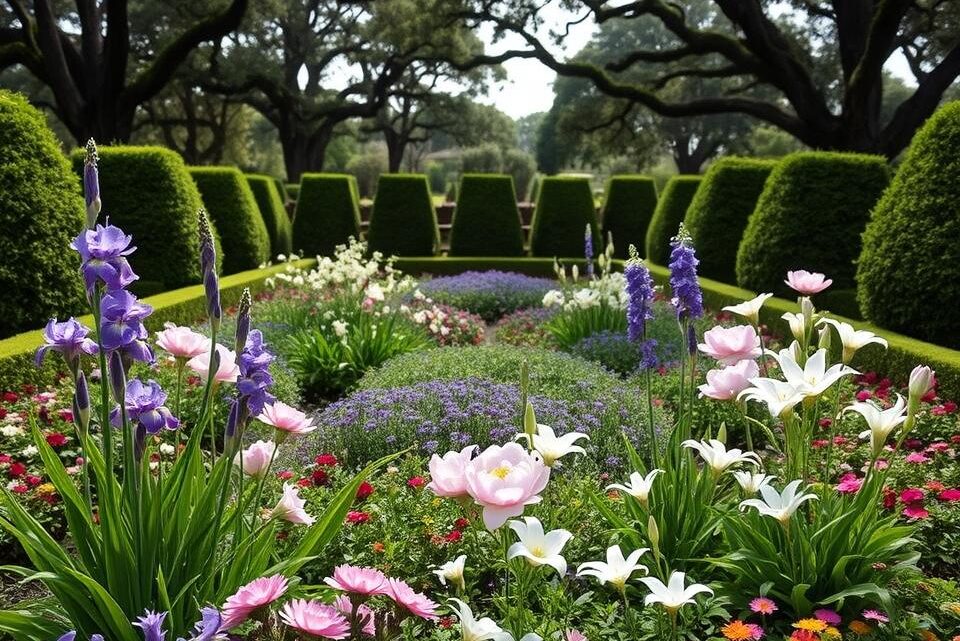
When it comes to enhancing your garden landscape, a well-designed perennial bed can be a valuable addition, providing structure, colour, and habitat for beneficial wildlife throughout the seasons. Unlike annual plantings, perennials require thoughtful initial planning for long-term success.
You need to consider factors such as soil type, sun exposure, and local climate when establishing your perennial bed. By doing so, you can create a beautiful and thriving garden space that provides years of enjoyment with the right maintenance approach.
Inhaltsverzeichnis
Key Takeaways
- Understand the comprehensive approach needed to create a successful perennial bed.
- Learn why perennial beds are a valuable addition to any garden landscape.
- Discover the essential steps involved in planning and designing a perennial bed.
- Recognise the importance of considering factors such as soil type and sun exposure.
- Understand how a well-designed perennial bed can transform your garden space.
Understanding the Basics of Perennial Beds
Understanding the basics of perennial beds is essential for designing a beautiful and thriving garden. Perennial beds are distinct from other garden features due to their long-term nature. Unlike annual beds that need replanting every year, perennials come back year after year, creating a foundation that evolves over time.
What Makes Perennial Beds Special
Perennial beds are special because they provide a consistent habitat for pollinators and beneficial insects. The diverse range of perennials can be categorized by their flowering time, height, spread, and growing conditions, allowing for a tailored approach to garden design. By choosing the right perennials, you can create a garden that is not only beautiful but also supports local biodiversity.
| Perennial Type | Flowering Time | Height |
|---|---|---|
| Peony | Late Spring | 60-90 cm |
| Lupin | Early Summer | 90-120 cm |
| Aster | Autumn | 60-150 cm |
Benefits of Perennial Gardens in Your Landscape
Perennial gardens offer numerous benefits, including reduced maintenance over time as plants establish and naturally suppress weeds. They also provide economic benefits, as the initial investment in perennials pays off over many years. By incorporating perennial beds into your landscape design, you can create a sense of permanence and structure that complements your home and garden.
Assessing Your Site and Soil
Understanding your site and soil is fundamental to designing a beautiful and sustainable perennial bed. Before planting, you need to gather crucialinformationabout your garden’s conditions to ensure theplantsyou choose will thrive.
Evaluating Soil Type and Conditions
Start by evaluating your soil type and conditions. Test the soil pH, drainage capabilities, and nutrient content to determine its suitability for perennials. You can improve soil structure and fertility through amendments like compost or well-rotted manure.

Considering Sun Exposure and Microclimate
Assess the sun exposure in your garden throughout the day and across spring and summer seasons. Identify microclimates that may affect plant growth, such as areas that are windy, sheltered, dry, or damp. This will help you select plants that are suitable for your garden’s specific light conditions.
Understanding Your Local Climate Factors
Consider your local climate zone and how it influences plants selection. Choose perennials that will thrive in your regional conditions. Be aware of things like winter conditions that might affect more tender perennial species. Creating a site assessment document will guide your plant selection process and help you avoid costly mistakes.
Planning Your Perennial Bed Layout
To make the most of your garden space, you need to plan your perennial bed layout with care, taking into account several key factors. A well-planned layout not only enhances the beauty of your garden but also makes maintenance easier.
Determining the Right Size and Proportions
When determining the size of your perennial bed, consider the space available in your garden and the viewing angles from which the bed will be seen. Make sure the proportions are right; a bed that is too narrow or too deep can be impractical for maintenance. The size should be in proportion to the surrounding garden features.
Creating Balanced Borders and Edges
Creating balanced borders is crucial for a visually appealing perennial bed. The edges should be clear and defined to create a clean look and simplify maintenance. You can use edging materials like stone, brick, or metal to achieve this. A balanced border complements the existing garden features and architectural elements of your home.
Designing for Viewing Angles and Focal Points
Consider the viewing angles when designing your perennial bed. Ensure it looks attractive from the house, garden seating areas, and primary pathways. Create focal points within the bed using distinctive plants, garden ornaments, or structural elements. This will draw the eye to particular areas, adding visual interest to your garden.
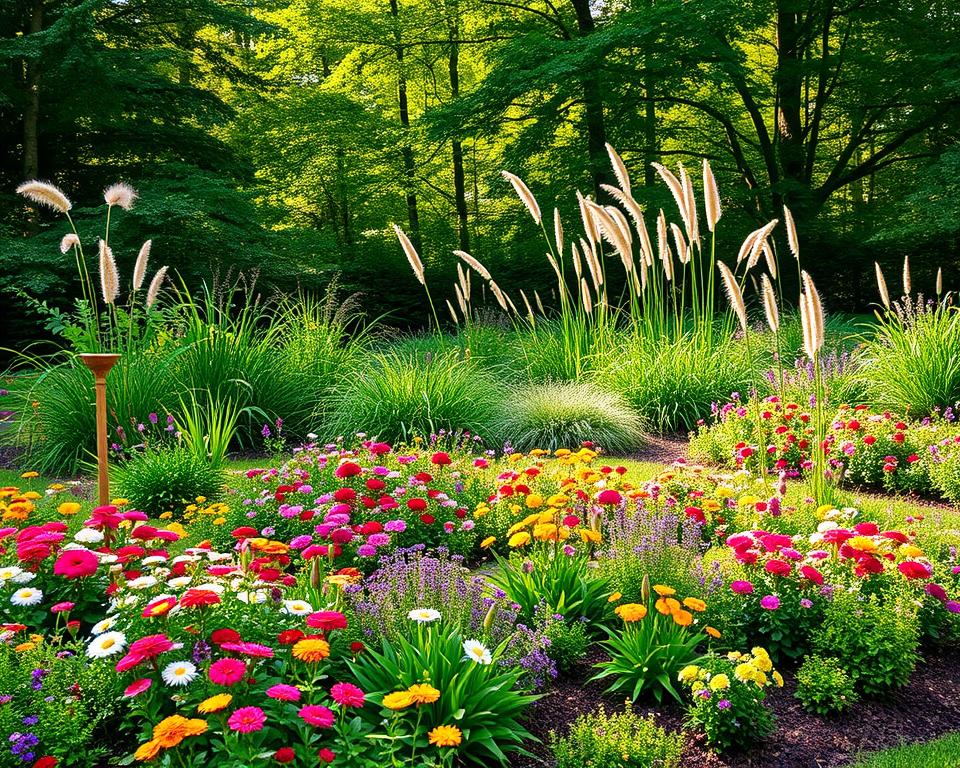
How to Plan, Establish, and Design a Perennial Bed for Year-Round Interest
To enjoy your garden to the fullest, it’s essential to design a perennial bed with year-round interest in mind. This involves more than just selecting beautiful flowers; it requires a thoughtful approach to ensure your garden remains vibrant throughout the year.
Identifying Peak Seasons for Your Garden
Understanding when you’ll most frequently use and enjoy your garden is crucial. This helps ensure that your perennial bed reaches its peak during these times, providing maximum enjoyment. Consider the seasonal changes and how they impact your garden’s usage.
Planning for Continuous Blooms
Creating a succession of blooms is achieved by selecting plants with different flowering periods, from early spring through late autumn. This ensures a dynamic display of flowers throughout the growing season, maintaining visual interest in your garden.
Incorporating Structure for Winter Interest
Incorporating evergreen perennials and plants with attractive seed heads or persistent structure provides winter interest. These elements maintain visual presence even when many perennials are dormant, ensuring your garden remains appealing year-round. Consider incorporating structural elements like ornamental grasses that change character throughout the year.
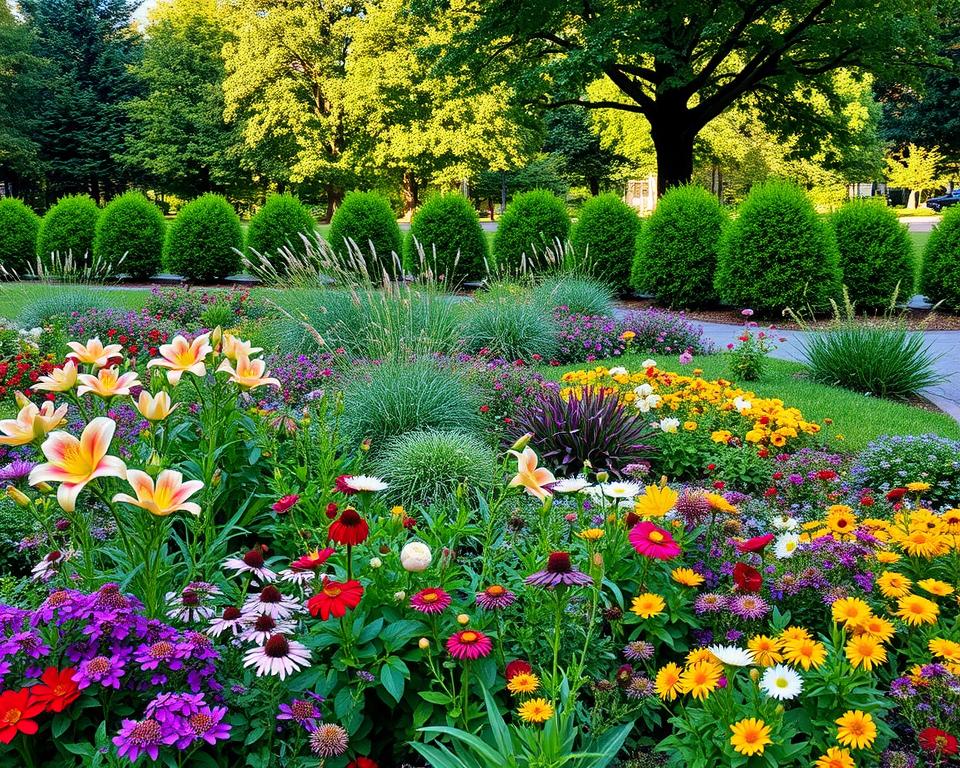
By balancing the proportion of plants peaking in different seasons and incorporating a variety of textures and colours, you can create a perennial bed that is engaging throughout the year. Documenting bloom times in your specific garden conditions will help refine your planting plan over time.
Selecting the Right Plants for Your Perennial Bed
Choosing the right plants is crucial for creating a beautiful and thriving perennial bed. The key to a successful perennial garden lies in selecting plants that work well together and meet your garden’s specific needs.

Creating a Restricted Plant Palette
Instead of collecting a variety of different plants, it’s more effective to create a restricted plant palette. This approach ensures that your perennial bed has a cohesive look and feel. By limiting your plant selection to a few key species, you can create a more impactful design. For example, you might choose a few statement plants like delphiniums or peonies and complement them with some filler plants like geraniums or heucheras.
Choosing Key Structural Plants
Key structural plants provide the backbone of your perennial bed throughout the seasons. These plants should be chosen for their ability to provide structure, texture, and interest even when they’re not in flower. Consider using plants like ornamental grasses or sedums, which offer attractive foliage and shape. As the renowned garden designer, Piet Oudolf, once said, “The best gardens are those that have a clear structure and a sense of cohesion.”
The best gardens are those that have a clear structure and a sense of cohesion.
Incorporating Companion and Cover Perennials
Companion perennials complement your structural plants in terms of colour, texture, and flowering period. Ground cover perennials, on the other hand, help suppress weeds, retain soil moisture, and create a finished look to your bed. When selecting companion and cover perennials, consider their growth habits and ensure they won’t outcompete your structural plants. Some good examples of companion perennials include nepeta and alchemilla, while phlox subulata and creeping thyme make excellent ground covers.
By carefully selecting the right plants for your perennial bed, you can create a beautiful and low-maintenance garden that will thrive for years to come. Consider creating a plant shopping list organised by priority and function to avoid impulse purchases that don’t fit your overall design.
Design Principles for Stunning Perennial Beds
The art of designing a perennial bed involves applying several fundamental principles to achieve a visually appealing result. When creating a perennial bed, it’s essential to consider the overall aesthetic you want to achieve, taking into account the mature size of the plants, their growth habits, and how they interact with each other.
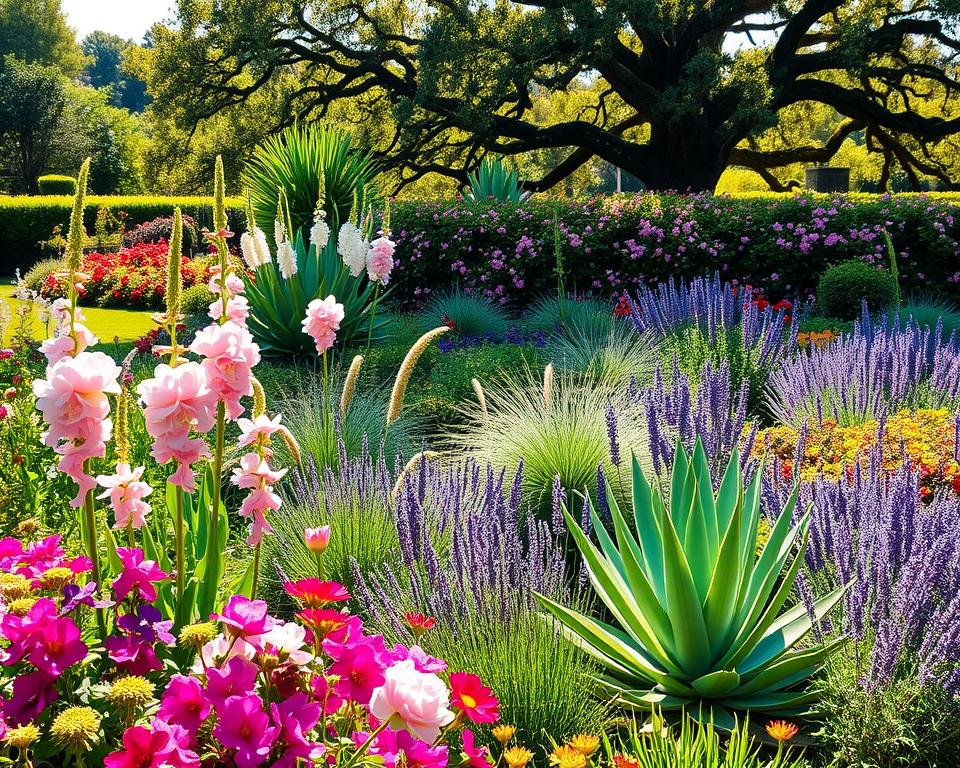
Using the Rule of Thirds for Plant Heights
One effective way to create a balanced border is by applying the rule of thirds to plant heights. Divide your bed into three sections, both horizontally and vertically, and place the tallest plants at the back or in the centre. This technique helps create a sense of depth and visual interest.
Creating Visual Impact with Plant Groupings
Planting in groups or drifts rather than as individual specimens can significantly enhance the visual impact of your perennial bed. Grouping plants together creates a more cohesive look and can help to draw the eye through the border. Consider combining perennials with different foliage textures and colours to add depth and interest.
Balancing Colours and Textures
Balancing flower colours and foliage textures is crucial for creating a harmonious perennial bed. You can achieve a striking effect by contrasting fine, feathery foliage with bold, architectural plants. Colour theory also plays a significant role; consider using complementary colours, analogous schemes, or monochromatic palettes to create a cohesive look.
| Design Principle | Description | Example |
|---|---|---|
| Rule of Thirds | Divide the bed into thirds for balanced height | Tall plants at the back, mid-height in the middle, and low-growing at the front |
| Plant Groupings | Group plants for a cohesive look | Drifts of colour with complementary foliage |
| Colour and Texture Balance | Balance colours and textures for harmony | Contrasting fine and bold foliage, harmonious colour schemes |
By applying these design principles, you can create a stunning perennial bed that is both beautiful and functional, enhancing your gardening experience.
Establishing Your Perennial Bed
Establishing a perennial bed is a crucial step in creating a beautiful and thriving garden. To achieve this, you need to focus on preparing the soil properly, using the right planting techniques, and providing initial care after planting.
Preparing the Soil Properly
Preparing the soil is the foundation of a successful perennial bed. This involves removing existing vegetation, breaking up compacted soil, and incorporating organic matter to improve its structure and fertility. By doing so, you create a conducive environment for your plants to grow.

Planting Techniques for Success
The planting technique you use can significantly impact the success of your perennial bed. Different types of perennials, such as bare-root, container-grown, and divided plants, require specific planting techniques. Understanding these techniques and the optimal timing for planting in your climate zone is crucial.
Initial Care After Planting
After planting, your perennials need proper care to establish strong root systems. This includes adequate watering, applying mulch to suppress weeds and retain moisture, and providing support for taller plants. By following these steps, you can ensure that your perennial bed thrives.
By following these essential steps, you can establish a beautiful and thriving perennial bed that will be the centrepiece of your garden for years to come.
Maintaining Your Perennial Garden
Maintaining a perennial garden requires a combination of seasonal tasks and ongoing care. To keep your garden looking its best, you’ll need to perform various maintenance activities throughout the year.
Seasonal Maintenance Tasks
Each season brings its own set of tasks. In the spring, cut back dead growth, divide overcrowded plants, and apply compost or fertiliser. During summer, focus on deadheading spent blooms, staking tall plants, and managing pests and diseases. In autumn, cut back certain perennials, leave others for winter interest, and apply protective mulch.
| Season | Tasks |
|---|---|
| Spring | Cut back dead growth, divide overcrowded plants, apply compost or fertiliser |
| Summer | Deadhead spent blooms, stake tall plants, manage pests and diseases |
| Autumn | Cut back perennials, leave some for winter interest, apply protective mulch |
Dividing and Propagating Perennials
Over time, perennials may need to be divided to maintain their health and vigour. Learn to identify when perennials need dividing and the proper techniques for different types of plants. You can also propagate your favourite perennials through division, cuttings, or seed collection to expand your garden economically.
Managing Weeds and Pests Organically
Effective weed management is crucial for maintaining a tidy perennial bed. Discover organic approaches that minimise chemical use, such as mulching and hand-weeding. For pest management, learn integrated strategies for dealing with common perennial pests and diseases without harming beneficial insects.
As your perennial garden matures over the years, your maintenance routine will evolve, often requiring less intervention as plants establish. Evaluate your perennial bed annually, making notes on what’s working well and what might need adjustment in the coming season.
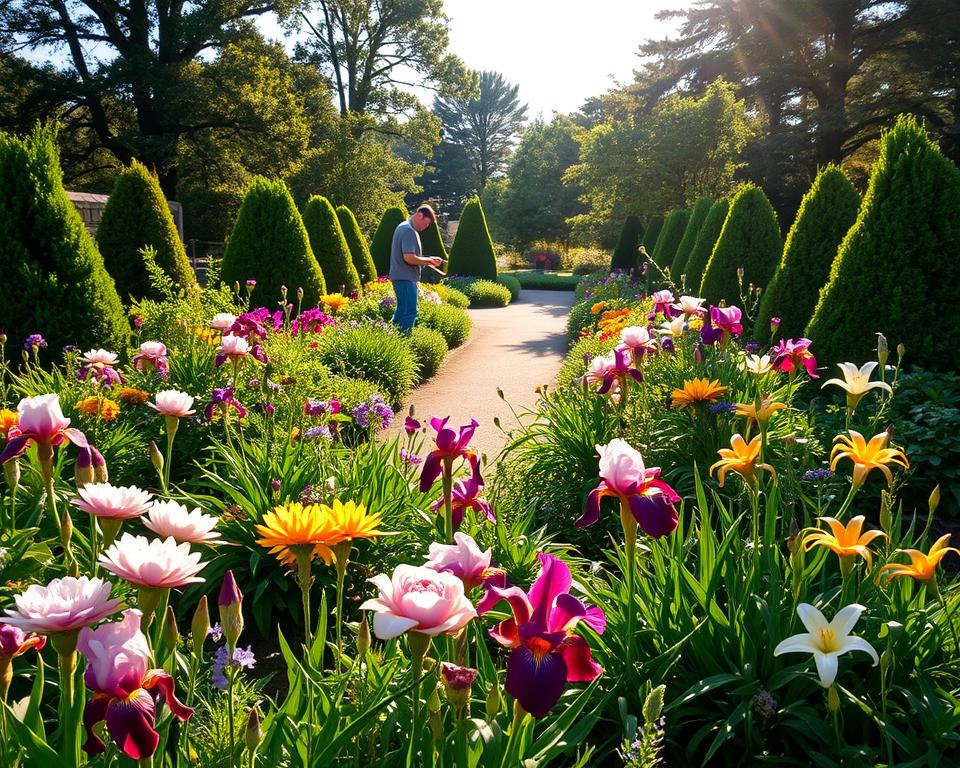
Common Mistakes to Avoid When Designing Perennial Beds
Perennial bed design is an art that requires understanding and avoiding several key mistakes. When designing a perennial bed, it’s easy to fall into traps that can lead to a garden that is either visually unappealing or difficult to maintain.
The “Onesies” Trap and How to Avoid It
One common mistake is the “onesies” trap, where gardeners collect too many different plant varieties, resulting in a disjointed and visually weak perennial bed. To avoid this, limit your plant palette to a few key species that complement each other in terms of texture, color, and height.
Poor Plant Placement Errors
Another error is poor plant placement, such as positioning shade-loving plants in full sun or drought-tolerant plants in damp areas. Ensure that you match the plant to its preferred conditions to avoid poor performance and high replacement rates.
Neglecting Seasonal Balance
Failing to consider seasonal balance often results in gardens that look spectacular for a short period but lack interest at other times. To achieve year-round interest, plan for continuous blooms by selecting plants that flower at different times of the year.
| Mistake | Consequence | Solution |
|---|---|---|
| The “Onesies” Trap | Disjointed and visually weak perennial bed | Limit plant palette to complementary species |
| Poor Plant Placement | Poor performance and high replacement rates | Match plant to its preferred conditions |
| Neglecting Seasonal Balance | Lack of interest outside peak season | Plan for continuous blooms |
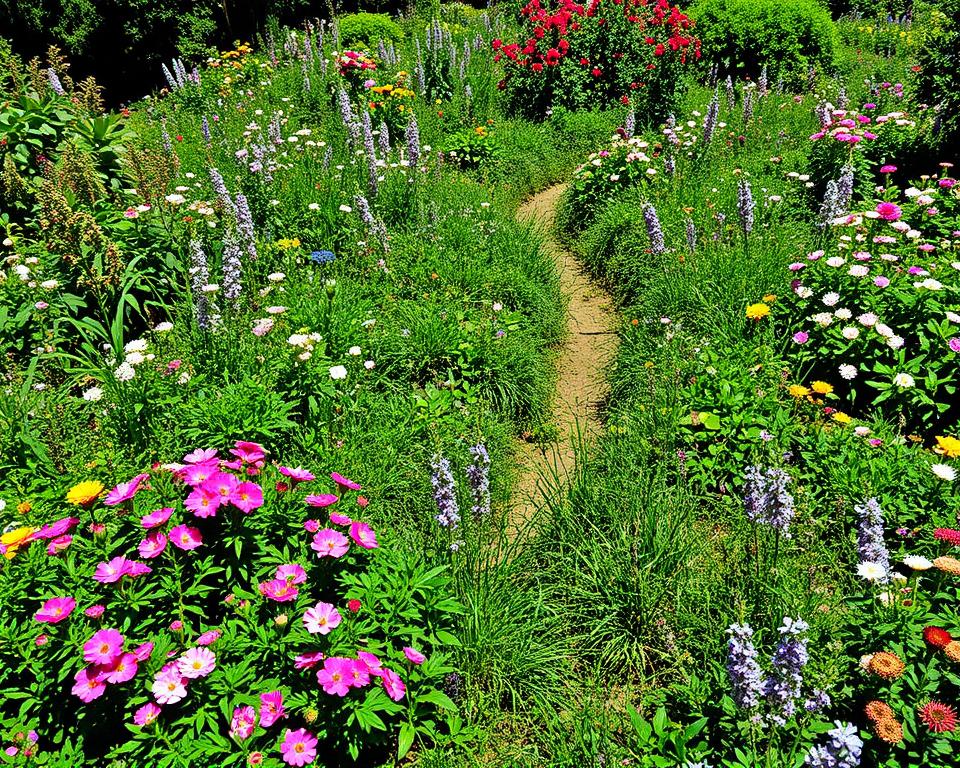
Conclusion: Creating Your Perennial Garden Journey
By following the principles outlined in this article, you can develop a perennial garden that brings joy and beauty to your outdoor space. As your garden matures, it will become a personal expression of your gardening style, providing a habitat for wildlife and a source of cut flowers.
Make sure to document your journey to refine your approach and appreciate the changing seasons.
FAQ
What is the best time to plant perennials?
The best time to plant perennials is during the spring or autumn when the weather is mild and there is ample moisture in the soil. This allows the plants to establish themselves before the extreme temperatures of summer or winter.
How often should I water my perennial bed?
You should water your perennial bed regularly during the first growing season to establish a strong root system. After that, most perennials are relatively drought-tolerant, but consistent moisture promotes healthy growth and flowering.
What is the ideal soil type for perennials?
Perennials generally thrive in well-draining soil that is rich in organic matter. The ideal soil type may vary depending on the specific plants you are growing, but a mix of compost and topsoil usually provides a good foundation.
How do I maintain a weed-free perennial bed?
To maintain a weed-free perennial bed, you should regularly remove weeds by hand or with tools, and consider applying a layer of mulch to suppress weed growth and retain moisture.
Can I grow perennials in shade?
Yes, many perennials can thrive in shade. You should choose plants that are suitable for the level of shade in your garden, whether it’s partial shade or full shade, and ensure they receive the right amount of moisture and nutrients.
How tall should my perennial plants be?
The height of your perennial plants will depend on the specific varieties you choose. Generally, it’s a good idea to place taller plants towards the back of the bed and shorter plants towards the front to create a visually appealing layered effect.
What are some common mistakes when designing a perennial bed?
Common mistakes include not considering the mature size of the plants, failing to provide adequate spacing, and not planning for continuous blooms throughout the growing season. You should also avoid overcrowding and ensure good air circulation to prevent disease.
How often should I divide my perennials?
You should divide your perennials every 3-4 years to maintain their health and promote vigorous growth. The best time to divide perennials is during the spring or autumn when they are not in bloom.