
How to Prepare Your Garden for a Shed

Installing a new garden shed is an exciting project. It creates valuable storage space and enhances the usability of your outdoor area. However, the long-term success of this building hinges entirely on the initial groundwork.
A firm, level base is the most critical element of the entire preparation process. Without this stable foundation, the structure is at risk. Doors may not fit properly, and walls can become misaligned. This compromises the quality and significantly shortens the service life of your shed.
Choosing the right site and investing time in proper preparation at the beginning prevents these costly issues later. It ensures your garden building remains square, secure, and functional for many years. This careful approach protects your investment and guarantees a reliable outdoor space.
Inhaltsverzeichnis
Key Takeaways
- A level and stable base is fundamental to the shed’s structural integrity.
- Proper groundwork directly influences the building’s longevity and performance.
- Inadequate preparation can lead to misaligned doors and walls.
- Selecting an appropriate site is a crucial first step in the process.
- Initial time invested in preparation prevents expensive future repairs.
- The principles of good preparation apply to sheds of all sizes.
Understanding the Importance of a Level Shed Base
A meticulously prepared base serves as the cornerstone for any durable garden building. The initial quality of this foundation directly influences the entire structure’s performance over time.
Structural Integrity and Stability
When a shed base is perfectly level, the frame distributes weight evenly across the ground. This prevents stress concentration on specific parts.
An uneven foundation causes the frame to twist gradually. Walls become misaligned, creating gaps in joints. Doors and windows may jam or fail to close properly.
Preventing Water Drainage Issues
Proper drainage relies on a flat base. A level surface allows water to run off naturally instead of pooling.
Standing water accelerates timber decay and promotes moisture problems. Raised bases enable air circulation beneath the floor, preventing damp and mould.
| Aspect | Level Base | Uneven Base |
|---|---|---|
| Structural Integrity | Even weight distribution | Frame twisting and warping |
| Moisture Control | Proper water runoff | Pooling and damp issues |
| Long-term Performance | Stable and durable | Premature deterioration |
How to Prepare Your Garden for a Shed
Before any work begins, understanding the rules is a crucial first step. Most standard garden shed projects in the UK fall under ‘permitted development’. This means planning permission is often not required.
There are important exceptions. Properties in conservation areas or those planning a very large building might need approval. A typical maximum height of 2.5 metres is generally acceptable.
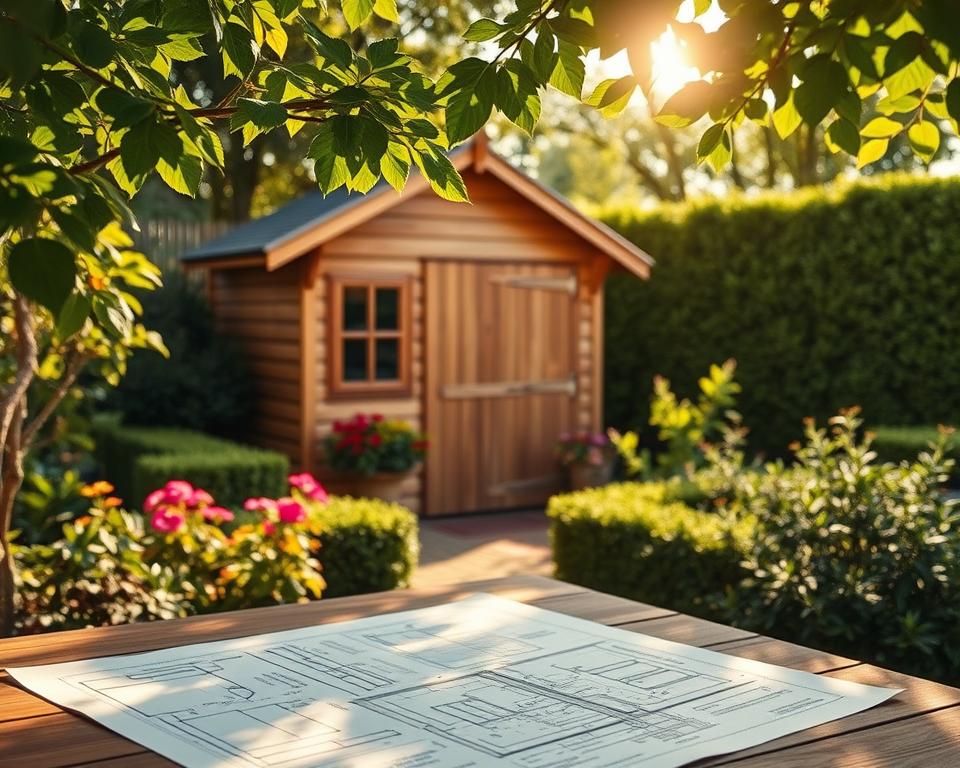
Selecting the right site is equally important. The chosen space should have firm ground, avoiding overly wet or muddy soil. This ensures a stable base and simplifies the construction process.
Allow for easy access around the entire shed. This is vital during building and for future maintenance, like applying wood treatments. Keeping a reasonable distance from boundaries is a wise practice.
Discussing plans with neighbours beforehand can prevent future disputes. It fosters good relations and ensures everyone is comfortable with the new garden addition.
Benefits of a Level Base for Shed Longevity
A perfectly level base is the single most important factor for a shed‘s longevity. It prevents the frame from twisting, which can cause doors to jam and walls to warp.
This stable foundation protects the structure from moisture damage. It allows water to drain away effectively, reducing the risk of rot and decay.
Investing time in this initial preparation pays off significantly. It ensures the building remains square, secure, and functional for many years, safeguarding your investment.
Planning Your Shed Base and Preparing the Ground
The initial phase of constructing a durable shed involves meticulous ground preparation. This foundational step establishes the conditions for a stable base and long-term structural integrity.
Clearing Vegetation and Marking the Area
Begin by clearing the entire site. Remove all grass, weeds, shrubs, and their roots. This prevents organic decay from trapping moisture against the base.
Clear a space larger than the shed‘s footprint. An extra 30-40cm border provides working space and stops plants from touching the structure.

Next, mark the area using pegs and string. Use a tape measure to ensure the layout is perfectly square. Check this by comparing diagonal measurements; they must be equal.
Remove stones and check the ground surface with a spirit level. Identify any high or low spots that need adjustment before proceeding.
Managing Drainage and Soil Moisture
Proper drainage is critical. A well-prepared surface allows water to run off, preventing pooling that can undermine the base.
Laying a quality weed membrane is a vital step. Use two layers for maximum coverage. This barrier stops weeds and promotes airflow, reducing rot risk.
| Preparation Step | Primary Benefit | Key Consideration |
|---|---|---|
| Clearing Vegetation | Eliminates moisture-trapping organic matter | Remove roots completely to prevent regrowth |
| Marking the Area | Ensures a square and accurate foundation | Diagonal measurements must match exactly |
| Laying a Membrane | Prevents weed growth and improves ventilation | Use two overlapping layers for best results |
Selecting the Right Base Material for Stability
Various foundation options exist, each offering distinct advantages for different garden conditions. The choice of material significantly influences the installation process and long-term performance of the structure.
Comparing Timber, Concrete and Plastic Options
Timber bases, often called portabases, feature pressure-treated wood with metal spikes for ground anchoring. They provide excellent ventilation beneath the shed floor and adapt well to slightly uneven surfaces.
Plastic foundations utilise 100% recycled materials in interlocking grid systems. These tiles offer quick installation with free-draining properties that keep the floor dry.

Concrete bases require substantial preparation with 7.5cm of compact hardcore beneath 7.5cm of concrete. This creates the most permanent foundation solution available.
| Material Type | Installation Time | Durability | Cost Level |
|---|---|---|---|
| Timber Base | Quick | Good | Medium |
| Plastic Grid | Very Quick | Excellent | Low-Medium |
| Concrete Foundation | Lengthy | Superior | High |
Each material suits specific ground conditions and shed sizes. Proper installation following manufacturer guidelines ensures optimal foundation stability regardless of the chosen type.
Step-By-Step Guide to Level a Garden for Shed Installation
Proper ground levelling forms the essential foundation for any successful shed installation. This process requires careful attention to detail at each stage.
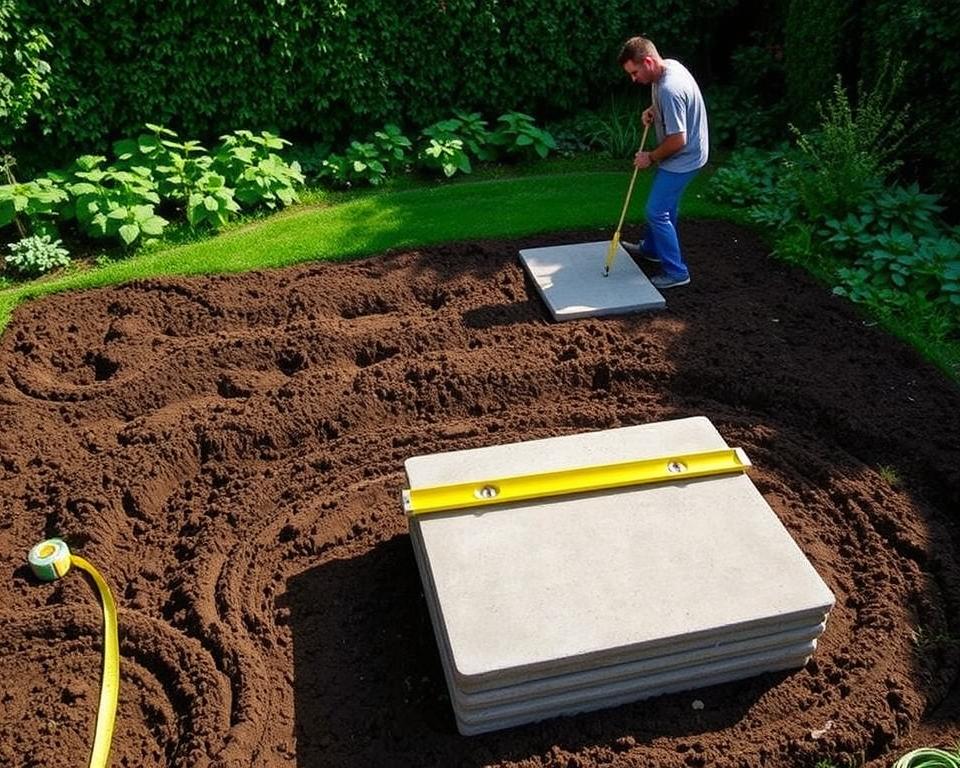
Using a Spirit Level and Measuring Tools
Accurate measurement is crucial for a level base. Begin by clearing the site of all vegetation, including roots. Allow an extra 30-40cm border around the intended area.
Mark the perimeter using pegs and string. Ensure the layout is perfectly square by checking diagonal measurements match exactly. Use a spirit level on wooden planks laid across the surface to identify high and low spots.
Remove excess soil from elevated areas and fill depressions. The spirit level provides constant feedback during this process. Double-check measurements frequently as even small errors can compound.
Securing Your Shed Base Methodically
Install a quality weed membrane after levelling. Use two layers—one lengthways and one widthways—for maximum coverage. This prevents weed growth while allowing proper drainage.
Position pressure-treated timber planks to match the shed’s footprint. Secure them firmly using a hammer or rubber mallet. Fill gaps between concrete foundation blocks with pea gravel for added stability.
This methodical approach ensures a solid foundation. It protects the shed frame from moisture damage and maintains structural integrity over time.
Tools, Materials and Safety Precautions on Site
Successful shed construction begins with gathering the correct equipment and materials. This careful step prevents delays and ensures a smooth building process. Having everything ready saves time and reduces frustration on site.

Essential Tools and Materials Checklist
The right tools make all the difference. Essential items include a long spirit level, tape measure, and marking pegs. A power drill with various bits is crucial for assembling timber frames.
Key materials depend on your chosen base type. Options range from plastic grid kits to traditional concrete foundations. Always include a quality weed membrane and gravel for drainage.
Specialist items like pressure-treated timber and paving slabs complete the list. Organising these parts before starting keeps the work area tidy and efficient.
Adhering to Safety Best Practices
Safety should never be compromised. Always wear rigger gloves, safety goggles, and a dust mask. This protective kit is essential when handling materials like wet cement.
Make sure to wash hands thoroughly after handling treated timber. Wet cement can cause burns, so proper cleanup is vital. Keep the ground clear of trip hazards.
These precautions protect against immediate injury and long-term health issues. They ensure your garden project remains a safe and rewarding experience.
Maximising Shed Longevity with Proper Construction Techniques
Correct construction techniques are fundamental to maximising the lifespan and performance of a garden building. A high-quality, level base sets the stage for a smooth and successful assembly process.
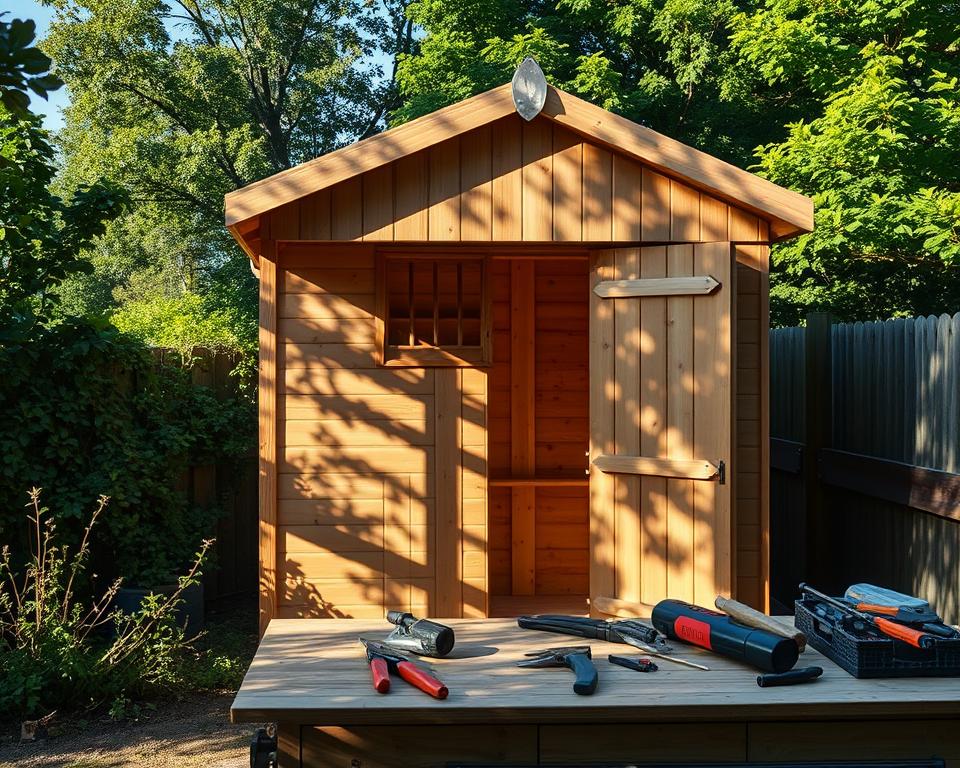
Enhancing Aesthetic Appeal and Functionality
A perfectly prepared base makes assembling the shed significantly easier. Panels align correctly, and fixings position accurately. This prevents the frustration of forcing misfitting components during construction.
In the long term, this stable foundation drastically reduces maintenance. The structure remains square, preventing doors from dropping and windows from warping. A crooked shed never looks appealing.
A level base ensures the garden shed appears sharp and professional. Inside, a flat floor allows shelves and storage to function properly from day one.
Material choice is crucial for durability. Softwoods like Douglas fir, spruce, and larch are excellent for a garden shed. Using pre-treated timber and regular preservative applications protects the frame from the elements.
Investing time in these proper techniques ensures the building becomes a valuable, long-lasting asset. It enhances both the aesthetics and functionality of your outdoor space for many years.
Conclusion
Proper groundwork transforms a simple storage solution into a lasting garden asset. The comprehensive guidance provided throughout this article demonstrates that meticulous preparation forms the bedrock of any successful shed installation.
Investing time in careful planning and accurate levelling pays significant dividends. Whether choosing timber, plastic, or concrete for your base, following methodical techniques ensures a stable structure. This approach protects against moisture damage and premature deterioration.
Armed with the right tools and materials, readers can approach their project with confidence. Each careful step contributes to building a quality outdoor place that serves household needs for years.
The result is more than just storage—it’s a valuable, functional addition to any garden. A well-prepared garden shed becomes an integral part of outdoor living space, enhancing both utility and appeal.
FAQ
Why is a level base critical for a garden shed?
A level base is essential as it ensures the shed’s structural integrity, preventing warping of the frame and potential damage. It also aids proper water drainage away from the structure, protecting the floor from moisture and rot.
What is the first step in preparing the ground?
The initial step involves clearing the chosen area of all vegetation, including grass and weeds. The site should then be marked out accurately to the correct size, ensuring it is slightly larger than the shed’s dimensions.
Which base material offers the best stability?
A concrete base generally provides the most durable and stable foundation for a shed, particularly for larger structures. For smaller sheds, a robust, pressure-treated timber frame on a bed of compacted gravel can be a suitable and effective alternative.
How can one ensure the ground is perfectly level?
Using a spirit level and string lines across the site helps check for high and low spots. The area must be compacted firmly, and a layer of sharp sand or gravel can be used to fine-tune the final surface to achieve a level foundation.
What safety precautions are important during construction?
It is vital to wear appropriate personal protective equipment, such as safety glasses and gloves. Always handle tools with care, follow manufacturer instructions for any materials used, and ensure the work area is secure, especially when mixing concrete or lifting heavy parts.
How does proper construction extend a shed’s lifespan?
Correct techniques, such as ensuring a level base and adequate drainage, prevent long-term issues like dampness and structural stress. Using quality materials and sealing any gaps also enhances the shed’s durability, aesthetic appeal, and functionality over many years.

