Shed Under a Tree – Is it Safe? Storage Tips
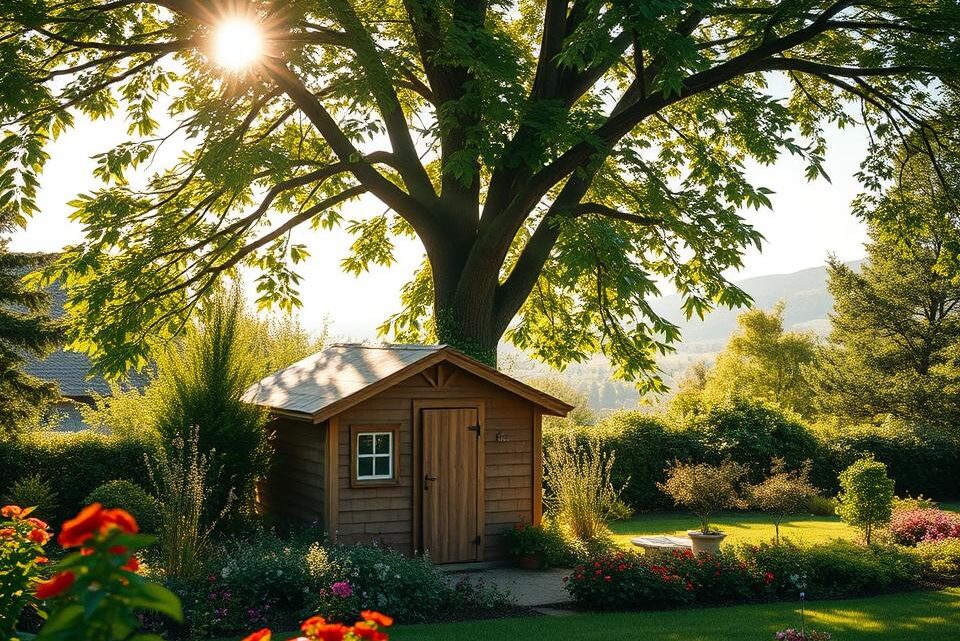
Many homeowners face a common challenge when planning their garden storage. Limited outdoor space often restricts the available options for positioning a new structure. When the most viable spot appears to be near or directly beneath a tree, it can seem like a logical solution. However, this decision requires careful thought.
This guide offers a comprehensive look at the considerations for this specific garden location. Choosing the right place for a garden building is a critical first step. The selected spot significantly influences the structure’s durability and future upkeep. An informed choice at this stage can prevent expensive problems and premature replacement.
Understanding the dynamics between trees and adjacent buildings is essential. While trees offer natural shade and enhance a garden’s aesthetics, they also present unique maintenance challenges. This article will explore risk assessment, proximity guidelines, foundation needs, and long-term care strategies. With proper planning, it is possible to successfully integrate storage into a garden landscape near trees.
Inhaltsverzeichnis
Key Takeaways
- Limited garden space often forces consideration of placing a shed near trees.
- The chosen location has a major impact on the structure’s lifespan and maintenance demands.
- While aesthetically pleasing, trees pose specific risks that require evaluation.
- Proper planning and knowledge can mitigate potential damage and extend the shed’s life.
- Key factors to assess include risks, safe distances, foundation requirements, and ongoing care.
Understanding the Risks of Shed Placement Near Trees
While trees enhance garden aesthetics, their proximity to storage buildings presents unique maintenance considerations. The natural processes of mature trees create environmental factors that can compromise structural integrity over time. Understanding these dynamics is essential for long-term preservation.
https://www.youtube.com/watch?v=B2Y9CLveXSU
Tree Moisture, Leaves, and Debris Hazards
Mature trees naturally retain significant moisture in their canopy and surrounding soil. This persistent dampness transfers to adjacent structures, accelerating material degradation. Regular exposure to high humidity levels weakens timber and promotes mould growth.
Seasonal leaf fall creates substantial challenges for roof maintenance. Accumulated foliage blocks drainage systems and traps water against surfaces. Bird droppings and sticky sap further complicate cleaning routines, potentially staining finishes.
| Hazard Type | Primary Cause | Potential Damage | Prevention Strategy |
|---|---|---|---|
| Moisture Damage | Tree canopy humidity | Wood rot, mould growth | Improved ventilation |
| Debris Accumulation | Leaf and branch fall | Gutter blockage, water pooling | Regular cleaning schedule |
| Surface Staining | Sap and bird droppings | Finish degradation | Protective coatings |
Impact of Tree Roots and Branch Overhang
Below ground level, tree roots represent a hidden threat to foundation stability. As roots expand seeking nutrients, they exert pressure on base materials. This gradual movement can misalign structural components over several seasons.
Overhanging branches pose immediate physical risks during adverse weather conditions. Even moderate-sized limbs can compromise roofing materials upon impact. Different tree species exhibit varying root behaviours, with some varieties presenting greater foundation challenges.
Shed Under a Tree – Is it Safe?
Many garden owners wonder about the viability of positioning a storage building near foliage. The decision requires balancing practical safety with the natural benefits a garden tree provides.
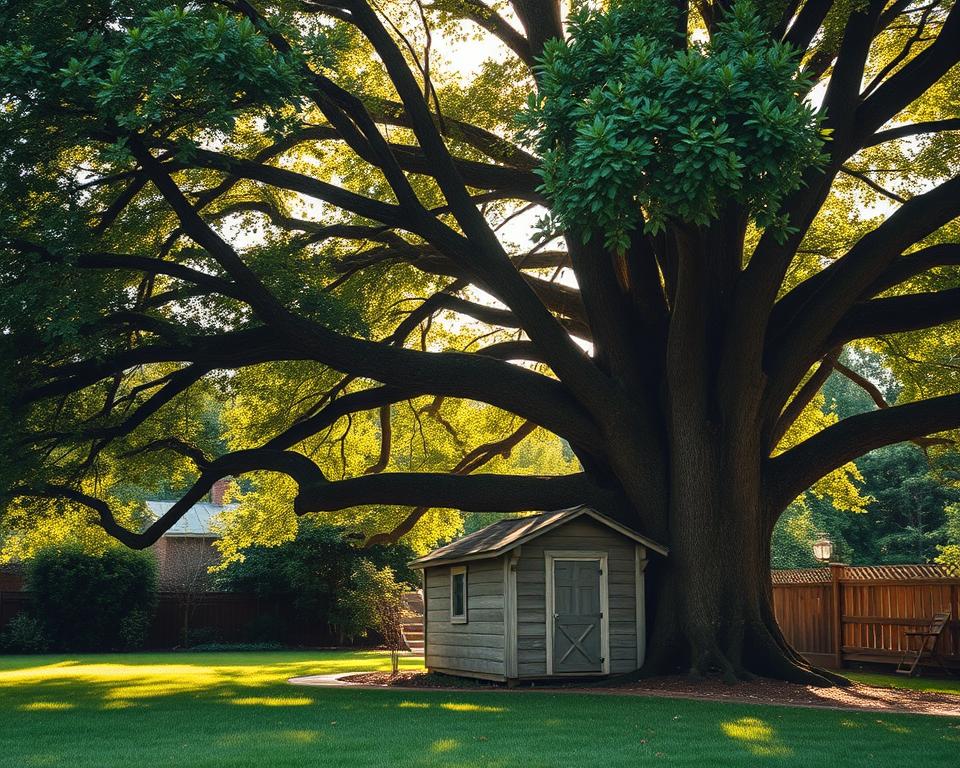
It is generally acceptable to place a garden building in such a location, provided certain precautions are observed. A crucial factor is maintaining adequate clearance.
Proximity Concerns and Manufacturer Guidelines
A minimum distance of two feet is strongly recommended between any structure and a tree. This gap helps reduce risks from falling debris and allows for essential maintenance access.
Manufacturers of wooden garden buildings often include specific terms in their guarantees. These warranties usually require a minimum distance from trees to remain valid. Placing a building too close can void this protection.
It is important to consider the entire canopy, not just the trunk. Species like oak, sycamore, and horse chestnut have wide-spreading branches that pose a threat.
Potential Damage to Shed Structure and Base
The type of soil in your garden significantly influences risk levels. Clay soils are particularly problematic due to their tendency to shrink and swell.
Tree roots seeking water can affect soil moisture over a considerable area. High water demand species can dry out soil up to a distance equal to the tree’s height.
This subsidence can compromise even a well-built foundation. The resulting damage may include misaligned frames, stuck doors, and water penetration issues.
While complete avoidance isn’t necessary, careful planning based on tree size, species, and soil type is essential for longevity.
Planning Your Shed’s Base and Storage Options
Proper base preparation represents the single most important factor in ensuring a shed’s durability over time. Many people make the mistake of erecting their structure directly onto unprepared ground surfaces. This approach inevitably leads to premature deterioration regardless of whether the existing surface is grass, concrete, gravel, or paving.
Choosing the Right Foundation: Concrete, Slabs or Plastic
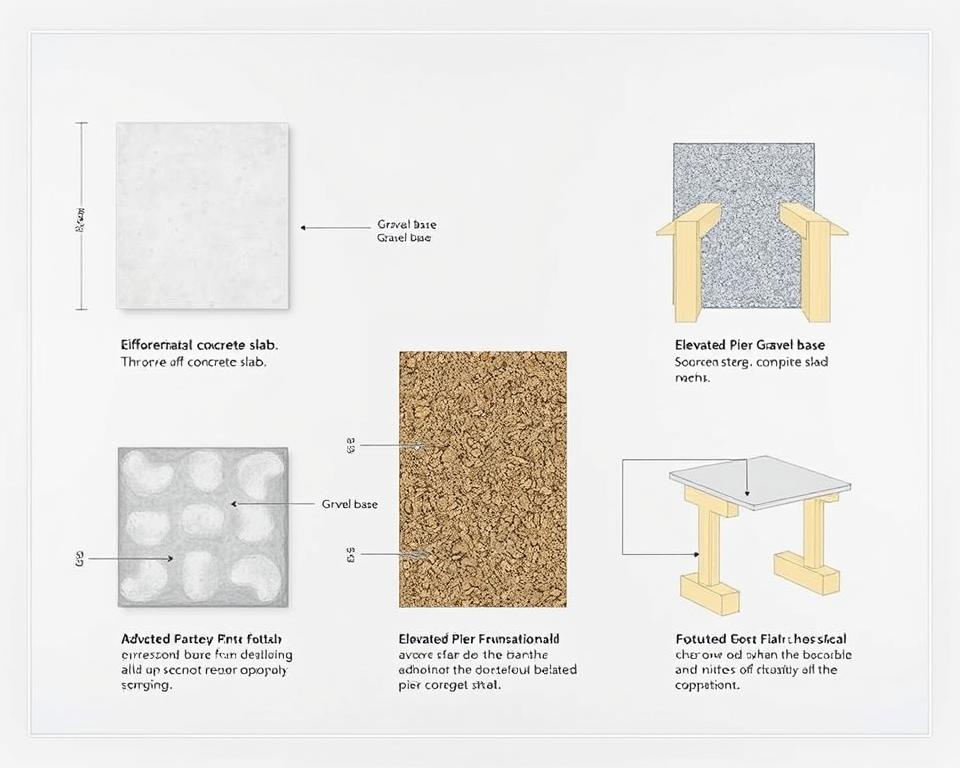
The three primary foundation options each offer distinct advantages for garden storage. Concrete provides exceptional stability but typically requires professional installation. Paving slabs offer a solid, raised surface that resists shifting from root growth underneath.
Plastic interlocking systems present a surprisingly strong and cost-effective alternative. These lightweight bases can be assembled quickly without professional help. They form a durable foundation secured in place with U-Pins for stability.
| Foundation Type | Durability | Installation Complexity | Cost Effectiveness |
|---|---|---|---|
| Concrete | Exceptional | Professional required | Moderate |
| Paving Slabs | High | Professional recommended | Good |
| Plastic Systems | High | DIY suitable | Excellent |
Ensuring a Level, Durable Base for Long-Term Use
The foundation must always extend slightly beyond the building’s footprint. This prevents overhanging sections that could collect moisture or become vulnerable to ground movement. A properly sized base ensures the entire structure sits securely on a stable surface.
Comprehensive ground preparation begins with clearing the entire area of vegetation and debris. Remove grass, stones, twigs, leaves, and branches that could decompose and create uneven settling. Achieving a perfectly level surface is non-negotiable for structural integrity.
Even minor slopes or variations in the ground surface will cause structural stress. This leads to misaligned components and accelerated wear on the frame and panels. Careful preparation at this stage prevents costly repairs later.
Expert Garden Tips for Managing Tree and Shed Dynamics
Proactive maintenance is the cornerstone of successfully integrating a garden building into a landscape with mature trees. A consistent, planned approach prevents minor issues from escalating into significant damage. This strategy ensures the structure remains protected throughout the seasons.
Effective Tree Pruning and Maintenance Strategies
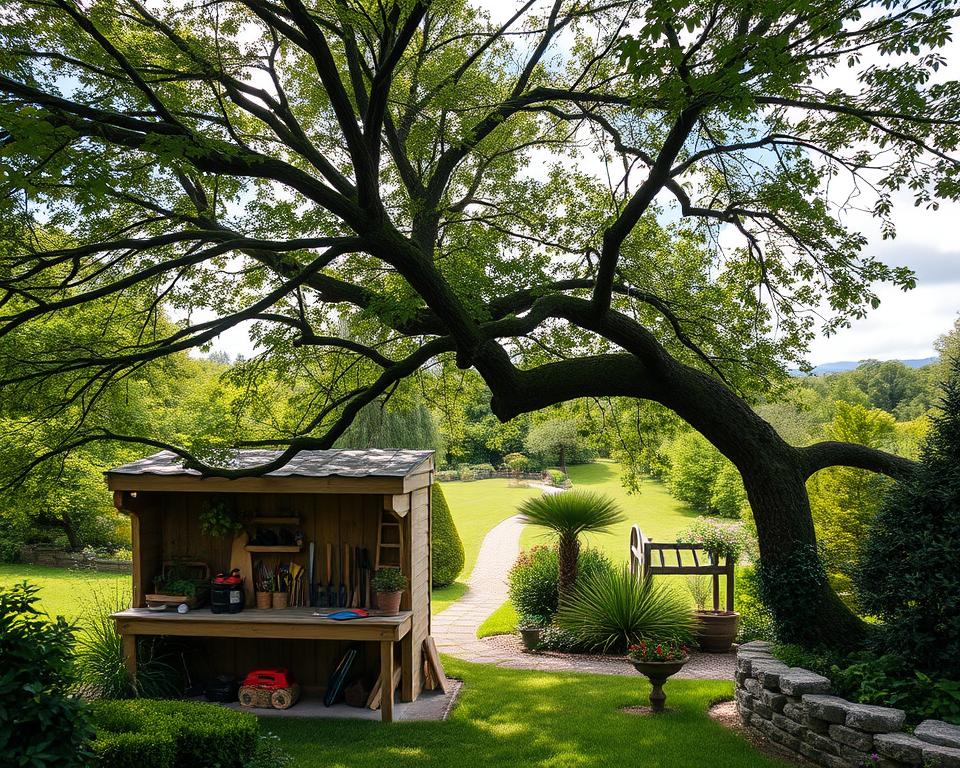
Regularly trimming overhanging branches is a critical first step. This practice reduces leaf debris accumulation on the roof and minimises the risk of falling limbs. It is best to cut branches back before they extend far over the structure.
An annual health inspection of the tree is equally important. Homeowners should look for signs of disease, deadwood, or pest infestation. Identifying problems early can prevent branch failure or complete collapse.
Seasonal Considerations for Shed and Garden Care
Each season brings specific challenges. In summer, sticky sap from trees can adhere to timber surfaces. Applying a protective wood treatment creates a barrier against this sap, preventing stains and mould.
Autumn requires diligent clearing of wet leaves from the roof and base. This prevents moisture traps that lead to rot. Maintaining clear access around the building’s perimeter all year facilitates these essential tasks.
For tree roots causing subsidence, advanced management is needed. A effective crown reduction must remove at least 70% of the canopy volume. This work manages water uptake and should be repeated every three years.
| Maintenance Task | Frequency | Key Benefit |
|---|---|---|
| Branch Trimming | As needed / Annually | Reduces debris and physical damage risk |
| Roof and Base Clearing | Seasonally (especially Autumn) | Prevents moisture accumulation and rot |
| Tree Health Inspection | Annually | Early detection of disease or instability |
| Crown Reduction (if needed) | Every 3 years | Manages subsidence risk from tree roots |
This consistent care represents a modest time investment. It safeguards the garden storage solution and helps it hold up better over the long term. Homeowners should make sure these routines are followed to protect their investment.
Conclusion
Integrating an outdoor storage building into a garden with existing trees requires a thoughtful approach to balance aesthetics and practicality. With careful planning regarding location and a commitment to maintenance, homeowners can successfully place a shed in these areas. Adhering to the recommended clearance is crucial for longevity.
Selecting the correct foundation, such as concrete or paving slabs on level ground, resists pressure from tree roots. This prevents structural damage and misalignment. Proactive care, including annual inspections and keeping the roof clear, protects the wood from moisture and debris throughout the year.
Ultimately, understanding the specific demands of your garden’s environment allows for a durable and functional storage solution that will serve well for many years.
FAQ
What are the main risks of placing a garden shed near a tree?
The primary risks involve moisture from the tree, falling leaves, and debris. These can lead to damp issues, blocked gutters, and potential rot on a wooden structure. Overhanging branches also pose a hazard to the roof during storms.
How can tree roots damage a shed’s foundation?
As roots grow and search for water, they can displace the ground. This movement may cause a concrete base or paving slabs to crack and become uneven, compromising the entire building’s stability over the years.
What is the safest type of base for a shed positioned under a tree?
A solid, level foundation is crucial. Concrete offers excellent durability, while interlocking plastic bases provide a stable surface that can adapt to minor ground movement. Properly laid paving slabs are another reliable option for many gardens.
Does regular tree maintenance help protect the structure?
A> Yes, proactive care is highly beneficial. Strategic pruning of branches reduces leaf fall and minimises the risk of damage from falling limbs. It also allows more sunlight to reach the area, helping to keep the shed drier.
Are there specific seasonal checks I should perform?
Absolutely. In autumn, clear the roof and gutters of leaves frequently. During summer, inspect for signs of excess moisture or mould. Year-round, it is wise to check that the base remains level and secure.