
How To Prepare Your Shed For Winter: Essential Tips
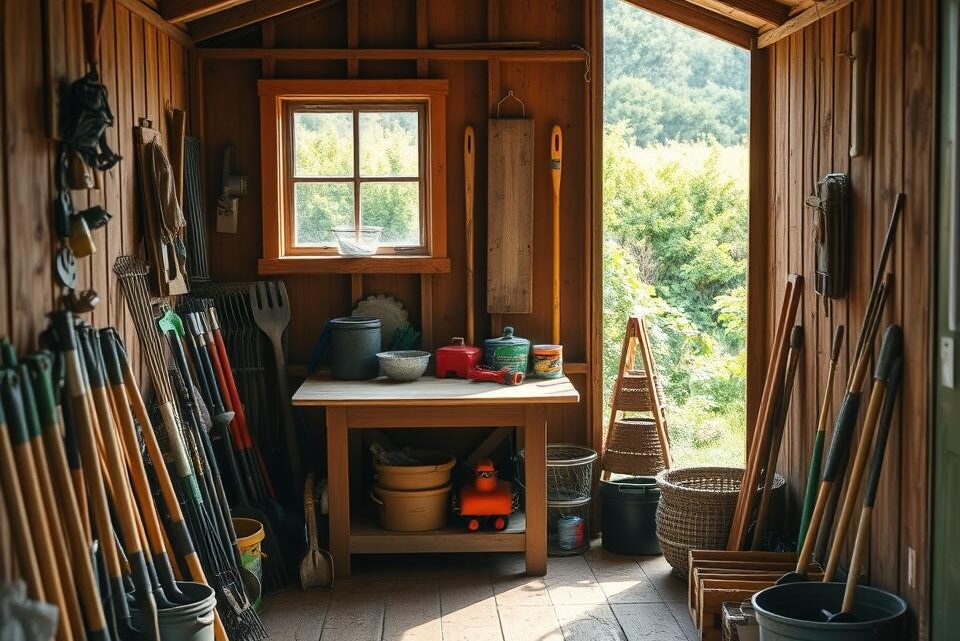
As the seasons shift and the days grow shorter, garden buildings face their toughest test. The harsh British weather, with its persistent damp, biting frost, and strong winds, presents significant challenges for timber structures. Proactive care during the autumn months is not just a suggestion; it is a crucial defence.
A little maintenance effort invested now yields substantial long-term benefits. It protects the building’s integrity and the valuable items stored inside from moisture damage, rot, and mould. This preventative approach saves considerable time and money by avoiding costly repairs later.
Drawing on decades of experience from specialists like Sutton Sheds, this guide offers practical advice. The following tips provide a comprehensive strategy for winter-proofing a garden shed. The goal is to ensure it remains functional, secure, and in excellent condition throughout the coldest part of the year and for many more to come.
Inhaltsverzeichnis
Key Takeaways
- Autumn maintenance is essential to protect sheds from harsh winter conditions.
- Proactive care prevents damage from damp, frost, and wind.
- Timely preparation saves money by avoiding future structural repairs.
- Proper upkeep extends the lifespan and functionality of the building.
- Most winter-proofing tasks are straightforward and require basic tools.
- A holistic approach, from inspection to ventilation, ensures full protection.
Inspecting and Repairing Your Shed for Winter
A systematic inspection before winter’s arrival is fundamental for preserving any garden structure. This process identifies vulnerabilities that could lead to significant damage during harsh weather conditions.
Identifying Cracks, Leaks and Damaged Panels
Begin with a thorough examination of all surfaces. Look carefully for cracks, loose boards, and small gaps where moisture might penetrate. Even minor openings can allow water infiltration.
Pay close attention to wall panels and joints. Use quality wood filler for small cracks and replace any rotting sections immediately. This prevents moisture from compromising the timber’s integrity.
Assessing Roof, Doors and Windows
The roof provides the primary defence against winter precipitation. Check the felt condition thoroughly and look for missing shingles or damaged areas. A watertight roof is essential for protection.
Examine doors and windows carefully. Ensure hinges are secure and seals remain effective. Loose fittings can allow rain and snow entry during storms. Tighten any loose hardware and test locks for proper function.
Addressing these areas now prevents small issues from becoming major structural problems. Timely repairs maintain the building’s security and durability throughout the challenging winter months.
Re-treating and Protecting Shed Timber
Wood acts as a natural sponge, making weatherproofing essential for long-term preservation. Annual treatment forms the cornerstone of durable care, shielding the structure from the damp and frost of the coming season.
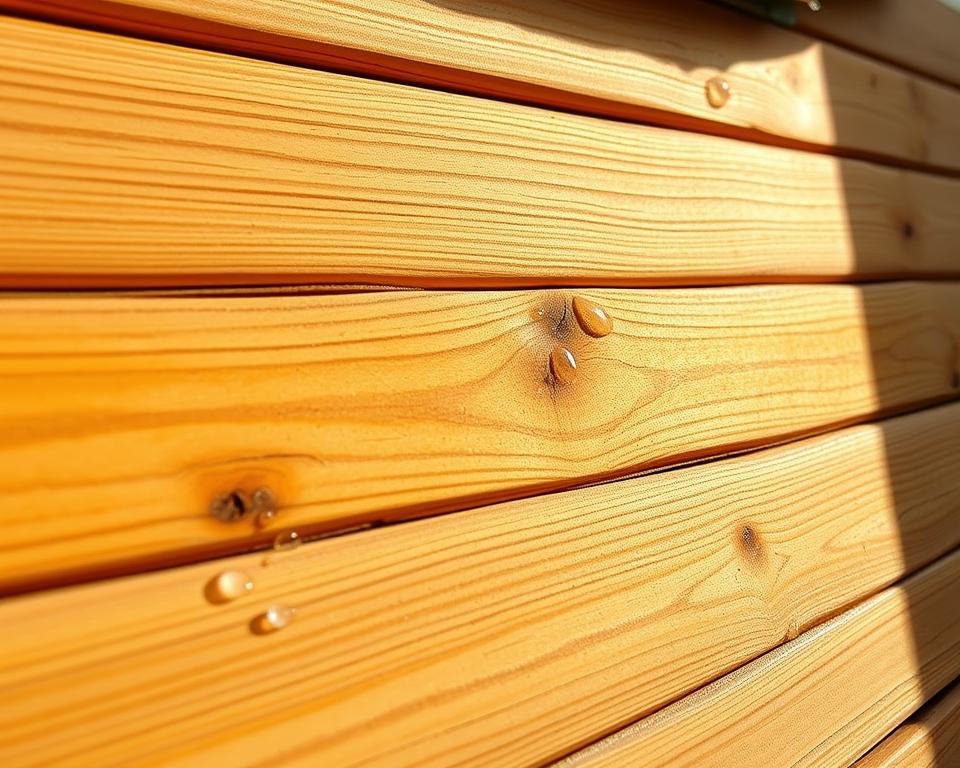
Applying a fresh coat before the first frosts is critical. This gives the product adequate time to dry and bond properly with the wood.
Applying Weatherproof Paints and Preservatives
Focus particularly on the base and lower panels. These areas are most vulnerable to rain splash and ground moisture. Using a quality preservative at least once a year helps timber resist water ingress.
Water-based products are an excellent choice. They are kinder to the environment and dry relatively quickly. Always apply a minimum of two coats for proper protection, ensuring complete coverage.
Choose a dry day with fine weather for this task. Lay down dust sheets and cover nearby plants to protect them from drips.
Preventing Mould, Rot and Moisture Damage
Untreated timber absorbs moisture, leading to swelling, warping, and decay over time. This neglect can significantly cut a building’s lifespan.
Effective treatment keeps the wood nourished and creates a barrier. It is the best defence against mould growth and rot during the cold, damp months. This simple step saves considerable time and money on future repairs.
How To Prepare Your Shed For Winter with Practical Checks
Draughts and moisture seek out the path of least resistance, often through hairline cracks. A detailed examination for these minor openings is a vital part of seasonal maintenance. It ensures the building’s interior remains dry and stable.

Addressing Small Gaps and Sealant Touch-Ups
Focus attention on frames around windows and doors. Check the corners and where different materials meet. Even tiny gaps can let in cold air, lowering the temperature inside the shed.
This temperature drop encourages condensation to form on tools and stored items. Using appropriate sealant products creates an effective barrier. It is a simple way to prevent moisture damage.
It is important to make sure the right type of sealant is chosen for the material. A methodical approach saves time and provides comprehensive protection against the weather. One should make sure to work on a dry day for the best results.
This proactive approach safeguards the contents of the shed throughout the winter months.
Improving Shed Ventilation and Insulation
The balance between fresh air circulation and thermal regulation determines a garden building’s winter performance. Many people mistakenly believe that sealing a structure completely is the best approach for cold weather. However, this can trap harmful moisture inside the space.

Proper air movement is essential for maintaining a healthy environment within the building.
Enhancing Airflow to Prevent Condensation
Condensation occurs when warm, moist air contacts cold surfaces. Without adequate ventilation, this moisture accumulates inside the shed. It leads to damp patches, musty odours, and corrosion on metal items.
Opening vents or windows briefly on dry days allows trapped moisture to escape. This simple practice protects tools and machinery from rust and mould development. Well-ventilated spaces maintain better air quality throughout the winter months.
Incorporating Insulation for Tools and Stored Items
Insulation helps stabilise interior temperatures, reducing condensation risks. It provides crucial protection for temperature-sensitive items stored within the space. Various options exist for different needs and budgets.
Budget-friendly choices include foam board or bubble wrap insulation. More effective solutions use fibreglass or reflective materials. Keeping items elevated on shelving prevents contact with cold, damp floors where moisture accumulates.
Moisture absorbers or silica gel packs offer additional protection. For structures with power, a small dehumidifier can help manage humidity levels effectively.
Securing and Maintaining the Surrounding Area
The area surrounding a garden building plays a critical role in its winter resilience. While internal organisation receives much attention, the external space demands equal care. Proper management of this perimeter prevents moisture accumulation and structural damage.
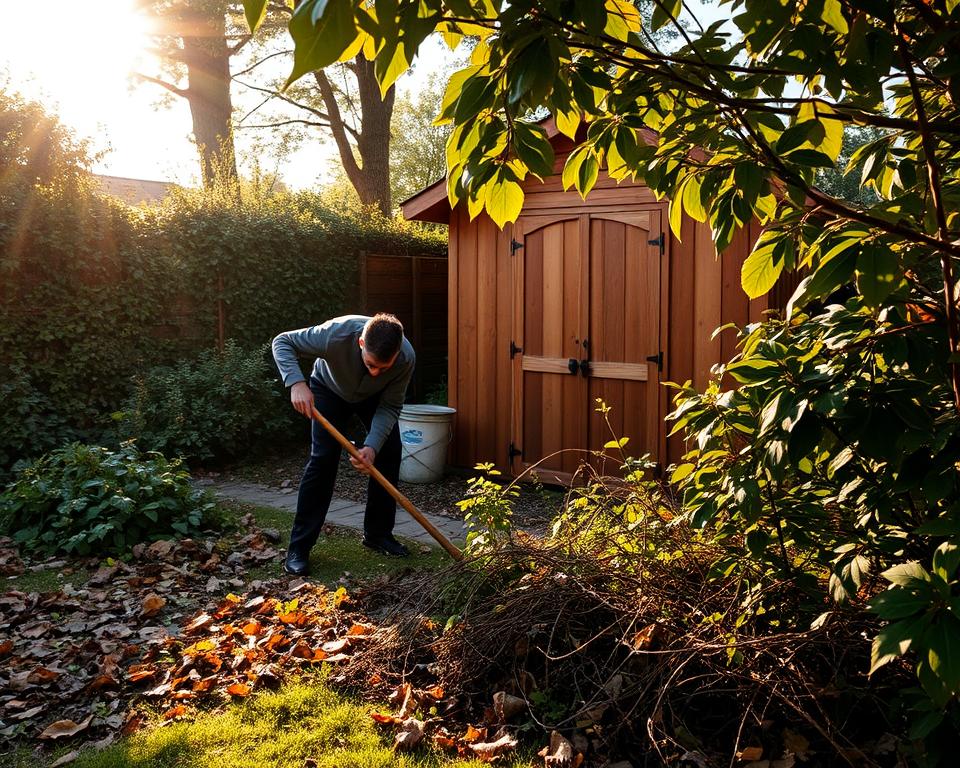
Clearing debris forms the first line of defence. Accumulated leaves and branches trap dampness against timber walls. This moisture accelerates decay and creates ideal habitats for pests seeking shelter.
Clearing Debris and Managing Garden Overgrowth
Regular removal of organic matter is essential. Moss on roofs and gutters blocks drainage, leading to water damage during wet weather. Trim back shrubs and plants growing too close to the structure.
This maintenance improves air circulation around the walls. It reduces the chance of damp establishing persistent wet patches. A clear boundary helps protect the building’s integrity.
| Vegetation Type | Recommended Action | Frequency | Benefit |
|---|---|---|---|
| Leaf litter & branches | Clear completely | Weekly in autumn | Prevents moisture retention |
| Moss on roof/gutters | Gentle brushing | Bi-annually | Maintains water drainage |
| Overgrown shrubs | Trim 30cm from walls | Seasonally | Enhances airflow |
The building’s foundation requires particular attention. Ensure the base remains slightly elevated with good drainage. This prevents rainwater from pooling underneath the floor.
Internal floor protection adds another layer of security. Rubber mats or wooden boards provide insulation against cold, damp conditions. They also prevent direct contact between stored items and the floor surface.
Regular checks every few days during poor weather help maintain this protective boundary. This proactive approach represents the most effective way to extend the lifespan of garden buildings.
Conclusion
A commitment to seasonal care is the cornerstone of a long-lasting garden shed. The simple steps outlined—securing doors and windows, protecting the floor and roof, and managing moisture—collectively keep shed interiors dry and secure throughout the winter months.
This proactive approach prevents rust on tools and damage to stored belongings. It is wise to store sensitive products like paint in sturdy tins or thick-walled plastic containers to guard against frost and pests.
Investing a little time now is the most effective way to protect your garden building. A well-maintained shed will serve faithfully for many years, remaining a valuable and functional space.
FAQ
What is the most important step in preparing a shed for winter?
A thorough inspection is crucial. Check the roof, walls, and doors for any damage or gaps that could let in water or cold air. Addressing these issues prevents moisture build-up and protects the structure and its contents.
How can I prevent mould and rust from forming on tools stored inside during the colder months?
Improving ventilation is key. Ensure air can circulate to reduce condensation. Applying a protective coat to metal tools and using desiccant products can also help keep items dry and rust-free.
Is it necessary to apply a new coat of paint or preservative every year?
A> Not necessarily every year, but it is wise to check the condition annually. Re-treating the timber with a weatherproof product when the existing coating shows signs of wear provides essential protection against rain and frost.
Should I insulate my shed for winter?
Insulation is highly recommended if valuable items are stored inside. It helps maintain a more stable temperature, protecting tools and materials from extreme cold. Proper ventilation must be maintained alongside insulation to manage moisture.
What simple maintenance can be done around the shed’s exterior?
Clear leaves and debris from the roof and gutters. Trim back any overgrown plants or trees from the walls. This prevents water accumulation and damage, and helps keep the building’s base secure.
How do I fix small gaps around doors and windows?
Use a good quality exterior sealant or weatherstripping. Applying these products effectively seals gaps, keeping out draughts and moisture, which is a simple yet vital part of shed maintenance.

