Creating the Perfect Hot Tub Gazebo Set-Up: A Guide
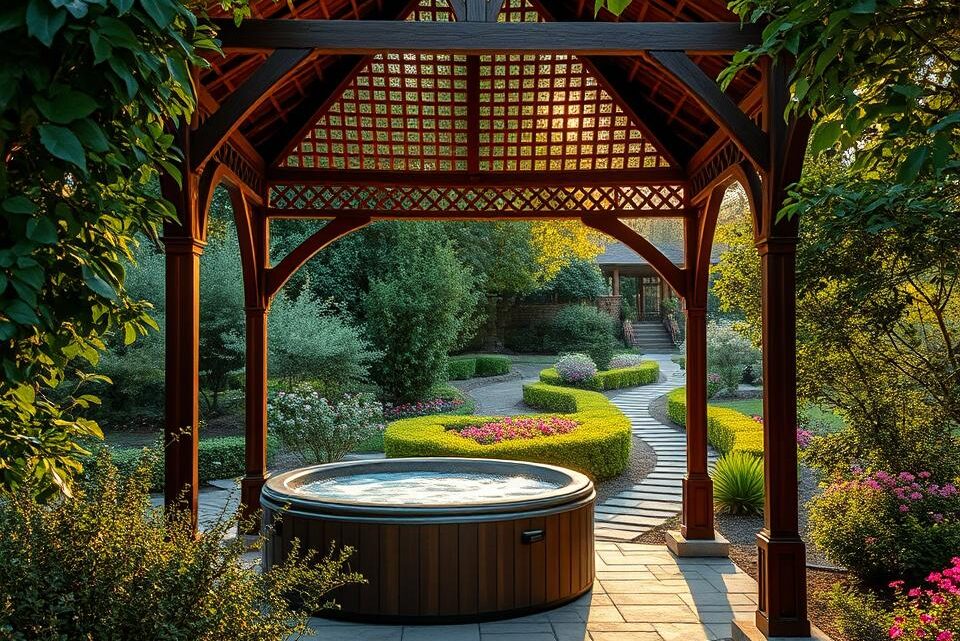
Transforming a garden area into a luxurious personal spa is a dream for many homeowners. A dedicated shelter for a hot tub elevates the entire experience, offering a private retreat regardless of the season. This guide explores how to achieve that ideal balance of style and practicality.
In the UK, where weather can be unpredictable, having a proper structure is essential. It ensures the hot tub can be enjoyed consistently, providing protection from rain and wind. A well-planned space enhances comfort and adds significant value to a property.
This comprehensive resource covers everything from initial planning to final design touches. Readers will learn about selecting the right location, choosing durable materials, and considering different structural options. The aim is to help avoid common mistakes and create a stunning focal point for relaxation and entertainment.
Inhaltsverzeichnis
Key Takeaways
- A well-designed gazebo provides essential shelter, allowing for year-round enjoyment of your hot tub.
- Careful planning of the space is crucial for maximising comfort, privacy, and the overall experience.
- Selecting the right location and foundation ensures the structure’s longevity and safety.
- Various material and design choices are available to suit different garden aesthetics and personal preferences.
- A successful set-up creates a valuable retreat that enhances both your lifestyle and your property.
Planning and Design Considerations
A successful project begins with careful planning. This phase determines how well the final structure will function and blend with its surroundings.
Thoughtful decisions at this stage prevent future issues. They ensure the space is safe, comfortable, and built to last.
Assessing Your Garden Space and Layout
Start by accurately measuring the available area. The chosen spot must fit the hot tub itself plus allow for safe movement around it.
For smaller models, a compact wooden frame often suffices. Larger units need a more substantial garden room, typically around 10×10 feet.
Location is critical. Proximity to the house is convenient, especially in winter. Sunlight patterns matter too; morning sun provides warmth, while afternoon shade offers cooling.
Selecting Quality Materials for Longevity
Material choice directly impacts durability and maintenance. High-quality timber with tongue and groove construction is a robust option for wooden frames.
For even greater longevity, consider metals like aluminium. These materials offer excellent resistance to the elements, ensuring the structure stands the test of time.
Incorporating Weather, Privacy and Aesthetic Factors
The UK climate demands effective weather protection. The design must shield users from rain and wind for year-round enjoyment.
Privacy is another key factor. Strategic placement and optional screens ensure relaxation without being overlooked. The design should also complement the home’s architecture, creating a cohesive look in the garden.
Choosing the Ideal Structure for Your Hot Tub Area
Homeowners have several distinct options when it comes to sheltering their outdoor spa. The decision significantly impacts the area’s functionality, aesthetic, and long-term maintenance. Selecting the right enclosure ensures year-round enjoyment.
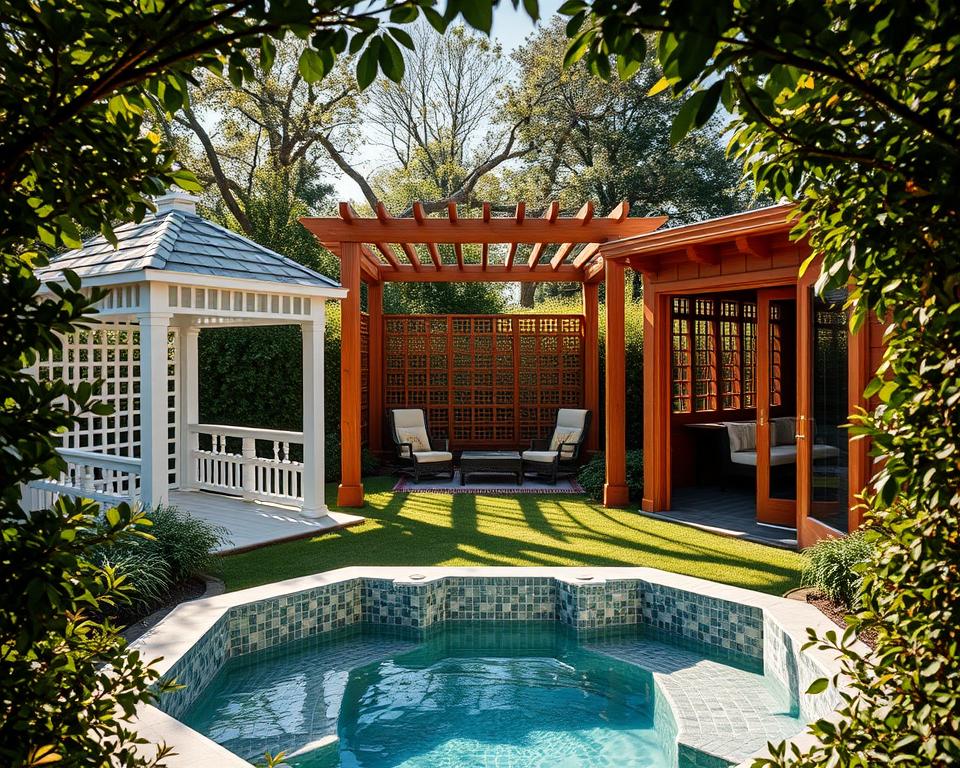
Three primary structures are commonly considered: gazebos, pergolas, and garden rooms. Each offers a different level of enclosure and creates a unique atmosphere.
Comparing Gazebos, Pergolas and Garden Rooms
Gazebos are freestanding with a solid roof and typically open sides. They provide excellent shelter from rain while allowing for natural ventilation. This design is ideal for enjoying garden views.
Pergolas feature an open-lattice roof supported by columns. They offer partial shade and a very airy feel. This option suits those preferring an unobstructed view of the sky.
Garden rooms are fully enclosed structures. They deliver maximum protection and privacy, creating an indoor-like environment. This allows for use in any weather condition.
| Structure Type | Key Feature | Best For | Consideration |
|---|---|---|---|
| Gazebo | Solid roof, open sides | Balanced shelter and openness | Timber requires regular sealing |
| Pergola | Open roof design | Sunlight and an airy atmosphere | Less protection from rain |
| Garden Room | Fully enclosed | Year-round, all-weather use | Critical need for ventilation |
Key Benefits and Potential Drawbacks
The classic look of a wooden gazebo is highly appealing. However, it needs consistent maintenance to prevent rot. Metal gazebos offer a modern alternative with greater durability.
Ventilation is a crucial factor for any enclosed or semi-enclosed spa area. Inadequate airflow around the hot tub can lead to moisture issues. This can damage the structure and the tub itself.
The final choice hinges on balancing desired privacy, weather protection, and aesthetic preferences against budget and maintenance willingness.
Creating the Perfect Hot Tub Gazebo Set-Up
Establishing a solid foundation is paramount when planning an outdoor spa enclosure. This critical element supports the entire structure and ensures long-term stability. Proper planning at this stage prevents costly future issues.
Choosing the Right Location and Foundation
The foundation represents the most vital structural component. It must safely bear the combined weight of the spa, water, occupants, and shelter. Concrete bases offer maximum durability for larger installations.

Paving slabs provide an economical alternative for compact spaces. Timber or composite decking serves dual purposes as both foundation and attractive feature. Location selection requires balancing accessibility, privacy, and sunlight exposure.
Installation Tips and Structural Considerations
Professional consultation ensures compliance with building regulations. They perform proper load calculations and recommend suitable installation techniques. This prevents safety hazards and construction errors.
Consider seasonal timing for optimal construction conditions. Spring and summer allow adequate curing time for concrete foundations. Strategic positioning minimises sightlines from neighbouring properties while maintaining pleasant garden views.
Enhancing Your Hot Tub Experience with Design and Accessories
Thoughtful accessories can transform a functional spa area into a personal retreat that offers year-round enjoyment. The right combination of features elevates the overall experience from simple bathing to luxurious relaxation. Homeowners can select from a wide range of options to suit their specific needs.
Lighting, Privacy Screens and Atmospheric Enhancements
Strategic lighting design turns the space into an enchanting evening retreat. Solar-powered options provide eco-friendly illumination without complex wiring. These solutions create ambient atmosphere for evening soak sessions.

Privacy screens serve dual purposes as windbreaks and visual barriers. Natural screening with plants adds living beauty that evolves seasonally. This addition enhances the sense of personal sanctuary within the garden setting.
Integrating Seating and Additional Comfort Features
Comfortable seating extends the functionality beyond bathing activities. It creates social spaces for guests to relax before or after using the spa. This design approach transforms the area into a versatile outdoor room.
Heating features like infrared heaters extend comfortable usage into cooler months. Storage solutions keep essential accessories organised and accessible. These ideas help maximise enjoyment throughout summer and beyond.
Atmospheric enhancements such as outdoor sound systems personalise the space. They contribute to creating a bespoke spa environment at home. The right combination of these elements ensures the hot tub area becomes a cherished retreat.
Safety, Maintenance and Seasonal Optimisation
A well-executed spa shelter design extends beyond aesthetics, prioritising user safety and long-term resilience. Proper upkeep ensures the space remains a secure and inviting retreat through every season.
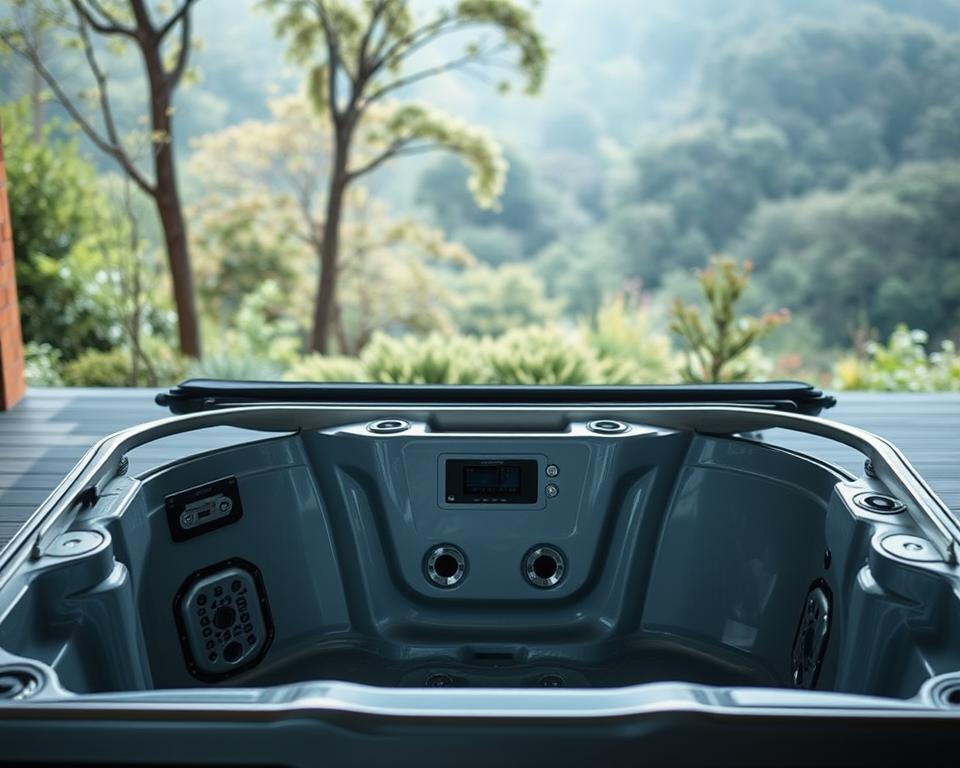
Implementing Essential Safety Features
Safety considerations are paramount. Adequate lighting illuminates pathways and steps to prevent accidents after dark. Slip-resistant flooring provides essential traction, especially when surfaces are wet.
Sturdy handrails offer crucial support for entering and exiting the spa. All electrical installations, including outlets and switches, must be positioned well away from water sources. Qualified electricians should handle these installations to meet UK wiring regulations.
Regular Maintenance and Protective Treatments
Consistent maintenance protects your investment. Regular inspections help identify early signs of damage, such as wood rot or metal corrosion. Addressing these issues promptly prevents more extensive and costly repairs.
Applying high-quality sealants and stains forms a vital barrier against the elements. These treatments require reapplication over time to maintain effective protection from moisture and sun exposure.
During winter, specific measures are essential. Managing snow load on the cover and ensuring proper water chemistry in the spa are key tasks. This seasonal attention helps prevent damage from freezing temperatures and harsh weather.
Ventilation is critical year-round to manage condensation. For hot tubs within enclosed shelters, adequate air circulation prevents moisture buildup. This simple step safeguards both the structure and the tub from potential water-related issues.
Conclusion
A thoughtfully designed spa enclosure becomes a cherished feature of any property. It transforms an ordinary garden into a personal retreat that offers year-round enjoyment. The investment pays dividends in enhanced lifestyle and property value.
Careful planning ensures the structure meets practical needs while reflecting personal style. Choosing quality materials and professional installation guarantees longevity. Safety features protect users while maintaining the relaxing experience.
The finished area provides a versatile space for both solitary relaxation and social gatherings. Whether selecting a gazebo, pergola, or garden room, the result enhances daily living. This valuable addition to any home creates lasting memories for years to come.
FAQ
What are the primary benefits of installing a gazebo over a hot tub?
A gazebo offers excellent protection from the sun, rain, and falling debris, extending the spa’s lifespan. It also enhances privacy and adds a stylish focal point to any garden, making the area usable in various weather conditions.
How does one choose between a gazebo, a pergola, or a garden room?
The choice depends on the desired level of enclosure and budget. Gazebos provide solid roof coverage, pergolas offer partial shade with an open framework, and garden rooms deliver full insulation and weatherproofing for year-round use.
What foundation is required for a hot tub gazebo?
A solid, level base is essential, typically made of reinforced concrete or a specialist patio slab. This foundation must adequately support the combined weight of the full hot tub, the structure itself, and its occupants.
Can lighting be added to a hot tub gazebo?
A>Yes, integrating lighting is a popular way to improve the ambience. Options include waterproof LED strip lights, lanterns, or wall-mounted fixtures. It is crucial to use outdoor-rated, IP-rated fixtures and have any electrical work performed by a qualified professional.
What maintenance does a wooden hot tub gazebo require?
Wooden structures need regular treatment with a protective stain or sealant to guard against moisture and UV damage. An annual inspection for signs of wear, along with cleaning and reapplication of preservative, will help maintain its appearance and structural integrity.
Are there specific safety considerations for a hot tub enclosure?
Key safety measures include ensuring adequate ventilation to prevent moisture buildup, installing slip-resistant flooring, and checking that all electrical installations comply with British safety standards. Proper drainage around the area is also vital.
What accessories can enhance the hot tub experience?
Useful additions include waterproof storage for essentials, comfortable seating for relaxation outside the tub, privacy screens or curtains, and outdoor speakers. These elements help create a more comfortable and personalised retreat.