How to properly remove a wasp nest
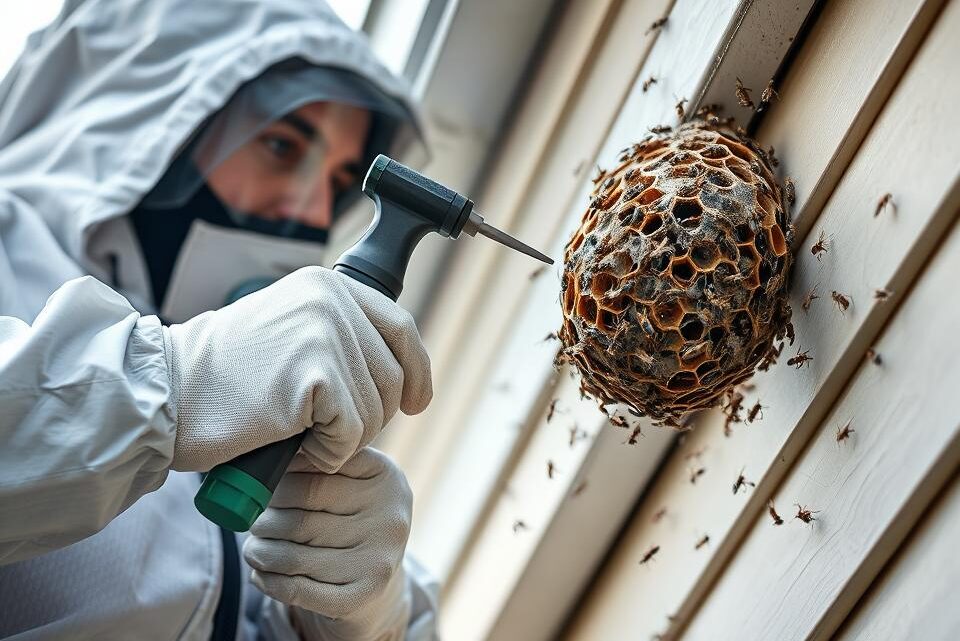
Discovering a wasp nest on your property can be quite unsettling, requiring careful handling to avoid painful stings and allergic reactions. It’s crucial to learn how to remove it safely and effectively.
Understanding the different species of wasps and their nesting behaviours is essential for determining the most appropriate removal method. Wasps can become aggressive if their nests are disturbed, so it’s vital to take the right steps.
By following the proper techniques, you can effectively eliminate wasp nests while minimising risks to yourself and others. Whether you choose DIY methods or professional pest control services, this guide will provide you with the necessary knowledge.
Inhaltsverzeichnis
Key Takeaways
- Identify the type of wasp and its nest to determine the best removal approach.
- Take necessary safety precautions to avoid stings and allergic reactions.
- Consider the timing of removal to minimise risks.
- Choose between DIY methods and professional pest control services.
- Understand the importance of proper removal techniques.
Understanding Wasps and Their Nests
The key to safely removing a wasp nest lies in understanding the wasps themselves. Wasps are highly social creatures that live in colonies with a complex hierarchy. Their nests are intricate structures made from paper, created by chewing wood and plant particles.
Different Types of Wasps in the UK
The UK is home to various species of wasps, including paper wasps, yellow jackets, and hornets. Each type has distinct characteristics and builds nests in different locations. For instance, paper wasps are known for their open, umbrella-like nests often found hanging from eaves or tree branches.
Wasp Behaviour and Seasonal Activity
Wasps are generally more active during the summer months when their colonies are at their peak. Understanding their seasonal activity is crucial for planning the removal of their nests. In the UK, wasp colonies typically begin to decline in late summer as the weather cools.
Identifying Various Wasp Nest Types
Wasp nests vary significantly in appearance, size, and location. The type of nest is often indicative of the wasp species. For example, yellow jacket nests are usually enclosed in a papery envelope and can be found underground or in wall voids.
| Wasp Type | Nest Characteristics | Typical Locations |
|---|---|---|
| Paper Wasps | Open, umbrella-like structure | Eaves, door frames, tree branches |
| Yellow Jackets | Enclosed in a papery envelope | Underground, wall voids, attics |
| Hornets | Large, football-shaped with a single entrance | Trees, shrubs, sheltered areas like attics |
By understanding the different types of wasps, their behaviour, and the characteristics of their nests, you can better assess how to proceed with removal. Whether it’s a paper wasp nest or a yellow jacket nest, identifying the type is the first step towards safe and effective elimination.
Safety Precautions Before Removal
The removal of a wasp nest requires careful planning and adherence to safety guidelines to minimize the risk of wasp stings. Ensuring your safety is paramount to avoid the potentially serious consequences of being stung.
Protective Clothing and Equipment
Wearing the right protective clothing is crucial when attempting to remove a wasp nest. This includes a beekeeping suit or a veil to cover your face and head, gloves to protect your hands, and clothing that covers your body fully to prevent stings. Ensuring that your clothing is secure and won’t allow wasps to crawl inside is vital.
Best Time to Remove a Wasp Nest
The best time to remove a wasp nest is during the evening or early morning when the wasps are less aggressive and most are inside the nest. Avoid removing nests during the day when wasps are more active and likely to attack if they feel threatened.
Health Risks and Allergic Reactions
For most people, a wasp sting is a minor inconvenience, but for those who are allergic to wasp venom, it can be life-threatening. Symptoms of an allergic reaction include difficulty breathing, swelling of the face or throat, rapid heartbeat, and a significant drop in blood pressure. If you experience any of these symptoms, seek medical attention immediately.
| Symptom | Reaction Type | Action Required |
|---|---|---|
| Immediate sharp pain, redness, swelling, itching | Mild to Moderate | Monitor symptoms, seek medical help if they worsen |
| Difficulty breathing, swelling of face/throat, rapid heartbeat | Severe (Anaphylaxis) | Immediate medical attention |
How to Properly Remove a Wasp Nest: Step-by-Step Guide
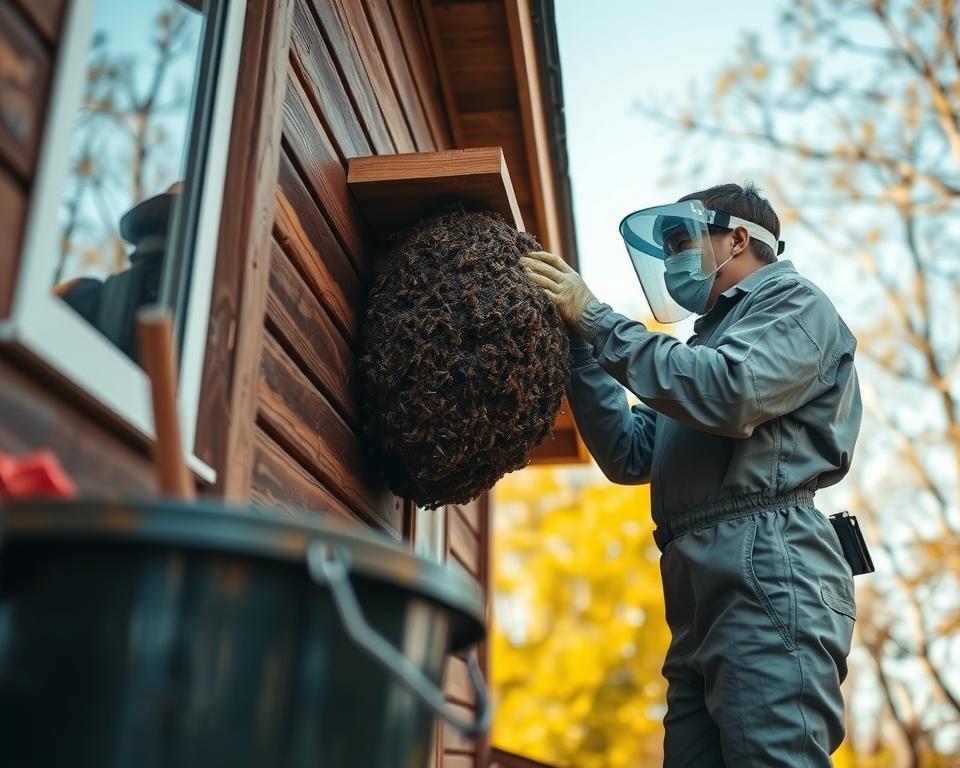
Effective removal of a wasp nest requires a strategic approach, starting with a thorough assessment. Understanding the type of wasp nest you’re dealing with is crucial for determining the best removal method.
Assessing the Situation
Before you begin the removal process, it’s essential to assess the situation carefully. Identify the type of wasp nest and its location. Wasps often build nests in sheltered areas such as eaves, attics, or underground. Observing the wasps’ flight pattern can help you locate the nest. Be cautious and avoid disturbing the nest during this assessment.
Preparing for Removal
Once you’ve identified the nest, prepare for removal by gathering the necessary protective clothing and equipment. Wear a beekeeping suit or a long-sleeved shirt, gloves, and a veil to protect yourself from stings. Ensure you have a wasp spray or dust that is specifically designed for wasp control. It’s also a good idea to have a plan for emergency situations, such as knowing the nearest hospital.
Removal Process for Different Nest Types
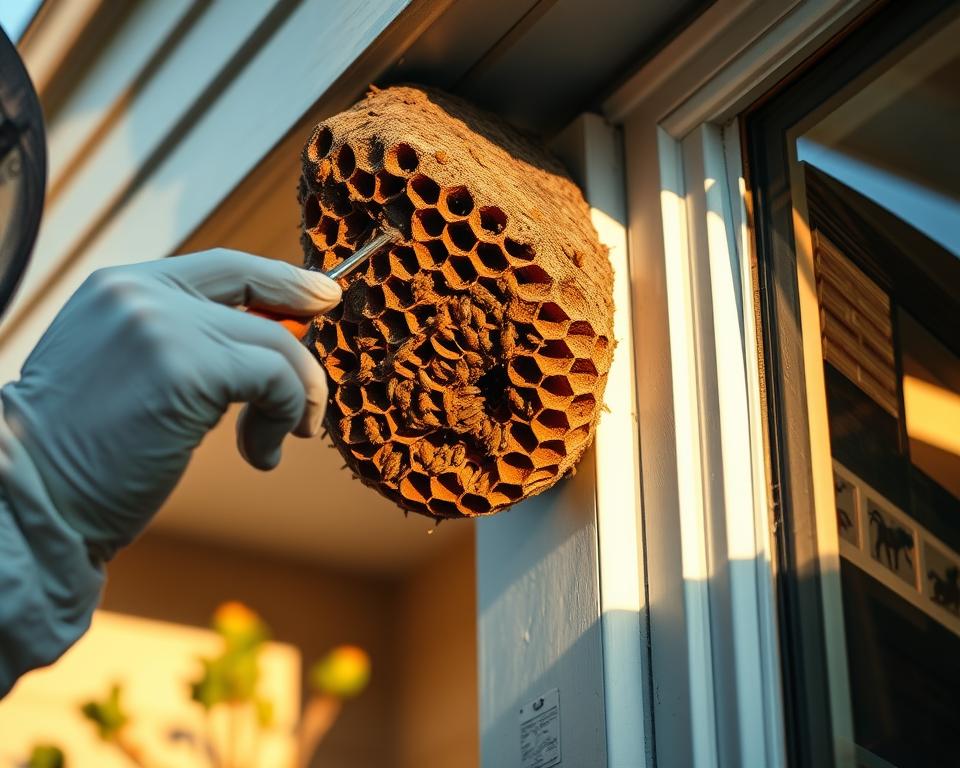
The removal process varies depending on the type of nest. Here are some guidelines for different nest types:
Aerial Nests
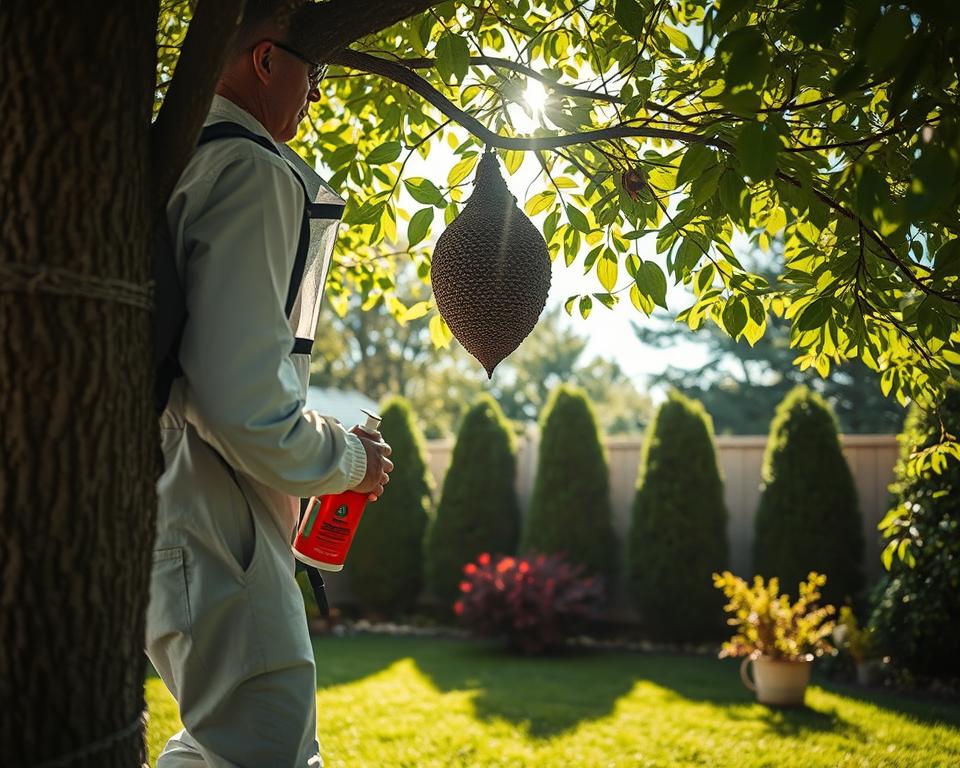
Aerial nests are those built in trees or on structures like eaves or porch ceilings. For these nests, use a wasp spray that can reach the nest from a distance. Spray the nest at night when the wasps are less active.
Ground Nests
Ground nests are typically found in abandoned rodent burrows or under decks. For ground nests, use a dust or spray specifically designed for underground applications. Apply the treatment at night, following the product’s instructions.
Nests in Structures
Nests built within structures, such as wall voids or attics, present the most challenging removal scenarios. If the nest is accessible, use a flashlight to locate it, then apply a wasp nest freeze spray. For inaccessible nests, consider hiring a professional pest control service.
| Nest Type | Removal Method | Precautions |
|---|---|---|
| Aerial Nests | Wasp spray from a distance | Spray at night, wear protective clothing |
| Ground Nests | Dust or spray for underground use | Apply at night, follow product instructions |
| Nests in Structures | Freeze spray for accessible nests; professional service for inaccessible nests | Use caution, consider professional help for hard-to-reach nests |
After removal, monitor the area to ensure all wasp activity has ceased. For nests within structures, it’s crucial to seal entry points once the nest is confirmed inactive to prevent future infestations.
Effective DIY Methods for Wasp Nest Removal
DIY wasp nest removal can be achieved through several methods, ensuring your safety and success. When dealing with wasps, it’s crucial to choose a method that is both effective and safe.
Soap and Water Solution
A simple and effective method for removing wasp nests is using a soap and water solution. Mix dish soap with water in a spray bottle and spray it directly onto the nest. The soap helps to break down the wasps’ exoskeletons, killing them. This method is particularly useful for small nests.
Commercial Wasp Sprays
Commercial wasp sprays are another effective option. These sprays are specifically designed to kill wasps and can be used from a safe distance. Ensure you follow the instructions on the label and take necessary precautions to avoid exposure.
Natural Remedies
For those preferring a more natural approach, certain essential oils like peppermint and lemongrass can deter wasps. Mixing these oils with water and spraying them around the nest can help. However, this method may not be as effective for large nests.
Wasp Traps
Creating a wasp trap is a supplementary method to reduce wasp populations. Use a plastic bottle, cut the top third, and invert it into the bottom part to create a funnel. Fill the bottom with a sweet liquid like sugar water or soda to attract wasps. Once they enter, they cannot escape and will eventually drown. Place traps at least 20 feet away from gathering areas.
When to Call Professional Pest Control
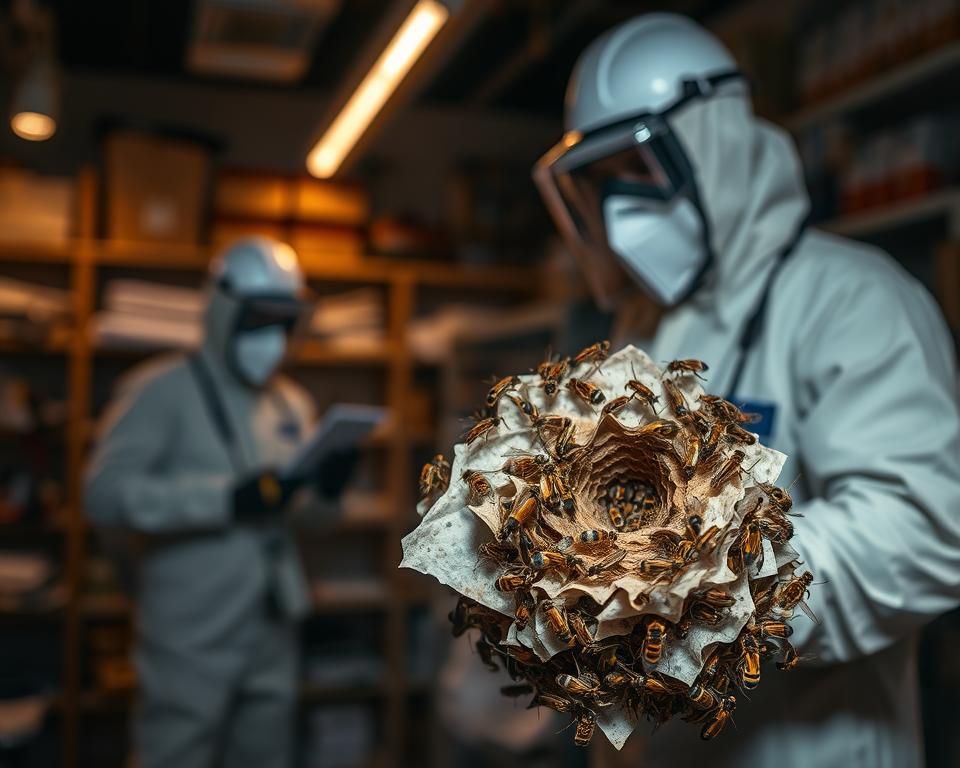
Dealing with wasps can be hazardous, and there are specific situations where calling a professional is the best course of action. While DIY methods can be effective for small, accessible nests, more complex situations require expert intervention.
Signs That DIY Removal Is Too Dangerous
If you identify any of the following signs, it’s time to call a professional: the nest is large, in a difficult-to-reach location, or near high-traffic areas. Additionally, if you or a family member is allergic to wasp stings, it’s wise to seek professional help immediately.
What to Expect from Professional Services
Professional pest control services offer a range of benefits, including expertise in identifying wasp species and the most effective treatment methods. They use Integrated Pest Management (IPM) techniques, which are environmentally sensitive and focus on long-term prevention.
Costs and Considerations
The cost of professional wasp nest removal in the UK typically ranges from £50 to £150, influenced by factors such as nest size, location, and wasp species. Many companies offer free initial consultations and guarantee their services. When comparing quotes, consider whether the service includes nest removal after treatment and if they offer emergency same-day services.
When selecting a pest control company, look for those that practice IPM and offer comprehensive services, including follow-up visits if necessary. Annual service plans may also be available for recurring wasp problems, providing better value than one-off treatments.
Preventing Future Wasp Nests
To prevent wasp nests from forming on your property, it’s essential to understand the steps you can take to deter these insects. By taking a proactive approach, you can minimize the risk of wasp infestations and enjoy a safer outdoor space.
Sealing Entry Points
Wasps often look for secluded and undisturbed areas to build their nests. Sealing any holes or gaps around your property can help prevent wasps from establishing a nest. Pay particular attention to areas around windows, doors, and vents.
Removing Attractants
Wasps are attracted to sweet foods and drinks, so removing potential attractants can help deter them. Keep your outdoor spaces clean, dispose of rubbish regularly, and avoid leaving food or drinks outside.
Natural Deterrents
Certain plants, such as mint and lemongrass, are known to repel wasps. Planting these in your garden or keeping them in pots around your outdoor space can help deter wasps. You can also try using essential oils, such as peppermint or clove oil, to repel wasps.
Regular Property Inspection
Regularly inspecting your property is crucial in preventing wasp nests. Check for signs of wasp activity, such as small paper nests, and look for areas that may attract wasps. Focus on areas like eaves, roof overhangs, and garden sheds.
| Prevention Method | Description | Effectiveness |
|---|---|---|
| Sealing Entry Points | Seal holes and gaps around windows, doors, and vents | High |
| Removing Attractants | Keep outdoor spaces clean and dispose of rubbish regularly | Medium |
| Natural Deterrents | Plant mint, lemongrass, or use essential oils like peppermint or clove oil | Medium |
| Regular Property Inspection | Check for signs of wasp activity and potential attractants | High |

Conclusion
To manage wasp nests effectively, it’s essential to understand the importance of timely removal and prevention strategies. Taking care of and preventing wasp infestations requires a mix of immediate action and ongoing preventive measures.
Whether you opt for professional pest control services or DIY methods, it’s crucial to carry out these steps carefully to avoid unnecessary risks. Always remember to wear protective clothing and work during the cooler parts of the day when wasps are less active.
Successfully managing nests involves a balanced approach considering the species involved, nest location, personal safety, and environmental impact. By combining the knowledge and techniques outlined in this guide, you can effectively manage wasp nests on your property while minimising risks to yourself and your family.
Prevention is ultimately the most effective strategy for managing wasps, including regular property inspections, sealing entry points, and employing natural deterrents around your home. By staying vigilant and proactive, you can keep your property free from nests and enjoy peace of mind all year round.
FAQ
What are the most common types of wasps found in the UK?
The most common types of wasps found in the UK are paper wasps, yellow jackets, and hornets. These wasps are known to build nests in various locations, including eaves, attics, and gardens.
What attracts wasps to my property?
Wasps are attracted to sweet substances, such as food and drinks, as well as potential nesting sites like undisturbed areas around your home. Keeping your property clean and sealing any entry points can help deter wasps.
What are the health risks associated with wasp stings?
Wasp stings can cause pain, swelling, and redness. In some cases, they can trigger allergic reactions, which can be life-threatening. If you experience symptoms like difficulty breathing, rapid heartbeat, or dizziness after a wasp sting, seek medical attention immediately.
Can I use commercial wasp sprays to remove a wasp nest?
Yes, commercial wasp sprays can be effective in removing wasp nests. However, it’s essential to follow the manufacturer’s instructions and take necessary safety precautions to avoid stings.
When is the best time to remove a wasp nest?
The best time to remove a wasp nest is during the early morning or late evening when the wasps are less aggressive. Avoid removing nests during the peak sun hours when wasps are most active.
Should I call a professional pest control service to remove a wasp nest?
If you’re unsure about removing a wasp nest or if the nest is large or in a difficult-to-reach location, it’s recommended to call a professional pest control service. They have the necessary equipment and expertise to safely remove the nest.
Are there any natural deterrents to prevent wasp nests?
Yes, certain plants like mint, lemongrass, and citronella are known to repel wasps. You can also try using essential oils or vinegar-based solutions to deter wasps from nesting on your property.
What are the signs that a wasp nest is too dangerous to remove myself?
If you notice a large number of wasps, an aggressive behaviour, or a nest in a difficult-to-reach location, it’s best to call a professional pest control service. Additionally, if you have a history of allergic reactions to wasp stings, it’s recommended to seek professional help.