How to Set Up Your Own Garden Cabin Art Studio
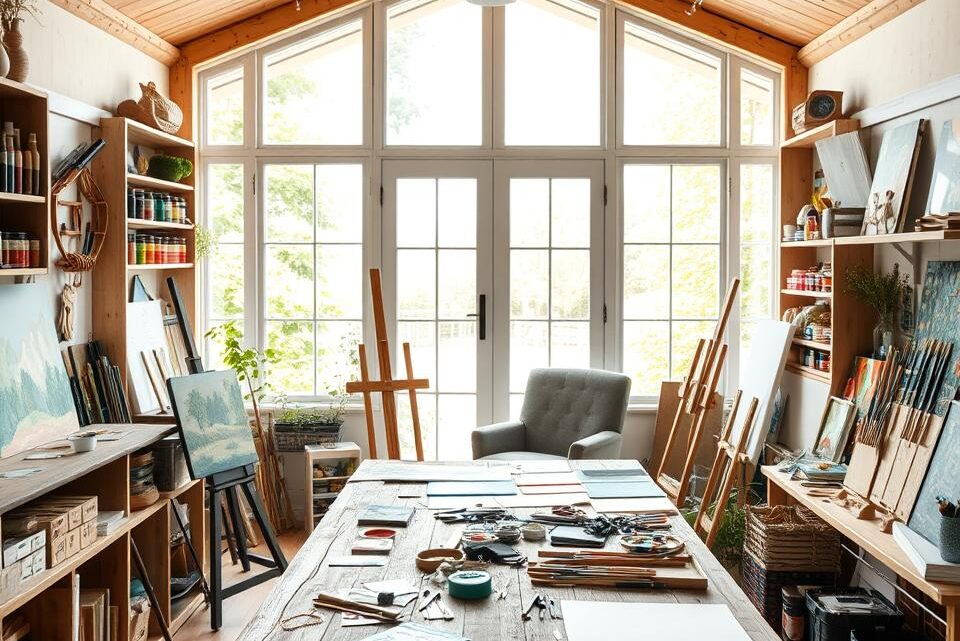
Creating a dedicated creative sanctuary in one’s outdoor area represents a transformative solution for artistic individuals. This approach offers a peaceful, productive workspace completely separate from the main household. Many creative professionals and enthusiasts are embracing this trend to establish personalised retreats.
The advantages of having a purpose-built creative space are significant. Artists often seek environments with abundant natural light, complete privacy, and dedicated areas for messy or expansive projects. Such considerations are crucial when planning this type of structure.
This comprehensive guide addresses the varied requirements of different creative practitioners. Painters, sculptors, crafters, and potters each have unique needs that can be accommodated. The versatility of these outdoor structures makes them suitable for diverse artistic disciplines.
Transforming an ordinary garden area into an inspiring creative retreat enhances both artistic output and quality of life. The process involves careful planning and thoughtful customisation. This article provides detailed, practical information covering every stage of development.
Inhaltsverzeichnis
Key Takeaways
- A garden cabin studio provides a dedicated creative space separate from the main home
- Natural light and privacy are essential considerations for artistic work
- Different types of artists have varied requirements for their workspace
- Proper planning ensures the space meets specific creative needs
- A well-designed studio can significantly enhance artistic productivity
- The transformation creates an inspiring retreat that improves quality of life
- This guide covers comprehensive planning through to final customisation
Introduction to Your Garden Cabin Art Studio
For many artists, the dream of a personal retreat where imagination can flourish becomes reality with a bespoke studio nestled within their garden. This dedicated area serves as a creative haven, completely separate from the main residence. It provides the perfect environment for artistic work to unfold naturally.
A garden studio represents more than just a physical structure. It creates a clear boundary between domestic life and artistic pursuits. This separation allows for deeper immersion in the creative process. Artists find they can focus better without household interruptions.
Both experienced practitioners and beginners benefit from this arrangement. The natural surroundings offer constant inspiration. Birdsong, gentle breezes, and changing light patterns stimulate the senses. This connection to nature enhances the artistic experience.
Establishing such a space is an achievable goal with proper planning. It transforms an ordinary garden into a sanctuary for creativity. The journey from concept to completion brings immense satisfaction. Artists discover their ideal working environment right at home.
Benefits of a Garden Cabin Art Studio
One of the most compelling reasons for an artist to invest in a garden studio is the profound sense of separation it provides. This physical distance from the main house establishes a clear mental boundary. It allows for deep, uninterrupted focus.
Creating a Serene Creative Space
This dedicated space becomes a sanctuary of quiet. It is free from the distractions of domestic life. The psychological effect is significant; entering the studio signals it is time for work.
Privacy and peaceful surroundings are essential. A view of the garden through well-placed windows enhances this serenity. This connection to nature reduces stress and fuels creative thinking.

Enhancing Productivity and Inspiration
Efficiency soars when all materials are organised in one accessible location. There is no daily setup time. Artists can begin their practice immediately.
Optimal natural light is a key advantage. North-facing windows are often preferred. They provide soft, even illumination that minimises shadows and reduces eye strain.
The studio can be tailored for specific needs. This customisation supports both productivity and inspiration. The following table compares light sources for artistic work.
| Light Source | Intensity | Shadow Quality | Ideal For |
|---|---|---|---|
| North-Facing Natural Light | Soft & Even | Minimal, Soft Shadows | Painting, Detailed Work |
| Direct Sunlight | Strong & Harsh | Hard, Defined Shadows | General Illumination |
| Artificial Studio Lighting | Controllable | Adjustable | Evening Work, Consistency |
A well-designed space promotes both comfort and a steady flow of ideas. It becomes a personal haven that reflects the artist’s identity. This environment is a powerful catalyst for artistic growth.
Assessing Your Needs and Studio Requirements
Before selecting any design or construction method, artists must carefully analyse their specific working necessities. This systematic assessment ensures the final structure perfectly supports their creative practice. Honest self-evaluation regarding artistic scale and type fundamentally determines all spatial and facility requirements.
Determining Space and Storage Needs
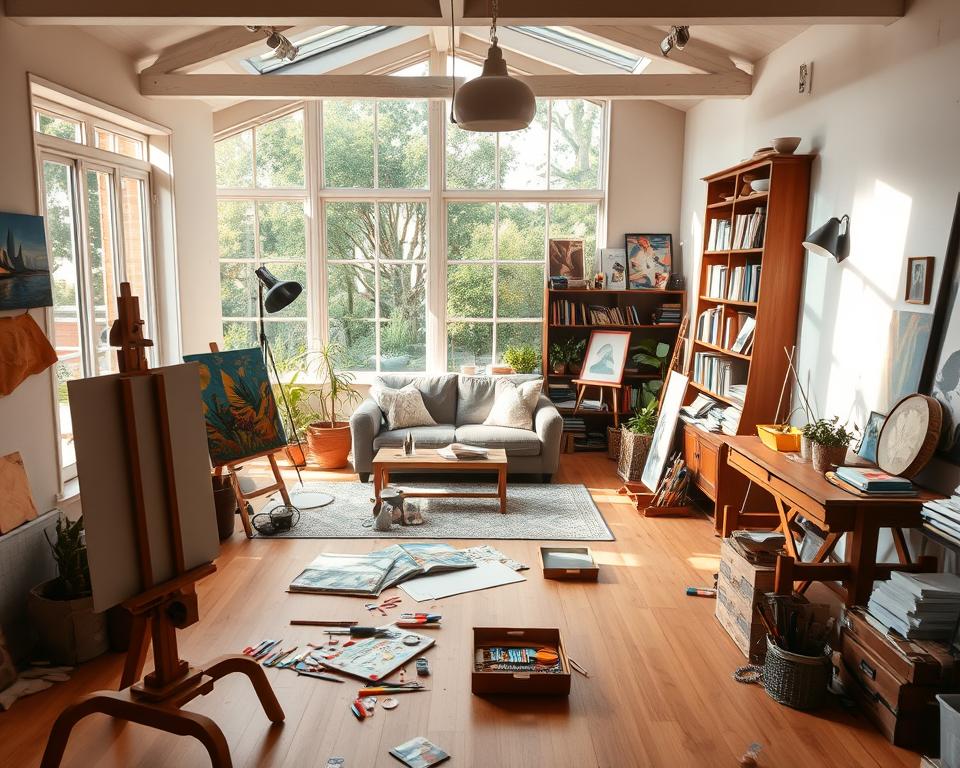
Calculating adequate room involves considering both active working areas and storage solutions. Different art forms demand varying amounts of floor space. Large canvases require wall clearance, while pottery wheels need substantial floor area.
Storage planning should accommodate materials, works in progress, and finished pieces. Proper organisation prevents clutter and maintains workflow efficiency. The distinction between creative zones and storage areas must be clear in the layout.
Identifying Essential Amenities and Equipment
Essential utilities vary significantly between artistic disciplines. Painters often require sinks for cleaning brushes, while those working with fumes need ventilation systems. Specialised lighting becomes crucial for detailed work.
Creating a comprehensive equipment list ensures the design accommodates everything from easels to kilns. Planning for future acquisitions allows for flexible space utilisation. Building in extra capacity where budget permits supports artistic evolution.
Choosing the Perfect Location in Your Garden
Strategic placement of the studio cabin significantly influences both practical functionality and creative atmosphere. Selecting the right spot requires balancing multiple considerations that affect long-term satisfaction.
The ideal location creates a harmonious relationship between the structure and its surroundings. It should feel integrated within the garden while serving specific artistic needs.

Prioritising Privacy and Natural Light
Privacy remains essential for uninterrupted creative work. Positioning the structure away from neighbouring properties and using existing landscaping enhances seclusion.
Natural light orientation dramatically affects working conditions. North-facing windows provide consistent, shadow-free illumination preferred by many practitioners.
Artists should observe the sun’s path across their garden throughout different seasons. This ensures the chosen area receives optimal daylight for specific artistic requirements.
Considering Accessibility and Utility Connections
Practical access matters for both daily use and material transportation. A clear pathway from the main house ensures convenience in all weather conditions.
Distance from utility connection points affects installation complexity and cost. Electrical, water, and internet services require careful planning based on the selected site.
Future garden development should influence the final decision. Growing trees or planned extensions must not compromise the studio’s space or light access over time.
Planning Your Garden Cabin Layout and Design
The physical organisation of a workspace directly influences artistic output and comfort. A thoughtful layout ensures every element supports the creative process efficiently. This planning phase determines how the space will function daily.

Developing a Thoughtful Layout
Artists can use various methods to visualise their ideal arrangement. Simple paper sketches with scaled cutouts offer a hands-on approach. Free digital tools like SketchUp provide sophisticated 3D planning capabilities.
Mapping workflow patterns helps position frequently used equipment strategically. This creates natural movement paths within the room. Distinct zones for different activities prevent cross-contamination between processes.
Ergonomic considerations ensure work surfaces sit at comfortable heights. Adequate clearance around furniture prevents cramped conditions. This careful planning makes the area both practical and inspiring.
Incorporating Creative and Functional Design Elements
Window placement should maximise natural light on key work surfaces. Electrical outlets need strategic positioning for equipment access. Storage solutions should maintain clear working space while keeping materials organised.
Walking through the planned design mentally helps identify potential issues. This proactive approach saves time and resources during construction. The final layout should balance functionality with personal inspiration.
Selecting the Right Materials and Construction Options
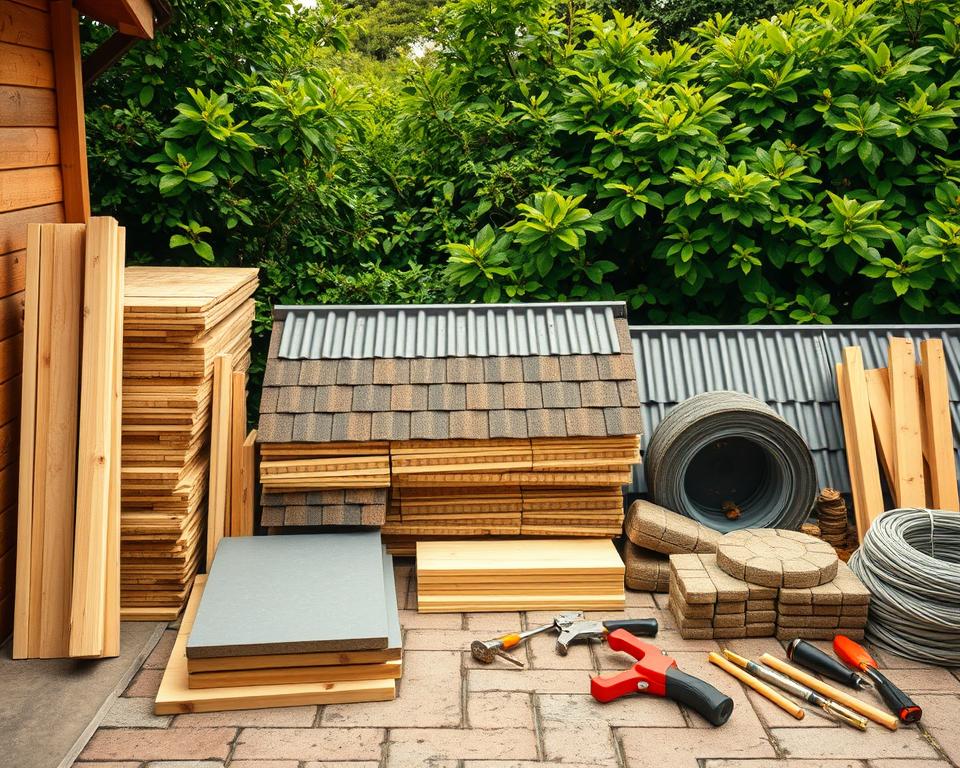
Choosing construction materials requires balancing durability, insulation, and aesthetic considerations. The selected options determine the building‘s longevity and suitability for year-round creative work.
Choosing Durable and Insulated Materials
Wall construction plays a vital role in the structure‘s performance. Tongue and groove cladding offers superior weather resistance compared to overlap design.
Pressure-treated timber withstands pests and moisture effectively. Proper insulation ensures comfortable working conditions throughout seasonal changes.
Deciding on Roof Styles and Flooring Choices
The roof type significantly impacts interior space and drainage efficiency. Each design offers distinct advantages for artistic workspaces.
| Roof Type | Space Utilisation | Drainage Efficiency | Ventilation Potential |
|---|---|---|---|
| Pent Roof | Modern appearance | Excellent runoff | Good airflow |
| Apex Roof | Maximum height | Traditional design | Superior ventilation |
Flooring materials should combine durability with underfoot comfort. Concrete foundations provide stability, while timber platforms offer natural warmth.
Proper insulation between floor layers prevents heat loss. The right options create a comfortable environment for extended creative sessions.
How to Set Up Your Own Garden Cabin Art Studio
The journey from a bare patch of earth to a fully functional creative workspace involves several distinct phases. Each stage builds systematically upon the previous one, creating a logical progression towards completion. Understanding this sequence helps artists anticipate requirements and manage the process effectively.

A Step-by-Step Overview of the Process
Site preparation forms the crucial foundation for the entire project. This involves clearing vegetation, levelling the ground, and marking precise boundaries. Proper preparation at this stage prevents issues later in the construction process.
The foundation phase establishes a stable base for the structure. Artists choose between concrete slabs, pier systems, or raised platforms based on their specific needs. This decision affects the building’s stability and long-term performance.
Framing creates the skeleton of the creative space. Wall frames, roof structures, and openings for windows and doors take shape during this phase. Proper insulation installation occurs simultaneously with framing work.
Utilities integration requires careful planning before walls are closed up. Electrical systems need strategic placement for optimal functionality. Some artists may require plumbing installations for their specific creative practice.
Final stages include weatherproofing, interior finishes, and flooring installation. These elements transform the basic structure into a comfortable, year-round workspace. The complete process results in a personalised creative environment.
Researching Local Regulations and Permits
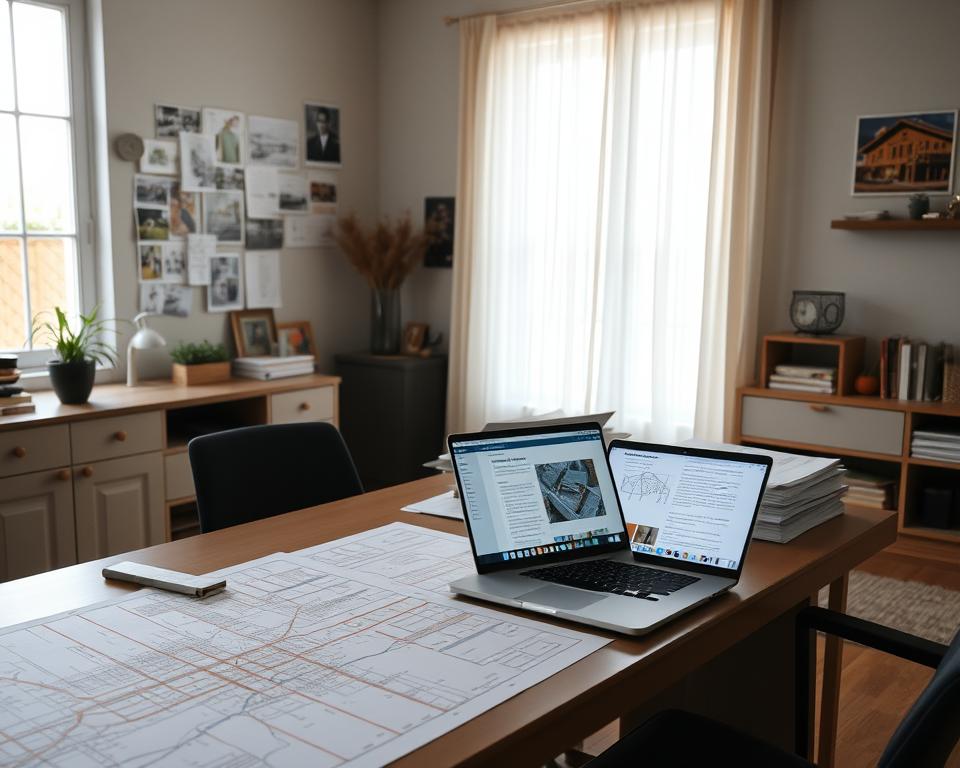
Navigating the legal landscape represents a critical first step in transforming a garden vision into a compliant creative workspace. Overlooking this phase can lead to significant delays and potential legal issues. Thorough research ensures the project proceeds smoothly from the outset.
Artists must identify their local planning authority. This council governs specific requirements for structures within its area. Its website provides essential guidance on planning permission and building regulations.
Understanding Building Codes and UK Standards
In the UK, many garden structures benefit from permitted development rights. These rights may allow construction without a full planning application. Specific criteria concerning size, height, and position must be met.
Common restrictions include a maximum eaves height and a limited footprint. The building must not occupy more than 50% of the garden area. Proximity to boundaries is another key consideration.
It is vital to make sure the distinction between planning permission and building regulations is understood. Even if planning permission is not needed, the structure’s electrical work and safety must comply with standards. This helps avoid future issues.
Early consultation with the local authority is strongly advised. This proactive approach can clarify any ambiguities. Documenting all research and communications provides a valuable paper trail.
Artists should make sure they check for any special designations. Properties in conservation areas or those that are listed have stricter requirements. Understanding these rules prevents costly mistakes related to size or location.
Constructing Your Studio: From Foundation to Framing
Construction represents the most hands-on stage of the project, where theoretical designs become permanent physical elements. This phase establishes the structural integrity that will support creative activities for years to come.

Preparing the Site and Laying the Foundation
Thorough ground preparation begins with clearing vegetation and levelling the surface. Marking precise boundaries ensures accurate placement of the foundation.
Choosing the right foundation system depends on terrain and structural needs. Concrete slabs offer maximum stability for heavy equipment. Pier systems suit sloping sites and provide underfloor ventilation.
Techniques for Framing the Structure
Wall framing requires precise stud spacing and square corners. Proper alignment prevents future issues with door and window installation.
Roof framing follows the chosen design style, whether pent or apex. Rafter placement must accommodate the planned roofing materials while maintaining structural strength.
Ensuring Proper Insulation and Ventilation
Insulation installation occurs between wall studs and roof rafters. This creates a comfortable working environment throughout seasonal changes.
Strategic window placement provides natural light while supporting adequate ventilation. Proper air circulation prevents condensation and maintains air quality within the creative space.
Installing Utilities and Insulation
Transforming a basic structure into a comfortable, year-round workspace hinges on effective utility and insulation installation. These technical elements are vital for functionality and comfort.
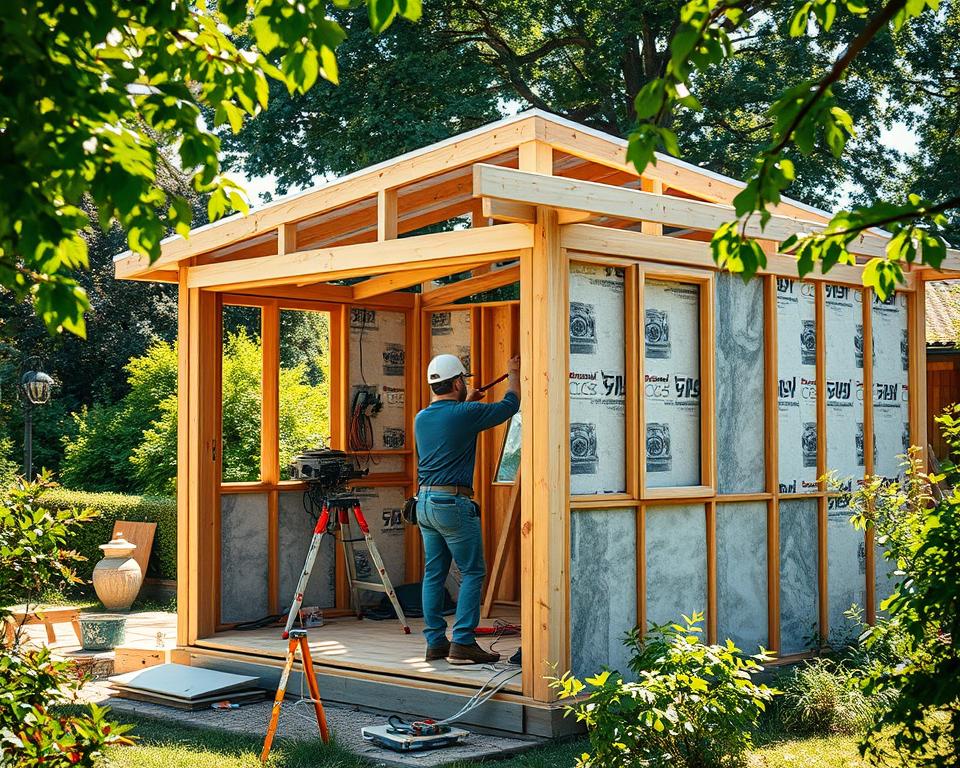
Proper planning ensures the space meets the demands of any creative process. The right materials and professional installation are key.
Setting Up Electrical and Plumbing Systems
Engaging a qualified electrician is non-negotiable for mains electricity connection. They ensure safety and provide necessary certification for insurance.
Artists should provide a detailed list of equipment and desired socket locations. This allows for accurate power planning.
A trench approximately 50cm deep is typically required for running armoured cabling from the main house. Strategic outlet placement improves workflow efficiency.
For disciplines involving water, basic plumbing for a sink might be considered. This adds significant convenience for cleaning brushes or other tools.
Weatherproofing and Thermal Efficiency
External weatherproofing protects the materials from moisture and the elements. This step extends the lifespan of the building.
Installing quality insulation is crucial for thermal comfort. Options like fibreglass, foam board, or mineral wool offer excellent performance.
Effective insulation in walls, roof, and floor helps control the internal temperature. It makes the studio usable in all seasons.
Combined with weatherproofing, good insulation minimises heating costs. It creates a consistent environment for creative work.
Artists must make sure ventilation is also considered. This maintains air quality and prevents condensation issues.
Finishing Touches: Interior and Exterior Details
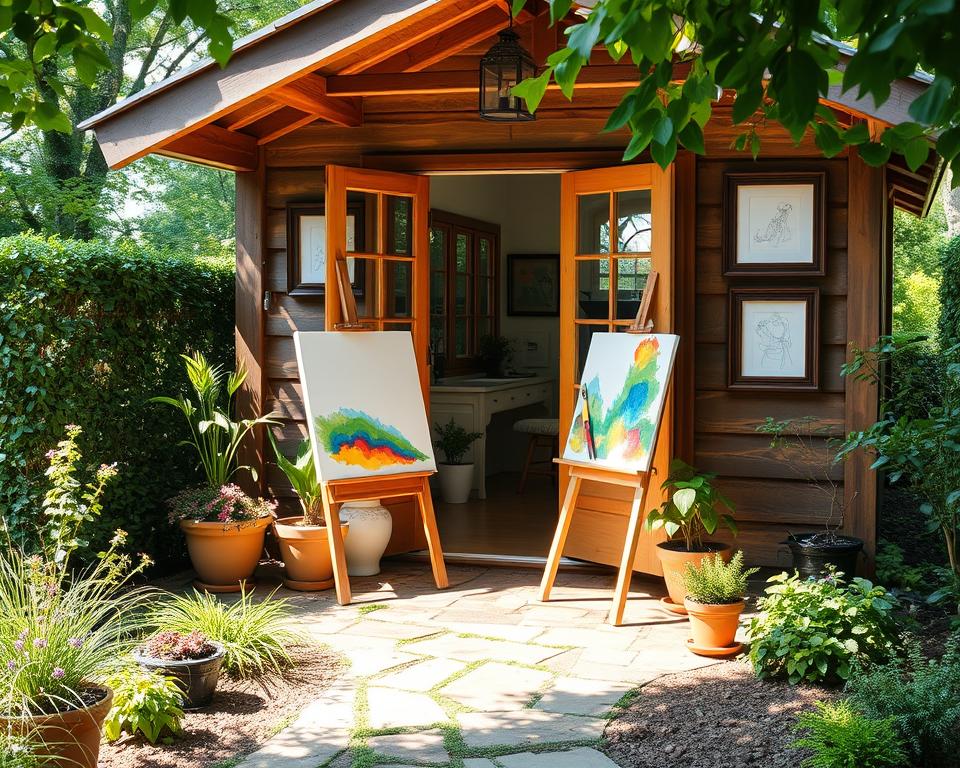
The final phase of the project transforms the structural shell into a personalised creative sanctuary. Attention to aesthetic details elevates the space from a basic room to an inspiring environment. This stage allows for personal expression and functional refinement.
Applying Interior Finishes and Colour Schemes
Wall finishes establish the foundation for the interior atmosphere. Options like painted plasterboard offer a clean, modern look. Tongue and groove panelling provides rustic charm, while painted timber boarding creates a cottage aesthetic.
A thoughtful colour scheme is crucial. Light, neutral colours on the walls maximise the sense of space and brightness. They prevent glare and allow artwork to become the focal point.
Strategic colour accents on shelving or door frames inject personality. This approach avoids overwhelming the design.
Practical elements like skirting boards and architraves provide a polished finish. They protect the walls and give the interior a cohesive appearance.
Enhancing the Studio’s Exterior Appeal
The external design should harmonise with its surroundings. Wood stains or paint colours protect the timber while complementing the garden.
Landscaping considerations, such as pathway materials and surrounding planting, enhance integration. External lighting improves both safety and visual appeal after dark.
These finishing touches ensure the studio is not just functional but also a delightful place for creativity.
Customising Your Art Studio Design for Functionality
Effective customisation blends practical functionality with individual artistic expression for optimal creative output. This phase transforms the basic structure into a personalised workspace that supports specific creative processes. The design must balance efficiency with inspiration.

Optimising Layout, Lighting and Storage Solutions
The layout should facilitate smooth workflow patterns. Strategic positioning of work surfaces and equipment maximises productivity. Frequently used items deserve prime placement.
Layered lighting combines abundant natural light with artificial sources. Fluorescent overheads provide energy-efficient general illumination. Adjustable LED task lights offer precision for detailed work.
Creative storage options include wall-mounted systems and mobile units. These solutions keep materials organised while preserving valuable floor space. The right combination supports any artistic practice.
Incorporating Ergonomic and Artistic Elements
Physical comfort enables sustained creative sessions. Ergonomic seating and adjustable desks promote good posture. Strategic supply placement minimises reaching and strain.
Creating efficient zones within the studio enhances workflow. Each area serves a specific purpose in the artistic process. This organisation maintains focus on creative work.
Personalising the Space to Reflect Your Style
The final design should reflect individual personality. Colour schemes, inspirational images, and meaningful objects transform the space. These touches make the environment uniquely inspiring.
Personalisation turns a functional studio into a creative sanctuary. The atmosphere should stimulate artistic expression. Every element contributes to an ideal working environment.
Maintaining a Safe and Inspiring Creative Space
Preserving the integrity and safety of a creative retreat is an ongoing commitment that safeguards both the artist and their work. A well-maintained space ensures a consistently productive and secure environment.

Proper ventilation is a critical safety measure, especially when using paints, solvents, or equipment that releases fumes. Good air quality protects health and supports clear thinking.
An effective ventilation system can be passive, using opening windows and skylights, or active, like an extractor fan. This prevents the build-up of harmful substances in the enclosed area.
Ensuring Proper Ventilation and Security Measures
Security is equally vital for peace of mind. Reinforcing the shed door with metal and using coach bolts on hinges deters forced entry. Laminated glass is a smart choice for windows.
Linking to a home alarm system and installing motion-sensitive lights adds layers of protection. Simple measures like curtains prevent opportunistic viewing of valuable equipment inside the studio.
Implementing a Regular Upkeep Routine
A consistent maintenance schedule prevents minor issues from becoming major problems. It is wise to make sure a quick visual check is part of a daily routine.
Weekly, clean work surfaces and ensure ventilation systems are clear. Seasonally, apply wood preservative to the shed structure and clear gutters. A dehumidifier can combat dampness if it arises.
This proactive approach saves time and money in the long run. It transforms upkeep from a chore into an investment in a lasting creative sanctuary.
Utilising Additional Construction Materials and Tools
Successful construction requires having the correct materials and equipment before starting the project. Proper organisation of these resources ensures efficient progress and prevents frustrating delays.

Essential construction materials should be categorised by construction phase. Foundation work requires concrete and damp-proof membrane. Framing needs quality timber and structural connectors.
Essential Tools and Supplies for Building
Basic tools form the core of any builder’s kit. Every toolkit should include a measuring tape, spirit level, and quality hammer. A reliable drill and various screwdrivers are equally important.
Power tools significantly enhance efficiency. A circular saw handles straight cuts efficiently. A jigsaw offers versatility for curved or intricate cutting tasks.
Safety equipment represents non-negotiable protection. Safety goggles, work gloves, and dust masks are essential. Hearing protection becomes crucial when operating loud power tools.
For the shed structure, consider these essential items:
- Weatherproofing materials like sealant and flashing
- Insulation for thermal efficiency
- Finishing materials for interior walls
- Roofing supplies appropriate for the design
When purchasing materials, include a 10% contingency for waste. Renting specialised equipment can be cost-effective for one-time use. This approach optimises the building budget effectively.
Creating a detailed shopping list from plans prevents oversights. Verify quantities before ordering to avoid shortages. This preparation makes the shed construction process smoother.
Creative Design Ideas and Inspirational Layouts for Artists
The aesthetic character of a creative workspace profoundly shapes the artistic experience within it. Selecting a design that resonates personally can transform a simple shed into a true source of inspiration. This section explores a range of stylistic options and functional layout ideas.
Rustic Charm vs Modern Minimalism
Two prominent aesthetic options offer distinct atmospheres. The rustic design embraces a cosy, traditional feel with exposed timber and pitched roofs.
It creates a warm, connected-to-nature environment. Modern minimalism, in contrast, focuses on clean lines and uncluttered space.
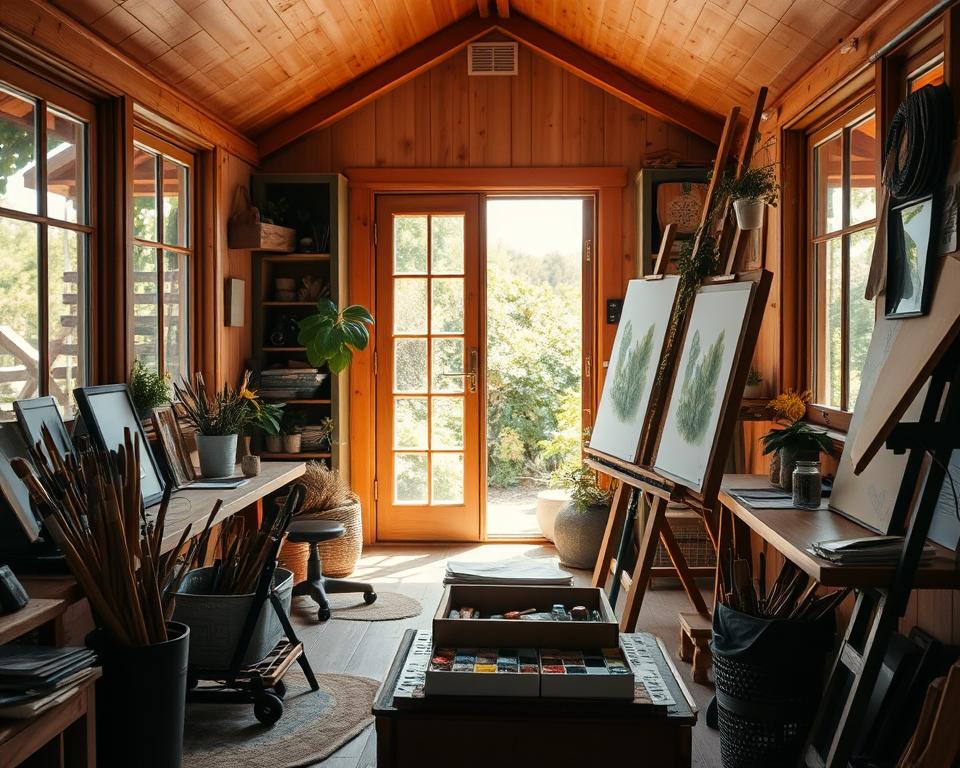
This way of thinking prioritises functionality and abundant natural light through large windows. The choice depends entirely on what inspires the artist most.
Personalised Design Options for Various Art Forms
Different disciplines demand specific layout considerations. A painter’s studio requires excellent natural light and ventilation, often achieved with strategically placed windows or skylights.
Sculptors need separate zones for messy creation and clean finishing. Jewellers require flame-proofed workbenches and secure tool storage.
Structures like the Natura Pinnacle Garden Room demonstrate how floor-to-ceiling glazing can flood an art studio with light. This thoughtful design supports both beauty and function for any creative work.
Conclusion
Embarking on the creation of a personal creative retreat marks a significant milestone in any artist’s journey. This comprehensive guide has detailed the entire process from initial vision to finished space.
The commitment of time and resources yields substantial rewards. A dedicated studio transforms both artistic practice and quality of life. It provides the psychological separation essential for deep creative work.
Readers now possess the knowledge to approach this project with confidence. While challenges may arise during construction, systematic planning ensures successful outcomes. The finished shed studio becomes a valuable investment in one’s artistic development.
This personal garden space serves as more than just a building. It is a sanctuary where art flourishes and inspiration flows freely for years to come. The journey itself becomes part of the creative story.
FAQ
What are the primary benefits of a garden cabin art studio?
A dedicated garden studio offers a serene space for creativity, free from household distractions. It enhances productivity by providing a zone specifically for artistic work, while also boosting inspiration through a connection with nature.
How do I determine the ideal size for my garden art studio?
Assess the available garden area and consider the art forms you will practise. Factor in the need for workspace, storage for materials and equipment, and room for movement. A larger size allows for greater flexibility.
Why is natural light so important in an art studio?
Natural light provides accurate colour representation, which is vital for painting and other visual arts. Positioning windows to maximise northern light exposure helps avoid harsh shadows and glare, ensuring consistent illumination.
Do I need planning permission to build a garden cabin?
A> In many cases, garden buildings fall under permitted development rights, but this depends on factors like size, height, and location. It is essential to research local regulations and consult with the local planning authority to ensure compliance.
What are the key considerations for insulating a garden studio?
Proper insulation is crucial for year-round comfort. It maintains a stable temperature, protects artwork from humidity, and reduces energy costs. Focus on wall, floor, and roof insulation, and ensure good ventilation to prevent condensation.
Can electricity be installed in a garden cabin?
Yes, electricity is essential for lighting and equipment. The installation must be carried out by a qualified electrician to ensure safety and compliance with UK wiring regulations. Planning the electrical layout early in the design process is important.
What type of foundation is best for a garden cabin?
The foundation choice depends on the studio’s size and the ground conditions. Common options include concrete ground screws for a lighter structure or a reinforced concrete base for heavier, permanent buildings. A stable foundation prevents future structural issues.
How can I design effective storage in a compact art studio?
Utilise vertical space with shelving and wall-mounted organisers. Consider multi-functional furniture, such as workbenches with built-in storage. Keeping supplies organised maximises workspace and maintains a tidy environment.
What security measures should I consider for my studio?
Secure doors and windows with robust locks. An alarm system and security lighting can deter theft. It is also wise to check that your home insurance policy covers the contents of a garden building.