Ideas for Small Garden Rooms
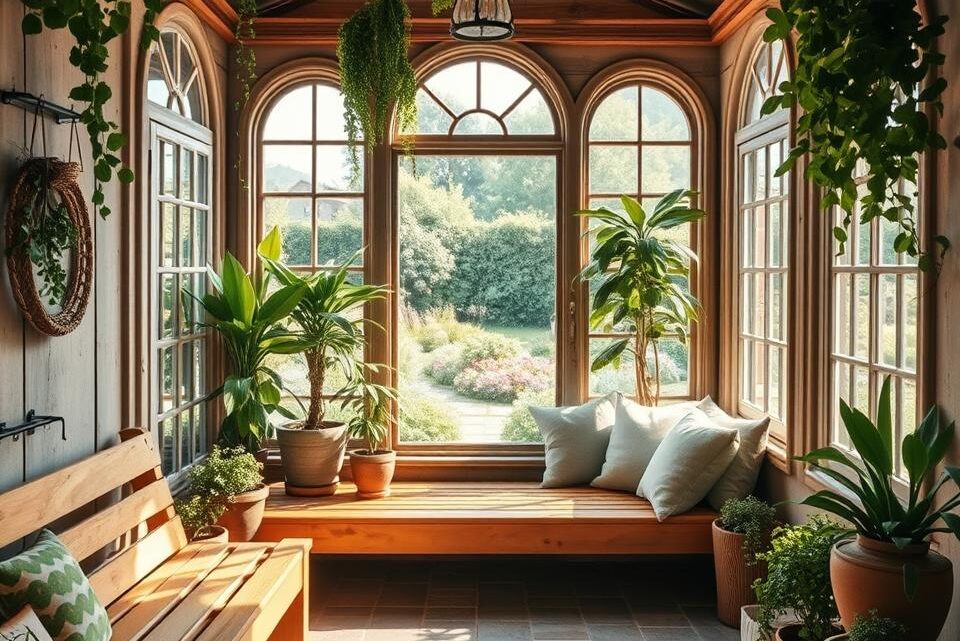
More and more homeowners across the United Kingdom are discovering the value of a garden room. These structures offer a clever alternative to a traditional extension. They create extra living space without the high cost or lengthy building work.
Since the pandemic, the desire to improve our homes has grown. People want to make the most of their outdoor areas. A garden room is a perfect solution. It extends your home into the garden, providing a versatile space for work, hobbies, or quiet relaxation.
These buildings are no longer simple sheds. Modern designs are sophisticated and can be used all year round. They offer a dedicated area to help separate work life from home life. This is especially important with the rise of flexible working.
Even a compact garden can benefit from this addition. A well-designed room maximises every inch of available space. It provides a functional and attractive retreat, whatever the British weather brings.
Inhaltsverzeichnis
Key Takeaways
- Garden rooms provide a practical and cost-effective way to add extra space to a property.
- They have become increasingly popular for creating dedicated work-from-home areas.
- Modern garden rooms are designed for year-round comfort and use.
- These structures are suitable for gardens of all sizes, including compact plots.
- They help to establish a healthier balance between professional and personal life.
- A garden room adds value and versatility to a home.
Innovative Garden Office & Workspace Designs
The transition to hybrid working arrangements has cemented the garden office as a permanent fixture in British property planning. These dedicated structures provide the ideal 30-second commute that remote workers increasingly value.
This physical separation between home and professional life creates healthier boundaries. At day’s end, homeowners can simply close the door and leave work behind.
Functional Layouts for Enhanced Productivity
Strategic desk placement near windows maximises natural light. Proper electrical outlet positioning and cable management solutions maintain organisation.
Ergonomic furniture selection transforms basic structures into professional-grade workspaces. Clever storage solutions and distinct zones make the most of compact areas.
Energy-efficient and Organised Setups
Superior insulation maintains comfortable temperatures throughout the year. Small oil-filled heaters warm compact spaces quickly and economically.
Many customers include compact kitchens or WCs for truly self-contained setups. This eliminates frequent trips back to the main house, minimising distractions.
Expert advice recommends varied lighting options over commercial-feeling fixtures. Wall lights, overhead lights, and desk lamps create comfortable, productive atmospheres.
Modern Garden Rooms: Multifunctional Spaces
Today’s garden buildings break free from single-purpose limitations. They offer a blank canvas for homeowners to design a space that truly fits their lifestyle. Unlike rooms inside the main house, these structures come without predetermined expectations.
Home Office and Leisure Combinations
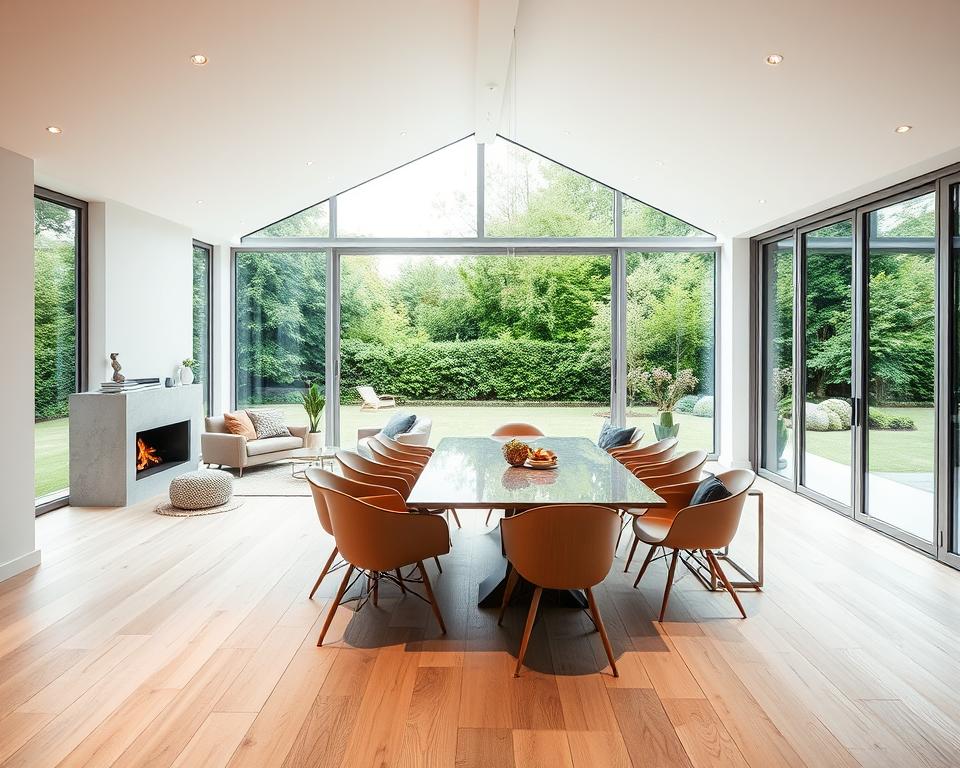
Many people now design a garden office that serves a dual purpose. A workspace can easily transform into a cinema or games room in the evening. This is achieved with simple choices like a pull-down screen or clever storage.
Built-in bar areas or compact fitness equipment can also be incorporated. This approach means one building meets multiple needs, offering excellent value.
Flexible Partitioning Concepts
Movable partitions or sliding doors are a brilliant solution. They allow a single room to be divided into distinct zones. One area can be a focused office, while another serves as a relaxation spot.
This flexible design adapts as a family’s needs change over time. It is a smart way to maximise the utility of your garden building without major work.
Top Ideas for Small Garden Rooms
The evolution of garden architecture has led to innovative solutions that maximise every square metre. These creative concepts transform outdoor areas into valuable extensions of living space.

Strategic positioning allows these structures to serve multiple purposes. A compact garden office can double as a relaxation zone. Golf simulator rooms cater to sports enthusiasts. Garden bars create entertainment spaces.
Even larger properties benefit from these versatile additions. They can be tucked into corners for privacy. This approach preserves the main garden area. The result is a dedicated retreat.
Modern designs often feature panoramic views and natural lighting. These elements enhance the connection with outdoors. Sustainable materials and clever storage solutions add functionality.
Each concept addresses specific homeowner needs. From work-life balance to recreational pursuits, these spaces offer tailored solutions. They provide dedicated areas for hobbies and relaxation.
The most successful projects combine aesthetic appeal with practical functionality. They create spaces that genuinely enhance daily life. This approach ensures long-term value.
Sustainable and Eco-friendly Garden Structures
A significant shift towards environmental consciousness is reshaping how homeowners approach garden room construction. The focus extends beyond mere functionality to creating structures that coexist harmoniously with their natural surroundings.
This approach reduces the carbon footprint of the building while fostering a deeper connection to nature. Choosing sustainable options results in a garden space that is both beautiful and responsible.
Sedum Roofs and Superior Insulation
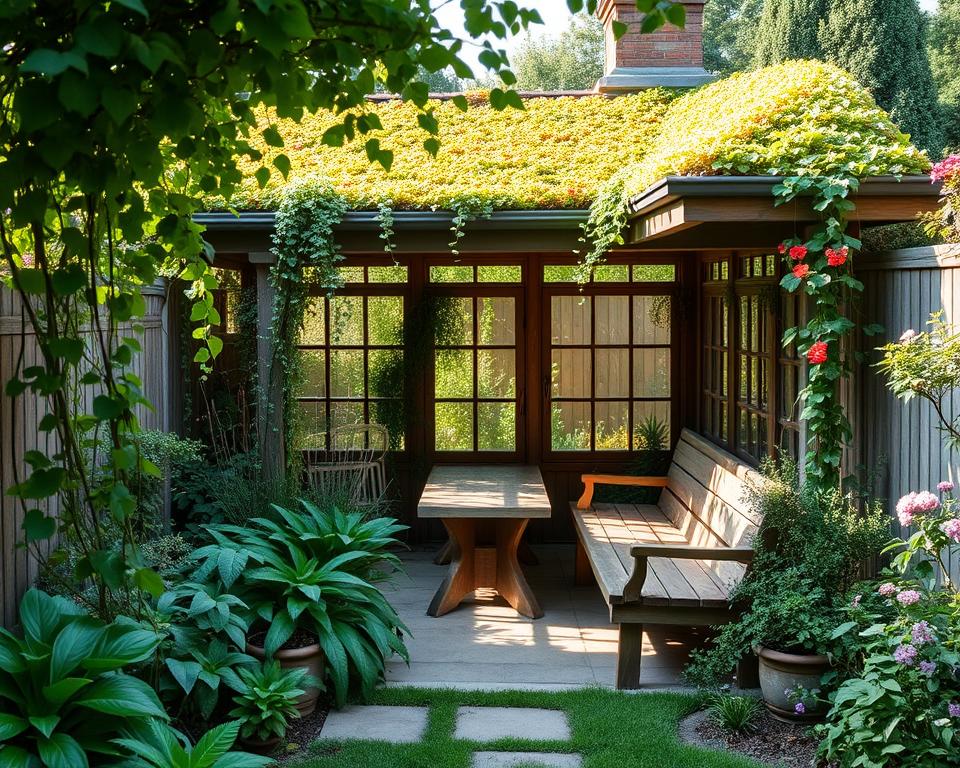
A sedum, or living, roof is a standout feature for an eco-conscious garden room. This green canopy offers multiple advantages beyond its visual appeal.
- Biodiversity Support: It creates a habitat for pollinators like bees and butterflies.
- Natural Insulation: The soil and plants provide excellent thermal regulation, reducing energy needs.
- Improved Drainage: It absorbs rainwater, mitigating runoff.
Combined with superior insulation in the walls and floor, these features ensure the building remains comfortable throughout the year. This minimises reliance on heating and cooling systems, leading to lower energy consumption.
Responsibly Sourced, Natural Materials
The selection of materials is crucial for sustainable design. Using responsibly sourced timber, such as FSC-certified wood or locally sourced oak, ensures longevity without environmental degradation.
These natural materials age gracefully, blending the structure seamlessly into the garden landscape. They contribute to a healthy indoor environment and a reduced ecological impact from production to installation.
This thoughtful design philosophy results in a garden retreat that is not only a personal sanctuary but also a positive contribution to the local ecosystem.
Clever Storage and Conversion Ideas
The combination of living space with functional storage areas marks a new direction in garden building design. Homeowners are discovering smarter ways to organise their outdoor possessions while maintaining aesthetic appeal.
Transforming Sheds into Modern Storage Areas
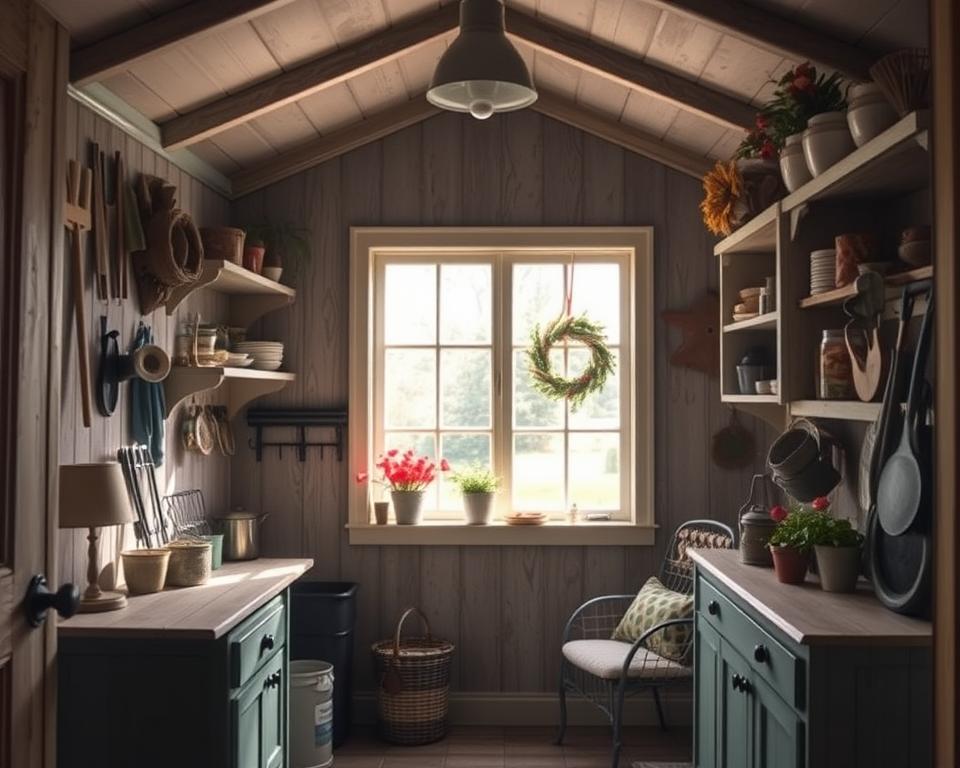
Traditional sheds often suffer from poor insulation and security issues. Many property owners are now converting these structures into sophisticated storage solutions. This approach makes excellent use of existing garden space.
Upgrading an old shed involves several key improvements. Adding proper insulation protects stored items from damp and temperature changes. Enhanced security features like insurance-grade locks provide peace of mind.
This conversion creates a dedicated storage area that blends with the garden’s design. It eliminates the need for separate, unattractive structures. The result is a cohesive outdoor living environment.
Integrating storage within a garden room offers significant advantages. Sectioned spaces keep equipment organised and accessible. This solution is particularly valuable for properties with limited outdoor area.
The long-term benefits include reduced maintenance and improved durability. Homeowners save money by avoiding frequent shed replacements. This practical addition enhances both functionality and visual appeal.
Compact Designs for Tight Garden Spaces
Many property owners assume their limited outdoor space cannot accommodate a functional garden building. However, modern construction techniques prove otherwise. Even the most compact plot can host a bespoke structure that maximises every centimetre.

Strategic placement is crucial in confined areas. Positioning a building against boundaries creates depth perception. Corner locations utilise otherwise wasted space. These approaches work well for various property types, from terraced houses to semi-detached homes.
Maximising Limited Area with Creative Layouts
Creative layouts transform challenging spaces. L-shaped designs follow boundary lines efficiently. Octagonal structures reduce visual bulk while providing generous interior area. Vertical elements draw the eye upward, minimising the footprint’s impact.
Expert consultation ensures every decision enhances the available space. Professionals assess terrain challenges and plot shapes. They recommend custom foundation solutions for uneven ground. This attention to detail prevents cramped results.
Design tricks create spacious feelings in compact buildings. Large glass panels blur boundaries between inside and outside. Light colour schemes enhance perceived space. Minimal furniture prevents clutter while maintaining functionality.
Regulatory compliance remains essential, especially with boundary-proximate structures. Height restrictions and coverage limitations vary by location. Professional guidance navigates these requirements seamlessly.
Recreational Retreats: Man Caves and More
Many Britons are now transforming their outdoor areas into personalised sanctuaries that reflect their unique interests and passions. These recreational garden rooms serve as dedicated escapes from daily routines.
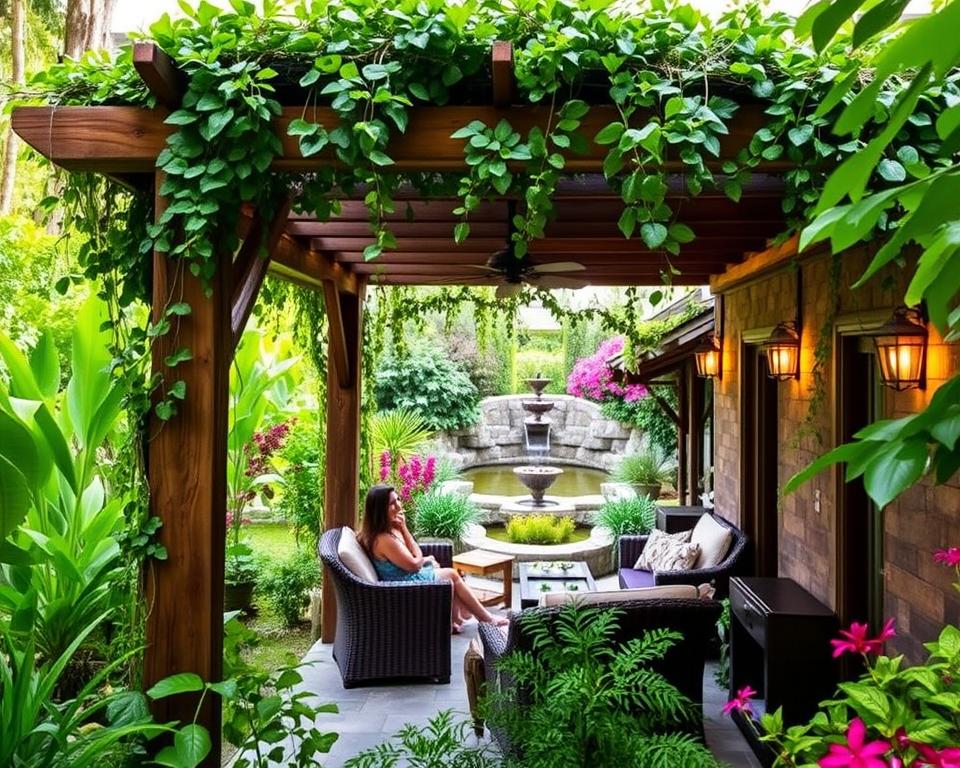
Homeowners create spaces that defy conventional household rules. These areas become extensions of personality rather than functional necessities.
Designs for Personal Escape and Entertainment
Entertainment-focused designs prioritise atmosphere and functionality. Home cinemas require proper acoustics and lighting control. Pool table rooms need adequate ceiling heights and stable flooring.
Bar areas can recreate beloved pub environments. These spaces allow homeowners to host gatherings without disrupting the main house.
Incorporating Hobby and Leisure Areas
Creative pursuits flourish in dedicated garden spaces. Art studios benefit from excellent natural lighting. Writing dens offer quiet isolation for focused work.
Home gyms require appropriate flooring and ventilation. These specialised areas accommodate interests that might conflict with shared family spaces.
| Recreational Space | Key Design Considerations | Popular Features | Space Requirements |
|---|---|---|---|
| Home Cinema | Acoustic treatment, blackout options | Projector screen, surround sound | Moderate floor area |
| Games Room | Ceiling height, sturdy flooring | Pool table, dart board | Generous square footage |
| Art Studio | North-facing windows, storage | Easel space, drying areas | Flexible layout |
| Home Bar | Bar seating, refrigeration | Glass storage, counter space | Compact to moderate |
Panoramic Views and Natural Lighting Techniques
Panoramic views and abundant daylight are achievable in even the most modest garden retreat. The strategic use of glazing is fundamental to creating a bright, inviting atmosphere that feels connected to the outdoors.

Large glazed elements bring the outside in, making a compact area feel more spacious. This connection to nature can significantly improve mood and wellbeing for occupants.
Strategic Window and Door Placements
Careful positioning of windows and doors maximises natural lighting and captures the best views. Placing a desk near a window harnesses daylight for tasks, though one must consider potential distractions.
Additional windows on different walls provide varied aspects and promote cross-ventilation. This flow of fresh air is a valuable feature for year-round comfort.
Benefits of Bi-fold Doors in Design
Bi-fold doors are a popular choice for creating a seamless transition. They fold back completely, effectively removing the barrier between the interior space and the garden.
This design is perfect for entertaining or simply enjoying an open-air feeling in warmer months. These features make a garden office or leisure room exceptionally versatile.
| Glazing Feature | Primary Benefit | Ideal Placement | Considerations |
|---|---|---|---|
| Large Picture Window | Frames a specific view, maximises light | Facing the best garden aspect | Potential for summer heat gain |
| Bi-fold Door System | Creates a wide, open aperture | On the main elevation | Requires adequate external space |
| High-Level Window | Provides light and privacy | On walls facing neighbouring properties | Less impact on views |
| Sliding Door | Space-efficient operation | Ideal for limited areas | Standard opening is typically 50% of width |
Small Garden Office: Practical Guidelines
Establishing a dedicated workspace requires careful consideration of practical guidelines from the outset. These ensure the project meets legal requirements while providing comfort for daily use.
Planning Permission and Regulatory Insights
Most garden office projects fall under permitted development rights. Structures under 15 square metres typically do not need planning permission. There are important exceptions for conservation areas.
Height restrictions depend on boundary proximity. Buildings within 2 metres of a boundary cannot exceed 2.5 metres in height. Those further away can reach 3 metres. The total area occupied must not exceed 50% of the land around the house.

| Feature | Permitted Development | Requires Planning Permission |
|---|---|---|
| Maximum Size | Under 15 sq m | Over 15 sq m |
| Height near Boundary | 2.5 metres | Over 2.5 metres |
| Land Coverage | Under 50% | Over 50% |
| Use | Office/Leisure | Overnight accommodation |
Ergonomic Furnishings and Comfort Essentials
Comfort is crucial for productivity. Ergonomic seating and adjustable desks support proper posture during long working hours. These features help prevent strain and fatigue.
Lighting should create a pleasant atmosphere. Combine wall lights, overhead options, and desk lamps. Avoid harsh commercial lighting that feels impersonal.
Heating solutions must be efficient. Small oil-filled heaters warm compact spaces quickly. They provide cost-effective warmth for year-round use.
Bespoke Design Features for Personalised Touches
The true beauty of a bespoke garden building lies in its ability to reflect individual personality and lifestyle. Rather than settling for standard options, homeowners can view their project as a blank canvas. This approach allows for unique expression through tailored design choices.

Custom Finishes and Adaptable Layouts
Custom finishes offer extensive personalisation opportunities. Homeowners can select from various timber treatments, modern slate exteriors, or exposed brickwork. Colour options can complement existing garden aesthetics perfectly.
These material choices create distinctive appearances. They transform generic structures into features that enhance property character. The right finish makes a building feel integrated with its surroundings.
Adaptable layouts provide long-term value for changing needs. Modular furniture and flexible partition systems support evolution. A space can transition from office to gym or studio with ease.
This flexibility prevents structures from feeling restrictive over time. It ensures the building remains relevant as requirements change. Professional consultants help translate visions into practical designs.
The collaborative process balances aesthetic desires with functional requirements. Many personalisation options deliver significant benefits without excessive cost. Thoughtful details make each garden room uniquely personal.
Innovative Extensions and Versatile Uses
The true versatility of a modern garden building is revealed when it serves multiple functions within a single structure. These innovative extensions offer a practical solution for homeowners seeking to maximise their available space. They adapt to changing needs over time.

This approach provides excellent long-term value. A single structure can meet various demands without requiring reconstruction.
Office, Gym and Storage Adaptations
Many people now design a garden office that incorporates additional features. A compact kitchenette or WC can be included. This creates a self-contained workspace.
Such an addition minimises disruption to the main house. It allows for focused work without constant trips indoors. The space becomes truly independent.
Home gyms are another popular adaptation. Proper flooring and ventilation are essential for comfort and safety. This setup supports a healthy lifestyle conveniently.
Integrated storage solutions are a clever way to organise belongings. They can replace the need for a separate shed. This keeps the garden tidy and functional.
The ability to section a building for simultaneous use is a game-changer. An office area can coexist with a gym zone or storage section. This multi-use design is the future of garden buildings.
Considerations for these adaptations include adequate electrical supply and efficient heating. A well-planned layout ensures each area functions optimally.
| Adaptation Type | Key Features | Energy Considerations |
|---|---|---|
| Office with Kitchenette | Self-sufficient workspace, compact units | Efficient heating for all-day use |
| Home Gym | Specialised flooring, ventilation | Temperature control for exercise |
| Integrated Storage | Organised sections, easy access | Insulation to protect items |
The versatility of these buildings means they can evolve. A workspace can later become a hobby studio. This adaptability ensures the structure remains a valuable addition for years.
Conclusion
Transforming underutilised garden areas into functional retreats offers substantial benefits for modern homeowners. A well-planned garden room can increase property value by 5-10% while providing comfortable year-round use. These structures prove particularly valuable for small garden settings, including terraced houses where space is limited.
Professional teams provide free consultations to help homeowners navigate their project from concept to completion. They assess each plot carefully, ensuring the final design maximises available area. This expert guidance transforms abstract ideas into practical solutions that enhance daily life.
The right garden addition creates a versatile workspace or personal sanctuary. Unlike traditional sheds, modern garden buildings feature proper insulation and efficient heating. Small oil-filled heaters warm these compact rooms quickly, using less energy than larger offices.
This investment delivers lasting enjoyment while adding meaningful value to any home. The perfect garden retreat awaits thoughtful planning and professional execution.
FAQ
Do I need planning permission for a small garden room?
In many cases, a garden building can be erected under Permitted Development rights, avoiding the need for full planning permission. This typically applies if the structure is single-storey, under 2.5 metres in height, and does not cover more than 50% of the garden area. However, rules vary, especially for listed buildings or homes in conservation areas. It is always advisable to consult with the local planning authority before starting a project.
What are the key considerations for insulation in a garden office?
Effective insulation is crucial for creating a comfortable, year-round workspace. High-quality insulation in the walls, roof, and floor helps maintain a stable temperature, reducing energy costs. Many modern garden rooms feature superior insulation materials, such as rigid foam boards, alongside double-glazed windows and doors to ensure the space remains warm in winter and cool in summer.
How can I make the most of a very small garden plot?
For compact gardens, consider a slimline design that fits neatly against a boundary wall. Utilising vertical space with tall, narrow windows and clever storage solutions can maximise the sense of space. Features like bi-fold or sliding doors can create a seamless connection to the outdoors, making the area feel larger. A corner garden room is another excellent option for optimising a limited area.
What materials are best for a durable garden building?
Durability is often a priority. Western Red Cedar is a popular choice for cladding due to its natural resistance to rot and insects. For a modern look, composite materials or powder-coated aluminium offer low maintenance and longevity. The roof is also important; a robust felt or a living sedum roof are both high-performing options that enhance the building’s lifespan and eco-credentials.
Can a garden room be used as a guest bedroom?
Absolutely. A well-insulated garden room with proper ventilation and heating can serve as a comfortable guest annexe. Incorporating an en-suite facility may require more complex plumbing, but it transforms the space into a fully self-contained retreat. This versatile addition provides privacy for visitors and adds significant value to a property.
What lighting options work well in a garden room?
A combination of lighting types creates an ideal atmosphere. Task lighting, such as a desk lamp, is essential for a workspace. Ambient lighting from ceiling fixtures sets the overall mood, while accent lighting can highlight architectural features or artwork. For a connection to nature, strategic placement of windows and roof lights maximises natural daylight.