How to Convert a Garage into a Garden Room: Step-by-Step Guide
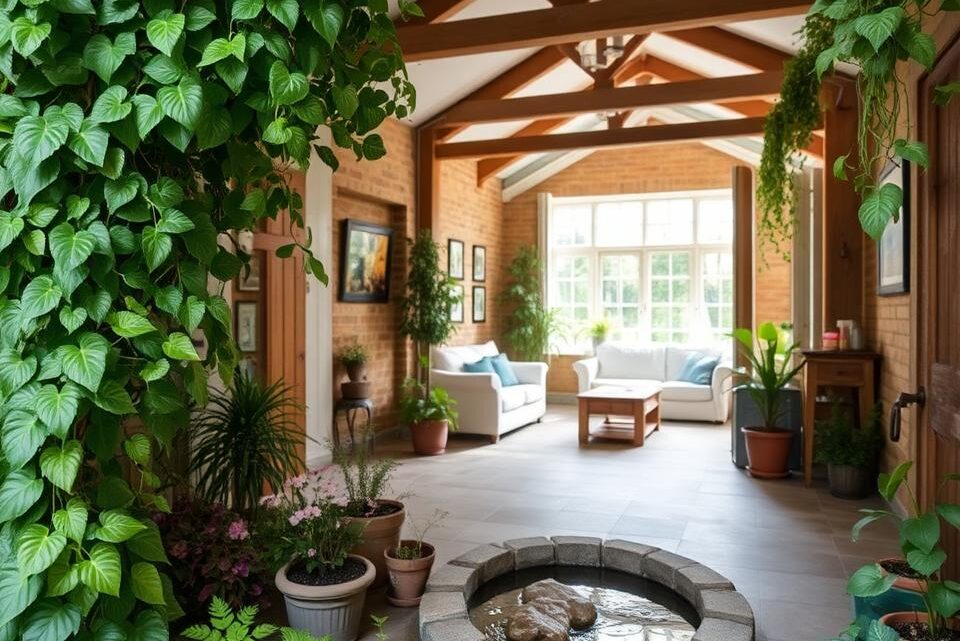
Many homes possess an untapped resource, often hiding in plain sight. That unused or cluttered garage represents a significant opportunity. Homeowners can unlock valuable extra space without the high costs of an extension.
This conversion process transforms a storage area into a beautiful, functional garden room. It could become a peaceful home office, a creative art studio, or a personal fitness garden. The potential is immense.
Most structures in the UK are suitable for this transformation. They fall into three main types: integral, attached, and detached. Each offers unique opportunities and considerations for the converting garage project.
This guide provides a clear step-by-step plan. It covers everything from initial assessments and planning permissions to design choices and construction. With careful planning, this garage garden room project can add considerable value to a property.
Inhaltsverzeichnis
Key Takeaways
- Repurposing an unused garage is a cost-effective method to gain additional living space.
- A successful conversion can create a versatile room, such as a home office or gym.
- Proper planning is essential, including checking the need for planning permission.
- Most UK garage structures are sound enough for conversion, making it a practical choice.
- The project can significantly increase a property’s market value.
- Understanding the type of garage (integral, attached, detached) is crucial for planning.
Understanding the Benefits of a Garage Conversion
Many property owners overlook the potential hidden within their garage structures for creating valuable additional space. This transformation represents a smart investment that enhances both lifestyle and financial returns.
Enhancing Home Value and Usable Space
A well-executed conversion can increase property value by 15-20%. This significant boost makes the project financially worthwhile for homeowners. The added square footage directly impacts market appeal.
Several factors influence the final valuation outcome. Local parking availability and neighbourhood price ceilings play crucial roles. In areas with limited street parking, removing a garage might negatively affect overall property worth.
| Factor | Positive Impact | Consideration |
|---|---|---|
| Additional Living Space | High | Meets genuine need for extra room |
| Parking Availability | Variable | Critical in high-density areas |
| Local Market Conditions | Significant | Price ceilings affect returns |
| Design Quality | High | Enhances aesthetic appeal |
Practical Versatility for Different Lifestyles
The flexibility of a converted space is its greatest strength. Homeowners can adapt the area to suit changing needs over time. This versatility ensures long-term value.
Popular uses include home offices, fitness studios, and creative spaces. The room can serve multiple functions simultaneously. Families appreciate this adaptability as circumstances evolve.
“A thoughtfully designed garden room offers unparalleled flexibility, allowing the space to grow with your family’s needs without requiring structural changes.”
Entertainment areas and guest accommodation are other popular options. The conversion creates a dedicated zone for specific activities. This separation from the main house adds to the appeal.
How to Convert a Garage into a Garden Room
The journey to creating a garden room begins with understanding the garage’s structural potential. This initial phase determines the project’s feasibility and scope.
Assessing Your Garage’s Suitability
Homeowners should conduct a thorough inspection before starting any work. They need to check for structural integrity, damp issues, and foundation stability. Most UK garage structures have solid foundations worth preserving.
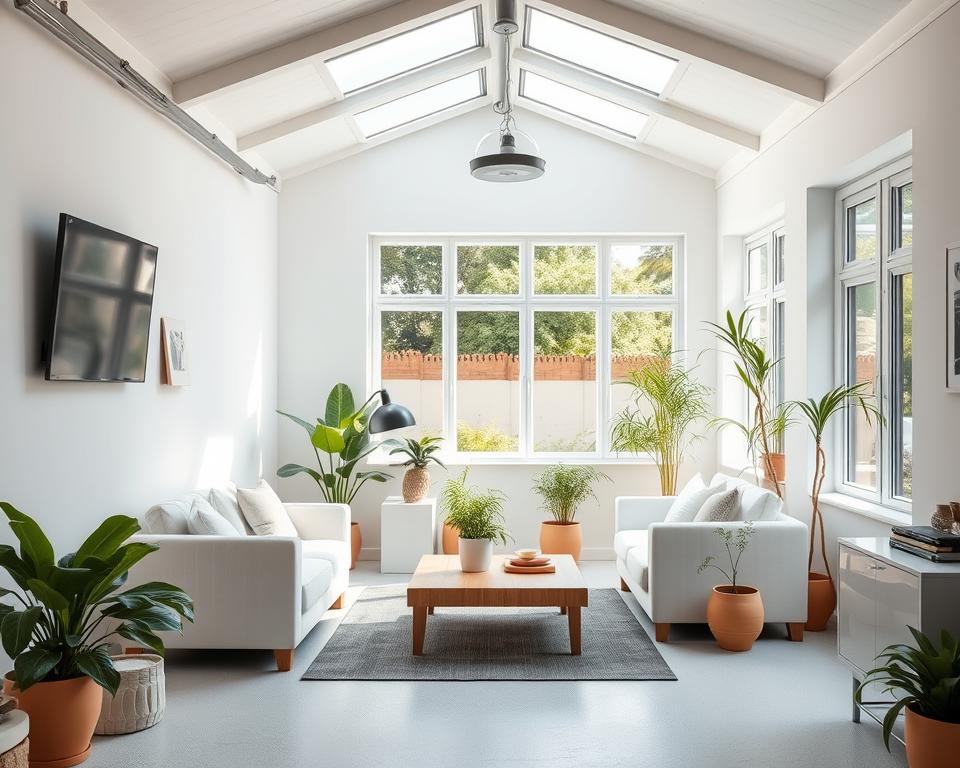
This assessment helps determine if the existing structure can support the conversion. It identifies necessary modifications and potential challenges early in the process.
Key Conversion Considerations
Different garage types present unique opportunities. Integral garages connect directly to the main house, often making conversion simpler. Attached structures require careful integration planning.
Detached garages offer more design freedom but need significant work for year-round use. Professionals like structural engineers can provide valuable insights during this evaluation phase.
The conversion process benefits from early expert consultation. This ensures the final garden room meets both practical needs and regulatory requirements.
Evaluating Planning Permission and Building Regulations
Before construction begins, homeowners must address the important matter of official approvals. Understanding when formal consent is necessary prevents costly mistakes.
Most projects fall under permitted development rights. This means full planning permission is often unnecessary.
When Planning Permission is Required
Homeowners typically don’t need planning permission if the work stays within the original structure. External alterations should be minimal.
Specific scenarios require formal approval. These include conversions in conservation areas or listed buildings. Creating a separate living space with sleeping accommodation also triggers the need for planning permission.
| Scenario | Permission Required? | Key Consideration |
|---|---|---|
| No external changes | Usually not | Permitted development applies |
| Conservation area | Yes | Special restrictions apply |
| Listed building | Yes | Historic preservation rules |
| Creating bedroom | Yes | Changes property classification |

Navigating Building Regulations and Party Wall Matters
Building regulations ensure safety and quality standards. These cover structural stability, insulation, and electrical systems.
A structural engineer provides essential calculations. Their input guides contractors during the conversion process.
Properties with shared boundaries require party wall agreements. Neighbours must provide written consent for work affecting mutual walls.
Local councils may object if parking is scarce. They consider the impact on community parking availability.
Measured Surveys and Proposed Design for Conversion
The planning phase begins with comprehensive surveys that capture every dimension of the existing structure. This meticulous approach ensures the entire project builds upon accurate information.
Understanding Existing Drawings and Accurate Surveys
Professional surveyors create detailed existing drawings by precisely mapping the property layout. They document structural features and calculate exact dimensions.
These drawings form the foundation for every stage of the work. They support design development, planning applications, and building regulations submissions.
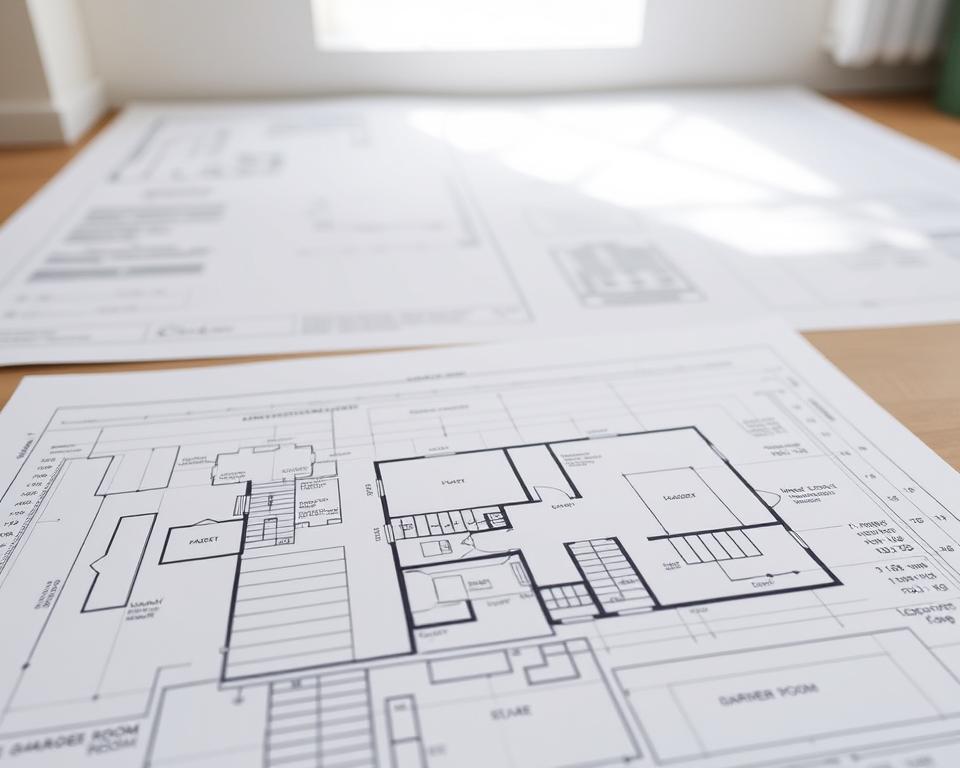
An inaccurate survey can have serious consequences for the rest of the project. Errors discovered during planning could mean restarting applications from scratch.
This results in lost time and increased costs. Homeowners should select qualified surveyors to ensure their project starts on solid footing.
Designing a Functional and Aesthetic Layout
The design process considers both practical needs and visual appeal. Designers evaluate the available space and its potential uses.
They plan the optimal layout while considering privacy from neighbouring properties. The street scene appearance is also important for kerb appeal.
Strategic placement of windows maximises natural light throughout the room. This creates a bright, inviting atmosphere in the finished space.
Different layout options suit various intended uses. An open-plan studio offers flexibility, while partitioned areas create distinct zones.
Working with experienced designers helps translate vision into practical, buildable plans. They navigate regulatory requirements while creating beautiful, functional spaces.
Structural Considerations: Walls, Roof, and Flooring
Garages are built with robust materials, making their core structure ideal for repurposing. The existing walls, roof, and floor often form a solid skeleton for the new room.
This approach saves significant cost compared to a full rebuild.
Retaining and Reinforcing Original Garage Structures
Concrete walls and foundations in most garages are extremely strong. They were designed to bear vehicle weight. Retaining them is both practical and economical.
Old concrete panels, often bolted together, provide excellent integrity. Disposal is expensive. It is usually better to keep them intact.
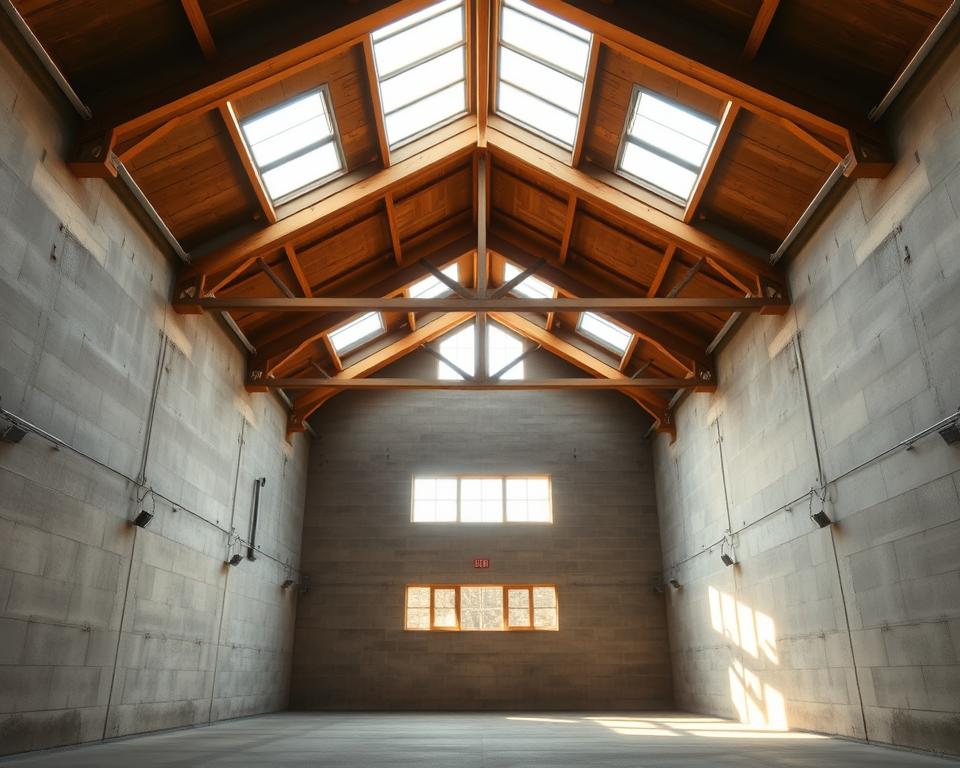
Some panels may need removal for new doors or windows. A new timber frame wall can then add height and support. This is common when raising the roof.
Attention to the roof condition is vital. Many older garages have low ceilings. Increasing the height transforms the space, making it feel larger and brighter.
Asbestos may be present in older roofing sheets. This requires a specialist survey and safe removal.
| Structural Element | Typical Condition | Recommended Action |
|---|---|---|
| Concrete Floor | Strong but uninsulated | Refurbish with DPM, insulation, screed |
| Walls & Foundations | Very robust | Retain; reinforce with timber frame if needed |
| Roof Structure | Varies (flat/pitched) | Assess condition; heighten for better proportions |
The existing floor is another asset. Flooring refurbishment is a great saving. It involves adding a damp proof membrane, insulation, and a new screed.
For a budget finish, painting the concrete floor with specialist paint works well. This building method is cost-effective and stylish.
Insulation and Natural Light Strategies
The transformation from storage area to living space hinges on two critical elements: climate control and daylight. Proper planning ensures year-round comfort and energy efficiency.
Effective Insulation Techniques to Save Costs
High-quality insulation represents a smart investment that pays dividends through reduced heating costs. Modern materials quickly recoup their initial expense.
Garage walls benefit from fibreboard lining, while floors require a damp proof membrane, insulation, and new screed. Each layer contributes to thermal efficiency.
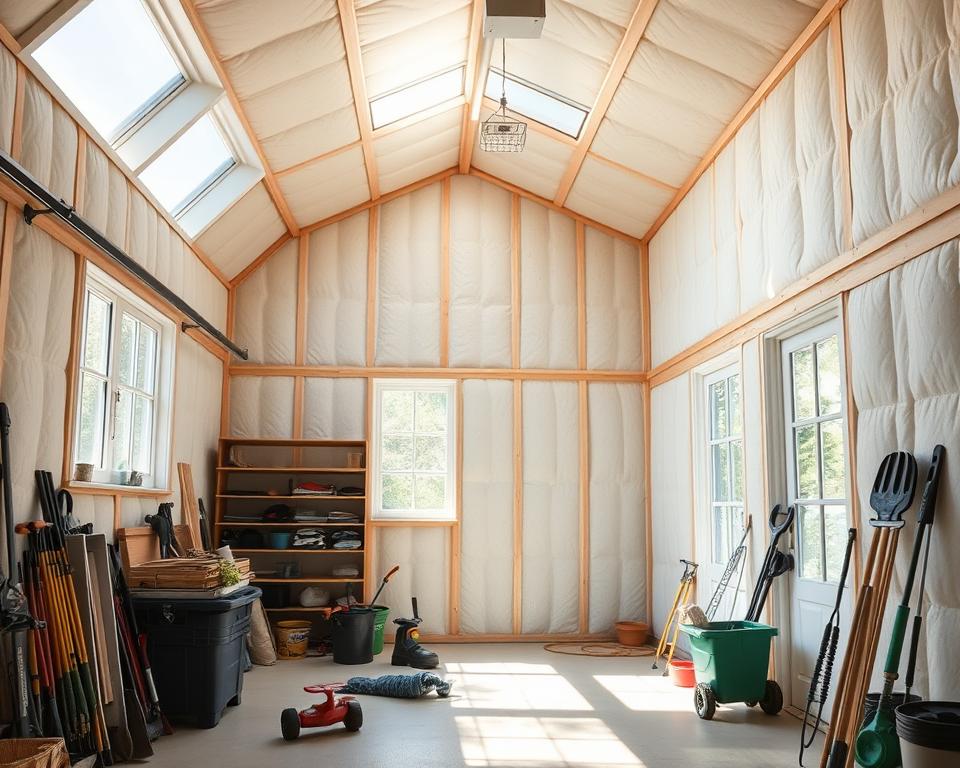
Meeting building regulations ensures optimal performance. The right approach creates a comfortable room usable throughout all seasons.
Maximising Natural Light with Windows and Doors
The difference between a basic garage and an inviting garden room often comes down to natural light. Strategic placement of glazed elements transforms the atmosphere.
Clear corrugated polycarbonate offers a budget-friendly alternative to expensive roof lights. Replacing sections of the roof introduces abundant daylight without high costs.
Double glass doors replace solid entries, creating access to outdoor areas. Salvaged windows add character while managing expenses.
Careful planning of windows and doors placement maximises light distribution throughout the space. This creates bright interiors that feel connected to the garden.
Electrical, Plumbing and Ventilation Requirements
Integrating essential services is a critical phase that brings the new space to life. A qualified electrician must assess the existing wiring to determine the necessary work.
New lighting, sockets, and electric heating can strain older systems. Upgrading the consumer unit may be required if a dedicated circuit is not present.

Upgrading Electrical and Lighting Systems
The intended use of the room dictates its power needs. A home office requires fewer sockets than a workshop with heavy machinery.
Connecting to the main house‘s consumer unit is often possible. Installing a separate unit offers advantages for complex setups.
| Connection Type | Best For | Key Consideration |
|---|---|---|
| Main House Unit | Basic power needs | Cost-effective if capacity allows |
| Separate Consumer Unit | High-demand uses (gyms, workshops) | Provides dedicated, manageable circuits |
Plumbing and Ventilation Optimisations
Plumbing becomes essential for bathroom facilities or a kitchenette. The cost of this work correlates directly with the distance from the main house‘s supply.
Longer pipe runs require more extensive and expensive groundwork. Proper ventilation is crucial for managing moisture and air quality.
Simple openable windows may suffice for a study. A gym or art studio might need a mechanical ventilation system. These systems ensure the garden room remains a healthy environment.
Budgeting and Costs: What to Expect
A clear financial roadmap helps homeowners navigate the costs involved in repurposing their space. Proper planning prevents budget overruns and ensures the project stays on track.
Estimating Conversion Costs Per Square Metre
Construction costs typically range from £500 to £1,800 per square metre. This wide variation depends on specification levels and location. The final figure excludes VAT at 20%.

Several factors significantly impact the total expenditure. The degree of structural changes needed is a major consideration. Electrical, plumbing and ventilation requirements also affect the budget.
Material quality and whether existing elements require replacement influence costs. Waterproofing and insulation specifications contribute to the final price.
A typical budget breakdown includes:
- Contractors: 30%
- Materials: 20%
- Glazing: 15%
- Professional services: 10%
- VAT: 20%
DIY Options vs Professional Services
Budget-conscious approaches can dramatically reduce expenses. One homeowner achieved their garden room conversion for “a few thousand pounds” rather than tens of thousands.
This budget method involves minimal structural changes. DIY floor painting and unpainted fibreboard walls keep costs low. Second-hand or salvaged materials offer significant savings.
Specific material costs include industrial shelving under £100 per metre. Smartply fibreboard costs around £20 per sheet. Concrete floor paint is approximately £25 per litre.
Professional services ensure high-quality results but increase the budget. Labour costs vary by location and project complexity. Obtaining multiple quotes from vetted contractors is sound advice.
Careful planning with contingency funds prepares for unexpected issues. This approach provides the best way to manage the financial aspects of the work.
Selecting Fittings, Furniture and Interior Design Ideas
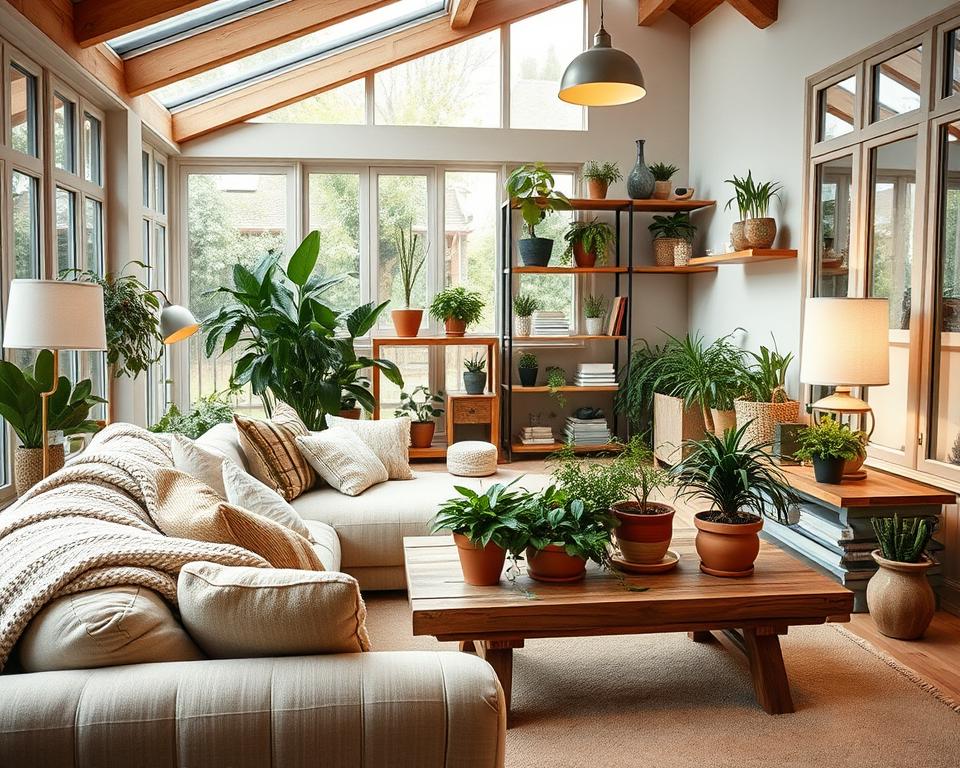
The final stage of the project focuses on the interior. This is where the new room truly comes to life. The design process should be guided by the intended use of the space.
For a home office, functional storage and a good desk are essential. A gym requires durable flooring and plenty of clear area. A relaxation space demands comfortable seating and soft lighting.
Choosing Practical Fittings and Stylish Furnishings
When the garden room includes a kitchen or bathroom, fixtures become integral to the interior design. Professional advice ensures these elements are both functional and cohesive.
Storage solutions range from custom-built cabinetry to prefabricated shelving. The choice significantly impacts cost and the room‘s character.
An industrial chic aesthetic can be very effective. For example, Dexion shelving offers a practical, stylish storage solution. It is also easy to remove if the garage needs to be reinstated.
Establishing a colour theme helps unify the design. A ‘yellow and grey’ scheme, for instance, can connect the interior to the garden outside.
Embrace the character of existing materials. Unpainted fibreboard walls or a painted concrete floor can become attractive features. This approach celebrates the garage‘s origins.
| Furnishing Element | Budget-Friendly Option | Professional Option |
|---|---|---|
| Storage | Prefabricated shelving (e.g., IKEA) | Custom-built cabinetry |
| Seating | Simple day bed and stool | Bespoke upholstered furniture |
| Finishes | Painted concrete floor | Engineered wood flooring |
Furniture should be scaled appropriately for the area. Avoid overcrowding while ensuring the garden room feels functional. High-street retailers offer excellent value, while bespoke pieces provide unique character.
Confident homeowners can undertake the decorating themselves. For complex layouts or specific styles, engaging an interior designer can be a wise investment.
Real-Life Inspiration and Creative Uses for Your Garden Room
The true potential of a repurposed structure becomes clear when exploring the diverse ways people utilise their new garden room. This space can be tailored to fit almost any lifestyle, providing inspiration for your own project.
Transforming the Space: Home Office, Gym and More
A dedicated garden office offers a quiet retreat for work, boosting productivity. Others prefer a private gym, equipped for fitness without expensive memberships.
For those needing extra accommodation, a guest suite provides visitors with privacy. Creative souls find an art studio ideal, with ample natural inspiration from the garden.
Entertainment areas are also popular. They become cosy hubs for films or social gatherings. The flexibility is remarkable.
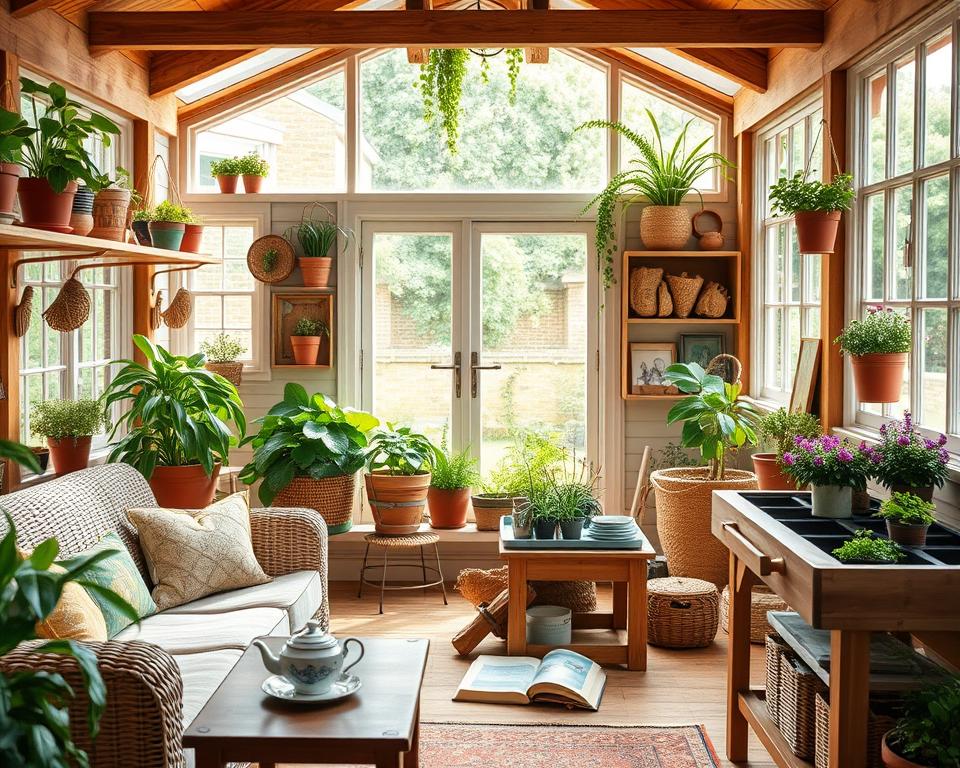
Francine Raymond’s conversion serves as both a garden room and a potting shed. It offers a practical space for plant care.
Stephen Ryan’s Australian garage demonstrates multi-use potential. It houses a van but transforms into a gallery for events.
| Use Case | Key Benefit | Consideration |
|---|---|---|
| Home Office | Productivity Boost | Requires good internet connection |
| Personal Gym | Convenience | Flooring must support equipment |
| Guest Suite | Privacy for Visitors | Plumbing may be needed |
| Art Studio | Abundant Natural Light | Easy-clean surfaces are useful |
This advice shows a garden room need not serve one purpose. Thoughtful design creates an adaptable room that evolves with your needs.
Conclusion
Successfully completing a garage garden room conversion marks the start of enjoying a versatile new living area. This comprehensive project transforms an underused space into a significant asset.
The process, from initial assessment to final design, requires careful planning. Engaging qualified professionals ensures the work meets regulations and achieves the best results.
Most existing structures are robust enough for this transformation. This makes converting a garage a cost-effective way to gain a functional room.
The final garden room adds substantial property value and enhances daily life. Homeowners gain a dedicated space for work, relaxation, or creativity.
With the right advice and vision, this rewarding project is an achievable goal for many. It unlocks the potential of an existing structure, creating a beautiful and practical extension to the home.
FAQ
Is planning permission always required for a garage conversion?
Not always. Many garage conversions fall under permitted development rights, meaning planning permission is not needed. However, specific conditions apply, such as the garage not being a new build and the work being internal. It is essential to check with the local planning authority before starting.
What are the primary building regulations for a garage garden room?
The conversion must comply with building regulations to ensure safety and comfort. Key areas include structural integrity, adequate insulation for walls, floor, and roof, proper ventilation, and safe electrical installations. These regulations guarantee the space is suitable for habitation.
How is the garage floor typically prepared for conversion?
The existing concrete slab is often damp-proofed and insulated before a new floor finish is laid. This process raises the floor level slightly but is crucial for thermal efficiency. It ensures the garden room remains warm and dry throughout the year.
Can plumbing be added to a garage garden room?
Yes, plumbing can be installed for a sink or toilet, but it requires careful planning. The costs and complexity increase significantly. It involves connecting to the main house drainage system, which must comply with building regulations.
What are the most effective ways to add natural light?
Installing new windows and doors is the most effective method. Roof lights are an excellent option if side windows are not feasible. French or bi-fold doors can create a seamless connection to the garden, flooding the space with natural light.
How much does a typical garage conversion cost?
Costs vary widely based on size, specification, and location. A basic conversion starts from around £7,500, while a high-end project with bespoke features can exceed £20,000. Obtaining several quotes from reputable builders is advised for accurate budgeting.
Does a garage conversion add value to a property?
A>: Yes, a well-executed garage conversion can significantly increase a property’s value. It adds valuable living space, which is often more appealing to potential buyers than a garage. It can boost property value by up to 10-15%.
What insulation is needed for walls and the roof?
Walls typically require insulated stud wall lining, while the roof needs insulating between and over the rafters. High-performance insulation materials like rigid foam boards or mineral wool are commonly used to meet current energy efficiency standards.
Is it feasible to undertake a garage conversion as a DIY project?
Some aspects, such as decorating, can be DIY. However, structural work, electricals, and plumbing must be handled by qualified professionals to ensure they meet building regulations. A full DIY approach is not recommended for most homeowners.
What are popular uses for a converted garage garden room?
Popular uses include a home office, gym, art studio, playroom, or a quiet living area. The versatility of the space allows it to be tailored to the household’s specific needs, providing a dedicated area for work, hobbies, or relaxation.