Indoor Garden Ideas to Liven Up Your Home

Creating a personal green sanctuary is a growing passion for many. It offers a wonderful way to bring nature inside, regardless of your living situation. City dwellers and those with limited outdoor space can cultivate a vibrant, plant-filled haven.
Gardening expert Russell Taylor notes that with the right care, a diverse range of plants can thrive indoors. This includes everything from colourful flowers to fresh herbs and vegetables. The result is a lush, productive oasis that enhances any room.
This approach to greening your interior is accessible to all. Whether you are a complete beginner or an experienced gardener, you can find a style to suit your taste. Options range from simple collections of houseplants to more elaborate living walls.
Understanding a few basic principles is key to success. Factors like light requirements and watering needs are crucial. This guide will explore these elements to help you build your own thriving, leafy retreat.
Inhaltsverzeichnis
Key Takeaways
- Transforms any living space into a vibrant, natural sanctuary.
- Accessible to everyone, from beginners to experts.
- Offers a wide variety of plant choices and styling options.
- Provides benefits like improved air quality and personal wellbeing.
- Success relies on understanding fundamental plant care principles.
Benefits of Bringing Greenery Indoors
The presence of botanical elements within residential settings delivers substantial health and psychological rewards. Scientific studies consistently demonstrate how living flora transforms interior atmospheres.
Improving Air Quality and Wellbeing
Certain houseplants act as natural air purifiers, removing harmful toxins from the environment. Species like spider plants, snake plants, and peace lilies are particularly effective at filtering impurities. They contribute to better respiratory health and overall wellbeing.
Research shows these plants can reduce stress levels and boost productivity. They naturally regulate humidity, creating more comfortable living conditions. This makes them valuable additions for those working from home.
Creating a Calming Environment
Greenery introduces natural elements that promote relaxation and mental clarity. A plant-filled reading nook or meditation corner encourages mindfulness. These designated wellness areas transform sterile spaces into tranquil retreats.
Caring for living things provides psychological benefits too. The sense of purpose from nurturing plants enhances one’s quality of life. Watching them thrive brings genuine satisfaction to daily routines.
Choosing the Right Indoor Plants
Selecting the perfect botanical companions is a foundational step. It involves more than just picking what looks attractive. A successful choice hinges on matching a plant’s needs with one’s own lifestyle and home environment.

Houseplant expert Vladan Nikolic advises, “Choose plants that match your lifestyle, particularly if you travel often. Select varieties more tolerant of occasional neglect that don’t require frequent watering.” This thoughtful approach prevents disappointment.
Understanding Light and Humidity Needs
Light is the most important factor for houseplant growth. It serves as plant food. Evaluating the lighting conditions in a room is essential before making a purchase.
North and east-facing rooms receive gentler morning light. This is ideal for low light plants. South and west-facing exposures get intense afternoon sun, perfect for high-light blooms.
For beginners, starting with resilient varieties builds confidence. Excellent starter plants include:
- Snake plant (Sansevieria)
- Pothos (Epipremnum aureum)
- Spider plant (Chlorophytum Comosum)
- ZZ plant (Zamioculcas Zamiifolia)
These plants tolerate varying light levels and irregular watering. Humidity requirements also differ. Some species thrive in average household humidity, while others, like ferns, need more moisture.
Understanding these fundamental requirements before purchasing significantly increases success rates. It ensures a thriving, leafy retreat.
Designing a Living Wall for Your Home
The concept of growing plants upwards rather than outwards opens up new possibilities for interior design. Vertical gardens transform blank walls into stunning living features, making them ideal solutions for maximising limited floor space.

These installations range from simple framed succulent displays to complex systems with integrated irrigation. Homeowners can choose complexity levels matching their skills and budgets.
Vertical Garden Design Tips
Successful wall gardens require careful planning. Consider wall selection, weight distribution, and moisture barriers to protect surfaces.
Ensure adequate light reaches all plants in the arrangement. Strategic placement creates visual interest through varied textures and growth patterns.
Plant Selection and Installation
Choose species with compact root systems and moderate water requirements. Ferns, peace lilies, and philodendrons work well in vertical systems.
Installation methods vary from mounted pots on rails to modular systems with reservoirs. Proper installation ensures both structural integrity and easy maintenance access.
Even small-scale living walls create impressive focal points. They demonstrate creative approaches to incorporating greenery into any living environment.
Herb Garden Ideas for Kitchen Windowsills
Transforming a kitchen windowsill into a productive herb station brings culinary creativity directly to the cook’s fingertips. This practical approach to growing provides fresh flavours within arm’s reach of cooking areas. It requires minimal space investment while offering substantial returns.

Selecting Culinary Herbs
Choosing the right varieties ensures success for a windowsill herb garden. Beginners should start with reliable options like basil, rosemary, and thyme. These herbs adapt well to indoor conditions when given proper care.
Most culinary herbs thrive with abundant direct sunlight. A south or west-facing window provides ideal conditions. Mint varieties offer excellent starter options due to their resilience.
Russell Taylor notes that herbs like parsley and oregano flourish indoors with sufficient light. Grouping plants with similar needs simplifies maintenance routines.
Container and Potting Options
The choice of vessel significantly impacts herb health. Traditional terracotta pots, mason jars, or decorative tins all work well. Each container should have adequate drainage to prevent waterlogging.
Well-draining potting mix is essential for healthy root development. This type of soil prevents root rot, a common issue with indoor cultivation. The finger test helps determine watering needs.
When the soil no longer sticks to fingers, it’s time to water. This simple method ensures plants receive moisture without becoming oversaturated.
DIY Indoor Plant Propagation Stations
Multiplying a plant collection need not be an expensive endeavour. Creating a dedicated propagation station offers an economical and visually engaging method to grow new plants from existing ones. These setups serve a dual purpose, functioning as both a practical growing tool and an attractive decorative feature.

The process of propagation involves taking cuttings from a mature plant and encouraging them to develop roots. Many species readily root in a simple vessel of water. This technique allows enthusiasts to create new plants from their favourites, watching the fascinating development of roots in clear containers.
Setup and Maintenance
Assembling a station is straightforward. Test tubes or small glass bottles can be secured to a wooden board using strong adhesive. Leaving approximately two inches of space between each vessel ensures every cutting has ample room to flourish without crowding.
Place the station in a spot with bright, indirect light. This provides the energy needed for root growth without scorching the delicate cuttings. Regular maintenance is simple but crucial for success.
Fresh water should be used to top up the vessels weekly to prevent bacterial growth. Monitor the root development; when roots are a few inches long, the new plant is ready for potting into soil.
Some plants are particularly well-suited for this water propagation method, offering quick and reliable results for beginners.
| Plant Name | Ease of Propagation | Typical Root Development Time |
|---|---|---|
| Pothos (Epipremnum aureum) | Very Easy | 1-2 weeks |
| Spider Plant Offshoots | Very Easy | 1-2 weeks |
| Philodendron | Easy | 2-3 weeks |
| Begonia | Moderate | 3-4 weeks |
This approach to plant propagation is a rewarding way to expand a collection. It turns a simple biological process into a living work of art for any room.
Moisture-Loving Plant Ideas for Bathrooms
Bathrooms present a surprisingly ideal habitat for a specific group of botanical specimens. The steamy environment created by showers and baths replicates the humid conditions of a tropical rainforest.
This natural humidity is a significant advantage for many plants that would otherwise struggle in drier rooms. It allows species like orchids and certain ferns to thrive with minimal extra care.
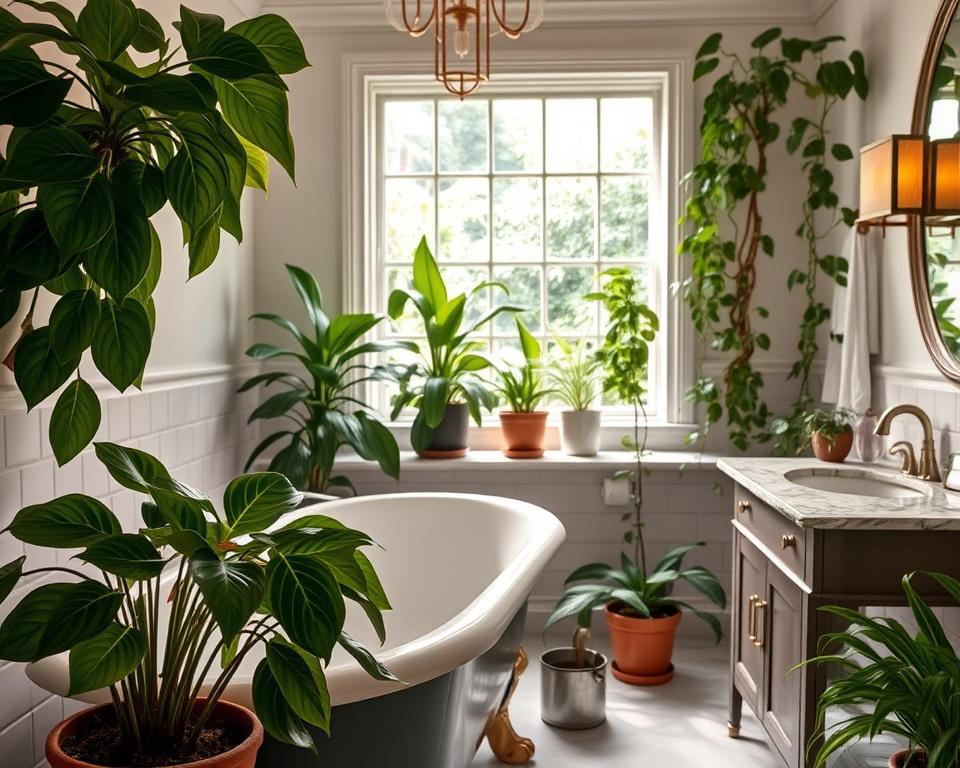
When placing greenery in a bathroom, a few practical considerations ensure success. Good air circulation is vital to prevent mould. It is also wise to keep plants away from direct water spray from the tap or shower.
Utilising shelves, windowsills, or hanging planters maximises space. This creates a layered, lush effect. A living shelf offers a relaxing green view to admire.
Best Low-Light Varieties
Bathrooms often have limited natural light, making low light tolerance a key trait. Several excellent varieties adapt well to these conditions.
Ferns, such as the Boston and bird’s nest types, are classic choices. Their feathery, cascading fronds add soft texture to tiled walls. The snake plant and ZZ plant offer architectural interest with very forgiving natures.
For a trailing effect, golden pothos is a resilient option. It tolerates low light and enjoys the ambient moisture.
| Plant Name | Light Preference | Humidity Preference | Care Level |
|---|---|---|---|
| Boston Fern | Low to Medium | High | Moderate |
| Snake Plant | Low to Bright | Average | Very Easy |
| Peace Lily | Low to Medium | High | Easy |
| Golden Pothos | Low to Bright | Average to High | Very Easy |
Even with temperature changes, positioning plants near a frosted window can provide sufficient light. This approach turns a functional bathroom into a spa-like retreat.
Exploring the World of Terrariums
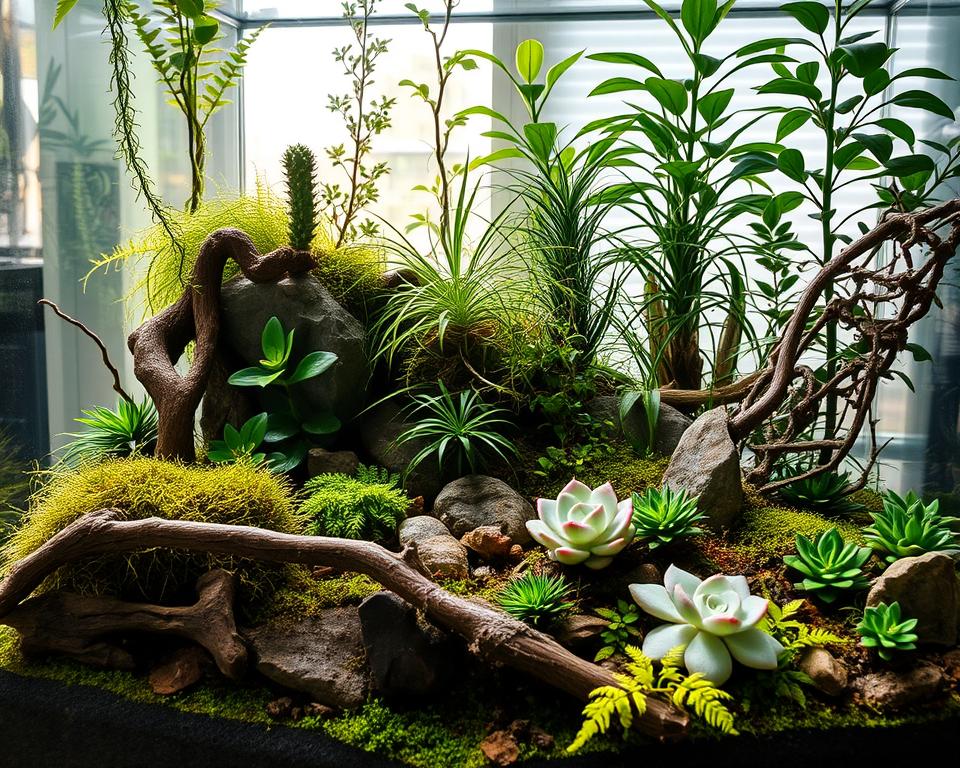
Terrariums offer a captivating approach to cultivating greenery in compact living areas. These self-contained ecosystems function as miniature gardens that require minimal maintenance once established. They represent both living art and functional horticulture, making them ideal for contemporary interior design.
Build Your Own Miniature Garden
Creating a terrarium begins with selecting appropriate containers. Glass jars, geometric pots, or specialised vessels all serve as excellent choices. The creative freedom allows for designing complete miniature landscapes with rocks, driftwood, and artistic arrangements.
Proper construction involves layering materials correctly. A drainage layer of pebbles prevents waterlogging. Charcoal helps maintain freshness, while specialised soil supports healthy root development. Careful plant selection ensures compatibility within the enclosed environment.
| Terrarium Type | Best Plant Varieties | Light Requirements | Watering Frequency |
|---|---|---|---|
| Open Container | Succulents, Cacti | Bright, Direct | Every 2-3 weeks |
| Closed Container | Ferns, Mosses, Fittonias | Indirect Light | Monthly |
| Desert Style | Air Plants, Small Cacti | Bright Sunlight | Light Misting |
| Tropical Style | Peperomia, Nerve Plants | Filtered Light | When Soil Dries |
This gardening option provides an excellent entry point for beginners. It requires less frequent intervention than traditional potted plants. With proper initial setup, these miniature ecosystems become self-sustaining features that bring constant visual interest.
Innovative Indoor Gardening Systems and Greenhouses
Innovative appliances are revolutionising how people approach plant cultivation in confined spaces. These advanced technologies bring professional-grade capabilities directly into residential settings.

Urban Cultivators and Temperature Control
Urban cultivators resemble compact kitchen appliances. They provide complete environmental control for optimal plant growth.
These automated systems maintain perfect temperature, humidity, and lighting conditions. They eliminate guesswork from the cultivation process.
As gardening expert Chantell Eichhorn explains, “Full spectrum LED grow lights support plants through all life stages.” This technology ensures consistent results.
A more affordable option involves converting glass cabinets into mini greenhouses. These function like large terrariums for humidity-loving plants.
Hydroponic systems offer another efficient approach. They use nutrient-rich water solutions instead of soil.
Tower systems represent advanced hydroponic technology. They feature self-watering and fertilising mechanisms for guaranteed success.
Maximising Limited Space in Urban Settings
Living in a city often means embracing a smaller footprint, but this need not limit one’s horticultural ambitions. Clever design turns every available surface into a potential growing area.

Vertical solutions are key for an apartment with a modest floor plan. Wall-mounted rail systems allow for pots and planters to be fixed securely, creating a living tapestry. This approach frees up valuable floor space while adding lush, vertical interest.
Don’t forget to look up. Ceilings offer fantastic opportunities for suspended planters or trailing vines. These draw the eye upward, creating a sense of height and drama. They are perfect for climbers that flourish when given room to cascade.
Every nook counts. Windowsills, shelves, and even the tops of furniture can host a collection of compact plants. Expert Chantell Eichhorn specialises in creating displays that are both functional and aesthetically pleasing for modern living spaces.
Choosing the right plants is crucial. Opt for varieties that grow upwards or trail gracefully rather than spreading outwards. This thoughtful selection ensures even the smallest area can support a vibrant, green sanctuary.
Creative Plant Displays and Shelving Ideas
Shelving units provide the perfect framework for showcasing plant collections with both style and practicality. This approach transforms individual specimens into cohesive visual statements that enhance any living space.
Plant Shelf Arrangements
Grouping botanical specimens on a dedicated shelf offers significant advantages. It simplifies maintenance routines, as watering and care become centralised. The entire collection can be easily repositioned to follow changing light patterns.
Creating visually appealing compositions involves strategic placement. Taller specimens work well at the back, while cascading varieties should grace the front edges. Clustering plants in odd numbers often creates naturally pleasing arrangements.

Hanging and Curved Installations
Vertical space utilisation through suspended displays adds dramatic interest. Macramé hangers and ceiling hooks create floating gardens that save valuable surface area. These installations draw the eye upward, enhancing room proportions.
Mixing container styles contributes to a collected-over-time aesthetic. Terracotta pots complement bohemian themes, while pastel containers add subtle pops of colour. This layered approach creates texture and depth within the display.
Indoor Garden Ideas to Liven Up Your Home
Elevating a living space with botanical elements is a creative endeavour that blends design with nature. One can dramatically alter a room’s atmosphere with a single, well-chosen specimen.

A large palm in a tarnished zinc container creates incredible textural interest. Its fan-shaped leaves cast beautiful shade patterns in the sunlight.
For a bold, tropical statement, the Monstera, or Swiss cheese plant, is exceptional. Its vast, waxy leaves bring a jungle vibe. Similarly, a Bird of Paradise offers tall structural growth and elegance.
Even a plain corner can be transformed. A potted fiddle leaf fig by a fireplace grows into a stunning statement piece. Different plant shapes and textures placed around a feature fireplace bring it to life.
Creating a cosy nook offers a perfect way to relax. A hammock or hanging chair surrounded by greenery encourages switching off. This approach turns a functional area into a personal retreat.
For smaller spaces, a windowsill succulent collection is a great space-saving option. An indoor cactus assembly is also unique and easy to grow.
| Plant Choice | Visual Impact | Care Level |
|---|---|---|
| Fiddle Leaf Fig | High – Large, sculptural | Moderate |
| Windowsill Succulents | Medium – Compact, varied | Easy |
| Bird of Paradise | High – Tropical, architectural | Moderate |
Caring for Your Indoor Garden: Light, Water and Humidity
Mastering the fundamental trio of light, water, and humidity forms the bedrock of successful plant cultivation. These elements are non-negotiable for health and growth, far outweighing the need for complex gadgets.
Understanding a space’s natural light is the first critical step. Observing the time and intensity of sunlight entering each room dictates which plants will thrive. North or east-facing windows offer gentle morning light, perfect for low-light varieties.
South and west-facing exposures provide the intense afternoon sunlight that high-light blooms crave. Plants naturally lean towards their light source, so regular rotation ensures even growth.

Essential Plant Maintenance Tips
Proper watering is intrinsically linked to light exposure. Plants in brighter spots typically need more frequent water. A simple touch test is a reliable guide; when the top inch of soil is dry and doesn’t stick to your fingers, it’s time to water.
Expert Vladan Nikolic advises creating a custom potting mix for optimal root health. “Mix two parts standard potting mix with one part perlite,” he suggests. This creates an airy medium with plenty of oxygen, drastically reducing the risk of root rot from over-watering.
Similarly, Russell Taylor recommends enriching soil with humates to improve nutrient retention and water conservation. Finally, maintaining appropriate humidity levels is key for certain species, which may require misting or pebble trays to flourish in drier home environments.
Innovative Indoor Garden Decor and Accents
Decorative plant arrangements bridge the gap between horticulture and sophisticated interior design. They transform functional greenery into living art that enhances any living space.

Kokedama moss balls offer unique Japanese-inspired accents. These creations feature plants with roots wrapped in moist compost and moss, tied with string. They make perfect hanging elements that bring organic forms to modern interiors.
Air plants provide incredible versatility for creative displays. Being rootless, they require minimal care compared to succulents. They can be mounted on stands, placed in terrariums, or even fixed to refrigerators with magnets.
Ornamental grasses in sculptural vases add dimension to contemporary spaces. Seasonal bulbs like daffodils and hyacinths create rotating displays of colour. Combining varieties with different shapes and textures creates full visual impact.
Symbolic plants like lucky bamboo add meaning beyond aesthetics. Large pots can create striking centrepieces for dining tables. These decorative approaches turn any room into a personalised sanctuary.
| Decorative Element | Care Level | Visual Impact | Best Room Placement |
|---|---|---|---|
| Kokedama Moss Balls | Moderate | High – Sculptural | Living room, Entryway |
| Air Plants | Easy | Medium – Versatile | Office, Bathroom |
| Ornamental Grasses | Easy | High – Architectural | Contemporary Spaces |
| Seasonal Bulbs | Moderate | High – Colourful | Kitchen, Dining Area |
Each option serves as a conversation-starting statement piece. They demonstrate how botanical elements can evolve with personal style throughout the seasons in any home.
Conclusion
The journey into cultivating greenery within residential settings represents a rewarding path to enhancing daily life. This exploration demonstrates how accessible indoor gardening truly is, regardless of one’s experience level or available space.
Readers can enjoy numerous benefits from their houseplants, from cleaner air to fresh culinary herbs. The key lies in selecting species that naturally thrive in specific home environments rather than forcing unsuitable choices.
Starting with a few resilient plants builds confidence over time. As skills develop, collections can expand to include everything from kitchen herb gardens to impressive living walls. Each success brings satisfaction while occasional challenges offer valuable lessons.
Armed with these creative ideas, anyone can transform their living space into a thriving indoor garden. The possibilities for personalisation are truly endless.
FAQ
What are the best low-light houseplants for beginners?
Several varieties thrive in low-light conditions, making them ideal for beginners. The snake plant is a popular choice, known for its hardiness and ability to tolerate neglect. Other excellent options include the ZZ plant and the cast iron plant, both of which require minimal watering and care.
How often should I water my indoor plants?
Watering frequency depends on the specific plant, its size, the container, and the room’s conditions. A general rule is to check the soil moisture; water only when the top inch of soil feels dry. Overwatering is a common cause of problems, so it is better to underwater than overwater most varieties.
Can I grow a herb garden without a sunny windowsill?
While most culinary herbs prefer plenty of sunlight, it is possible with a grow light. For spaces with limited natural light, consider using a compact LED grow light system. This provides the necessary spectrum for herbs like basil and mint to flourish indoors, even in a darker corner.
What is the ideal humidity level for a moisture-loving plant like a bird of paradise?
Plants such as the bird of paradise or a fiddle leaf fig tree prefer higher humidity, typically around 60%. In drier homes, increasing humidity can be achieved by misting the leaves, using a pebble tray with water, or placing a small humidifier near the plant.
What type of soil is best for a container garden indoors?
Using a high-quality, well-draining potting mix is essential. Standard garden soil is too dense and can lead to root rot. Look for mixes specifically formulated for indoor plants or create your own blend with ingredients like peat, perlite, and compost to ensure good aeration and drainage.
How can I create a vertical garden in a small space?
A living wall is a fantastic solution for maximising limited space. One can use wall-mounted planters, a shelving unit dedicated to greenery, or even a hanging installation. Select a variety of plants with similar light and water needs to simplify care and create a striking visual display.