Is It Worth Buying a Separate Shed to Store Your Bike?
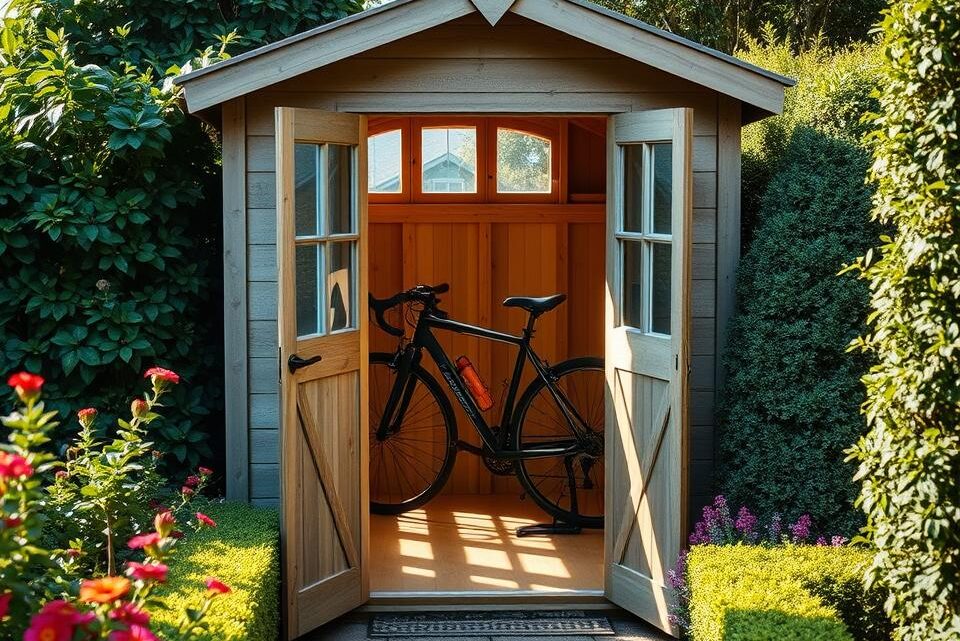
For many cycling enthusiasts across the United Kingdom, finding a safe and practical place to keep their bicycles presents a significant challenge. Limited indoor space, security worries, and exposure to the elements often leave people wondering about the best course of action. This guide analyses the merits of a dedicated outdoor storage solution.
Research highlights the scale of this issue. Approximately 5.5 million people in the UK would cycle more frequently if they had accessible storage at home. The data reveals a stark contrast: only 23% of flat dwellers and 58% of those in detached houses have a suitable place for their bikes. This lack of space directly impacts national cycling participation.
This comprehensive article will explore various options for protecting your bicycles. It considers factors like security, weatherproofing, and convenience. The analysis covers different materials, sizes, and costs to help households make an informed decision based on their specific needs and budget.
Inhaltsverzeichnis
Key Takeaways
- A significant number of UK residents are deterred from cycling due to inadequate bike storage at home.
- Secure, weatherproof storage is a common concern for cyclists, especially those without garages.
- Finding an appropriate solution can encourage more frequent cycling.
- This guide provides a detailed comparison of storage options, including dedicated sheds.
- Recommendations consider the number of bikes, available space, security, and financial constraints.
- The analysis aims to help readers determine if a specialised shed offers good value.
Overview of Dedicated Bike Storage Sheds
Outdoor storage solutions designed specifically for bicycles address key concerns of UK cyclists. These specialised structures provide dedicated space for bicycle protection. They serve as an excellent alternative when indoor options are limited.
Purpose and Benefits of a Bike Shed
A dedicated bike shed offers comprehensive protection from environmental elements. The primary purpose involves safeguarding bicycles from theft and weather damage. Proper storage prevents rust, tyre degradation, and component wear.
These structures enhance security through robust locking systems. They also optimise space in a garden or yard area. Cyclists benefit from convenient access while freeing up valuable indoor space.
The best bike storage solutions combine durability with practical design. Weather-resistant materials ensure long-term protection. Multiple configurations accommodate various numbers of bicycles.
Insights from Recent Market Trends
Market demand for bicycle storage has grown significantly across the UK. Urban cyclists without garage space drive this trend. Compact designs suit smaller outdoor areas.
Innovations include improved security features and space-efficient layouts. Modern sheds accommodate multiple bikes with clever organisation. The market offers extensive choice across materials and price points.
These trends reflect changing cycling habits and storage needs. Manufacturers continue developing sophisticated solutions. The evolution meets demands for security, convenience, and durability.
Why Consider a Separate Shed for Bike Storage?
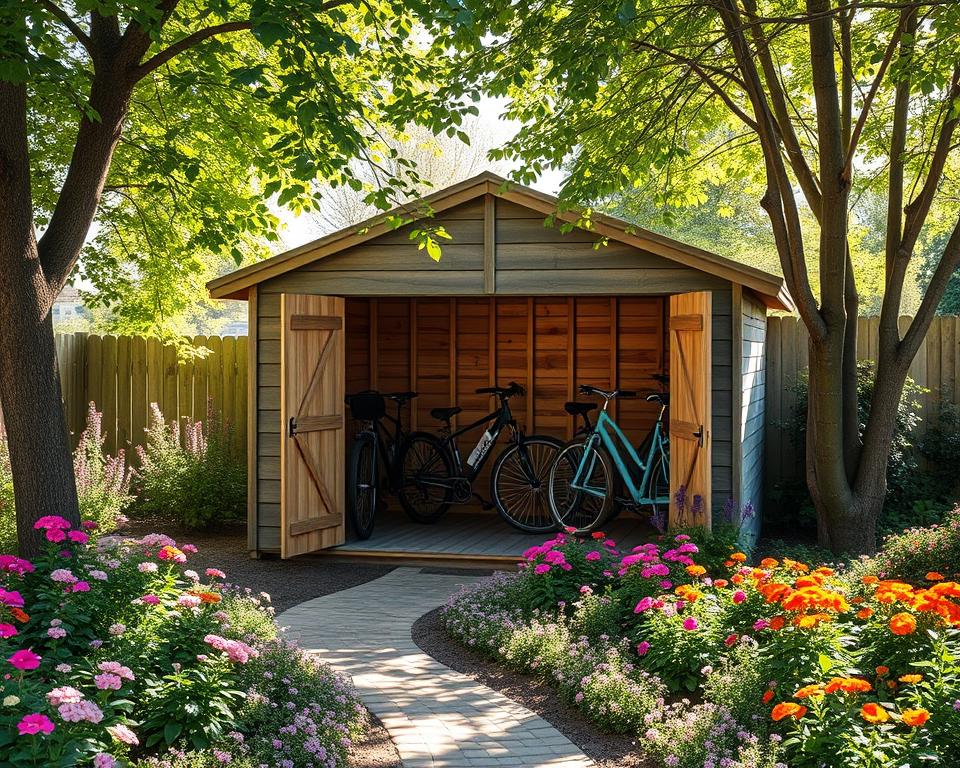
Finding adequate space for bicycle storage presents a common household challenge across the UK. Many residents struggle with limited indoor options that compromise their living environment. A dedicated outdoor solution offers numerous benefits for active cyclists.
Advantages Over Indoor Storage Options
Indoor bicycle storage often creates significant practical problems. Hallways become congested, walls get scratched, and manoeuvring through doorways proves difficult. Stairs present additional challenges when transporting bicycles between floors.
Outdoor sheds eliminate the inconvenience of rolling dirty bicycles through the house. This proves particularly valuable during wet weather or after off-road adventures. Keeping mud and debris outside maintains cleaner living spaces.
Dedicated storage frees up valuable room inside the house for better purposes. Families with multiple bicycles benefit greatly from this organised approach. The extra space can transform how households utilise their living areas.
Rental properties present unique challenges for bicycle storage. Tenants often cannot install wall hooks or make permanent modifications. A freestanding shed offers an excellent alternative without property damage concerns.
These structures provide consolidated storage for cycling gear and maintenance equipment. Everything remains together in one convenient location. This organised approach simplifies cycling routines and equipment access.
When a garage fills with other items or isn’t available, a dedicated bike shed becomes a sensible investment. It offers superior convenience and cleanliness for active households. The benefits often outweigh indoor storage limitations.
Is It Worth Buying a Separate Shed to Store Your Bike?
The decision to acquire specialised bicycle protection involves analysing both immediate and long-term advantages. This evaluation helps cyclists determine if the investment aligns with their specific circumstances and cycling habits.
Evaluating the Investment for Cyclists
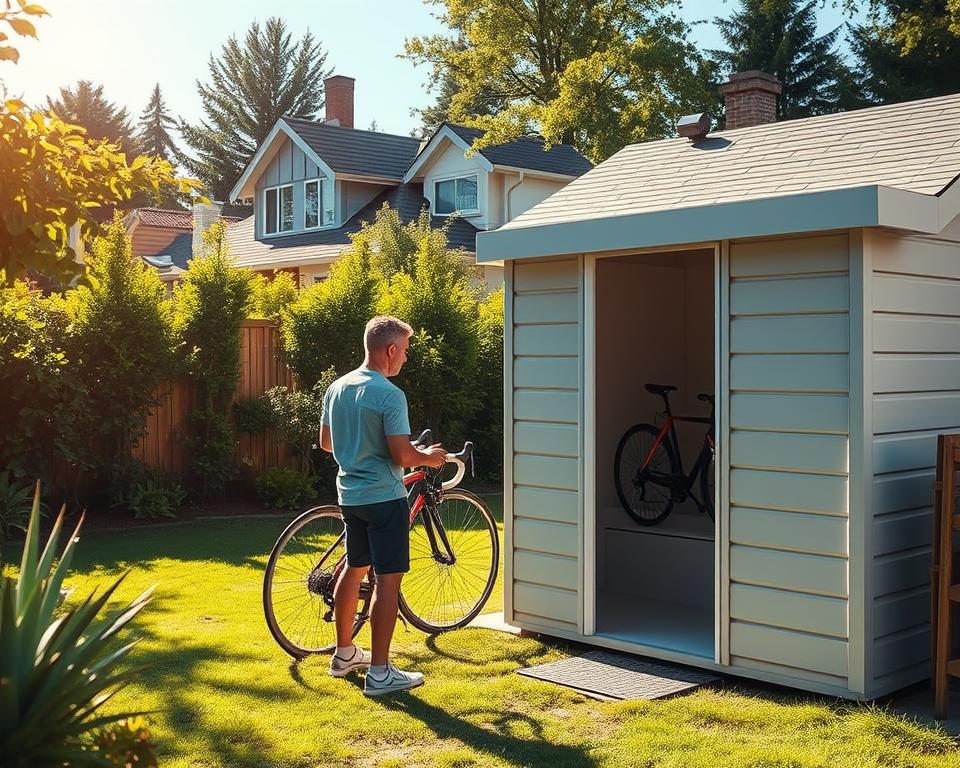
Cyclists should first assess their bicycle values. Bikes worth £500 or more typically justify secure storage. High-value models reaching £3,000 demand proper protection from theft and weather damage.
Frequency of use significantly influences the decision. Daily riders benefit most from convenient access. Occasional cyclists might find alternative solutions more suitable.
Available outdoor space determines shed feasibility. Households must consider whether their garden can accommodate a dedicated structure. The space should allow for easy access and installation.
Security requirements vary based on location and bicycle value. Robust locking systems provide essential protection. Proper security measures prevent potential losses from theft.
A quality shed maintained correctly can serve households for many years. This long-term value often outweighs the initial investment. The structure may outlast multiple bicycles during its lifespan.
Families with multiple cyclists or expensive collections find particular value in dedicated storage. Homes without garage access also benefit significantly from this practical solution.
Comparing Shed Materials: Wood, Metal and Plastic
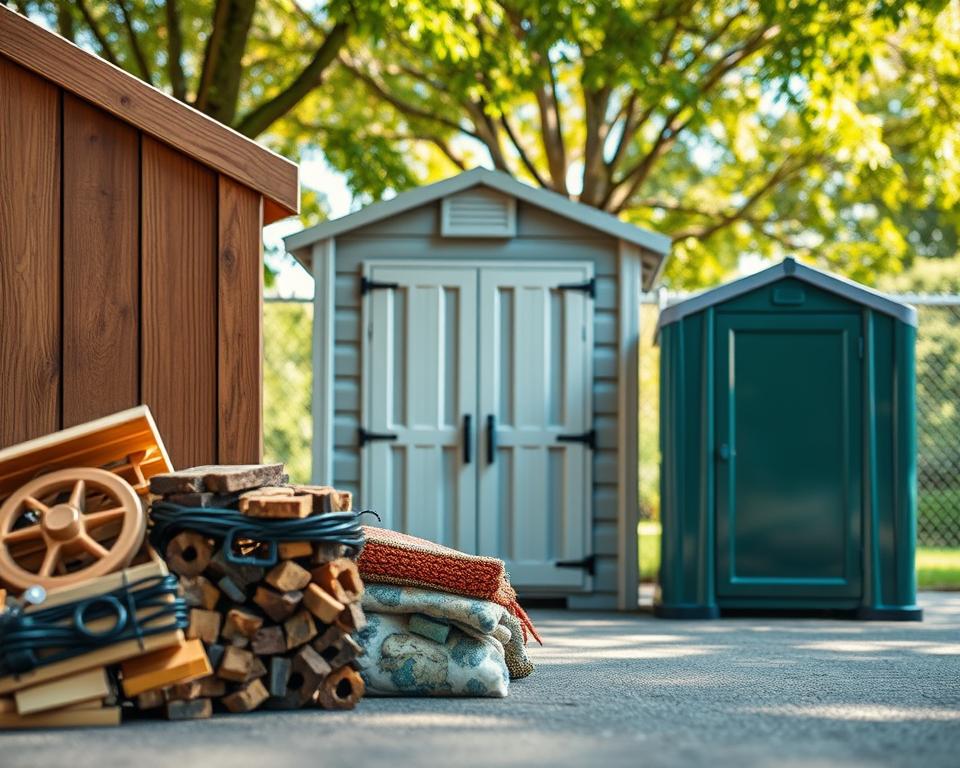
When selecting outdoor storage, the choice between wood, metal, and plastic involves distinct advantages and trade-offs. Each material offers different benefits for protecting bicycles from the elements.
Durability and Maintenance Factors
Wooden sheds provide traditional appeal but demand regular upkeep. They require yearly treatments to prevent rot and deterioration. With proper maintenance, these structures can serve for many years.
Metal sheds offer exceptional durability against weather and pests. They are virtually maintenance-free, needing only occasional washing. Their robust construction withstands physical damage effectively.
Plastic sheds feature modern UV-resistant formulations. These maintenance-free options resist fading and brittleness over time. Quality plastic models include twin-wall construction for enhanced strength.
Security and Aesthetic Considerations
Metal sheds typically provide superior security features straight from the factory. Their industrial appearance may not suit all garden styles. These units offer the best theft protection available.
Wooden sheds blend well with traditional garden settings. They allow for easy customisation but may require additional security upgrades. Their natural appearance appeals to many homeowners.
Plastic sheds present a contemporary look that some find artificial. While convenient, they may be less sturdy than other options. Security enhancements are often necessary for valuable bike collections.
Quality varies significantly within each material category. Homeowners should prioritise their specific needs regarding appearance, security, and maintenance requirements.
Selecting the Optimal Size and Layout
Determining the ideal capacity for bicycle shelters involves assessing both current inventory and potential expansion. Proper sizing ensures convenient daily use while accommodating future cycling needs.
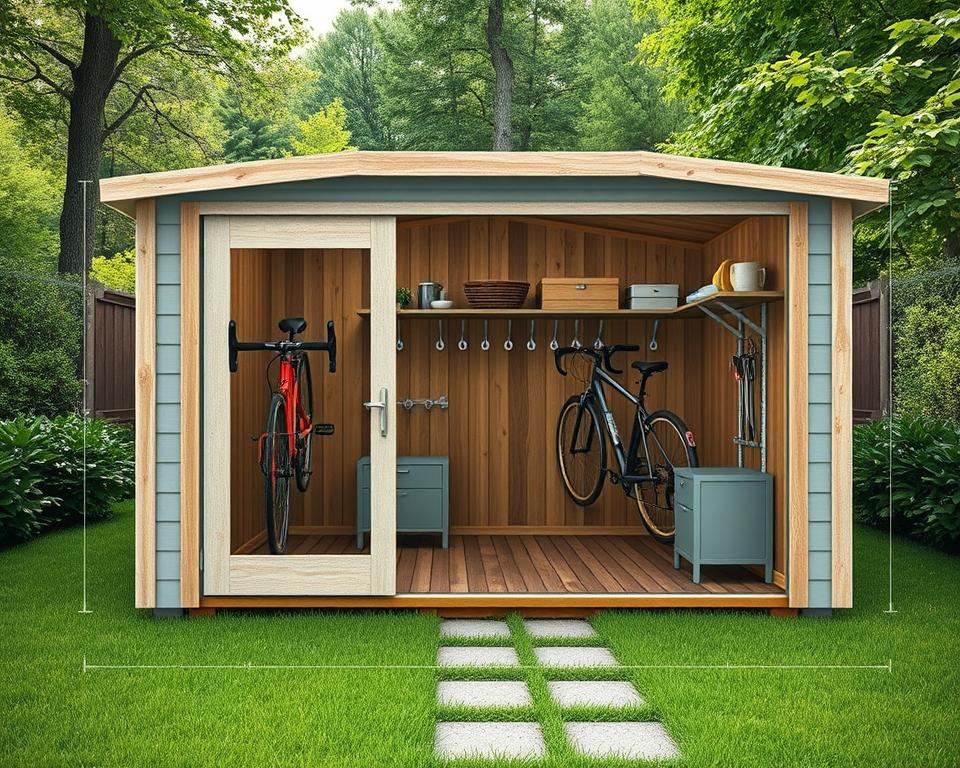
Determining Bike Dimensions and Capacity Needs
Cyclists should measure their actual equipment rather than relying solely on general guidelines. Frame geometry, wheel size, and accessories like child seats significantly affect spatial requirements.
Standard dimensions provide helpful starting points. A single bicycle typically needs a 6′ x 2′ shed, while two cycles require 6′ x 3′. Three bicycles fit well in 6′ x 4′ units, though some compact models might accommodate them in 6′ x 3′.
Households with four or five bicycles should consider 6′ x 5′ sheds. These generous sizes allow for additional storage of helmets, shoes, and maintenance tools. Forward or backward access proves most practical for individual bike removal.
Sideways access remains common but less convenient, requiring sequential movement of cycles. Always allow extra working space for maintenance activities and future acquisitions.
Undersizing storage to save money often leads to frustration. Cramped conditions defeat the purpose of dedicated bicycle protection. Consider different cycle types—road bikes, mountain bikes, cargo bikes, and e-bikes have varying spatial demands.
Assessing Security Features and Easy Access
Security features and accessibility represent two fundamental pillars of successful bicycle shed design. Households must balance robust protection against theft with convenient daily use patterns.
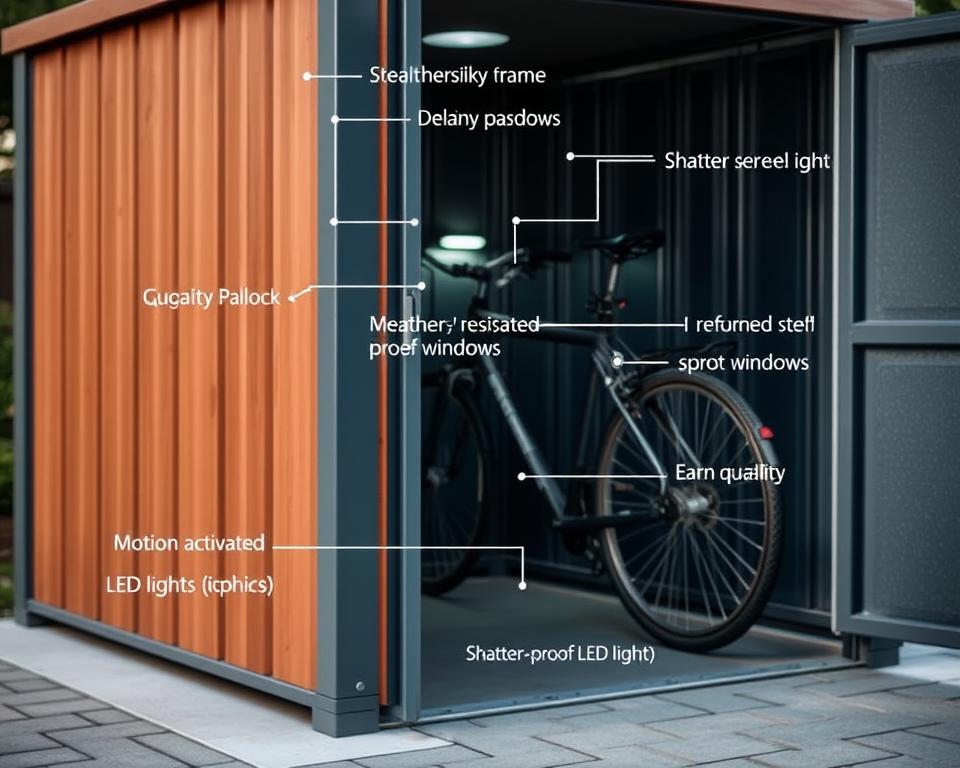
Locking Systems and Door Placement
Different locking mechanisms offer varying levels of protection for valuable cycles. Basic models feature simple padlock hasps, while premium units include integrated five-point systems with deadbolts.
Metal storage sheds typically provide superior security straight from the factory. Plastic and wooden options may require additional upgrades. Positioning affects security significantly.
Sheds visible from house windows deter thieves more effectively than secluded locations. Optimal placement keeps the structure behind the house, away from street view.
| Lock Type | Security Level | Convenience | Best For |
|---|---|---|---|
| Basic Padlock Hasps | Standard | High | Low-risk areas |
| Integrated Single-point | Good | Medium | Urban settings |
| Five-point Deadbolt | Excellent | Lower | High-value collections |
Additional security measures include ground anchors and quality locks. These allow individual bicycles to be secured inside the shed itself. This layered approach enhances protection significantly.
Practical Access: Forward vs. Sideways Entry
Door design directly impacts daily usability. Forward entry allows cycles to roll straight in and out. This offers the easiest access for regular users.
Sideways entry requires careful manoeuvring and sequential movement. This can be challenging when multiple people need different bicycles throughout the day.
Double doors provide superior easy access but demand robust locking systems. The trade-off between security features and convenience must align with household cycling patterns and local theft rates.
Evaluating Weatherproofing and Durability
The ability to withstand various weather conditions defines the effectiveness of bicycle storage structures. Proper protection extends equipment lifespan and maintains cycling performance.
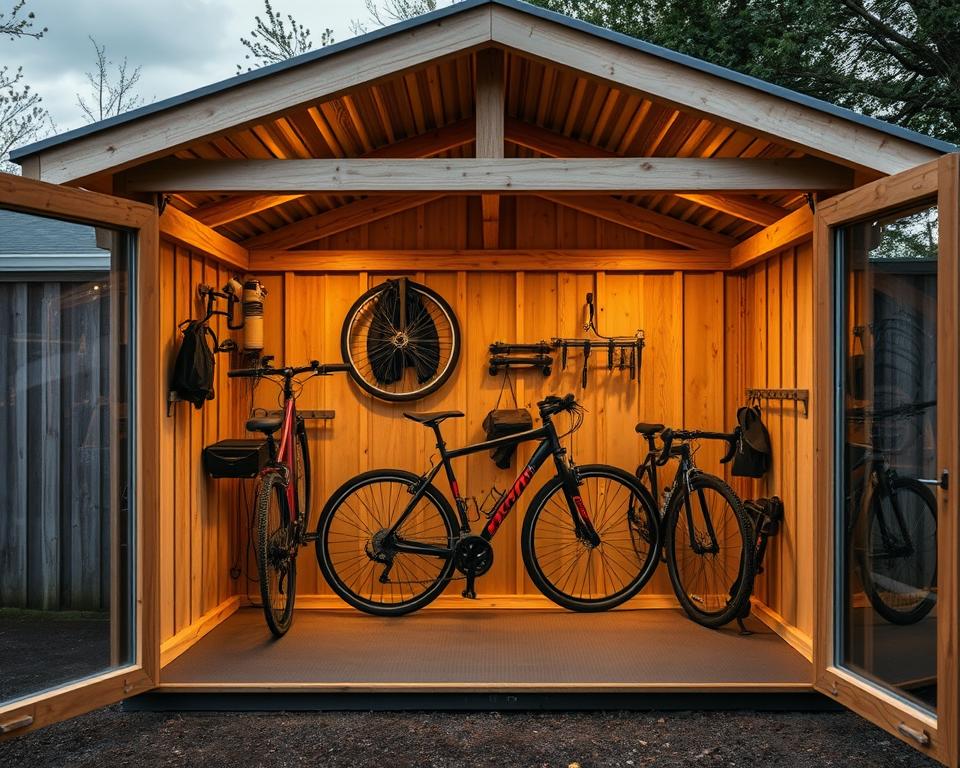
Metal sheds offer exceptional resistance to environmental challenges. Properly galvanised units resist rust and maintain structural integrity against heavy snow and wind. These durable structures withstand sun exposure without fading, cracking, or bending over time.
Condensation represents a potential concern with metal storage solutions. Adequate ventilation prevents moisture buildup that could harm components. Proper airflow maintains optimal conditions for bicycle preservation.
Wooden sheds provide reliable weather protection when well constructed. Regular maintenance prevents rot that compromises security and shortens shed life. Quality timber treatments enhance longevity against the elements.
Plastic storage units feature inherent water resistance and UV-stabilised formulations. Modern materials resist fading and brittleness that affected earlier plastic sheds. However, extreme weather may cause bending or structural compromise.
Each material requires consideration of local climate conditions. Heavy snowfall, intense sun, or high winds influence long-term performance. Proper base preparation and strategic positioning enhance weatherproofing effectiveness.
Durability depends on construction quality as much as material selection. Investing in well-made sheds ensures lasting protection for valuable cycling equipment.
Installation Considerations and Setup Requirements
Proper preparation for a new storage structure involves more than just unpacking the box. The installation process varies significantly depending on the material and design. Homeowners should understand the requirements before starting.
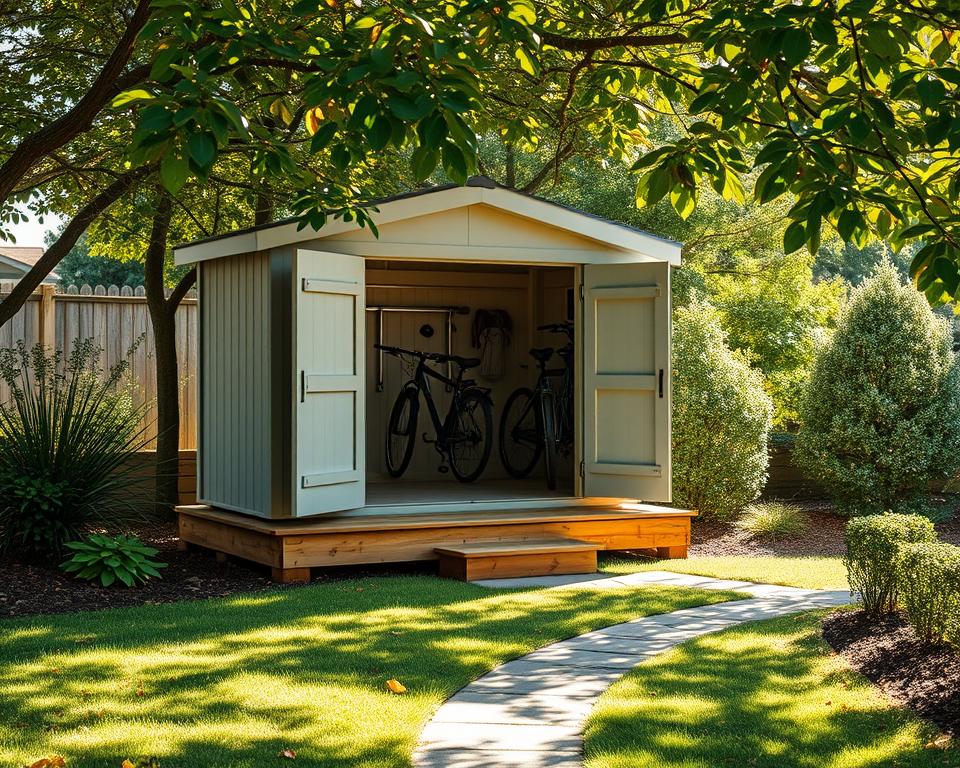
A solid foundation is the first step for any successful installation. The chosen spot must be flat, dry, and level. This preparation prevents future issues with stability and door operation.
Floor, Foundation and Assembly Tips
Metal sheds often present the greatest challenge. They combine heavy panels with numerous small fixings. Assembling one typically requires two people and a full day.
Most metal sheds do not include a floor. A prepared base is essential. Concrete pads or paving slabs create a stable, long-lasting foundation.
Plastic sheds offer a much simpler installation. Lightweight parts and straightforward connections make the job manageable for one person. Assembly often takes just a few hours.
Wooden sheds fall somewhere in between. Pre-fabricated panels require secure fixing but are generally manageable. A timber frame base is a popular foundation choice.
Always gather the right tools before beginning. Allow plenty of time for the task. Professional installation services are available for those who prefer expert help.
Cost Implications and Long-term Investment
Understanding the full financial picture of a storage solution is crucial for making a smart purchase. Initial price tags can be misleading, as the cheapest options often represent a false economy.
Budget brands like BillyOh or Yardmaster may seem attractive but typically require replacement within a few years. Quality sheds, while more expensive upfront, offer far greater long-term value.
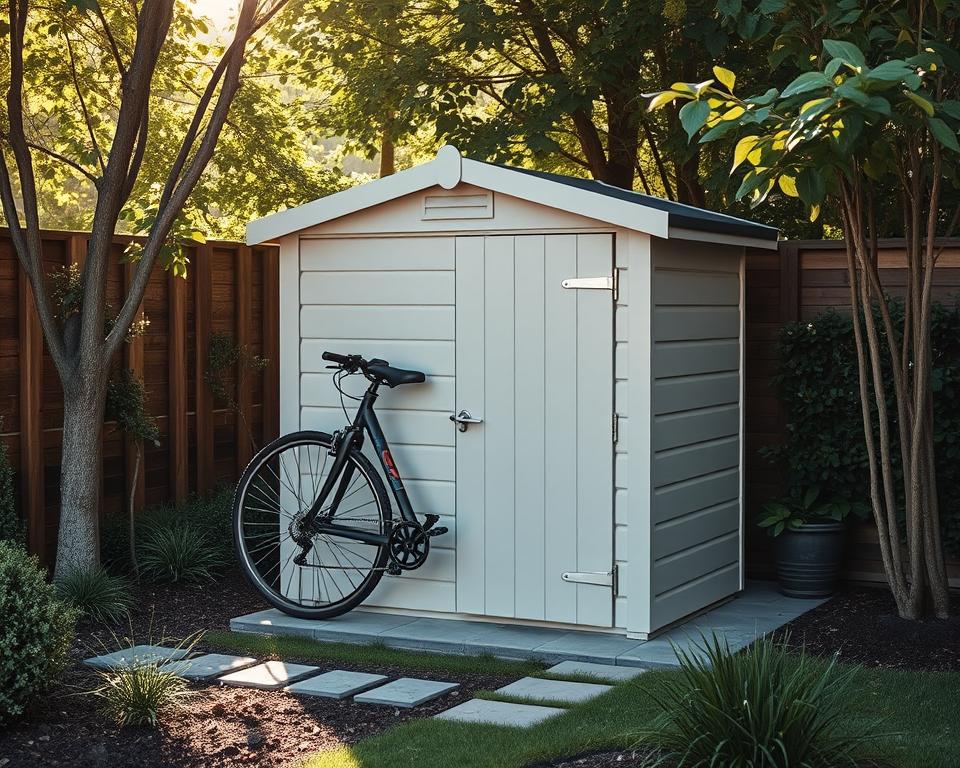
The price range for a decent shed varies significantly. Wooden options start around £434, while robust metal sheds cost approximately £629.99. Premium security-rated models can exceed £915.
Households should also budget for hidden costs. These include delivery charges, professional installation fees, and base preparation. Ongoing maintenance adds to the total cost of ownership.
Investing in a quality shed provides financial protection. It prevents costly bike theft and weather damage. Over many years, this protection can save thousands of pounds in replacement costs.
A simple calculation reveals the true value. A £600 shed that lasts 20 years costs just £30 per year. This makes it a very economical choice for safeguarding valuable cycling equipment.
Consider the following price comparison for different shed types:
| Type | Price Range | Expected Lifespan | Best For |
|---|---|---|---|
| Budget Plastic | £18.99 – £100 | 2-3 years | Temporary cover |
| Quality Wooden | £434 – £600 | 15-20 years | Natural aesthetics |
| Mid-range Metal | £629.99 – £900 | 20+ years | Durability & security |
| Premium Security | £915+ | 25+ years | High-value collections |
Setting a realistic budget based on bike values and storage needs ensures a sound investment. The right option balances upfront cost with long-term benefits.
Environmental Impact of Shed Materials
Material selection for protective structures carries environmental implications that extend beyond initial appearance. Consumers increasingly consider the ecological footprint of their purchases.
Each material choice presents distinct environmental profiles. Wooden construction offers natural benefits through carbon sequestration during growth.
Sustainable Sourcing and Carbon Footprint
Wood stands out as the most eco-friendly building material. It captures atmospheric carbon, storing it throughout the structure’s lifespan. This creates a negative carbon footprint.
Metal and plastic production involves significant energy consumption. Manufacturing processes release substantial CO2 and pollutants. Even recycling contributes to emissions.
Longevity dramatically influences environmental impact. A plastic unit lasting 30 years may outperform wooden replacements every six years. Quality construction prevents wasteful premature replacement.
| Material | Carbon Impact | Longevity | Sourcing Considerations |
|---|---|---|---|
| Wood | Negative | 15-20 years | Requires FSC certification |
| Metal | High | 20+ years | Energy-intensive production |
| Plastic | High | 25+ years | Recycling emissions |
For wooden sheds, seek Forest Stewardship Council accreditation from local sources. With metal or plastic, choose established companies publishing environmental commitments.
Green roofs provide additional ecological benefits. They capture CO2, support biodiversity, and protect against temperature extremes. This extends the protective structure’s lifespan.
Alternative Bike Storage Solutions
A dedicated outdoor structure is not the only path to effective bicycle care. Numerous alternatives exist for those with different space, budget, or installation needs.
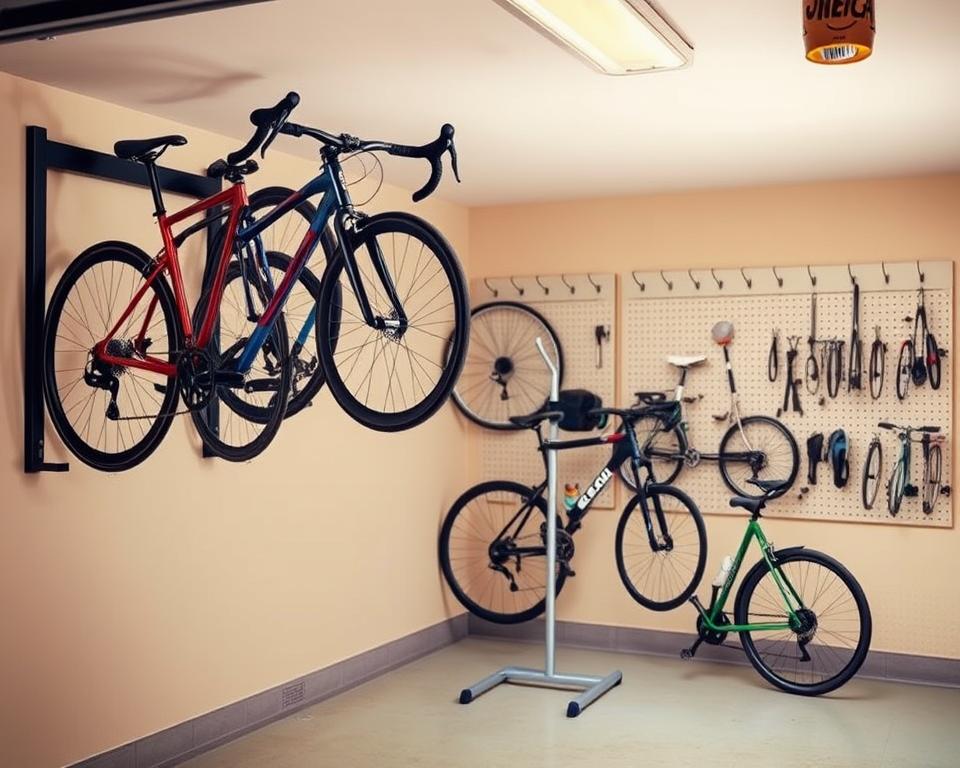
These solutions range from simple hooks to sophisticated systems. They offer flexibility for renters or those with limited outdoor space.
Indoor Storage Racks, Hooks and Other Options
Indoor storage maximises vertical space. Simple wall hooks, costing from £8.42, offer a basic storage option. They can be fitted with rubberised covers for frame protection.
More advanced systems provide greater functionality. The Hornit Clug holds the front wheel, leaving the rear tyre on the ground. This design requires no heavy lifting.
For premium storage, the Steadyrack pivots nearly 180 degrees. It holds cycles by the tyre, allowing multiple bikes to be stored in a compact area.
Freestanding stands are a popular choice. The Topeak TwoUp stand holds two bikes, each up to 18kg. This option suits those who cannot drill into walls.
Security is also available for indoor storage. The Hiplok Airlok combines wall mounting with Sold Secure Diamond-rated security. It provides peace of mind for valuable cycles.
Outdoor alternatives to a full shed include protective covers. Products like BikeParka Stash and StormSkin shield bikes from the elements. They offer a low-cost, low-installation storage option.
User Reviews and Real-life Experiences
Real-world feedback from cyclists provides invaluable insights that go beyond manufacturer specifications. Long-term use often reveals practical benefits and minor issues not apparent during initial setup.
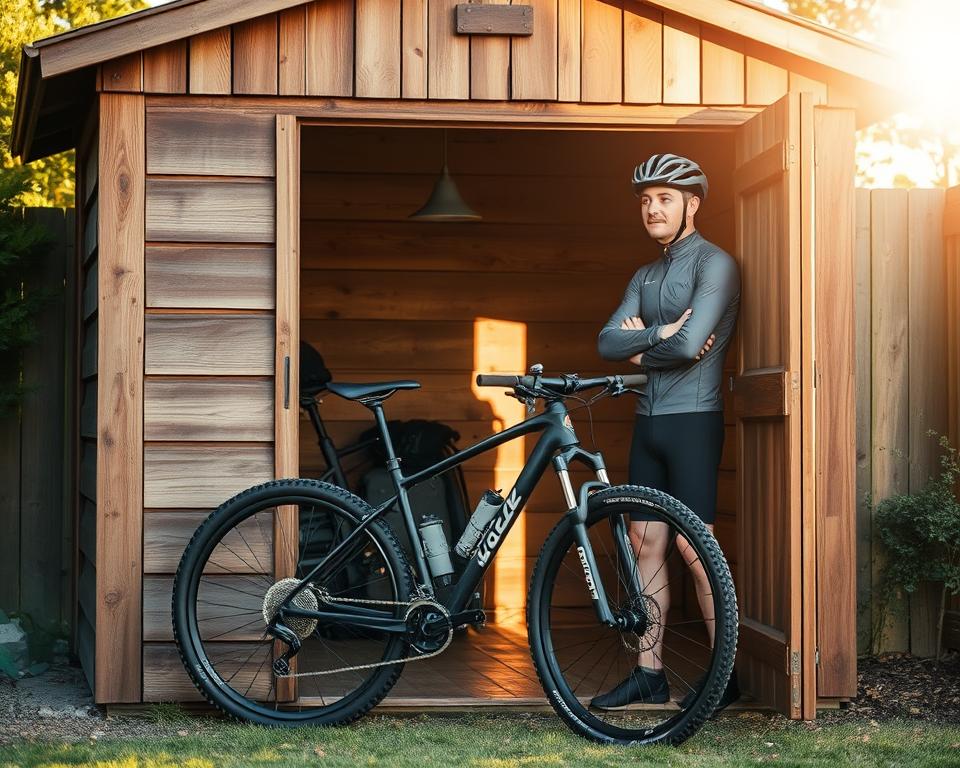
One CW magazine editor, Simon, shared his experience with the Asgard Addition storage shed. He found the construction exceptionally robust and secure, noting it would be very difficult for intruders to break into. The unit comfortably held three cycles alongside helmets, shoes, and even a pram base.
Assembly proved manageable for someone with limited DIY experience, though Simon opted to build a raised concrete base for enhanced weatherproofing. He also praised the minimal, eco-friendly packaging.
The Steadyrack wall system received positive feedback for its pivot function. This feature made it ideal for households with multiple cycles, where traditional wall-mounted storage was previously avoided.
Another user reported the Hornit Clug performed well across four installations over several years. The only noted issue involved a deflated tubeless tyre on a rarely-used cycle occasionally slipping out.
These experiences highlight how different storage solutions perform under daily conditions. They help set realistic expectations for security, capacity, and installation time.
Tips for Customising and Maintaining Your Bike Shed
Once a storage solution is in place, tailoring it to specific needs enhances its value. The ability to customise varies greatly depending on the material chosen. Proper maintenance ensures the structure lasts for many years.
Advice on Upgrading Security and Aesthetic Appeal
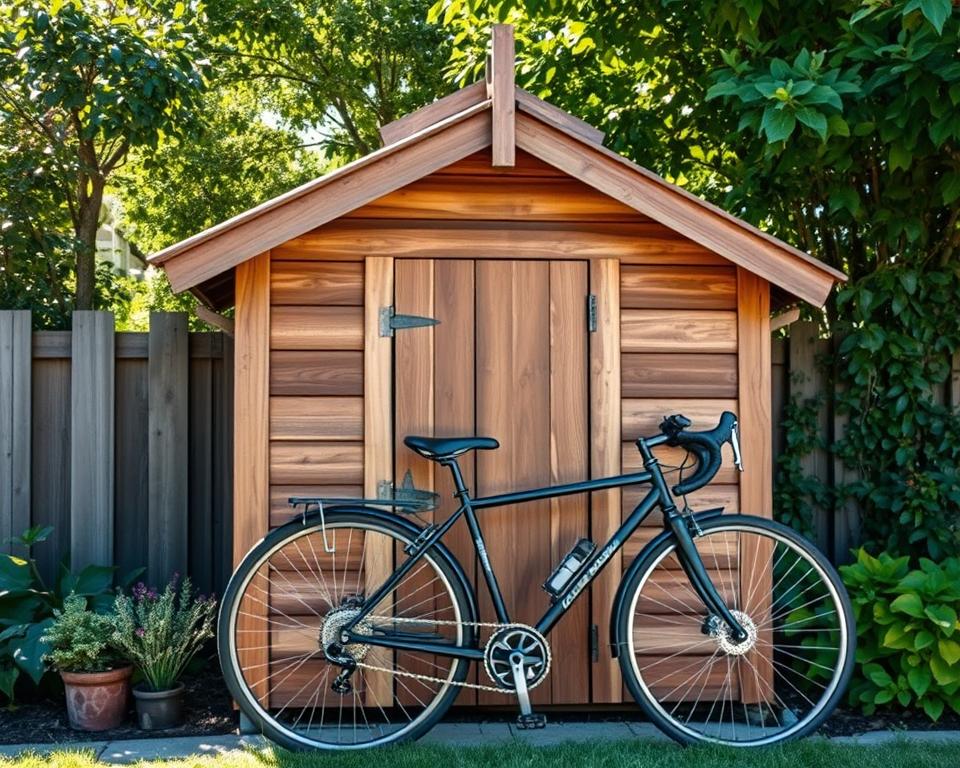
Wooden sheds offer the greatest flexibility for improvements. Homeowners can easily add shelves, hooks, and robust security upgrades. Metal sheds are more difficult to customise, while plastic sheds resist alterations.
For enhanced security, consider adding ground anchors and upgrading locks. Motion-sensor lighting and alarm systems provide excellent protection. Aesthetic improvements help the structure blend into garden settings.
Painting wooden sheds, adding climbing plants, or installing a green roof are popular choices. These changes make the shed a more attractive feature.
Maintenance Schedules and Customisation Ideas
Maintenance requirements differ by material. Wooden sheds need re-treating every few years and eventual roof re-felting. Metal and plastic sheds require only occasional washing with warm, soapy water.
Practical customisations improve daily use. Internal hooks for helmets and gear are useful. Shelving for maintenance tools and lighting for evening access are smart additions.
When choosing a wooden shed, look for steel supports and tongue and groove cladding. Make sure planks are at least 12mm thick for durability. This careful selection pays off in the long run.
Conclusion
Making an informed choice about cycle storage solutions involves balancing immediate needs with future requirements. The right approach depends on individual circumstances, including available outdoor space and the value of equipment being protected.
Quality construction matters more than initial cost when selecting protective housing. Proper materials and installation ensure long-term security and weather resistance. This protects valuable bicycles for many years of reliable service.
Households should measure their cycles carefully and assess garden space before deciding. The ideal solution provides convenient access while keeping equipment secure. With thoughtful consideration, cyclists can find storage that enhances their riding experience.
FAQ
What are the primary benefits of a dedicated bike shed?
A dedicated bike shed offers superior protection from the weather, enhances security with robust locking points, and frees up valuable space in a garage or home. It provides a designated, organised area for cycling equipment, promoting longevity for the bicycle.
How does a metal shed compare to a wooden or plastic one for bike storage?
Metal sheds are typically very durable and offer excellent security, but can be prone to condensation. Wooden sheds provide a classic aesthetic and good insulation but require regular maintenance. Plastic sheds are low-maintenance and resistant to rot, though their security can vary between models.
What size shed is needed to store one or two bicycles comfortably?
For a single bicycle, a compact shed around 1.2m x 1m is often sufficient. For two bikes, a size of approximately 2m x 1.2m allows for easy access and extra room for helmets and tools. Always measure the bicycle’s dimensions, including handlebars, for the best fit.
What security features should I look for in a bike storage shed?
Prioritise sheds with strong, integrated locking systems on the door. A solid floor that can be anchored to the ground is a significant advantage. For added security, look for models with reinforced walls and the option to install a ground anchor inside the structure.
Is it difficult to install a bike shed?
Installation complexity varies. Many plastic and some metal sheds offer tool-free, modular assembly. Wooden sheds and larger models often require a solid, level foundation and more complex construction. Always follow the manufacturer’s instructions for a secure installation.
Are there effective alternatives to a shed for storing a bicycle?
Yes, alternatives include wall-mounted hooks or racks in a garage, free-standing indoor stands, or heavy-duty bike lockers. These options can be suitable for those with limited outdoor space or for cyclists who prefer to keep their bicycle indoors for maximum security.