Japanese Garden Decor: Inspiration for Your Garden
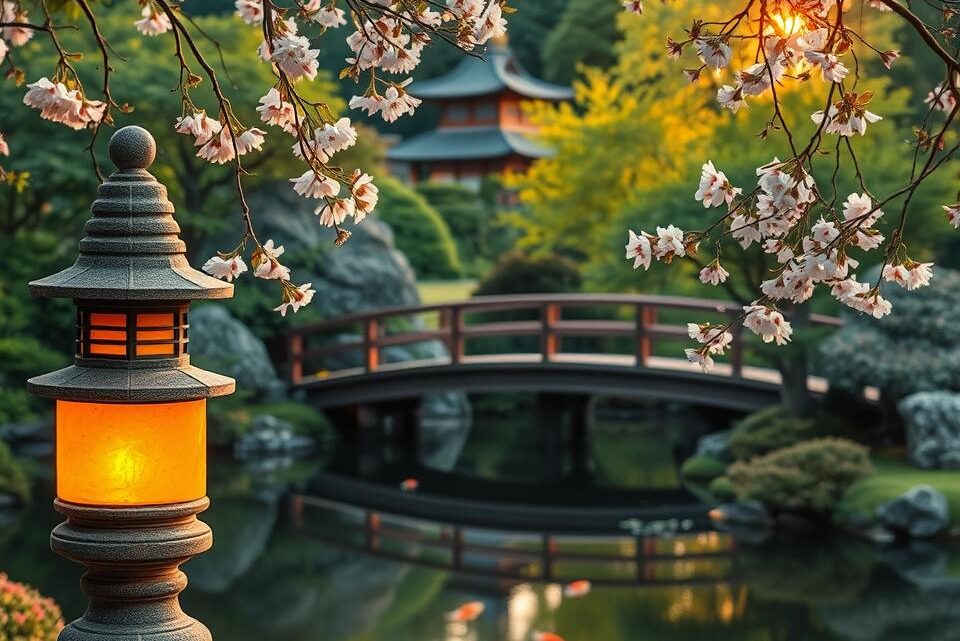
Creating a tranquil outdoor space that embodies aesthetic beauty and spiritual significance is a timeless pursuit. Japanese garden decor offers a unique approach to achieving this serenity.
Inspired by the natural beauty of the surroundings, Japanese gardens have captivated British gardeners since the late 19th Century. The 1910 Japan-British Exhibition in London sparked a fascination with this style, which continues to influence gardening today.
You can transform your outdoor space into a contemplative retreat by incorporating elements of Japanese garden design. Whether you have a large landscape or a small balcony, the principles of Japanese gardening can be adapted to suit your needs.
Inhaltsverzeichnis
Key Takeaways
- Discover how to create a tranquil outdoor space with Japanese garden decor.
- Learn about the history and significance of Japanese gardens in the UK.
- Explore the essential elements of Japanese garden design.
- Understand how to adapt Japanese gardening principles to your climate.
- Find out how to scale Japanese garden decor to fit your space.
Understanding the Philosophy of Japanese Gardens
At the heart of Japanese garden design lies a complex philosophy that values simplicity, balance, and harmony. This philosophy is rooted in centuries-old traditions and cultural practices that have shaped the unique aesthetic and spiritual qualities of Japanese gardens.
The Cultural Significance of Japanese Garden Design
Japanese gardens are deeply embedded in the country’s culture and history, reflecting the principles of Zen Buddhism and the traditional Japanese appreciation for nature. The design of these gardens is not just about creating a beautiful outdoor space; it’s about crafting an environment that fosters mindfulness, tranquility, and a connection to the natural world.
| Principle | Description |
|---|---|
| Simplicity (Kanso) | Emphasizing the beauty of simplicity and the elimination of unnecessary elements. |
| Naturalness (Shinzen) | Creating a garden that appears natural and unforced, reflecting the beauty of the natural world. |
| Subtlety (Yugen) | Appreciating the subtle and profound, often suggesting more than is explicitly stated. |
Key Principles: Simplicity, Balance and Harmony
The core principles of Japanese garden design include simplicity (kanso), naturalness (shinzen), subtlety (yugen), magic (datsuzoku), and stillness (seijaku). These principles guide the selection and arrangement of garden elements, such as stone, water, and planting, to create a harmonious and balanced environment. The careful juxtaposition of contrasting elements, like rough and smooth textures or light and dark colours, achieves balance, while the thoughtful relationship between all garden elements creates harmony.
By embracing these principles, you can create a Japanese-style garden that is not only aesthetically pleasing but also a haven for contemplation and relaxation.
Essential Elements of Japanese Garden Decor: Inspiration for Your Garden
To bring the essence of a Japanese garden into your outdoor space, it’s essential to understand the fundamental components that make up this unique decor. A Japanese garden is characterized by its serene and natural beauty, achieved through the careful selection and placement of various elements.
Water Features: Ponds, Streams and Waterfalls
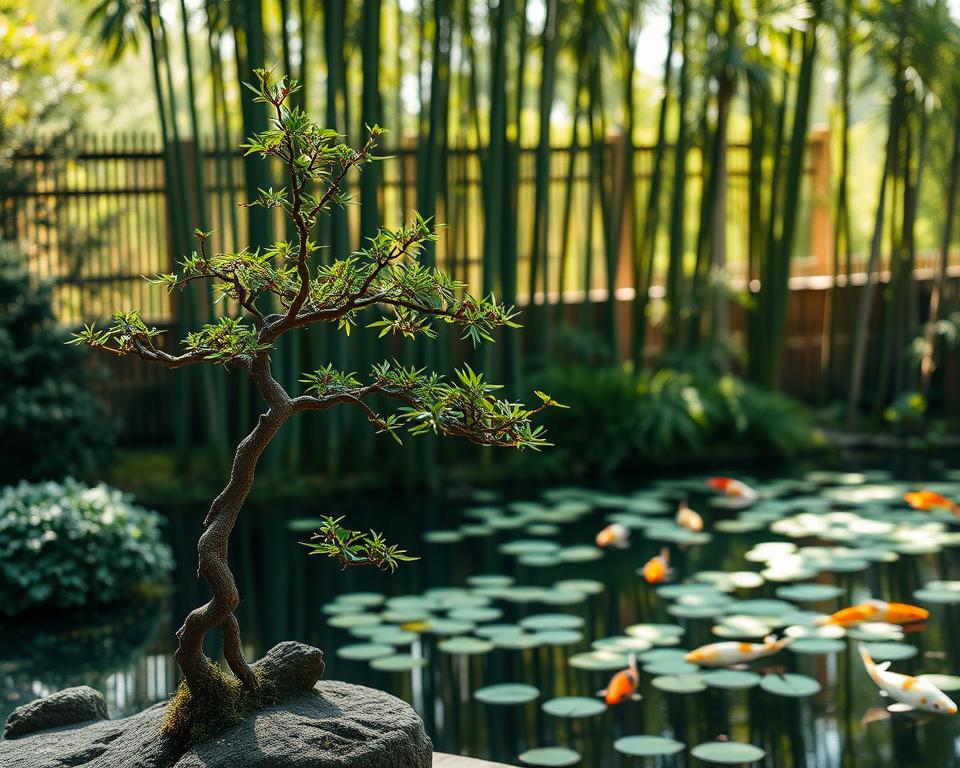
Water features are a crucial aspect of Japanese gardens, creating a soothing and peaceful atmosphere. Ponds, streams, and waterfalls not only add visual interest but also contribute to the auditory experience of the garden, with the sound of gently flowing water.
Rocks and Stones: Creating Miniature Landscapes
Rocks and stones are used to create miniature landscapes within the garden, often symbolizing mountains or islands. The careful placement of these elements helps to achieve balance and harmony, key principles in Japanese garden design.
Plants and Trees: The Living Canvas
Plants and trees are the living canvas of a Japanese garden. Species such as Japanese maples, camellias, and bamboo are commonly used. The concept of “borrowed scenery” (shakkei) is also employed, where plants frame views and create layers of visual interest. Seasonal change is celebrated, with each season offering different aesthetic qualities.
When designing your Japanese garden, consider incorporating a mix of evergreen plants for year-round structure and flowering plants for seasonal accents. Traditional pruning techniques like cloud pruning (niwaki) can be used to create sculptural forms that enhance the garden’s artistic quality.
Creating a Japanese-Style Garden in British Climate
Adapting Japanese garden principles to the British climate requires thoughtful plant selection and design. While the traditional Japanese garden is designed around the principles of simplicity, balance, and harmony, the British climate presents unique challenges.
Adapting Japanese Principles to UK Weather
The UK’s temperate maritime climate means that gardens experience mild winters and cool summers, which is conducive to growing a wide range of plants. To create a Japanese-style garden, you should focus on selecting plants that thrive in these conditions. Consider using natural materials for hard landscaping, such as stone and wood, to create a serene atmosphere.
Suitable Plants for British Japanese Gardens
Many plants from Japan thrive in the UK climate. Some popular choices include Japanese maples (Acer palmatum), camellias, and rhododendrons. You can also consider native British alternatives that achieve similar aesthetic effects. For groundcover, moss is a key element in Japanese gardens and can flourish in the damp British climate.
| Plant Type | Examples |
|---|---|
| Trees | Japanese Maple (Acer palmatum), Cherry Blossom |
| Shrubs | Camellias, Rhododendrons |
| Perennials | Japanese Anemones, Hostas |
| Groundcovers | Moss, Creeping Thyme |
Decorative Elements That Define Japanese Gardens
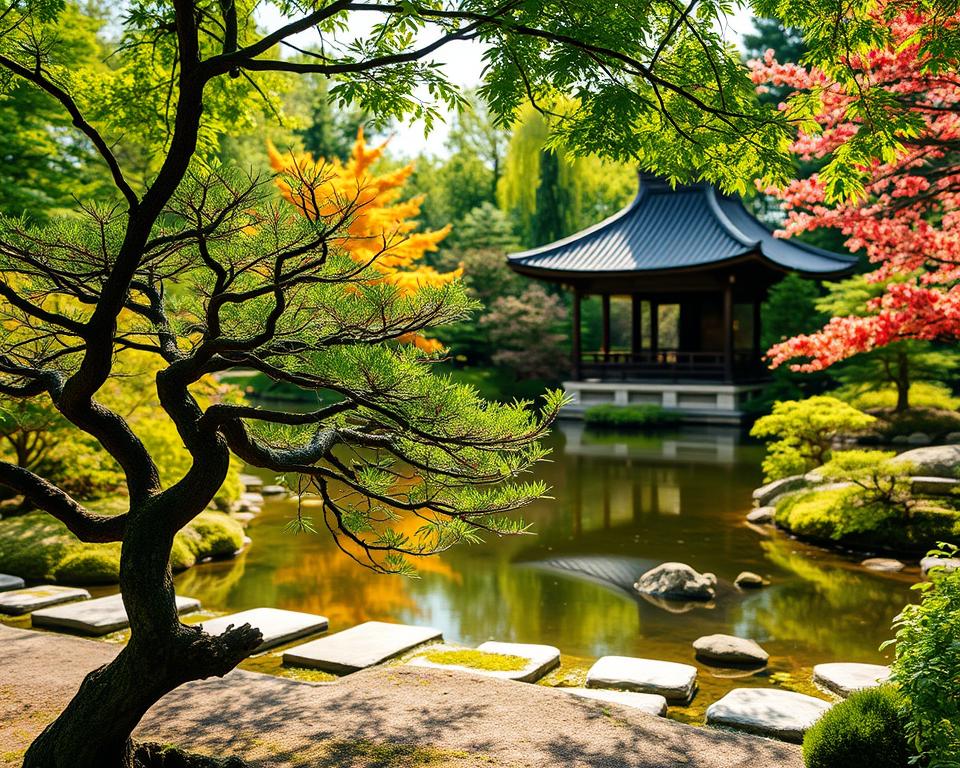
Decorative elements play a crucial role in defining the aesthetic of Japanese gardens. These features not only enhance the beauty of the garden but also contribute to its tranquility and spiritual significance.
Stone Lanterns and Pagodas
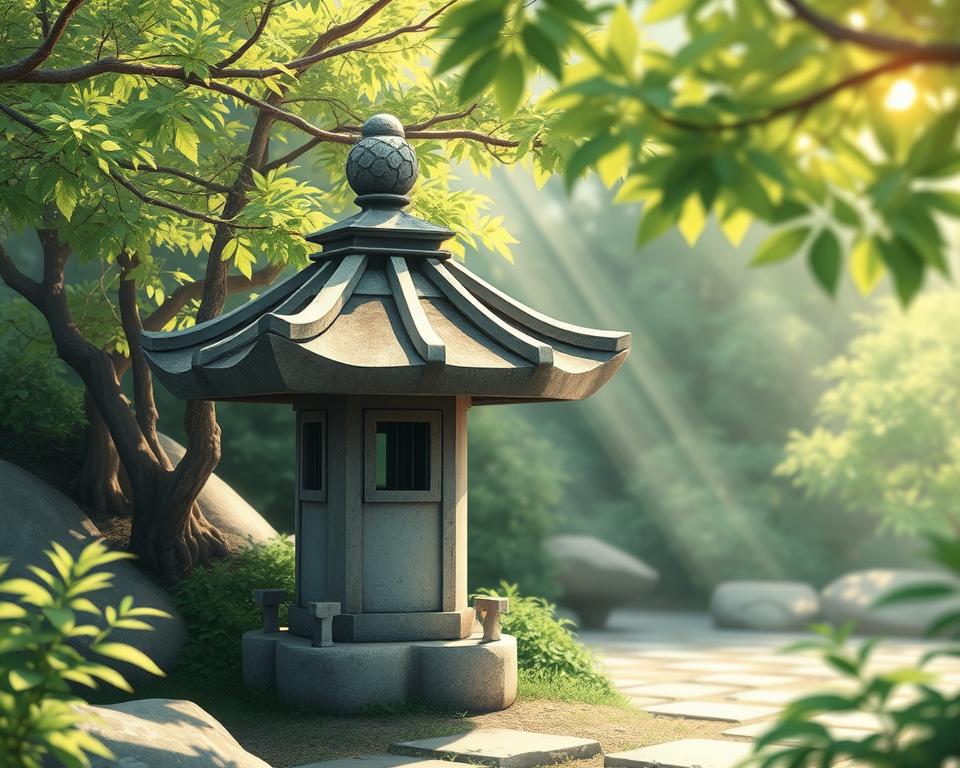
Stone lanterns and pagodas are iconic features of Japanese gardens, adding a touch of cultural heritage and spiritual significance. These structures are often made from stone or wood and are designed to complement the natural surroundings.
Bridges and Pathways
Bridges and pathways are essential elements that guide visitors through the garden, creating a sense of journey and discovery. These features are typically made from natural materials such as wood or stone.
Tea Houses and Meditation Spaces
Tea houses and meditation spaces are designed to provide a tranquil retreat within the garden. These structures are often made from natural materials like bamboo and wood, and are intended to foster a sense of calm and connection to nature.
Incorporating these decorative elements into your garden can enhance its beauty and create a peaceful atmosphere. By thoughtfully selecting and placing these features, you can create a Japanese-style garden that is both serene and visually appealing.
The Art of Japanese Garden Layout
The art of Japanese garden layout lies in its ability to balance nature with deliberate design elements. A well-crafted garden can evoke a sense of serenity and contemplation.
Stroll Gardens: Creating a Journey
Stroll gardens, or “kaiyu-shiki,” are designed to be experienced as a journey. As you walk through the garden, you’re presented with a series of carefully composed scenes, often featuring water features and stone lanterns. The path is designed to encourage a slow and contemplative pace, allowing you to appreciate the beauty of nature.
- Curving pathways that reveal new scenes
- Strategically placed stepping stones
- Water features that create a soothing atmosphere
Zen Gardens: Spaces for Contemplation
Zen gardens, also known as karesansui, are designed for meditation and contemplation. These gardens typically feature raked gravel or sand, carefully positioned rocks, and minimalist planting. The simplicity of these gardens belies their depth and complexity, inviting you to reflect and unwind.
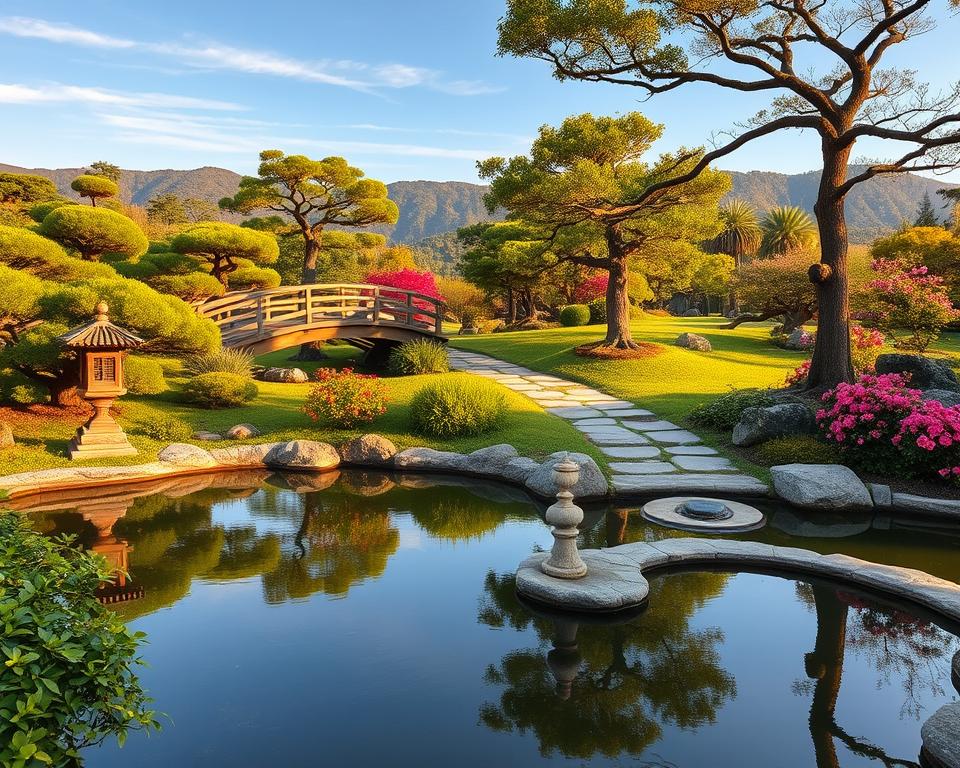
In a Zen garden, the gravel or sand is often raked into intricate patterns, symbolizing the flow of water. This meditative space encourages you to slow down and appreciate the simple beauty of nature.
Minimalist Approaches to Japanese Garden Design
A minimalist approach to Japanese garden design emphasizes the importance of empty space and subtle elements. This philosophy is rooted in the concept of “ma,” or negative space, which is used intentionally to create focus and meaning.
The combination of various elements in a Japanese garden forms a minimalistic design, where each component has its place and importance. The careful selection and placement of fewer elements create a more powerful visual impact than crowded arrangements.
The Beauty of Raked Gravel
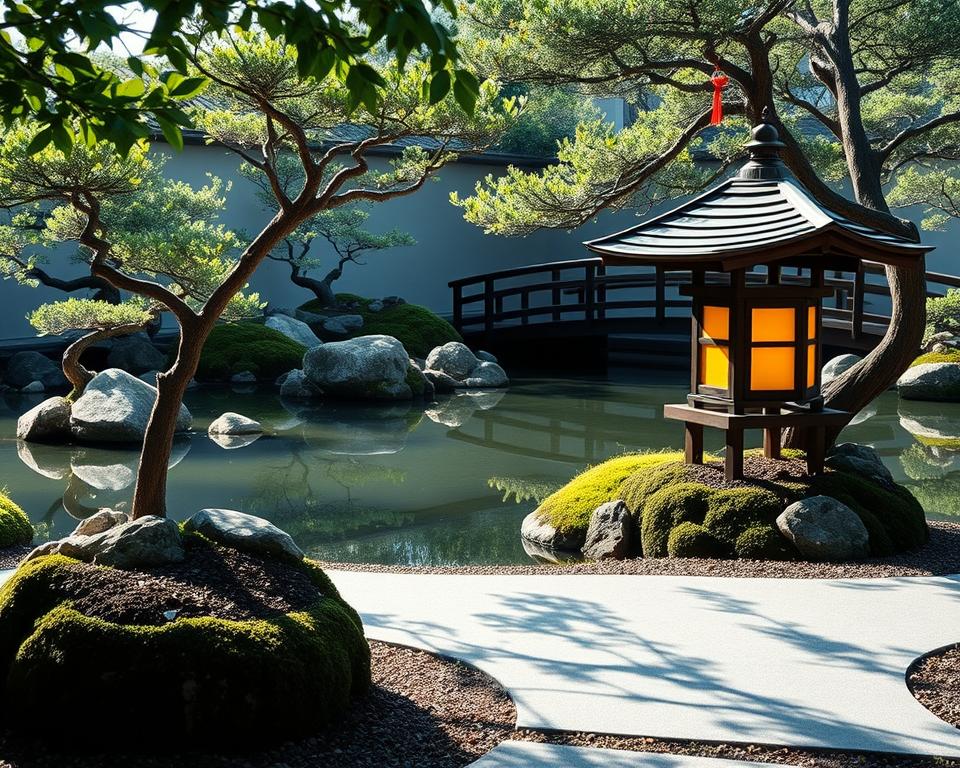
Raked gravel is a quintessential element of minimalist Japanese garden design. It creates a sense of calmness and serenity, while also providing a clean and simple visual focus. The act of raking gravel is meditative, and the patterns created can be changed seasonally to reflect the changing natural world.
Creating Visual Focus with Less
To create visual focus in a Japanese garden, it’s essential to use contrast, isolation, and framing techniques that draw the eye. By carefully selecting a few key elements, such as a statement stone or a beautifully shaped tree, you can create a sense of drama and interest without cluttering the space.
| Element | Purpose | Example |
|---|---|---|
| Raked Gravel | Creates calmness and serenity | Zen gardens |
| Statement Stone | Creates visual focus | Large, uniquely shaped stones |
| Beautifully Shaped Tree | Adds natural beauty | Pruned conifers or maples |
Maintenance Tips for Your Japanese Garden
To keep your Japanese garden looking its best, regular maintenance is crucial. This involves understanding the seasonal care requirements and mastering pruning and shaping techniques.
Seasonal Care Requirements
Your Japanese garden’s needs will vary with the seasons. In spring, focus on cleaning up debris and pruning plants. Summer requires regular watering and weeding. Autumn is the time for leaf cleanup and preparing plants for winter. In winter, protect sensitive plants from frost and ensure that water features do not freeze completely.
Pruning and Shaping Techniques
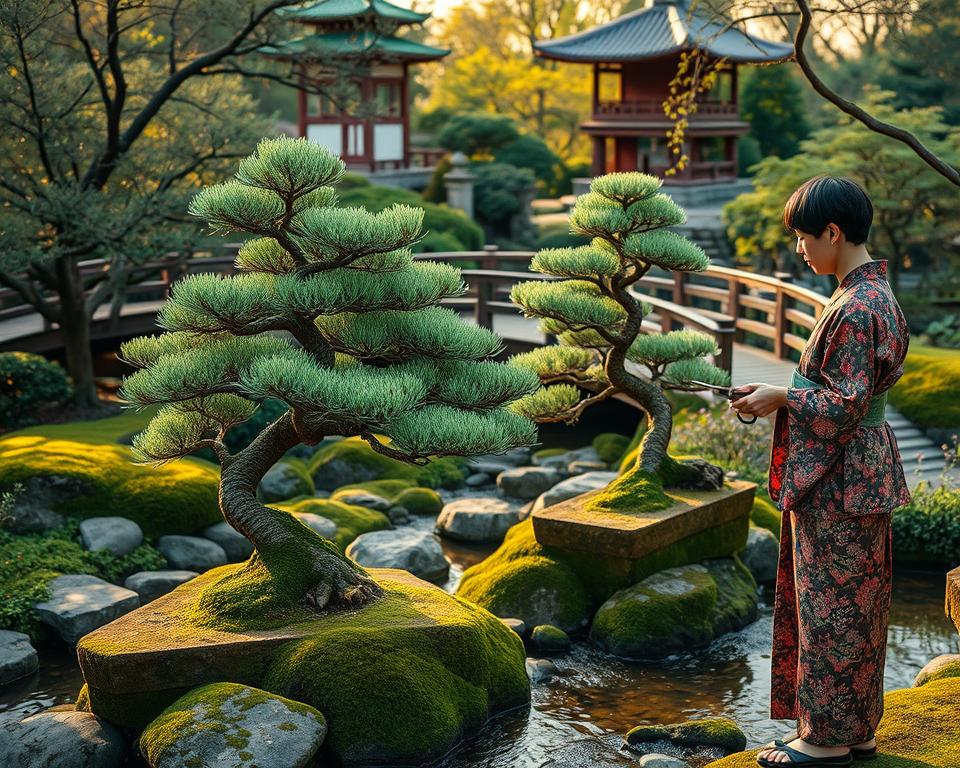
Pruning is an art in Japanese garden design. Techniques like niwaki (cloud pruning) help maintain the naturalistic shapes of trees and shrubs. Use the right tools, such as concave cutters and branch cutters, to make clean cuts that help plants heal quickly. Prune to reveal the plant’s natural form, rather than imposing artificial shapes.
Conclusion
The art of creating a Japanese garden is a journey that combines nature, style, and inspiration. Throughout this article, we’ve explored the key principles and elements that define Japanese garden design, from the importance of simplicity and balance to the role of water features and plants.
You can incorporate these elements selectively to suit your space, preferences, and budget, creating a unique garden that brings serenity to your world. Remember, creating a Japanese-inspired garden is an evolving journey, not a one-time project. Start with small changes and gradually develop your garden as you gain confidence.
By doing so, you’ll not only enhance your outdoor space but also cultivate a deeper connection with nature, reducing stress and enriching your life. Begin your journey today by selecting one or two elements to implement, and discover the beauty of Japanese gardens.
FAQ
What are the key elements to include in a Japanese-style garden?
To create a serene Japanese-style garden, incorporate natural elements such as water features, rocks, and plants. Consider adding decorative elements like stone lanterns and bridges to enhance the ambiance.
How do I choose the right plants for my Japanese garden in the UK?
Select plants that thrive in the British climate, such as moss, bamboo, and Japanese maple. Consider plants with simple, elegant shapes that promote a sense of balance and harmony.
What is the significance of raked gravel in Japanese garden design?
Raked gravel is a key element in Zen gardens, representing a meditative space for contemplation. It symbolises the sea or a vast, empty space, promoting a sense of calm and serenity.
How can I create a sense of balance and harmony in my Japanese garden?
Achieve balance by carefully arranging natural elements, such as rocks and plants, to create a sense of symmetry. Consider incorporating stepping stones and pathways to guide visitors through the garden.
What are some tips for maintaining my Japanese garden?
Regularly prune and shape plants to maintain their desired form. Perform seasonal care tasks, such as cleaning water features and replenishing gravel, to keep your garden looking its best.
Can I incorporate a tea house or meditation space into my Japanese garden?
Yes, a tea house or meditation space can be a beautiful addition to your garden, providing a secluded area for relaxation and contemplation. Consider incorporating natural materials, such as wood and stone, to create a serene atmosphere.