Japanese stone lantern – ideas for your garden

Transforming your outdoor space into a serene oasis is easier than you think. One elegant way to achieve this is by incorporating a Japanese stone lantern into your garden design. These traditional ornaments have been used in Japanese gardens for centuries, adding a touch of cultural significance and aesthetic beauty.
With their increasing popularity in British landscapes, stone lanterns are becoming a sought-after feature for homeowners looking to create a tranquil atmosphere. This comprehensive guide will explore various styles, placement ideas, materials, and price points to help you make informed decisions when selecting the perfect lantern for your outdoor space.
Inhaltsverzeichnis
Key Takeaways
- Discover the cultural significance of Japanese stone lanterns in garden design
- Explore various styles and materials used in stone lantern construction
- Learn effective placement ideas to enhance your garden’s ambiance
- Understand the practical considerations for installing a stone lantern
- Find out how to choose the perfect lantern to suit your garden’s aesthetic
The Cultural Significance of Japanese Stone Lanterns
Japanese stone lanterns hold a profound cultural significance that transcends their functional origins. These lanterns are not just beautiful additions to a japanese garden, but they also embody deep symbolic meanings and historical significance.
The Five Elements Symbolism
The design of a traditional Japanese stone lantern is rooted in Buddhist symbolism, representing the five elements. The lantern is typically composed of five pieces, each symbolizing a different element: Chi (earth), Sui (water), Ka (fire), Fu (air), and Ku (void or spirit). This symbolism is a reflection of the harmony and balance that are central to Japanese garden design.
| Element | Symbolism | Lantern Component |
|---|---|---|
| Chi | Earth | Base |
| Sui | Water | Second segment |
| Ka | Fire | Third segment |
| Fu | Air | Fourth segment |
| Ku | Void/Spirit | Top segment |
Historical Use in Japanese Gardens
For years, Japanese stone lanterns have been used in garden design, originally serving as functional lighting for pathways in temple grounds and tea gardens. Over time, their role evolved to become more symbolic and aesthetic, often placed near water features or at garden entrances to guide visitors. This evolution reflects the changing values and design principles in Japanese garden design.
As you incorporate Japanese stone lanterns into your garden, you are not only adding a beautiful element but also connecting with a rich cultural heritage.
Understanding Traditional Japanese Stone Lanterns
Traditional Japanese stone lanterns are renowned for their serene beauty and intricate designs. These lanterns have been a cornerstone of Japanese garden design for centuries, offering a unique blend of functionality and aesthetic appeal. As you explore the world of Japanese stone lanterns, you’ll discover various styles that have evolved to suit different garden settings.
Key Design Elements
When examining a traditional Japanese stone lantern, several key design elements come into play. These include the base, the lantern body, and the top section, each serving a specific purpose in the overall design. The proportions and details of these elements can vary significantly between different styles, influencing the lantern’s overall appearance and functionality.
Common Styles and Their Meanings
There are several traditional styles of Japanese stone lanterns, including Kasuga, Oribe, Yukimi, and Tachi. Each style has its unique characteristics and historical context, often developed for specific settings or purposes within Japanese garden designs. For instance, Yukimi lanterns are designed for “snow-viewing” and typically feature a broad, flat top to support snow. Understanding these styles and their meanings can help you select a lantern that complements your garden’s aesthetic while honouring traditional design principles.
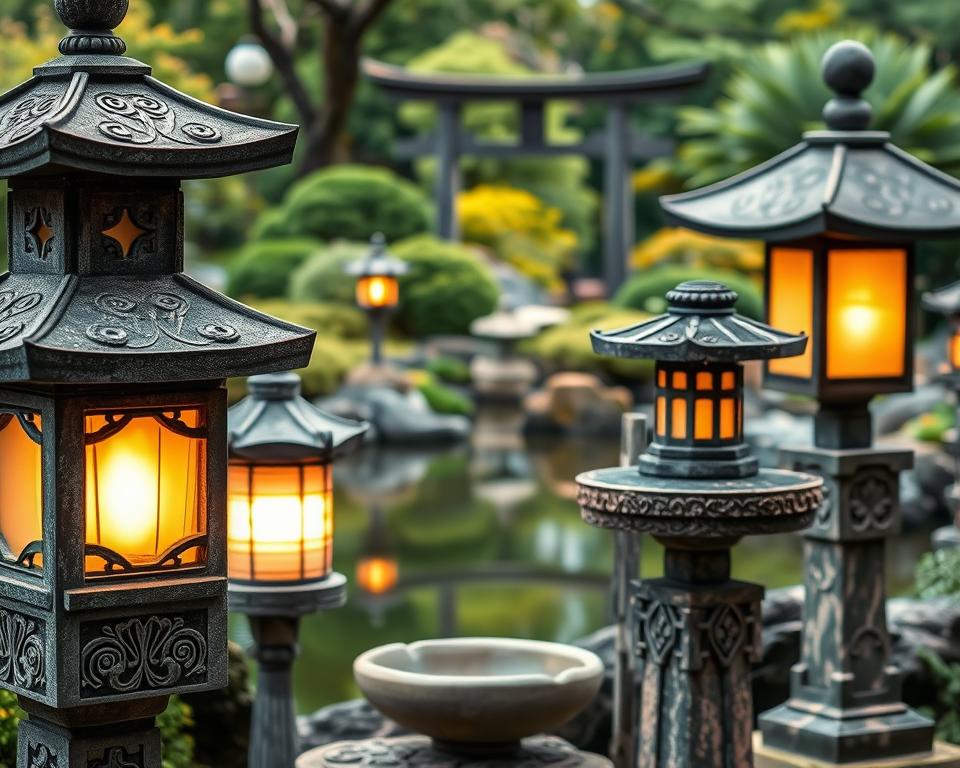
Types of Japanese Stone Lanterns for Your Garden
Japanese gardens often feature beautifully crafted stone lanterns, available in multiple styles to complement your outdoor space. These lanterns not only add aesthetic value but also bring a sense of tranquility and cultural heritage to your garden.
Tachi-gata (Standing Lanterns)
Tachi-gata, or standing lanterns, are tall, slender lanterns that often feature intricate carvings. They are typically placed along pathways or near significant garden features, serving as both lighting and decorative elements.
Ikekomi-gata (Buried Lanterns)
Ikekomi-gata lanterns are partially buried in the ground, giving the appearance that they are growing out of the earth. This style creates a sense of harmony between the garden’s natural elements and the lantern’s presence.
Yukimi-gata (Snow-Viewing Lanterns)
Yukimi-gata lanterns are designed with a wide, umbrella-like cap to collect snow, making them particularly beautiful when snow-covered. They are often placed near water features, where their reflection adds to their serene beauty.
Materials and Craftsmanship
The material used in crafting your Japanese stone lantern significantly impacts its longevity and visual impact. When choosing a lantern, you must consider the balance between authenticity, durability, and price.
Authentic Granite and Stone Options
Authentic granite and stone lanterns are prized for their natural beauty and durability. These materials can withstand various weather conditions, including the British climate, making them a worthwhile investment for your garden.
Modern Alternatives: Resin and Concrete
For those seeking more affordable options, modern alternatives such as resin and concrete lanterns offer a compelling choice. While they may not match the authenticity of natural stone, they provide advantages in terms of lower price and lighter weight, making them suitable for roof gardens or areas where weight is a concern. However, their lifespan is generally shorter due to potential degradation from freeze/thaw cycles and UV exposure. Modern manufacturing techniques have improved the appearance of these alternatives, making them a viable option for those on a budget or requiring a more practical solution.

Japanese Stone Lantern – Ideas for Your Garden
When designing your garden, a Japanese stone lantern can be a stunning focal point, blending tradition with natural beauty. You can create a serene and inviting space by thoughtfully integrating these lanterns into your landscape.
Creating Zen-Inspired Spaces
To create a Zen-inspired space, consider placing your Japanese stone lantern in a quiet, contemplative area of your garden. Surround it with carefully selected plants like acers and azaleas that enhance the Japanese aesthetic. The key is to create a harmonious balance between the natural elements and the lantern.
Pairing with Water Features and Plants
Pairing your Japanese stone lantern with water features can significantly enhance its visual impact. Placing a lantern near a pond or stream creates a beautiful reflection, adding depth to your garden. When selecting plants to accompany your lantern, consider ornamental grasses and other foliage that complement the lantern’s design. Seasonal changes in plantings can create different moods around your lantern, from serene winter landscapes to vibrant spring displays.

When placing lanterns near water or under deciduous trees, consider maintenance needs to keep your garden looking its best. Regular cleaning will prevent debris from accumulating on the lantern, ensuring it remains a beautiful feature in your garden.
Selecting the Perfect Size for Your Space
Choosing the right size for your Japanese stone lantern is essential to creating a harmonious garden design. The proportions of your lantern should be in balance with your garden’s scale and layout.
Small Garden Solutions
For smaller gardens, compact lanterns are ideal. These lanterns, often around 26x25x65cm (10x10x26 inches) like the Pagoda Lantern Outdoor Statue, can add a touch of serenity without overwhelming the space. They are perfect for creating a focal point in a corner or beside a small water feature.

Statement Pieces for Larger Landscapes
In larger gardens, substantial lanterns can create dramatic focal points. Traditionally, larger lanterns are placed at key points such as garden entrances or at the junctions of major pathways. When selecting a larger lantern, consider the surrounding elements to maintain balance. A well-placed large lantern can anchor expansive garden areas, creating a sense of harmony and tranquility.
| Lantern Size | Garden Type | Ideal Placement |
|---|---|---|
| Small (26x25x65cm) | Compact gardens | Corner or beside small water feature |
| Large | Expansive landscapes | Garden entrances or major pathway junctions |
By carefully selecting the size of your Japanese stone lantern, you can enhance your garden’s aesthetic and create a peaceful atmosphere. Whether you have a small or large garden, there’s a lantern size that’s perfect for your landscape.
Strategic Placement for Maximum Impact
To maximize the impact of your Japanese stone lantern, careful consideration must be given to its placement within your garden. The right placement can create a serene ambiance, drawing the eye and enhancing the overall aesthetic of your outdoor space.
Creating Focal Points
A Japanese stone lantern can serve as a beautiful focal point in your garden. By placing it at the end of a pathway or in a prominent location, you can draw visitors’ eyes towards it, creating visual interest. Consider positioning it near a water feature or a significant plant to enhance its impact.
Enhancing Garden Pathways
In traditional Japanese gardens, stone lanterns are often used as pathway markers, guiding visitors through the yard. By spacing them at intervals, you can create a sense of rhythm and interest along the path. The key is to balance the placement so that the lanterns provide subtle guidance without overwhelming the senses.
| Lantern Style | Pathway Material | Visual Effect |
|---|---|---|
| Tachi-gata (Standing Lantern) | Stone Pavers | Creates a formal, structured look |
| Yukimi-gata (Snow-Viewing Lantern) | Gravel or Sand | Produces a serene, natural ambiance |
| Ikekomi-gata (Buried Lantern) | Moss or Ground Cover | Blends seamlessly into the surroundings |
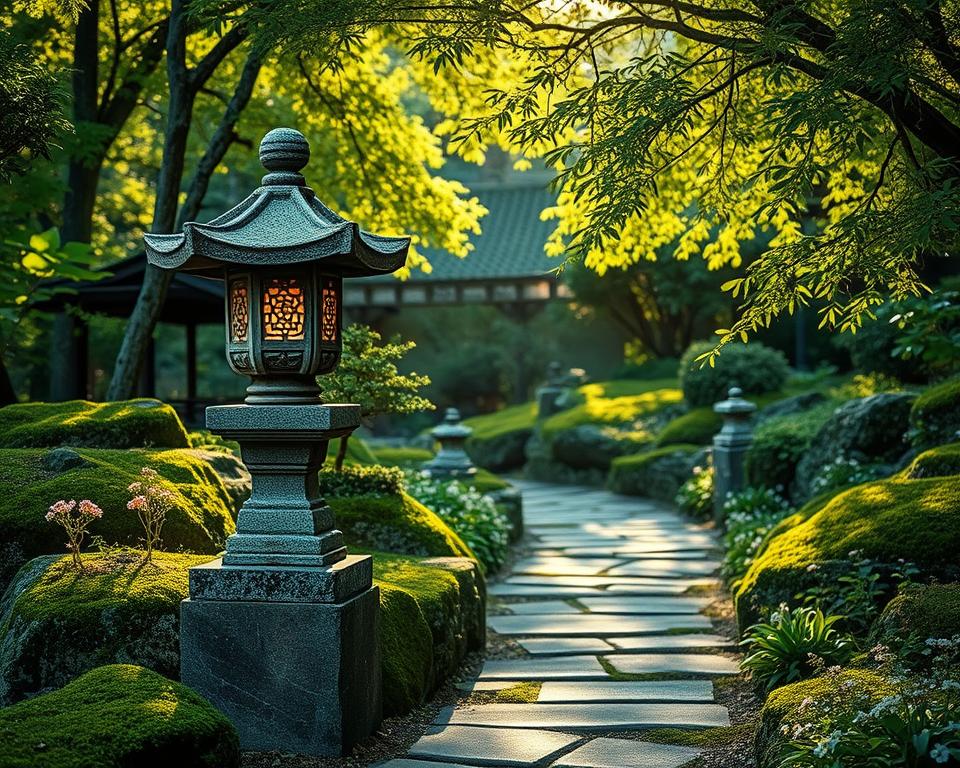
When choosing the pathway material to complement your Japanese stone lantern, consider the overall aesthetic you wish to achieve. Materials like stone pavers, gravel, or sand can enhance the authentic Japanese garden experience, while moss or ground cover can create a softer, more natural look.
Solar-Powered Japanese Stone Lanterns
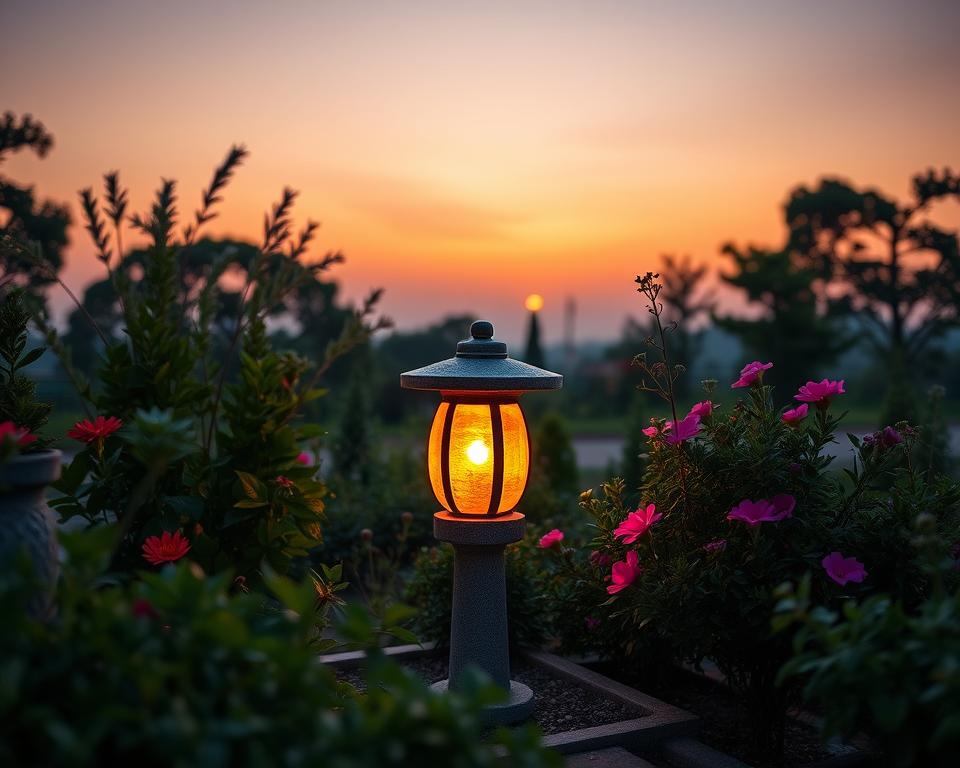
Discover how solar-powered Japanese stone lanterns can transform your garden into a tranquil oasis. These lanterns combine traditional Japanese design with modern solar technology, providing a sustainable and beautiful lighting solution.
Benefits of Illuminated Designs
Illuminated Japanese stone lanterns not only enhance the aesthetic appeal of your garden but also provide safety and ambiance during the evening hours. The soft glow of the lanterns creates a serene atmosphere, perfect for relaxation.
Installation and Maintenance Tips
To ensure optimal performance, position your solar-powered lanterns in areas that receive sufficient sunlight during the day. Regular maintenance includes cleaning the solar panels and checking the battery life. By following these simple tips, you can enjoy your beautifully lit garden for years to come.
All our stone lanterns, including the elegant pagoda lantern styles, are pre-drilled to accommodate low-voltage lighting, making it easy to integrate solar power. With proper care, your solar-powered Japanese stone lanterns will remain a stunning feature of your garden.
Miniature Japanese Lanterns for Small Gardens
You can bring the essence of Japanese gardens into your compact outdoor space with miniature lanterns, creating a serene and tranquil ambiance.

Tabletop and Bonsai Garden Options
Miniature Japanese lanterns are ideal for tabletop displays and bonsai gardens, adding a touch of authenticity to your micro landscape. These small lanterns, including pagoda lantern designs, can be paired with miniature bridges and appropriately scaled plants to create a charming vignette.
Creating Charming Micro Landscapes
To create a cohesive miniature Japanese garden, consider using raked sand or small stones, and select plants that are proportionate to your miniature lantern. Container options like ceramic or wooden planters can enhance the Japanese aesthetic, making your micro landscape a beautiful, seasonal or permanent feature.
Popular Japanese Stone Lantern Styles in the UK

For those seeking to add a touch of Japanese serenity to their UK garden, stone lanterns are an excellent choice. Japanese stone lanterns have been adapted in various styles to suit contemporary British gardens.
Pagoda-Style Lanterns
Pagoda-style lanterns are a popular choice among UK gardeners. These lanterns, often featuring tiered structures, bring a sense of traditional Japanese architecture to the garden. A pagoda-inspired lantern can be a striking focal point, especially when paired with other Japanese garden elements.
Contemporary Adaptations
Contemporary adaptations of Japanese stone lanterns have gained popularity in the UK. These modern interpretations often blend traditional Japanese design with new materials and technologies, resulting in a unique style. Many contemporary lanterns feature simplified, cleaner lines, making them easier to integrate into Western garden pagoda designs.
Price Guide: What to Expect
When considering a Japanese stone lantern for your garden, understanding the price range is crucial. The cost can vary widely based on factors such as material, size, and craftsmanship.
Budget-Friendly Options
For those on a tighter budget, Japanese stone lanterns can be found in the £15-£50 range. These lanterns are often made from resin or concrete and are designed to mimic the look of more expensive stone lanterns. While they may not have the same authenticity, they can still add a serene ambiance to your garden.
- Resin or concrete construction
- Affordable pricing
- Suitable for small gardens or decorative accents
Premium and Authentic Pieces
If you’re looking for an authentic Japanese stone lantern, be prepared to invest between £70-£500. These premium pieces are crafted from high-quality stone and showcase exceptional craftsmanship. The price reflects the durability and character that develops over years.
- High-quality stone materials
- Exceptional craftsmanship
- Potential to appreciate in value over time
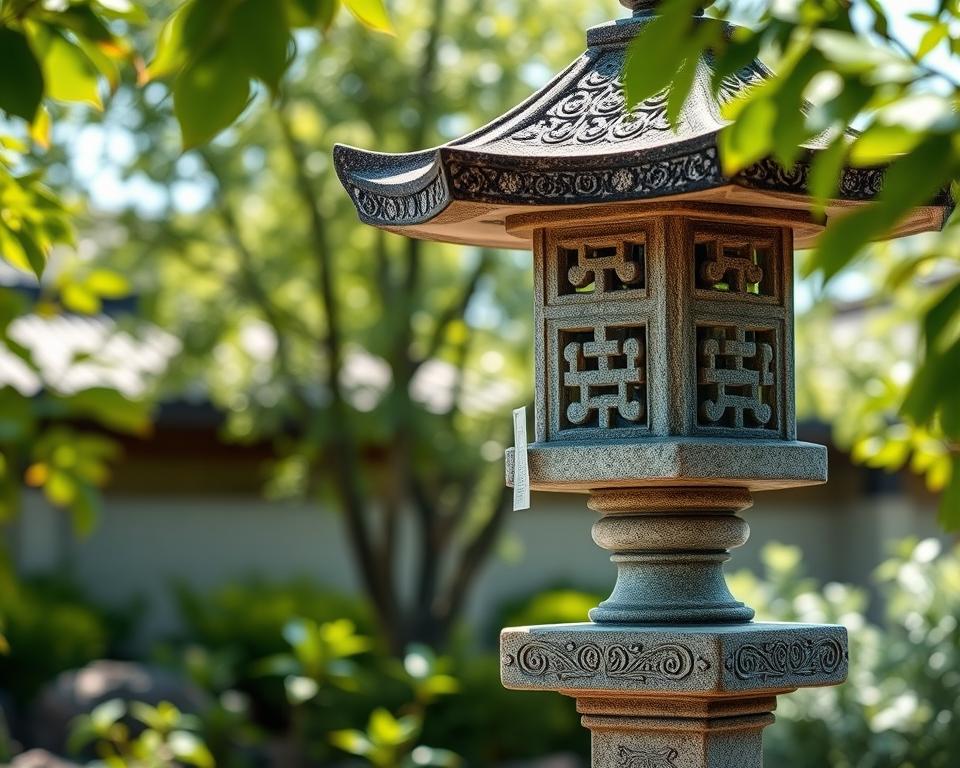
Caring for Your Japanese Stone Lantern
Maintaining your Japanese stone lantern is crucial, especially in the British climate, where weather conditions can be quite harsh. Proper care ensures that your lantern remains a beautiful feature in your garden for years to come.
Seasonal Maintenance Tips
To keep your lantern in good condition, regular cleaning is necessary. Inspect the pieces of your lantern seasonally to identify any damage or wear. During the winter months, ensure that your lantern is clear of debris and snow.
Before severe weather events, take preventative measures to protect your valuable lanterns. This may include securing the lantern or covering it to prevent damage.
Weatherproofing for British Climate
The British climate poses specific challenges to stone lanterns, including frequent rain, frost cycles, and temperature fluctuations. To mitigate these effects, consider applying a suitable sealant to protect the lantern’s surface.
Proper installation with adequate drainage is also crucial to prevent water damage to the lantern pieces. Regularly inspect your lantern for signs of weather damage and make minor repairs as needed to extend its lifespan.

Where to Buy Japanese Stone Lanterns in the UK

The quest for the ideal Japanese stone lantern in the UK involves exploring different sales channels. You can find these beautiful garden features through various retailers, both online and in physical stores.
Online Retailers and Marketplaces
Online retailers like Amazon offer a wide range of Japanese stone lanterns, with prices starting from £5.79 to £496.88. Various shipping options are available, making it convenient to have your chosen lantern delivered to your doorstep.
Specialist Garden Centres
Specialist garden centres across the UK stock quality Japanese stone lanterns. Visiting these centres allows you to assess the size, colour, and craftsmanship of the lanterns in person. The staff at these retailers often provide valuable expertise and after-sales support, ensuring that your purchase is well-maintained. Many of these centres also have display gardens that can inspire lantern placement and complementary plantings. When purchasing from physical retailers, be sure to negotiate delivery for heavy stone pieces.
Conclusion
Bringing a piece of Japan to your British garden with a Japanese stone lantern can add a unique and meaningful element to your outdoor space. When selecting a lantern, consider the size, style, and material to ensure it complements your garden design.
From traditional pagoda lantern styles to modern adaptations, there’s a wide variety of lanterns available to suit different tastes and budgets. Proper pieces selection, placement, and maintenance will ensure your lantern remains a beautiful focal point for years to come.
By incorporating a Japanese stone lantern into your home‘s outdoor space, you can create a tranquil atmosphere that invites contemplation and connection with nature. We encourage you to explore the different options and share your experiences with Japanese stone lanterns in your garden.
FAQ
What is the significance of the five elements in Japanese stone lantern design?
The five elements – earth, water, fire, wind, and void – are symbolically represented in the design of traditional Japanese stone lanterns, reflecting the harmony and balance found in nature.
How do I choose the right size of lantern for my garden?
Consider the scale of your garden and the surrounding features when selecting a lantern. A larger lantern can be a statement piece in a spacious garden, while a smaller one is more suitable for compact spaces.
What are the benefits of using solar-powered lanterns?
Solar-powered lanterns offer an eco-friendly and cost-effective way to illuminate your garden, eliminating the need for wiring and reducing energy consumption.
How do I maintain my Japanese stone lantern?
Regular cleaning and seasonal inspections are essential to maintain the integrity of your lantern. You should also apply a weatherproofing treatment to protect the stone from the British climate.
Can I use a Japanese stone lantern in a modern garden design?
Yes, a Japanese stone lantern can be a unique and stylish addition to a modern garden, adding a touch of cultural heritage and serenity to your outdoor space.
What is the difference between Tachi-gata and Yukimi-gata lanterns?
Tachi-gata lanterns are traditional standing lanterns, while Yukimi-gata lanterns are designed for snow-viewing, typically featuring a wider base and a more substantial structure to withstand snow.
Are resin or concrete lanterns a suitable alternative to traditional stone?
Resin and concrete lanterns can be a durable and weather-resistant alternative to traditional stone, offering a range of design options and often at a lower price point.
How do I ensure the authenticity of a Japanese stone lantern?
Look for lanterns crafted from traditional materials, such as granite, and featuring classic design elements. You can also check for certification or provenance from reputable suppliers.