Modern, Low-Maintenance Garden Design: Professional Ideas for Your Outdoor Space
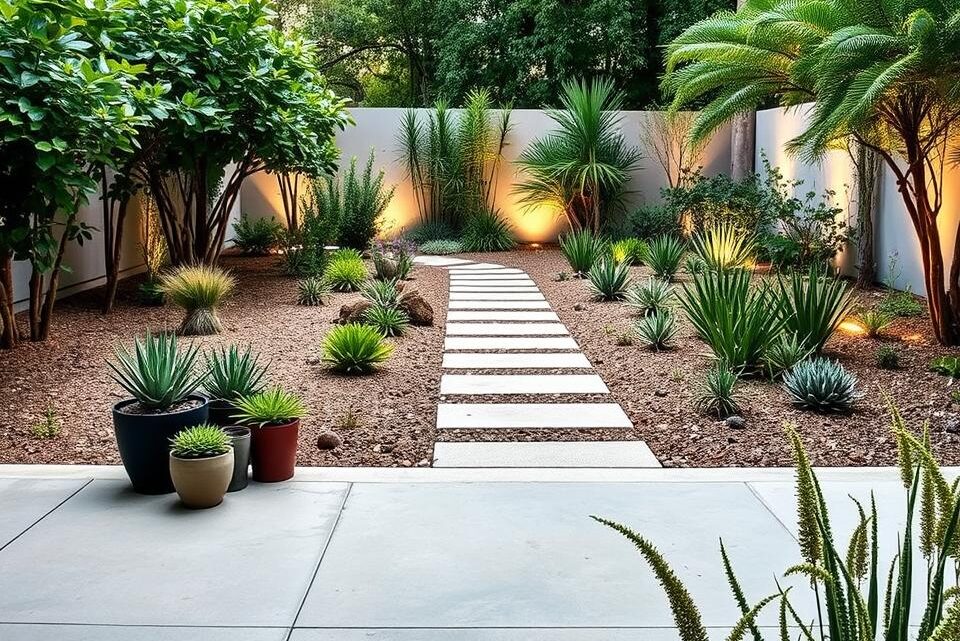
Creating a beautiful outdoor space that requires minimal upkeep is a dream for many homeowners. According to the Royal Horticultural Society, a great-looking garden doesn’t have to be hard work. By following simple guidelines, you can create a no-fuss outdoor area that brings joy every time you step into it.
A modern garden design focuses on creating beautiful outdoor spaces that require minimal maintenance, allowing you to enjoy your garden rather than constantly working in it. This is achieved by making smart choices in design, materials, and planting to reduce ongoing work.
Inhaltsverzeichnis
Key Takeaways
- Simple guidelines can help create a low-fuss outdoor space.
- Smart choices in design and planting reduce maintenance.
- A modern garden design focuses on minimal upkeep.
- Beautiful outdoor spaces can be achieved with minimal work.
- Professional approaches balance aesthetic appeal with practical considerations.
The Principles of Modern, Low-Maintenance Garden Design
Creating a modern, low-maintenance garden requires a thoughtful approach that balances aesthetic appeal with practical considerations. A well-designed garden should be both beautiful and functional, reflecting your personal style while minimizing upkeep.
Balancing Beauty and Practicality
Modern garden design principles focus on creating harmony between aesthetic appeal and practical maintenance requirements. This balance ensures your outdoor space remains beautiful without demanding excessive upkeep. To achieve this, consider simplifying your garden’s overall design by focusing on fewer, larger elements rather than numerous small features that require individual attention.
Incorporating the right balance of hard and soft landscaping is essential, with the proportion depending on your maintenance preferences and how you intend to use the space. For instance, garden designer Joe Perkins recommends adopting a no-dig approach to reduce maintenance while benefiting plants.
Planning for Your Lifestyle and Available Time
Understanding your lifestyle and realistically assessing how much time you can dedicate to garden maintenance is crucial before making any design decisions. The most successful low-maintenance gardens begin with thoughtful planning that considers the specific site conditions, including soil type, light levels, and exposure to elements.
Planning for year-round interest through careful plant selection ensures your garden remains attractive throughout the seasons without requiring constant replanting or intensive care. Considering the long-term growth and maintenance requirements of plants and materials at the design stage will save significant time and effort in future years.
Rethinking Your Lawn: Alternatives for Easier Upkeep
If you’re looking to reduce gardening time, reconsidering your lawn is a great place to start. Traditional lawns are often the most time-consuming element of garden maintenance.
Reducing or Eliminating Grass Areas
For small gardens or households without children, eliminating the lawn entirely can dramatically reduce maintenance. Big borders and a reasonably-sized paved, gravelled, or decked area can be less work than keeping a small area of grass looking good.
Low-Maintenance Lawn Alternatives
Modern alternatives to traditional grass lawns include low-growing ground cover plants, wildflower meadows, and drought-resistant grass varieties. Gravel gardens, permeable paving, and decking provide practical, low-maintenance alternatives to grass.
Smart Lawn Management Solutions
For those who wish to keep a traditional lawn, investing in smart lawn management solutions like robotic mowers can significantly reduce maintenance time. Creating permanent, well-defined edges between lawns and borders eliminates the need for regular trimming.
By rethinking your lawn and adopting some of these strategies, you can create a beautiful, low-maintenance garden that suits your lifestyle.
Structural Elements That Minimise Maintenance
To minimise gardening chores, it’s essential to integrate durable structural elements into your garden design. Thoughtfully designed structural elements form the backbone of a low-maintenance garden, providing year-round interest even when plants are dormant.
Hard Landscaping Materials and Techniques
Hard landscaping materials such as porcelain tiles, composite decking, and resin-bound gravel require minimal cleaning and resist weathering, moss growth, and staining better than traditional materials. These modern materials offer the aesthetic appeal of traditional materials with significantly reduced maintenance requirements.
Defining Borders and Edges
Defining clear borders between different garden areas using permanent edging materials prevents materials from mixing and reduces the need for regular maintenance and re-establishment. This creates a clean and organised garden space.
Raised Beds and Containers
Raised beds offer multiple maintenance benefits: they improve drainage, reduce weeding (especially when lined with landscape fabric), and eliminate the need to bend down for planting and harvesting. For those in the UK looking for an easy solution, raised garden bed kits are available.
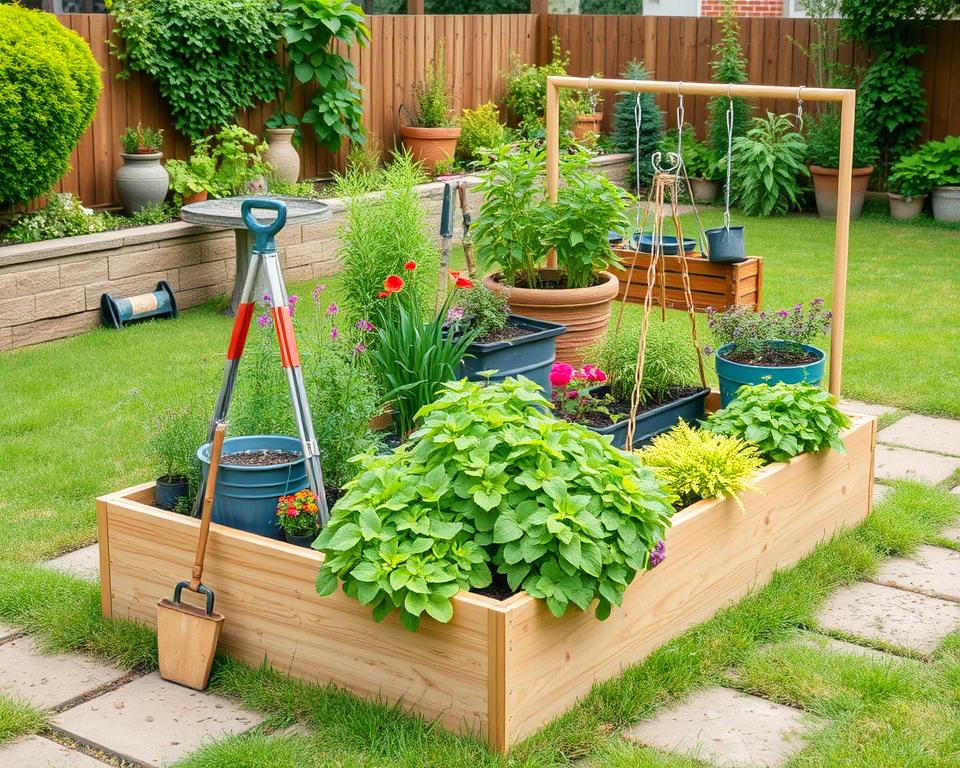
By incorporating these structural elements, you can enjoy a beautiful garden with less upkeep, allowing you to make the most of your outdoor space.
Planting Strategies for Minimal Upkeep
A well-planned planting strategy is key to enjoying a beautiful garden with minimal maintenance. By selecting the right plants and employing effective planting techniques, you can significantly reduce the time spent on upkeep.
The “Right Plant, Right Place” Approach
Choosing plants that are well-suited to your soil and site conditions is fundamental. For instance, if your garden is sunny and dry, plants like lavenders will thrive with minimal care. This approach eliminates the need for constant amendments or special care regimes.
Plant Spacing and Grouping Techniques
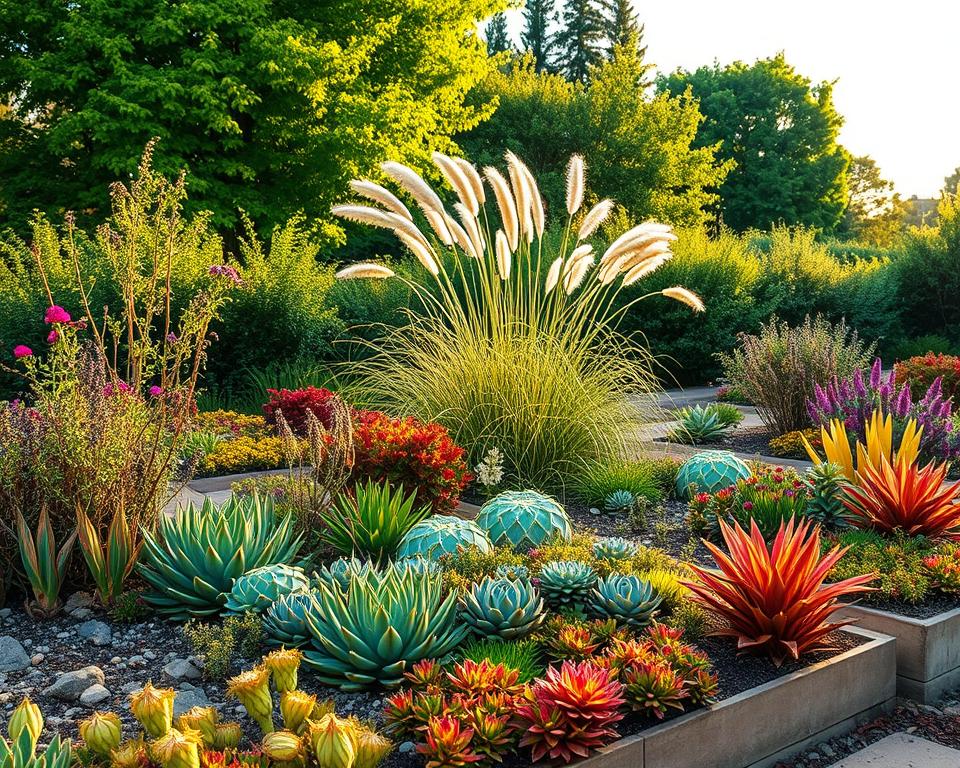
Planting in dense groups not only enhances visual appeal but also helps suppress weeds by shading the soil and reducing evaporation. Grouping plants with similar water and light requirements together simplifies maintenance and ensures efficient resource use.
Embracing Seasonal Changes Without Extra Work
Selecting plants that offer multiple seasons of interest—such as spring flowers, summer foliage, autumn colour, and winter structure—reduces the need for seasonal replanting. Planning for succession planting ensures continuous visual interest throughout the year without additional work once the garden is established.
By adopting these planting strategies, you can enjoy a beautiful and thriving garden with minimal upkeep, giving you more time to appreciate your outdoor space.
Top Low-Maintenance Plants for British Gardens
When it comes to creating a low-maintenance garden in the UK, selecting the right plants is crucial. The ideal plants should not only be resilient to the local climate but also require minimal care.
Evergreen Shrubs for Year-Round Structure
Evergreen shrubs form the backbone of low-maintenance gardens, providing year-round structure and interest with minimal pruning requirements. Look for slow-growing varieties like pittosporum, hebe, and dwarf conifers.
Ornamental Grasses for Texture and Movement
Ornamental grasses have become increasingly popular in modern garden design for their architectural qualities and drought tolerance. Most only need cutting back once annually, making them a low-maintenance choice.
Hardy Perennials That Thrive with Minimal Care
Hardy perennials like geraniums, asters, heucheras, and sedums provide long-lasting colour with minimal intervention. They reliably return year after year without needing division or special treatment.
Award-Winning Plants Worth Considering
Look out for plants that have received the RHS Award of Garden Merit (AGM), an independent certification that they are good varieties likely to perform well in ordinary garden conditions. This scheme covers a wide range of plants, from trees and shrubs to perennials.
Time-Saving Garden Maintenance Techniques
You can significantly reduce the time spent on garden maintenance with the right techniques. By implementing a few simple strategies, you can enjoy a beautiful outdoor space without the hassle.
Mulching to Reduce Weeding and Watering
Mulching is a highly effective method for reducing weeding and watering. By covering bare soil with materials like bark chippings or gravel, you prevent weeds from growing and reduce water evaporation. This means less time spent on weeding and watering, making garden maintenance much easier.
Efficient Watering Systems
Automated irrigation systems are a game-changer for garden maintenance. With timers and drip lines, these systems deliver water directly to the roots of plants, minimizing waste and reducing the need for manual watering. This not only saves time but also ensures your plants receive the right amount of water.
No-Dig Gardening Approaches
No-dig gardening is another technique that can save you time and work. By not digging, you preserve the soil structure and beneficial organisms. Simply add organic matter to the soil surface annually, and you’ll reduce the physical labour required for garden maintenance, making it a more enjoyable experience.
By incorporating these techniques into your garden maintenance routine, you’ll be able to enjoy your outdoor space without the burden of excessive upkeep. Whether it’s through mulching, efficient watering systems, or no-dig gardening, there’s a way to make garden maintenance more manageable on the ground.
Modern Tools and Solutions for the Time-Poor Gardener
In today’s fast-paced world, gardeners need tools that save time and reduce workload. Modern gardening has evolved to incorporate a variety of innovative solutions that make maintaining your garden much easier.
Labour-Saving Garden Tools
The best battery-powered garden tools in the UK have revolutionised gardening by providing cordless operation without the hassle of petrol engines. These tools, including lawn mowers, hedge trimmers, and leaf blowers, offer convenience and efficiency. Modern designs focus on reducing physical effort and increasing ease of use.
Smart Technology for Garden Management
Smart garden technology, such as weather-responsive irrigation controllers and soil moisture sensors, can significantly reduce routine maintenance tasks. These systems ensure your garden receives the right amount of water at the right time, minimising waste and optimising plant health.
Professional Services Worth Considering
For time-poor gardeners, investing in occasional professional services for labour-intensive tasks like hedge cutting or seasonal clean-ups can be more cost-effective than purchasing specialised equipment. Professionals can handle these tasks efficiently, saving you time and effort.
By incorporating these modern tools and solutions, you can enjoy your garden without the burden of excessive maintenance, making gardening a more pleasurable experience.
Conclusion: Creating Your Own Low-Maintenance Haven
By embracing the principles outlined in this guide, you can transform your garden into a serene, low-maintenance oasis. Creating a low-maintenance garden doesn’t mean compromising on beauty or interest; it’s about making informed choices that align with your lifestyle and available time.
The most successful low-maintenance gardens evolve from thoughtful planning, balancing aesthetic desires with practical maintenance considerations. With careful design and appropriate planting choices, your outdoor space can become a personal haven that enhances your quality of life.
Embracing a degree of natural wildness and imperfection in your garden design can reduce maintenance requirements and create environmentally friendly spaces that support local wildlife. The ultimate goal is to spend time enjoying your garden rather than constantly working in it.
FAQ
What are the key elements of a low-maintenance garden?
A low-maintenance garden typically incorporates hard landscaping materials, such as gravel or paving, and drought-tolerant plants that require less watering. You can also consider using raised beds and containers to simplify upkeep.
How can I reduce my lawn area without sacrificing too much space?
You can reduce your lawn area by incorporating alternative ground covers, such as ornamental grasses or shrubs, or by creating a gravel or paving area. This will not only reduce maintenance but also add visual interest to your outdoor space.
What are some effective ways to minimise weeding in my garden?
Mulching is an effective way to suppress weeds and reduce the need for frequent weeding. You can also use a no-dig gardening approach, which involves layering organic matter on top of the soil to prevent weeds from growing.
How often should I water my plants?
The frequency of watering depends on the type of plants you have, the soil type, and the climate. As a general rule, it’s best to water plants deeply but infrequently to encourage deep root growth and make them more drought-tolerant.
What are some labour-saving garden tools worth considering?
There are many labour-saving garden tools available, including automatic watering systems and cordless gardening tools. These can help simplify garden maintenance and save you time.
Can I still have a beautiful garden with a low-maintenance approach?
Yes, you can still have a beautiful garden with a low-maintenance approach. By choosing the right plants, using hard landscaping materials, and incorporating structural elements, you can create a visually appealing outdoor space that requires less upkeep.