Avoid Most Common Mistakes When Building a Garden Log Cabin
This guide offers essential advice for anyone considering a new structure for their outdoor space. It draws on the direct observations of specialists who have seen the same construction errors occur time and again.
The guidance provided is relevant for all types of timber buildings, whether you envision a summer house, a garden office, or a storage shed. It covers the entire process, from initial planning and site preparation to the foundation and long-term upkeep of the structure.
Readers will gain practical knowledge to identify potential pitfalls before they happen. This proactive approach saves significant time, money, and frustration, ensuring your garden building remains sturdy and attractive for many years.
Inhaltsverzeichnis
Key Takeaways
- Expert advice helps prevent recurring construction errors in timber buildings.
- The guidance applies to various uses, from offices to summer houses.
- Proper planning and site selection are crucial first steps.
- Understanding foundation requirements is vital for structural integrity.
- Correct timber treatment influences the building’s long-term durability.
- Proactive measures save on future costly repairs and maintenance.
- Advice is tailored for both DIY enthusiasts and those using professionals.
Planning and Preparation for a Garden Log Cabin
Thorough preliminary arrangements are crucial for any timber construction endeavour. Proper planning saves significant time and prevents avoidable problems.
Importance of Detailed Project Planning
Comprehensive project planning addresses all functional requirements. Consider electrical outlets, plumbing, and ventilation systems early. Document all specifications before contacting suppliers.
Taking time to plan properly ensures the structure serves its intended purpose. Whether creating an office space or leisure room, every detail matters.
Local Regulations and Permitted Development
In the UK, many outbuildings qualify as permitted development. This means formal planning permission may not be needed. However, verification with local authorities is essential.
Typical criteria include single-storey structures with eaves under 2.5 metres. Property owners bear responsibility for compliance checks.
| Aspect | Key Considerations | Action Required |
|---|---|---|
| Planning Permission | Height restrictions, boundary distances | Consult Local Planning Authority |
| Utility Connections | Electrical, plumbing, heating | Detail specifications early |
| Structural Requirements | Foundation type, timber treatment | Engage professionals if needed |
Make sure to verify all regulatory requirements. Proper documentation and professional consultation prevent costly modifications later.
Site Selection: Choosing the Correct Location
A well-chosen location forms the foundation for a successful timber building project. Proper positioning affects everything from structural integrity to daily enjoyment.

Evaluating Sunlight, Drainage and Accessibility
Sunlight exposure greatly influences the internal environment. While shade offers cooling benefits, insufficient natural light creates damp conditions. A sunny position helps maintain a dry, inviting space.
Drainage considerations are equally vital. Avoid low-lying areas where water naturally accumulates. Proper ground slope prevents pooling around the structure’s base.
Access for maintenance requires careful planning. Leave adequate space around the building for cleaning and inspections. This ensures the long-term preservation of your investment.
Tree proximity presents both advantages and risks. While offering privacy, overhanging branches may cause damage. Root systems can also affect foundation stability over time.
Assess the site during different seasons and weather patterns. Observe how sunlight, shade, and water flow change throughout the year. This comprehensive evaluation informs the optimal placement.
Even insulated buildings designed for year-round use benefit from strategic positioning. Natural light and proper drainage remain essential for any timber structure’s longevity.
Proper Foundation and Base Considerations
The structural integrity of a garden building is fundamentally dependent on the quality of its foundation. This critical element supports the entire structure and prevents uneven sinking into the ground. A well-constructed base safeguards against movement and moisture damage for many years.

Understanding Soil Preparation and Compaction
Before any foundation work begins, the soil must be properly prepared. Uncompacted earth shifts unpredictably when wet, leading to an unlevel base. Thorough compaction creates a stable platform.
Weather conditions are crucial for concrete work. Ideal pouring temperatures are between 10°C and 15°C. If temperatures drop below 5°C, insulating blankets are needed to ensure proper curing.
Fresh concrete requires moist curing. This involves hosing it down several times a day for about a week. This prevents rapid drying, which causes brittleness and cracks.
Investing in a Sturdy, Customised Base
Each foundation must be tailored to its specific site. Soil type, drainage, and intended use all influence the design. Using a generic plan often leads to problems.
Waterproofing and damp proofing are distinct but vital processes. They protect the base from rainwater and soil moisture. This prevents freeze-thaw damage and structural issues.
| Foundation Type | Best For | Key Consideration |
|---|---|---|
| Concrete Slab | Permanent, heavy structures | Requires professional installation and curing time |
| Pad Foundation | Uneven ground or smaller buildings | Less disruptive but must be perfectly level |
| Timber Deck | Good drainage areas, lighter cabins | Needs treated timber and regular maintenance |
Avoiding Proximity Errors and Boundary Issues
Correctly positioning a timber structure in relation to property boundaries is a fundamental step in the construction process. Many individuals, aiming to maximise their available space, place their building too near the edge. This oversight can cause a series of practical and legal issues.

Maintaining Appropriate Distance from Boundaries
A minimum clearance of two feet (approximately 0.6 metres) from any boundary fence is strongly advised. This space is not merely a suggestion; it is vital for the building’s health. It allows the log materials to breathe, reducing the risk of condensation and mould.
Furthermore, this gap provides essential access for maintenance tasks. Applying protective treatments, cleaning, and conducting inspections become significantly easier. Without this clearance, these problems can develop unnoticed, leading to costly repairs.
Height is another critical factor. To comply with permitted development rules and maintain good relations, the cabin should generally remain under 2.5 metres tall. This prevents it from blocking a neighbour’s light.
Neighbour Relations and Local Planning Advice
Placing a structure directly against a neighbour’s fence can create significant tension. It may impede their access for maintenance or affect their enjoyment of their own garden. A brief, polite conversation beforehand can prevent future disputes.
While building regulations may not always specify absolute distances, Local Planning Authorities often have guidelines. For a garden room intended as sleeping accommodation, a one-metre clearance is typically recommended.
It is always prudent to make sure you verify specific requirements with your local authority. Rules can vary, and compliance ensures your project proceeds smoothly.
Timber Treatment, Protective Finishes and Moisture Management
Effective timber preservation begins with understanding the curing requirements of pressure-treated wood. Many owners attempt to apply decorative finishes too soon after delivery. The greenish tinge from chemical treatment often prompts premature painting.
Curing Pressure-Treated Wood Before Painting
Pressure-treated lumber requires adequate drying time before painting. This curing process typically takes three to four months. During winter, it may extend to six months as moisture levels drop slowly.
Applying paint or stain too early leads to poor adhesion. The finish will likely peel or bubble as the wood continues to dry. Patience during this phase ensures long-lasting protection.
Applying Sealants and Weatherproof Finishes
Factory treatment provides initial rot protection but is not permanent. After approximately five to seven years, additional protection becomes necessary. Untreated timber deteriorates much faster without proper sealing.
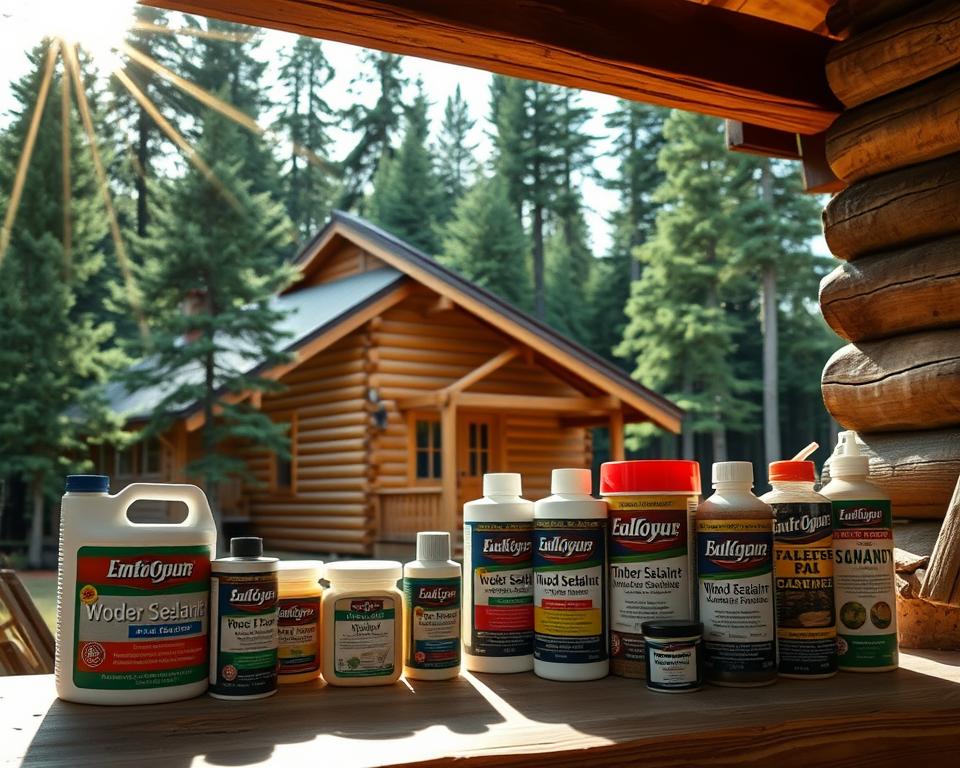
Owners should apply a quality wood preservative followed by weatherproof topcoats. These products protect against moisture ingress and UV damage. They allow the timber to breathe while forming a protective barrier.
Regular inspection and maintenance preserve the structure for many years. The frequency depends on product specifications and exposure conditions. Consulting manufacturer guidance ensures appropriate product selection.
Accommodating Wood Movement and Ensuring Structural Integrity
Wood’s organic nature means it continuously responds to environmental conditions. Timber expands and contracts with temperature fluctuations and humidity changes. Gravity also causes gradual settling over time, especially in horizontal log structures.

Many owners mistakenly treat log cabin walls and ceilings as static surfaces. They attach fixtures, shelving, and decorative elements without accounting for natural wood movement. This approach can lead to significant structural issues.
Managing Timber Expansion and Contraction
Logs may shift downward over time, creating temporary gaps between boards. When rigid fixtures like cable tubing or picture frames are nailed across multiple logs, pressure builds. The timber pulls against fixed points, causing stress concentrations that result in cracks.
Specific problematic attachments include electrical conduit, heavy picture frames, shelving brackets, and wall-mounted cabinets spanning multiple logs. These items restrict the natural movement of the wood.
The best practice involves using flexible mounting systems and attaching items to single logs rather than spanning multiple boards. Sliding brackets that allow vertical movement provide secure attachment while accommodating wood movement.
For electrical installations, consider running cables through channels that permit movement. Surface-mounted systems with flexible connections at entry points are also effective alternatives.
Understanding and respecting timber behaviour is essential for maintaining structural integrity over time. Attempting to restrain wood movement inevitably causes damage to either the cabin structure or attached items.
Cabin owners should expect and plan for natural movement when designing interior layouts. All building elements should accommodate the dynamic nature of timber construction for long-term durability.
Most Common Mistakes When Building a Garden Log Cabin
Understanding typical oversights helps property owners achieve better results with their garden constructions. This section consolidates key errors discussed throughout the article into a practical reference guide.

Identifying Frequent Missteps and Their Remedies
Many individuals focus on wall and ceiling insulation while neglecting the floor. This oversight creates cold, uncomfortable spaces during winter months. Proper floor insulation is essential for year-round comfort.
Purchasing without adequate warranty protection leaves owners financially exposed. A 10-year guarantee represents the industry standard for quality timber structures in the UK.
Even premium materials can fail with poor installation. Professional fit and finish prevents water leaks, draughts, and structural weaknesses.
| Error | Consequence | Solution |
|---|---|---|
| Inadequate floor insulation | Cold interior spaces | Install comprehensive insulation system |
| No proper guarantee | Financial risk if issues arise | Insist on 10-year warranty |
| Poor quality windows/doors | Thermal inefficiency and security concerns | Choose established suppliers with quality products |
| Unprofessional installation | Structural problems over time | Hire experienced professionals |
Expert Suggestions for a Flawless Build
Thorough research before purchasing prevents many problems. Verify company credentials through independent review platforms. Inspect completed work examples whenever possible.
“Quality materials combined with professional installation create structures that stand the test of time. Cutting corners inevitably leads to expensive repairs.”
Work with reputable suppliers who offer detailed advice and site surveys. Transparent information about materials and construction methods ensures realistic expectations.
These errors are entirely preventable through proper planning and quality investment. Different cabin types may present unique challenges, but fundamental principles apply universally.
Conclusion
The journey to a perfect garden retreat involves avoiding several potential pitfalls. This comprehensive guide has highlighted essential considerations for a successful project.
Proper boundary clearance ensures adequate air circulation and maintenance access. Patience with pressure-treated timber prevents finish failure. Strategic site selection considers drainage, sunlight, and access space.
A robust foundation remains non-negotiable for structural integrity. Regular protective treatments shield the building from seasonal challenges.
Some individuals may prefer hiring a professional team with specific expertise. Consulting local experts provides valuable insights for your particular situation.
Armed with this knowledge, property owners can confidently create their ideal garden room. Whether for summer relaxation or winter use, careful planning ensures years of enjoyment.
FAQ
What is the most critical step before starting construction?
Thorough planning is essential. This includes checking local regulations, obtaining necessary permits, and creating a detailed project plan. Proper preparation prevents costly errors during the build.
Why is the foundation so important for a log cabin?
A solid, level foundation is vital as it supports the entire structure. An inadequate base can lead to structural issues, such as walls cracking or doors jamming, especially as the ground shifts over time.
How can I prevent moisture problems in my garden building?
Effective moisture management involves choosing pressure-treated timber, allowing it to dry properly, and applying high-quality sealants. Ensuring good drainage around the base also helps protect against water damage.
Should I consider my neighbours when building a log cabin?
Absolutely. Maintaining good relations is crucial. Adhere to distance rules from boundaries, consider the cabin’s visual impact, and discuss your plans to avoid disputes that could lead to planning objections.
How does wood movement affect the structure?
Timber naturally expands and contracts with changes in humidity and temperature. Using appropriate construction techniques and fixtures that accommodate this movement is key to maintaining structural integrity and avoiding cracks.
What is a common error people make with timber treatment?
A frequent mistake is applying protective finishes too soon. It is critical to allow pressure-treated wood to fully dry and cure before painting or sealing to ensure the finish adheres properly and offers lasting protection.