How to Organise Your Tools in Garden Storage: A Guide
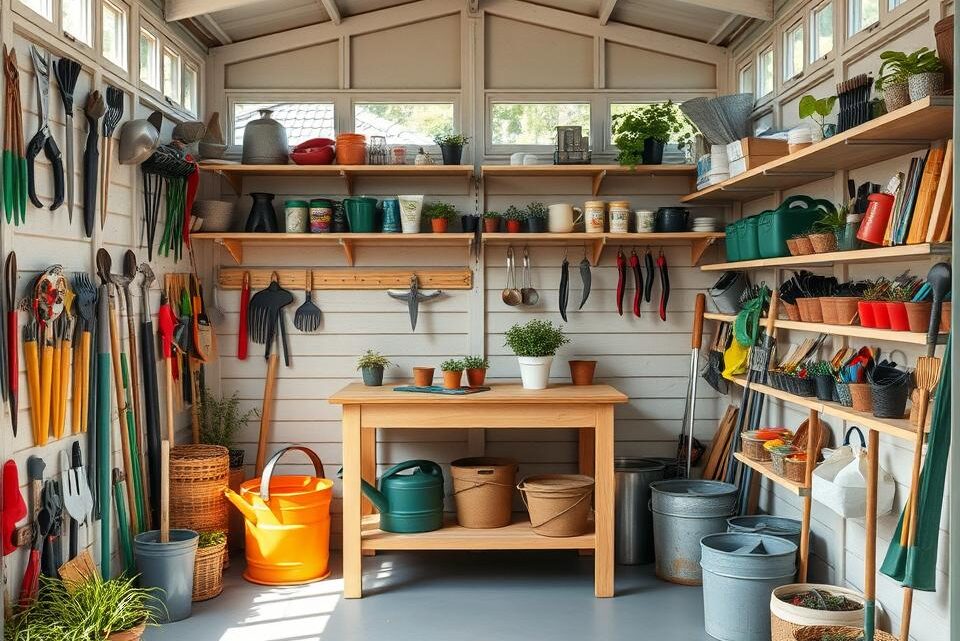
A well-kept garden brings immense satisfaction. Yet, the pleasure can be lost when essential implements are scattered and difficult to find. An orderly approach to keeping your equipment makes every task simpler and more enjoyable.
This guide explores practical methods for creating a systematic arrangement for your gardening implements. It demonstrates that a structured system is not just about tidiness. It is about protecting your investment and maximising your time outdoors.
Gardeners often face common frustrations. A cluttered shed, misplaced shears, or a rusty spade can quickly dampen enthusiasm. These challenges are easily overcome with a few clever ideas and a bit of planning.
Whether one has a large shed or a compact corner, solutions exist for every space and budget. From simple wall racks to multi-layered containers, the options are versatile. The goal is to create a setup that works seamlessly for the individual.
Implementing an effective system offers significant long-term benefits. Tools remain in excellent condition, safety improves, and the entire gardening experience becomes far more rewarding. This guide provides the essential steps to achieve that.
Inhaltsverzeichnis
Key Takeaways
- Proper storage protects garden tools from damage and extends their lifespan.
- A systematic approach saves time and reduces frustration during garden work.
- Effective organisation is possible regardless of available space or budget.
- Various storage solutions exist, from sheds to wall-mounted systems.
- An orderly space enhances safety and makes gardening more enjoyable.
- Correct care prevents the deterioration of valuable equipment.
Introduction to Garden Tool Organisation
Establishing order among gardening implements transforms the entire outdoor experience. A systematic approach ensures every item has its designated place.
This methodology brings multiple advantages to the gardening enthusiast. It significantly reduces the time spent searching for specific items. The frustration of misplaced equipment becomes a thing of the past.
Proper tool storage enables better maintenance routines. Clean, organised spaces make it easier to spot damage or missing pieces. Regular care becomes second nature when everything is visible and accessible.
“The quality of a gardener’s work reflects the care given to their equipment.”
Safety considerations cannot be overlooked. Sharp implements stored properly minimise accident risks. Tripping hazards are eliminated when walkways remain clear.
The aesthetic benefits extend beyond mere appearance. A tidy storage area contributes to the overall garden ambience. It creates a professional atmosphere that enhances the gardening experience.
| Organisation Benefit | Impact on Efficiency | Long-Term Value |
|---|---|---|
| Quick tool location | Reduces search time by 70% | More productive sessions |
| Proper maintenance | Extends tool lifespan | Cost savings |
| Enhanced safety | Minimises accident risks | Peace of mind |
Effective storage solutions need not be expensive. Practical systems tailored to individual spaces yield the best results. The initial effort pays dividends through years of streamlined gardening.
While setting up requires dedication, the long-term rewards are substantial. Equipment remains in prime condition, and every gardening session becomes more enjoyable. The investment in organisation proves worthwhile season after season.
Assessing Your Garden Storage Space
A successful storage system begins with a thorough assessment of the existing area. This initial step prevents future problems and lays the groundwork for an efficient layout. Careful planning ensures every item finds a logical home.
One must first evaluate the available space. This applies whether it is a dedicated garden shed, a garage corner, or a compact storage box. Accurate measurements are crucial, including floor area, wall height, and potential for vertical solutions.
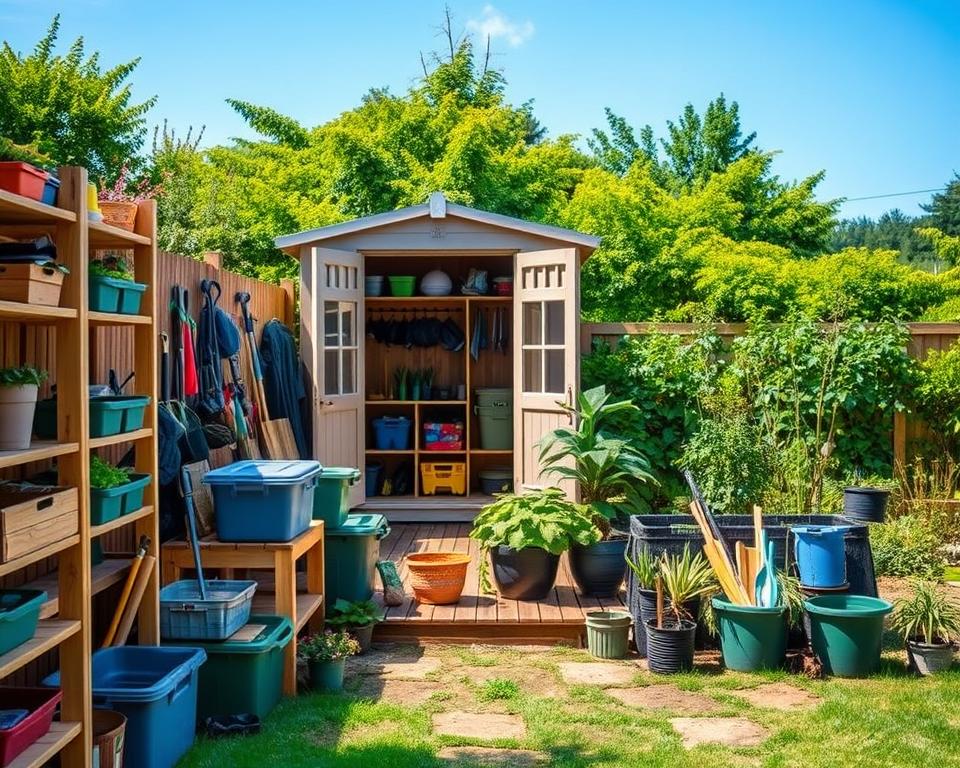
Layout considerations significantly impact functionality. Identify high-traffic zones that must remain clear for safe movement. Note areas with good natural light for frequent-use tools. Also, be mindful of damp spots that could damage metal equipment.
Evaluating Available Area and Layout Considerations
Different storage areas offer unique advantages and limitations. Understanding these helps maximise their potential. The table below outlines key considerations for common setups.
| Type of Storage Area | Primary Advantage | Key Consideration |
|---|---|---|
| Dedicated Garden Shed | Ample, enclosed space | Ventilation and moisture control |
| Garage Section | Convenient access | Separation from vehicles and chemicals |
| Wall Space (Covered) | Excellent for vertical storage | Requires sturdy, weather-resistant fixtures |
Conducting a Tool Inventory
The next critical phase is a complete inventory of all tools and equipment. Remove everything from the shed to create a blank canvas. This process reveals the true volume of items needing a home.
List each tool, noting its dimensions, condition, and how often it is used. Categorise them by type, such as hand tools or long-handled implements. This categorisation naturally highlights the size and type of organisers required.
This upfront investment of time creates a solid foundation. It ensures the final system is perfectly tailored to the gardener’s specific needs, saving time and frustration for years to come.
How to Organise Your Tools in Garden Storage
Strategic placement of gardening implements creates a foundation for productive sessions. An effective system begins with thoughtful categorisation, ensuring each item has a logical home. This approach saves valuable time and protects equipment from damage.
Categorising Tools by Use and Size
Grouping items by frequency of use is a practical starting point. Frequently needed equipment should occupy prime, accessible locations. Seasonal or occasional implements can be stored in less prominent areas.
Size-based sorting prevents damage and maximises space efficiency. Long-handled tools like spades and rakes require vertical storage solutions. Smaller hand tools benefit from dedicated containers or wall-mounted holders.
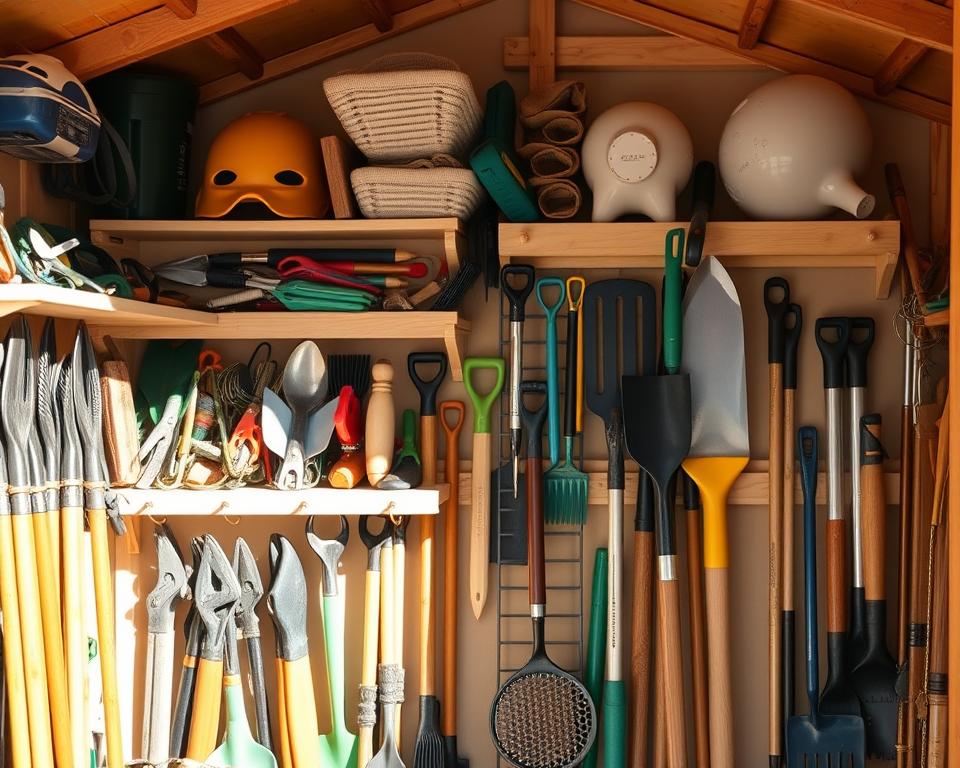
Function-based grouping creates intuitive systems. All pruning equipment in one zone, digging implements in another. This methodical approach makes locating specific items effortless.
Designing Distinct Storage Zones
Dividing the available area into dedicated sections establishes clear organisation. Each zone serves a specific category of equipment. This logical layout simplifies both retrieval and return of items.
The system works best when consistently maintained. Returning implements to their designated zones after each use becomes second nature. This habit ensures the organisation remains intact over time.
Adapt these principles to suit individual spaces and collections. Whether working with a spacious shed or compact corner, the zoning concept applies universally. The result is a tailored, efficient storage solution.
Decluttering and Prioritising Essential Tools
A truly functional workspace is born from a ruthless evaluation of its contents. This process is the essential precursor to implementing any storage solution. Without it, even the best systems become overwhelmed by clutter.
Sorting Out Unused or Damaged Items
The initial step involves a clear-eyed assessment of every item. Gardeners must decide what to keep, repair, or let go. This decision should be based on objective criteria like condition, functionality, and frequency of use.
Items that are broken beyond economical repair or pose a safety risk should be discarded immediately. Rust that compromises a tool’s integrity also warrants removal. Duplicate items that serve no practical purpose merely consume valuable space.
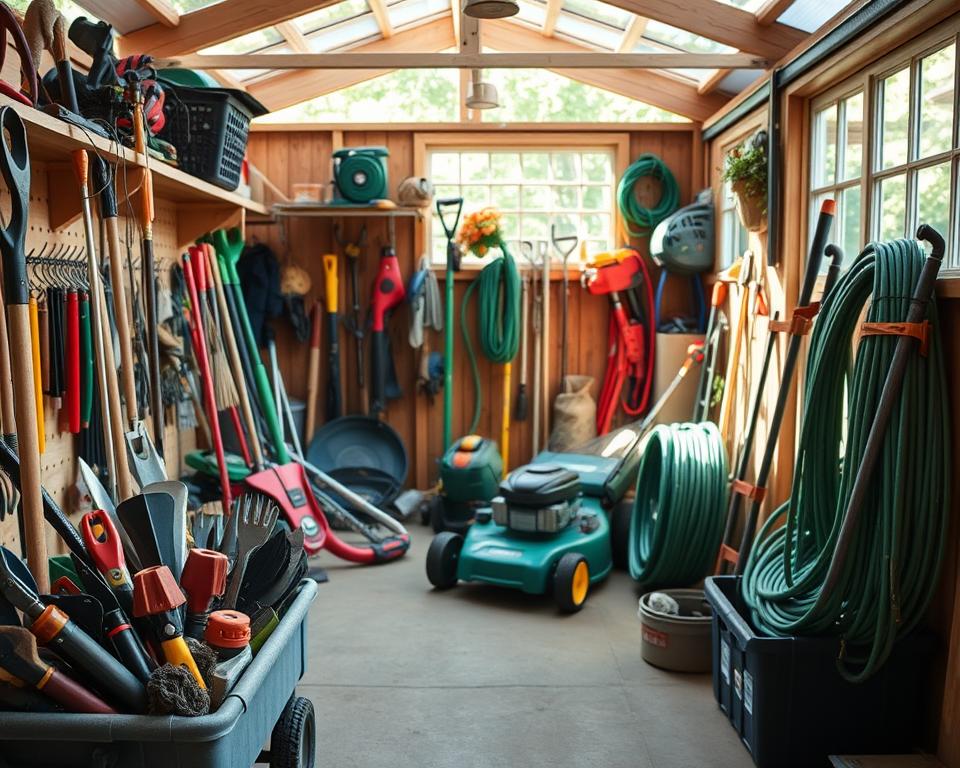
This process can be emotionally challenging. Many develop attachments to their tools. However, keeping only functional, regularly used equipment creates a far more efficient and pleasant environment.
Systematically check each item for issues. Look for loose handles, dull blades that can be sharpened, or structural damage. A tool in good condition deserves a proper place; others may need to find a new home.
For unused but functional tools, consider donation, sharing, or selling. This prevents waste and frees up storage capacity. The goal is to retain a collection that aligns with actual gardening needs.
Decluttering is not a one-time event. Periodic reviews ensure the collection remains relevant. This ongoing habit saves time and maintains an organised system long-term.
Maximising Shed and Wall Storage Solutions
Transforming unused vertical areas within a garden shed dramatically increases its functional capacity. Walls and ceiling spaces offer tremendous potential for creating organised systems. This approach keeps floor areas clear while making every implement easily accessible.
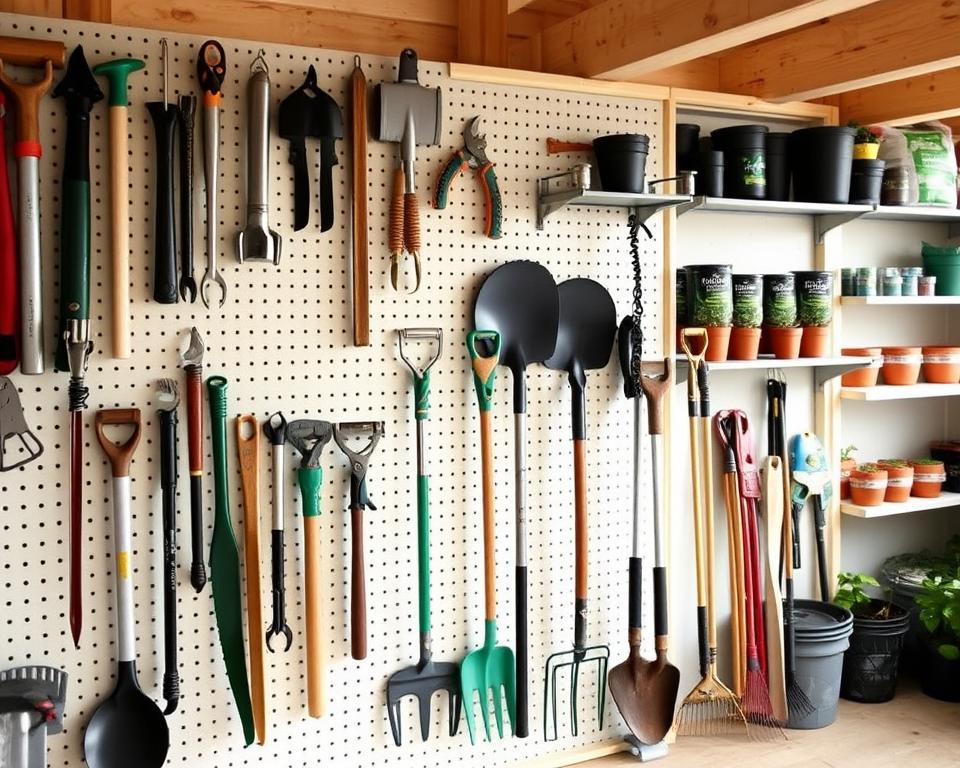
Utilising Shelves, Hooks and Pegboards
Wall-mounted shelves provide excellent storage for smaller items like gloves and twine. They keep these essentials visible and within easy reach. Choosing between fixed timber shelves and adjustable systems depends on flexibility needs.
Hooks offer versatile solutions for hanging various implements. They work particularly well for hand tools like trowels and pruners. Proper spacing prevents tools from interfering with each other when hung.
A pegboard system provides exceptional adaptability for changing collections. The grid pattern accommodates various hooks and brackets that can be rearranged. This makes the pegboard ideal for frequently used items that need quick access.
Installing Adjustable Racks for Long Tools
Long-handled implements require specialised storage solutions to prevent damage. Wall-mounted rack systems keep rakes and spades upright and secure. Adjustable designs accommodate different handle lengths and tool sizes.
Installation requires locating the shed‘s structural spars for secure mounting. Using screws or nails directly into these supports ensures heavy items remain safely in place. Proper weight distribution prevents strain on the wall structure.
Creative use of overhead space maximises the shed‘s capacity. Roof spars can support larger items that are used infrequently. This approach utilises every cubic inch without creating clutter on the floor.
Incorporating Extra Storage Options
When wall-mounted systems reach their capacity, freestanding storage solutions offer valuable supplementary space. These units utilise available floor area efficiently, providing additional capacity for various gardening items. This approach creates a comprehensive organisational system.
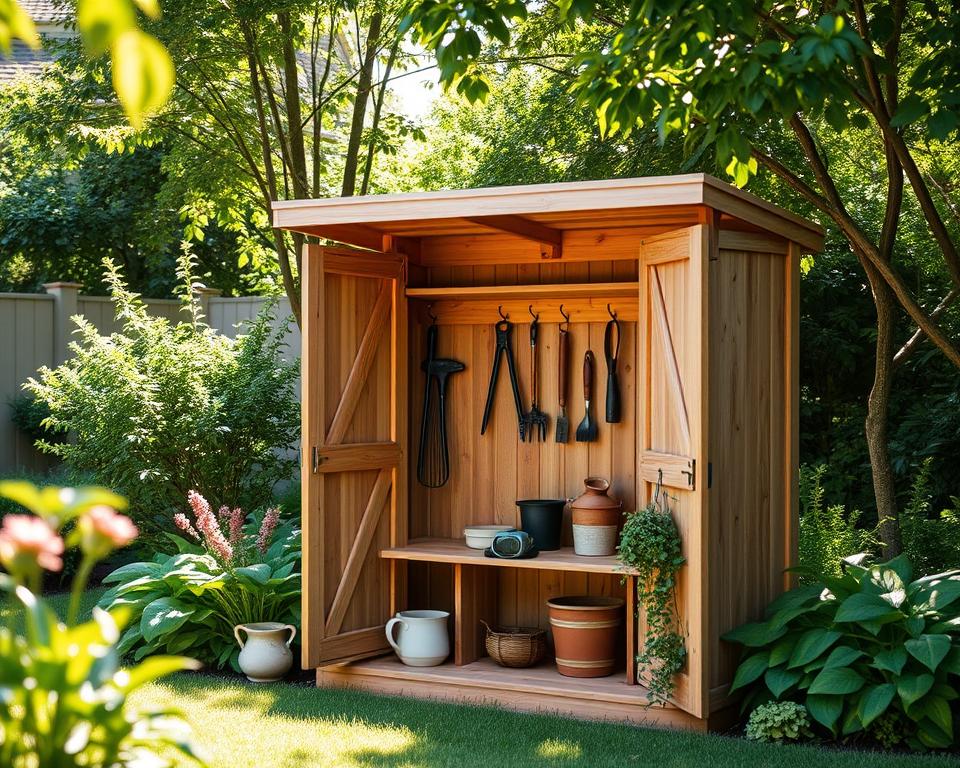
Freestanding Units and Stackable Containers
Freestanding organisers present a flexible option for gardeners with larger spaces. Tool cabinets and rolling carts can be positioned anywhere within the shed. Their mobility allows for easy reconfiguration of the storage layout.
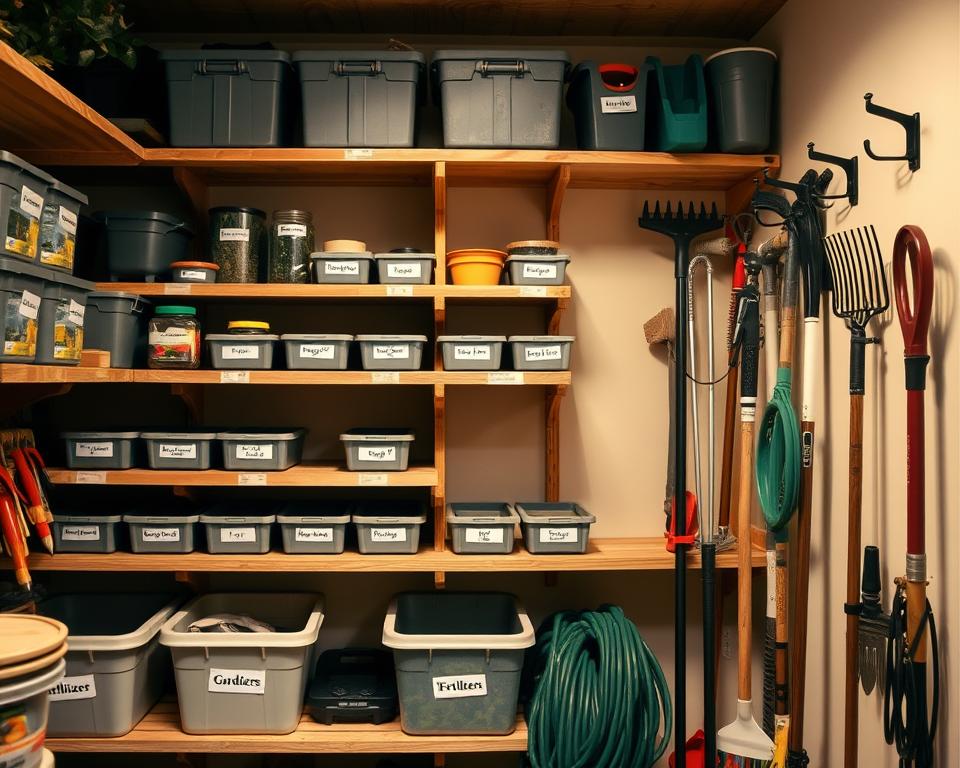
Stackable containers maximise vertical space utilisation effectively. They create organised compartments for smaller accessories and supplies. Labelling each container ensures quick identification of contents.
Different materials suit various storage needs. Plastic containers resist moisture effectively in garden environments. Wooden boxes offer aesthetic appeal while metal provides superior durability.
Mobile units with castor wheels enhance flexibility significantly. They facilitate cleaning and allow temporary relocation of equipment. This feature proves particularly useful during seasonal projects.
For personal protective equipment, dedicated drawers work exceptionally well. Custom-built wooden boxes with runners create organised spaces for gloves and safety gear. This approach keeps essential protective tools easily accessible.
Strategic placement ensures optimal functionality. Frequently used containers should occupy positions near the entrance. Seasonal items can be stored in less accessible locations within the shed.
Labelling and Marking Storage Areas
Labelling transforms a well-ordered space into one where every item can be located in seconds. It is the critical element that ensures a system remains intuitive for everyone who uses it. Clear markers eliminate guesswork and prevent the frustration of rummaging.
Various methods suit different needs within a garden shed. Waterproof adhesive labels offer a permanent way to identify contents on bins and drawers. Chalkboard tags provide flexibility, allowing for easy updates as collections change.
For pegboards, tracing the outline of tools with a marker creates a powerful visual guide. This simple technique makes it instantly obvious when an item is missing or has been returned to the wrong place. It reinforces the habit of returning tools correctly.
Colour-coding is another effective strategy. Assigning specific colours to different categories, like pruning or digging equipment, speeds up the process of finding what you need. It works without requiring close reading of labels.
| Labelling Method | Best For | Durability |
|---|---|---|
| Adhesive Labels | Bins, drawers, shelves | High (waterproof) |
| Chalkboard Tags | Frequently changed items | Medium |
| Tool Outlines | Pegboards, wall hooks | Permanent |
| Colour-Coded Tape | Zones, categories | High |
An embossing label maker, such as a DYMO Omega, produces clean, professional labels for compartment organisers. Labelling each section with a name or number helps anyone quickly find the right implement.
It is important to periodically review and update labels. As the collection of equipment evolves, the labelling system should adapt. This maintains its accuracy and ensures the storage area remains highly efficient over time.
Seasonal Rotation of Garden Tools
The changing seasons dictate different gardening needs, making the rotation of equipment a smart strategy for space optimisation. This practice ensures that prime, easily accessible spots are reserved for items currently in use. It is an effective method for those with limited space or anyone wishing to maintain a tidy environment.
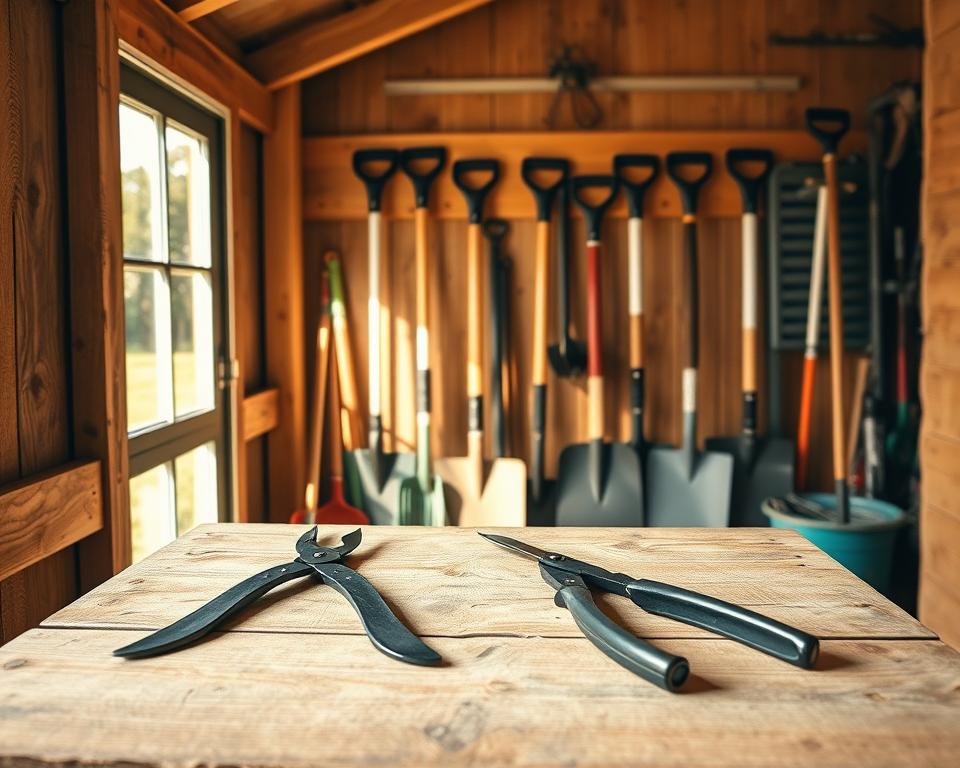
Creating a simple schedule aligned with the gardening calendar is the first step. For instance, during winter, a lawnmower can be stored at the back of the shed. Meanwhile, snow shovels and salt spreaders should be kept within easy reach.
Storing Off-Season Equipment Securely
When tools are not needed for an extended period, proper preparation is crucial. They should be cleaned thoroughly to prevent dirt from causing damage. A light coating of oil on metal parts protects against rust.
Off-season items are best kept in less accessible areas. The loft of a shed, a back corner, or a supplementary storage box are ideal locations. A product like the BillyOh Durabox offers a compact, 270-litre alternative to a shed.
Another clever solution is a bench with built-in storage. This multi-functional furniture keeps seasonal items out of the way. It also provides valuable extra seating when not in use.
This rotation system not only saves space but also creates a natural opportunity for maintenance. Each time items are rotated, they can be inspected for wear and tear. This proactive approach extends the life of your valuable equipment.
Optimising Storage with Customisable Systems
Unlike fixed installations, modular storage arrangements evolve alongside a gardener’s needs. This adaptability proves invaluable as collections grow and requirements change over seasons.

Adjustable shelving systems offer significant advantages over permanent fixtures. Twin slot configurations with movable brackets provide exceptional strength while maintaining flexibility. Gardeners can reconfigure their layout without major renovations.
Adjustable Shelving and Modular Inserts
Fixed timber shelving screwed directly to spars represents a cheaper initial investment. However, it lacks the versatility of adjustable solutions. When accumulating equipment, fixed systems often require complete rearrangement.
Modular components create truly adaptable storage environments. These include:
- Repositionable hooks for changing tool arrangements
- Adjustable brackets that accommodate various shelf depths
- Modular drawer inserts for small item organisation
- Reconfigurable pegboard accessories
Planning for expansion is crucial when implementing customisable systems. Leaving room for additional components ensures the setup can grow with the collection. Selecting versatile mounting systems provides long-term flexibility.
The initial investment in adjustable solutions often yields substantial returns. It prevents the need for complete storage overhauls as gardening interests expand. This future-proofing approach saves both time and money in the long term.
Maintaining an Organised Garden Storage System
The real value of a well-planned storage system is revealed over time. Its effectiveness depends entirely on consistent upkeep. Proper maintenance ensures equipment remains in good condition and the system stays functional.
After every use, implements should be cleaned and dried thoroughly. This simple habit prevents rust and corrosion. Applying a light oil periodically protects metal surfaces from wear.
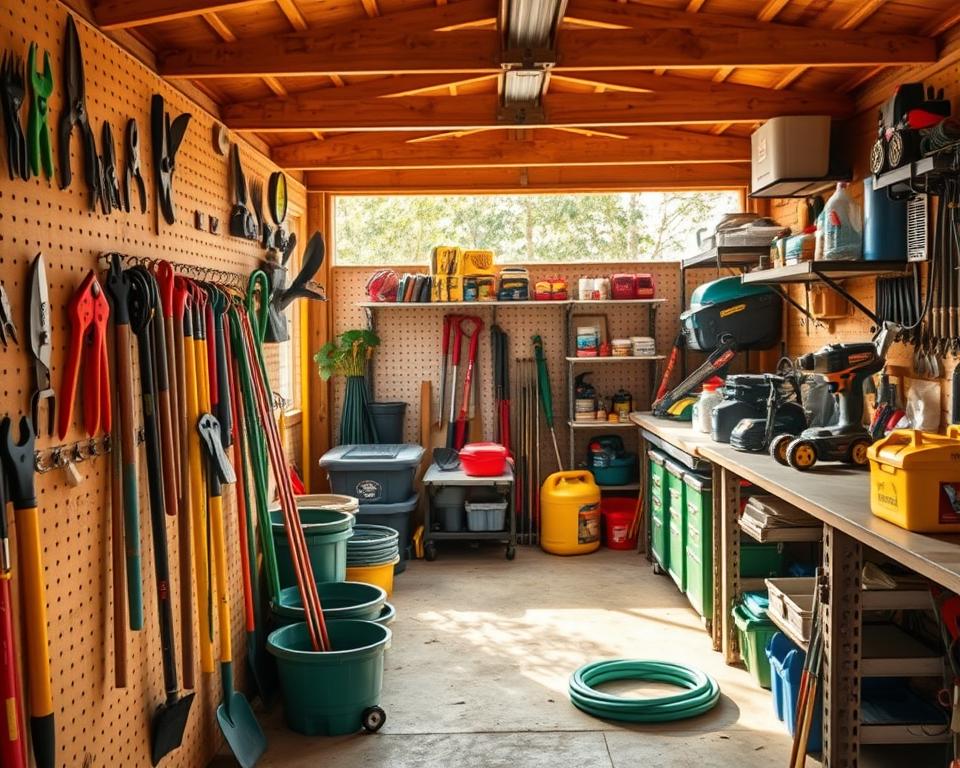
Storing items in a cool, dry place is essential for longevity. Damp conditions can quickly damage even the best equipment. A consistent routine makes these practices second nature.
The discipline of returning each item to its designated spot is crucial. This habit prevents clutter from accumulating. It ensures the system works as intended without extra effort.
Regular checks help identify any issues early. A quick review every few months keeps everything running smoothly. Minor adjustments can be made before problems escalate.
| Maintenance Task | Frequency | Benefit |
|---|---|---|
| Clean and dry | After each use | Prevents rust |
| Apply lubricant | Quarterly | Reduces wear |
| System review | Seasonally | Maintains efficiency |
This proactive approach saves significant time in the long run. It protects your investment and makes every gardening session more enjoyable. A little regular care goes a very long way.
Ensuring Safety and Easy Accessibility
A well-designed storage area prioritises both accessibility and hazard reduction. This approach protects users from potential injuries while making equipment retrieval straightforward.

Height-based placement is crucial for safety. Heavy items belong at mid-level to prevent strain. Sharp implements require secure positioning away from pathways.
| Safety Principle | Implementation | Risk Prevented |
|---|---|---|
| Height placement | Heavy items at waist level | Lifting injuries |
| Sharp tool security | Blade guards, proper hooks | Cuts and punctures |
| Chemical storage | Below eye level, ventilated | Spills and fumes |
| Floor clearance | Tools off the ground | Tripping hazards |
Hazardous materials like paints need careful handling. Store them below eye level to prevent accidental spills. Ensure adequate ventilation for chemical storage areas.
Accessibility considerations accommodate different users. Position frequently used items within comfortable reach. This encourages proper tool return after use.
Good lighting enhances safety significantly. It prevents accidents and facilitates quick identification. A well-lit space makes every gardening session safer.
Innovative DIY Solutions for Tool Storage
Budget-conscious gardeners can achieve remarkable organisation through simple do-it-yourself projects. These creative approaches transform ordinary materials into functional storage systems.
Many diy solutions cost little but deliver excellent results. They allow for complete customisation to suit individual needs.
Creative Upcycling and Budget-Friendly Hacks
PVC gutter pipes make excellent organisers for small implements. Simply cut sections and mount them to create instant tool holders.
Wooden pallets offer sturdy storage for heavier equipment. A few nails secure rakes and spades neatly against the wall.
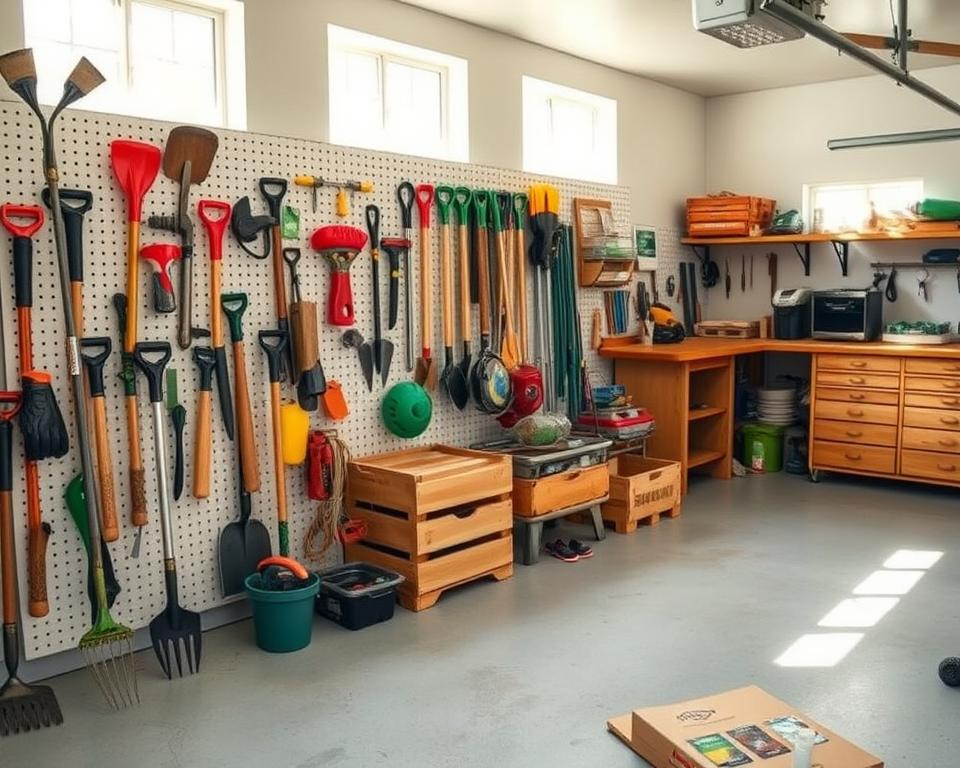
Old buckets suspended from hooks keep items accessible yet off the floor. Repurposed CD racks become perfect drill organisers with minor modifications.
Implementing Personalised Storage Projects
Magnetic tool strips provide versatile storage for metal implements. They keep frequently used items within easy reach.
Basic boxes crafted from offcuts create custom drawer systems. These personalised solutions fit specific tools perfectly.
Scrap wood can be fashioned into angled shelf units for caulk tubes. This approach maximises every inch of shed space efficiently.
These diy ideas prove that effective gardening organisation need not be expensive. They offer the satisfaction of creating bespoke solutions.
Conclusion
A systematic approach to tool storage culminates in a far more rewarding gardening experience. By assessing available space, decluttering, and implementing practical solutions, any gardener can achieve an orderly system.
The benefits are substantial. It saves time, extends the life of valuable equipment, and enhances safety. These tips demonstrate that success lies in creating a setup that works for the individual, not in achieving perfection.
Starting with a basic plan and refining it over time is the most effective strategy. The initial effort pays long-term dividends. Consistency in returning items to their designated spots is the key to maintaining the system.
Ultimately, a well-ordered shed or storage area transforms a potential chore into a seamless and enjoyable activity. It allows the gardener to focus on the pleasure of the garden itself.
FAQ
What is the first step in organising garden tools?
The initial step involves assessing the storage space and conducting a full inventory of all garden tools. This process helps identify available area and the specific items requiring organisation.
How can one maximise storage in a small garden shed?
Utilising vertical space is key. Installing wall-mounted solutions such as pegboards, hooks, and adjustable racks can dramatically increase storage capacity without occupying valuable floor space.
Why is it important to categorise garden tools?
Categorising tools by use and size streamlines gardening tasks. It creates a logical system, saving time and effort by ensuring each item has a designated place.
What should be done with damaged or unused tools?
Damaged or unused items should be sorted out. Tools beyond repair can be disposed of responsibly, while those in good condition but not needed can be donated or sold to declutter the storage area.
Are there budget-friendly storage solutions available?
Absolutely. DIY projects, such as creative upcycling of old furniture or installing simple shelving, offer effective and personalised storage options without a significant financial outlay.
How does seasonal rotation benefit tool storage?
Seasonal rotation involves storing off-season equipment securely away from frequently used items. This practice keeps the main storage area organised and ensures easy access to tools relevant to the current time of year.
What are the advantages of a customisable storage system?
Adjustable shelving and modular inserts allow the storage system to adapt to changing needs. This flexibility is ideal for accommodating tools of various sizes and shapes as one’s collection evolves.
How can one maintain an organised garden storage system?
Regular maintenance involves returning tools to their designated places after use and performing periodic checks. This habit preserves order and makes it easier to spot any issues, such as rust or damage, early on.
Why is safety important in garden tool storage?
Proper storage prevents accidents. Sharp tools should be stored securely, and heavy items should be placed on lower shelves to minimise the risk of injury and keep the space safe for everyone.
Can freestanding units be useful for garden storage?
Yes, freestanding units and stackable containers offer versatile storage solutions. They are particularly useful for holding smaller items and can be rearranged as needed to suit the available space.