
Planting & Caring for Boxwood – Controlling Box Tree Moth

You take pride in your garden, and your boxwood plants are a vital part of its aesthetic appeal. However, the presence of the box tree moth and its caterpillars can quickly turn your lush greenery into a devastated landscape.
As a gardener in the United Kingdom, you’re likely no stranger to the challenges posed by pests in your garden. The box tree moth is a particularly troublesome pest that can cause significant damage to your boxwood. In this comprehensive guide, we’ll explore the essential aspects of maintaining healthy boxwood and controlling the box tree moth.
Inhaltsverzeichnis
Key Takeaways
- Understand the importance of maintaining healthy boxwood in your garden.
- Learn how to identify box tree moth infestations early.
- Discover various control methods, from organic to chemical solutions.
- Explore preventative strategies and recovery techniques for damaged plants.
- Consider alternatives to traditional boxwood for your garden.
Understanding Boxwood Plants and Their Popularity
Boxwood plants have become a staple in British gardens due to their versatility and aesthetic appeal. They are highly valued for their ability to be neatly trimmed and shaped, making them ideal for formal gardens. You can use them to frame other plants or features, and they are perfect for growing under windows or around trees in small front yards.
Common Uses in British Gardens
In British gardens, boxwood is often used to create a textured understory of shrubs. Many varieties stay green through the winter, providing year-round interest. You can also use them to create topiaries, borders, or hedges, adding structure and beauty to your garden.
Types of Boxwood Suitable for UK Climate
Several box varieties perform exceptionally well in the UK’s climate. For instance, Buxus sempervirens (common box) is widely planted. Other suitable varieties include Buxus microphylla ‘Faulkner’, which offers excellent cold hardiness, and Buxus sempervirens ‘Suffruticosa’ (dwarf box), which is ideal for smaller gardens or container planting. When selecting a variety, consider factors such as growth rate, ultimate size, and disease resistance to ensure you choose the best box for your needs.
The Box Tree Moth Threat
The box tree moth, Cydalima perspectalis, is a destructive pest that has been wreaking havoc on boxwood plants in the UK. Understanding the threat it poses is crucial for gardeners to protect their plants effectively.
Origin and Spread in the UK
The box tree moth is an invasive species that has spread rapidly across the UK. Originally from Asia, it has become a significant pest in European gardens, including those in the UK. The moth’s spread can be attributed to the increasing trade of plants and climate change, which has facilitated its establishment in new territories.
Life Cycle of Cydalima perspectalis
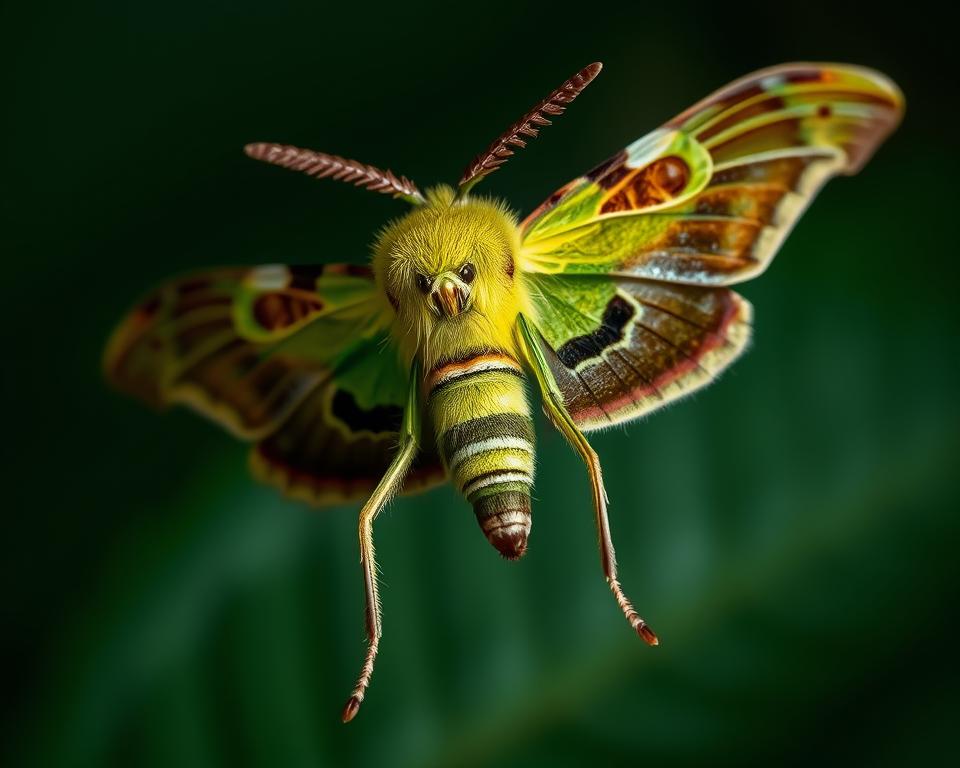
The life cycle of Cydalima perspectalis begins with adult moths laying clusters of pale yellow, flattened eggs on the undersides of boxwood leaves. After approximately one week, the eggs hatch into young caterpillars that feed on the foliage, creating characteristic webbing. The caterpillars go through several growth stages before pupating within a cocoon of white silk webbing among the foliage. The adult moths emerge after about two weeks, and the cycle repeats. In the UK, Cydalima perspectalis typically produces 2-3 generations per year, with caterpillars active from March through October.
As stated by gardening experts, “Understanding the life cycle of Cydalima perspectalis is crucial for effective timing of control measures against this destructive pest.”
Identifying Box Tree Moth Infestations
The key to controlling box tree moth lies in identifying the infestation early. To do this, you need to know what signs to look for.
Early Warning Signs
One of the first signs of a box tree moth infestation is the presence of eggs on the undersides of leaves. These eggs are small, pale yellow, and flat, often overlapping each other. You may also notice the moths themselves flying off the plants when disturbed; they have white wings with a brown border or completely brown wings, approximately 4cm across.
Webbing and Leaf Damage
As the infestation progresses, you may observe webbing among the foliage and significant leaf damage. The caterpillars feed from the inside out, leaving behind copious amounts of droppings known as frass – pale yellow flakes. You may also notice the pupae in cocoons of white webbing among the foliage.

Caterpillar Identification
Correctly identifying box tree moth caterpillars is essential for confirming an infestation. Young caterpillars are approximately 1-2cm long with green or yellow bodies and black heads. As they mature, they grow to 3-4cm in length and develop black and white stripes along their bodies. When disturbed, these caterpillars often flick their bodies vigorously or drop from the plant on silken threads.
By being aware of these signs and taking prompt action, you can protect your boxwood plants from the devastating effects of the box tree moth.
Planting & Caring for Boxwood – Controlling Box Tree Moth
Creating an environment where boxwood can flourish involves more than just planting; it includes ongoing care to combat pests like the box tree moth. To keep your boxwood healthy and resilient, you need to focus on both the initial planting conditions and the seasonal care requirements.
Optimal Planting Conditions
When planting boxwood, choosing the right location is crucial. Boxwood prefers well-drained soil and partial shade, especially in warmer climates. Ensure the soil is not too wet or dry, as this can affect the plant’s health. 
Proper spacing is also vital to prevent the spread of disease and pests. Planting boxwood with enough space between each plant allows for good air circulation, which can help prevent fungal diseases.
Seasonal Care Requirements
Proper seasonal care enhances boxwood’s resilience against pests and diseases. In spring, inspect your plants for overwintering caterpillars and gradually remove winter protection. Apply a balanced, slow-release fertiliser in early June, following the package directions carefully.
| Season | Care Activity | Timing |
|---|---|---|
| Spring | Inspect for caterpillars, remove winter protection | As temperatures rise |
| Summer | Water deeply during droughts | When top 2-3cm of soil feels dry |
| Autumn | Apply second fertiliser application | Mid-October |
Throughout the year, maintain a consistent monitoring schedule for signs of box tree moth and adjust your care routine accordingly. By doing so, you can make sure your boxwood remains healthy and pest-free.
Organic Control Methods
Organic control methods offer a sustainable approach to managing box tree moth infestations. By adopting these methods, you can protect your boxwood plants without causing harm to the environment or disrupting the natural balance of your garden.
Manual Removal Techniques
Manual removal is a straightforward and effective method for controlling box tree moths, especially in the early stages of infestation. You can manually inspect your boxwood plants regularly, removing any visible caterpillars and egg masses. It’s essential to dispose of these pests properly to prevent re-infestation. Regular monitoring and removal can significantly reduce the moth population, helping to protect your plants.
Natural Predators
Encouraging natural predators in your garden is another effective organic control method. Birds such as blue tits, great tits, and jackdaws have been observed feeding on box tree moth caterpillars. Creating a bird-friendly garden with nesting boxes, water sources, and native plants can attract these beneficial visitors. Additionally, beneficial insects like ground beetles, lacewings, and certain parasitic wasps may prey on box tree moth eggs and young caterpillars. By maintaining a diverse and welcoming garden environment, you can harness the power of wildlife to help control box tree moth populations.

Biological Control Options

Biological control methods offer a targeted approach to managing box tree moth infestations without causing widespread harm to other species. These methods are particularly appealing to gardeners looking for environmentally friendly solutions.
Bacillus thuringiensis (Bt) Applications
Bacillus thuringiensis (Bt) is a bacterium that produces proteins toxic to certain insect larvae, making it an effective biological control agent against the box tree moth. When you spray Bt on boxwood, the caterpillars ingest the toxin as they feed on the treated leaves, leading to their death.
To ensure the effectiveness of Bt treatment, it is crucial to apply it at the right time. This means waiting until the temperature reaches at least 15°C, as caterpillars are more active and feeding at this temperature.
Timing and Effectiveness
The timing of Bt applications is critical for maximising their effectiveness. You should apply Bt when caterpillars are actively feeding, typically during the spring and subsequent generations throughout the year. Make sure to inspect your plants regularly and reapply Bt as necessary, as its effectiveness lasts only 7-10 days due to breakdown by UV light.
- The timing of biological control applications is crucial for maximising their effectiveness against box tree moth caterpillars.
- Apply treatments when temperatures consistently reach at least 15°C, as caterpillars become actively feeding at this threshold and will consume the treated foliage.
- Target application periods to coincide with the emergence of young caterpillars, typically during three main periods in the UK: mid-May to mid-June, mid-July to mid-August, and early September.
- Weather conditions significantly impact effectiveness—apply on dry, calm days with no rain forecast for at least 24 hours to prevent the product from washing off.
- Make sure to thoroughly inspect plants 5-7 days after application and reapply if new caterpillars are observed, as biological controls do not provide residual protection beyond 7-10 days.
- For complete protection throughout the growing season, plan for multiple applications timed to target each generation of the moth, typically requiring 6-9 treatments per year.
- The effectiveness of biological controls can vary based on the size and age of caterpillars, with younger instars being more susceptible than mature caterpillars.
Chemical Control Solutions

For gardeners dealing with persistent box tree moth problems, chemical insecticides offer a viable, albeit cautious, solution. While not as environmentally friendly as biological controls, they can be effective when used correctly.
Available Insecticides in the UK
In the UK, various insecticides are available for controlling box tree moth. These include products containing pyrethroids and neonicotinoids, which are known for their efficacy against a wide range of pests. When selecting an insecticide, it’s crucial to choose a product that is specifically labelled for use against box tree moth and follows the recommended dosage to minimise risks to other insects and the environment.
Application Guidelines and Precautions
When applying chemical controls, carefully follow all label instructions regarding dosage, timing, and application methods. Wear protective clothing, including gloves and eye protection, to avoid exposure. Apply sprays during early morning or evening when beneficial insects are less active. Avoid spraying on windy days or when plants are in flower to prevent drift and harm to pollinators. Multiple applications may be necessary to target newly hatched moths and their caterpillars, typically spaced 10-14 days apart.
Preventative Measures
Effective prevention is key to safeguarding your boxwood against the box tree moth. By adopting a proactive approach, you can significantly reduce the risk of infestation and protect your plants.
Regular Monitoring Strategies
Regular monitoring is essential for early detection of box tree moth activity. Inspect your boxwood plants frequently, looking for signs of webbing, leaf damage, or caterpillars. Early detection allows for timely intervention, reducing the risk of severe damage.
| Monitoring Activity | Frequency | Action |
|---|---|---|
| Inspect boxwood plants | Weekly during growing season | Look for webbing, leaf damage, or caterpillars |
| Check pheromone traps | Every 4-6 weeks | Replace sticky inserts and pheromone lures as needed |
Pheromone Traps and Their Use
Pheromone traps are a valuable tool in managing box tree moth populations. These traps use a synthetic pheromone that mimics the female moth’s attractant, luring male moths into the trap and disrupting the breeding cycle.  By positioning traps near boxwood plantings in late April, you can monitor moth activity and take prompt action if necessary.
- Use 1-2 traps for small gardens and up to 4-5 traps per hectare for larger properties.
- Position traps at a height of 1.5-2 metres near boxwood.
- Monitor and record trap catches to identify peak flight periods.
Integrated Pest Management for Boxwood
Effective management of box tree moth requires a comprehensive approach that integrates multiple control methods. This strategy ensures that your boxwood remains healthy and protected throughout the year.
Combining Multiple Control Methods
You can manage box tree moth by combining different control methods. This includes manual removal techniques, biological control options, and chemical control solutions. By integrating these methods, you can effectively control the moth population.
Creating a Year-Round Protection Plan
To protect your boxwood effectively, you need to create a year-round protection plan. This involves regular inspections, pruning, and treatment at different times of the year. The following table outlines a suggested protection plan:
| Time of Year | Action |
|---|---|
| Late Winter (Feb-Mar) | Inspect and prune boxwood to remove overwintering caterpillars |
| Early Spring | Install pheromone traps to monitor adult moth emergence |
| April-October | Regular inspections with increased vigilance during May-June, July-Aug, and September |
| Autumn | Conduct final inspection, treat if necessary, and clean up debris |
| Winter | Research latest control methods and adjust protection plan |

Rejuvenating Damaged Boxwood
Revitalizing damaged boxwood is achievable through careful pruning, fertilization, and support. When boxwood is damaged, particularly by pests like the box tree moth, it requires immediate and appropriate care to recover.
Pruning Techniques for Recovery
Pruning is a critical step in rejuvenating damaged boxwood. You should remove any dead or damaged foliage and stems to prevent the spread of disease and encourage new growth. Use clean, sharp pruning tools to make precise cuts, and consider removing any heavily infested or damaged sections to prevent further harm. This process helps the plant to redirect its energy towards healthy growth.
Fertilisation and Support
Appropriate fertilisation and support measures are crucial for helping damaged boxwood recover. Apply a balanced, slow-release fertiliser in early spring to promote new growth. Additionally, consider supplementing with liquid seaweed or compost tea every 4-6 weeks during the growing season. Maintain a consistent watering schedule, ensuring the soil remains moist but not waterlogged. For plants with significant bark damage, consider applying a protective wound dressing. Monitor recovering plants closely for the first year after damage, adjusting care as needed.
Alternatives to Boxwood for British Gardens

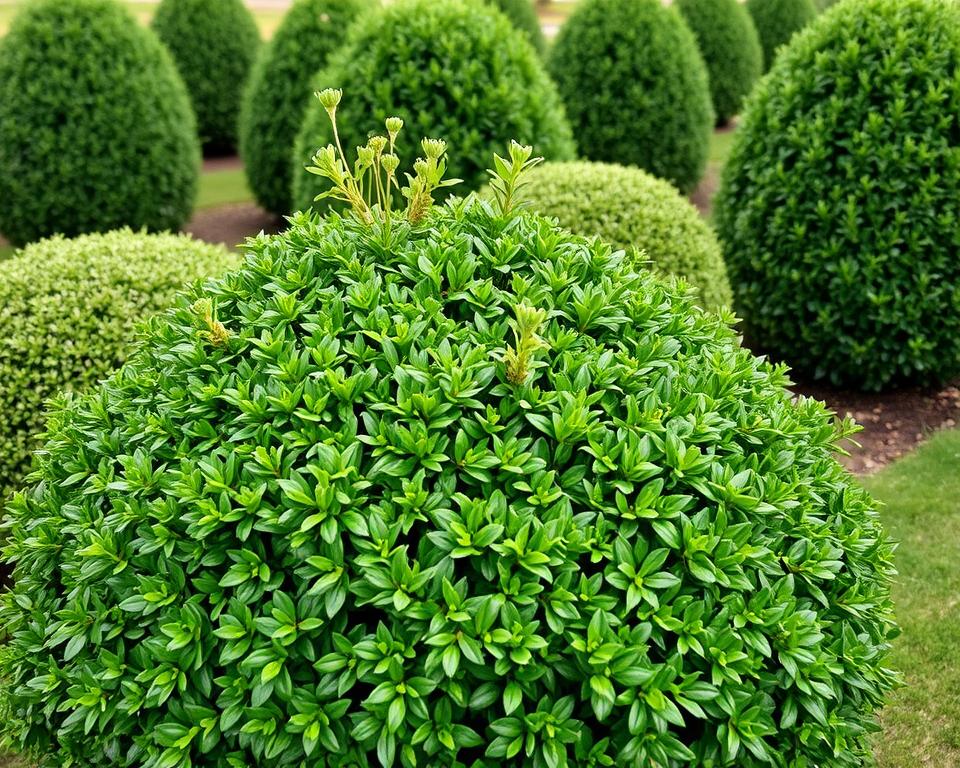
Gardening without boxwood is now a viable option thanks to several alternatives. If you have lost plants to box tree caterpillar or box blight, or are simply looking for a change, there are numerous options to consider for your gardens.
Native Plant Options
For a more traditional British look, consider native plants that can serve a similar purpose to boxwood. Native plants are generally more resilient and require less maintenance. Examples include:
- Native shrubs that can be clipped into formal shapes.
- Plants with dense foliage for hedging.
Similar-Looking Non-Native Substitutes
Several non-native plants offer visual characteristics similar to boxwood while being more resistant to common boxwood problems. For example, Ilex crenata (Japanese holly) is a close boxwood lookalike, featuring small, dense foliage that responds well to clipping.
- Lonicera nitida provides rapid growth and small leaves for neat, clipped forms.
- Euonymus japonicus varieties, like ‘Microphyllus’, offer dense growth habits.
- Pittosporum tenuifolium ‘Golf Ball’ creates naturally rounded forms.
- Osmanthus × burkwoodii combines a boxwood-like appearance with fragrant spring flowers.
Environmental Considerations and Wildlife Impact
Box tree moth management has significant environmental considerations that gardeners must acknowledge. As you strive to protect your boxwood, it’s essential to consider the broader ecological implications of your actions.
Effects on Local Ecosystems
The presence of box tree moth and its management can significantly affect local ecosystems. The way you manage this pest can either mitigate or exacerbate its impact on the environment. For instance, the use of chemical controls can have unintended consequences on beneficial wildlife.
- Chemical controls can harm non-target species.
- Biological controls offer a more targeted approach.
Sustainable Gardening Practices
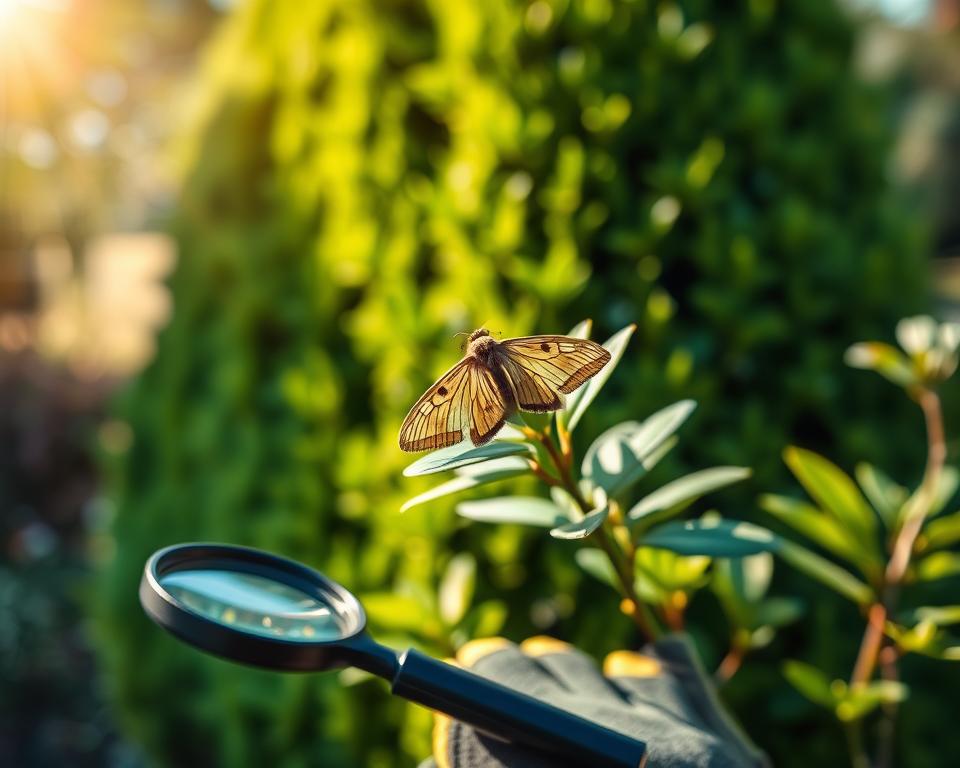
Adopting sustainable gardening practices is crucial for mitigating the environmental impact of box tree moth management. This includes creating diverse plantings rather than monocultures, which can limit the spread of pests and diseases.
- Implement cultural practices that reduce chemical dependence.
- Properly dispose of infested plant material.
- Stay informed through reputable sources like the Royal Horticultural Society.
By embracing these practices, gardeners can contribute to a more resilient garden ecosystem.
Conclusion
Managing box tree moth effectively requires a comprehensive approach tailored to your garden’s specific needs. To maintain healthy boxwood, you must be vigilant and proactive.
Your decision to keep boxwood or opt for alternative plants should be based on the plant’s value to your garden and your ability to manage the moth. This guide provides you with tips on detection, control, and recovery.
As the box tree moth continues to spread across the UK, staying informed is crucial. Remember, successful control involves consistent application of multiple strategies, including managing caterpillars and moths effectively.
By following this guide, you’ll be able to maintain a beautiful and resilient garden, protecting your tree from the invasive pest.
FAQ
What is the Box Tree Moth and how does it damage boxwood plants?
The Box Tree Moth, Cydalima perspectalis, is a pest that lays eggs on boxwood leaves. The hatched caterpillars feed on the leaves and bark, causing significant damage and potentially killing the plant.
How can I identify a Box Tree Moth infestation in my garden?
Look for early warning signs such as small holes in leaves, webbing, and caterpillar droppings. Inspect your boxwood plants regularly, especially during the caterpillar’s active periods in spring and summer.
What are the most effective organic control methods for Box Tree Moth?
Manual removal of caterpillars and eggs, using Bacillus thuringiensis (Bt) applications, and encouraging natural predators are effective organic control methods. Regular monitoring and pruning infested areas can also help control the pest.
Can I use chemical insecticides to control Box Tree Moth?
Yes, chemical insecticides are available in the UK to control Box Tree Moth. However, it’s essential to follow application guidelines and take precautions to avoid harming beneficial insects and the environment.
How can I prevent Box Tree Moth infestations in my garden?
Regular monitoring, using pheromone traps, and maintaining good garden hygiene can help prevent infestations. Consider using a combination of control methods as part of an Integrated Pest Management plan.
Are there any alternatives to boxwood that I can use in my garden?
Yes, there are native plant options and non-native substitutes that can provide a similar look to boxwood. Consider using plants that are more resistant to pests and diseases, and require less maintenance.
How can I rejuvenate damaged boxwood plants?
Prune damaged areas, fertilise the plant, and provide support to help it recover. Monitor the plant closely for signs of further infestation or disease.
What are the environmental considerations when controlling Box Tree Moth?
When controlling Box Tree Moth, consider the potential impact on local ecosystems and beneficial insects. Choose control methods that are targeted and minimise harm to non-target organisms.

