What to Look for in a Woodworking Shed: A Comprehensive Guide
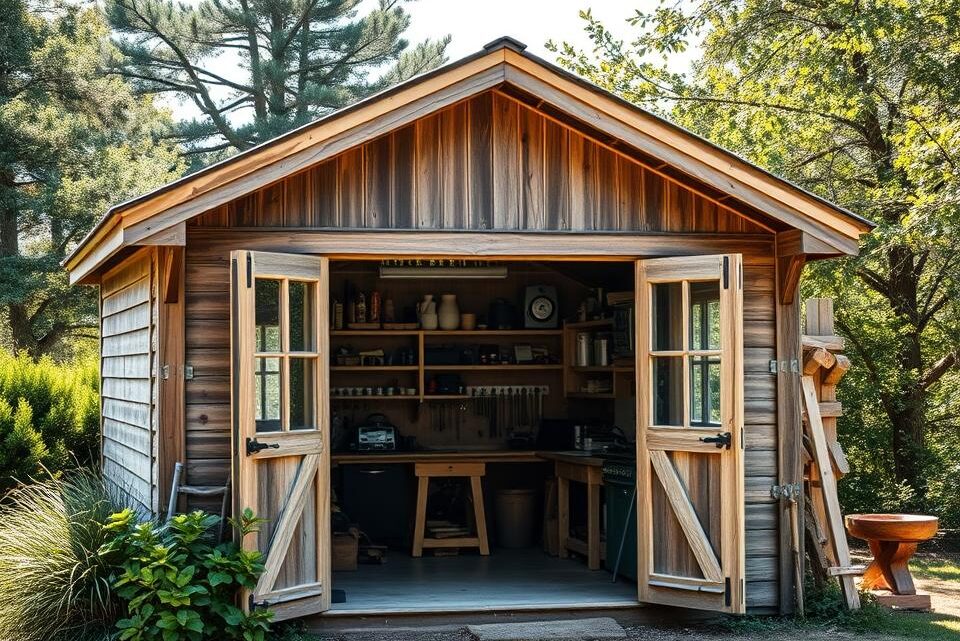
Selecting the right workshop environment is crucial for any woodworking enthusiast. This comprehensive guide explores the essential considerations when choosing a dedicated space for woodworking projects. Unlike standard garden storage, a proper workshop requires specific features to support craftsmanship effectively.
The structural integrity and layout of a woodworking shed differ significantly from ordinary storage solutions. Proper planning ensures the space accommodates both current projects and future expansion. Craftspeople need to assess their requirements carefully before making an investment.
This guide covers critical aspects including appropriate dimensions, construction quality, and ventilation systems. It also addresses organisational features that transform a basic structure into a productive workshop. The information draws from industry expertise and real-world experiences.
Inhaltsverzeichnis
Key Takeaways
- A woodworking shed requires different specifications compared to standard garden storage
- Structural integrity is paramount for supporting heavy equipment and tools
- Proper ventilation systems are essential for safety and comfort
- Consider both current and future project requirements when planning the space
- Organisational features significantly impact workshop efficiency
- Customisation options allow for creating an optimal working environment
- Professional guidance helps avoid common pitfalls in workshop setup
Understanding Your Woodworking Shed Requirements
A successful garden workshop begins with a thorough evaluation of one’s specific woodworking requirements. This initial assessment ensures the final choice is a perfect fit, both for immediate projects and long-term aspirations.
Assessing Your Space and Project Needs
Craftspeople should start by defining the primary purpose of their workshop. Will it host intricate woodworking, general DIY tasks, or a combination of activities? The nature and scale of these planned projects directly dictate the necessary space.
An accurate inventory of all tools and equipment is essential. This includes everything from hand tools to larger power equipment. Each item requires its own allocated storage and operational area within the workshop.
Considering how the space will be used daily prevents future frustrations. Adequate room for movement and workflow is just as important as storage itself.
Planning for Future Expansion
Forward-thinking is crucial when planning a workshop. Woodworkers often acquire new tools or tackle larger projects over time. The initial design should accommodate this natural growth.
Striking a balance between current needs and future ambitions prevents the common mistake of an outgrown shed. This approach maximises the investment, ensuring the structure remains functional for years to come.
Allocating extra space from the start is a wise strategy. It provides flexibility for future equipment and evolving project requirements without the need for premature replacement.
What to Look for in a Woodworking Shed: Essential Features
Key structural elements transform a simple shed into a productive workspace. The right combination of space, materials, and design creates an environment where craftsmanship can flourish.
Spacious Layout and Floor Area
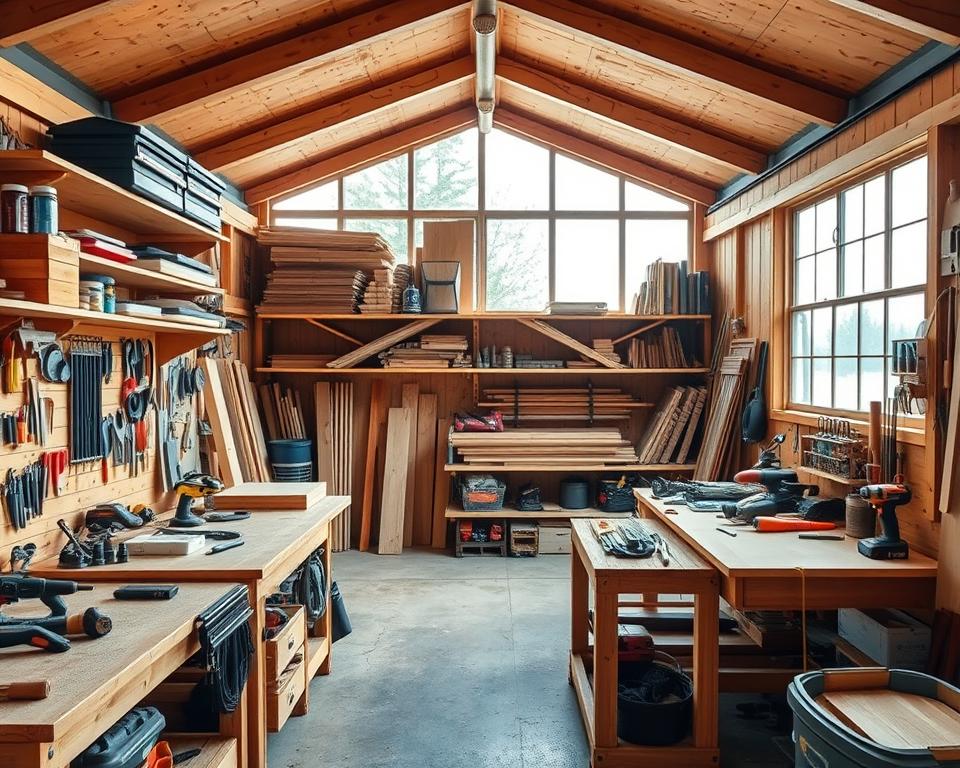
Adequate floor area is paramount for any workshop. Starting dimensions of 10×8 feet provide basic room for movement and tool operation. Larger options like 12×10 feet offer more flexibility for project layouts.
The floor itself must be strong and level. Concrete bases or treated timber joists prevent shifting under heavy equipment. Thin panels cannot support serious workshop demands.
Durable Walls and Robust Cladding
Tongue and groove construction offers superior strength for wall cladding. These interlocking boards create a tight seal against weather elements. Standard 11mm thickness works well, though upgrades to 19mm or thicker provide extra durability.
This building method supports wall-mounted storage systems effectively. The materials can withstand regular use and minor impacts without damage.
High Ceilings and Adequate Ventilation
Internal height of 6.5 to 7 feet allows comfortable movement and overhead storage. Apex roof designs add extra clearance in the centre area. This vertical space is essential for handling tall cabinets or sheet materials.
Proper ventilation maintains air quality during intensive work sessions. Side windows serve dual purposes – they provide natural light while enabling airflow. The BillyOh Expert workshop demonstrates these features effectively with its 12×8 footprint and upgradeable options.
Shed Size Options and Customised Layouts
Workshop sheds present various size configurations to accommodate different project scales and tool collections. The right choice balances available garden space with functional requirements for woodworking activities.
Choosing the Right Dimension for Your Needs
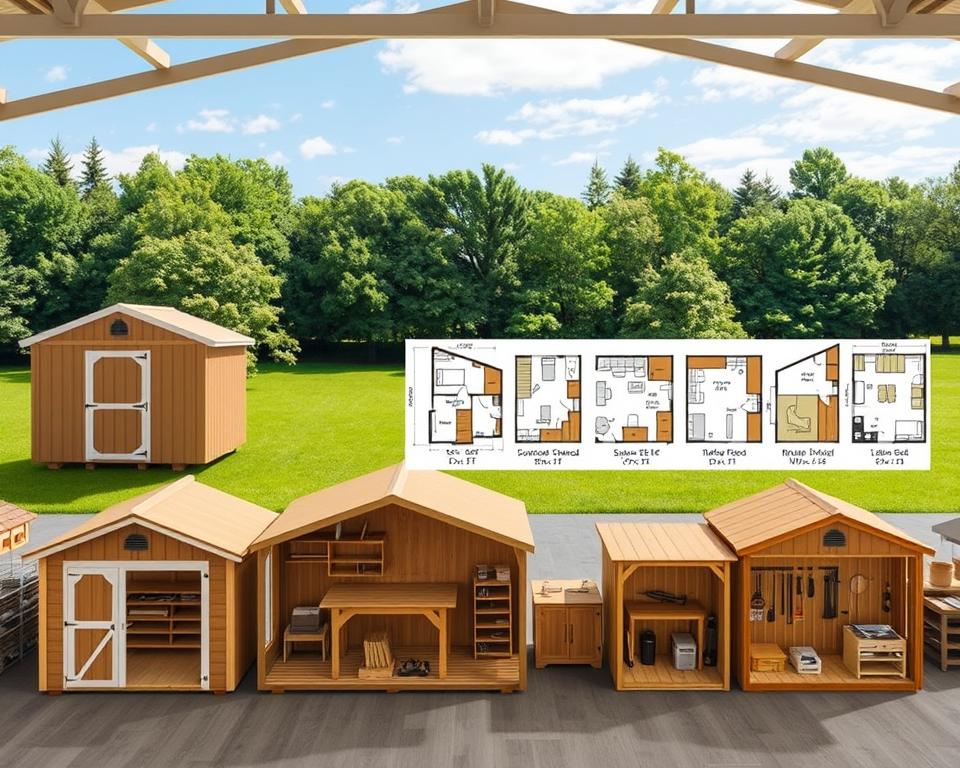
Small sheds ranging from 6x3ft to 10x8ft suit hobbyists with limited space. These compact buildings offer cost-effective solutions for basic projects.
Medium-sized options between 10x8ft and 12x10ft provide enough room for diverse tool collections. They represent the sweet spot for many woodworkers.
Large sheds exceeding 12x16ft cater to professionals requiring multiple workstations. These spacious buildings accommodate extensive equipment and ambitious projects.
Optimal Placement and Ground Preparation
Careful site selection ensures easy access and proper functionality. Consider sunlight exposure for natural lighting benefits.
The ideal area features level, well-drained ground preventing structural issues. Proper clearance around the shed facilitates ventilation and maintenance.
Strategic placement near utilities simplifies power connections if needed. Always verify local regulations before positioning these buildings.
Organising and Personalising Your Workshop Space
The final step in creating an ideal woodworking environment involves implementing smart storage and workspace solutions. Proper organisation transforms the available area into a highly productive setup for various projects.
Innovative Storage and Shelving Ideas
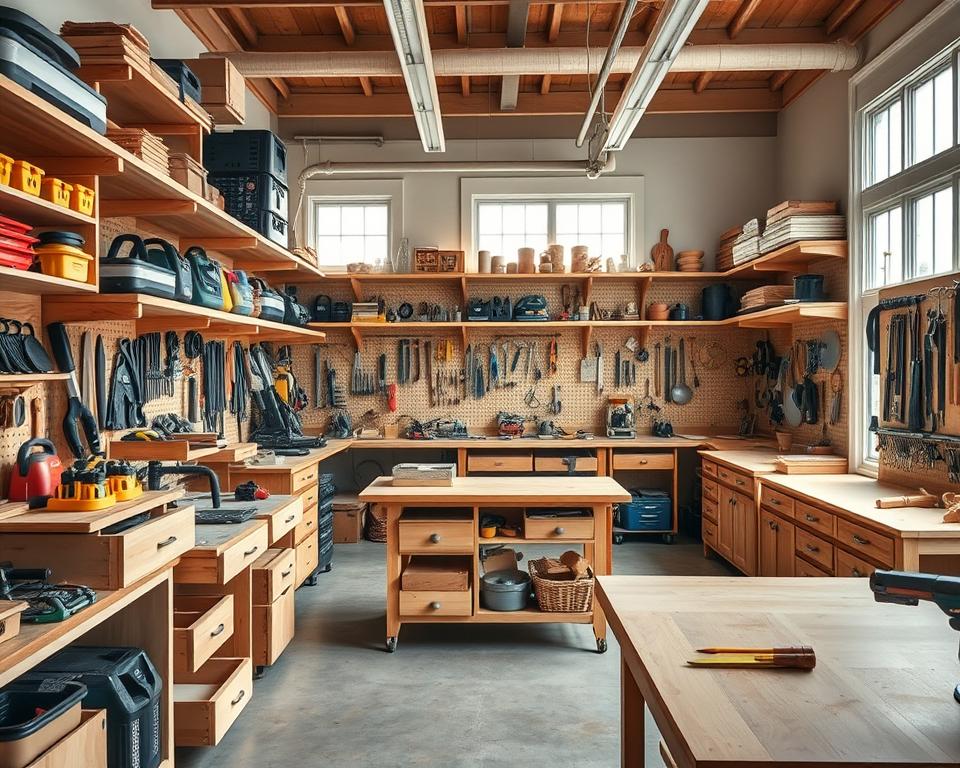
Craftspeople can maximise their workshop’s potential with creative storage systems. Twin slot shelves offer adjustable options that adapt to changing tool collections.
London brackets provide cost-effective alternatives for budget-conscious woodworkers. These sturdy solutions support various shelf materials including OSB offcuts and reclaimed timber.
Vertical space utilisation is crucial for efficient workshops. Roof spars can store larger items like spirit levels and furniture components. Wall-mounted systems keep frequently used tools accessible.
| Storage Type | Materials Required | Best For | DIY Difficulty |
|---|---|---|---|
| Twin Slot Shelves | Brackets, OSB strips | Adjustable storage | Intermediate |
| London Brackets | Pine shelves, screws | Fixed shelving | Beginner |
| Tool Wall System | Wood cladding, screws | Hand tool organisation | Advanced |
| Mobile Storage | Castor wheels, CLS timber | Flexible workspace | Intermediate |
Setting Up a Functional Workbench Area
A well-designed workbench serves as the workshop’s centrepiece. Laminate kitchen worktops mounted on timber supports create durable surfaces.
Mobile options constructed from CLS and OSB offcuts offer flexibility. Castor wheels enable repositioning based on project requirements.
Additional shelving behind the workbench provides convenient storage for hammers and measuring tools. This approach maximises the available workspace efficiently.
Conclusion
A well-chosen workshop space serves as the foundation for woodworking success. This guide has explored the essential considerations for selecting the right garden shed. Proper planning ensures the space meets both current and future project demands.
Woodworking sheds require more than basic dimensions. Structural integrity, cladding thickness, and adequate ventilation are crucial for workshop functionality. These elements create an environment where craftsmanship can thrive over time.
The right garden shed accommodates equipment and materials efficiently. From compact options for hobbyists to larger workshops for professionals, the choice should match the user’s skill level and ambitions. Thoughtful organisation transforms any building into a productive workspace.
By applying these insights, woodworkers can create dedicated spaces that enhance their craft. The investment pays dividends through improved workflow and project outcomes. A properly selected shed becomes a sanctuary for creativity and skill development.
FAQ
What is the ideal floor area for a woodworking shed?
The ideal floor area depends on the scale of projects and the equipment used. A small garden shed might suffice for hand tools, while larger workshops require space for machinery like table saws with ample clearance. A minimum of 10′ x 12′ is a good starting point for serious hobbyists.
Why is ceiling height so important in a workshop?
Sufficient height is crucial for manoeuvring long materials, such as timber or sheet goods, and for operating tall tools safely. A standard 7-foot ceiling is often too low; a height of 8 feet or more is recommended for comfortable and safe woodworking activities.
Should I consider a concrete base for my shed?
A concrete base is highly recommended for a woodworking shed. It provides a solid, level, and durable foundation that prevents movement, protects the building’s structure, and ensures machinery remains stable and accurate during use.
How can I ensure my shed has adequate ventilation?
Good ventilation is essential for air quality and comfort. Look for sheds with windows that open or consider adding roof vents. For a cabin-style workshop, installing an extractor fan can help remove dust and fumes effectively.
What are the best storage options for tools and materials?
Utilise wall space with robust shelving and pegboards for hand tools. For larger items, consider freestanding storage cabinets or building customised racks for timber. Keeping the floor clear is key to a safe and efficient layout.
Can a standard garden shed be converted into a workshop?
Many standard garden sheds can be adapted, but their suitability depends on the building’s construction, size, and security. Reinforcing the floor, improving insulation, and ensuring good access for large projects are common modifications for a DIY conversion.