
Potting Shed Advantages: Reasons to Buy a Potting Shed
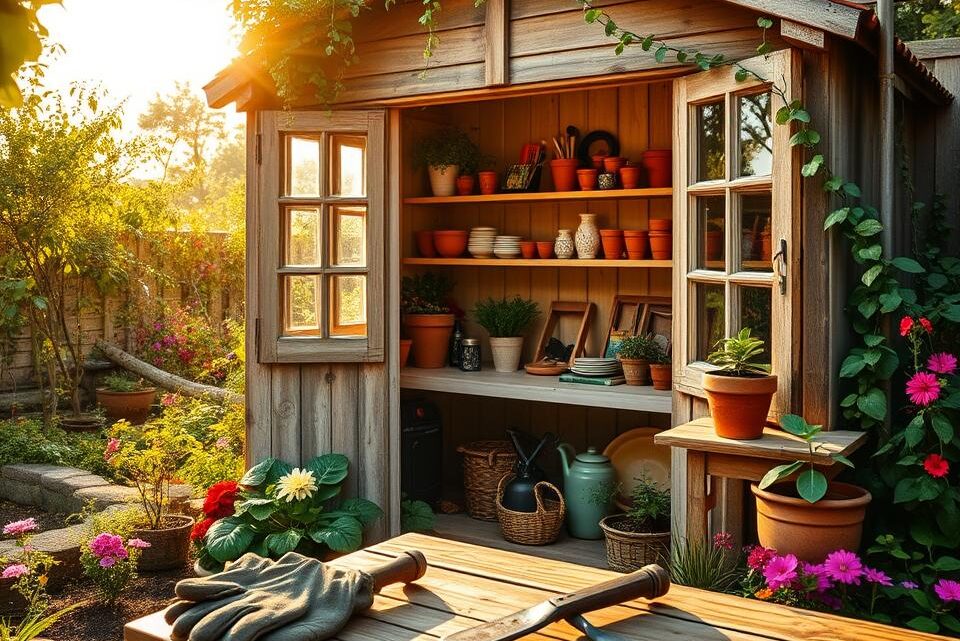
For many gardening enthusiasts across the United Kingdom, having a proper workspace transforms their horticultural activities. A dedicated potting shed offers more than simple storage—it creates an organised environment where plants can thrive regardless of the unpredictable British weather.
This specialised structure combines the protective qualities of a traditional shed with the nurturing capabilities of a greenhouse. Gardeners find they can extend their growing seasons and protect delicate seedlings throughout the year. The controlled environment makes potting and seed sowing possible even during rainy or cold periods.
Modern potting sheds come in various designs and materials to suit different garden aesthetics and functional needs. They provide a sanctuary for cultivating plants while keeping tools and supplies neatly organised. This guide explores how these versatile structures can revolutionise your approach to gardening.
Inhaltsverzeichnis
Key Takeaways
- Provides a dedicated workspace protected from unpredictable British weather conditions
- Combines storage functionality with plant-nurturing capabilities similar to greenhouses
- Enables year-round gardening activities including seed sowing and plant cultivation
- Offers various design options to complement different garden styles and spaces
- Helps extend growing seasons and protects delicate seedlings effectively
- Creates an organised environment for tools and gardening supplies
- Serves as a multifunctional garden building beyond traditional gardening applications
Understanding the Concept of a Potting Shed
A garden building designed for horticultural tasks offers a unique blend of function and shelter. This structure provides a dedicated space for nurturing young plants and organising essential tools.
According to the Cambridge English Dictionary, this type of garden building is defined as “a small building in a garden in which plant containers, young plants, seeds, tools, etc. are kept.” Modern designs, however, extend far beyond simple storage.
Definition and Purpose
This specialised garden building serves as a warm, dry haven for gardeners. It is a place to sow seeds, pot seedlings, and care for plants regardless of the weather outside.
Typically featuring a built-in work surface, it allows for comfortable potting and pruning. The design prioritises a practical workspace while offering secure storage for compost, pots, and equipment.
Differences from a Greenhouse
The main difference lies in the construction materials and primary function. Greenhouses are made mostly from glass to maximise sunlight and heat for plant growth.
In contrast, a potting shed uses materials like timber for solid walls, with strategically placed windows. This design provides a more versatile environment, combining plant care with ample storage space.
| Feature | Greenhouse | Potting Shed |
|---|---|---|
| Primary Material | Glass/Polycarbonate | Timber/Metal |
| Main Purpose | Plant Cultivation | Workstation & Storage |
| Insulation | Minimal | Superior |
| Typical Sizes | Varies widely | 6x6ft to 10x8ft |
This comparison highlights the distinct advantages of each structure. The solid construction of a shed offers better protection for tools and supplies.
Potting Shed Advantages: Reasons to Buy a Potting Shed
Gardening enthusiasts discover new levels of productivity when they have access to a purpose-built horticultural workspace. This dedicated area transforms how people approach plant cultivation throughout the year.
Benefits for Gardening Enthusiasts
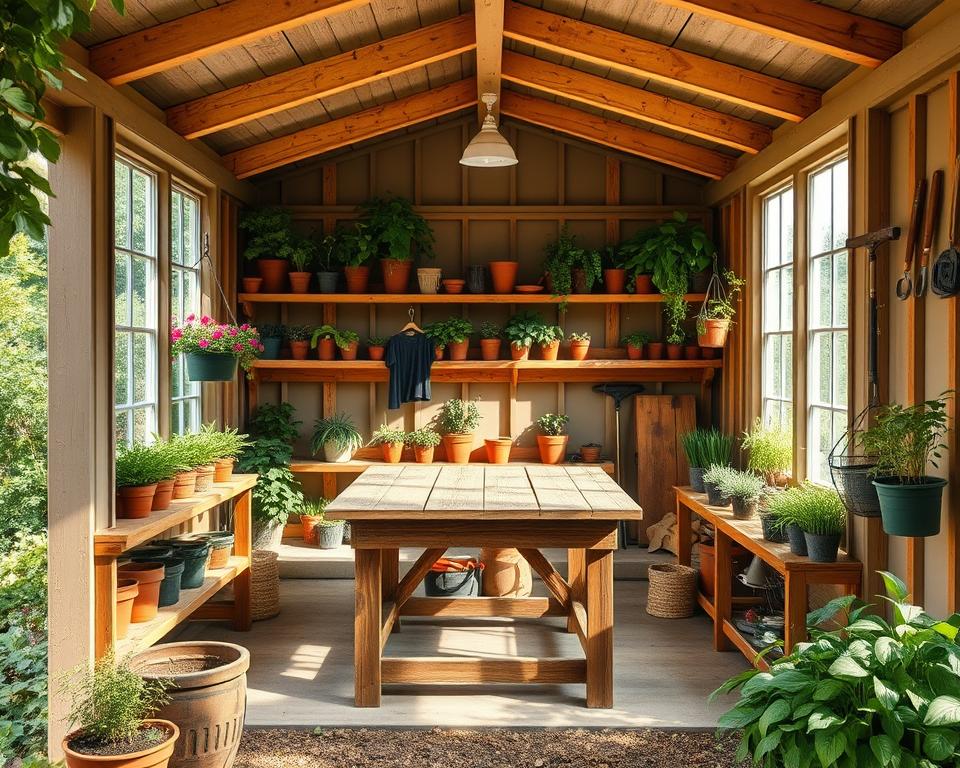
A dedicated horticultural space keeps all essential items organised in one convenient location. Gardeners save valuable time by having tools, compost, and containers within easy reach. This efficient setup allows more focus on the actual gardening process.
The controlled environment protects delicate seedlings from harsh weather and pests. This protection results in stronger, healthier plants ready for outdoor transplanting. Many gardeners find their success rates improve significantly with this setup.
Extended Growing Seasons and Protection
With a sheltered workspace, the growing season extends well beyond traditional boundaries. Gardeners can begin sowing seeds as early as February, giving plants a substantial head start. The protection continues through autumn, allowing cultivation activities deep into colder months.
This versatile garden building serves multiple purposes beyond plant care. It can function as a workshop for various projects or provide a peaceful retreat. The addition often enhances property value while improving garden aesthetics.
Designs and Types of Potting Sheds
Selecting the right structure for a garden requires careful consideration of available space and intended use. The variety of designs ensures there is an ideal match for every horticultural need.

From traditional apex roofs to modern hybrid options, each style offers unique benefits. The choice depends on garden layout, storage requirements, and personal aesthetic preferences.
Apex and Pent Styles
An apex potting shed features a classic peaked roof running between gable ends. This design provides excellent headroom along the centre of the building.
The door is typically on a gable end, influencing placement within the garden. This style suits traditional settings and offers generous interior space.
A pent potting shed has a single-slope roof that creates more headroom on one side. This layout is perfect for installing a workbench along a longer wall.
The lower profile of pent potting designs makes them ideal for positioning under trees or against fences. They blend seamlessly into compact garden spaces.
Double Door and Hybrid Options
Double door options are available in both apex and pent configurations. They provide easy access for large equipment like lawn mowers and wheelbarrows.
The shed greenhouse combines the best of both worlds. This hybrid building offers enclosed storage alongside a glazed area for plant cultivation.
Popular models include the Diamond Portslade pent potting sheds and the Platinum Bramdean potting shed greenhouse. These types cater to gardeners seeking versatility.
Manufacturers like Tiger Sheds offer both traditional and contemporary sheds. The Diamond Petworth features a half-glazed roof for maximum light, enhancing the greenhouse potting shed experience.
Essential Features for a Functional Potting Shed
The right combination of features transforms a simple garden building into a highly efficient horticultural hub. Thoughtful design directly impacts both workflow and plant health.
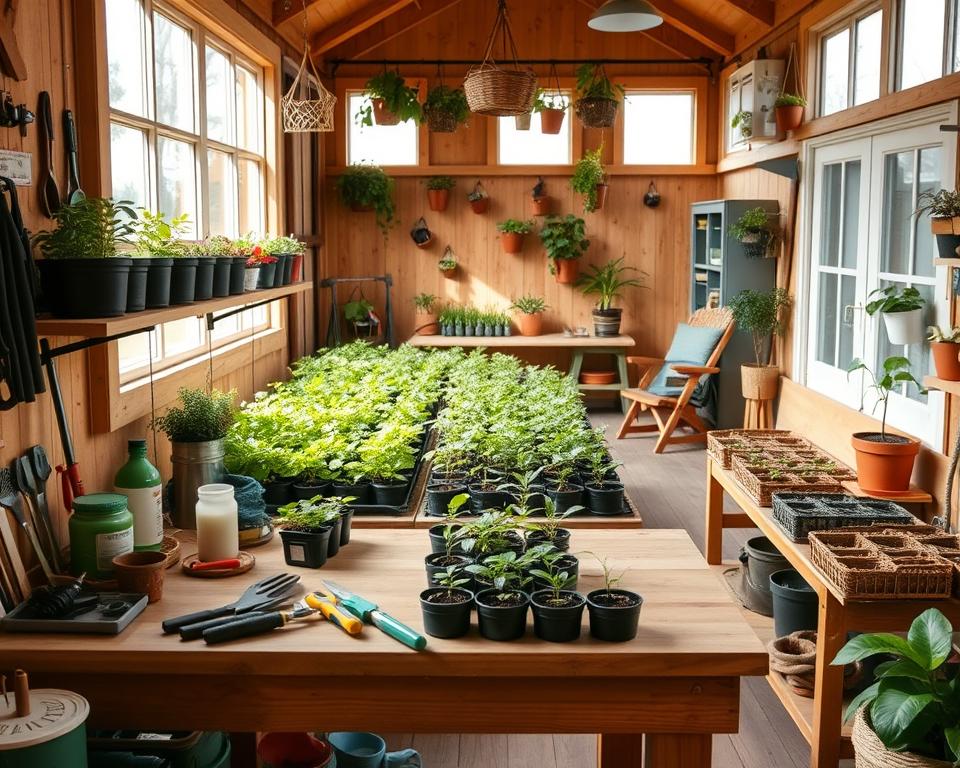
Every element, from the largest opening to the smallest shelf, should serve a purpose. This creates a space that is both practical and a pleasure to work in.
Doors, Windows and Light Management
Effective light management begins with window placement. Large panes of glass facing south capture maximum daylight, which is vital for nurturing young plants.
Opening windows serve a dual purpose. They provide essential ventilation and allow gardeners to control the internal climate. This prevents heat build-up and encourages strong growth.
The choice of door affects accessibility. A stable door offers classic charm and allows the top half to be opened for air flow. For moving bulky items, double options are invaluable.
Manufacturers like Tiger Sheds understand this need. They offer customisable door positions to suit any garden layout perfectly.
Potting Bench and Storage Solutions
A dedicated potting bench is the heart of the workspace. Positioned beneath a window, it provides an ergonomic surface for tasks.
A slatted surface on the potting bench allows for drainage, keeping the work area tidy. The space underneath is ideal for storing bags of compost and soil.
Integrated shelving above the bench keeps tools and pots within easy reach. This clever use of vertical storage maximises floor space.
Ample storage solutions ensure that every item has its place. This organisation is key to maintaining an efficient and enjoyable gardening environment.
Quality Materials and Construction Techniques
When investing in a garden workspace, the choice of materials directly impacts durability and performance over time. Premium construction ensures the structure withstands Britain’s variable weather conditions while maintaining its aesthetic appeal for years.

Tongue and Groove Cladding
Superior tongue and groove cladding creates weathertight seals that prevent water ingress and eliminate draughts. This interlocking board system offers better structural integrity than basic overlap techniques used in budget alternatives.
During severe weather with driving rain, the interior remains completely dry. This protection safeguards valuable tools, equipment, and growing plants from moisture damage. Quality manufacturers use 12mm finish shiplap or loglap cladding combined with robust 28x44mm rounded four-corner framing.
Pressure-Treated Timber and Glass Options
Pressure-treated timber construction provides long-term protection against rot, fungal decay, and insect damage. Proper treatment forces preservatives deep into wood fibres rather than applying only surface coatings.
Premium redwood deal timber ensures structural stability and genuine longevity. Toughened glass windows offer essential safety protection while maintaining excellent light transmission. The sloping roof design prevents water pooling that accelerates wear.
Customisation options including dip-treatment followed by colour painting allow exterior finishes that complement garden aesthetics. These quality materials ensure wooden potting sheds become lasting additions to any garden space.
Optimal Placement for Maximum Sunlight
Choosing the perfect spot for a garden building is a critical decision that influences its utility and the health of its contents. The correct positioning ensures the structure functions as intended, providing an ideal environment for horticultural activities.
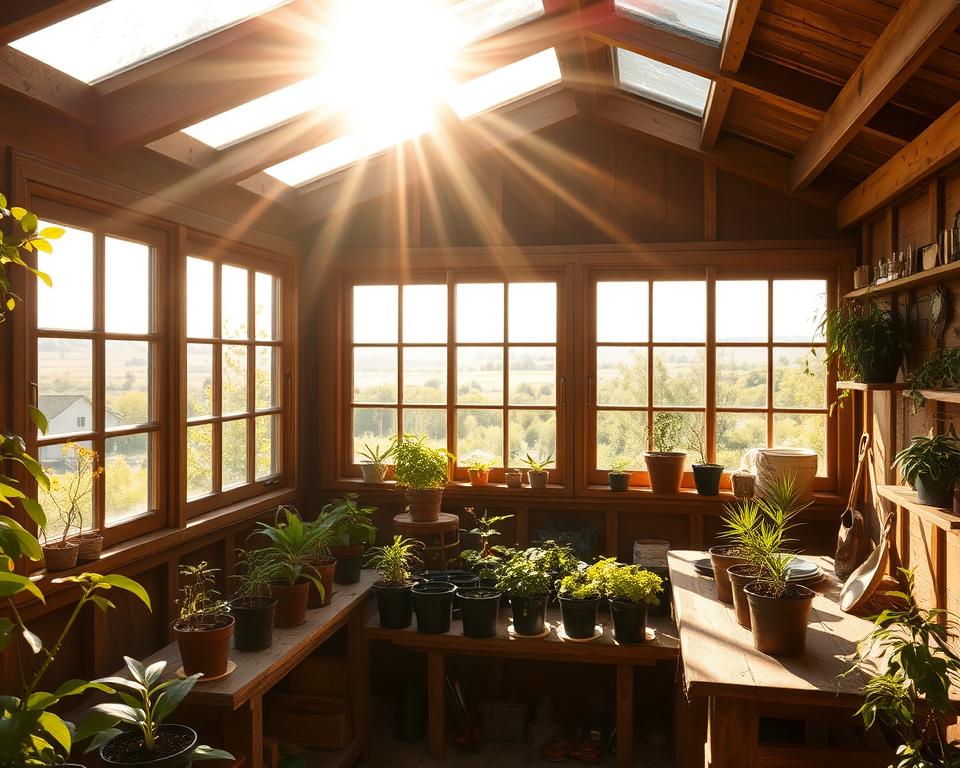
The sun is the primary factor to consider during the planning stage. Since many of these wooden structures feature glazing on one side, orienting the main windows to face south is paramount. This south-facing positioning allows seedlings and plants to receive the most sunlight throughout the day.
South-Facing Positioning
A south-facing orientation captures the sun‘s rays from morning to evening. This provides consistent, full-spectrum light essential for robust growth. It is the single most effective way to maximise sunlight exposure in a UK garden.
This strategic positioning means the interior remains bright and warm. It creates an energising space for gardeners and a nurturing environment for young plants. The goal is to find a location that soaks up glorious sunlight from dawn until dusk.
Protection Against Wind and Weather
Another key consideration is shelter. Placing the potting shed against a solid wall or fence offers significant protection from the elements. This placement shields the structure from harsh wind and driving rain.
This sheltered positioning helps to moderate internal temperatures, guarding against heat loss. It also makes the building more discreet within the garden design. A scenic view from the windows can enhance the gardening experience, making the space a pleasant retreat.
By balancing exposure to the sun with protection from weather, the shed becomes a highly functional and durable asset. Careful placement ensures it serves its purpose for many years.
Versatility Beyond Gardening
The true value of a garden building often reveals itself through its remarkable adaptability to different needs. While designed for horticulture, these structures offer far more potential than just plant care.
They provide a dry, secure space that serves numerous household purposes. This flexibility maximises the return on investment throughout the year.
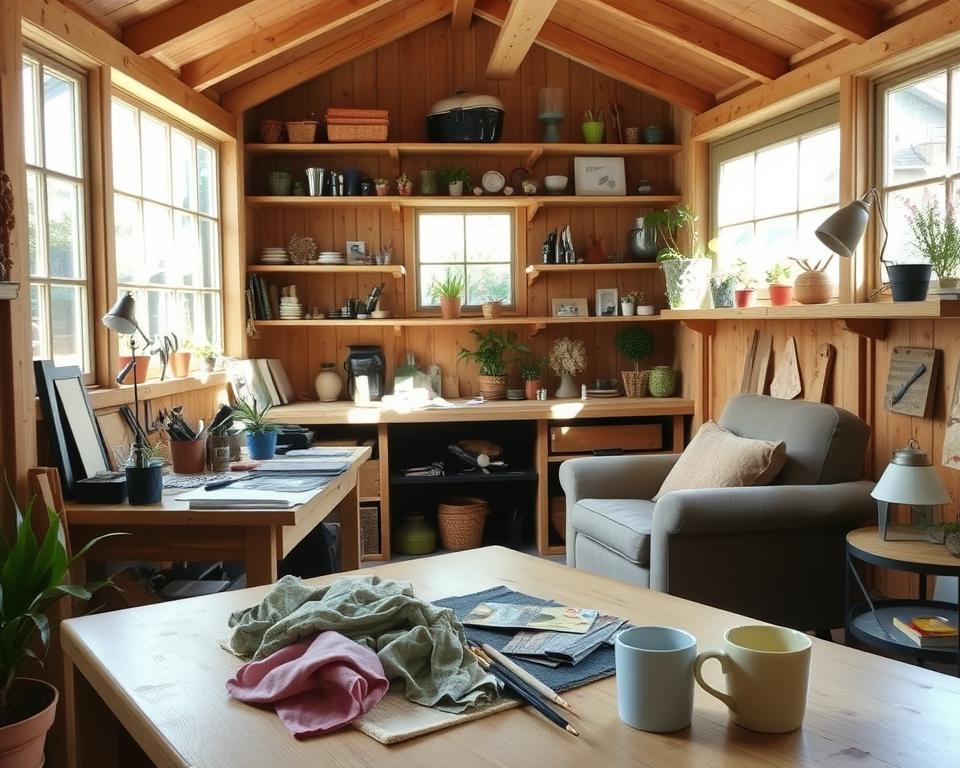
Extra Garden Storage and Workspace
One of the most practical alternative uses is for additional storage. A shed can house seasonal items like furniture cushions, holiday decorations, and outdoor sports equipment.
This keeps the garage and house free from clutter. The same space also functions brilliantly as a dedicated workshop.
It is ideal for woodworking, furniture restoration, or general DIY projects. The separation from the main house contains noise and mess effectively.
Creative Retreat and Workshop Ideas
For those with artistic inclinations, the building transforms into a perfect hobby retreat. The natural light from large windows creates an excellent environment for painting, pottery, or sewing.
It becomes a private sanctuary for creative pursuits. Others find it makes a serene reading nook or a quiet garden office.
With some insulation, it can even serve as a cosy summer house. A potting shed can also be a peaceful spot for meditation.
This multifunctional capability means the structure remains valuable even during winter. It adapts as family interests evolve, proving its worth beyond its original purpose.
Enhancing Garden Appeal with Customised Designs
Beyond mere functionality, the aesthetic appeal of a garden building can elevate it from a simple utility to a cherished garden feature. Thoughtful customisation ensures the structure complements the landscape, enhancing its overall charm.

Manufacturers like Tiger Sheds and 1st Choice Leisure Buildings offer extensive ranges. This allows gardeners to select designs that perfectly match their garden’s aesthetic.
Traditional Versus Contemporary Styles
Traditional potting sheds often feature classic apex roofs and stable door options. These designs evoke a timeless countryside charm.
In contrast, contemporary garden buildings, like the Tiger Penthouse, boast sleek lines and full-glazed fronts. This style creates a modern, airy feel that suits urban settings.
Customisable Door and Window Configurations
Flexibility is key. Door configurations can be specified as left or right-handed to suit the garden layout. Stable door options add practical ventilation.
Windows also offer significant customisation. Choices range from traditional small panes to large glass areas that flood the interior with light.
| Design Aspect | Traditional Style | Contemporary Style |
|---|---|---|
| Roof Type | Apex | Pent or Flat |
| Door Style | Stable Door | Full-Length Glazed Door |
| Window Design | Symmetrical, Small Panes | Asymmetric, Large Panes |
| Overall Aesthetic | Countryside Charm | Minimalist & Sleek |
This table highlights the core differences between the two primary designs. Selecting the right building depends on personal preference and the existing garden theme.
Conclusion
The journey towards selecting the ideal potting shed culminates in a decision that balances functionality with long-term value. Established UK manufacturers like 1st Choice Leisure Buildings bring over 45 years of expertise to crafting superior garden structures.
These family-run businesses design potting sheds to the highest standards, ensuring they withstand British weather. Power Sheds and Tiger Sheds also offer extensive ranges to suit different spaces and gardening needs.
Visiting display sites allows customers to inspect build quality firsthand before committing. The 1st Choice site near Woking, Ripley, and Guildford provides excellent guidance from knowledgeable staff.
This investment enhances any garden, creating dedicated space for nurturing plants and storing tools. With free delivery and assembly available, the process becomes convenient for every gardening enthusiast.
FAQ
What is the main purpose of a potting shed?
The primary purpose is to provide a dedicated space for gardening tasks. It serves as a shelter for storing tools, potting plants, and nurturing seedlings away from the main house.
How does a potting shed differ from a greenhouse?
A greenhouse is primarily designed for growing plants with its glass walls maximising sunlight. A potting shed focuses on storage and work surfaces, though hybrid designs like a shed greenhouse combine both functions.
What are the key benefits of owning a potting shed?
Key benefits include organised storage for gardening supplies, a protected workspace for potting, and the ability to extend growing seasons by sheltering delicate plants. It also adds valuable extra space to a garden.
What design options are available for these garden buildings?
Popular designs include the apex style with a classic roof peak and the pent style with a sloping roof. Options also feature different door styles, such as double doors for easy access, and various window configurations.
What essential features should one look for?
Essential features include ample windows for natural light, a sturdy potting bench, and intelligent storage solutions like shelves. Good light management and secure doors are also important for functionality.
Why is construction material important?
Quality materials, such as tongue and groove cladding and pressure-treated timber, ensure durability against the elements. Robust construction techniques lead to a long-lasting building that protects its contents.
Where is the best place to position a potting shed?
An ideal location is a south-facing spot to capture maximum sunlight throughout the day. It should also be positioned to offer some protection from strong winds and harsh weather conditions.
Can these buildings be used for purposes other than gardening?
Absolutely. Many people utilise the extra space as a general storage area, a creative workshop, or a quiet retreat. Their versatility makes them a valuable addition to any property.
How can a potting shed enhance the overall garden design?
With a range of traditional and contemporary styles available, a well-chosen design can complement the garden’s aesthetic. Customisable elements like door and window styles allow it to become a charming feature.
Are there different sizes available to suit various gardens?
Yes, manufacturers offer a wide range of sizes to accommodate different plots. From compact models for smaller gardens to larger buildings, there are options to suit every space requirement.

