Raised Bed Gardening: How to Get Started and Succeed
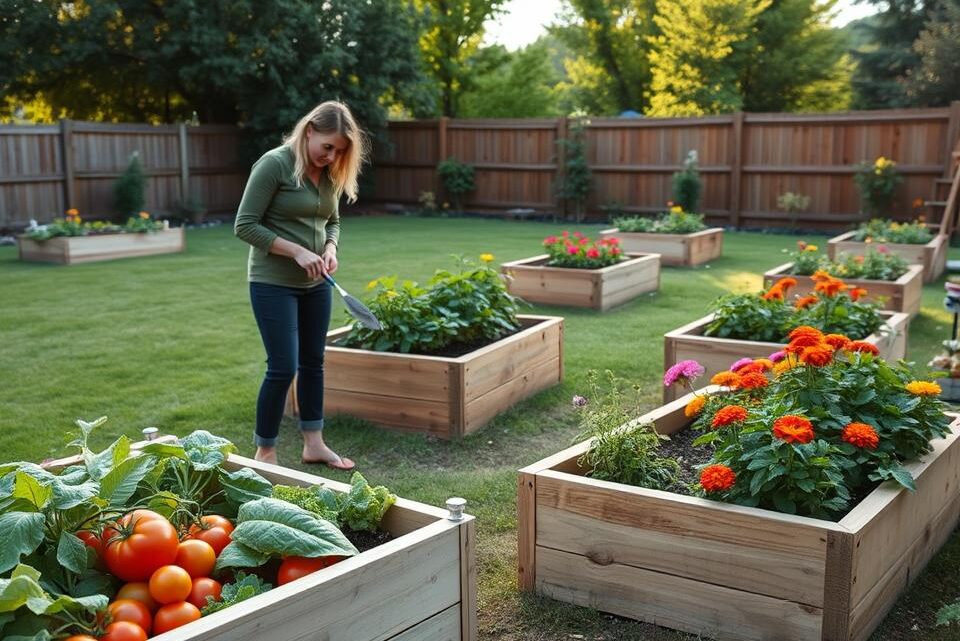
Growing your own food in a garden can be a rewarding experience, and using raised beds is one of the most effective ways to do so. By adopting this method, you gain better control over the soil, a crucial factor in healthy plant growth.
This comprehensive guide will walk you through every aspect of creating a thriving garden in raised beds. You’ll learn how to plan, set up, and maintain your garden, ensuring a bountiful harvest. Whether you’re a beginner or an experienced gardener, this guide is designed to help you succeed.
Inhaltsverzeichnis
Key Takeaways
- Discover the benefits of using raised beds for your garden.
- Learn how to improve soil quality and drainage.
- Understand how to extend your growing time.
- Find out how to adapt raised bed gardening to your space and needs.
- Get practical advice on avoiding common mistakes.
The Benefits of Raised Bed Gardening
Gardening in raised beds provides several benefits, including better soil control and an extended growing season. By elevating your garden, you gain more control over the growing conditions, which can lead to healthier plants and a more bountiful harvest.
Better Soil Control
One of the primary advantages of raised beds is the ability to control the soil composition. You can create a custom soil mix that is tailored to the specific needs of your plants, ensuring they receive the necessary nutrients for optimal growth. This is particularly beneficial for plants that have specific soil requirements.
Improved Drainage
Raised beds also offer improved drainage compared to traditional in-ground gardens. The elevated soil level allows excess water to drain away from the roots, reducing the risk of waterlogged soil and root rot. This is especially important for plants that are sensitive to wet conditions.
Extended Growing Season
Soil in raised beds warms up faster in spring, allowing for earlier planting and a longer growing season. The elevated soil temperature can extend the growing season at both ends, enabling earlier spring planting and later fall harvests. You can further extend the growing season by covering your raised beds with cloches, cold frames, or row covers to protect plants from frost.
| Benefits | Description |
|---|---|
| Better Soil Control | Custom soil mix for specific plant needs |
| Improved Drainage | Reduced risk of waterlogged soil and root rot |
| Extended Growing Season | Earlier spring planting and later fall harvests |
The combination of warmer soil and better drainage means plants in raised beds often experience less cold damage during unexpected temperature drops. By strategically positioning your raised beds to maximize sun exposure, you can further enhance the benefits of an extended growing season. This allows you to grow more food in the same amount of space through succession planting and multiple harvests.
Understanding Raised Bed Gardening
As you start your gardening journey, grasping the fundamentals of raised bed gardening is crucial. Raised bed gardening offers a versatile and efficient way to grow a variety of plants in a controlled environment.
What Is a Raised Bed?
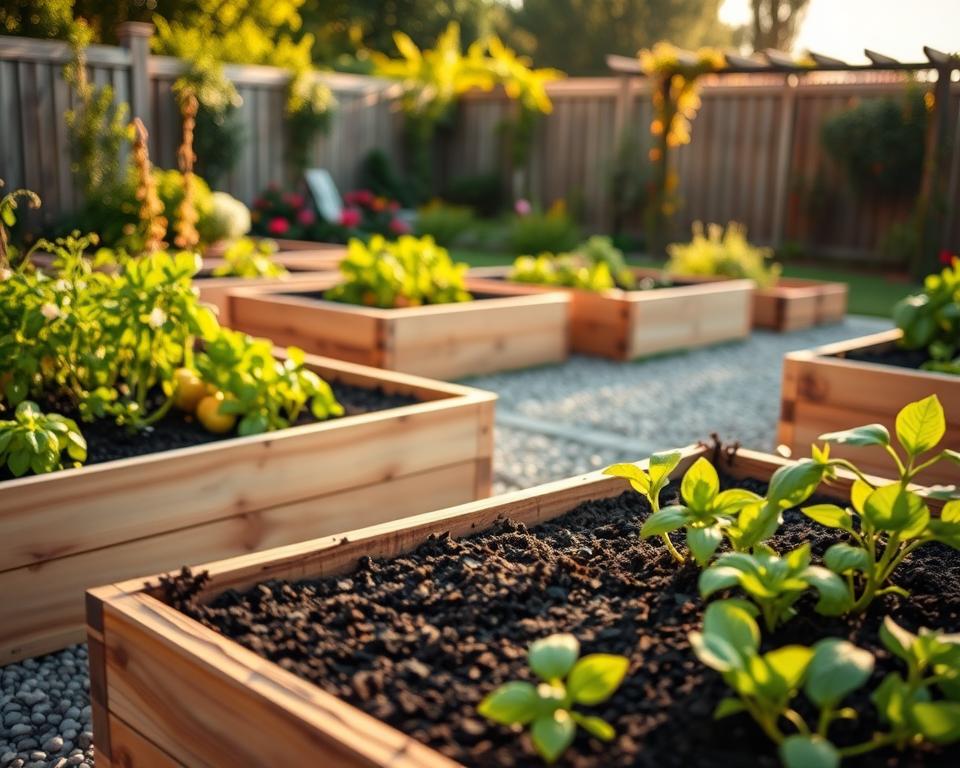
A raised bed is essentially a garden bed that is elevated above the surrounding ground level. This elevation is typically achieved by constructing a frame, often from wood, stone, or composite materials, and filling it with a mix of soil and other organic matter. The height of the bed can vary, but it’s usually between 6 to 36 inches high, allowing for better control over the soil composition and drainage.
How Raised Beds Differ from Traditional Gardens
Raised beds differ significantly from traditional garden beds in several key aspects. Here are some of the main differences:
- The concentrated growing area of raised beds allows for more efficient use of space compared to traditional in-ground gardens.
- Raised beds create a unique microclimate with different temperature patterns and moisture levels, affecting the growing conditions for your plants.
- They typically require less maintenance, with reduced weeding, easier pest management, and more efficient watering systems.
- Raised beds often result in higher yields per square foot due to improved growing conditions and the ability to plant more densely.
By understanding these differences, you can make informed decisions about how to best utilize raised beds in your garden to achieve optimal results.
Planning Your Raised Bed Garden
When planning your raised bed garden, several key factors come into play to ensure a successful and thriving gardening experience. As a beginner, it’s crucial to consider these factors to make the most of your gardening endeavour.
Choosing the Right Location
Selecting the right location for your raised beds is vital. You should choose a spot that receives adequate sunlight, is level, and has good drainage. Most vegetables and flowers require at least six hours of direct sunlight per day. Ensure the location is also accessible to make maintenance easier.
Determining the Number of Beds
Determining the number of raised beds you need depends on the space available and your gardening goals. Starting with one or two beds is advisable, allowing you to gain experience and expand as needed. Like many beginners, you can start small and grow your garden over time.
| Number of Beds | Gardening Goals | Space Required |
|---|---|---|
| 1-2 | Starter garden | Small |
| 3-4 | Expanded garden | Moderate |
| 5+ | Large garden | Significant |
Starting Small and Expanding Over Time
Starting small allows you to experiment with different plants, techniques, and soil mixtures, helping you determine what works best in your specific conditions. As you gain experience, you can expand your raised bed garden, adding more beds and trying new approaches. It’s a good idea to create a long-term garden plan, ensuring that each addition fits harmoniously into your overall design.
As you plan, remember that even experienced gardeners often add beds incrementally, focusing on perfecting their growing techniques before expanding their garden footprint. Documenting your successes and challenges with initial beds will help inform your decisions about future expansions and improvements.
Designing Your Raised Beds
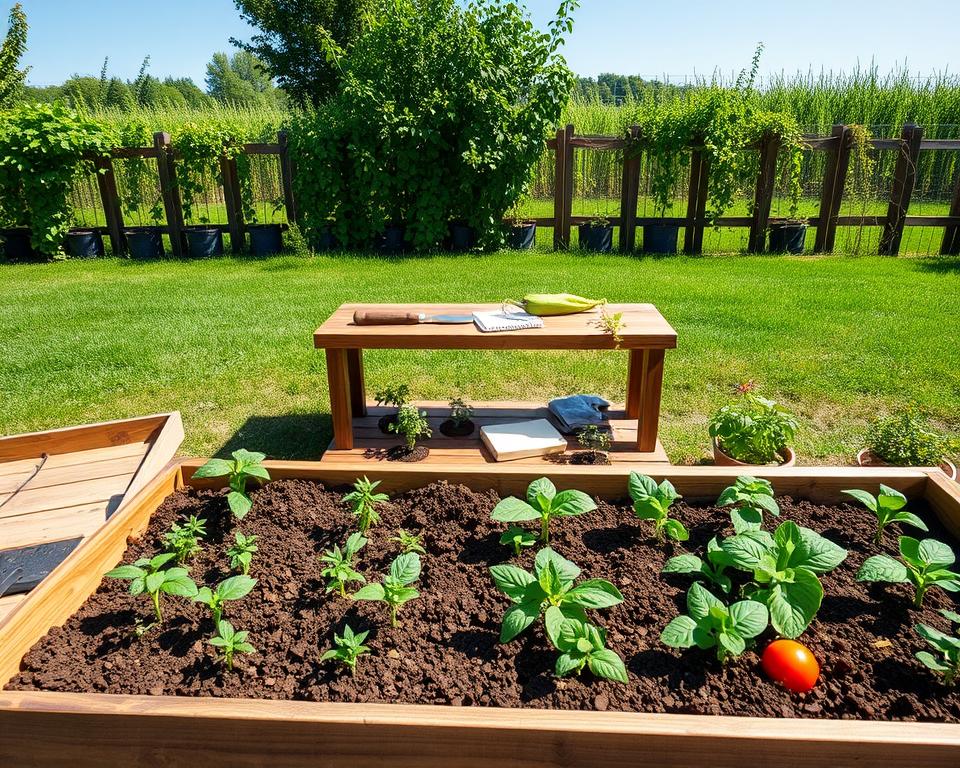
When designing your raised beds, it’s essential to consider several factors to ensure a productive and accessible garden. The layout and dimensions of your raised beds can significantly impact your gardening experience.
Optimal Width and Length Considerations
The width and length of your raised beds are critical factors to consider. A width of 3-4 feet is generally recommended, as it allows you to easily access the centre of the bed without having to step on the soil. This width also enables you to work comfortably, making it ideal for gardeners with mobility issues. The length of your raised beds can vary, but it’s essential to ensure that you can reach all areas easily.
Consider the space available in your garden and the type of plants you want to grow when determining the optimal dimensions for your raised beds.
Spacing Between Beds
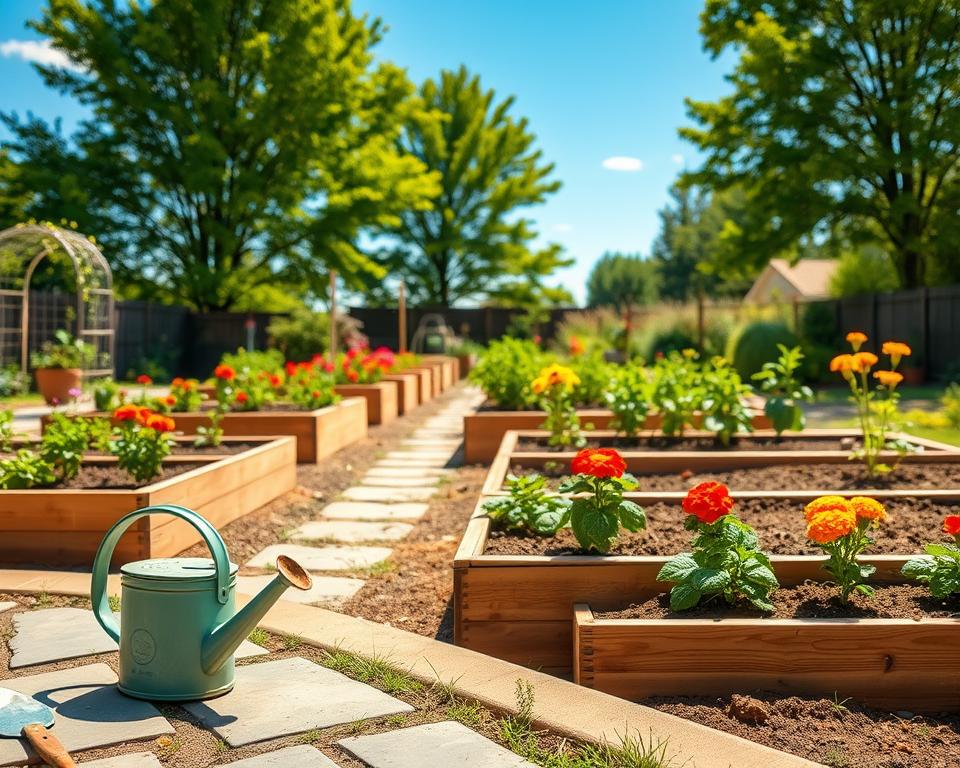
Making sure you have enough space between your raised beds is crucial for a functional garden. You should maintain pathways of at least 60-90cm (24-36 inches) between raised beds to allow comfortable access with garden tools and wheelbarrows. Adequate spacing between beds improves air circulation, reducing the risk of fungal diseases, and makes maintenance and harvesting more convenient.
- Consider the materials used for pathways between beds, such as wood chips, gravel, or pavers, which can affect both aesthetics and functionality.
- Avoid placing beds too far apart, as this creates more area to maintain and potentially wastes valuable growing space.
- The spacing between beds can be used strategically for temporary storage of tools, placement of compost bins, or installation of trellises that serve multiple beds.
Choosing the Perfect Height for Your Raised Beds
Determining the ideal height for your raised beds is essential for maximising your garden’s potential. The height of your raised beds can significantly impact both accessibility and the health of your plants.
Accessibility and Mobility Factors
One of the primary considerations when deciding on the height of your raised beds is accessibility. Taller beds can be more comfortable for gardeners who have mobility issues, as they reduce the need for bending and stooping. For example, beds that are around 30-36 inches high can be particularly beneficial for those with back problems, making it easier to plant, weed, and harvest without straining.
Weed Prevention Benefits
A higher raised bed can also help in preventing weeds from encroaching into your garden. By having a sufficient barrier between your cultivated soil and the surrounding ground, you can reduce the number of weeds that grow in your beds. This can save you time and effort in maintaining your garden.
Root Depth Requirements for Different Plants
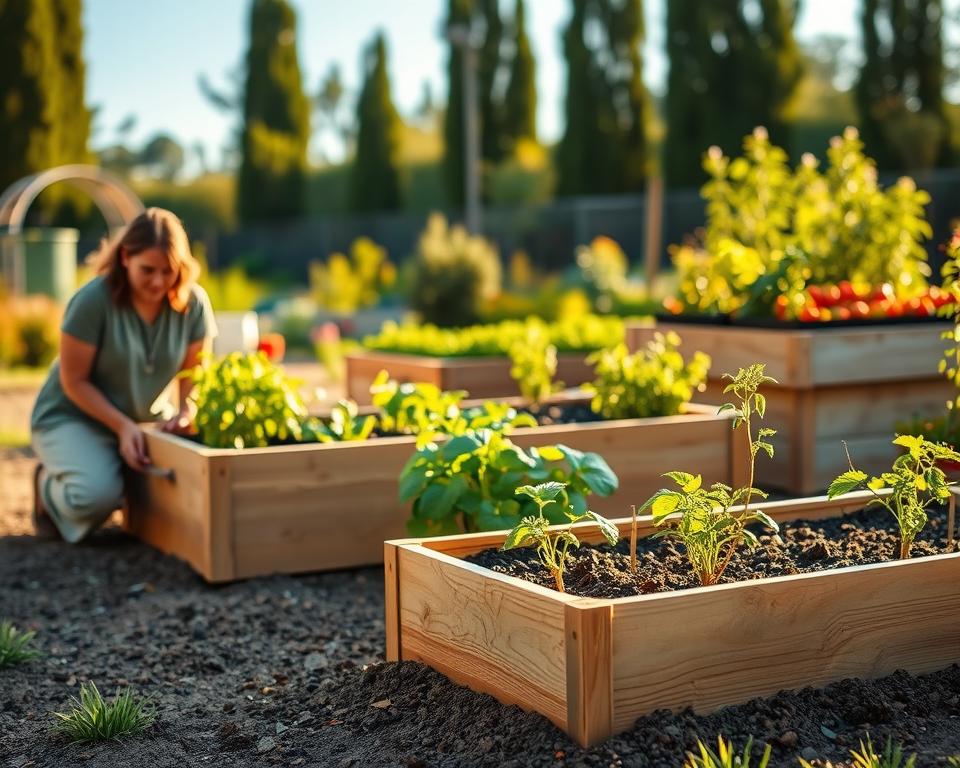
Different plants have varying root depth requirements. For instance, shallow-rooted crops like lettuce and herbs require only 6-8 inches of soil, whereas deeper-rooted vegetables such as carrots and parsnips benefit from 12+ inches. Planning your bed height based on the types of crops you intend to grow ensures sufficient depth for proper root development. Taller beds provide more soil volume, which helps maintain consistent moisture and temperature levels, benefiting root health and overall plant growth.
Considering a mix of bed heights in your garden can efficiently accommodate different plant types. Taller beds are suitable for deep-rooted crops, while shorter ones are ideal for shallow-rooted plants. Raised beds with at least 12 inches of soil depth offer the versatility to grow almost any vegetable crop, providing maximum flexibility in garden planning.
Materials for Building Raised Beds

Selecting the right materials for your raised beds is crucial for creating a thriving and sustainable garden environment. The choice of material can affect the durability, maintenance needs, and overall aesthetic of your garden.
Timber Options
Timber is a popular choice for raised beds due to its natural appearance and availability. Options like cedar and redwood are durable and resistant to rot, making them ideal for gardening. However, it’s essential to choose sustainably sourced timber to minimize environmental impact.
Stone and Brick Alternatives
For a more permanent solution, stone and brick can be used to construct beds. These materials offer excellent durability and can add a decorative element to your garden. While they can be more expensive and labour-intensive to install, they require minimal maintenance over time.
Metal Raised Beds
Metal raised beds are another option, offering a modern look and durability. Materials like corten steel are popular for their rust-resistant properties and aesthetic appeal. However, metal beds can potentially heat up in direct sunlight, which may affect soil temperature.
Recycled Plastic Options
Plastic made from recycled materials is becoming increasingly popular for beds. These products are durable, low maintenance, and eco-friendly, as they repurpose waste material. Recycled plastic beds are available in various colours and styles, some of which mimic the appearance of timber. While they may be more expensive initially, their longevity and zero maintenance requirements can make them a cost-effective choice over time.
When choosing materials for your raised beds, consider factors such as durability, maintenance needs, and environmental impact. By selecting the right materials, you can create a beautiful and productive garden that will thrive for years to come.
Building Your Own Raised Beds

Building your own raised beds can be a rewarding experience, allowing you to customise your garden to your exact needs. With a little planning and the right materials, you can create a beautiful and productive garden.
Tools and Materials Needed
To start building your raised beds, you’ll need some basic tools and materials. These include timber or other materials for the frame, a saw for cutting, a drill for screwing the pieces together, and a level to ensure the bed is even. You’ll also need soil and compost to fill your new beds.
Step-by-Step Construction Guide
Begin by preparing the site where your raised bed will be located. Clear the area of any debris and level the ground. Then, cut your timber to the required length and assemble the frame using screws. Make sure the corners are secure and the bed is level. Once the frame is built, fill it with a mix of soil and compost, and you’re ready to plant.
As you build, consider the height and width of your raised beds. A width of about 4 feet is ideal, as it allows you to reach the centre from both sides. The height can vary, but 6-8 inches is a good starting point.
When to Consider Pre-Made Options
While building your own raised beds can be rewarding, there are times when pre-made options might be more suitable. If you have limited time or lack the necessary tools and experience, pre-made raised bed kits can be a convenient alternative. These kits usually require minimal assembly and can get your garden up and running quickly.
Pre-made beds are also a good choice if you want the assurance of a warranty and consistent quality. However, if you have a specific design in mind or an unusual space to fill, building your own raised beds might still be the best option.
Creating the Perfect Soil Mixture
Crafting the perfect soil blend is a key step in establishing a thriving raised bed garden. You need a mixture that not only supports healthy plant growth but also makes efficient use of resources.
Soil Components for Optimal Growth
For optimal growth, your soil mixture should include a balance of nutrients, good structure, and adequate drainage. A mix of compost, well-rotted manure, and topsoil can provide a good starting point. Compost adds nutrients and improves soil structure, while well-rotted manure contributes to soil fertility. Topsoil, rich in minerals, helps in root development.
It’s also beneficial to include organic matter like leaves or grass clippings, which break down over time to provide nutrients. Ensuring your soil has the right pH for your plants is crucial; most vegetables prefer a slightly acidic to neutral soil pH (around 6.0-7.0).
Cost-Saving Filling Methods
To save on costs, consider using cost-effective filling methods for the bottom layers of your raised beds. The “Hugelkultur” method involves filling the bottom third of deep raised beds with logs, branches, and woody debris. These decompose slowly, providing nutrients and reducing the volume of soil needed.
- Layering cardboard, newspaper, leaves, and grass clippings in the bottom portion can significantly reduce soil costs while adding organic matter.
- Using bulky organic materials like straw, pine needles, or partially composted wood chips as filler can also be effective.
- Filling beds higher than seems necessary (2-3 inches above the rim) can help account for settling.
It’s essential to reserve the top 30-40cm for a proper soil mixture to ensure adequate depth for root development. Regularly topping up your raised beds with compost will also help maintain soil health and fertility.

Filling Your Raised Beds Properly
Filling your raised beds correctly is a crucial step in establishing a successful garden. The initial filling sets the stage for a thriving garden, and it’s essential to get it right.
When filling new raised beds, it’s vital to consider the settling process. Materials like sticks or shredded leaves at the bottom will decompose over time, causing the soil level to drop. To counteract this, fill your raised beds 2-3 inches above the rim to ensure that the soil level remains adequate after settling.
Layering Techniques
Layering is a key aspect of filling raised beds. Start with a base layer of coarse materials like branches or straw, followed by a layer of finer organic matter, and finally, a layer of soil and compost. This layering technique helps with drainage and prevents the “bathtub effect,” where the soil level becomes too low, potentially shading your plants and reducing air circulation.
Filling to the Proper Level
It’s also important to plan for seasonal changes in soil level. After rainfall and during the growing season, the soil will compact naturally. To maintain optimal growing conditions, top up your raised beds with compost or fresh soil mix in spring and fall. Beds filled with coarser materials will settle more than those filled with finished compost and soil.

Before planting, allow your newly filled beds to settle for at least a week, and water them thoroughly to help compact the materials. Using a rake to create a slight crown in the center can also help account for future settling, ensuring a level surface over time.
Setting Up Irrigation Systems
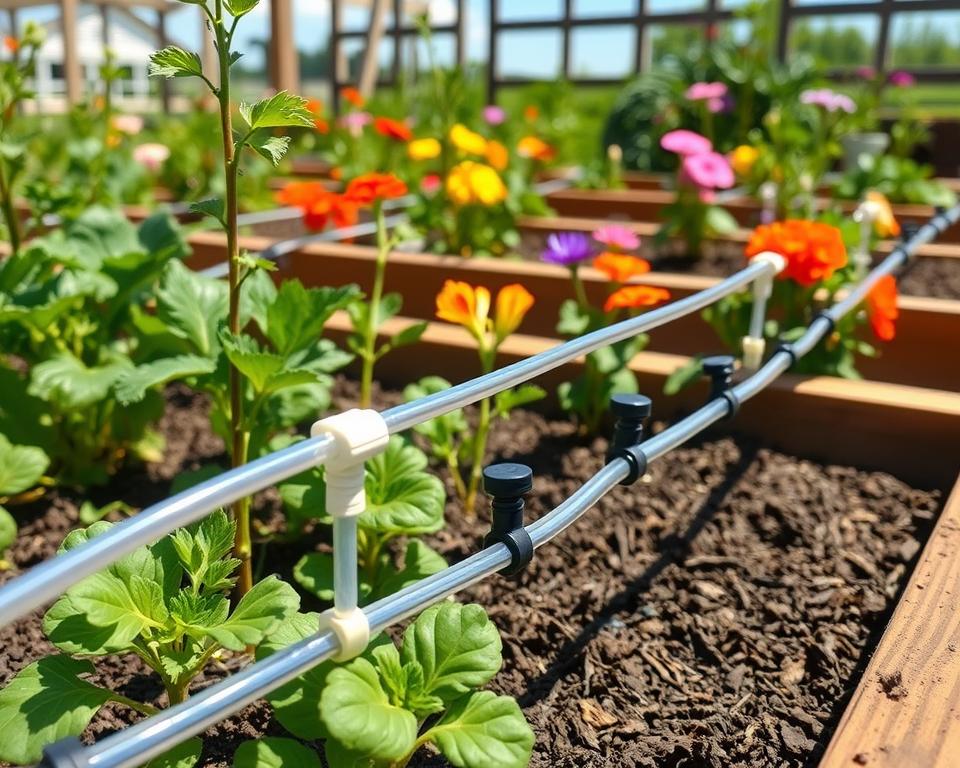
An effective irrigation system is the backbone of a healthy and productive raised bed garden. When planning your irrigation, consider the most efficient methods to deliver water directly to the roots of your plants.
Drip Irrigation Options
Drip irrigation is a highly efficient method for raised beds. It minimises evaporation and runoff, ensuring that water is used effectively. To implement drip irrigation, you’ll need a main line, emitters or soaker hoses, and a timer.
Installing Before Planting
It’s advisable to install your irrigation system before planting. This approach prevents damage to roots and allows for better placement of emitters. Start by positioning the main line along the length of your raised bed, then secure emitters or soaker hoses near the areas where your plants will be. Finally, test the system to ensure even water distribution and check for any leaks or blockages.
To keep your garden tidy and prevent tripping hazards, consider hiding or securing irrigation components. Creating a simple diagram of your irrigation layout before installation can be helpful for future maintenance. Regular monitoring is still necessary to ensure your plants receive the right amount of moisture, especially during extreme weather conditions.
Planting in Raised Beds
Effective planting in raised beds involves more than just placing seeds in the soil; it requires a strategic plan to optimise your garden’s productivity. By adopting the right techniques, you can significantly enhance the health and yield of your plants.
Optimal Plant Spacing
One crucial aspect of planting in raised beds is ensuring that plants are spaced correctly. Proper spacing prevents overcrowding, reduces competition for nutrients, and promotes healthy air circulation. For most vegetables and flowers, a spacing of about 2-3 times their mature width is ideal. For example, leafy greens like lettuce can be planted closer together, while larger plants like tomatoes need more space.

Companion Planting Benefits
Companion planting is another effective strategy for raised bed gardening. By pairing plants that complement each other, you can improve growth, deter pests, and enhance flavour. For instance, planting marigolds with tomatoes can help deter nematodes, while basil can improve the flavour of nearby tomatoes. A simple table can help you plan your companion planting:
| Main Crop | Companion Plant | Benefit |
|---|---|---|
| Tomatoes | Marigolds | Nematode deterrence |
| Tomatoes | Basil | Improved flavour |
| Cucumbers | Dill | Pest control |
Succession Planting Strategies
Succession planting maximises productivity in raised beds by replanting as soon as one crop is harvested. This technique can be applied by sequentially planting the same crop at intervals or by following one crop with a different crop that matures in the remaining season. Quick-growing crops like radishes, lettuce, and spinach are ideal for succession planting. Remember to replenish soil nutrients between plantings by adding compost or organic fertilisers to support healthy subsequent crops.
By implementing these strategies, you can make the most of your raised beds, enjoying a continuous harvest throughout the growing season.
Growing Vegetables in Raised Beds
Raised bed gardening allows you to grow vegetables in a controlled environment, optimizing soil conditions and drainage for healthier plants. This method of gardening is particularly beneficial for achieving higher yields and better crop quality.
Best Vegetables for Beginners
For those new to raised bed gardening, starting with easy-to-grow vegetables is crucial. Leafy greens like lettuce and spinach, along with tomatoes and peppers, are excellent choices. These vegetables are not only hardy but also thrive in the improved conditions that raised beds provide.
Other beginner-friendly options include radishes, carrots, and cucumbers. These vegetables are relatively low maintenance and can tolerate the typical conditions found in a well-managed garden.

Crop Rotation Principles
Crop rotation is a fundamental principle in maintaining the health and productivity of your raised bed garden. It involves changing the type of crops grown in a specific bed from season to season to avoid depleting the soil of specific nutrients and to reduce the risk of pest and disease buildup.
A simple four-year rotation cycle can be implemented by dividing crops into categories such as leaf crops, fruit crops, root crops, and legumes. This rotation helps in balancing soil nutrients as different crops have varying nutrient requirements and contributions.
Even in small gardens, practicing crop rotation can significantly enhance plant health and productivity. Keeping detailed records of what is planted where each season can facilitate proper rotation planning in subsequent years.
Growing Herbs and Flowers in Raised Beds
To create a thriving and diverse raised bed garden, consider integrating herbs and flowers. This approach not only adds beauty to your garden but also enhances its functionality and biodiversity.
Annual vs. Perennial Herbs
When selecting herbs for your raised beds, you can choose between annual and perennial varieties. Annual herbs, such as basil, complete their life cycle within a year and need to be replanted each season. Perennial herbs, like rosemary and thyme, come back year after year, providing a consistent source of fresh herbs. Incorporating a mix of both types can add variety and resilience to your garden.
Beneficial Flowers for Your Garden
Integrating flowers into your raised bed garden can attract pollinators and beneficial insects, improving crop yields and providing natural pest control. Specific flowers like sweet alyssum, calendula, and cosmos support beneficial insects such as hoverflies, ladybirds, and parasitic wasps. Edible flowers like nasturtiums, borage, and pansies serve multiple purposes by attracting pollinators while also providing harvests for culinary use. 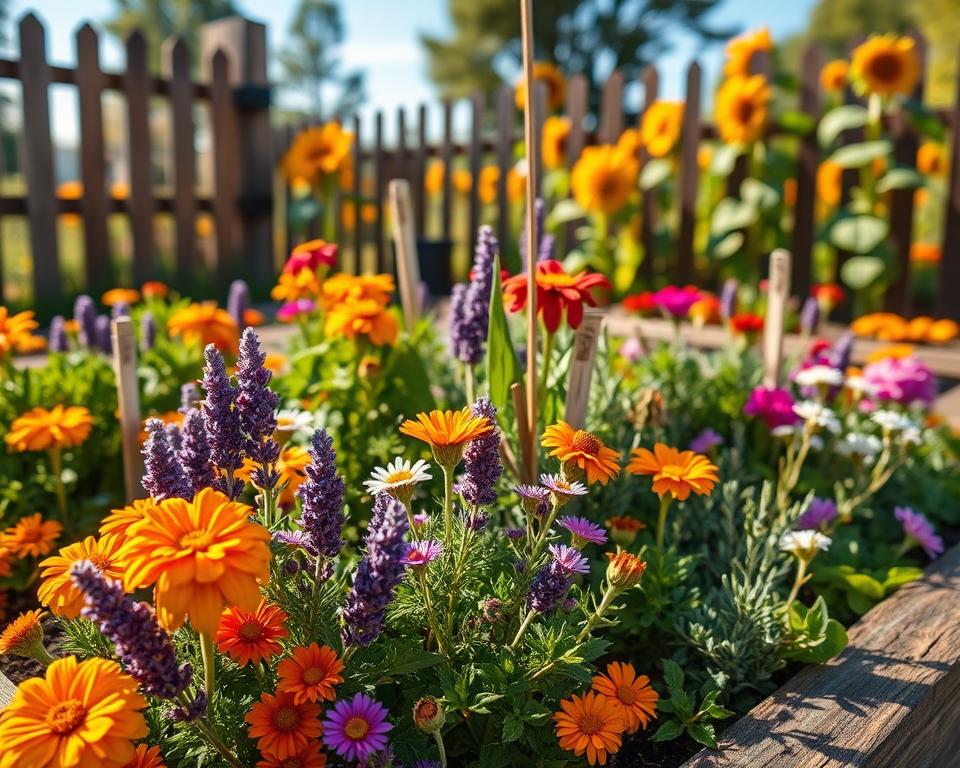
To maximise the benefits, incorporate flowers with different blooming periods to provide continuous nectar sources throughout the growing season. Strategically place flowers within your vegetable beds, such as at the corners or interspersed among crops. Compact or dwarf flower varieties are recommended to avoid overshadowing vegetable plants or competing excessively for resources.
Maintaining Your Raised Bed Garden
To keep your raised bed garden thriving, regular maintenance is crucial. This involves a combination of seasonal tasks and ongoing soil care to ensure your plants continue to grow healthily.
Seasonal Maintenance Tasks
Seasonal maintenance is vital to keep your raised beds in top condition. In the spring, check for any damage to the beds and repair as necessary. As the growing season progresses, keep the beds weed-free and ensure that your irrigation system is functioning correctly. In autumn, clear out spent plants and add a layer of compost or other organic matter to replenish the soil. During the winter, consider using cover crops to protect the soil and add nutrients.
Regular checks will help you identify any issues early, such as pest infestations or drainage problems, allowing you to take corrective action before they become major issues.
Refreshing Soil and Nutrients
Refreshing the soil in your raised beds is essential to maintain their productivity. Over time, the soil’s nutrients are depleted through plant growth and natural processes like leaching and erosion. To combat this, plan to top off your raised beds once or twice a year with compost. Adding 2-3 inches of compost to the top of the beds at least once a year, ideally in spring before planting and again in autumn after the main harvest, will help maintain soil health.
Other organic amendments, such as well-rotted manure, leaf mould, and worm castings, can also be used to refresh the soil. Monitoring your plants for signs of nutrient deficiency, such as yellowing leaves or stunted growth, will help you determine when additional amendments are needed.
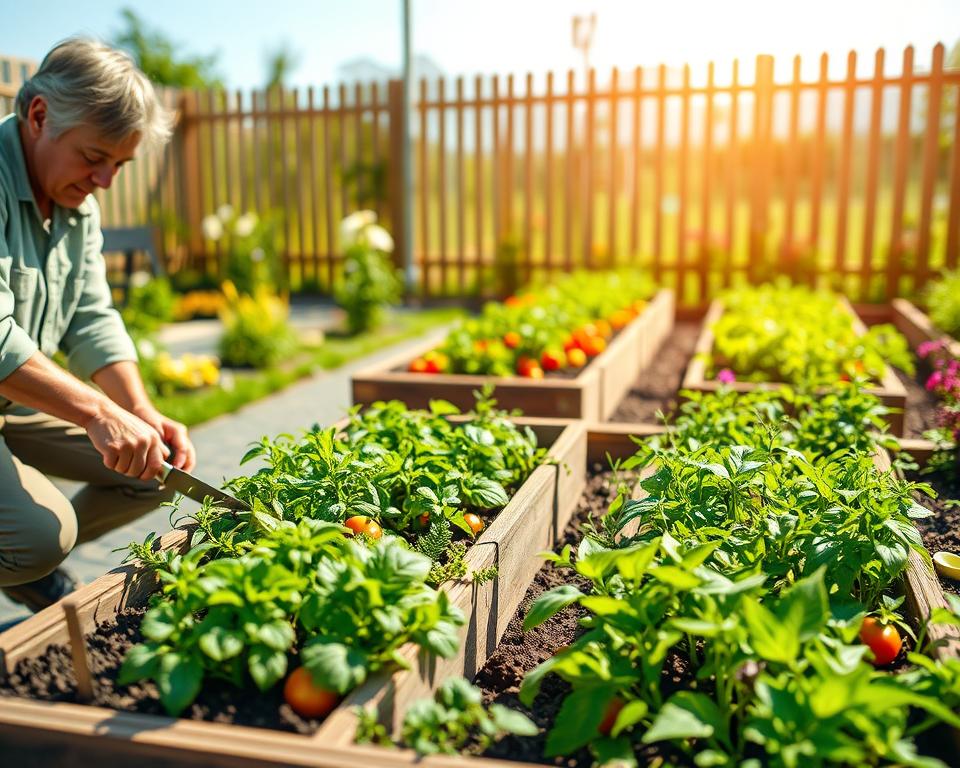
“The quality of the soil is the key to the success of the garden.”
Maintaining the soil structure through regular additions of organic matter improves water retention, drainage, and microbial activity, all of which are crucial for a healthy raised bed garden.
Troubleshooting Common Raised Bed Problems
Effective troubleshooting is key to overcoming the common issues that can impact the health and productivity of your raised bed garden. By identifying and addressing these problems early, you can ensure your garden continues to thrive.
Drainage Issues
Intensive planting in raised beds can sometimes lead to drainage problems. To mitigate this, ensure your raised beds have adequate drainage holes to prevent waterlogging, which can be detrimental to plant health.
Managing Pests and Diseases
Pests and diseases can be a significant challenge in raised bed gardens. Implementing crop rotation and using organic pest control methods can help manage these issues effectively. Regularly inspecting your plants is crucial for early detection.
Preventing Soil Depletion
Soil depletion is a common issue due to intensive planting. Regular soil testing helps monitor nutrient levels, allowing for targeted amendments. Incorporating cover crops and diverse organic materials like compost and seaweed extract can enhance soil fertility and structure. Avoid over-fertilizing, as this can lead to nutrient imbalances.

Conclusion
As we conclude this guide on raised bed gardening, it’s clear that this method offers numerous benefits for gardeners of all levels. Raised bed gardening transforms the gardening experience by providing better soil control, improved drainage, and extended growing seasons. Whether you’re a beginner or an experienced gardener, you can adapt this approach to suit your space, physical ability, and budget.
Starting small and expanding gradually is key to success. Even seasoned gardeners build their raised bed gardens over multiple seasons. The initial investment of time and resources in setting up raised beds pays dividends through increased yields, reduced maintenance, and more enjoyable gardening experiences. Soil quality is the foundation of your garden’s success, and ongoing soil care is crucial for maintaining productive raised beds.
Gardening is a journey of continuous learning, and mistakes are valuable opportunities to gain knowledge and improve future results. Documenting your raised bed garden journey through photos and notes can help you track progress and celebrate successes over time. With the fundamental knowledge you’ve gained, you’re ready to begin your raised bed gardening adventure with confidence.
So, take the first step towards a more productive and enjoyable gardening experience. Start building your raised beds, and enjoy the process of creating a thriving garden that brings you joy and satisfaction. By doing so, you’ll be able to reap the rewards of your hard work and enjoy the many benefits that raised bed gardening has to offer.
FAQ
What is the ideal height for a raised bed to ensure good accessibility?
The ideal height for a raised bed is between 60-90 cm, allowing for easy access and minimising strain on your back. This height is particularly beneficial for gardeners with mobility issues.
How often should I water my plants in a raised bed?
The frequency of watering depends on the type of plants, soil mixture, and weather conditions. As a general rule, you should check the soil moisture regularly and water when the top layer feels dry to the touch.
Can I use any type of wood to build my raised beds?
While various types of wood can be used, it’s essential to choose durable and rot-resistant options like cedar or recycled plastic lumber. Avoid using pressure-treated wood, as it may contain chemicals that can leach into the soil.
How do I prevent weeds from growing in my raised bed?
To prevent weeds, you can line the bottom of your raised bed with a layer of landscape fabric or cardboard. Additionally, maintaining a thick layer of mulch on the surface can help suppress weed growth.
What is the best way to fill a raised bed with soil?
To fill a raised bed, start with a layer of organic matter like compost or well-rotted manure. Then, add a mixture of topsoil, peat moss, and perlite or vermiculite to create a well-draining and fertile growing medium.
Can I grow a variety of crops together in the same raised bed?
Yes, you can grow multiple crops together in the same raised bed, a practice known as companion planting. This can help maximise space, improve growth, and reduce pests and diseases.
How do I maintain the soil quality in my raised bed over time?
To maintain soil quality, regularly add organic matter like compost, rotate your crops, and avoid over-tilling. This will help preserve the soil’s structure, fertility, and overall health.