Securing Your Garden Shed: Hasp and Staple Installation Tutorial
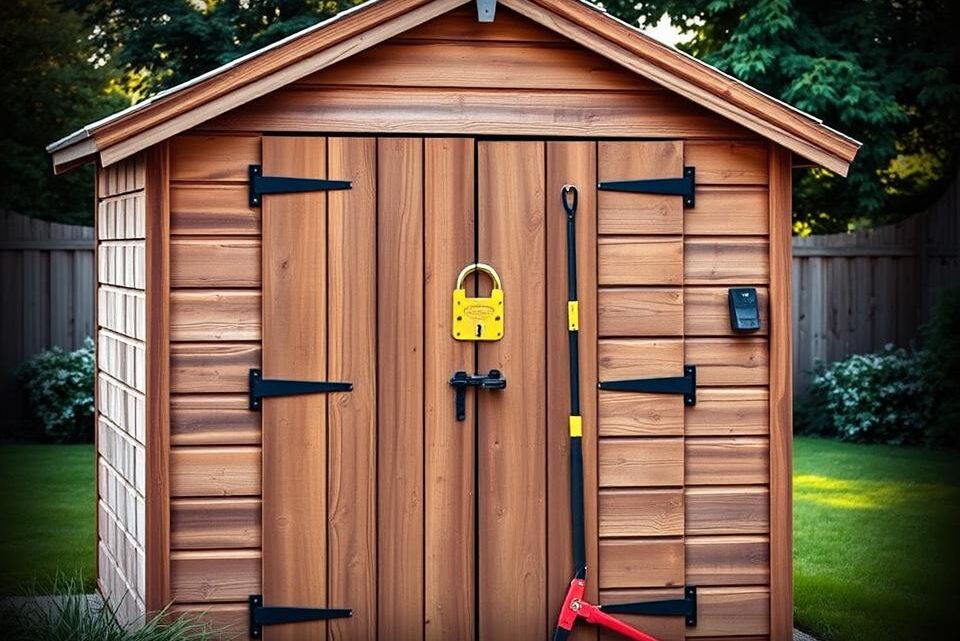
Many homeowners in the UK use their outdoor storage buildings to keep valuable items safe. These structures often hold expensive tools, bicycles, and garden equipment. Unfortunately, this makes them a target for thieves. Insurance data shows thefts can increase by a quarter during the summer.
A strong locking mechanism is a fundamental part of any good defence. This guide explains the process of installing a robust hasp and staple. It is a highly effective method for improving protection. Readers will learn to choose weather-resistant hardware suitable for the British climate.
The tutorial covers everything from assessing vulnerabilities to the final fit. It provides clear steps for gathering tools and achieving a professional result. Proper placement and alignment are crucial for long-term performance. With this knowledge, one can confidently enhance security without professional help.
Inhaltsverzeichnis
Key Takeaways
- Outbuildings are prime targets for theft, especially in warmer months.
- A sturdy locking system is essential for protecting valuable possessions.
- Correct installation of hardware is key to effective security.
- Choosing materials designed for outdoor use ensures longevity.
- Following a structured guide allows for a professional finish.
- This project can be completed successfully without hiring an expert.
Introduction to Garden Shed Security
Outdoor storage buildings often hold possessions that are both valuable and essential. Protecting these spaces is a critical responsibility for homeowners. Effective measures deter opportunistic criminals and safeguard property.
The significance of robust protection for these structures cannot be overstated. Insurance data highlights a worrying trend. Thefts from gardens and outbuildings increase by over 25% during brighter months, according to Aviva. The average loss is substantial, often reaching hundreds of pounds.
Importance of Security for Your Garden Shed
These buildings frequently contain expensive equipment like power tools and bicycles. Without proper safeguards, they become attractive, low-risk targets for thieves. A secure storage area provides peace of mind and prevents financial loss.
Furthermore, it restricts access to potentially dangerous items. This is crucial for household safety, especially with children around.
Common Vulnerabilities in Shed Structures
Many sheds have inherent weaknesses that compromise their integrity. Recognising these flaws is the first step towards improvement.
- Weak Doors: Often made from thin materials and lacking reinforcement.
- Simple Hinges: Exposed screws can be easily removed with basic tools.
- Windows: Offer a view inside and a potential entry point if not secured.
- Poor Locks: Flimsy latches or padlocks provide minimal deterrent.
The remote location of these buildings often gives intruders time to work unnoticed.
| Vulnerability | Risk Level | Common Solution |
|---|---|---|
| Weak Door Construction | High | Reinforce with metal strips |
| Inadequate Locking | High | Install a heavy-duty hasp and staple |
| Unsecured Windows | Medium | Apply security film or locks |
| Exposed Hinges | Medium | Use non-removable pin hinges |
Benefits of Securing Your Garden Shed
Investing time in protective measures for an outdoor storage building yields significant returns. These structures often house a considerable amount of value, making their defence a wise priority.
Protecting Valuable Tools and Equipment
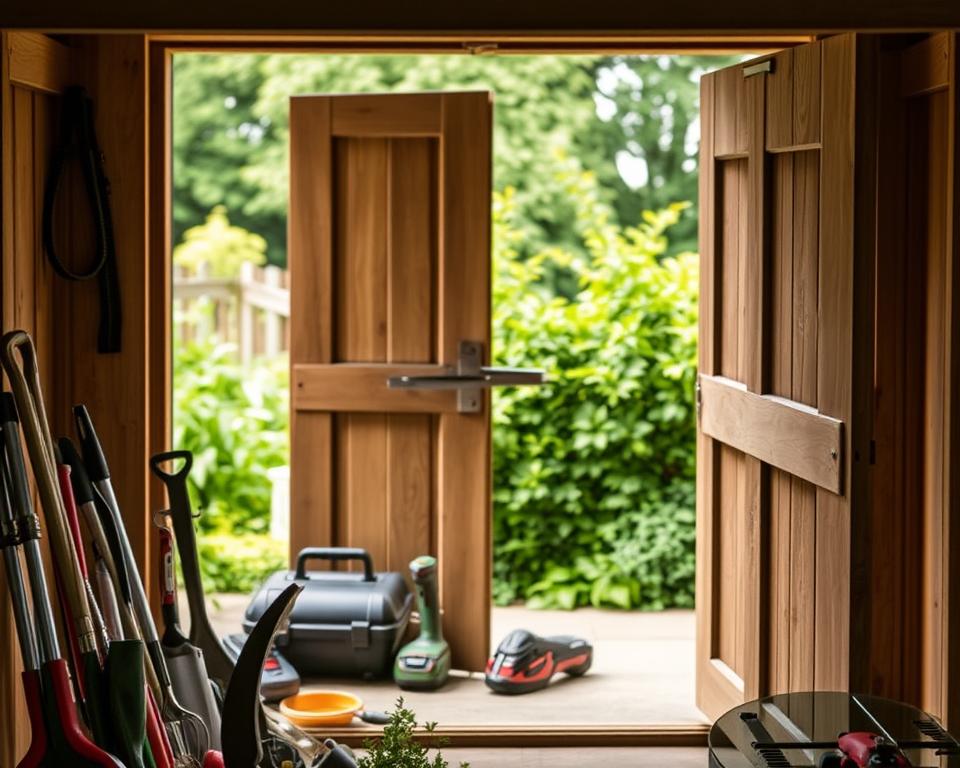
A primary advantage is the direct safeguarding of expensive possessions. These items frequently include power tools, lawn mowers, and other costly gear. The financial investment in such valuable tools and equipment can easily reach hundreds or even thousands of pounds.
Proper protection directly reduces the risk of theft-related financial loss. This can save homeowners the substantial cost of replacing stolen items. It also helps avoid potential increases in insurance premiums that often follow claims.
Beyond money, it ensures continuity. Garden maintenance and home improvement projects are not disrupted by the disappearance of essential tools. This prevents considerable frustration and inconvenience.
A visible, robust locking system serves as a powerful psychological deterrent. It signals to potential intruders that the property is protected.
Many insurance providers offer reduced premiums for outbuildings with demonstrated security measures. This provides a long-term financial benefit. Furthermore, enhanced security offers peace of mind. Homeowners can enjoy their outdoor spaces without constant worry.
It is not just about monetary value. Sentimental items, like inherited or vintage equipment, can be irreplaceable. Their protection is invaluable.
| Benefit | Impact | Example |
|---|---|---|
| Financial Security | High | Avoids cost of replacing a stolen lawn tractor |
| Project Continuity | Medium | Prevents delays when essential tools are secure |
| Insurance Advantages | Medium | Potential for lower premiums |
| Peace of Mind | High | Reduces worry about possessions |
Understanding Securing Your Garden Shed: How to Fit a Hasp and Staple
Understanding the basic components of a locking system is essential for proper installation. This knowledge ensures the hardware functions as intended and provides lasting protection.
Components and Functionality of Hasp and Staple Systems
The system consists of two main parts that work together. The hasp is a flat metal plate with a hinged flap that mounts to the door. The staple is a U-shaped loop fixed to the door frame.
When closed, the hasp passes over the staple creating a secure anchor point. A padlock inserted through both components completes the locking mechanism. This simple yet effective design provides robust security.

Selecting the Right Materials for Durability
Material choice significantly impacts longevity and security performance. Galvanised steel offers excellent corrosion resistance for outdoor use. Stainless steel provides superior protection against rust.
Hardened steel delivers enhanced resistance to cutting attempts. The design quality varies, with heavy-duty options featuring thicker gauge metal. Proper selection ensures appropriate protection without over-engineering.
Essential Tools and Equipment for Installation
Gathering the correct tools beforehand is a critical step for a smooth and secure installation. Having everything ready streamlines the entire process and helps prevent mistakes. Proper preparation is the foundation of a professional result.

Must-Have Tools for Precise Installation
A specific set of implements is necessary for accurate placement and fitting. Each item serves a distinct purpose in achieving a robust final setup.
- Measuring Tape: Essential for determining exact positions on the door and frame.
- Spirit Level: Guarantees the hardware is perfectly horizontal and vertical.
- Pencil: Allows for clear, adjustable marking before any drilling begins.
- Power Drill: Simplifies creating pilot holes, especially in hardwoods.
- Screwdrivers/Drill Bits: Required to match the chosen fastener types for secure attachment.
Choosing Suitable Hardware and Fasteners
The hardware itself is just as important as the tools. A robust hasp and staple set, like the BillyOh Deluxe Padlock and Hasp, forms the core of the system. It should be constructed from durable materials like stainless or hardened steel.
The selection of screws is arguably the most crucial security decision. Standard screws offer little deterrent. Using heavy-duty, tamper-proof fasteners like clutch-head screws or coach bolts adds a significant layer of protection. These cannot be easily removed from the exterior.
| Tool/Item | Primary Function | Security Benefit |
|---|---|---|
| Measuring Tape & Pencil | Precise marking | Ensures perfect alignment, leaving no gaps |
| Spirit Level | Alignment verification | Prevents operational issues and weak points |
| Tamper-Proof Screws | Secure attachment | Resists forced removal attempts |
| Power Drill | Creating pilot holes | Prevents wood splitting for a stronger hold |
Assessing Your Garden Shed for Vulnerabilities
A thorough inspection is the first step towards robust protection. Homeowners should systematically identify weak spots that could be exploited.
This process allows for targeted improvements. It ensures efforts are focused on the most critical areas.
Identifying Weak Points and Potential Intrusion Areas
The main door demands immediate attention. It is the primary entry point for any intruder. The material and construction matter greatly.
Wooden doors vary in strength. Tongue-and-groove boards are less robust than framed, ledged, and braced designs. Metal doors offer strength but can be vulnerable if made from thin gauge metal.
Windows are secondary targets. They offer a view inside and a potential alternative access route. Corners and less visible sections of the building can hide loose panels or weak joints.
The location of the garden shed is also a factor. Its visibility from the house, proximity to boundaries, and surrounding vegetation all influence the security risk.
| Vulnerability Area | Common Weakness | Assessment Focus |
|---|---|---|
| Main Door | Material strength, lock quality | Structural integrity, hinge security |
| Windows | Ease of forced entry | Glass strength, frame condition |
| Walls & Corners | Loose panels, weak joints | Overall structural soundness |
| Surrounding Area | Visibility, accessibility | Natural cover, lighting conditions |
Step-by-Step Installation Process
The success of any security hardware depends on meticulous installation techniques. This systematic approach ensures components function correctly and provide lasting protection.
Marking, Measuring and Preparing the Surface
Begin by determining the optimal position for both components. The hasp typically mounts on the opening door, while the staple attaches to the fixed frame.
Choose a height that offers convenient access while avoiding weak areas near edges. Use a measuring tape and spirit level for precise alignment.
Clean the mounting surfaces thoroughly. Remove any dirt, paint flakes, or moisture that could compromise adhesion.

Attaching the Hasp and Aligning the Staple
Fix the hasp to the door first using appropriate screws. Ensure the hinged flap operates smoothly without binding.
Close the door with the hasp in position to mark the staple location. This guarantees perfect alignment when the mechanism is engaged.
Mount the staple securely to the frame. Use tamper-resistant fasteners that cannot be easily removed from outside.
Securing the Padlock for Maximum Protection
Select a high-quality padlock suitable for outdoor conditions. Look for hardened steel construction and weather-resistant features.
Test the complete system before final tightening. Verify smooth operation and proper shackle fit through both components.
Position the padlock to minimise exposure to cutting tools. Some designs offer additional shackle protection for enhanced security.
Additional Security Measures
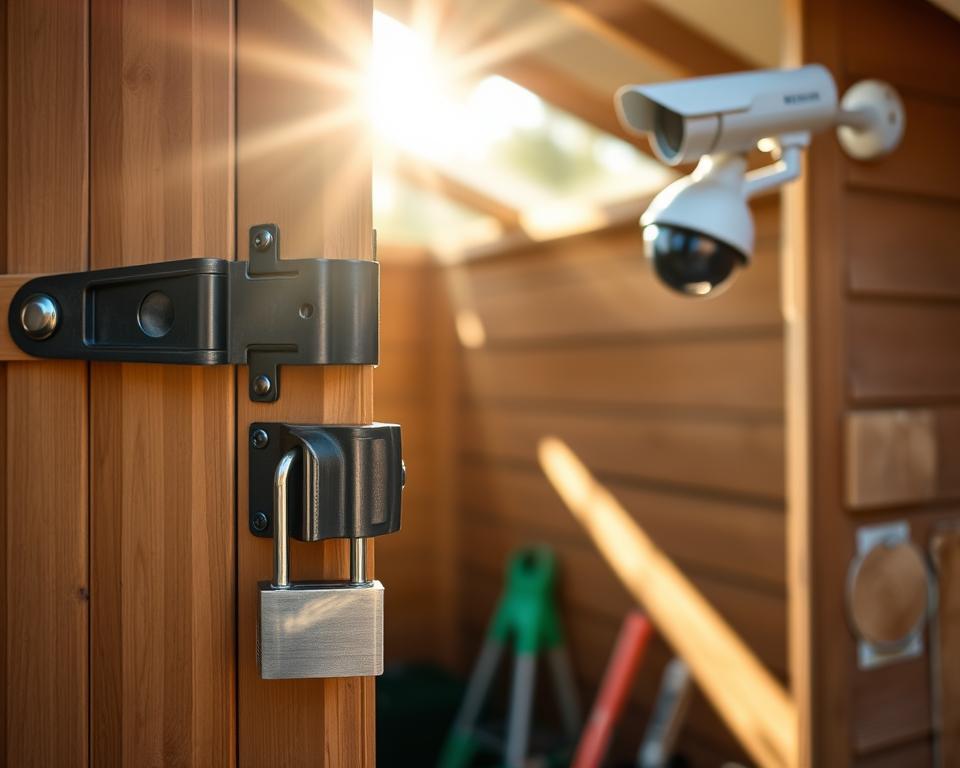
A comprehensive approach to protection involves more than just a single lock. Layered security addresses multiple potential entry points, creating a robust defence system. This strategy makes unauthorised access significantly more difficult for potential intruders.
Reinforcing Doors and Windows
The structural integrity of access points is paramount. Strong doors constructed with mortise and tenon joints offer superior resistance. Their rigid framing can withstand considerable force.
Intruders often bypass locks by targeting the hinges. They may attempt to remove the pins or unscrew the fittings. Using heavy-duty, tamper-proof screws like clutch-heads or coach bolts prevents this tactic.
Windows are a common target for thieves. Smashing the glass or removing the frame provides easy access. For storage-only structures, opting for a design without windows is the most secure choice.
If windows are necessary, upgrading to toughened, laminated glass or applying security film increases resilience. Installing metal bars offers a powerful physical barrier against entry.
Enhancing Lighting and Visibility Around the Shed
The location of the storage building plays a crucial role in its security. Ideally, it should be clearly visible from the main house but hidden from public view. This allows for natural surveillance.
Motion-activated security lights are an excellent deterrent. They instantly illuminate the area, startling intruders and alerting residents to movement. Modern LED options are energy-efficient and cost-effective.
Maintaining clear sightlines is essential. Overgrown vegetation provides cover for unauthorised individuals. Regularly trimming bushes and trees removes these hiding spots.
Ensuring the perimeter is well-lit discourages nocturnal activity. A well-maintained area signals that the property is cared for and monitored.
| Security Measure | Purpose | Effectiveness |
|---|---|---|
| Reinforced Door Construction | Increase structural strength | High |
| Tamper-Proof Hinge Screws | Prevent hinge removal | High |
| Window Security Bars | Block physical entry | High |
| Motion-Activated Lighting | Deter and detect intruders | Medium |
Choosing the Best Hasp and Staple for Your Shed
Selecting the right hardware is a critical decision for protecting garden buildings. The correct choice ensures long-term durability and effective defence against intruders.

Homeowners must balance material performance with their specific security needs and local climate.
Comparing Stainless Steel, Galvanised, and Hardened Steel Options
Galvanised steel is a popular choice. Its zinc coating provides excellent rust resistance, making it ideal for the UK’s rainy weather. This option offers good protection at an affordable price.
For enhanced security, hardened steel is superior. It resists cutting and sawing attempts much better than standard steel. This material is ideal for sheds storing high-value items.
Stainless steel offers the best corrosion resistance. It is perfect for coastal areas where salt air can damage other metals. Although more expensive, its longevity justifies the cost for many.
Evaluating Top Brands and Product Specifications
Brands like Smith & Locke provide reliable galvanised hasp and staple sets. These are cost-effective for standard shed security. Prices typically range from £4 to £10.
For a heavy duty solution, consider brands like Yale. Their hardened steel models, such as the Y155B/160/BK, offer advanced protection. These are available for around £14.
ABUS offers specialised locking brackets from approximately £12. These provide alternative configurations for various garden buildings. Always check that the padlock fits securely through the staple.
When evaluating a hasp staple set, consider its physical size and metal thickness. A robust design is essential for a secure garden shed. Investing in quality hardware provides peace of mind for years to come.
Installation and Maintenance Best Practices
The long-term effectiveness of a shed’s locking mechanism relies heavily on two key factors: a meticulous initial installation and consistent upkeep. Getting the details right from the start prevents future problems. A simple routine then ensures the hardware performs as intended for years.
This involves careful selection of components and a schedule of basic checks. These practices protect your investment and maintain peace of mind.
Ensuring a Secure Fit with Correct Fasteners
The choice of bolts and screws is crucial for security. Standard fixings can be easily undone by an intruder. Using tamper-resistant options makes removal from the outside extremely difficult.
Coach bolts are an excellent choice for maximum protection. They require access to both sides of the door for installation and removal. The bolt head sits inside the shed, making external tampering futile.
For a simpler installation, security screws with unique drive patterns offer great resistance. They are more convenient to fit than through-bolts but still deter casual interference.
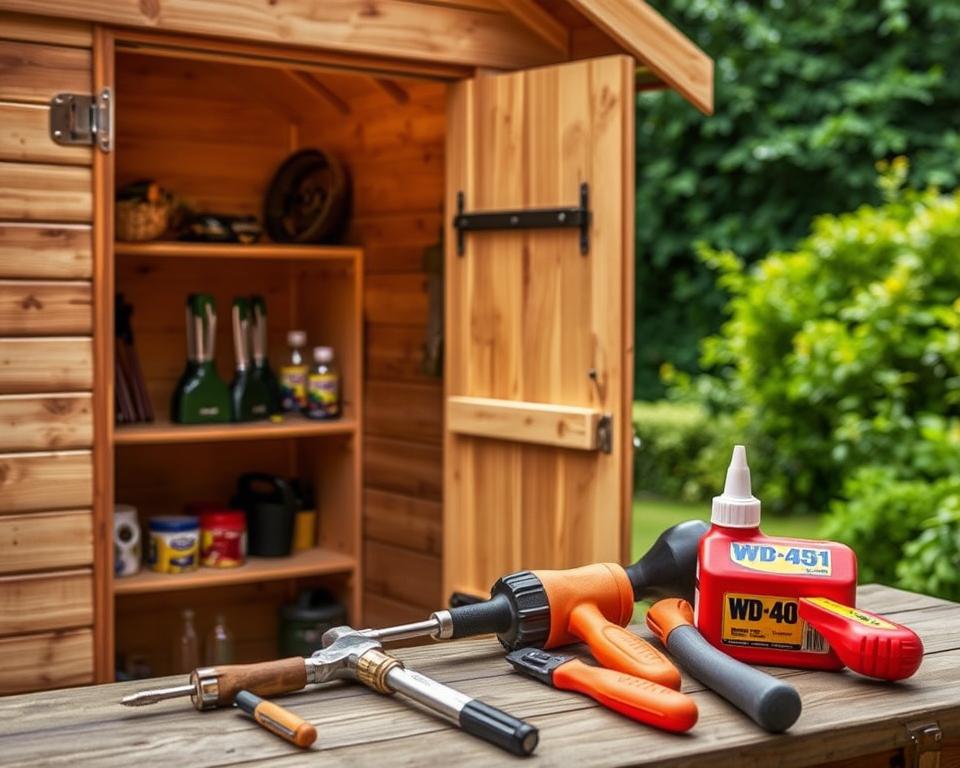
Always ensure the fastener length is suitable for the door thickness. The fixings must grip securely without protruding dangerously on the inside.
Routine Checks and Long-Term Maintenance Tips
Regular maintenance preserves both function and longevity. A quick inspection every few months can identify minor issues before they become major problems.
Follow these simple tips to keep the mechanism in top condition. This routine focuses on the hardware and its mounting points on the door and frame.
- Clean and Lubricate: Use a wire brush to remove dirt and light rust. Apply a weather-resistant lubricant to the moving parts to ensure smooth operation.
- Check Fastener Tightness: Vibration and wood movement can loosen screws and bolts over time. Tighten them securely to maintain a firm hold.
- Inspect for Damage: Look for signs of wear, such as cracks, deep rust, or deformation. Replace any compromised components immediately.
- Verify Alignment: Ensure the hasp and staple still align correctly. Settlement or warping can create gaps that reduce security.
Finally, check that locks operate smoothly and are positioned to minimise weather exposure. A well-maintained system is a reliable one.
| Maintenance Task | Frequency | Key Benefit |
|---|---|---|
| Clean & Lubricate Mechanism | Every 3-6 months | Prevents stiffness and corrosion |
| Tighten Mounting Fasteners | Twice yearly | Ensures hardware remains securely attached |
| Full Component Inspection | Annually | Identifies wear or damage early |
Conclusion
Installing a robust locking mechanism is a vital step in safeguarding garden buildings and their contents. This guide has provided a clear path from selecting durable materials to achieving a professional finish. The result is a significant improvement in overall shed security.
Homeowners can now confidently protect their valuable tools and equipment. A well-fitted hasp and staple, combined with a quality padlock, creates a powerful deterrent against theft. This simple upgrade offers excellent protection for a modest investment.
By addressing common vulnerabilities, one creates a more secure garden environment. This proactive approach brings peace of mind, knowing that storage areas are well defended. It is a practical measure that yields long-term benefits for any property.
FAQ
Why is a hasp and staple necessary for a garden shed?
A hasp and staple provides a robust anchor point for a padlock, preventing unauthorised access. This simple addition significantly deters thieves from targeting valuable tools and equipment stored inside.
What materials are best for a long-lasting hasp and staple?
Stainless steel or galvanised steel are highly recommended for their resistance to rust and corrosion. These materials ensure the locking mechanism remains strong and functional, even in harsh weather conditions.
How do you identify the correct placement for a hasp and staple?
The hasp should be centred on the shed door, while the staple is fixed to the door frame. It is crucial to ensure the two components align perfectly when the door is closed for the padlock to fit securely.
Can a hasp and staple be used on any type of shed door?
Yes, this security feature can be fitted to both wooden and metal shed doors. The installation process involves using appropriate screws and ensuring the door structure itself is solid enough to support the fitting.
What additional security measures complement a hasp and staple?
A> For enhanced protection, consider reinforcing shed hinges, installing shed bolts, and improving external lighting. These steps create multiple layers of security, making it much harder for intruders to gain entry.
How often should a hasp and staple be inspected?
A routine check every six months is advisable. Look for signs of wear, rust, or loose fittings. Regular maintenance ensures the lock continues to provide maximum security for your garden building.