
Effective Shed Insulation Solutions for UK Homes

Insulating a garden building is one of the most practical upgrades a UK homeowner can make. This article explains how shed insulation can increase comfort, protect tools and belongings, reduce energy use where shed heating is used, and help control moisture that damages timber and fittings.
Seasonal swings, persistent damp and cold winters make UK shed insulation especially relevant. From timber garden sheds and log cabins to metal sheds and modular outbuildings, the right approach can transform a cold storage space into a usable workshop, studio or home office with far better thermal performance.
Inside this guide you will find why insulation matters, a comparison of common materials and their pros and cons, how to assess and measure your shed, practical installation methods for walls, roofs and floors, and advice on ventilation, condensation control, costs, DIY versus professional installation and ongoing maintenance. The aim is a clear shed thermal upgrade that suits typical UK conditions and everyday budgets.
Inhaltsverzeichnis
Key Takeaways
- Shed insulation improves comfort and prolongs the life of stored items and structure.
- Garden shed insulation is vital in the UK due to damp winters and temperature swings.
- A range of materials and methods exist; choice depends on shed type and use.
- Proper assessment of structure, ventilation and moisture risk is essential before work.
- Consider shed heating only after addressing insulation and draughts to cut running costs.
Understanding the Importance of Shed Insulation for UK Homes
Many UK gardens contain sheds used for hobbies, workshops or home offices. The cool, wet winters and changeable summers of the UK climate make uninsulated garden buildings prone to rapid heat loss. That drives condensation on cold surfaces and creates conditions where mould and timber decay can take hold. Good UK climate insulation makes interiors more comfortable for people and safer for stored items.
Why insulating garden buildings matters in the UK climate
Insulation slows heat transfer between inside and outside. In the British climate, this reduces the frequency at which heaters must run to keep a steady temperature. A stable interior also avoids cold spots that invite condensation and mould growth. Proper insulation, paired with ventilation, protects timber frames and cladding from repeated wet–dry cycles that cause warping and rot.
Energy efficiency benefits and impact on heating costs
When you heat a shed, poorly insulated walls and roof lose that energy quickly. Adding insulation cuts heat loss and helps to reduce heating bills by lowering the demand on electric radiators or space heaters. Even for unheated sheds, improved thermal performance keeps temperatures steadier, reduces the need to top up heating and extends the life of electrical equipment.
Protecting tools, belongings and structural timbers from moisture and frost
Insulation combined with correct vapour control and ventilation will help protect tools and materials. Sensitive items suffer less from frost and damp, which helps to protect metal tools from corrosion and timber from decay. The right measures can protect tools from frost and reduce condensation, preserving both contents and the structure for longer.
Common Shed Insulation Materials and Their Pros and Cons
Choosing the right insulation materials for sheds affects comfort, humidity control and running costs. This short guide compares common choices so a gardener or DIYer can weigh up performance, cost and installation needs.
Mineral wool and glass wool: thermal performance and breathability
Mineral wool (rock wool) and glass wool are made from spun rock or recycled glass fibres. They offer reliable thermal conductivity and good sound absorption. Typical batts come in a range of thicknesses to suit stud depths and roof voids.
These fibrous insulants breathe well, which helps avoid trapped moisture in timber cladding. They do need protective facings or internal lining to meet fire and finish requirements. Installers should wear gloves and masks, since fibres can irritate skin and lungs. If left exposed to persistent damp, thermal value falls and drying time can be long.
Rigid foam boards: PIR and EPS characteristics
Rigid boards offer high thermal performance for small depths. Polyisocyanurate (PIR) scores better per millimetre than expanded polystyrene (EPS). PIR is often chosen where space is limited and a thin board must deliver a good U‑value.
Both cut to size and fix neatly, with good resistance to moisture when sealed at the edges. Fire classification varies between products, so check the data sheet. Vapour control layers or taped joints are commonly needed to avoid interstitial condensation. EPS PIR differences matter when balancing price, space and regulatory needs.
Natural options: sheep’s wool, hemp and cork
Natural fibres such as sheep’s wool insulation, hemp and cork come from renewable sources and have low embodied carbon. Wool manages moisture well by absorbing and releasing water vapour without losing insulation value. Hemp and cork give strong acoustic damping and stable thermal performance.
Costs tend to be higher and availability can vary across the UK. Bio-based materials may need treatment against insects or mould in some installations. For those wanting a low‑impact solution, these materials are worth considering.
Reflective foil and multi-layer systems: when they work best
Reflective shed insulation and multi-layer foil systems cut radiant heat transfer when installed with a sealed air gap. They are lightweight and useful under roof linings or behind cladding where a ventilated cavity exists.
These systems perform poorly in purely conductive scenarios and require careful sealing of air layers. Used as a supplementary layer, they can boost performance without adding much depth.
| Material | Thermal performance | Moisture behaviour | Ease of installation | Typical concerns |
|---|---|---|---|---|
| Mineral wool / Glass wool | Good; varies with thickness | Breathable; must avoid prolonged wetting | Cut to fit; needs protective lining | Installation irritation; dries slowly if soaked |
| PIR boards | Very high per mm | Resistant when sealed | Simple board fixing; trims well | Edge sealing; fire class differences |
| EPS (expanded polystyrene) | Good but lower than PIR | Moderate; must be protected | Easy to cut; economical | Lower performance per mm; EPS PIR differences affect choice |
| Sheep’s wool, hemp, cork | Good; stable with moisture | Wool handles moisture well; hemp and cork resist decay | Requires careful fitting; possible insect treatment | Higher cost; variable supply |
| Reflective foil / Multi-layer | Effective for radiant heat with air gap | Neutral; performance relies on cavity | Lightweight; must maintain air gap | Less effective for conduction; needs sealed layers |
How to Assess Your Shed Before Insulating
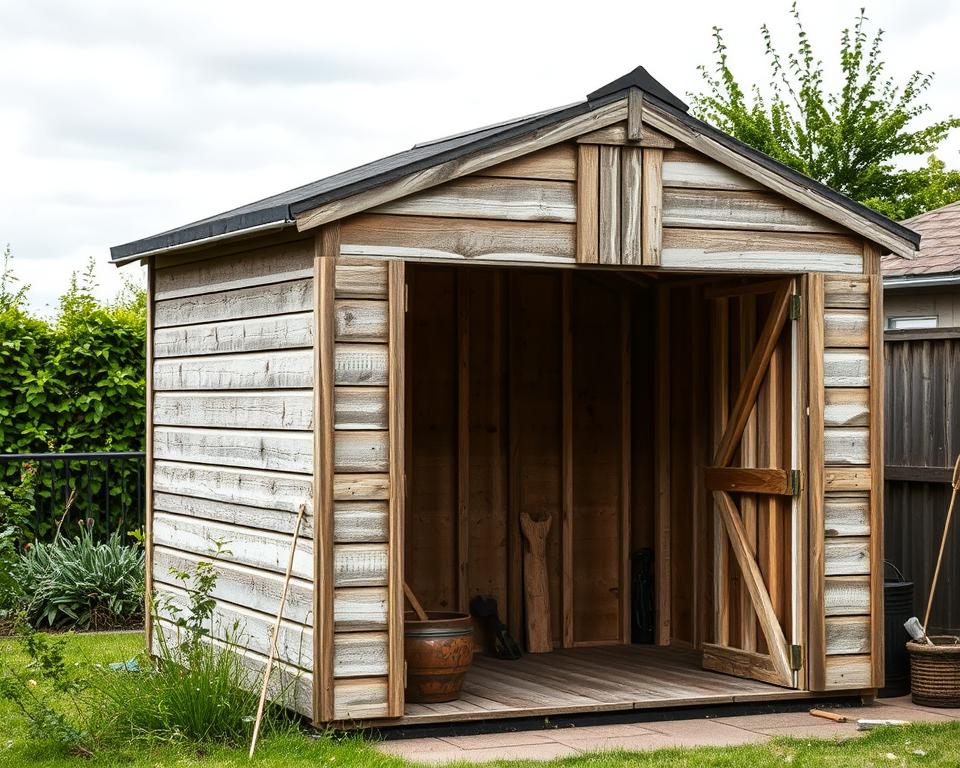
A careful shed assessment lets you avoid wasted time and expense later. Start with a visual survey of the frame, cladding, roof and base. Note any sagging timbers, loose boards or rusted metal panels. Treat obvious rot and replace decayed joists before adding insulation. Use Cuprinol or another timber preservative for exposed wood where appropriate.
Checking structural soundness and identifying damp or rot
Inspect joints, fixings and roof felt for leaks. Look for moss on felt, standing water at the base and white or black mould on internal surfaces. Use a moisture meter to check timber and plasterboard. If you need to check shed for damp, probe suspect areas with a screwdriver and note soft spots. Treat woodworm and apply preservative where required.
Measuring area and calculating required material quantities
Measure walls, roof and floor areas accurately. Record stud centres and subtract window or door openings. Allow 10% waste when you measure shed insulation needs. Use U-value tables from Kingspan, Celotex or Rockwool to select the right thickness and thermal resistance. Order boards or rolls based on calculated square metres.
Considering ventilation, electrics and usage requirements
Decide the intended use before you insulate. Shed usage planning for storage, workshop or home office changes ventilation and heating needs. Plan for electrics in sheds if you need sockets, lighting or heaters. Remember that certain electrical work may fall under Part P and needs a registered electrician.
Assess ventilation to prevent condensation if you store paints, timber or tools. Fit passive vents or a small extractor for workshop use. Check whether insulation and heating will change the building’s status under planning or building regulations if it becomes habitable.
Practical Installation Techniques for Shed Insulation
Good installation starts with careful preparation. Before you install shed insulation, clear the space, remove stored items and clean surfaces. Repair any rot, leaks or loose boards and check the roof and floor for soundness. Wear gloves and a mask when handling mineral wool and keep tools protected.

Decide on the approach for framed vs solid timber insulation early. For framed walls, place rolls or cut foam boards snugly between studs. Fix a breathable membrane or an internal lining such as OSB or plywood to finish the face. For solid timber sheds like shiplap, build an internal stud frame to accept insulation, or add external insulated panels with new cladding while keeping a small cavity to prevent thermal bridging.
Preparing shed walls correctly reduces later issues. Ensure surfaces are dry and level, fit a suitable sub-frame where needed and confirm there is no ponding or leaks above. On floors, add a solid, level sub-floor or rigid insulation boards where practical. For roofs, check joists and rafters and use cut-to-fit insulation to avoid gaps.
Sealing gaps is essential to performance. Focus on doors, windows and eaves with brush seals, rubber gaskets and expanding foam for larger voids. Good draught proofing shed details cut heat loss and stop cold drafts from undermining the insulation.
Think carefully about a vapour control layer. In many timber sheds a breathable approach is better to avoid trapping moisture in the fabric. Use a vapour control layer where there will be internal heating or high humidity, placing it on the warm side of the insulation and ensuring airtight joins to prevent condensation inside the insulation.
Finish with neat detailing. Compress insulation only where necessary, keep continuous cavity paths and maintain ventilation routes. Test doors and windows for draughts and re-check seals after linings are fixed. A well-planned job that follows these steps will make your effort to install shed insulation long-lasting and effective.
Insulating the Roof: Strategies for Maximum Effectiveness
Roof insulation for sheds needs a clear plan that matches the roof type, the shed’s use and your budget. A well-chosen approach improves comfort, protects stored items and lowers heating needs. This section outlines practical options for both pitched roofs and flat roofs, offers advice on preventing condensation in roof spaces, and sets out how to weigh roof insulation cost against performance.

Roof options for pitched and flat roofs
Pitched roof insulation often means fitting mineral wool or PIR between rafters with a vapour check and internal lining. Where rafter depth is limited, consider sarking boards or insulated plasterboard to boost thermal performance without losing headroom. For insulating flat roof spaces, a warm roof solution places rigid PIR or foamboard above the deck to keep the structure warm and cut the risk of pooling water.
Addressing condensation and breathability
Condensation in roof spaces is a common issue, especially in timber sheds. Ventilation at eaves and the ridge reduces moisture build-up. Use a breathable underlay on pitched roofs and ensure internal linings are detailed to avoid cold bridges. Regularly inspect roof felt or membrane and choose breathable insulation where moisture exchange is likely.
Cost versus performance: choosing the right solution
When assessing roof insulation cost, compare installed performance as well as material price. PIR boards give a high R‑value per millimetre and suit tight rafters but cost more than mineral wool. Mineral wool is cheaper and breathable, yet it needs greater thickness to match PIR’s performance. Match your choice to available headroom, intended use and long‑term savings on heating.
Practical checklist
- Measure rafter depth and decide between between-rafters or over-deck solutions.
- Fit a vapour check where internal humidity will be high.
- Ensure continuous ventilation to limit condensation in roof voids.
- Compare roof insulation cost against expected energy savings and usable space.
Floor Insulation Solutions to Improve Comfort and Energy Efficiency
Choosing the right floor strategy makes a big difference to comfort and running costs in garden buildings. Good shed floor insulation reduces draughts and keeps surfaces warmer underfoot. A considered approach protects tools, preserves timber and helps maintain a stable internal climate for hobby spaces or workshops.
Suspend vs solid floor considerations
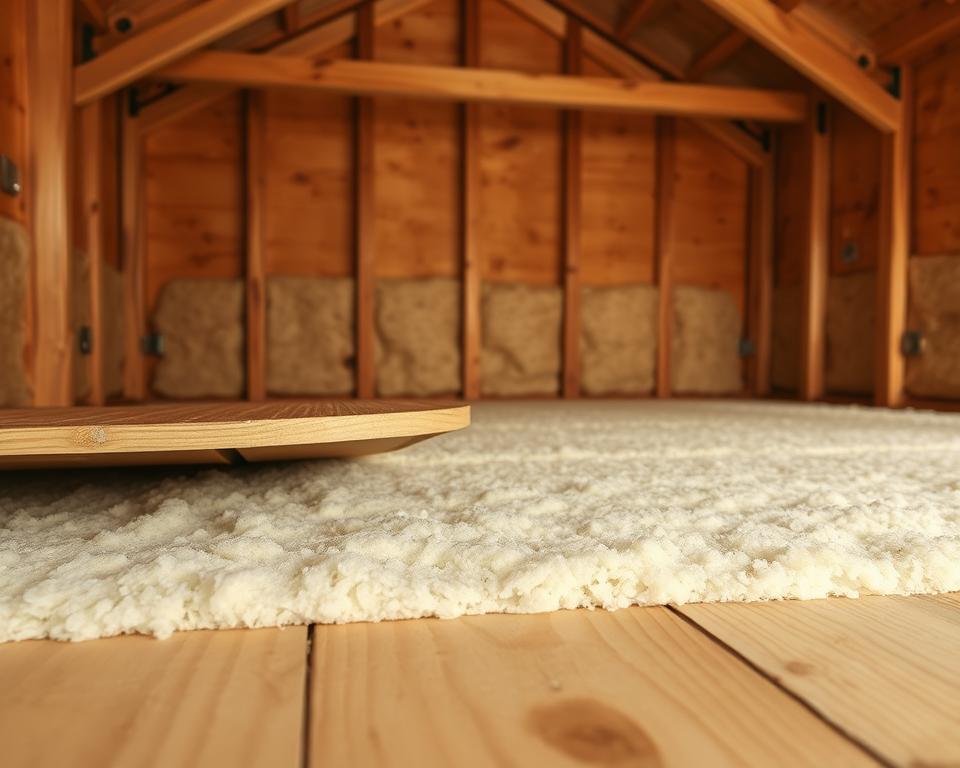
Suspended floors use joists and are common in timber sheds. Suspended floor insulation fits between joists. Options include rock mineral wool or PIR boards. These materials perform well while allowing some breathability beneath the floor. Proper ventilation under joists prevents timber rot and prolongs life.
Solid concrete slabs need a different approach. Rigid insulation can sit beneath the slab if installed during construction. For renovations, rigid boards or insulated deck boards above the slab give immediate benefits. Both approaches aim to avoid cold, damp surfaces and improve thermal comfort.
Insulating above ground and insulated sub-floor systems
For existing timber floors, fit PIR or foil-faced panels between joists and add a chipboard or plywood overlay for strength. This creates an insulated sub-floor that is quick to install. Floating floors with resilient layers reduce vibration in workshop settings and increase comfort for prolonged use.
New builds benefit from placing rigid insulation under the concrete slab or choosing insulated deck boards above it. An insulated sub-floor helps meet thermal goals and avoids costly retrofits later. Durable floor insulation such as PIR or EPS offers a long service life and good thermal resistance.
Moisture barriers and long-term durability
Always include a moisture barrier for shed installations where ground damp is possible. A DPM beneath slabs prevents rising damp. Use moisture-resistant insulation boards where contact with damp may occur. PIR and EPS resist moisture far better than fibrous alternatives.
Treated floorboards, raised bearers and ventilation under joisted floors extend timber life. For suspended floor insulation, keep airflow adequate to avoid trapped moisture. Choosing durable floor insulation and proper detailing around edges and openings reduces maintenance and preserves performance.
Ventilation and Condensation Control in Insulated Sheds
Good insulation can keep a shed warm and dry, but trapped moisture can build up quickly. A well-designed approach balances thermal performance with controlled airflow to limit condensation and reduce the risk of mould growth. This short section explains practical options for maintaining a healthy, usable space.

Balancing insulation with adequate airflow
Insulating without provision for airflow raises humidity and creates cold surfaces where condensation forms. For storage of paper, fabrics or power tools, plan vents or extraction alongside insulation. For hobby rooms or occasional occupancy, combine insulation with extract ventilation to remove moisture at source.
Passive and mechanical options for small buildings
Simple passive ventilation for sheds includes air bricks, trickle vents in windows and eaves vents. These add background airflow with no running cost and help maintain a dry environment.
For workshops, spaces that use paint or solvents, or sheds that are frequently occupied, mechanical shed ventilation works faster. Small extractor fans, positive input ventilation systems and low-power units clear moist air and pollutants. Choose units rated for the shed’s volume and ensure safe electrical installation.
Recognising problems and practical remedies
Common signs of poor ventilation are black mould, musty smells, damp patches, flaking paint and warped timber. Spotting these early stops damage to tools and structure.
Remedies include adding vents, improving door and window seals while fitting trickle vents, and installing an extractor fan or a Meaco dehumidifier for reliable moisture removal. Increasing air circulation with a small background heater or regular airing sessions also helps reduce condensation.
- Check ventilation paths when fitting insulation to avoid trapped moisture.
- Match mechanical shed ventilation to shed use and size for best results.
- Monitor for signs of mould in shed and act quickly to prevent spread.
Cost Estimates, DIY vs Professional Installation and Grants
Deciding how to insulate a shed starts with realistic numbers and an honest look at your skills. Below are common material costs, DIY considerations and when to call a professional. Fit these to your shed insulation budget before buying anything.
Budgeting typical costs for common insulation methods
Mineral wool rolls usually cost from £20–£60 per pack depending on thickness and brand. PIR boards range from £8–£18 per m² for standard densities. Sheep’s wool batts sit around £10–£25 per m². Reflective foil and basic vapour membranes can be under £5–£10 per m².
A small timber shed can be insulated for a few hundred pounds in materials. Larger log cabins or full conversions often reach £1,000–£3,000+ once higher-spec boards, fixings and floor upgrades are included. Tool hire and electrics add to total shed insulation cost; a circular saw, staple gun and PU foam gun hire might add £30–£70 per day.
| Material | Typical UK cost | Main benefit | Consideration |
|---|---|---|---|
| Mineral wool rolls | £20–£60 per pack | Good breathability, cheap | Requires protective kit when installing |
| PIR rigid boards | £8–£18 per m² | High thermal performance, slim profile | More costly, careful sealing needed |
| Sheep’s wool batts | £10–£25 per m² | Natural, breathable, pest-resistant | Higher upfront cost, variable supply |
| Reflective foil & vapour membranes | £5–£10 per m² | Low cost, useful in tight spaces | Performance depends on correct installation |
DIY considerations: skills, tools and common pitfalls
DIY shed insulation can cut labour costs if you have practical skills. Required abilities include accurate measuring, cutting boards squarely and handling fibrous insulation safely.
Essential tools are a circular saw, staple gun, PU foam gun and spirit level. Expect to hire or buy these if you do not already own them.
Common mistakes that raise final shed insulation cost include ignoring ventilation, not repairing leaks first and poorly sealing junctions. Incorrect placement of vapour control layers causes condensation and mould. Plan your shed insulation budget to include waste and fixings.
When to hire a professional and what to expect
Hire a professional insulation installer for projects with complex electrics, structural repairs or when converting an outbuilding into a workspace. A trained contractor will aim to meet target U-values and provide a smoother process.
A professional typically carries out a site survey, specifies materials, gives a timeline and offers workmanship warranties. Labour can push total costs into the £1,000–£3,000+ range for larger conversions. Check credentials and read reviews before appointing a professional insulation installer.
Insulation grants UK aimed specifically at garden sheds are rare. Some local schemes or home-improvement grants support outbuildings converted to workspaces. Contact your council and organisations like the Energy Saving Trust to check current eligibility and apply any available support to your shed insulation budget.
shed insulation
Understanding thermal performance helps you choose the right materials and plan long-term shed care. Read manufacturer sheets carefully to compare declared thermal performance and to set realistic targets for a workspace or hobby room. Aim for practical values rather than perfect home‑grade standards if the shed is used infrequently.
Key performance metrics: U-values, R-values and declared thermal performance
R-value insulation measures thermal resistance. Higher R-values mean better resistance to heat flow. U-values for sheds give thermal transmittance; lower U-values indicate less heat loss. When reading technical datasheets look for declared thermal performance, thickness and lambda value so you can compare like for like.
Practical targets depend on use. For a regularly heated shed, aim for U-values close to those of a small room. For occasional use, prioritise a decent R-value insulation layer in the roof and walls to reduce drafts and condensations.
Choosing materials specific to UK weather patterns and building regs
Pick materials that manage moisture well in the UK. Breathable fibrous products, such as mineral wool or sheep’s wool, suit timber cladding because they allow vapour to escape. For tight spaces choose PIR boards where thickness is limited. Use moisture‑resistant boards in low‑clearance areas to avoid sagging and mould.
If converting a shed to habitable use you must consider building regs shed requirements. That involves insulation and ventilation levels, fire safety of materials and electrical compliance. Contact your local authority for guidance before major alterations.
Maintenance tips to keep insulation effective long-term
Regular inspection is essential to maintain insulation. Check roof felt and membranes each year and after storms. Look for leaks, blocked vents and signs of rot or insect attack in timber. Keep stored items off the floor on pallets to aid airflow and reduce damp transfer.
Replace or top up damaged insulation promptly. Keep breathable linings intact to avoid trapping moisture. For sensitive equipment use silica gel or a small dehumidifier to protect against corrosion and mould. These simple steps will help maintain insulation and support long-term shed care.
Conclusion
This shed insulation summary highlights why insulating garden buildings matters in the UK. Proper insulation improves comfort, reduces running costs when heating is used, and protects tools and timber from damp and frost. It also creates the opportunity to repurpose sheds as workshops, home offices or hobby rooms when thermal performance and ventilation are addressed.
As next steps, assess the condition of your shed and deal with structural or damp issues first. Choose the best shed insulation for UK conditions by weighing breathability, cost and available depth. Plan ventilation alongside insulation so condensation is controlled, and obtain quotes if you prefer professional installation; resources such as the Energy Saving Trust and local council advice can help inform decisions.
Finally, remember that correct installation and ongoing maintenance matter as much as material choice. For conversions to occupied spaces, verify compliance with building regulations and consult a qualified tradesperson or building control officer where necessary. This insulating garden buildings conclusion underlines that sensible planning and care deliver long-term savings and a more usable garden building.
FAQ
What are the main benefits of insulating a garden shed in the UK?
Insulating a shed increases comfort for anyone using it as a workshop, studio or home office, protects tools and materials from frost and damp, reduces energy use when heating is applied, and helps prolong the structure’s life by controlling moisture and temperature swings common in the UK climate.
Which shed types commonly need insulation and does the approach differ?
Timber garden sheds, metal sheds, log cabins and modular outbuildings are all commonly insulated. Timber-framed sheds usually take insulation between studs with breathable finishes. Solid timber (shiplap) often benefits from an internal studded cavity or external insulation and re-cladding. Metal sheds need vapour control and thermal breaks to avoid condensation and cold bridging. Each type requires specific detailing to manage breathability and moisture.
How do I check my shed before starting insulation work?
Inspect the frame, cladding, roof covering and base for rot, leaks, standing water, rust or moss. Repair leaks and rotten timbers first, treat timber with preservatives such as Cuprinol if necessary, and ensure a level, dry floor. Measure wall, roof and floor areas, allow 10% waste for materials, and review intended use to determine ventilation and electrics requirements.
Which insulation materials are best for UK sheds?
Choices depend on space, breathability and budget. Mineral wool (rock or glass) is cost-effective, breathable and sound-absorbing. PIR boards give high thermal performance per millimetre where space is limited. Natural options like sheep’s wool, hemp and cork offer low embodied carbon and good moisture handling. Reflective foil systems work as supplementary layers where an air gap is present. Consider moisture resistance, fire classification and cost when choosing.
What are the pros and cons of PIR boards versus mineral wool?
PIR boards deliver higher R-value per millimetre and resist moisture, making them ideal for tight spaces and floors. They are more costly and require tight edge sealing and careful fire consideration. Mineral wool is cheaper, breathable and better for acoustic damping but requires greater thickness to match PIR performance and must be protected from prolonged moisture exposure.
How should I deal with vapour control and condensation?
Balance insulation with adequate ventilation. In many timber sheds a breathable approach is best to avoid trapping moisture. Use a vapour control layer on the warm side only when internal heating and high humidity are expected, and ensure airtight detailing. Provide eaves or trickle ventilation and consider extract fans or a dehumidifier for occupied or high-moisture uses.
How do I insulate a pitched roof versus a flat roof?
For pitched roofs, install insulation between rafters (mineral wool or PIR), use a vapour check where required and fit an internal lining. Ensure breathable underlays and eaves/ridge ventilation. For flat roofs, a warm roof with rigid PIR above the deck is preferred to reduce condensation and ponding risk; alternatively, insulate below the deck with correct vapour management. Roof insulation choices should weigh headroom, cost and condensation risk.
What are the best floor insulation methods for comfort and durability?
For suspended timber floors, fit PIR or mineral wool between joists with a breathable underlay and overlay with chipboard or plywood. For solid concrete slabs insulate below the slab in new builds or use rigid insulation and an insulated deck above an existing slab. Use a DPM under slabs where ground moisture is present and select moisture-resistant boards (PIR or EPS) for long-term durability.
Can I insulate my shed as a DIY project, and what tools/skills are needed?
Many homeowners can DIY simple insulation tasks. Required skills include accurate measuring and cutting, correct placement of vapour control where needed, and basic carpentry to fit linings. Tools commonly used are a circular saw, staple gun, PU foam gun and spirit level. Be mindful of PPE when handling mineral wool, and avoid common mistakes such as poor ventilation, sealing errors and failing to repair leaks first.
When should I hire a professional installer?
Hire a professional for complex structural repairs, electrical work, conversions to habitable space, or when specific U-values must be met. A contractor provides a site survey, material specification, installation timeframe and warranties. For projects requiring building regulation compliance, consult building control or a qualified tradesperson.
What are realistic costs to insulate a shed in the UK?
Material costs vary: mineral wool rolls and PIR boards are widely available, while natural insulants cost more. Basic material-only insulation for a small timber shed may cost a few hundred pounds. More extensive conversions or use of higher-spec PIR and professional labour can push costs into the £1,000–£3,000+ range. Factor in tool hire, electrics and flooring upgrades where needed.
How do I calculate how much insulation I need?
Measure wall, roof and floor areas precisely, subtract openings for windows and doors, and add about 10% for waste. Use manufacturers’ declared thermal performance or U-value tables from brands like Kingspan, Celotex and Rockwool to select thicknesses that meet your thermal targets. Convert R-values and U-values as needed to compare products.
Which performance metrics should I look for when choosing materials?
Look at R-value (thermal resistance) and U-value (thermal transmittance) on data sheets. Higher R-value or lower U-value means better insulation. Also consider moisture resistance, fire classification, acoustic properties and declared thermal performance. For occupied or frequently heated sheds, aim for performance comparable to equivalent interior rooms where practical.
How should I maintain insulated sheds to keep insulation effective?
Inspect roof felt or membrane annually, check for leaks after storms, ensure vents are unblocked, and look for signs of rot or insect activity. Replace or repair damaged insulation and maintain breathable linings to avoid trapped moisture. Keep stored items off the floor on pallets and use dehumidifiers or silica gel for sensitive equipment.
What ventilation options are suitable for insulated sheds?
Passive options include air bricks, trickle vents and eaves ventilation. Mechanical options include small extractor fans, positive input ventilation (PIV) for background airflow, or dehumidifiers for moisture control. For workshops handling solvents or paint, a mechanical extractor is recommended to remove pollutants and moisture effectively.
Are there grants or financial support available for insulating a shed?
Grants specifically for garden shed insulation are limited. However, some local council schemes or broader home improvement and energy-efficiency programmes may support conversion of outbuildings to workspaces. Check resources such as the Energy Saving Trust and local authority guidance for current schemes and eligibility.
How do I avoid condensation and mould after insulating?
Provide controlled ventilation alongside insulation, avoid creating fully sealed assemblies without a vapour strategy, and place any vapour control layer on the warm side if used. Regularly ventilate the space, install trickle vents or an extractor where needed, and use breathable insulants in timber builds to reduce trapped moisture. Monitor for early signs of mould and act promptly.
Are natural insulation materials like sheep’s wool worth the extra cost?
Natural materials offer sustainability benefits, good moisture buffering and sound absorption. Sheep’s wool can absorb and release moisture without losing thermal performance. They tend to cost more and may need insect treatment or specialised fixings, but they are attractive where low embodied carbon and breathability are priorities.

