Shed Roof Ideas | Ways to Improve the Look or Function of Your Shed
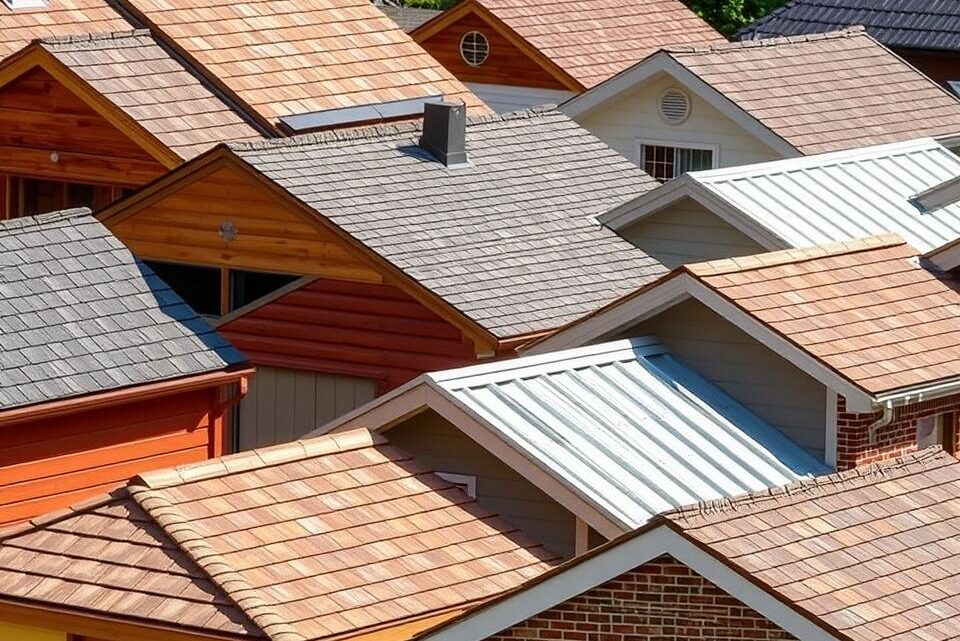
Many homeowners view their garden building as a simple storage solution. Yet, its upper surface presents a significant opportunity. This area can be transformed to add character and purpose to an outdoor space.
This guide explores creative and practical approaches for this part of the structure. It focuses on enhancing both visual appeal and practical use. The goal is to help you maximise the value of your garden asset.
Whether updating an existing building or planning a new one, the right choices matter. They can dramatically change how the structure looks and performs. Even simple modifications can have a substantial impact.
From improving natural light to boosting ventilation, the possibilities are extensive. This resource provides professional insights to guide your decisions. It helps you identify options that suit your needs and skill level.
Inhaltsverzeichnis
Key Takeaways
- Consider both aesthetic appeal and practical functionality.
- Simple changes can significantly enhance the structure’s appearance.
- Think about how modifications can improve the use of garden space.
- Plan upgrades that align with your budget and long-term goals.
- Explore options for better light and ventilation.
- Assess your own DIY skills before undertaking major projects.
- A well-designed upgrade adds value to your property.
Introduction and Benefits of Shed Roof Upgrades
The upper surface of a garden building often receives less attention than it deserves. Yet this component plays a vital role in both protection and appearance. Proper consideration can yield significant advantages.
Overview of Roof Functionality and Aesthetic Appeal
A quality covering provides essential shelter from harsh weather conditions. It offers protection against rain, snow, and extreme temperatures. The structural integrity of the entire building depends on this component.
Beyond practical considerations, the visual aspect matters greatly. An attractive design complements the surrounding landscape. It can transform a basic structure into an appealing garden feature.
Key Benefits for Garden Storage and Usability
Upgraded protection ensures better safeguarding of stored items. Tools and equipment remain secure from moisture damage. Seasonal belongings stay protected throughout the year.
Enhanced insulation creates a more stable environment inside. This prevents temperature extremes that can harm sensitive items. Better ventilation reduces condensation and moisture buildup.
| Benefit Type | Functional Impact | Aesthetic Value |
|---|---|---|
| Weather Protection | Shields contents from elements | Clean, maintained appearance |
| Thermal Insulation | Temperature regulation | Consistent exterior finish |
| Structural Integrity | Long-lasting durability | Proportional, balanced design |
These improvements extend the lifespan of the structure. They reduce maintenance needs over time. The space becomes more versatile for various uses.
Shed Roof Ideas | Ways to Improve the Look or Function of Your Shed
Creative enhancements to the top covering can revolutionise a garden building’s purpose. Natural illumination transforms dark spaces into inviting areas. Skylights require structural assessment and proper sealing during installation.

Ventilation systems prevent heat and moisture buildup inside garden structures. Options include ridge vents, louvres, and turbine vents. Proper airflow protects stored items from humidity damage.
Exterior lighting enhances both security and aesthetics. Solar-powered options offer easy installation. Wired systems provide consistent illumination for frequent use.
White coating reduces heat absorption in sunny locations. Specialised paints designed for mineral felt create reflective surfaces. This simple upgrade improves comfort during warmer months.
| Enhancement | Primary Benefit | Consideration | Skill Level |
|---|---|---|---|
| Skylights | Natural light | Structural capacity | Intermediate |
| Ventilation | Temperature control | Roof design | Beginner |
| Green covering | Insulation | Weight capacity | Advanced |
| Shingle upgrade | Durability | Material cost | Intermediate |
Living roofs with sedum or moss provide excellent insulation benefits. They manage rainwater drainage and attract wildlife. Always verify the structure can support additional weight.
Stargazing windows create unique viewing opportunities at night. Sliding covers allow light control during daytime. These features suit hobby spaces perfectly.
Practical Installation and Maintenance Tips
Careful attention to installation details guarantees the success of any roof modification project. Proper techniques ensure enhancements perform effectively for years.

Installing Skylights, Roof Ventilation and Lighting
Skylight installation requires thorough structural assessment. Additional framing may be necessary for support. Meticulous weatherproofing prevents leaks that could damage stored items over time.
Confident DIYers can handle basic installations. Professional contractors offer guaranteed workmanship. Optimal placement considers sun trajectory to avoid glare.
Ventilation systems vary in complexity. Simple ridge vents suit beginners. Turbine vents require advanced skills. Proper positioning ensures effective airflow.
Exterior lighting choices include solar and wired options. Solar systems need basic mounting skills. Wired installations require electrical knowledge.
| Installation Type | Skill Level Required | Key Consideration |
|---|---|---|
| Skylight Fitting | Intermediate | Structural reinforcement |
| Ridge Ventilation | Beginner | Weatherproof sealing |
| Solar Lighting | Basic | Sun exposure assessment |
| Turbine Vents | Advanced | Roof pitch compatibility |
Routine Maintenance for Longevity and Safety
Regular inspections identify damage early. Look for missing material, leaks, or moss growth. Prompt attention prevents minor issues from escalating.
Seasonal timing proves crucial. Check after severe weather and before winter. Clear debris from surfaces and gutters regularly.
Property owners should understand warranty implications. Modifications can void manufacturer guarantees. Projects are undertaken at personal risk.
Enhancing Aesthetics Through Material and Design Options
The selection of materials and design concepts for the top of a garden structure is a critical decision. It directly influences the building’s character and integration into the landscape. Homeowners can achieve a truly personalised result by exploring various options.
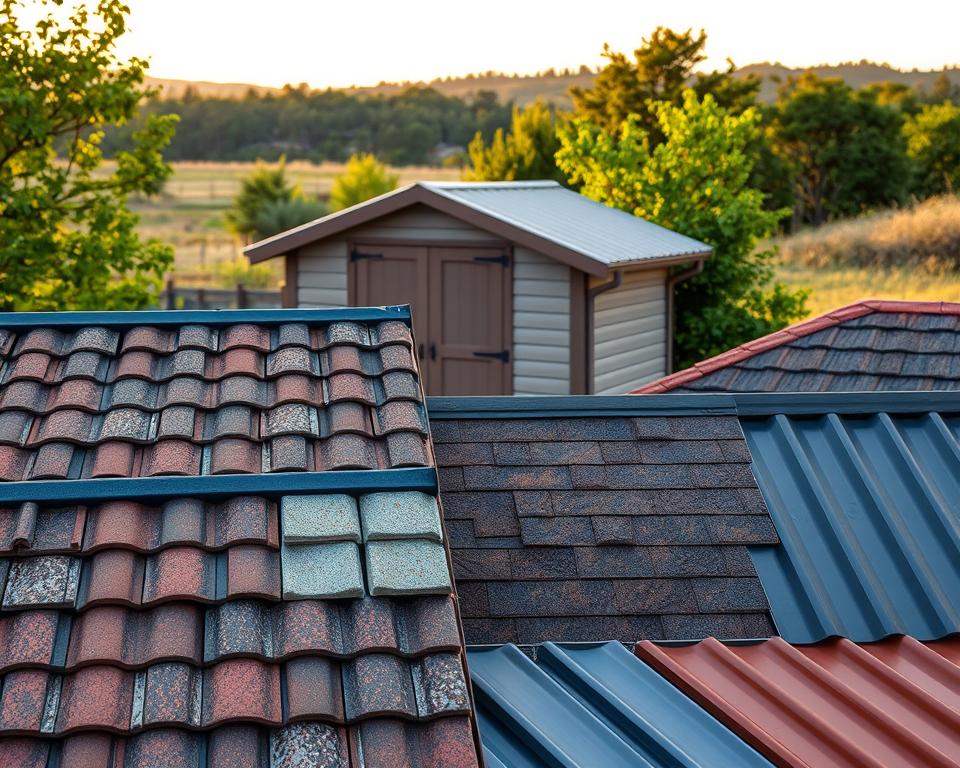
Thoughtful choices here can elevate a simple storage space into a standout garden feature. The right combination balances visual appeal with practical performance.
Selecting Roofing Materials: Metal, Shingles, and White Coating
Choosing the right roofing materials is fundamental to the overall design. Metal roofing, such as galvanised steel or aluminium, offers a sleek, contemporary look. It is known for exceptional durability, often lasting up to 50 years.
Asphalt shingles present a cost-effective option with a wide colour palette. This choice allows for matching the main house or creating contrast. For a rustic style, cedar shakes develop a charming character as they age.
White coating materials provide a clean, modern aesthetic. They reflect heat, keeping the interior cooler during summer months. Each material offers distinct advantages for different design goals.
Inspiring Designs: Green Roofs, Bird Sanctuaries and Stargazing Windows
Beyond conventional roofs, innovative designs can create unique focal points. A green roof, planted with sedum, blends the structure into the garden. It provides excellent insulation and supports local wildlife.
Transforming part of the roof into a bird sanctuary adds life and interest. A stargazing window turns the space into a private observatory at night. These creative design options showcase personal style and enhance the garden’s aesthetics.
Combining elements, like metal roofing with a skylight, maximises both look and function. The final choice should harmonise with the surrounding environment.
| Material Type | Primary Aesthetic | Key Consideration | Lifespan Estimate |
|---|---|---|---|
| Metal Roofing | Sleek, Industrial | Higher initial cost | 40-50 years |
| Asphalt Shingles | Traditional, Versatile | Wide colour selection | 20-30 years |
| Cedar Shakes | Rustic, Natural | Requires periodic maintenance | 15-25 years |
| Green Roof | Living, Eco-friendly | Structural weight capacity | 20+ years |
Maximising Natural Light and Ventilation
Transforming a garden building into a bright, airy space begins with strategic planning for illumination and airflow. Properly designed systems can dramatically enhance how these structures serve various purposes.

Integrating Skylights and Clerestory Windows for Daylight
Clerestory windows positioned on the elevated side of angled roofs capture abundant daylight throughout the day. This design approach floods the interior with natural light while maintaining privacy.
Skylights introduce overhead illumination that eliminates dark corners and shadows. Polycarbonate roofing materials offer excellent solutions for maximising light penetration while providing weather protection.
Strategic placement of transparent windows and roofing sections creates bright, functional areas. This approach can reduce daytime artificial lighting requirements by 50-75%.
Improving Airflow with Roof Ventilation Strategies
Effective ventilation complements natural light improvements in any garden building design. Proper airflow prevents heat buildup and moisture accumulation within the space.
Roof-mounted vents and ridge ventilation systems facilitate natural air circulation. This keeps interior environments comfortable during warmer months without mechanical assistance.
Combining light maximisation with ventilation creates synergistic benefits. The result is a garden building that feels open, airy, and usable across all seasons.
Innovative DIY Projects and Professional Services
Deciding between a DIY approach and professional installation is a key step in any garden building upgrade project. This choice depends on personal skill level, available time, and the complexity of the desired improvements.
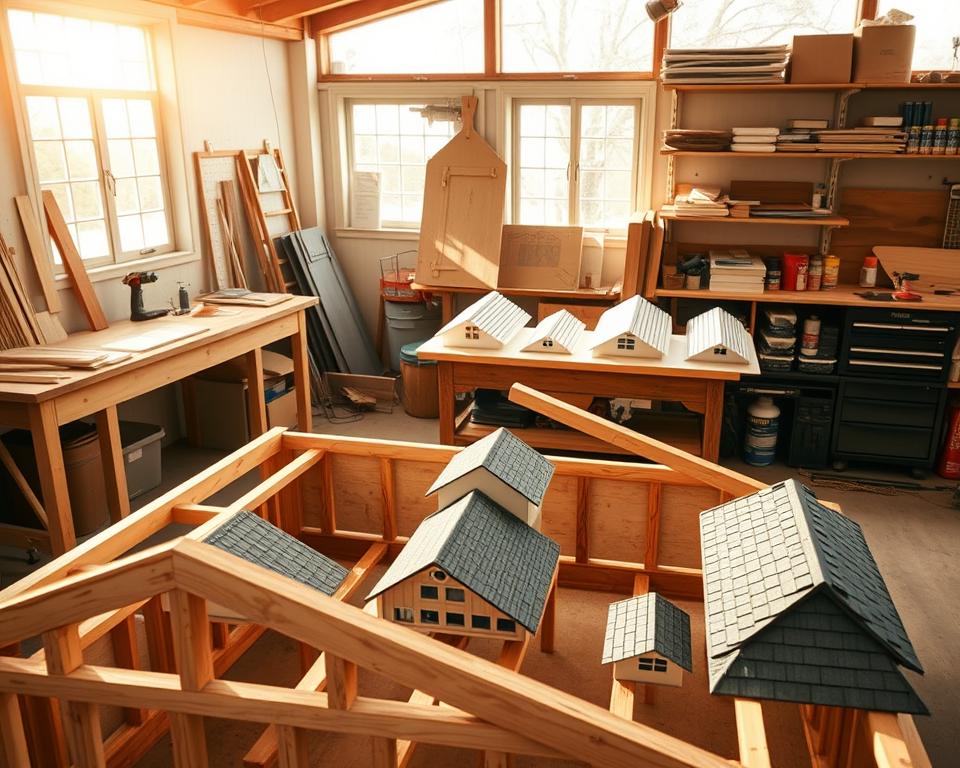
Easy DIY Upgrades for the Handy Homeowner
Many projects are well-suited for homeowners with basic DIY experience. Applying a reflective white coating or installing a simple ridge vent are excellent starter options. These upgrades require minimal specialised tools and offer immediate benefits.
For those with more confidence, installing asphalt shingles or corrugated plastic panels is a feasible next step. These materials are designed for manageable installation. Thorough research into techniques and local building codes is essential before starting any work.
- Asphalt Shingles: A popular, cost-effective choice with a straightforward installation process.
- Metal Roofing: More complex but achievable with proper tools and instructions.
- Fibreglass Panels: Lightweight and ideal for introducing natural light.
When to Hire a Professional Roof Contractor
Complex projects often warrant hiring a specialist. A professional roofing contractor brings valuable experience and ensures the work meets safety standards. This is the best way to handle structural modifications or electrical integrations.
Hiring experts saves time and provides peace of mind through workmanship warranties. They assess your shed‘s specific needs and complete the job efficiently. This guide helps homeowners make an informed choice for their home and garden sheds.
Considerations Based on UK Regulations and Weather Impact
Before embarking on modifications, property owners must consider both legal constraints and environmental factors. Adherence to regulations ensures the project proceeds smoothly, while weather-appropriate choices guarantee long-term performance.
Understanding the rules that govern garden structures is the foundation of any successful upgrade.
Understanding Permitted Development and Local Building Codes
In the UK, most garden buildings fall under permitted development rights. These typically limit the structure‘s height to 2.5 metres at its highest point. The floor area is often restricted to 15 square metres.
Any proposed change, such as adding a skylight or a green roof, must not cause the building to exceed these limits. If it does, planning permission from the local authority may be required. Regulations can vary, so checking with your local council is a vital step.
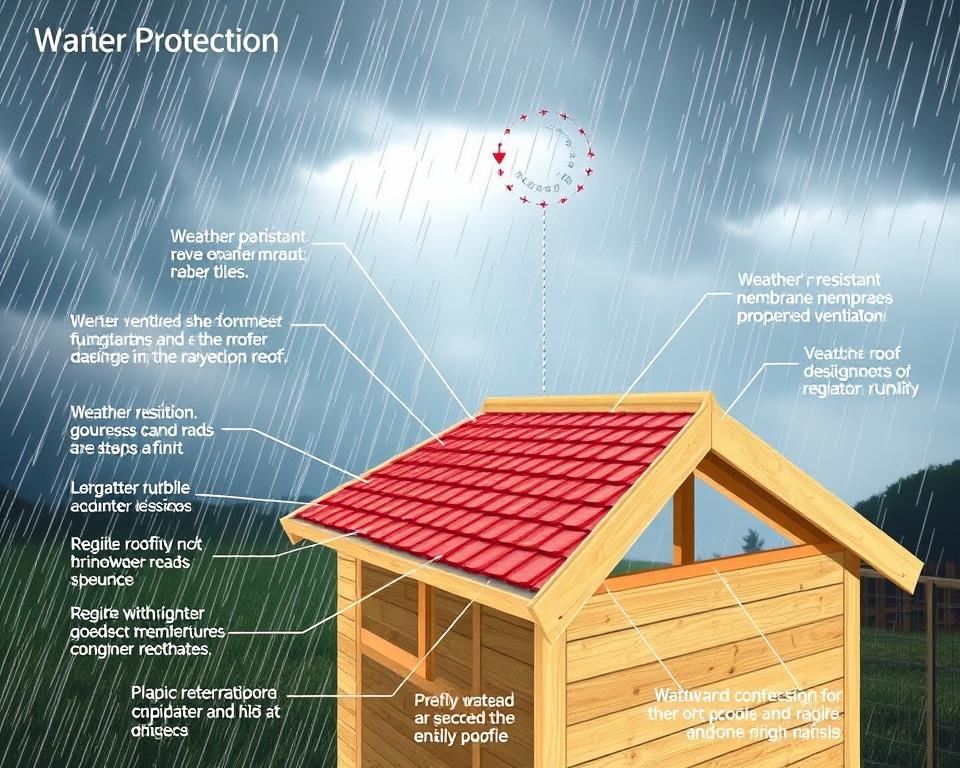
Adapting Shed Roofs for UK Weather Conditions
The British climate, with its frequent rain and strong wind, demands careful design. Choosing the right materials is essential for effective weather protection. Options must resist moisture and withstand pressure to prevent damage.
Adding features like a green roof or heavier tiles often requires reinforcing the structure. This involves thicker beams or extra bracing. Proper drainage is also critical; a good slope and gutters channel water away, safeguarding the building.
In exposed areas, wind resistance is a top priority. The design and anchoring must be robust. This guide highlights that meeting these needs ensures the roof shed remains secure and functional for years.
Conclusion
Thoughtful modifications to an outdoor building’s top layer can redefine its entire character. This guide has shown that even simple projects yield substantial benefits. They enhance both functionality and aesthetics.
The right choice of materials, from metal to shingles, ensures durability against the UK’s wind and water. Proper design brings in natural light and improves insulation. This transforms a basic storage space into a versatile area.
Whether tackling a DIY project or hiring professionals, careful planning is key. It protects your home from damage and maximises enjoyment. Each upgrade, however small, adds value.
Ultimately, enhancing this structure is a rewarding way to improve your garden. It creates a more useful and attractive space for years to come.
FAQ
What are the primary benefits of upgrading a shed roof?
Upgrading a roof offers significant benefits, including enhanced weather protection, improved internal climate control, and increased storage space usability. A well-designed structure can also elevate the overall aesthetics of a garden, adding value to a property.
Which roofing material is most suitable for a garden building in the UK?
The choice depends on budget and desired style. EPDM rubber is a popular, durable option that handles British weather well. For a traditional look, bituminous shingles are effective. Metal roofing provides excellent longevity and water runoff, making it a strong contender for longevity and low maintenance.
How can I add more natural light to my shed’s interior?
Integrating skylights or clear polycarbonate roof panels is an excellent way to flood the space with daylight. Another innovative idea is installing a clerestory window high on a wall, which allows light in while maintaining privacy and wall space for storage.
Are there any DIY-friendly shed roof improvement projects?
Absolutely. Many homeowners successfully install roof ventilation units, apply reflective white coatings to reduce heat, or add simple Perspex skylights. For those with basic skills, re-felting an existing roof is a common and manageable task that improves waterproofing.
Do I need planning permission to change my shed’s roof in the UK?
Typically, replacing or repairing a roof on an existing garden structure falls under ‘Permitted Development’, provided the overall height and volume of the building are not increased. However, it is always advisable to check with the local planning authority, especially in conservation areas or for listed properties.
What routine maintenance does a shed roof require?
Regular maintenance is key to longevity. This includes clearing debris like leaves from gutters and the roof surface, checking for and replacing damaged shingles or felt, and ensuring seals around windows or vents remain watertight to prevent internal damage.
Can a shed roof be insulated for year-round use?
Yes, insulating a roof is one of the most effective ways to create a comfortable space throughout the seasons. Rigid insulation boards can be fitted between rafters, or spray foam insulation can be applied. This helps regulate temperature, preventing excessive heat in summer and cold in winter.