Should a Greenhouse be in Full Sun or Shade?
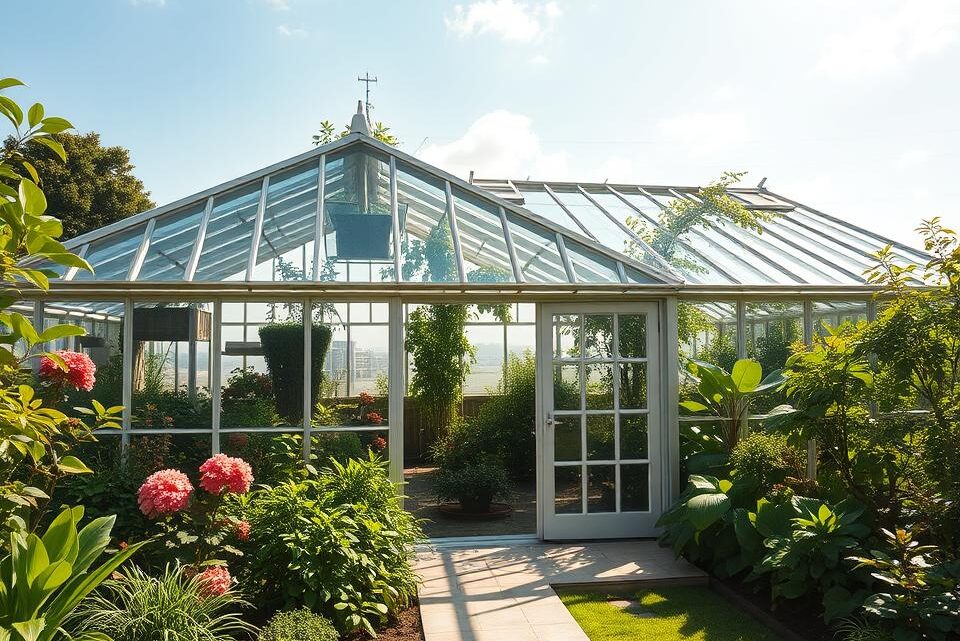
Choosing the ideal spot for a garden structure is a fundamental decision for any gardener. The amount of light a structure receives directly influences the health and productivity of the plants inside. This choice becomes a critical consideration for successful cultivation throughout the year.
Several important factors guide this decision. The specific requirements of different plant species, the unique climate patterns across the UK, and the intended use of the space all play a significant role. While some gardeners face limitations with their available space, understanding the core principles of light exposure allows for maximising results.
This article provides comprehensive guidance on this essential topic. It explores the advantages and considerations of both full sun and shaded positions. Readers will discover practical advice on placement, structural factors, and effective seasonal management strategies. By considering their specific growing goals, gardeners can make a confident and informed decision.
Inhaltsverzeichnis
Key Takeaways
- Greenhouse placement significantly impacts plant health and overall productivity.
- The decision between sun and shade depends on the specific types of plants being cultivated.
- UK climate patterns, including seasonal sunlight variations, are a crucial factor.
- Even gardens with limited space options can benefit from understanding light exposure principles.
- The article will explore practical considerations for optimal positioning and seasonal management.
Understanding Full Sun and Full Shade for Greenhouses
Grasping the distinction between light exposure levels forms the foundation of successful cultivation. This knowledge directly influences which crops will thrive in a particular setting.
Defining Full Sun and Its Benefits
Full sun exposure means a structure receives at least six hours of direct sunlight each day. Many vegetables actually need eight to ten hours for optimal development.
This abundant light fuels photosynthesis, enabling plants to convert energy efficiently. The benefits include increased warmth, reduced humidity, and extended growing seasons.
Tomatoes, peppers, and herbs like basil flourish under these conditions. Flowering plants such as marigolds also thrive with maximum light exposure.
Exploring Full Shade Conditions
Full shade occurs when no direct sunlight reaches the interior during the day. Plants rely solely on ambient, indirect light in this environment.
The primary advantage is heat reduction, protecting sensitive foliage from scorching. This allows cultivation of shade-tolerant crops throughout warmer months.
Ferns, peace lilies, and leafy greens like lettuce perform well in these conditions. Understanding light requirements ensures plants receive appropriate exposure for healthy growth.
Key Considerations for Greenhouse Placement
Optimal siting of cultivation enclosures requires careful evaluation of multiple environmental factors. The right placement significantly impacts plant health and productivity throughout the year.

Assessing Site Location and Environmental Factors
Selecting the ideal spot involves balancing accessibility with horticultural needs. A location receiving maximum light exposure proves most beneficial for plant growth. The surrounding environment creates specific microclimatic conditions.
Avoid positioning near large trees which cast unwanted shade. Falling debris from overhead trees can damage the structure. Root systems of mature trees may disrupt foundations.
| Placement Factor | Beneficial Conditions | Problematic Conditions |
|---|---|---|
| Light Exposure | Maximum sunlight, 6+ hours daily | Heavy shading, north-facing slopes |
| Ground Level | Even terrain, well-drained | Sloping ground, frost pockets |
| Accessibility | Near residence, clear pathways | Remote locations, difficult access |
“The foundation of successful protected cultivation lies in thoughtful site selection, where environmental factors harmonise with horticultural objectives.”
Level ground provides stable placement for the structure. Avoid the base of slopes where cold air accumulates. Ensure adequate space around the entire area for maintenance access.
Consider soil quality when choosing your garden location. The garden spot should offer decent drainage and fertility. Proper placement creates optimal growing conditions.
Should a Greenhouse be in Full Sun or Shade?
Solar access fundamentally determines the thermal and humidity characteristics of an enclosed growing area. This positioning choice creates distinct microclimates that directly impact cultivation success.
Comparing Light Exposure and Temperature Control
Maximum sunlight penetration generates significant heat within the structure. This solar gain proves advantageous during cooler seasons, extending the growing period.

Sun-drenched environments typically maintain lower humidity levels. The warmth helps evaporate excess moisture, reducing fungal disease risks. However, intense sun exposure can push internal temperature to damaging heights.
Strategic shade application prevents overheating and protects sensitive foliage. Methods like shade cloths or lattices moderate light intensity effectively.
Implications for Plant Growth and Crop Yield
Abundant light fuels photosynthesis, accelerating development for sun-loving varieties. Tomato plants benefit greatly from consistent sunlight exposure, producing earlier and more abundant harvests.
Structures receiving ample sun enable year-round cultivation by creating protective microclimates. They shield plants from frost during colder months.
Meanwhile, shaded conditions support leafy greens and shade-tolerant crops. The optimal choice depends on target species and local climate factors.
Material and Structural Considerations
The physical construction of a growing enclosure plays a decisive role in its environmental performance. The selection of materials and overall structure significantly impacts light transmission, temperature regulation, and durability.

Choosing Between Aluminium and Wood Frames
Aluminium frames represent the modern choice for most greenhouse structures. They require no maintenance and feature thin glazing bars that minimise internal shading. Coloured finishes help these structures blend aesthetically into garden settings.
Wooden frames offer traditional appeal for certain garden styles. However, they demand periodic upkeep unless constructed from expensive cedar timber. Their bulkier profile can create excessive shade within the structure.
Glazing Options: Glass versus Polycarbonate
Glass remains the superior glazing material, transmitting 90% of available light. It doesn’t degrade in sunlight and reflects internal heat back into the structure. Toughened glass is essential for safety in doors and vulnerable areas.
Polycarbonate sheeting provides break-resistant, lightweight alternatives. While excellent at retaining heat, clear polycarbonate transmits only 83% of light. This reduced light amount may limit suitability for seedlings and light-demanding plants.
Ventilation Strategies for Optimal Airflow
Effective ventilation is crucial for managing temperature and humidity levels. Roof vents prove most efficient when positioned on both sides of the ridge. They should cover 15-20% of the floor area for optimal air exchange.
Automatic vent openers respond to temperature changes but often require manual supplementation. Proper ventilation ensures fresh air circulation while preventing excessive heat buildup, regardless of external conditions.
Maximising Plant Growth: Light, Temperature and Soil
The productivity of cultivated plants depends significantly on the balance between light, temperature, and soil conditions. These elements work together to create an optimal environment for development.
Enhancing Photosynthesis through Optimised Sunlight
Photosynthesis represents the core process where plants convert sunlight into energy. Ample light exposure enables efficient conversion of carbon dioxide into oxygen and sugars.

This energy fuels all growth processes within the structure. Consistent light availability ensures plants receive their primary energy source throughout the day.
Abundant sunlight provides both radiant energy and essential warmth. This combination accelerates metabolic processes crucial for development.
During spring, increased light levels allow for earlier planting schedules. Tomato plants benefit greatly from consistent warmth and illumination.
These conditions speed vegetative growth and fruit production. The result is earlier harvests and extended picking periods.
Even during colder months, strategic positioning captures available solar warmth. This creates a protective microclimate against frost damage.
For direct bed planting, soil quality becomes critically important. Rich, well-structured soil supports intensive cultivation demands.
Organic matter incorporation and raised beds offer solutions for challenging sites. These approaches ensure plants receive adequate nutrition for sustained productivity.
Practical Tips for Setting Up Your Greenhouse in the UK>
Establishing a greenhouse successfully in the UK hinges on practical site selection and proactive seasonal management. The variable British climate demands thoughtful planning from the outset.
Selecting a Safe and Accessible Site
Convenient access is paramount. Position the structure near the house for easy daily visits. These trips are essential for watering, ventilation control, and harvesting, especially during the busy summer months.
Avoid sloped ground, as it complicates construction and creates uneven growing conditions. Crucially, never site at the base of a slope. This spot acts as a frost pocket, trapping cold air and hindering winter growing.
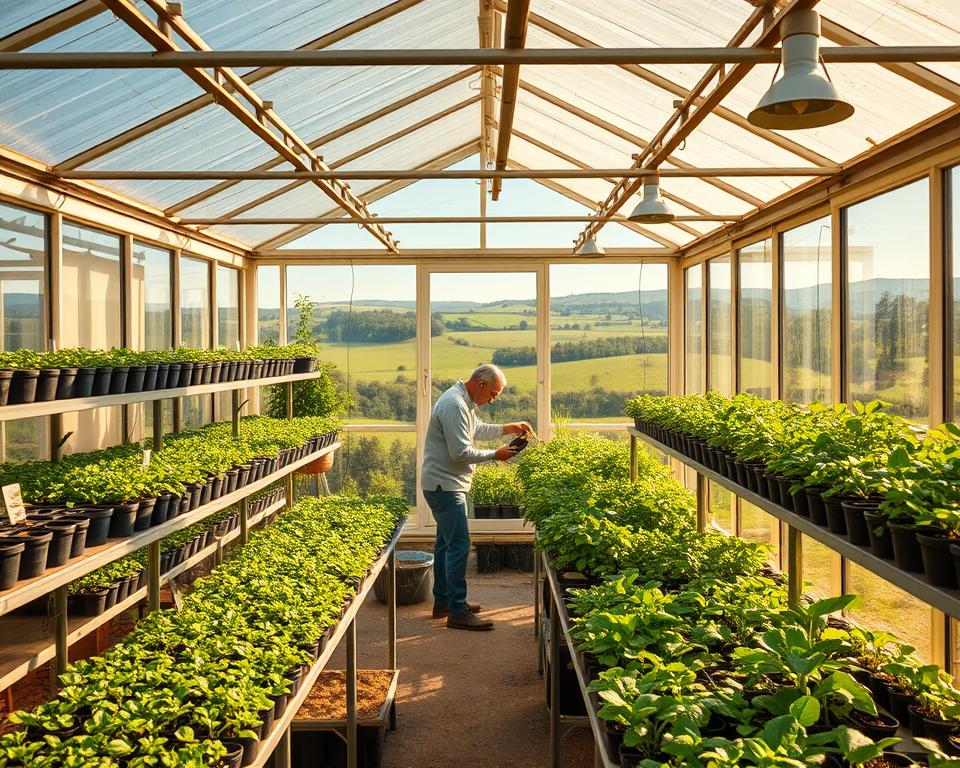
Leave at least one metre of space around the entire building. This clearance simplifies construction, maintenance, and cleaning. It also prevents nearby fences from casting unwanted shade or blocking vital air circulation.
Managing Seasonal Changes and Temperature Fluctuations
Strategic orientation manages light and heat across the seasons. For year-round cultivation, an east-west ridge alignment captures maximum winter light. It helps the structure warm quickly after cold nights.
For summer crops only, a north-south ridge is preferable. This provides equal sun to both sides, reducing the risk of overheating on the hottest days.
Summer demands robust heat management. Shade cloths, lattices, or deciduous trees offer vital protection from intense sunlight. This shading prevents sunburn and heat stress on sensitive plants.
Effective ventilation is equally critical for temperature control. Combine roof and side vents to ensure consistent air movement. This management keeps the environment healthy for plants during temperature spikes.
Conclusion
Ultimately, successful cultivation under glass relies on a thoughtful synthesis of environmental factors. The ideal position for a greenhouse hinges on the specific crops intended for growth, local climate conditions, and the gardener’s seasonal goals.
For many applications, a location receiving abundant sunlight offers the greatest benefits. This maximises light exposure for photosynthesis, extends the growing season through solar heat gain, and supports warmth-loving plants like tomatoes. However, strategic shade provides essential protection for sensitive crops during the hottest days.
A comprehensive site assessment remains crucial. Factors such as level ground, good drainage, and protection from frost pockets are vital. The choice of structure and materials, like glass for optimal light transmission, also significantly influences the internal environment.
Effective ventilation is non-negotiable for managing heat and humidity levels within the greenhouse. Modern greenhouses offer fantastic flexibility. Through adjustable shading and attentive management, gardeners can create productive environments for diverse plants.
By applying these principles, gardeners can make confident decisions. This ensures their greenhouse becomes a thriving, productive space for years, regardless of the specific spot chosen in the garden.
FAQ
What is the best location for a greenhouse?
The ideal location provides maximum light exposure, particularly a south-facing spot that captures sunlight throughout the day. This placement supports plant growth by enhancing photosynthesis. It is also crucial to consider protection from strong winds and ensure the structure is easily accessible for daily maintenance.
How does sunlight affect plants inside a greenhouse?
Sunlight is fundamental for photosynthesis, the process where plants convert light into energy. Sufficient light levels promote healthy development and improve crop yields. However, excessive exposure can lead to overheating, making effective temperature management through ventilation or shading essential.
Can a greenhouse get too much sun?
A>Yes, intense sunlight can raise internal temperatures to levels that stress or damage plants. During summer months, implementing shading solutions such as blinds or applying shade paint to the glass can prevent overheating. Proper ventilation also plays a key role in maintaining a stable environment.
What are the benefits of a greenhouse in a shaded area?
A shaded location can offer protection against intense midday heat, which is advantageous for shade-tolerant crops like lettuce or certain herbs. It also reduces the risk of overheating in warmer climates. Nevertheless, limited light may restrict the variety of plants that can be successfully cultivated.
How important is ventilation in a greenhouse?
Ventilation is critical for regulating temperature and humidity levels. It ensures a fresh supply of carbon dioxide for plants and helps prevent the buildup of pests and diseases. Incorporating roof vents, side vents, or louvres is a common strategy to achieve optimal airflow.
What glazing material is recommended for greenhouses?
Polycarbonate panels are often favoured over traditional glass for their durability, excellent insulation properties, and ability to diffuse light, which reduces the risk of leaf scorch. Glass, however, offers superior clarity and a traditional aesthetic but is more fragile and provides less insulation.
How can I protect my greenhouse during winter?
Insulating the base and checking for draughts can help retain warmth. During shorter days, ensuring the glazing is clean maximises light entry. For tender plants, a separate heated propagator inside the structure can provide additional protection from frost.
Is a greenhouse suitable for growing tomatoes?
Absolutely. Tomatoes thrive in the warm, light-rich conditions a greenhouse provides. Cultivating them under glass typically results in an earlier and more abundant harvest compared to outdoor planting. Consistent watering and training the plants up supports are key to success.