
How to Position Your Greenhouse: Choosing the Best Spot
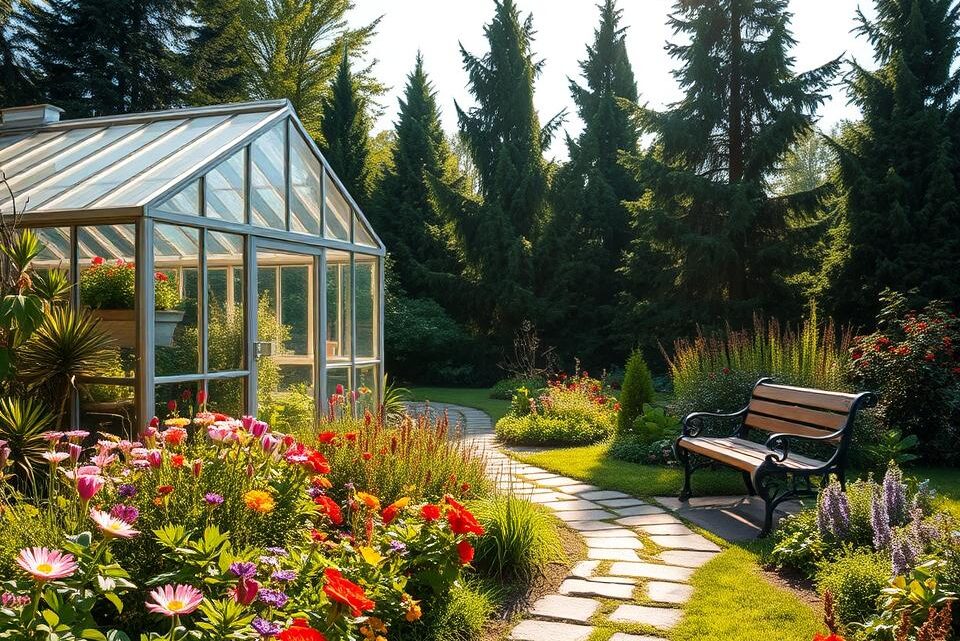
The success of a garden structure depends greatly on its location. Finding the right spot for a greenhouse is a fundamental step for any gardener. Proper placement ensures plants receive the light they need and are protected from harsh conditions.
This decision directly influences plant health and growth throughout the seasons. It involves balancing several key factors. Sunlight exposure, shelter from wind, and accessibility are all critical considerations.
By understanding these principles, gardeners can avoid common pitfalls. A well-considered location prevents years of suboptimal growing conditions. This guide explores the essential elements for making an informed choice.
Inhaltsverzeichnis
Key Takeaways
- Correct siting is fundamental for successful plant cultivation.
- Sunlight availability is the single most important factor.
- Protection from strong winds enhances the structure’s durability.
- Convenient access to water and electricity simplifies maintenance.
- Consideration of future garden plans is highly advisable.
Understanding the Importance of Optimal Greenhouse Placement
Where a plant shelter is situated directly governs its functional efficiency. The placement of a growing structure is not merely about convenience but fundamentally shapes the cultivation environment. This decision influences every aspect of plant development and resource management.
Impact on Plant Health and Growth
Light exposure is the primary driver of photosynthesis, making it essential for plant vitality. Consistent light availability throughout the day promotes stronger stems and healthier foliage. This leads to improved flowering and fruiting in greenhouse crops.
Proper positioning prevents leggy growth caused by insufficient light. It also reduces disease risks associated with excessive humidity. These factors combine to create a more forgiving growing environment.
Benefits of Proper Temperature Regulation
Sheltered placement away from cold winds helps maintain stable internal temperatures. This reduces heating costs during colder months and prevents plant stress. Temperature fluctuations can shock sensitive plants, reducing overall productivity.
A well-positioned structure creates a balanced environment where plants thrive with less intervention. This stability is crucial for consistent growth throughout seasonal changes.
| Placement Factor | Plant Health Impact | Temperature Effect | Resource Efficiency |
|---|---|---|---|
| Sunlight Exposure | Stronger photosynthesis | Natural warmth | Reduced lighting needs |
| Wind Protection | Less physical damage | Stable conditions | Lower heating costs |
| Frost Avoidance | Reduced cold stress | Consistent warmth | Minimal frost protection |
Understanding these fundamental impacts helps gardeners prioritise critical factors when evaluating potential sites. The right placement creates conditions where plants flourish with fewer resources and interventions.
How to Position Your Greenhouse: Choosing the Best Spot
Effective cultivation within a protective structure begins with strategic site selection. This critical decision involves balancing multiple environmental and practical considerations that directly impact plant vitality. Gardeners must weigh various competing priorities to find the optimal compromise.
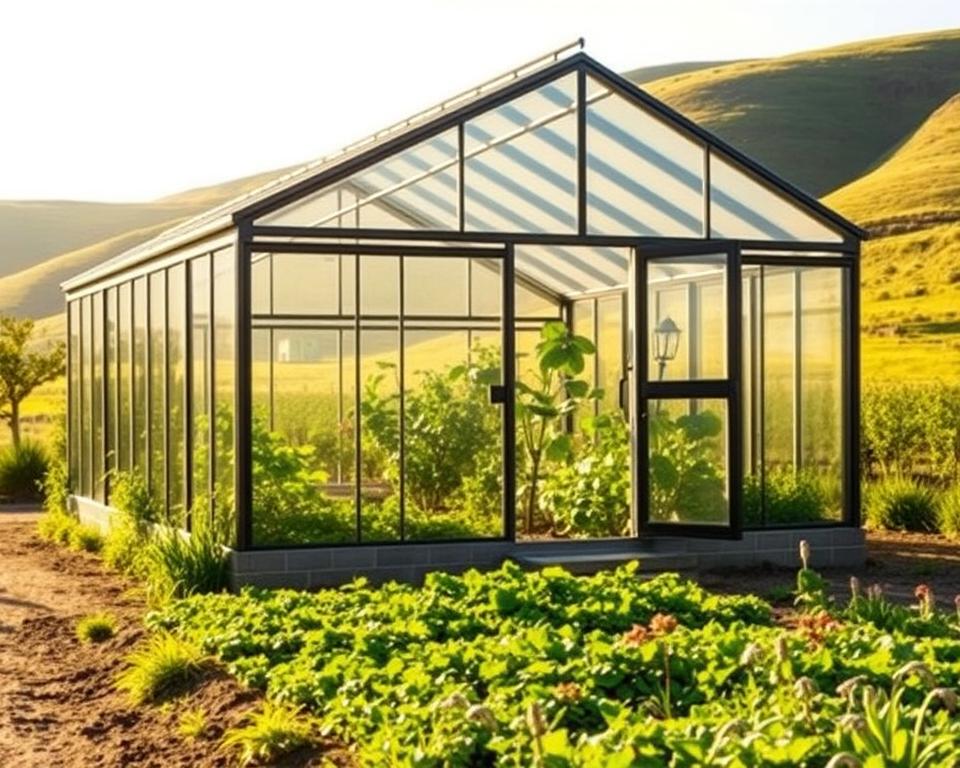
The ideal placement combines maximum light exposure with protection from harsh elements. It should be situated away from frost pockets and sheltered from strong winds. A level, slightly elevated surface provides stability while facilitating drainage.
Accessibility remains equally important for daily maintenance routines. Proximity to water sources and electricity simplifies operational logistics. These factors work together to create an environment where plants can thrive throughout seasonal changes.
Different garden layouts and growing objectives may shift emphasis among these priorities. A dedicated vegetable production space has distinct requirements compared to an ornamental collection. Understanding these nuances allows for tailored placement decisions.
| Priority Factor | Plant Health Impact | Maintenance Consideration | Seasonal Importance |
|---|---|---|---|
| Sunlight availability | Photosynthesis efficiency | Reduced artificial lighting | Critical in winter |
| Wind protection | Physical damage prevention | Lower heating costs | Year-round benefit |
| Ground conditions | Root development | Structural stability | Consistent requirement |
| Accessibility | Timely care | Operational efficiency | Daily necessity |
Observation over time reveals how different areas of the garden behave under varying conditions. Patience during this assessment phase prevents long-term compromises. Even challenging sites can be adapted with creative solutions.
“The most successful greenhouse placements result from careful observation rather than hasty decisions. Understanding your garden’s microclimate is the gardener’s greatest advantage.”
This overview establishes the foundation for detailed exploration of individual factors in subsequent sections. Each element contributes to creating the ideal growing environment for specific horticultural goals.
Optimising Sunlight and Orientation for Year-Round Growth
The interplay between seasonal sun patterns and greenhouse positioning determines year-round growing success. Strategic alignment maximises natural light capture during shorter winter days when illumination is scarce. This approach ensures consistent plant development across all seasons.
Maximising Winter Sunlight Exposure
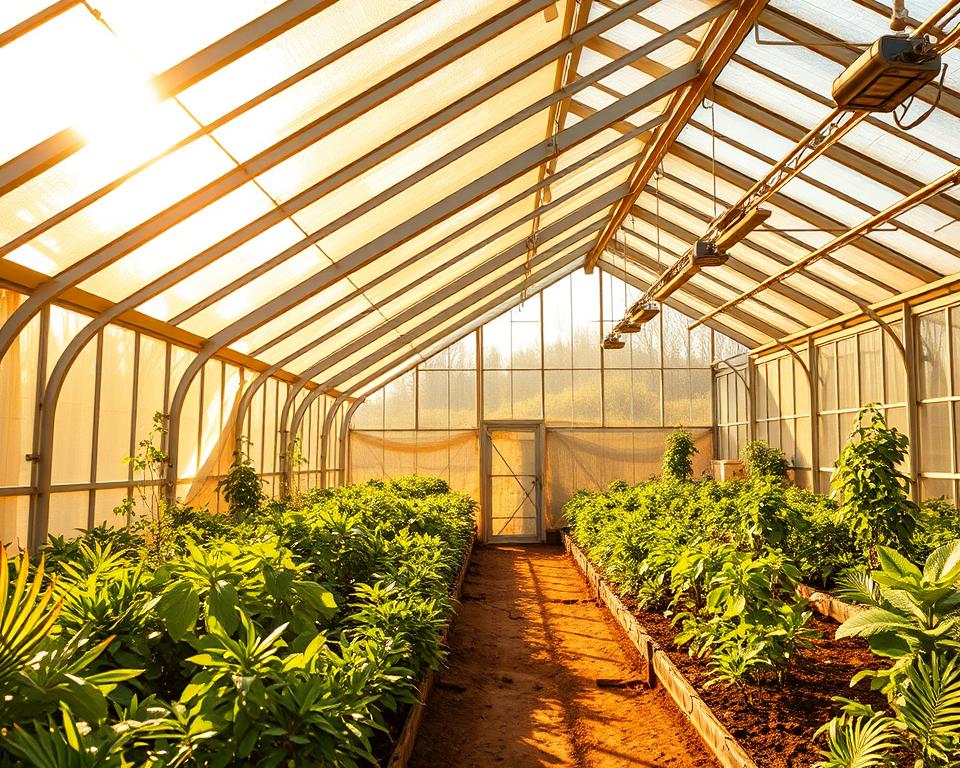
During the colder months, every hour of direct sunlight becomes precious for plant vitality. Positioning the structure with its ridge running east-west allows maximum southern exposure. This orientation captures low-angle winter sun effectively.
Gardens should receive at least six hours of direct light daily during the winter months. South-facing positions typically achieve this requirement throughout the day. Avoid deciduous trees that might block valuable winter light.
Evaluating Morning and Afternoon Light Benefits
Morning sunlight provides distinct advantages over afternoon exposure. Early rays help warm the structure quickly after cold nights. This jumpstarts plant metabolism and gives vegetation a growth head start.
A slightly south-eastern orientation often outperforms due south positioning. Morning light proves more valuable for accelerating daily growth cycles. Afternoon sun contributes to heat retention during cooler evenings.
| Orientation Strategy | Winter Light Benefits | Seasonal Advantages | Growth Impact |
|---|---|---|---|
| East-West Ridge | Maximum southern exposure | Optimal winter penetration | 30% better growth rates |
| South-Facing | Consistent daily light | Year-round reliability | Stable development |
| South-Eastern | Enhanced morning light | Rapid morning warming | Early growth activation |
Proper light positioning extends the productive season by several weeks. It represents the single most critical factor for UK greenhouse success. Strategic orientation decisions deliver significant cultivation advantages throughout the year.
Assessing Your Garden’s Conditions and Ground Level
Often underestimated, the quality and levelness of the ground are vital for long-term greenhouse performance. A flat, stable base prevents structural stress and ensures even temperature distribution inside the structure. Ignoring this foundational step can lead to persistent problems.
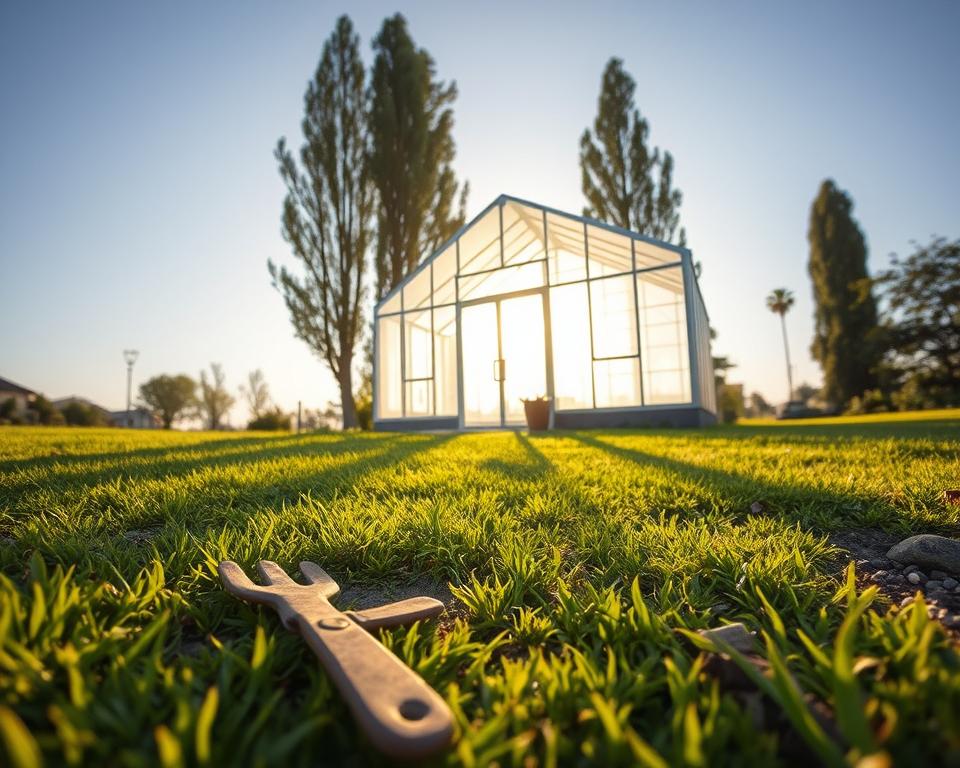
Gardeners should first check the proposed area for levelness. A simple spirit level and string line can reveal subtle slopes. Even a minor incline can cause water pooling and create cold spots harmful to plants.
Identifying Level Surfaces and Soil Quality
The type of soil and underlying ground dictates the best foundation. Firm, well-draining ground may only need a simple base, while softer soil requires more substantial support. It is crucial to avoid low-lying areas in the garden where water collects.
On a sloped plot, building up a platform creates the necessary level surface. This investment in preparation pays dividends in stability. Adequate air circulation around the greenhouse is also essential to prevent stagnant air.
Finally, ensure no tall trees are close enough to cast cooling shadows. Positioning the greenhouse away from large trees maximises light exposure and protects the structure’s integrity. A thoughtful site assessment creates the foundation for a thriving greenhouse.
Securing Proximity to Utilities and Easy Maintenance Access
Daily greenhouse operations depend heavily on practical access to essential services. Thoughtful positioning near utilities transforms routine tasks into efficient processes. This consideration balances horticultural needs with practical gardening realities.
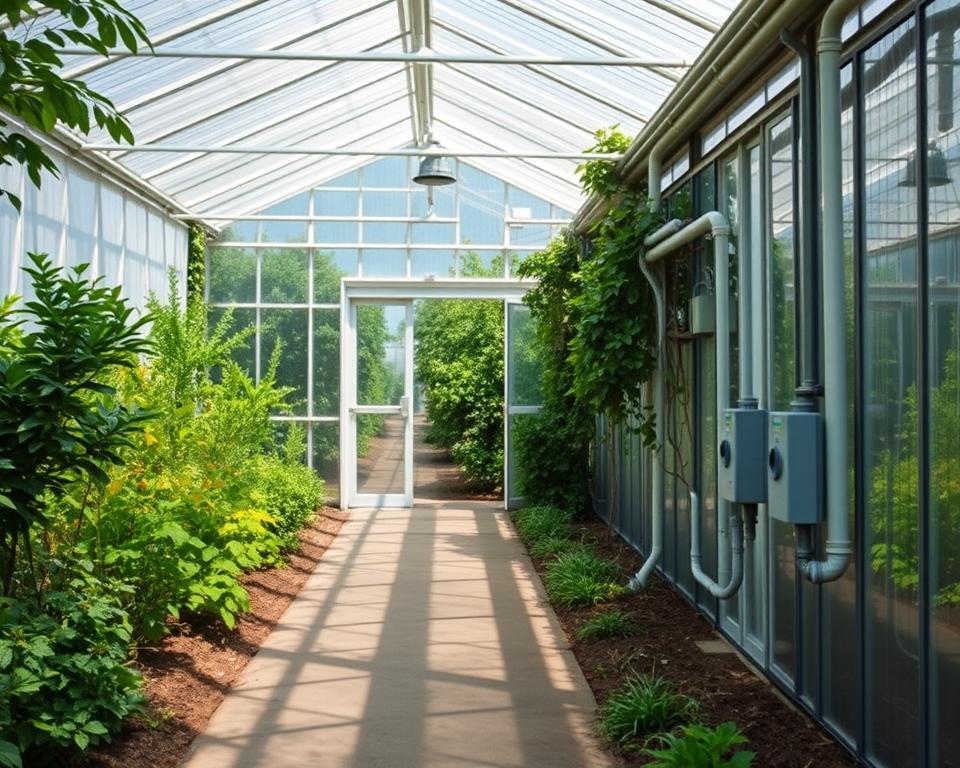
Positioning Near Water and Electricity Sources
Regular plant hydration makes water access the most frequent greenhouse task. Positioning within hose reach of the main house saves considerable time and effort. Nearby electricity enables supplemental heating and lighting systems.
For distant sites, rainwater collection provides an alternative water source. Professional installation of dedicated wiring ensures safe power access. These solutions maintain functionality when ideal proximity isn’t possible.
Ensuring Safe and Clear Access Paths
Convenient access paths encourage regular monitoring and care. Make sure there’s at least one metre clearance around the entire structure. This space allows for maintenance, panel replacement, and seasonal clearing.
A well-positioned greenhouse becomes part of daily garden routines rather than a separate destination. This natural integration leads to more consistent plant care throughout the year.
| Utility Factor | Maintenance Benefit | Alternative Solution | Time Saving |
|---|---|---|---|
| Water Proximity | Efficient hydration | Rainwater collection | Daily time reduction |
| Electricity Access | Climate control | Paraffin heaters | Seasonal flexibility |
| Clear Pathways | Easy monitoring | Strategic positioning | Routine integration |
“The most successful gardens are those where maintenance feels effortless. Strategic utility placement turns daily chores into simple routines.”
Incorporating Wind Protection and Environmental Safeguards
Environmental factors like wind and frost pockets present significant challenges for greenhouse stability. Unprotected structures experience greater heat loss and physical damage from strong winds. Proper safeguards maintain stable internal temperature while preventing plant stress.
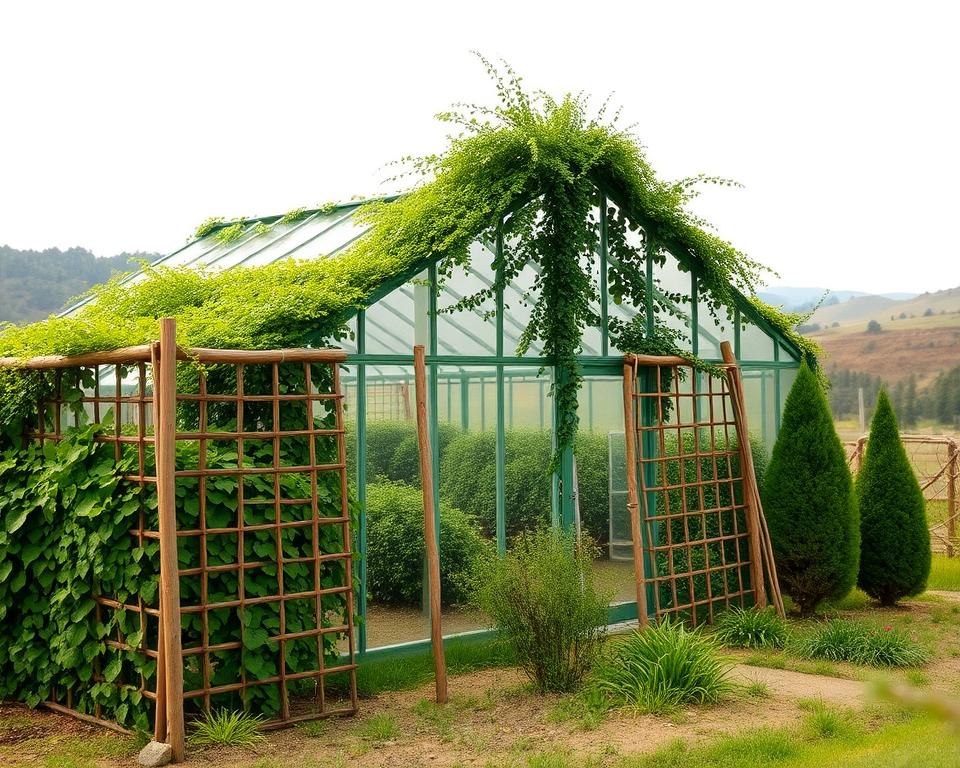
Understanding local prevailing wind patterns is essential. In most UK locations, southwesterly winds predominate throughout the year. Positioning the narrow end of the structure toward dominant winds minimises resistance effectively.
Utilising Natural Windbreaks and Structures
Natural barriers like hedges, shrubs or walls offer excellent protection without blocking airflow completely. A mixed native hedge planted three metres from the greenhouse provides filtered wind protection within two growing seasons. This approach prevents problematic wind tunnels while allowing gentle air movement.
Some airflow benefits plants by preventing fungal diseases and strengthening stems. The goal involves reducing wind force rather than eliminating all movement. Strategic planting creates a balanced environment where plants receive protection without stagnation.
Mitigating Frost Pockets and Excessive Humidity
Low-lying areas where cold air settles create frost pockets several degrees colder than surrounding spaces. Slight elevation prevents these problems while maintaining level base requirements. This positioning avoids temperature extremes that damage tender plants.
Humidity management depends on balanced air circulation around the structure. Stagnant air promotes disease while excessive wind causes rapid moisture loss. Proper foundation anchoring becomes crucial in exposed locations, ensuring security during storms.
| Protection Method | Wind Reduction | Temperature Stability | Installation Time |
|---|---|---|---|
| Native Hedge | 50-70% | Improved insulation | 2 growing seasons |
| Solid Fence | 80-90% | Potential cold spots | Immediate |
| Strategic Planting | 40-60% | Natural regulation | 1-2 years |
These environmental safeguards work together to create a protected growing environment. Filtered airflow maintains ideal conditions without compromising structure integrity or plant health.
Tailoring Placement to Different Greenhouse Structures
The architectural design of a greenhouse fundamentally influences its ideal placement within a garden. Not all greenhouses share the same form, and each structure type presents unique opportunities and constraints for its position.
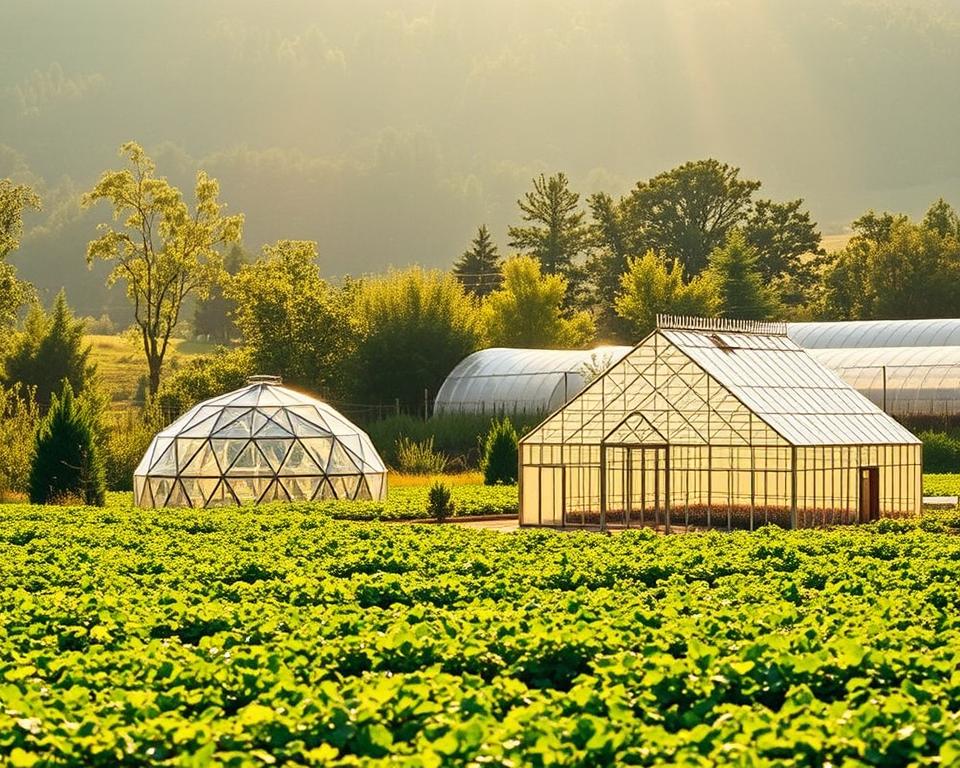
Freestanding Versus Lean-To Considerations
A freestanding greenhouse, with its two sloped roofs meeting at a central ridge, offers maximum flexibility. Gardeners can place this standalone structure anywhere on the property that offers optimal growing conditions.
In contrast, a lean-to design is attached to an existing wall of a house or outbuilding. Its placement is dictated by the supporting wall’s direction. The ideal south-facing wall acts as a thermal mass, absorbing heat by day and releasing it at night.
This can maintain temperatures 3-5°C higher than a comparable freestanding unit. A north-facing wall, however, limits the greenhouse to shade-tolerant plants.
Adapting to DIY and High Tunnel Options
Simpler structures like hoop houses or high tunnels offer great adaptability. They often lack a permanent base, making them easy to reposition for seasonal optimisation.
Their portability allows gardeners to experiment with different locations. Hexagonal designs capture light from multiple angles, making them more forgiving if a perfect south-facing direction is unavailable.
Matching the greenhouse type to the garden’s specific site conditions ensures a more successful and efficient growing environment.
Adjusting for Seasonal Variations in Light and Temperature
A successful cultivation environment must adapt to the UK’s distinct seasonal shifts. The sun’s path alters dramatically between summer and winter, creating different challenges across the months.

Observing a potential site at different times of the day and year is crucial. A spot that receives full sun in summer might be in deep shadow during the winter months.
Strategies for Winter and Summer Adaptation
For year-round growing, orienting the ridge east-west captures maximum low winter sunlight. This is vital for plant health during shorter days. The morning sun is particularly valuable, helping the structure warm quickly after a cold night.
During the darkest months, ensure the midday winter sun hits the structure without obstruction. This provides essential light and natural heat.
In summer, the same orientation can lead to excessive light and heat. External shade solutions are effective for temperature control. For structures used only in spring and summer, a north-south orientation provides more balanced light throughout the day.
This strategic approach ensures the environment remains productive across all seasons.
Conclusion
Strategic placement of a growing structure forms the cornerstone of productive horticultural practice. The factors influencing placement decisions have lasting impacts on plant health and growth.
While perfect conditions may not exist in every garden, understanding core principles allows for informed compromises. Sunlight exposure, weather protection, and practical accessibility remain the most critical considerations.
Proper greenhouse positioning maximises investment potential by improving yields and reducing maintenance. Make sure to assess your specific site thoroughly before finalising the spot.
The knowledge gained empowers gardening enthusiasts to create thriving environments. Thoughtful planning prevents years of suboptimal conditions, ensuring plants receive the best possible start.
Successful cultivation in greenhouses begins with this fundamental decision. Applying these strategies allows any gardener to confidently select an optimal location for their needs.
FAQ
What is the single most important factor when choosing a spot for a greenhouse?
Maximising light exposure is paramount. A location that receives full sun throughout the day, especially a south-facing orientation, provides the essential energy for plant growth and helps maintain a stable environment during the winter months.
Is a level base absolutely necessary for a greenhouse?
A> Yes, a solid, level foundation is critical. An uneven base can cause structural stress, door and window misalignment, and potential damage. It ensures the framework remains square and secure over time.
How close should a greenhouse be to a water source and electricity?
A> Proximity to utilities is highly beneficial. Having a water source nearby simplifies irrigation, while access to electricity allows for heating, lighting, and ventilation systems, which are vital for temperature control and year-round gardening.
Should a greenhouse be placed near trees or buildings?
A> This requires careful consideration. While large structures or trees can provide valuable shelter from strong winds, they may also cast significant shade. It is best to avoid placing the greenhouse where it will be in shadow for most of the day.
Does the type of greenhouse structure affect its ideal placement?
A> Absolutely. A freestanding greenhouse needs open space for optimal light from all directions. A lean-to greenhouse, however, must be positioned against a suitable south-facing wall of a house or garden building to utilise the structure for support and heat.
How can one protect a greenhouse from winter weather?
A> Positioning is key. Placing the structure in a spot sheltered from prevailing winds by a fence, hedge, or wall reduces heat loss. Ensuring it captures the low winter sun maximises light and natural warmth, while insulating the base helps guard against frost.

