
Optimal Greenhouse Placement: Sun or Shade?
Deciding whether should a greenhouse be in the sun or shade is one of the first choices a UK gardener must make. The answer affects temperature control, light for photosynthesis, and year‑round crop success. Guidance from the Royal Horticultural Society and Met Office climate data shows that seasonal solar angles, cloud cover and modest summer highs in the UK all influence greenhouse performance.
This article sets out a clear way to approach greenhouse placement. It covers how to assess sunlight and shade patterns, the pros and cons of full sun versus partial shade, and practical aspects such as orientation, ventilation and insulation. Manufacturer guidance from Hartley Botanic and Julian Wade, plus British horticultural practice, will inform heating and ventilation options discussed later.
Readers will find step‑by‑step methods to measure light, tools to map sun paths, and plant selection tips tailored to common UK conditions. Whether you are locating a structure in a backyard, an allotment or a compact urban plot, the aim is to help you choose the optimal greenhouse location for healthy plants and sensible running costs.
Inhaltsverzeichnis
Key Takeaways
- Assess local sunlight and shade before you buy or site a greenhouse.
- UK seasons and cloud patterns mean balance between light and heat is crucial.
- Full sun suits heat‑loving crops; partial shade benefits sensitive plants.
- Orientation, glazing and ventilation shape the optimal greenhouse location.
- Practical measurement and manufacturer advice reduce heating and maintenance costs.
Why greenhouse placement matters for plant health and yield
Where you site a greenhouse shapes the internal conditions that plants experience. Exposure to sun, shade and wind alters temperature swings and moisture levels. These local changes affect growth rates, flowering and final yield.
Microclimate effects on temperature and humidity
Placement determines how warm or cool a greenhouse will be through the day and night. A south-facing, exposed position typically produces higher daytime peaks and lower night-time drops because glazing amplifies solar gain. Sheltered or shaded locations tend to remain cooler and hold moisture for longer periods.
Gardeners should note greenhouse microclimate can change by metres near hedges, walls or paths. The Met Office shows that urban and sheltered spots often have milder night temperatures, reducing frost risk. RHS guidance highlights that glazing and ventilation choices interact with siting to control greenhouse humidity effects and temperature stability.
Light intensity and duration influencing photosynthesis
Light quantity and quality govern the rate of photosynthesis and the timing of flowering. Plants use photosynthetically active radiation (PAR), not just visible daylight. Crops such as tomatoes, peppers and cucumbers need higher daily light integrals for strong yields. Salad leaves and many herbs do well with far less light.
Proper siting maximises useful hours of sun while avoiding excessive glare and heat. Academic studies on light and yield show that small increases in PAR often raise fruit set and dry matter. Positioning that balances daylight hours and light intensity supports steady growth and reduces stress.
Impact on pest and disease pressure
Warm, still air in poorly ventilated sunny greenhouses can raise pest pressure greenhouse and encourage fungal pathogens like Botrytis and powdery mildew. Whitefly and aphids breed faster where temperatures are high and humidity fluctuates.
Cooler, damper sites bring different risks. Persistent moisture at lower temperatures boosts slugs, snails and damp-related diseases. Site choice therefore affects the scale of ventilation, hygiene and integrated pest management you must use.
| Placement feature | Typical microclimate | Likely crop winners | Main management issues |
|---|---|---|---|
| South-facing, exposed | Warmer days, wider temperature range, lower relative humidity | Tomatoes, peppers, cucumbers | Overheating, higher pest pressure greenhouse, need for ventilation and shading |
| Partially shaded, sheltered | Cooler, more stable temperatures, higher humidity | Leafy salads, brassicas, some ornamentals | Slugs and damp diseases, careful moisture control and hygiene |
| Wind-sheltered near walls | Milder nights, reduced frost risk, moderate humidity | Mixed crops with extended season potential | Reduced air flow may require active ventilation to prevent mould |
| Urban heat island plots | Higher baseline temperatures, lower overnight cooling | Warm-season vegetables and early starts | Intensified greenhouse humidity effects at peak times; pest vigilance needed |
should a greenhouse be in the sun or shade?
Choosing where to site a greenhouse starts with a simple trade-off: light boosts photosynthesis and warmth, while excess heat risks crop stress. The question of greenhouse sun vs shade has no single answer. The best position depends on the crops you plan to grow, your local climate and how much management you will commit to during hot spells.
Understanding the question: balancing light and heat
Full sun increases usable light and passive heat gain, which reduces winter heating needs and extends the season into early spring and late autumn. Overheating in summer can damage fruiting crops and raise irrigation demand.
Partial shade reduces peak temperatures and protects delicate lettuces and herbs, yet it lowers daily light integral and can slow growth of sun-loving plants. Thinking through daily and seasonal extremes helps decide the preferred balance.
Plant categories and their light preferences
Plants group naturally by their light and temperature needs. Heat-loving crops such as tomatoes, Capsicum (peppers) and aubergines thrive in bright, warm conditions and benefit from sunnier siting.
Moderate crops like cucumbers and courgettes do well with steady light and warmth, tolerating some shade during peak summer. Shade-tolerant and cool crops such as lettuce, many herbs and hardy ornamentals prefer cooler, less intense light.
| Crop category | Examples | Recommended light | Ideal day temperature (°C) |
|---|---|---|---|
| Heat-loving | Tomatoes, peppers, aubergines | High light, full sun exposure | 22–28 |
| Moderate | Cucumbers, courgettes | Bright light, some afternoon shade beneficial | 18–24 |
| Shade-tolerant | Lettuces, parsley, hardy ornamentals | Moderate to low light, partial shade | 12–20 |
Seasonal considerations for siting decisions
Seasonal siting alters year-round utility. A sunny location extends usable months, cutting costs for heating and artificial lighting during cool periods. This suits growers who want early tomatoes or long-season cropping.
Shadier positions can be preferable where summer sun is intense, such as parts of south-west England, or where the priority is summer salad production and preventing bolting. Combining siting with shade cloth, ventilation and staggered planting gives flexibility across seasons.
Assessing your garden: measuring sunlight and shade patterns
Begin by walking the site at different times of day and noting where light falls. A few short visits in spring and summer catch the longest and most critical sun periods. This simple routine helps you measure garden sunlight and spot persistent shade from trees, walls or neighbouring buildings.
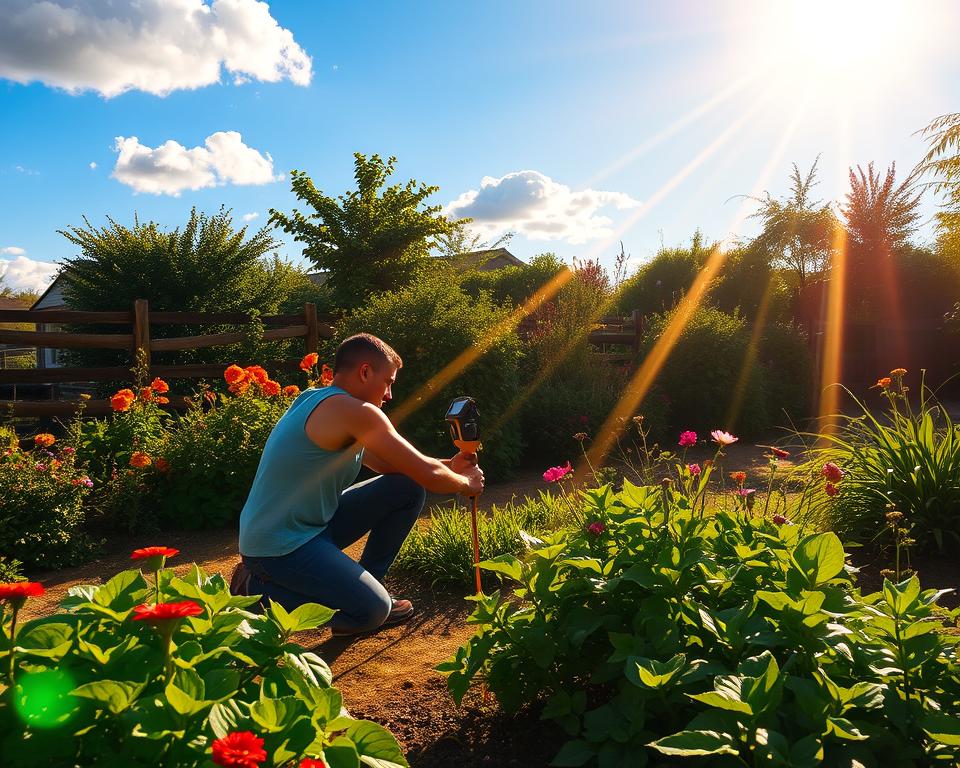
Use a basic sun chart to record angles and hours of direct light. At local noon mark the sun position on paper or a smartphone photo. Log full sun hours over several days to build a reliable sun chart greenhouse plan.
h3: Using a sun chart and simple observation techniques
Create a rough sun path diagram by sketching the horizon line and tracing sun positions at midwinter and midsummer. Note early-morning and late-afternoon shadows from hedges or roofs. Short, repeated notes are more useful than a single long session.
Carry a compass or a smartphone compass app to orient your sketches. Mark north, shade limits and the spots that receive four or more hours of uninterrupted sun. These spots suit sun-loving crops and heating placement.
h3: Tools and apps to map sunlight across the year
Try SunCalc or the Met Office solar geometry guides to visualise sun angles across months. Photovoltaic (PV)GIS gives seasonal solar data useful for planning. Dedicated sunlight mapping apps and smartphone compass tools show sunrise and sunset lines on a live map.
Consider a handheld light meter such as an Extech lux or PAR meter to quantify light for critical positions. Use these readings to compare shady nooks against bright benches. Practical data beats guesswork when you choose glazing and plant placement.
h3: Recording seasonal changes and microclimate variations
Keep a short seasonal log to show how shade shifts as trees leaf out or get trimmed. Note how proximity to house walls, patios or water features alters temperature and humidity. These entries reveal the garden microclimate and help predict cold pockets or warm zones.
Place your greenhouse plan alongside recorded shade maps to check for late-afternoon cooling or winter sun gain. Regular updates, simple sketches and a few light readings give a clear picture of site suitability across the year.
Benefits of placing a greenhouse in full sun
Placing a greenhouse in full sun transforms it into a powerful growing environment. Extra light raises PAR levels, which helps sun-loving crops such as tomatoes and peppers set fruit and develop strong foliage. The site choice influences daily temperatures and plant behaviour, so picking a sunny spot pays dividends for yield and timing.
Maximising light for heat-loving crops
High photosynthetically active radiation (PAR) speeds growth for heat-loving plants. Tomatoes typically thrive above 15–20°C with daily light totals of 12–18 mol·m², while peppers favour similar ranges. Increased light intensity promotes flowering and fruit set, cutting time to harvest and raising overall yields.
Lower heating costs in cooler months
Solar gain in a sunny position reduces reliance on artificial heating. Manufacturer estimates and RHS guidance show south-facing glasshouses in the UK can see noticeable greenhouse heating savings through spring and autumn. A well-sited structure can lower fuel or electric heater hours, trimming running costs for hobbyists and small-scale growers.
Extended growing season and earlier starts
A greenhouse in full sun warms earlier in the year, giving gardeners headroom for earlier sowings and hardening-off. Many UK growers start tomato seedlings several weeks sooner, move tender perennials inside over winter and avoid late-frost losses. This practical advantage helps extend growing season and capture market or personal produce sooner.
| Benefit | Typical impact | Practical example |
|---|---|---|
| Higher light levels | Improved PAR; faster growth and higher yields | Tomatoes reach fruiting stage 2–4 weeks earlier |
| Reduced heating need | Lower fossil-fuel or electric use; measurable running-cost drop | South-facing greenhouse cuts heater runtime in shoulder months |
| Longer productive season | Earlier sowings; safer overwintering of tender plants | Seedlings started earlier and hardened off before outdoor planting |
| Better flowering and fruit set | Higher quality crops; increased marketable yield | Peppers and aubergines set more fruit under strong light |
Advantages of partial shade placement
Placing a small greenhouse where it receives gentle morning sun and afternoon dappled shade can protect delicate crops while keeping growing conditions stable. A partial shade greenhouse suits many home gardeners in the UK who grow lettuces, herbs and tender ornamentals that dislike bright, searing light.
Protecting shade-tolerant and heat-sensitive plants
Many leafy crops prefer cooler conditions. Lettuces and salad mixes thrive between 10–20°C with light levels around 100–300 µmol·m−2·s−1. Herbs such as parsley and chervil, plus houseplants like ferns and some begonias, stop bolting and retain leaf quality when sheltered from full sun. This approach helps with protecting heat-sensitive plants during warm spells.
Reducing risk of overheating in summer
Heat build-up is a common threat in compact greenhouses. An east or north-east aspect gives morning warmth but avoids peak afternoon heat. Placing a structure near deciduous trees provides seasonal shade that cuts peak temperatures in summer yet allows winter light. Passive shading—shade cloth, espaliered fruit or lattice panels—can reduce greenhouse overheating without complex systems. Small urban glasshouses with limited venting benefit most from these measures.
Potential for lower irrigation needs
Lower irradiance directly reduces evapotranspiration, so plants need water less often. Gardeners report fewer daily top-ups and reduced water bills when shading lowers light intensity. That said, too little light slows growth and can reduce yields. Balance shade to save labour and water while keeping sufficient light for steady development.
Practical tips and trade-offs
- Use 30–50% shade cloth for summer months; remove in autumn for more light.
- Monitor internal temps with a simple thermometer; aim to avoid spikes above 30°C for sensitive crops.
- Combine partial shade with targeted ventilation and thermal mass, such as water barrels, to smooth temperature swings.
Site factors beyond sun and shade
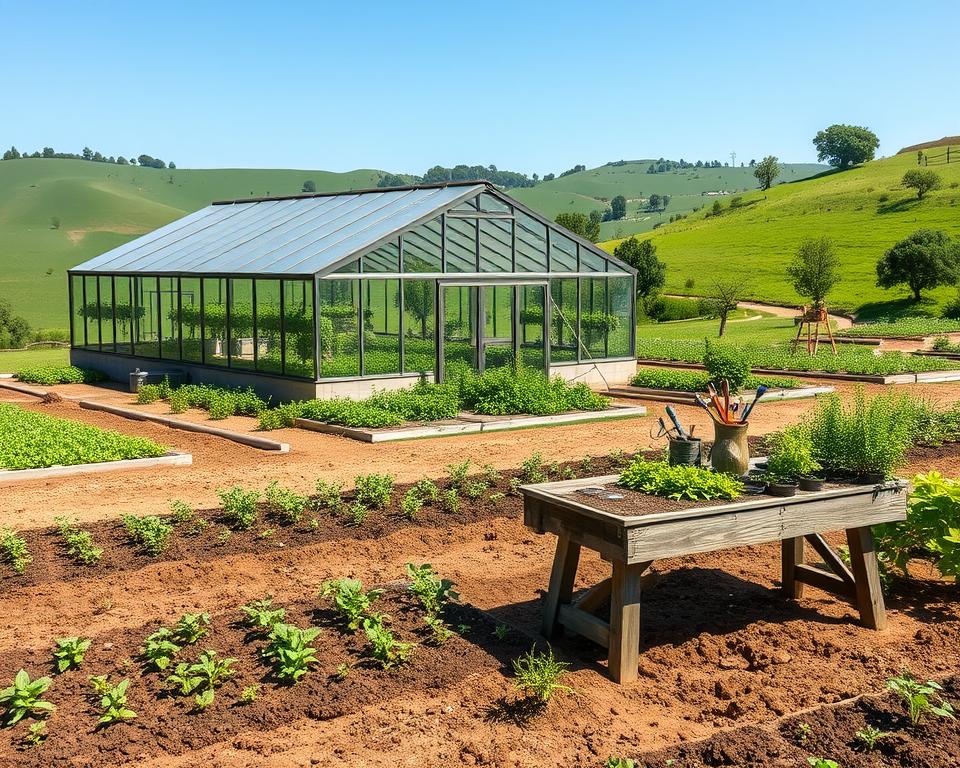
Choosing a greenhouse spot depends on more than sunlight. Careful attention to wind, ground conditions and services will protect plants and structure. The right preparation saves money and reduces maintenance over the years.
Wind exposure and sheltering options
Strong winds increase heat loss, raise transpiration stress and can cause structural damage in storms. Manufacturers such as Hartley Botanic and Eden supply wind-rating guidance and anchoring details. For many gardens a windbreak placed about one greenhouse length from the frame gives effective shelter.
Options for a wind shelter greenhouse include timber fencing, dense hedging or free‑standing screens. Each option reduces wind speed, but will cast some shade. Balance shelter placement with light needs for the crop mix and consider removable screens for summer.
Soil drainage and ground stability considerations
Poor drainage leads to waterlogged soil, higher humidity and base rot. Good soil drainage greenhouse planning keeps water away from foundations and supports raised beds. The RHS recommends firm, level bases and adequate fall for surface runoff.
Common solutions include crushed stone bases, concrete plinths or compacted hardcore to improve stability. Suppliers such as Greenhouses Online outline base specifications matched to local building standards. Level ground prevents panel distortion and eases door operation.
Access to water, electricity and garden circulation
Greenhouse utilities access is vital for irrigation, heating and ventilation. Running a mains water supply nearby simplifies drip irrigation and hose use. Electricity allows timed heaters, fans and grow lights but must follow UK electrical safety guidance for damp locations.
Route cables through conduit and fit RCD protection. Place the greenhouse close to the house or potting area for easy movement of tools and crops. Good circulation cuts wasted time and ensures routine tasks such as watering and composting are straightforward.
- Checklist: assess prevailing winds, test surface drainage, confirm power and water routes.
- Practical tip: consult manufacturer installation guides for anchoring and base details before ordering.
Orientation and design to optimise light capture
Positioning and internal design make a big difference to how much usable light a greenhouse receives. The right ridge alignment, glazing choice and internal layout help to optimise plant growth across seasons in the UK climate.

Best greenhouse orientation for the UK climate
For most UK gardens an east–west ridge with the longest glazed side facing south gives the best winter sun. This layout catches low-angled light from December to February, when photosynthesis is most limited.
On narrow plots a north–south orientation can work if you accept more direct sun on alternating sides through the day. North–south suits growers who prioritise summer production or who use moveable internal benches to balance shade.
Set roof angles so the glazing faces the mid-winter sun at roughly the same angle as local solar altitude. This small adjustment increases winter light entry without causing major summer overheating.
Glass and glazing choices affecting light transmission
Clear glass gives the highest direct light transmission. Brands such as Pilkington publish light transmittance and U-values to compare. Expect bright spots and potential scorching under clear panels on sunny days.
Twin-wall polycarbonate, popular from Palram and similar suppliers, offers lower light loss and much better insulation. Its diffused light reduces harsh shadows and spreads illumination to lower benches.
Polyethylene film is cheap and light but wears faster. Use it for short-term tunnels or where budget is key. Check manufacturer specs for expected lifespan and light transmission before choosing.
| Glazing | Typical light transmission | Insulation (U-value) | Durability | Effect on light quality |
|---|---|---|---|---|
| Clear single-pane glass | 85–90% | High U-value (poor insulation) | Very durable | Strong direct light, possible hotspots |
| Twin-wall polycarbonate | 60–80% (diffused) | Lower U-value (better insulation) | Durable, impact resistant | Diffuse light, even distribution |
| Polythene film | 65–85% | Variable, generally moderate | Limited lifespan (3–6 years) | Variable; can be diffuse if treated |
Roof pitch, internal shelving and reflective surfaces
Roof pitch affects how much low winter sun gets inside. Steeper pitches favour winter light entry on south-facing glazing. Shallow pitches can limit winter gains but reduce summer glare.
Adjustable shelving stops tall plants shading lower crops. Arrange benches by height so sun-loving plants sit along the south-facing side.
Use white-painted interior walls or horticultural reflectors to bounce light to lower levels. Aluminium foil behind benches works for small areas, while commercial reflectors give consistent returns.
For summer control consider thermal screens or a whitewash mix to cut excess light and heat. Choose systems that can be retracted to regain light in cooler months and that integrate with your plan to optimise light greenhouse design.
Managing heat: ventilation, shading and insulation
Keeping temperatures steady in a greenhouse is vital for healthy plants. Use a mix of ventilation, shading and insulation to control heat during long summer days and cold nights. The aim is to prevent overheating greenhouse conditions while keeping energy use low and crops productive.
Passive and active ventilation strategies
Passive ventilation relies on ridge vents, side vents and louvre vents to move warm air out and draw cool air in. Position ridge vents for hot air to escape at the highest point. Side vents help cross-flow and lower humidity.
Active systems use electric fans, automatic vent openers from Autovent or similar manufacturers, and exhaust fans for rapid cooling. Automatic vent openers respond to temperature changes and cut manual work. Match ventilation rates to crop type and greenhouse size: young seedlings need gentler airflow than fruiting tomatoes.
Shade cloth, paint and temporary shading solutions
For greenhouse shading, choose permanent shade cloth with densities from 30% to 70% depending on crop light needs. Use 30–40% for cucumbers and tomatoes in UK summers, and 50–70% for delicate seedlings or shade-tolerant ornamentals.
Horticultural whitewash and solar paint reduce light without blocking air. Temporary measures such as awnings and shade netting offer flexibility for heatwaves. Apply shading early in the day when the forecast predicts high sun to prevent overheating greenhouse interiors.
Insulation techniques for winter and cool nights
Greenhouse insulation reduces night-time heat loss and protects against frost. Fit thermal screens like Hortiscreens to trap warm air above plants during the night. Bubble wrap or insulating film on glazing gives low-cost gains for small structures.
Insulate the north wall and draught-proof doors and vents to keep heat where it is needed. Good insulation lowers heating costs and helps maintain a steady microclimate for crops through cold snaps.
| Strategy | Typical use | Benefit |
|---|---|---|
| Ridge and side vents (passive) | All sizes; continuous summer use | Stable airflow, low running costs |
| Automatic vent openers (active) | Mid to large greenhouses | Responsive control, reduces manual intervention |
| Shade cloth (30–70%) | Seasonal or permanent shading | Controls light, helps prevent overheating greenhouse |
| Horticultural whitewash | Short-term heatwaves | Easy to apply and remove, flexible |
| Thermal screens and bubble wrap | Winter nights, early spring | Reduces heat loss, cuts heating bills |
Manufacturers such as Ventrolla and Autovent supply ventilation gear sized for UK growers. The Royal Horticultural Society offers seasonal guidance on shading and insulation for common crops. Case studies from professional growers show that combining well-tuned greenhouse ventilation with adjustable greenhouse shading and targeted greenhouse insulation gives the best results under variable British weather.
Plant selection and layout to match site conditions
Match greenhouse plant selection to the microclimate within your structure to make the most of light and heat. Zone the space so each crop receives the right mix of sun, warmth and airflow. Thoughtful greenhouse layout reduces disease risk and raises productivity across the year.
Grouping by light and temperature
Create three core zones: a hot, bright area close to the glazing for heat-loving crops; a mid-bench zone for mainstream vegetables and herbs; and lower, slightly shaded benches for seedlings and shade-tolerant species.
Place the hottest zone within 30–60 cm of the glass where temperatures can run 4–8°C warmer than bench level. Keep intermediate benches 60–120 cm from glazing to avoid heat spikes. Use lower benches or under-shelf spacing of 30–45 cm for young plants that need gentler light.
Vertical and bench layouts
Use tiered benches, vertical shelving and hanging baskets to exploit height without crowding. A standard 6 x 8 ft greenhouse can fit a central bench 0.6–0.9 m wide with side shelving and a few tall racks at the rear.
Leave 0.9–1.2 m aisles for comfortable access and to maintain airflow. Mount shelves with 20–30 cm vertical spacing for seedlings, increase to 45–60 cm for mature pots. Position hanging baskets near the ridge where they catch more light.
Succession sowing and seasonal rotation
Plan succession sowing greenhouse schedules around your zones. Start early-sown tomatoes and peppers in the warmest positions in late winter. Move summer lettuce and brassicas to cooler, shaded benches as temperatures rise.
Rotate crop families to limit soil-borne pests and diseases. Alternate solanaceae (tomatoes, peppers) with legumes or brassicas over successive seasons. Use pots or growbags to simplify rotation where bed space is limited.
Practical layout examples
- Small lean-to (1.5 x 2.5 m): single central bench with two-tier shelving along the wall; use the sunny end for seedlings.
- Medium greenhouse (3 x 4 m): central walk-through bench, side shelving, tall racks at the back for climbers; place heat-loving crops nearest glazing.
- Large hobby house (4 x 6 m): multiple benches arranged north–south, with 1 m aisles and dedicated cold frame or insulated corner for overwintering hardy crops.
Crop choices and timing
Choose varieties suited to each zone. Use aubergines and chillies in the hottest section, basil and tomatoes on mid-benches, salad leaves and seedlings on lower or shaded shelves. Sow in stages to keep harvests steady and reduce peak labour.
Sources and practice
Draw on RHS crop planning and crop rotation guidance, horticultural college manuals and supplier layout guides to refine your greenhouse layout and succession sowing greenhouse calendar for reliable results.
Cost and maintenance implications of different placements
Placement shapes both running costs and care routines for a greenhouse. A sunny site tends to cut winter heating bills but raises summer cooling needs. A shaded spot can lower the risk of overheating yet demand more work to manage moisture and debris.
Heating and cooling cost comparisons
South-facing greenhouses in the UK often reduce heating cost greenhouse by roughly 20–40% in cooler months compared with shaded positions, according to manufacturer running-cost summaries and grower reports. Those savings vary by glazing type and insulation.
Summer costs rise for sunnier sites. Ventilation upgrades, automatic roof vents, and shade cloth can add 5–15% to annual running expenses for a small domestic greenhouse. Shaded locations cut cooling needs but increase the probability of using supplemental grow lights, which affects total greenhouse costs UK.
Maintenance tasks influenced by location
A greenhouse in full sun needs frequent glazing cleaning to keep light transmission high. Expect to clean glass or polycarbonate every 6–8 weeks in active seasons. Gutter clearing and vent maintenance are vital to avoid blockages and overheating.
Shaded sites require more attention to humidity. Regular checks for mould and algae are essential. Remove leaf litter and clear surrounding plants every 2–4 weeks to reduce pest harbourage and keep airflow healthy. Routine pest monitoring is common across all sites, with sticky traps and weekly inspections recommended.
Long-term value and resale considerations
Exposure influences material longevity. Constant UV and heat can age seals, paint and timber faster, which affects long-term greenhouse costs UK through more frequent repairs. Damp, shaded positions raise the risk of rot unless timber is treated and ventilation is strong.
Well-sited and well-maintained structures improve greenhouse resale value. Buyers who value gardening often look for a tidy greenhouse with good orientation, intact glazing and low running costs. Property and garden design commentary suggests a cared-for greenhouse can add appeal and modest premium to homes with outdoor space.
| Aspect | Sunny (south-facing) | Shaded |
|---|---|---|
| Winter energy use | Lower; estimated 20–40% saving on heating cost greenhouse | Higher; may need supplemental heating or lights |
| Summer management | Higher cooling costs; require shading and ventilation upgrades (5–15% extra) | Low cooling requirement; risk of low light for crops |
| Routine maintenance | Frequent glazing cleaning, gutter clearing, vent checks | More mould and debris control; timber checks for damp |
| Material lifespan | UV exposure can shorten seal and paint life; schedule repairs sooner | Increased rot risk without good ventilation and treated materials |
| Impact on greenhouse resale value | Positive when well maintained and energy-efficient | Neutral to positive if damp issues are resolved and plants thrive |
| Relevant running-cost note | Lower heating cost greenhouse but plan for summer ventilation | Lower cooling needs yet potential rise in greenhouse costs UK from lighting and moisture control |
Case studies and practical examples from UK gardens
Practical examples help gardeners weigh choices for siting and outfitting a greenhouse. The three short case studies below draw on reports from allotment associations, RHS case studies, urban gardening magazines and Met Office guidance to show what works in real UK settings.
Small urban plot: maximising light in confined spaces
On a compact London terrace, a 6ft x 8ft aluminium greenhouse sits against a south-facing brick wall to capture winter sun and radiate heat at night. Water barrels act as thermal mass to stabilise temperature swings. Vertical shelving from Gardman increases growing area without widening the footprint.
Urban greenhouse tips include using reflective white paint on the opposite fence, fitting low-profile polycarbonate to reduce glare for neighbours and checking permitted development rules with the local council. Planting low hedging prevents overshadowing and preserves neighbourly sightlines.
Suburban garden: balancing shade from trees with greenhouse needs
In a Surrey garden shaded by mature oaks, the greenhouse was sited in a morning-sun gap to get bright light before noon. Lower branches were selectively pruned under an arboricultural plan to allow extra light while protecting tree health. Diffused glazing reduces hotspot stress on seedlings.
Install adjustable shade cloth for hot afternoons and use venting on the ridge plus automatic vents from manufacturers such as Halls to manage summer heat. Neighbours were consulted about pruning and wildlife; minimal disturbance helps retain bird and bat corridors while improving light to the greenhouse.
Allotment scenario: cost-effective siting and seasonal tips
At an urban allotment in Brighton, volunteers placed a small greenhouse on a slightly raised, well-drained gravel bed to avoid waterlogging after heavy rain. Budget glazing used reclaimed glass panels and a polytunnel sheet for mid-season cover. Timber pallets formed cheap shelving and wind breaks.
Allotment greenhouse siting should favour a low-lying wind-sheltered corner with southern exposure where possible. Removable shade cloth is useful from late May to August. Follow sowing calendars from RHS and local allotment groups: early sowings in March, main rotations in April–June and protective cloches for autumn success.
- Key takeaway: adapt simple measures—thermal mass, reflective surfaces, selective pruning—to the local microclimate.
- Practical sources: allotment association reports, RHS case studies and Met Office microclimate guidance inform these examples.
- Cost control: use second-hand glazing or polythene, raised beds and removable shade to cut initial outlay while preserving performance.
Conclusion
There is no single answer to should a greenhouse be in the sun or shade? conclusion: the best choice depends on your crops, local climate, site limits and how much you will manage ventilation, shading and heating. For year‑round, heat‑loving crops a sunny position usually gives the best results, while partial shade suits cool‑season crops or gardens at risk of summer overheating.
Use a simple decision checklist: measure daily sun hours, identify your primary crop types, assess wind exposure and drainage, select an appropriate orientation and glazing, and plan ventilation and shading measures. This greenhouse siting summary steers you to prioritise sun for extended growing seasons but to favour shade where summer temperatures or shade‑tolerant plants dictate.
Apply the tools, design tips and case studies from earlier sections to make an evidence‑based choice. Consult RHS guidance, Met Office seasonal data and reputable greenhouse manufacturers for technical specifics when choosing materials and systems. For gardeners seeking the best greenhouse placement UK, careful measurement and sensible mitigation of heat and wind deliver the most reliable outcomes.
FAQ
Should I place my greenhouse in full sun or partial shade in the UK?
The best location depends on what you plan to grow and how much management you want to do. Full sun (south-facing) gives maximum light and warmth, ideal for heat-loving crops such as tomatoes, peppers and aubergines and reduces winter heating needs. Partial shade suits cool-season and shade-tolerant crops like lettuces, herbs and hardy ornamentals and helps avoid summer overheating. Consider local factors — seasonal sun hours from the Met Office, shelter from wind, and proximity to trees or buildings — and plan ventilation, shading and insulation accordingly. Guidance from the RHS and greenhouse suppliers supports choosing a sunny position for year-round cropping but recommends shade where summer heat or limited ventilation is a concern.
How does placement affect the greenhouse microclimate?
Placement alters internal temperature swings and humidity. Exposed, south-facing sites tend to be warmer and drier because glazing amplifies solar gain; sheltered or shaded spots remain cooler and more humid. These differences influence heating requirements, ventilation needs and crop choice. For example, warmer microclimates can speed fruiting for tomatoes but increase fungal disease risk without adequate airflow. The RHS and Met Office data highlight how UK seasonal solar angles and cloud cover shape these microclimates.
What plants benefit most from a sunny greenhouse?
Sun-loving, heat-dependent crops perform best in full-sun positions. Typical examples are tomatoes, peppers, aubergines and many fruiting cucurbits. These crops need high PAR (photosynthetically active radiation) and higher daytime temperatures for flowering and fruit set. A sunny site also extends the growing season, enabling earlier sowings and reducing artificial heating in spring and autumn.
Which crops are better suited to a partly shaded greenhouse?
Shade-tolerant and cool-season crops thrive in partial shade. Examples include salad leaves, chard, many herbs, and some ornamentals that bolt or suffer in excessive heat. Partial shade reduces evapotranspiration, often lowering irrigation frequency, and helps avoid heat stress during hot summer spells — useful in south-west England or for small greenhouses with limited ventilation.
How can I measure sunlight and shade patterns in my garden?
Use simple observation and basic tools. Track direct sun hours at different times of day, make a sun-path sketch for noon angles, and repeat observations in spring and summer to capture seasonal variation. Digital aids such as SunCalc, PVGIS or smartphone compass apps help map solar geometry across the year. A handheld lux or PAR meter (brands such as Extech make affordable models) gives objective light readings for critical spots.
What orientation is recommended for UK greenhouses?
For the UK climate, an east–west ridge with the longest glazed side facing south usually gives the best winter sun. This orientation captures low winter angles and maximises solar gain for year-round use. Narrow or constrained sites may favour north–south layouts; in those cases consider glazing choices and internal layout to reduce shading and improve light distribution.
Which glazing material should I choose to optimise light and insulation?
Choice depends on priorities. Clear glass delivers high direct-light transmission but can create hotspots and offers less insulation than some multiwall polycarbonate. Twin-wall polycarbonate provides better insulation (lower U-values) and diffuses light, promoting more even illumination. Polyethylene film is cheap for polytunnels but less durable. Consider manufacturers’ specs (Pilkington, Palram) and the crops you’ll grow when balancing light, insulation and durability.
How can I prevent overheating in a sunny greenhouse?
Combine ventilation, shading and temporary measures. Passive vents (ridge and side vents) and automatic openers are effective for many sites; active fans add capacity for larger structures. Shade cloths of varying densities, horticultural whitewash and removable awnings help control summer peak irradiance. Thermal screens and reflective surfaces can reduce heat build-up while preserving usable light for plants.
What insulation options reduce heat loss at night and in winter?
Use thermal screens, bubble-wrap insulation for glazing, and insulate the north wall or plinth. Draught-proof doors and well-sealed joints reduce cold-air ingress. These measures lower heating bills and help protect tender plants during frost events. Combine insulation with south-facing siting to minimise fuel use in shoulder seasons.
How does wind exposure influence greenhouse siting?
Strong winds increase heat loss, raise structural stress and heighten plant transpiration. Position greenhouses with a windbreak — hedging or fencing placed roughly one greenhouse length away is often recommended — but balance this against the shade the shelter creates. Follow manufacturer advice (Hartley Botanic, Eden) on anchoring and siting to withstand local wind conditions.
What ground preparation and drainage are needed for a greenhouse?
Good drainage prevents waterlogging and reduces humidity-related problems. Prepare a level base (crushed stone, concrete plinth or flagged base) for stability and durability. Raised beds improve drainage for planted areas. Manufacturer installation guides and RHS recommendations outline standard practices for foundations and moisture control.
How should I lay out plants inside to match site conditions?
Zone the interior by light and temperature: hottest, sunniest zones near the glazing for heat-loving crops; intermediate benches for general crops; lower, shaded benches for seedlings and sensitive species. Use vertical shelving, hanging baskets and tiered benches to exploit height. Ensure airflow between benches to reduce disease risk and plan succession sowing and rotations to match seasonal light availability.
What practical tools and technologies help manage greenhouse climate?
Useful tools include automatic vent openers, thermostatic heaters, exhaust fans, humidity sensors and PAR meters. Shade cloths, thermal screens and solar paint are simple low-tech options. Smart controllers can automate venting and heating, reducing labour and improving crop consistency. Choose reputable brands and check compatibility with outdoor electrics guidance for safety.
How do maintenance needs differ by greenhouse placement?
South-facing greenhouses often need more shading, frequent glazing cleaning to maintain transmission, and vigilant ventilation to prevent fungal outbreaks. Shaded sites require more humidity management, mould control and clearance of leaf litter. Routine tasks include gutter clearing, vent maintenance, pest monitoring and structural checks; frequency varies with exposure, nearby trees and prevailing weather.
Will greenhouse placement affect running costs and resale value?
Yes. Sunny siting typically lowers winter heating costs but may increase summer cooling expenses (shade and ventilation). Placement influences material longevity (UV exposure, damp), maintenance workload and perceived garden value. A well-sited, well-maintained greenhouse is attractive to buyers, particularly if it supports productive cropping with sensible utility access.
Are there affordable siting solutions for allotments and small urban plots?
Yes. On allotments, choose a slightly raised, well-drained spot, use budget glazing or polythene for polytunnels, and add removable shading for summer. In small urban gardens, siting a compact greenhouse against a south-facing wall uses thermal mass (water barrels) and reflective surfaces to boost yield. Plan to avoid overshadowing neighbours and check local planning or allotment rules.
How should I record seasonal changes to inform siting decisions?
Keep a simple log: note direct sun hours at several points during spring and summer, map shade cast by trees and buildings, and record microclimate influences like heat from house walls or nearby water. Repeat observations across seasons to capture changes as trees leaf out or are pruned. Use this record alongside SunCalc or Met Office solar geometry information to finalise placement.
Where can I find authoritative guidance on greenhouse siting and plant light needs?
Reliable sources include the Royal Horticultural Society (RHS) for plant light and pest advice, the Met Office for local sunlight and temperature data, and reputable greenhouse manufacturers and suppliers (for example Hartley Botanic, Eden and Palram) for installation and product specifications. Horticultural colleges, allotment associations and extension resources also offer practical case studies and localised tips.

