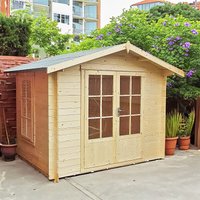
Description
Wooden summerhouses special offers for UK gardens: explore cabin, apex, pent, corner and hexagonal styles, compare timber thickness, glazing, roof shapes and space-saving layouts for everyday use.
Our wooden summerhouses special offers bring together a range of timber garden rooms with clear differences in shape, size and look. Some lean towards a neat cabin feel, others keep a lower profile with a pent roof, while corner designs make use of awkward plots and hexagonal forms add a softer edge. Each style carries its own character, and the right choice often comes down to how the space sits in the garden, how much light you want inside, and whether the building is for quiet sitting, hobby use, or simply a dry spot away from the house.
These offers are about timber buildings with proper presence. They are not just boxes in the grass. A wooden summerhouse can frame a view, anchor a patio, or sit at the end of a path as a small retreat. The grain, the cladding pattern, the roof angle and the window layout all change the feel. That is why the category covers more than one shape. It gives room for slim designs, broad fronts, tucked-away corners and garden statements with a bit of charm.
Short and simple. Timber has warmth. Lines matter. Light changes the mood.
Shapes that shift the whole garden
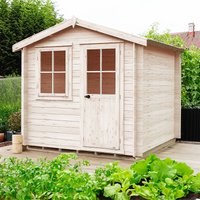
One of the clearest differences in this category is the roofline and footprint. An apex summerhouse brings a familiar pitched shape, often with a more classic garden-room outline. The central ridge can give a little extra headroom in the middle, and the front elevation often looks tidy and balanced. A pent version is lower and more angular, with the roof sloping in one direction. That makes it suit boundary placement, side plots and areas where a modest profile is wanted. It can sit neatly below fences or alongside taller planting without dominating the view.
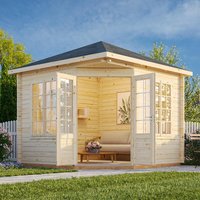
Corner summerhouses use a tucked-away layout that works with unused angles in the garden. Instead of taking up a long straight run, they claim a diagonal space and can feel less intrusive. This is useful in smaller plots where every metre matters. Hexagonal and octagonal forms, on the other hand, create a more pavilion-like feel. The shape invites a central sitting arrangement and often gives a wider sweep of windows, so the inside can feel bright and open.
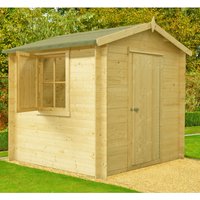
There are also straight-fronted cabin-style summerhouses. These tend to look stronger and more architectural, with clean edges and a straightforward plan. If the garden already has curves, planting or winding paths, the crisp form gives a sense of order. If the space is formal, the cabin shape can sit well beside paving and structured borders. If the space is informal, it can act as a visual anchor. The differences are not only cosmetic. They affect how the building catches light, how furniture fits and how the eye moves across the plot.
- Apex roofs suit a balanced, traditional outline.
- Pent roofs keep the height modest.
- Corner units make use of awkward angles.
- Hexagonal or octagonal designs bring a softer, rounder feel.
- Cabin-style fronts give a more defined, boxy look.
Timber character, not just timber walls
Within timber summerhouse clearance and special offer selections, the wood itself plays a large part in the appeal. Most buyers look at how the cladding is finished, how thick the boards feel, and whether the construction reads as lightweight or more substantial. Shiplap cladding creates a neat, overlapping face with a smart shadow line. Tongue and groove panels bring a tighter join and a more refined finish. Overlap boarding gives a more rustic reading, with each board visible and the surface carrying more of a cottage-style mood.
The sense of thickness changes the whole tone. A slimmer build can feel airy and light, while a thicker wall build has a steadier, more grounded presence. The difference is visible from the outside, but it also influences how the building fits into the garden. A delicate design can sit quietly among borders and soft planting. A more solid one can hold its own beside fencing, paving or a raised deck. The choice is not only about looks. It is about the message the structure sends. Quiet, neat, rustic, bold. Each one reads differently.
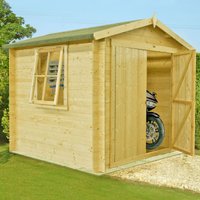
Glazing forms part of the character too. Wide windows bring more sky and greenery into view. Narrower panes can make the room feel more enclosed and sheltered. Some models use single doors, while others open with double doors for a wider entry. That changes how the summerhouse connects to the garden. A broad opening can make the threshold feel softer. A single door can keep the shape compact and give the front a more contained feel.
Little details matter. Frame widths. Corner joins. Door position. Window rhythm.
Offers with different uses in mind
Some buyers are searching for a small garden seat-away, somewhere to place a chair, a table and a mug. Others want a building that can hold a dining set, a writing desk or a couple of loungers. The special offers in this category often cover a spread of footprints so the space can be matched more closely to the intended use. A compact summerhouse works well when the garden is narrow or when the building needs to sit beside existing features. A larger one allows separate zones, perhaps one side for sitting and the other for storage boxes, cushions or display shelves.
This is where form and function begin to split. A corner unit may save ground area, but it also alters how the interior feels. It can create a broader view from within, though the furniture layout needs a little thought. A rectangular cabin can be easier to furnish in clean rows. A hexagonal room feels social, with seating often arranged around the middle. The same building type can behave differently once it is placed in a real garden, especially if the view is across lawns, beds, or a pond.
In a category built around wooden summerhouses, the offer can be about more than price. It can be about finding a shape that suits the site without forcing the rest of the garden to change. That means checking where the doors will open, how the roofline meets neighbouring structures, and whether the building will sit lightly or with more weight in the composition of the plot. These small decisions make the final setting feel considered.
- Compact shapes suit tighter plots.
- Wider fronts suit seating groups.
- Corner layouts leave open lawn areas intact.
- Raised views work well in deeper gardens.
Light, outlook and the feel inside
Windows change the atmosphere more than many expect. A summerhouse with panes on several sides lets the garden in from different angles, so the room shifts through the day. Morning light can touch one wall, afternoon light another. This gives the interior more movement. In contrast, a building with fewer openings feels calmer and more enclosed. That can suit a quiet reading spot or a place where the emphasis is on shelter from wind and glare.
The shape of the roof can also change the inside. Higher apex sections can make the centre feel less compressed. A pent roof can create a clean ceiling line that feels streamlined and organised. The visual difference is obvious once you step inside. One version gives a classic rise overhead. The other stays lower and more direct. Neither is better in a general sense. They simply create different spatial moods.
On the outside, glazing patterns can echo the style of the garden. Small panes can give a neat cottage tone. Larger glazed sections make the room seem more open to the plot. Some summerhouses have evenly spaced windows, which creates a balanced front. Others shift the windows to one side, which can be useful when the building is positioned near a fence or hedge. The right pattern depends on whether you want a framed view, a broad outlook, or a more private nook. It’s a small detail, but it changes the whole tone.
Bright front. Quiet back. Different feel entirely.
Which special offer suits which plot
Wooden summerhouses special offers often cover a wide mix of footprints, so the main task is not just comparing prices. It is comparing the relationship between the building and the garden. A rectangular model sits neatly against a fence line or at the end of a path. A corner style can free the middle of the lawn. A broader cabin shape may become the end point of a terrace or paved area. If the plot is long and narrow, the roof direction matters too, because a pent roof can help the structure sit low and unobtrusive.
For gardens with more open ground, a larger summerhouse can act as a focal point. If there are trees, shrubs or layered planting, a timber building can sit among them and appear part of the scene rather than a separate object. In tighter spaces, a more compact model keeps circulation clear. The pathways still work, the borders still breathe, and the building does not overwhelm the rest of the design. That balance is often what buyers want from a special offer category: choices that feel usable, not just reduced in price.
Shape also changes how the building meets the eye from different positions in the garden. A hexagonal form reveals itself slowly from a path bend. A cabin front makes its presence known straight away. A corner summerhouse can almost disappear until you walk near it. These are not minor differences. They shape the journey through the space. They alter where the eye rests, and how the garden feels when you cross it.
Helpful checks before choosing
Before selecting from a special offer range, it helps to look at the practical details hidden inside the style. Check the footprint against the intended setting. Look at the door swing and whether a double opening would make access easier. Notice the roof pitch and how it will relate to nearby trees, sheds or fences. If the summerhouse is going on paving, measure the base carefully so the building sits square. If it is being placed at the end of a lawn, think about the path that leads to it.
The timber finish also deserves a close look. Some cladding patterns create a sharper shadow line and a more dressed appearance. Others feel looser and more rural. If the rest of the garden has clipped hedging and formal edges, a cleaner timber face may blend better. If the planting is soft and layered, a slightly rustic look can sit naturally among it. There is no single rule. The point is to let the building belong, not stand apart by mistake.
It can help to compare windows, too. A building with more glazing can feel sociable and open. One with fewer windows can feel calmer and more tucked away. If the summerhouse will sit close to neighbours, the window position becomes even more relevant. If the garden is private and open, broader glazing can bring in more of the scene. The offer becomes more useful when these details are matched to how the space is actually used.
- Measure the base before ordering.
- Check how the doors open.
- Match roof height to the setting.
- Compare window positions with nearby views.
- Choose a shape that suits the plot, not just the price.
Why wooden summerhouses hold their own
There is a reason timber keeps returning in garden design. It carries texture, warmth and a natural grain that works well against grass, stone and planting. In a special offer category, this matters because the building is not only bought for its function but for the tone it brings. A wooden summerhouse can soften a hard patio edge. It can lend depth to a plain lawn. It can create a point of rest in a garden that otherwise feels too open.
Different subtypes bring different results. An apex model often feels familiar and measured. A pent roof version is less conspicuous and suits boundaries. A corner shape makes clever use of space. A cabin style feels structured. A hexagonal room has a more social, pavilion-like air. These distinctions help the buyer move beyond simple size comparisons. They make the choice more exact.
That is where these offers become useful. They let you compare forms, not just figures. They show how one timber building can look more traditional, another more contemporary, another more tucked in. The difference is often just a roof line, a window rhythm, or the way the wall edges meet. But those small shifts matter a lot in a garden, where every line is visible and every shape casts a mood. The right one doesn’t shout. It settles in.
Quiet timber. Clear lines. Garden space with a frame.
Small details that change the whole picture
Sometimes the smallest features steer the decision. A wider front opening can make the interior feel more connected to the garden. Narrower frames can sharpen the profile. Even the symmetry of the façade can change the mood: centred doors and matching windows give calm, orderly balance, while offset arrangements feel more relaxed and informal. In a wooden summerhouse special offer range, these differences are worth reading carefully because they determine whether the building looks planted or natural in its surroundings.
The category is also shaped by the tension between openness and shelter. More glass creates connection. Less glass creates privacy. A higher roof gives breathing space. A lower roof keeps the outline contained. A larger footprint opens more options for seating layouts, but a compact one can feel more intimate. These are the real trade-offs, and they are what make the search interesting.
So the best approach is to look at each offer as a distinct garden form. Not just a sale item. Not just timber on a base. A shape, a line, a view, a little room at the edge of the lawn. That is what wooden summerhouses bring to a site, and that is why the special offers deserve a closer look.
- Balance light with privacy.
- Let the roofline fit the plot.
- Use the shape to guide movement through the garden.
- Pick glazing that matches the view you want inside.
Browse the category with the garden plan in mind, and the differences become clearer at once. Apex, pent, corner, cabin, hexagonal. Each one carries a different rhythm. Each one changes the way the space feels. And each one can sit neatly in a garden when the form matches the ground beneath it, even if the choice seems small at first glance.